

Herbal Encyclopedia
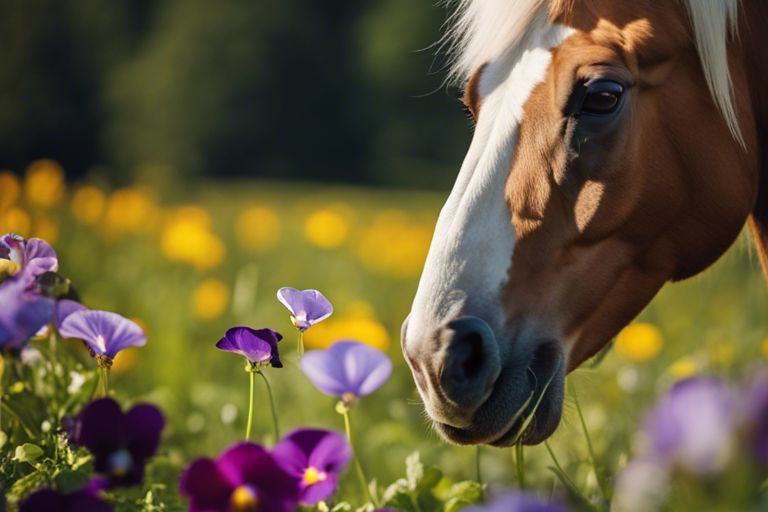

Thyme for horses
Introduction Thyme is an effective medicinal plant that can also be used in many ways for horses. Its expectorant, antiseptic, and pain-relieving properties make thyme a popular remedy for supporting horses' health. Overview of the Use of Thyme in Horses Thyme is used as a tea for various respiratory, gastrointestinal, and fever conditions. It has calming, antispasmodic, and pain-relieving effects. The plant contains valuable ingredients such as thymol, borneol, linalool, and saponins, which have a positive effect on the health of horses. Important Application Notes Caution should be exercised when using thyme in horses. Pure thymol should not be used as it can be harmful. Particular caution is advised for pregnant mares, as thyme is not recommended. It is important to pay close attention to the dosage and, if in doubt, consult a veterinarian to avoid side effects. Key findings: Thyme is an effective medicinal herb for horses: Thyme has strong expectorant and antiseptic properties and can even have pain-relieving and calming effects. Use as tea for various ailments: Thyme tea can be used for respiratory diseases, gastrointestinal problems, colic, cramps, and fever, but not for pregnant mares. Valuable ingredients in thyme: In addition to thymol, thyme contains other important components such as borneol, linalool, menthene, saponins, and resin, with the content varying depending on the region. Thyme in Equine Health Expectorant and Antiseptic Effect Medicinally active thyme is a proven remedy for expectoration and has an antiseptic effect, especially in horses. Its ingredients, including thymol and saponins, help to promote equine health and combat respiratory diseases. Pain Relief and Fever Reduction Thyme is also used for pain relief and fever reduction. It contains ingredients such as borneol and linalool, which have a calming and antispasmodic effect. Targeted application can help support horses with conditions such as colic or fever. However, when using thyme for horses, it is important to note that pure thymol is not recommended. It is advisable to use preparations specifically suitable for horses, such as thyme tea, so as not to endanger the animals' health. The versatility of this herb makes it a valuable resource in equine health. Forms of Application for Thyme Thyme Tea – Preparation and Dosage Thyme tea is a popular application method for horses to treat respiratory problems. For preparation, a teaspoon of dried thyme is steeped in hot water for 10-15 minutes. The dosage should be adjusted individually, but it is recommended not to administer more than two cups of tea per day. Restrictions and Precautions When using thyme in horses, certain restrictions should be observed. Particular caution is advised for pregnant mares, as thyme can promote contractions in higher doses. In addition, pure thymol can be harmful to horses. Therefore, it is important to pay close attention to the dosage and consult a veterinarian if in doubt. It is advisable to always use thyme in moderation and taking into account the individual needs of the horse. In this way, the positive therapeutic effect of thyme can be optimally utilized without risking negative side effects. Ingredients and their Significance Essential Oils and their Mode of Action Thyme contains an essential oil, 50% of which consists of thymol - a strong expectorant and antiseptic active ingredient. This oil has calming, antispasmodic, and pain-relieving effects. In horses, it can be used for respiratory, gastrointestinal, and fever conditions. Other Components of Thyme and their Benefits Thyme also contains important components such as borneol, linalool, menthene, saponins, and resin. These ingredients have various positive effects on the health of horses. For example, saponins have anti-inflammatory effects, while tannins protect the mucous membranes. This variety of beneficial components makes thyme a valuable medicinal herb for horses. Conclusion Thyme is an effective medicinal plant that can relieve horses with respiratory problems, stomach and intestinal complaints, and colic. The ingredients such as thymol, borneol, and saponins have expectorant, antispasmodic, and calming effects. It is important to use thyme only in appropriate doses and not for pregnant mares. Recommendations for Practice It is recommended to use thyme in horses for the treatment of respiratory diseases, colic, and other internal organ complaints. It is advisable to consult a veterinarian to determine the correct dosage and method of application. In addition, care should be taken to use only high-quality thyme to achieve the best possible results. Further studies have shown that thyme can also have antibacterial and antiviral effects. There are many different ways in which thyme can be used in equine treatment, from thyme tea to essential oils. It is important to consider the individual needs of each horse and act accordingly.
Learn more
Nettle for Horses
Introduction Nettle is a true all-rounder among herbs when it comes to horse health. Nettle is traditionally used for general health prevention as it is rich in important nutrients such as mineral trace elements, vitamins A and C, and enzymes. Its effect on the horse's metabolism and blood circulation, in particular, makes it a valuable addition to horse feeding. In addition, nettle can also provide positive support for various ailments such as impending colds, urinary tract diseases, and even mild colic symptoms. With its healing properties, nettle can thus make a valuable contribution to the health and fitness of horses. Key Takeaways: Nettle as an all-rounder: Nettle is a versatile herb used for general health prevention, stimulating metabolism and circulation. Strengthening the immune system: Nettles can strengthen horses' immune systems, prevent colds, and provide relief from various ailments such as rheumatism and laminitis. Ingredients: Nettle contains important mineral trace elements, vitamins, and enzymes such as secretin, and is suitable for lung diseases, stomach complaints, and liver diseases. Benefits for Horse Health Nutritional Value and Important Ingredients Nettle is rich in mineral trace elements such as iron, magnesium, potassium, silicic acid, calcium, and phosphorus. It also contains plenty of vitamins A and C, as well as the enzyme secretin, which offers various health benefits. Supporting the Horse's Immune System Nettle strengthens the immune system of horses and can help with impending colds. It is also used to relieve rheumatism and similar complaints. Furthermore, it stimulates metabolism, promotes blood circulation, and can provide supportive relief for mild colic symptoms. Externally, an essence can be helpful as a poultice for burns. The administration of nettle as a tea over a longer period can support therapy for various diseases such as lung diseases, gastric catarrh, and liver ailments. Therapeutic Uses Digestive Health and Metabolic Support Nettle herb is known for its positive effects on the digestion and metabolism of horses. The included minerals such as iron, magnesium, and potassium, as well as vitamins A and C, promote the general health of the digestive system and support metabolism. The herb can also help to relieve stomach cramps and treat liver, bile, and spleen ailments. Respiratory and Circulatory Benefits Nettle also offers benefits for horses' respiratory and circulatory systems. Due to its stimulating effect on metabolism and blood circulation, it can be beneficial for lung diseases, gastric catarrh, and other respiratory problems. Furthermore, it can provide supportive relief for laminitis and alleviate mild colic symptoms. Regular administration of nettle tea over a longer period can enhance therapeutic effects and support the horse's overall health. Dosage and Application Preparing Nettle for Horses Before administering nettle herb to your horse, prepare it carefully. You can use the entire plant, fresh or dried. Nettle is rich in mineral trace elements such as iron, magnesium, potassium, and contains important vitamins A and C. Observe the correct dosage to achieve maximum effectiveness. Guidelines for Safe Use and Potential Side Effects The use of nettle herb for horses can have many health benefits, but it is important to follow the dosage recommendations. Too high amounts could have negative effects, including stomach discomfort or allergic reactions. Always consult a veterinarian before introducing new herbs or supplements into your horse's diet. External Applications Treatment of Skin and Wound Problems Nettle herb is also helpful externally as a poultice for skin problems and burns. The mineral trace elements and vitamins it contains support skin regeneration and promote wound healing. The antioxidant properties of nettle can reduce inflammation and improve skin health. Improving Hoof Health Nettle can also help improve hoof health. With its high content of iron, magnesium, and silicic acid, it promotes blood circulation and metabolic activity in the hoof. This can help prevent laminitis and support general hoof health. This is particularly important for horses, as hoof problems can have serious consequences. Furthermore, nettle is known for its anti-inflammatory properties, which can help with mild colic symptoms in horses. Regular administration of nettle tea can provide additional support to promote digestive health and alleviate potential discomfort.
Learn more
Icelandic Moss for Horses
Introduction Iceland Moss is a valuable lichen that offers various health benefits for horses. From respiratory diseases to supporting stomach acid regulation, Iceland Moss shows versatile positive effects on horses' health. Overview of Iceland Moss Iceland Moss, also known as Cetraria islandica, is rich in vitamin B12, mucilage, bitter compounds, and antibiotic agents. These ingredients make it a valuable supplement for horses' health, especially for respiratory and lung diseases. Historical Significance for Horses Iceland Moss has long held historical significance for horses, as it is considered soothing and strengthening for mucous membranes. Additionally, it is valued for its antibiotic properties. In the wild, it is even consumed by horses, indicating its natural healing properties. Key Takeaways: Iceland Moss is a valuable plant for horses, used for respiratory and lung diseases. It is soothing, strengthens mucous membranes, and has antibiotic properties. The Iceland Moss is rich in Vitamin B12 and helps regulate stomach acid. It can also be invigorating after exhaustion and illnesses. The ingredients of Iceland Moss include mucilage, vitamin B12, cetrarin, bitter compounds, and antibiotic agents. It is the most iodine-rich terrestrial plant and contains silicic acid as a mineral substance. Botanical Properties of Iceland Moss Classification and Appearance Iceland Moss, botanically known as Cetraria islandica, is actually a lichen. With a bitter taste and rich in mucilage, B vitamins, and antibiotic agents, it is a valuable plant for horses. It is often used for respiratory and lung diseases and can regulate stomach acid. Natural Occurrence and Habitat Iceland Moss grows in damp, cool regions such as mountain forests and bogs. It is the most iodine-rich terrestrial plant and contains important minerals such as silicic acid. Horses specifically consume it in the wild because it can strengthen their mucous membranes and have an antibiotic effect. Health Benefits for Horses Respiratory and Lung Health Iceland Moss is a valuable plant often used in horses to treat respiratory and lung diseases. The lichen has an irritating and strengthening effect on the mucous membranes in the mouth and throat. It also has an antibiotic effect and is consumed by horses in nature. Effect on Stomach and Intestines For stomach and intestinal diseases, Iceland Moss can help regulate stomach acid. Furthermore, it contains important ingredients such as vitamin B12, cetrarin, and mucilage. These can be helpful for anemia, after accidents, or blood loss after operations. The most iodine-rich terrestrial plant thus offers diverse health benefits for horses. Nutritional Value and Ingredients Vitamin B12 and Cetrarin Iceland Moss is rich in Vitamin B12 and contains the ingredient Cetrarin, both of which are considered particularly valuable for horses' health. Vitamin B12 plays an important role in blood formation and energy metabolism, while Cetrarin has antibiotic properties and is therefore helpful in preventing and combating diseases. Iodine Content and Silicic Acid Iceland Moss is the most iodine-rich terrestrial plant and also contains silicic acid as a mineral substance. The high iodine content can help support thyroid function and regulate metabolism in horses. Silicic acid is important for bone structure and skin health in animals. Further information on the iodine content and silicic acid in Iceland Moss can help to exploit the full potential of this valuable plant for the health and well-being of horses. Targeted application can prevent possible deficiencies and support natural healing. Application and Dosage Use in various diseases Iceland Moss is successfully used in horses for respiratory and lung diseases, as it has a soothing and strengthening effect on the mucous membranes. It also has antibiotic properties, which play a supportive role in the treatment of various diseases. Recommended Dosage and Forms of Feeding The recommended dosage of Iceland Moss depends on the individual needs of the horse and the severity of the illness. It can be administered in various forms such as tea, powder, or as a supplement to feed. It is important to adhere strictly to the dosage to achieve the best possible effect and avoid any side effects. Furthermore, care should be taken to ensure that the quality of the Iceland Moss is high to ensure optimal effectiveness. It is advisable to consult an expert before using Iceland Moss for horses to ensure correct dosage and application. Conclusion After extensively examining the positive properties of Iceland Moss for horses, we can confidently say that this lichen is one of the most valuable plants for the health of our beloved four-legged friends. With its soothing and strengthening properties for the mucous membranes in the mouth and throat, it is particularly important for respiratory and lung diseases. The antibiotic effect of Iceland Moss can support horses with various health problems. In addition, it is rich in Vitamin B12, which is particularly beneficial for anemia, after accidents or operations. The variety of mucilage, bitter compounds, and other ingredients make Iceland Moss a valuable supplementary feed for horses. It is important to observe the dosage of Iceland Moss according to the individual needs of the horse. Excessive amounts can lead to undesirable side effects, so we recommend always finding the right balance and consulting a veterinarian if in doubt. Nevertheless, Iceland Moss is an indispensable remedy for maintaining horses' health due to its positive effects. All horse owners should be aware that Iceland Moss is a natural resource that should be used with care. With proper application, Iceland Moss can make an important contribution to the health and vitality of our horses.
Learn more
Ribwort Plantain for Horses
Introduction Ribwort plantain is a time-tested medicinal herb for horses, particularly effective for respiratory diseases with mucus. In addition to blood cleansing and support for skin problems, ribwort plantain can also help with bleeding, ulcers, and pain. The ingredients of ribwort plantain, such as glycosides, saponins, bitter substances, and essential oil, make it a valuable herb for horse health. Although the leaves are recognized as medicinal, the roots of ribwort plantain are also highly healing. Discover the diverse names and versatile effects of this medicinal herb for your horses' health. Benefits of Ribwort Plantain for Horses Respiratory Support Ribwort plantain is known for its supportive effect on the respiratory system of horses. It is particularly helpful for respiratory problems associated with mucus. The juice of ribwort plantain cleanses the blood and can also help with skin diseases, while the herb itself has hemostatic properties. Skin and Blood Cleansing Ribwort plantain has a variety of health-promoting ingredients such as glycosides, bitter substances, essential oil, and vitamin C. It is effective in treating ulcers, animal bites, burns, and much more. Both the leaves and the roots have healing properties and are rich in chlorophyll, iron, and potassium salts. Active Ingredients in Ribwort Plantain Important Ingredients and Their Effects Ribwort plantain is rich in various active ingredients that have health-promoting properties. The most important ones include glycosides, saponins, bitter substances, and chlorophyll types. These contribute to the mucolytic, anti-inflammatory, and blood-cleansing effects of ribwort plantain, especially in respiratory diseases. Important Vitamins and Minerals Ribwort plantain contains a variety of vital vitamins and minerals, including vitamin A, vitamin C, vitamin K, iron, calcium, and potassium salts. These nutrients are important for supporting the immune system, wound healing, and the overall health of your horse. Furthermore, ribwort plantain contains large amounts of mucilage, which help to soothe airway irritations and make mucus easier to cough up. The combination of various active ingredients and vital substances makes ribwort plantain an effective herb for your horse's health. Harvesting and Using Ribwort Plantain Optimal Harvest Time and Plant Parts Ribwort plantain should be harvested during its flowering period and before seed formation to optimally utilize its effective ingredients. The leaves are considered medically effective, while the roots also have healing properties. Application Methods for Horses The application methods for horses can be diverse, such as adding ribwort plantain juice to their food. This can help with respiratory problems and skin diseases. It is important to pay attention to the correct dosage, as ribwort plantain has an astringent effect and can therefore also stop bleeding. Precautions and Dosage Safe Use Recommendations Before administering ribwort plantain to your horse, always consult a veterinarian. Although ribwort plantain offers many health benefits, it is important to pay attention to the correct dosage and application. Make sure to use only high-quality products and do not exceed the recommended dosage. Observe your horse carefully after administration to detect any side effects. Determining the Right Amount The dosage of ribwort plantain for horses depends on various factors, including the animal's weight and health condition. As a general guideline, adult horses can receive 30-50 g of dried ribwort plantain per day, while foals require a lower dosage. It is advisable to gradually increase the dosage and observe your horse's reaction to determine the optimal amount. Further information on ribwort plantain dosages for various horse health-related needs can be acquired through experience or the advice of a veterinarian. Ribwort Plantain for Horses: A Valuable Medicinal Herb with Diverse Active Ingredients Ribwort plantain is undoubtedly a classic among mucolytic herbs for horses, its use for respiratory problems and other diseases dates back a long time. With its numerous active ingredients such as glycosides, saponins, vitamins, and mucilage, ribwort plantain offers a wide range of healing possibilities for horses. Whether for blood cleansing, treatment of skin diseases, or pain relief - the versatility of this medicinal herb makes it an indispensable component in equine natural medicine. If the correct harvest time and method are observed, ribwort plantain can be a valuable addition to the health and well-being of horses.
Learn more
Hawthorn leaves for horses
Introduction Hawthorn, a medicinal plant with diverse positive properties, has long been successfully used to strengthen the cardiovascular system in horses. Its anti-inflammatory effect and its ability to regulate blood pressure make it a valuable natural remedy. Older horses in particular benefit from the pump-frequency-boosting ingredients of hawthorn leaves, which can also be used in hot summer months to strengthen circulation. In addition, hawthorn has relaxing, antispasmodic, and supportive effects for various health problems such as colic, navicular disease, and laminitis. With its high vitamin C content, flavonoids, and other valuable ingredients, hawthorn is a valuable addition to a horse's care plan. Key Takeaways: Hawthorn leaves promote the cardiovascular system of horses: Hawthorn is used as a natural tonic for horses to strengthen the circulatory system and can even be helpful for age-related heart muscle disorders. Hawthorn has diverse health benefits: The ingredients of hawthorn leaves not only provide support for heart problems but also have anti-inflammatory, antispasmodic, and nerve-calming effects. Traditional use of hawthorn: Even in ancient times, wreaths or gates were made from hawthorn to ward off evil spirits of disease, which indicates the long history of using this medicinal plant. Benefits of Hawthorn for Horses Circulatory Support Hawthorn leaves are a valuable natural support for the cardiovascular system of horses. They can help to increase the heart's pumping frequency and thus strengthen heart valve function in older horses. Especially in hot summer months, the leaves are often used to support circulation and, if necessary, to achieve a calming effect. Anti-inflammatory Properties and Fever Reduction Hawthorn leaves have anti-inflammatory properties and can even help to reduce fever. This effect can be particularly beneficial in situations of health problems. Furthermore, they have antispasmodic and nerve-calming effects, offering diverse application possibilities for various health issues in horses. Other ingredients such as flavonoids, oligomeric proanthocyanidins, and amines contribute to supporting the effectiveness of hawthorn leaves, making them a valuable medicinal plant for the health of horses. Hawthorn in Older Horses Improving Heart Valve Function Older horses often suffer from weaker heart valves. The ingredients in hawthorn leaves ensure a higher pumping frequency, which contributes to improving heart valve function. This can help to support the heart health of older horses and increase their well-being. Blood Pressure Regulation Hawthorn can be used to both lower and raise blood pressure. In older horses, blood pressure regulation can be particularly important to prevent cardiovascular diseases. The natural active ingredients of hawthorn can help to maintain blood pressure at a healthy level and support heart health. Hawthorn for Common Equine Diseases Relief from Colic Symptoms The antispasmodic effect of hawthorn makes it valuable support for colic in horses. Regular administration can alleviate symptoms and improve the horse's well-being. Support for Hoof Diseases For navicular disease and laminitis, hawthorn can play a supportive role by promoting healing due to its content of oligomeric proanthocyanidins and other active ingredients. It is important to start treatment early to avoid serious consequences. Further information on hoof diseases: Hoof problems can be very painful for horses and lead to long-term damage. Early intervention with medicinal plants such as hawthorn, which contain anti-inflammatory and antispasmodic ingredients, can accelerate healing and improve the horse's quality of life. Active Ingredients of Hawthorn Vitamins and Flavonoids Hawthorn leaves contain a high proportion of vitamin C and flavonoids, which are known for their antioxidant properties. These components contribute to strengthening the cardiovascular system and have an anti-inflammatory effect. Additional Beneficial Compounds In addition to vitamins and flavonoids, hawthorn leaves contain other valuable ingredients such as oligomeric proanthocyanidins, amines, minerals, and salts. Particularly noteworthy are the diuretic, antispasmodic, and nerve-calming effects of these compounds. Flavonoids and proanthocyanidins support circulatory regulation and can be helpful for age-related heart muscle disorders. Administering Hawthorn to Horses Recommended Dosages The dosage of hawthorn for horses depends on various factors such as weight, health condition, and the purpose of administration. For general circulatory strengthening in older horses, for example, 20-30 grams of hawthorn leaves can be administered daily. However, it is advisable to consult a veterinarian before administering hawthorn to your horse to determine the optimal dosage. Forms of Hawthorn and Proven Practices Hawthorn for horses is available in various forms, including leaves, bark, flowers, and fruits. It is recommended to choose high-quality products to achieve the desired health benefits. Proven practices include adding hawthorn leaves to your horse's feed ration or preparing teas. Always ensure that hawthorn is administered in appropriate amounts and according to instructions to guarantee safety and effectiveness. Hawthorn offers a variety of health benefits for horses and can be used to support various conditions. Its diuretic, antispasmodic, and nerve-calming effects make it a versatile medicinal plant for animal health. With proper administration and dosage, hawthorn can strengthen circulation and promote your horse's well-being. Precautions and Side Effects Potential Interactions Hawthorn can interact with certain medications, especially blood pressure-lowering drugs. It is advisable to speak with a veterinarian before using hawthorn to avoid potential interactions. Knowing When to Use Hawthorn It is important to use hawthorn only under the guidance of a veterinarian, especially if the horse is already taking medication or suffers from chronic conditions. It should not be administered without consulting a professional to avoid negative effects. The correct dosage and application of hawthorn are crucial to achieve maximum health benefits. Furthermore, the duration of treatment should be adjusted according to the individual needs of the animal to minimize possible side effects. Hawthorn Leaves for Horses: A Natural Support for the Cardiovascular System The use of hawthorn leaves as a tonic for horses is a proven method to strengthen the cardiovascular system and alleviate various health problems. With anti-inflammatory, antispasmodic, and nerve-calming properties, hawthorn can play a valuable supportive role in older horses with heart muscle disorders, colic, navicular disease, and laminitis. The diverse ingredients such as vitamin C, flavonoids, and oligomeric proanthocyanidins contribute to hawthorn being a medicinal plant that can positively affect the health and well-being of horses.
Learn more
Lemon balm for horses
Overview of Melissa and Its Popularity Melissa, also known as lemon balm, is extremely popular with horses and humans due to its diverse calming and antispasmodic properties. It is used for stomach problems, nervous restlessness, cardiovascular complaints, and even externally for bruises. Historical Use of Melissa Even in antiquity, melissa was known as a medicinal herb and was used by monks, among others, against gastrointestinal complaints. Hildegard von Bingen even used it as a natural mood enhancer. Melissa not only has a calming effect, but is also antibacterial, antifungal, and can even repel insects. Further information on the historical use of melissa includes its versatile application as a heart remedy and its antispasmodic effect on nervous horses. It is also one of the oldest known medicinal plants, which develops a holistic healing effect through various valuable ingredients such as essential oils, bitter substances, and mineral salts. Conclusions: Antispasmodic and calming effect: Melissa can be used in horses to relax the stomach and intestines, for physical or mental exhaustion, and to calm nervous or anxious horses. Versatile healing effect: Melissa was already known as a medicinal herb in antiquity and is not only calming, but also antibacterial, antifungal, and effective against viral diseases. It contains valuable ingredients such as essential oils, flavonoids, and bitter substances. Names and notes: Melissa is also known as bee balm, heart bread, or lemon herb. When storing dried melissa, it is important that it does not come into contact with metal to maintain its quality. Healing Effects of Melissa for Horses Digestive Properties Melissa is known for its antispasmodic and calming effect on the digestion of horses. By regulating gastric juices and relaxing the intestines, it can be of great help with stomach problems. These properties make melissa a valuable herb for supporting digestive functions in horses. Stress and Anxiety Relief In nervous and anxious horses, lemon balm can have a calming and enveloping effect on the mind. This can help relieve tension and allow horses to find a sense of relaxation. These stress and anxiety-relieving properties of melissa make it a popular herb for dealing with psychological stress in horses. Melissa also has antibacterial and antifungal effects, which provides additional protection and healing. The positive effects on cardiovascular complaints as well as its known use for gastrointestinal problems and its calming effect make melissa a versatile helper for the health and well-being of horses. Recommended Dosage for Horses The recommended dosage of melissa for horses depends on various factors such as weight, size, and individual reaction. Generally, a dosage of 1 to 3 grams per day is recommended. It is advisable to gradually increase the melissa to achieve the optimal effect. If in doubt, it is recommended to consult a veterinarian or an experienced equine naturopath. Different Forms of Application Melissa can be applied to horses in various ways, such as a tea, extract, or essential oil. External application is also possible, for example, to treat bruises or insect bites. It is important to choose the right form of application according to the individual needs and symptoms of the horse. For internal application, the dosage should be observed and gradually increased to minimize possible side effects. Ingredients and Their Benefits Overview of the Most Important Ingredients Melissa contains a variety of valuable ingredients, including essential oils, flavonoids, bitter substances, tannins, various acids, and mineral salts. This combination makes melissa a versatile medicinal herb for horses. Specific Benefits for Horse Health The calming effect of melissa on horses makes it a valuable addition to horse care. Especially in nervous and anxious horses, melissa can have a calming effect and reduce tension. In addition, melissa regulates the production of gastric juices, relaxes the intestines, and can even support cardiovascular complaints. Other positive effects of melissa include its antibacterial, antifungal, and insect-repellent properties. This means that melissa can be used in many ways to promote the health and well-being of horses. Precautions and Storage Proper Storage of Melissa To maintain the effectiveness of melissa for horses, it must be stored correctly. Dried melissa should never come into contact with metal, so storage in tin cans is not recommended. Ideally, melissa should be stored in an airtight container in a cool, dry place to preserve its high-quality ingredients. Possible Side Effects and Interactions When using melissa to calm horses, it is important to pay attention to possible side effects and interactions with other medications. In general, melissa is considered well-tolerated, but in rare cases, allergies or hypersensitivity reactions may occur. It is recommended to consult a veterinarian before using melissa for horses, especially if the horse is already taking medication, to avoid unwanted interactions. Further information about possible side effects and interactions with melissa can be obtained through an intensive study of scientific literature and consultations with experts in the field of veterinary medicine. Conclusion The versatile healing effect of melissa for horses is remarkable. From regulating gastric juices to calming nervous horses, lemon balm offers natural and effective support in various areas. With its antibacterial and antifungal properties, as well as its positive effect on viral diseases, melissa is a valuable herb that should not be missing in horse care. Use of Melissa in Horses Melissa is a traditional medicinal herb that has been valued for its calming and healing effects since ancient times. Thanks to its diverse ingredients such as essential oils and flavonoids, lemon balm is ideal for supporting the health and well-being of horses. Careful and professional application can help promote the natural balance of the animals and increase their well-being. It is important to ensure an appropriate dosage and application when using melissa in horses to avoid possible side effects. Always consult a veterinarian or an equine health professional if in doubt to ensure the best possible support for your horse.
Learn more
Chasteberry for Horses
Introduction Chasteberry, also known as Vitex agnus-castus, is a versatile herb highly valued for its healing properties in hormone-related metabolic disorders, in both humans and animals. In the context of equine health, chasteberry has proven its effectiveness, particularly in the treatment of hormonal irregularities such as Cushing's syndrome. History of Chasteberry Chasteberry has been used in medicine for thousands of years and was highly regarded in antiquity. Its use for "women's ailments" and hormonal complaints dates back to this long history. Overview of Applications in Horses Chasteberry is successfully used in horses, particularly for Cushing's syndrome and to treat behavioral disorders, such as aggressive behavior in mares during estrus. In stallions and geldings, it helps to reduce dominant and aggressive behavior. Its healing ingredients, such as essential oil, flavonoids, and iridoid glycosides, make it a valuable component of natural horse health. Chasteberry and Cushing's Syndrome Alternative to Conventional Therapies Chasteberry has proven to be a successful alternative remedy for equine Cushing's syndrome that can replace conventional medications. The medicinal ingredients such as essential oil, flavonoids, and iridoid glycosides in chasteberry help to effectively treat hormone-related metabolic disorders and positively influence horse behavior. Method of Use and Dosage The application and dosage of chasteberry for horses should be done carefully to achieve optimal results. It is recommended to dose the fruit, flowers, or leaves of the chasteberry according to the individual needs of the horse. For hormone-related disorders such as Cushing's syndrome, regular intake in consultation with a veterinarian can help to alleviate symptoms and improve the horse's well-being. Further information on the correct application and dosage of chasteberry can be obtained from a veterinarian or an experienced horse expert to ensure that the horse benefits optimally from the positive effects of chasteberry. Behavioral Disorders in Horses and Chasteberry Treatment in Mares In mares, chasteberry can be an effective treatment for behavioral disorders during estrus or persistent estrus. The herbal active ingredient helps to reduce aggressive behavior and regulate the animals' mood swings. Through its regulating effect on hormone balance, chasteberry can help to promote balanced behavior in mares. Managing Aggressive Behavior in Stallions and Geldings Managing aggressive behavior in stallions and geldings requires special attention. Chasteberry can be a supportive measure to reduce dominant and aggressive behavior. It is important to react early to signs of aggressiveness and to take appropriate measures to avoid injuries to humans and animals. The natural ingredients of chasteberry can help to positively influence the behavior of stallions and geldings and contribute to a harmonious coexistence. Ingredients and Mechanisms of Action Medicinally Active Components of the Plant Chasteberry, also known as Vitex agnus-castus, contains valuable ingredients such as essential oil with terpenes, sabinene for the peppery taste, as well as cineole and flavonoids. Furthermore, tannins and especially iridoid glycosides are present, which have anti-inflammatory and immunoregulatory effects. These diverse components make chasteberry an effective remedy for horses. The Role of Iridoid Glycosides and Other Important Substances Iridoid glycosides are of particular importance as they have anti-inflammatory and immunoregulatory properties. In addition to these substances, chasteberry contains other important components such as essential oil, flavonoids, and tannins, which together exert a synergistic effect. This combination supports the regulation of hormone-related metabolic disorders in horses, especially in Cushing's syndrome and behavioral disorders. Cultivation and Harvesting of Chasteberry Cultivation and Extraction The cultivation of chasteberry requires warm climatic conditions and well-drained soil. The plant is preferably planted in spring and can grow up to 2 meters tall. The fruits are harvested in late summer to autumn when they are fully ripe and their valuable ingredients have developed optimally. Quality Assurance and Storage For the quality assurance of chasteberry, it is crucial that the plant parts are gently dried to preserve the active ingredients. Storage should be in a cool, dry place to ensure shelf life. Adherence to these measures is important to ensure the effectiveness of chasteberry for horses and to avoid possible contamination. Conclusion Summary of Applications Overall, chasteberry for horses proves to be a versatile remedy for hormone-related metabolic disorders. Especially in Cushing's syndrome, its use has been successful, both for regulating behavioral disorders and for treating aggressive behavior. The effective plant parts, such as essential oil, flavonoids, and iridoid glycosides, contribute to chasteberry being an effective alternative to conventional medications. Outlook on Further Research A promising area for future studies related to chasteberry for horses lies in researching its exact mechanisms of action. In particular, the anti-inflammatory and immunoregulatory properties of iridoid glycosides offer great potential for the development of new therapeutic options. It is crucial to initiate further research on this topic to understand the full range of positive effects of chasteberry on horses.
Learn more
Lavender for Horses
Introduction The use of lavender for horses offers a variety of benefits due to its healing and calming effects. This fragrant herb is used to soothe nervous or agitated horses, especially in stressful situations such as on New Year's Eve or during loading. Furthermore, lavender not only helps with tension and muscle pain, but also with skin infections and parasite infestations. Lavender's diverse applications make it a valuable component of horse care, whether for wound healing, pain relief, or general relaxation and revitalization. Learn more about the effectiveness and application possibilities of lavender for horses in this informative blog post. Lavender in Traditional and Modern Equine Practices Historical Use of Lavender for Horses Lavender has a long history in healing horses. It was used in the past to calm nervous or stressed animals. Its healing properties made it a valuable component in horse care. Integration of Lavender in Modern Equine Therapies The integration of lavender into modern equine therapies is widespread. Lavender oil is applied externally to relieve tension and blockages and to help with muscle pain. Lavender is also successfully used for skin infections or fungal infections . In addition, essential oils of lavender have a calming effect and are often used to reduce stress in horses. Therapeutic Benefits of Lavender for Horses Lavender's Calming and Stress-Reducing Effects Lavender is valuable not only for humans but also for horses due to its calming properties. For nervous or irritable horses, lavender can be used to soothe them, especially in stressful situations such as on New Year's Eve or during loading. Its antispasmodic and antibacterial effects make it an important aid in dealing with stress-related problems in horses. Muscle Relaxation and Pain Relief Lavender oil, applied externally, relieves tension and blockages and thus helps with muscle pain. It also has wound-healing and soothing effects, which are often used by equine dentists. Due to its pain-relieving property, lavender can be helpful in providing horses relief from various pains. Further applications of lavender oil in horses include the treatment of fungal infections or infections of the skin, hooves or claws, as well as for parasite control. The germicidal properties of lavender are particularly effective and essential for the health of the animals. Application and Safety Methods of Administering Lavender to Horses There are various ways to administer lavender to horses. This can be in the form of essential lavender oil, lavender blossoms, or lavender spirit. Application often occurs through rubbing, inhalation, or by adding it to the horse's feed. Safety Measures and Precautions When using lavender for horses, it is important to observe some safety measures. Care should be taken not to overdose lavender, as this can lead to irritation of the mucous membranes. It is also advisable to consult a veterinarian before use, especially if the horse has health problems or is pregnant. Further positive aspects of using lavender in horses are its calming and antispasmodic effects, which can be helpful for nervous or stressed horses. Further Diverse Applications of Lavender Parasite Control in Horse and Poultry Breeding Lavender is not only used to calm horses, but also for parasite control in equine and poultry breeding. Its germicidal properties can help combat skin, hoof or claw infections in horses, while poultry breeders use lavender for parasite control. The natural effectiveness of lavender offers an additional option to the chemical treatment of parasites commonly used in agriculture. Effectiveness of Lavender in Treating Various Ailments Lavender oil offers a variety of health benefits for horses and humans. It can not only help with muscle pain and itching after insect bites, but also with nausea, dizziness, and stomach discomfort. The wound-healing, soothing, and pain-relieving effects of lavender oil are even used by equine dentists. With its flavonoids, essential oils, and other ingredients, lavender offers a natural, versatile solution for treating various ailments. Conclusion Lavender, with its fragrant and effective healing properties, is invaluable for horses. It helps calm nervous or irritable horses in stressful situations such as on New Year's Eve or during loading. Furthermore, lavender oil relieves tension and blockages, helps with muscle pain, and has wound-healing and germicidal effects on skin problems. Its diverse applications, also for other animals such as poultry, make lavender an extremely useful remedy in veterinary medicine. With its ingredients such as flavonoids, essential oils, and tannins, lavender is a natural helper for the health and well-being of horses.
Learn more
Lady's Mantle for Horses
Introduction Lady's mantle is a versatile medicinal plant that can also be of great benefit to horses. The use of lady's mantle dates back to the Middle Ages, and its broad spectrum of effects makes it an insider tip for skin and mucous membrane problems in our beloved four-legged friends. History of Lady's Mantle Discovered in the Middle Ages, lady's mantle quickly became a popular medicinal plant due to its hemostatic and anti-inflammatory properties. Applied both internally and externally, lady's mantle can effectively support skin and mucous membranes. Its use in horses with eczema or other skin problems demonstrates the versatility of this plant. Medicinal plant for humans and horses Lady's mantle can be used as a wound herb in both humans and horses and, thanks to its astringent effect, helps heal wounds and relieve itching. Particularly in mares after foaling, lady's mantle can support the healing of the birth canal and also exert its anti-inflammatory effect in cases of diarrhea caused by gastrointestinal germs. Key Insights: Skin and Mucous Membrane Care: Lady's mantle has astringent and anti-inflammatory properties that can be applied both externally to the skin and internally to the mucous membranes of horses. Extensive Effects: Lady's mantle can be hormone-regulating, digestion-promoting, anti-inflammatory, antispasmodic, blood-cleansing, and hemostatic, which can treat a variety of health problems in horses. Versatile Applications: In addition to external use for eczema and skin problems, lady's mantle can also be used internally after foaling to support the healing of the birth canal or for gastrointestinal problems such as diarrhea. External Application Treatment of Skin Problems Lady's mantle is an insider tip for horse skin care. Its astringent and anti-inflammatory effects make it particularly effective for eczema and other skin problems. By applying lady's mantle in apple cider vinegar, wounds can be sealed, bleeding stopped, and itching relieved. Wound Treatment and Hemostasis Lady's mantle is suitable not only for external but also for internal use. Its hemostatic effect is particularly helpful in wound treatments. It can not only seal skin wounds but also effectively stop bleeding. This property makes lady's mantle a valuable healing herb for treating injuries in horses. Further information on lady's mantle in wound treatment and hemostasis: Lady's mantle contains various valuable ingredients such as tannins, flavonoids, and essential oils, which support its healing effect. The weakening effect on the nerves in the skin also relieves itching. Lady's mantle can therefore play an important role in the quick and effective healing of skin injuries in horses. Internal Application Promoting Healing in Mares Lady's mantle is used internally in mares after foaling to promote the healing of the birth canal. Its astringent and hemostatic effect supports the healing process and helps prevent complications. The anti-inflammatory property of lady's mantle helps maintain the health of the birthing mare. Use in Diarrhea Lady's mantle is also successfully used in cases of diarrhea, especially in horses suffering from gastrointestinal germs. Its effect of inhibiting the penetration of bacteria into the intestinal mucosa helps prevent inflammation and promotes the healing process. Thus, lady's mantle can contribute to regulating digestion and supporting the horse's health. Spectrum of Effects of Lady's Mantle Hormonal and Digestive-Promoting Properties Lady's mantle has hormone-regulating properties and can be used in mares, especially in combination with chaste tree. It also supports digestive function and thus promotes a healthy gastrointestinal flora. Anti-inflammatory and Antispasmodic Effects Lady's mantle shows an anti-inflammatory and antispasmodic effect, which is helpful both externally for skin problems and internally, for example, for diarrhea caused by gastrointestinal germs. Due to the astringent properties of lady's mantle, bleeding is stopped and the mucous membranes are protected. Other important active ingredients of lady's mantle include tannins, flavonoids, bitter substances, essential oils, and saponins. These components contribute to the versatile healing effects of this plant. Ingredients and Designations Key Active Ingredients at a Glance Lady's mantle (lat. Alchemilla vulgaris L.) is rich in tannins, flavonoids, bitter substances, and other valuable ingredients. These active ingredients contribute to lady's mantle being both hormone-regulating and anti-inflammatory. In addition, it has antispasmodic and blood-purifying effects, which explains its versatile application in horses and humans. Popular Names for Lady's Mantle Lady's mantle is also known by various popular names, such as Marienkraut (Mary's herb), Frauenhilf (women's aid), and Gewittergras (thundergrass). These names reflect the long tradition and diverse uses of this medicinal plant. They refer to the positive properties of lady's mantle and emphasize its importance in natural medicine. Further popular names for lady's mantle, such as Tränenschön (tear beauty) and Löwenfußkraut (lion's foot herb), provide insight into the multifaceted world of plant names and highlight the beauty-preserving and protective properties of this plant. The diverse names contribute to the mystique and fascination of lady's mantle. Conclusion Lady's mantle is a valuable medicinal plant for horses that can be used both internally and externally. With its astringent and anti-inflammatory effects, lady's mantle is particularly effective for skin and mucous membrane problems. The various ingredients such as tannins, flavonoids, and essential oils contribute to its healing effect. The external application of lady's mantle in apple cider vinegar is ideally suited for horses with eczema or other skin problems. Thanks to its ability to seal wounds and stop bleeding, lady's mantle offers a natural and effective treatment option. In addition, it relieves itching, which ensures quick healing and soothing of the skin. For internal applications, lady's mantle supports the healing of the birth canal in mares after foaling. Lady's mantle can also help with gastrointestinal problems such as diarrhea by making it difficult for harmful bacteria to penetrate the intestinal lining and by acting as an anti-inflammatory. It is important to know and specifically use the versatile applications of lady's mantle for horses to improve their health and treat possible ailments. With its wide range of positive properties such as hormone-regulating, digestion-promoting, antispasmodic, and hemostatic, lady's mantle is a true insider tip for horse owners.
Learn more