

The Significance of Walnut Leaves in Equine Health
In the world of equine herbalism, walnut leaves have long been recognized as a versatile remedy. With their anti-inflammatory and astringent properties, they are highly effective both internally and externally for horse skin problems. From alleviating inflammation, sunburn, and itchy eczema to supporting glandular swelling and bone diseases, walnut leaves offer a wide range of applications. Additionally, they serve as a natural insect repellent in the pasture and provide valuable ingredients such as tannins, essential oil, and a high concentration of vitamin C. Discover the diverse applications and beneficial properties of walnut leaves for your horses' health.
Key Takeaways:
- Anti-inflammatory effect: Walnut leaves have anti-inflammatory properties and can be used for various skin problems in horses, such as inflammation, sunburn, and itchy eczema.
- Internal use: When used internally, walnut leaves can help with diabetes, gastrointestinal inflammation, liver disorders, and other health problems in horses.
- Natural insect repellent: Walnut trees in the pasture serve as a natural insect repellent for horses, as their essential oils deter biting insects.
Therapeutic Use of Walnut Leaves in Horse Care
Anti-inflammatory Properties
Walnut leaves are known for their anti-inflammatory effects in both internal and external ailments of horses. The tannins, bitter compounds, and flavonoids they contain help reduce inflammation and promote healing processes. Through their concentrated vitamin C supply, they also strengthen the animals' immune system, especially with skin problems.
Applications for Skin Problems
The application of walnut leaves in horses is diverse, especially for skin conditions such as inflammation, sunburn, hair loss, or insect bites. Walnut leaves not only relieve itching but also combat the root cause of the skin problem. They are therefore ideal for horses with sensitive skin or itchy eczema. Additionally, they can have a positive effect on inflammatory rashes and other skin conditions.

Administration of Walnut Leaves
Internal Use for Digestive and Metabolic Problems
The internal use of walnut leaves in horses is extremely effective, especially for digestive problems and metabolic disorders. The leaves help with diabetes, inflammation of the gastric and intestinal mucosa, liver disorders, and worm infestation. In addition, they cleanse the blood and stimulate metabolism.
External Use for Skin Problems and Wounds
For external applications of walnut leaves for horses, their anti-inflammatory and astringent properties are particularly effective. They relieve skin conditions such as inflammation, sunburn, hair loss, and insect bites. In addition, they also work for itchy eczema and inflammatory rashes. The leaves not only serve to alleviate discomfort but also promote healing.
Further information on the external applications of walnut leaves includes their ability to reduce glandular swelling, support the treatment of bone diseases, and help with dental ailments. Their natural properties make them a versatile and effective treatment method for various skin conditions and injuries in horses.
Benefits of Walnut Trees in the Equine Environment
Natural Insect Repellent Properties
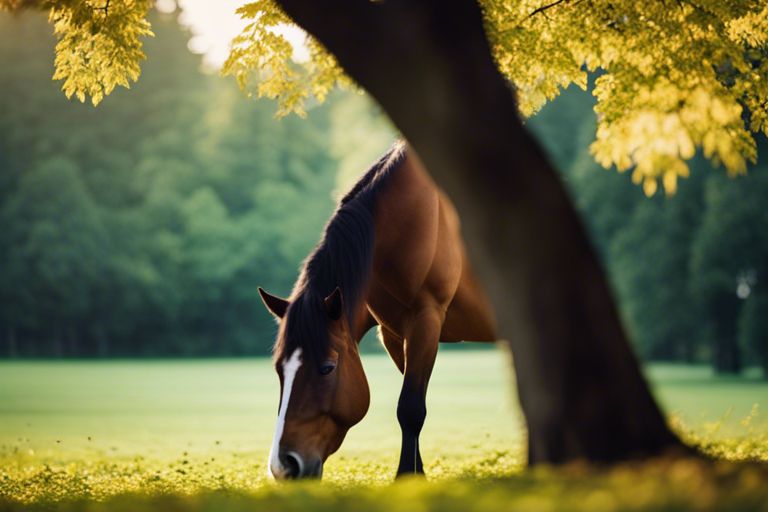
Walnut trees are not only known for their anti-inflammatory effects but also serve as a natural insect repellent for horses. Under a walnut tree, horses find protection from biting pests such as mosquitoes, horseflies, and midges, which avoid the tree due to its essential oils. This can help improve the well-being of horses in the pasture and protect them from annoying insect bites.
Provision of Shade and Comfort
Walnut trees are not only a natural insect repellent but also provide shade and comfort for horses in the pasture. Under a walnut tree, animals can find protection from the sun and cool down on hot days. The leaves of the walnut tree also have an astringent effect, which can help with skin problems such as inflammation and itching. This makes the walnut tree a valuable component of the equine environment.
Nutrient Profile of Walnut Leaves
Key Components and Their Effects
Walnut leaves contain a variety of important components, including a high proportion of tannins, bitter compounds, flavonoids, essential oil, and fatty oil, as well as a high concentration of pure vitamin C. These ingredients contribute to enhancing the anti-inflammatory and astringent properties of the leaves, which can have a positive effect, especially on skin problems in horses. The high nutrient content makes walnut leaves a valuable natural supplement in equine herbalism.
Harvesting and Processing for Optimal Benefits
Walnut leaves are harvested in June, while unripe fruits are harvested in June and July, and ripe fruits in September. Careful processing of the leaves is crucial to preserve their healing properties. Through drying and storage, the valuable ingredients are optimally preserved, ensuring their effectiveness for horse health.
Safety and Considerations
Dosage and Frequency of Application
The dosage of walnut leaves for horses should always be under the supervision of a veterinarian or an experienced herbalist. A dosage of x grams per x kilograms of the horse's body weight is generally recommended, which should not be exceeded to avoid potential side effects. The frequency of application depends on the horse's individual situation and should also be determined in consultation with an expert.
Identifying and Avoiding Potential Side Effects
Before administering walnut leaves to your horse, it is important to identify and avoid potential side effects. Potential side effects include allergic reactions, gastrointestinal discomfort, and increased vitamin C levels, which can be harmful if overdosed. It is advisable to observe the horse carefully during the first application and adjust the dosage if necessary to avoid unwanted reactions.
Further information on possible side effects and safety precautions should always be obtained from an expert in this field to ensure your horse's health and well-being.
Conclusion
The use of walnut leaves in equine herbalism is a proven and effective method for treating various skin problems, inflammations, and internal diseases. The anti-inflammatory and astringent properties of walnut leaves make them a versatile and natural remedy for horses. In addition to external application for skin problems, the leaves also offer benefits for internal ailments such as diabetes, liver disorders, and worm infestation. Thanks to their valuable ingredients and layered effectiveness, walnut leaves are a valuable supplement for the health and well-being of horses.


