

News
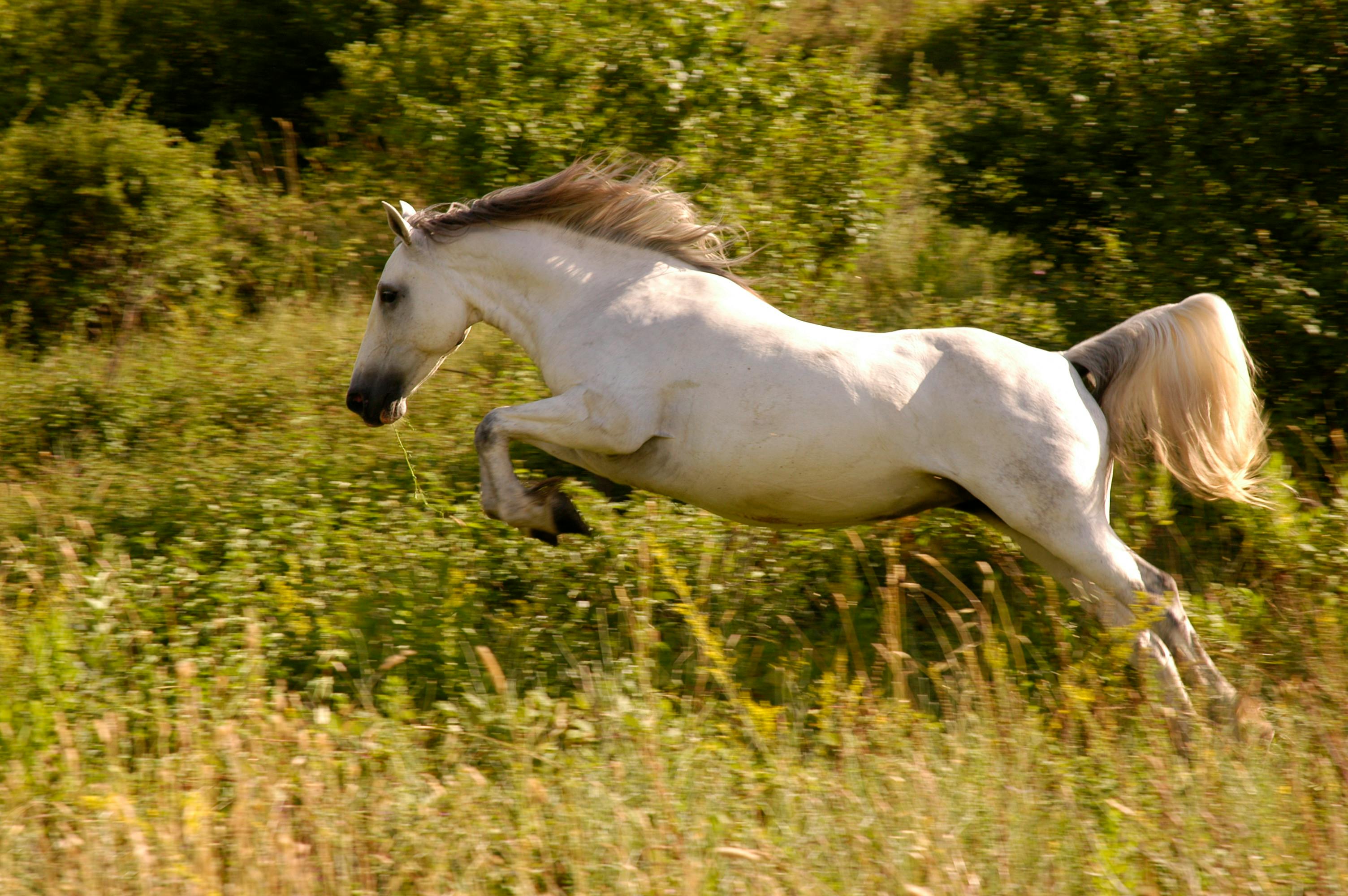

Preventing Consequences: The Risks of Magnesium Overdose in Horses
Magnesium Overdose in Horses The horse's nature as a prey animal shapes its behavior, and its pronounced flight instinct is a remnant of past times. While this instinct once decided between life and death, today it can challenge coexistence with humans. When training and care become difficult due to excessive nervousness, owners of spooky horses often turn to magnesium. This mineral is supposed to help calm the horse's nerves. However, as with any supplement, there are risks, especially with a potential magnesium overdose. Why Horses Often Suffer from Magnesium Deficiency Horses are often prone to magnesium deficiency, which can be attributed to various factors. A primary cause is the limited amount of magnesium in natural feed sources, particularly in hay and pasture grass. Additionally, cultivation and soil conditions can further influence the magnesium content in feed. Intense training, stress, or illness can increase the need for magnesium and lead to an imbalance. Horses that frequently experience stress from transport or competitions are particularly susceptible to magnesium deficiency. It is therefore important to monitor magnesium levels and supplement as needed. To ensure optimal health and performance in horses, it is crucial to understand their magnesium requirements and ensure they receive sufficient amounts of this important mineral. A balanced diet and, if necessary, targeted magnesium supplements can help prevent deficiency symptoms and promote the horses' well-being. For more information on the magnesium requirements of horses and the effects of magnesium deficiency, visit our article on Magnesium for Horses and Magnesium Deficiency in Horses. Causes of Overdosing Magnesium is rarely overdosed, but an overdose can affect potassium and sodium levels. Although excess magnesium is usually excreted in the urine, very high overdoses have been linked to kidney and heart problems. What you should consider before feeding your horse or pony magnesium: Consider why you want to give your horse a calming supplement. If your horse or pony becomes nervous, take time to analyze its feeding and work routines. A diet too rich in protein or carbohydrates, such as oats, and/or too little exercise can have serious consequences. Too much new spring grass can also lead to restlessness in a horse or pony. Try to limit grazing if you fear it might be too energizing. A nervous horse may need a calmer environment. A busy stable with a lot of noise can be unsettling even for the most docile animals. Patient training can sometimes be the best long-term solution to calm a "spirited" horse. Consider riding with an older, experienced, and calm companion to soothe an overactive horse. If you suspect your horse has a magnesium deficiency, you can ask your vet to take a blood sample. Signs of Magnesium Overdose in Horses When supplementing your horse with magnesium, it is important to find the right balance. An excess of this essential mineral, although rare, can lead to certain side effects. Normally, excess magnesium is efficiently excreted in the urine, minimizing the risk of accumulation in the horse's body. However, at very high doses, far exceeding the requirements, digestive problems such as diarrhea can occur. This emphasizes the importance of an adjusted magnesium intake. An excess, though less dangerous than a deficiency, can still have undesirable effects. Therefore, it is advisable to determine the magnesium dosage in consultation with a veterinarian or an equine nutrition expert to avoid both deficiency and excess. It is also important to consider alternatives to magnesium supplementation, such as natural sources of magnesium in the equine diet. A balanced diet with an appropriate ratio of minerals can help meet magnesium requirements without the risk of overdose. For more information on various options, please refer to our article "What is a good source of magnesium for horses?". Health Risks of Overdosing An overdose of magnesium carries health risks for horses. It is important to understand these risks to protect your horse's health. Here are some of the possible health risks of magnesium overdose: Digestive Problems A magnesium overdose can lead to digestive problems in horses. This may manifest as diarrhea, colic, or other gastrointestinal discomfort. Pay attention to changes in your horse's stool or eating behavior and consult a veterinarian immediately if an overdose is suspected. Muscle and Nerve Disorders Another risk of magnesium overdose is muscle and nerve disorders. Too much magnesium can disrupt electrolyte balance, which can negatively affect muscle and nerve function. This can lead to muscle tremors, stiffness, cramps, or even temporary paralysis. If you notice such signs, you should consult a veterinarian immediately. Effects on Metabolism Excessive magnesium intake can also affect your horse's metabolism. This can lead to disturbances in calcium metabolism, which in turn can impair bone health. Furthermore, too high magnesium intake can imbalance the horse's nutrient balance and lead to further metabolic disorders. It is important to note that the exact effects of a magnesium overdose depend on various factors, including the horse's individual sensitivity and the amount of magnesium ingested. Therefore, it is advisable to carefully monitor the dosage and always consult a veterinarian or nutritionist if you have concerns. Appropriate dosing and monitoring of magnesium levels in your horse's body are crucial to avoid overdose and protect your horse's health. A balanced diet tailored to your horse's needs is also important to meet natural magnesium requirements. For more information on the health benefits of magnesium for horses and natural magnesium sources, please refer to our articles Benefits of Magnesium for Horses and Good Magnesium Sources for Horses. Preventing Magnesium Overdose To avoid a magnesium overdose, it is important to dose magnesium correctly and monitor symptoms. You should also always seek advice from a veterinarian or nutritionist. Correct Dosing of Magnesium To prevent a magnesium overdose, it is crucial to dose magnesium according to recommendations. The exact dosage depends on various factors such as your horse's weight, its magnesium requirements, and its individual situation. It is advisable to follow the dosage recommendations on the magnesium supplement packaging or consult a specialist. Too high a dosage can lead to undesirable side effects. Consultation with a Veterinarian or Nutritionist To ensure your horse receives the correct amount of magnesium and to avoid an overdose, it is advisable to consult a veterinarian or nutritionist. These experts can assess your horse's individual needs and provide recommendations for the correct dosage. They can also provide further information on the effects of magnesium on horses and potential side effects. It is important that the advice is tailored to your horse's specific needs. Monitoring Symptoms and Adjusting Dosage While administering magnesium, it is important to carefully observe your horse's reactions and adjust the dosage if necessary. If signs of overdose appear, such as digestive problems, muscle or nerve disorders, the dosage may need to be reduced. Regular monitoring of symptoms and close collaboration with a veterinarian or nutritionist are crucial to ensure your horse receives the optimal amount of magnesium and is not exposed to excessive amounts. By correctly dosing magnesium, consulting specialists, and monitoring symptoms, a magnesium overdose can be avoided. It is important to consider your horse's individual needs and always keep an eye on its health. Alternatives to Magnesium Supplementation When it comes to meeting your horse's magnesium needs, in addition to supplements, there are also natural sources of magnesium in the horse's diet. A balanced feeding and rations can be a good alternative to direct magnesium supplementation. Natural Sources of Magnesium in Equine Nutrition There are various natural sources of magnesium that you can include in your horse's diet. Here are some examples: Food Magnesium content per 100 gOat flakes 139 mgFlax seeds 392 mgSunflower seeds 325 mgWheat bran 611 mgAlfalfa 210 mgRed beet 23 mgBananas 27 mg These foods can contribute to meeting your horse's magnesium needs as part of a balanced ration. However, it is important to carefully plan the overall ration and ensure that all nutrients are present in sufficient quantities. If necessary, consult a veterinarian or nutritionist to ensure your horse's diet is optimal. Balanced Feeding and Rations A balanced diet is crucial to meet your horse's magnesium needs while avoiding overdose. Make sure your horse's total ration contains all the necessary nutrients in the correct amounts. A ration consisting of high-quality hay, quality concentrated feed, and possibly supplementary foods can help meet your horse's magnesium needs. It is advisable to have the ration regularly reviewed by a professional to ensure it meets your horse's individual needs. A balanced diet in combination with natural magnesium sources can be a good alternative to direct magnesium supplementation and help minimize the risk of overdose. To learn more about the effects of magnesium on horses, visit our article on the effect of magnesium on the horse. Customers Ask Us These Questions About "Magnesium Horse Overdose": Can a horse overdose on magnesium? The risk of an overdose of supplementary magnesium for your horse is extremely low. Excess magnesium is usually quickly excreted in the urine and therefore normally does not accumulate in dangerous amounts in the horse's body. However, administering high doses can lead to diarrhea. How much magnesium citrate does a horse need? A proven dosage for a healthy horse is 4–5 g per 100 kg body weight. A 550 kg horse should receive a heaped tablespoon (equivalent to about 25 g – containing about 2,500 mg of magnesium). What is a horse's magnesium requirement? The requirement for a large horse varies between 10 and 13 grams per day, depending on the literature. During lactation, the requirement increases to 18 to 20 grams. Thus, magnesium requirements are quantitatively second only to calcium requirements. When do horses need additional magnesium? During growth or lactation, the need for magnesium is also increased. A lack of magnesium in horses in training – especially on hot days and in mares with foals – is not uncommon. It is therefore recommended to supplement with magnesium. How much magnesium does a horse need daily? The daily requirement for magnesium varies depending on the horse, for example, whether it is a pregnant mare or if the horse is in training. As a rough guideline, you can follow this guide: Basic requirement: 1.5 g per 100 kg body weight. For horses in training: 1.9 g - 3 g per 100 kg.
Learn more
Safety first: Benefits and side effects of magnesium in horses
Magnesium in Horses Perhaps you know it from yourself: if you are tense or nervous, an additional magnesium intake can work wonders. But did you know that this procedure can also be applied to many of our animals? We will explain when magnesium is beneficial for horses, what it does, and how you can recognize deficiency symptoms. Benefits of Magnesium in Horses Magnesium plays a crucial role in the health and well-being of horses. It offers numerous benefits, especially for the nervous system, muscle relaxation, and metabolism. Nervous System Support Magnesium is essential for the proper functioning of the nervous system. It contributes to the transmission of nerve impulses and helps maintain the normal function of nerve pathways. Sufficient magnesium intake can help horses be mentally clearer and more balanced. Particularly nervous or stressed horses benefit from it. For more information on using magnesium for nervous horses, please refer to our article on the use of Magnesium for Nervous Horses. Muscle Relaxation and Spasm Relief Magnesium plays a crucial role in muscle relaxation and the relief of spasms. It promotes muscle relaxation and reduces the risk of muscle tension and cramps. This is particularly important for horses prone to stiffness or tension. Through adequate magnesium intake, horses can improve their mobility and flexibility. Improved Metabolism Magnesium is involved in various metabolic processes in the body. It plays an important role in energy production and supports the breakdown of carbohydrates, fats, and proteins. Furthermore, it contributes to the regulation of blood sugar levels. Improved metabolic activity can help horses utilize their nutrients more efficiently and maintain an optimal state of health. For more information on the benefits of magnesium for horses, please refer to our article "What are the benefits of magnesium for horses?". Supplementing horses' diets with magnesium can therefore offer a variety of benefits. However, it is important to consider the correct dosage and the individual needs of the horse. Side Effects of Magnesium in Horses While magnesium offers many benefits for horses, it is important to be aware of potential risks. Here are some possible side effects of magnesium intake in horses. Digestive Problems Some horses may react to magnesium with digestive problems, such as diarrhea, soft stool, or reduced feed utilization. It is important to monitor your horse's reaction to magnesium supplementation and adjust the dosage if necessary. If digestive problems persist, it is advisable to consult a veterinarian to discuss further steps. Influence on Calcium Metabolism Magnesium can influence calcium metabolism and cause an imbalance between magnesium and calcium. This can negatively affect bone health and mineral metabolism. A balanced magnesium-calcium ratio is important to avoid potential problems. It is recommended to consult a veterinarian to determine the optimal magnesium-calcium status for your horse. Overdose and Its Consequences An overdose of magnesium can have serious consequences, such as impaired normal physiological functions. Symptoms of magnesium overdose can include lethargy, muscle tremors, increased reflexes, and even heart problems. However, it should be noted that such an overdose is extremely rare, as a healthy horse's body usually simply excretes excess magnesium via urine. The side effects of magnesium intake in horses are rare, but can occur in some cases. Individual reactions may vary, so it is important to consider the correct dosage and your horse's individual needs. Always consult a veterinarian before administering magnesium supplements to your horse to ensure they are suitable for your horse and pose no health risks. Magnesium Intake for Horses The correct intake of magnesium for your horse is crucial to achieve the desired results and avoid potential side effects. In this section, we will discuss the correct dosage and form of administration of magnesium, as well as considering your individual needs and important points when feeding magnesium supplements. Correct Dosage and Form of Administration The dosage of magnesium for your horse depends on various factors, such as the weight, age, and individual needs of your horse. It is advisable to consult a veterinarian to determine the optimal dosage for your horse. Generally, the recommended daily dose for an adult horse is between 10 and 20 grams of magnesium. The form of administration of magnesium can vary depending on your preferences and the needs of your horse. Magnesium can be administered in the form of supplementary feeds, mineral supplementary feeds, pellets, or powders. Be sure to follow the manufacturer's instructions carefully and distribute the recommended amount evenly throughout the day to ensure optimal absorption. Considering Your Horse's Individual Needs Your horse has individual needs when it comes to magnesium intake. Certain factors such as age, breed, activity level, and health status can influence the need for magnesium. A veterinarian can accurately assess your horse's magnesium requirements and make recommendations accordingly. Be sure to consider these individual needs to ensure your horse receives the right amount of magnesium. Important Points When Feeding Magnesium Supplements When feeding magnesium supplements, there are some important points to consider: Magnesium supplements should never be considered a substitute for a balanced diet. The basis of your horse's diet should always consist of high-quality hay, grass, and, if necessary, supplementary feeds. Monitor the total amount of magnesium from various sources to avoid an overdose. Too much magnesium can lead to undesirable side effects, such as diarrhea or disturbances in calcium metabolism. Closely observe your horse's reactions to magnesium supplementation. If unusual symptoms or side effects occur, you should consult a veterinarian. Have the blood magnesium level checked regularly to ensure that your horse is adequately supplied and that there are no deficiency symptoms or overdoses. By paying attention to the correct dosage and form of administration of magnesium, considering your horse's individual needs, and observing important points when feeding magnesium supplements, you can ensure that your horse benefits from the advantages of magnesium without experiencing unwanted side effects. Safety and Precautions When dealing with magnesium in your horse, it is important to take safety precautions and observe precautions to ensure your horse's health and well-being. Consultation with a Veterinarian Before administering magnesium supplements to your horse, it is advisable to consult a veterinarian. A veterinarian can assess your horse's magnesium requirements and recommend the correct dosage and form of administration. In addition, they can consider any contraindications or interactions with other medications or dietary supplements. Monitoring Your Horse's Reactions After starting magnesium supplementation, you should carefully observe your horse's reactions. Look for possible side effects such as digestive problems or changes in your horse's behavior or performance. If you notice any unusual reactions, you should contact your veterinarian immediately. Regular Checking of Magnesium Levels If you want to ensure that your horse receives the correct amount of magnesium and there is no under- or overdose, it is advisable to have the magnesium level checked regularly. Your veterinarian can help you determine the ideal time and frequency of checking. It is important to observe these safety precautions to protect your horse's health and well-being. You can find more information on magnesium in horses in our other articles, such as Magnesium for Horses and Magnesium Deficiency in Horses. These are the questions our customers ask about "Side effects of magnesium in horses": What does magnesium do for horses? Magnesium plays an important role in muscles, the nervous system, and heart function. Magnesium can calm the nervous and cardiovascular systems and promotes muscle relaxation. What are the effects of an overdose of magnesium in horses? The risk of an overdose of additional magnesium for your horse is extremely low. Excess magnesium is usually rapidly excreted in the urine and therefore does not normally accumulate in dangerous amounts in the horse's body. However, administering high doses can lead to diarrhea. How much magnesium can a horse have? To compensate for a magnesium deficiency, we generally recommend giving 5 g per 100 kg body weight per day (= 30 g for a 600 kg horse). How quickly does magnesium work in horses? The response to magnesium can vary greatly individually, depending on the needs and condition of the respective horse. However, positive changes are usually noticeable within a few days to weeks after starting supplementation. What to feed for magnesium deficiency? Oats provide 1.3 grams, corn 1.2 grams, and straw 1.2 grams of magnesium per kilogram. Natural additional magnesium sources are flaxseed and wheat bran (4 to 5 grams/kilogram), alfalfa meal, brewer's yeast, and sugar beet pulp (approximately 2 to 3 grams/kilogram).
Learn more