

Horse Breeds
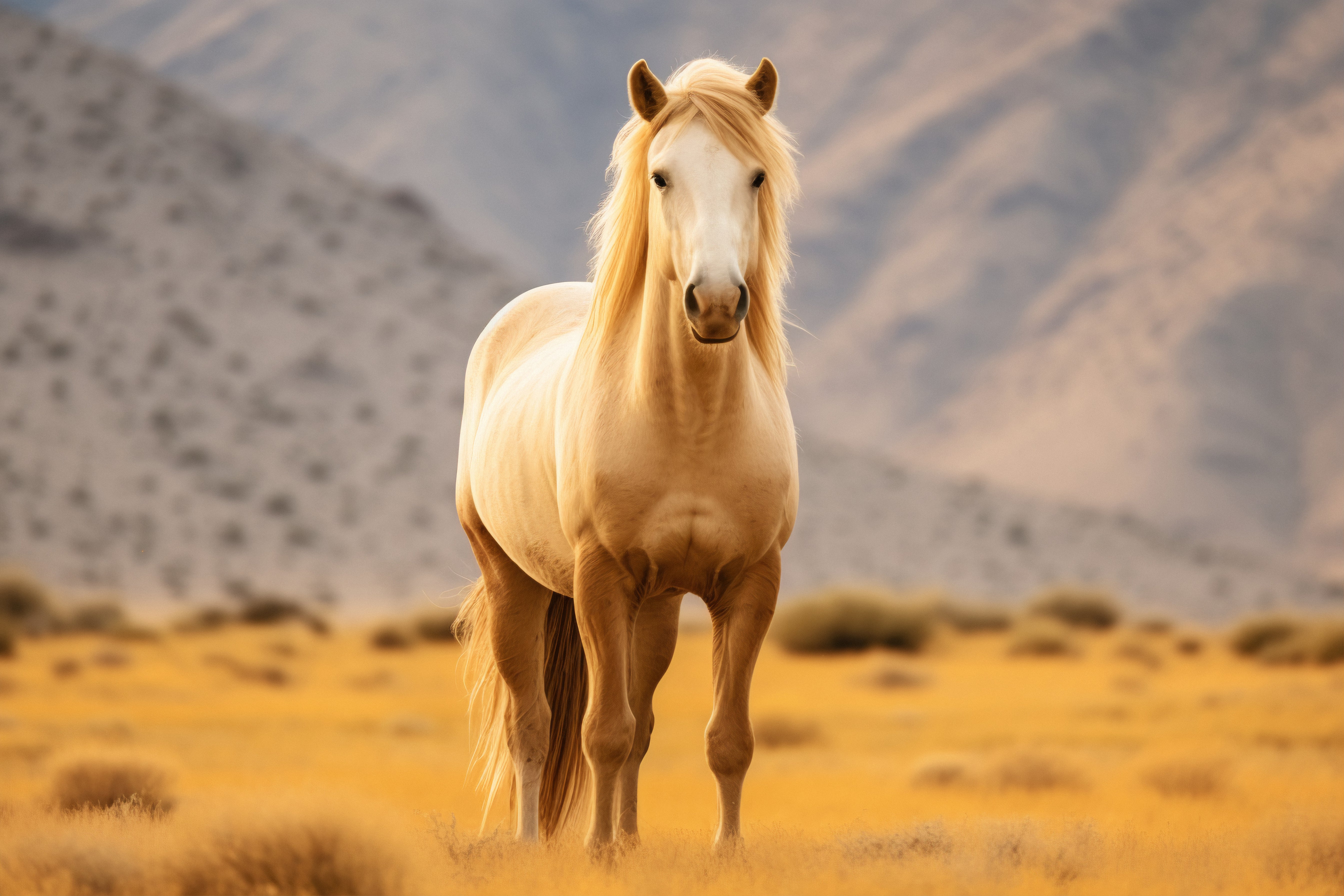

Friesian Horse Breed: Everything You Need to Know About Its Origin, Character, and More
The Fascination of Friesian Horses The majestic Friesians, also known as the "black pearls," captivate horse lovers worldwide with their unique combination of grace and strength. This horse breed from Friesland, the Netherlands, impresses not only with its striking appearance but also with its gentle character and versatility in various disciplines. In our informative blog "The Ultimate Guide to the Friesian Horse," we take a detailed look at the diverse characteristics and deep-rooted origins of this unique horse breed. Profile: Friesian Origin Netherlands Main Breeding Area Netherlands/West Friesland Distribution Europe-wide Bred since 16th-17th century Life Expectancy 20 - 30 years Height 155 to 175 cm Weight 520 - 770 kg Color Mostly Black, rarely Brown Type Warmblood Character Calm, balanced, loyal, sensitive, intelligent, eager to learn Body Powerful, muscular build; Long, abundant mane and tail; Suitable for Riding, Driving, Show, Dressage Keeping and Care Large pastures and regular training; Special care for coat and hooves required The Unique Characteristics of the Friesian Horse The Diversity of Temperament and Character Friesians are known for their calm and balanced nature. They form close bonds with their owners and are loyal companions. Their sensitivity, intelligence, and eagerness to learn shape their character. Despite their imposing stature and strength, they are gentle and suitable for both novice and experienced riders. Physical Characteristics: Form and Build of the Friesian Horse Breed Friesians present themselves as graceful and powerful horses of impressive stature. Their muscular build, strong legs, short to medium-long back, and expressive eyes give them a majestic aura. Particularly striking is their long, flowing mane, which often reaches the ground. A characteristic feature is their height, which ranges from 1.55 to 1.75 meters, and their weight, which averages between 520 and 770 kilograms, depending on their size and muscle mass. The Innate Talents of Friesian Horses Friesian horses are gifted and extremely versatile. They are particularly popular in dressage, where they impress with their elegance and spirited gait. Their skill in dressage is appreciated worldwide. Additionally, Friesians can demonstrate their exceptional abilities in other disciplines such as driving or shows. Their imposing appearance and reliable nature make them perfect partners for a wide variety of challenges. Origins and Breeding History at a Glance Exploring the Origins of the Friesian Horse The Friesian horse, also known as the "Black Pearl" of Friesland, has a fascinating history dating back to Roman times. Originally used as a regional draft horse breed, the current form of the Friesian horse was shaped in the 16th to 17th centuries by cross-breeding with Spanish breeds. This cross gave the Friesian its characteristic features and made it one of the most fascinating horse breeds worldwide. The Development of Friesian Horse Breeding The evolution of Friesian horse breeding is characterized by careful selection and breeding standards. Over the centuries, breeders have worked hard to preserve the unique characteristics and distinctive appearance of the Friesian. Today, the Friesian breed is bred according to strict criteria to maintain its elegance, strength, and versatility. The breeding history of the Friesian horse is a fascinating chapter in the world of equestrian sport. Important Milestones in Friesian History In the rich history of Friesian horses, there are several significant milestones that highlight the development and importance of this noble breed. From rescuing the breed from extinction to its international fame in show events and films, Friesians have experienced numerous remarkable moments. Their ability to combine tradition and innovation makes them a true jewel in the world of horses. Keeping and Care of Friesian Horses: The Ideal Environment Friesian horses require optimal conditions for their keeping and exercise to ensure their health and well-being. They thrive in large pastures where they have enough space to move and can maintain social contact with other horses. Regular training that does justice to their versatile talents and grace is also important to maintain their physical fitness. Proper housing, clean stable conditions, and a balanced diet are crucial for the well-being of these majestic animals. Special Care Measures for Coat and Hooves The care of Friesian horses' coats and hooves requires special attention. Their dense coat and impressive manes require regular brushing, cleaning, and checking for injuries. Due to their muscular bodies and size, Friesian hooves are more prone to problems and require regular care and trimming. Careful care of the coat and hooves can prevent potential health problems and optimally support the health of the Friesians. It is also important to regularly check the horses' eyes, ears, and teeth and seek veterinary support if necessary to meet their health needs. The special care they receive is reflected in their condition, performance, and well-being. Nutrition: The Role of Minerals and Vitamins Proper nutrition is crucial for the health and well-being of Friesian horses. A balanced supply of minerals and vitamins supports their metabolism, performance, and health. Friesians require a feeding ration specially tailored to their needs, containing high-quality nutrients and covering their energy requirements. The addition of supplements can help compensate for any deficiencies and support the long-term health of Friesians. It is advisable to regularly review the Friesians' diet plan and, if necessary, coordinate it with a veterinarian or nutrition expert to ensure that they receive all essential nutrients in sufficient quantities. A balanced diet is key to the health and performance of these majestic horses. Health and Common Diseases in Friesians Prevention and Treatment of Mud Fever Mud fever is a common skin condition in Friesian horses, due to their dense coat and impressive feathering on their fetlocks. To prevent mud fever, it is crucial to regularly clean and dry the affected area. Wet and muddy conditions should be avoided to minimize the risk. In case of already occurring mud fever, conscientious care and appropriate treatment are essential to promote a speedy recovery. Specific Susceptibilities and Preventive Measures against Diseases Although Friesians are robust animals, they can be more susceptible to certain diseases. Common ailments include osteochondrosis dissecans (OCD) and polysaccharide storage myopathy (PSSM). Due to their dense coat and impressive feathering on their fetlocks, they are also prone to skin conditions such as eczema, fungal infections, or mud fever. Regular health checks and appropriate care measures help to detect and treat potential problems early. Life Expectancy and Health Management The average life expectancy of a Friesian horse is between 25 and 30 years, depending on various factors such as care and health. A balanced diet, regular exercise, and good hoof care are crucial for the well-being and longevity of your horse. Regular veterinary examinations and preventive measures help to maintain your Friesian's health and detect potential diseases early. 3 Interesting Facts about the "Black Pearls" of the Horse World The Friesian horse breed was on the verge of extinction at the beginning of the 20th century. At the beginning of the 20th century, Friesian horses were on the verge of extinction, but thanks to the dedication of breeders and horse lovers, the breed was saved. Today, Friesians enjoy a stable population and are growing in popularity worldwide. Friesians in Horse Shows and Movies: Present Everywhere Friesian horse shows are a true spectacle that highlights the elegance and power of these horses. These events take place in many countries and showcase Friesians in various disciplines, from dressage to show riding. They attract thousands of spectators and underscore the worldwide admiration for the "Black Pearls." Friesian horses can be admired not only in pastures but also on the big screen. In famous films such as "Ladyhawke," "Zorro," and the TV series "Game of Thrones," they are often seen as noble steeds. Their striking black color and elegant gait have made them favorites in cinematic depictions. Understanding the Name: The Meaning of the Term "Friesian" The Historical Context and Linguistic Roots The name "Friesian" is derived from the province of Friesland in the Netherlands, where these majestic horses originated. Its historical roots date back to Roman times, when horses resembling the Friesian were already mentioned. Through centuries of breeding and development, the Friesian has evolved into a unique horse breed with characteristic features and qualities. The Influence of the Name on the Horse's Identity and Image The designation "Friesian" is closely linked to the horses' deep connection to Friesian culture and history. The name lends the horses a certain authenticity and symbolizes their tradition and uniqueness. By using the term "Friesian," the special heritage of this horse breed is emphasized, highlighting its beauty, strength, and elegance. The importance of the name for the horse's identity cannot be underestimated, as it establishes a connection to history and origin, thereby strengthening the image and recognition of Friesians as a special and valued horse breed. The Difference Between Friesians and Arabo-Friesians Friesians and Arabo-Friesians, both of impressive appearance, differ in their characteristic features and qualities. While Friesians are known for their majestic appearance and calm temperament, Arabo-Friesians are characterized by elegance and endurance. The powerful bodies of Friesians harmonize with the sleek aesthetics of Arabo-Friesians, forming a fascinating interplay of two unique breeds. Conclusion The majestic Friesians, also known as "the black pearls" of Friesland, impress not only with their imposing appearance but also with their characteristic charm and versatility. With a combination of elegance and strength, they have made a name for themselves both in their homeland, the province of Friesland in the Netherlands, and internationally. Their calm and balanced nature, coupled with their loyalty and eagerness to learn, make them popular companions in various areas of equestrian sport and beyond. Future of Friesians: Preservation and Continuation of Tradition The future of Friesians lies in the sustainable preservation of their unique characteristics and traditions. Through strict breeding criteria and the support of breeders and horse lovers, the breed was saved from extinction. It is crucial to continue to pay attention to the health and well-being of Friesians to preserve their impressive presence and versatility for future generations. Friesians are not only a symbol of the beauty and strength of the horse world but also of the deep connection to their rich history and cultural significance. The preservation of Friesian horses means more than just preserving a horse breed. It is about protecting a heritage that has been shaped over centuries and represents an important part of the culture and tradition of Friesland. By appreciating and nurturing the beauty and versatility of Friesians, we can ensure that they continue to exist in the future as "the black pearls" of Friesland and as impressive representatives of their kind. Questions on the topic: Friesian Horse 1. How tall is a Friesian horse? Friesians are impressive horses that typically have a considerable size. Their height can reach up to 175 centimeters. Mares are usually a bit smaller, typically measuring between 155 and 165 centimeters. Stallions must be at least 158 centimeters tall to be approved for breeding. 2. What is the character of Friesians? Although Friesian horses are often described as calm and patient, they do show temperament and a healthy drive to move forward. Their movements are flowing and characterized by high knee action. Due to their extravagant movements, the gaits of a Friesian may not always be easy for riders to sit. 3. Where do Friesians come from? The Friesian originates from the Netherlands, specifically from the province of Friesland, after which it is named. It is considered one of the oldest horse breeds in Europe. The official studbook for Friesian horses has been maintained since 1879. 4. How much does a Friesian weigh? Friesian horses typically weigh between 520 and 770 kilograms. This corresponds to their large size and strong musculature. This weight allows them to effectively use their strength and endurance when working, riding, or driving. It is important for them to weigh enough to perform their tasks and remain healthy and fit. 5. What is the average lifespan of Friesian horses? Friesian horses have an average lifespan similar to other horse breeds, typically around 25 to 30 years. Of course, there are individual differences, and some Friesians can live significantly longer, while others may not live as long. A Friesian's lifespan depends on various factors, including their health, care, nutrition, exercise, and genetic predispositions. Good care, regular veterinary check-ups, and a healthy lifestyle can help maximize the lifespan of a Friesian horse. 6. Are Friesians good for riding? Friesians are great riding horses. They have an imposing appearance and are known for their gentleness and patience. These qualities make them excellent companions for riders of all levels. Their strength and size can be intimidating for some riders, but in reality, they are very attentive and eager to please their rider. With the right training and care, they can be reliable partners for many riders. 7. Is the Friesian a cold-blooded horse? Although the Friesian is often mistaken for a cold-blooded horse due to its build, it is actually a warmblood. In the past, it may have been a regional cold-blooded horse from Friesland, but through the crossbreeding with Spanish horses, it became a more versatile and agile horse. Today, the Friesian combines the strength of a cold-blood with the elegance of a warmblood. 8. What diseases are Friesians prone to? Friesians are sometimes prone to depression and stress-related illnesses. Due to their sensitive nature, they react strongly to their environment and the way they are treated. It is important to care for them well, keep them in a stimulating environment, and consider their needs to maintain their health and well-being. 9. How much does a Friesian horse cost? A Friesian horse can cost between 5,000 and 15,000 Euros, depending on its lineage, age, gender, and training. The price can also vary depending on market demand and the individual characteristics of the horse. It is important to remember that the purchase cost is only a part of the total cost of owning a horse. There are also regular expenses for feed, housing, veterinary care, and training. 10. What should you feed a Friesian? Friesians should receive a balanced diet that meets their nutritional needs. In addition to high-quality hay or grass, special concentrated feed and mineral feed can be supplemented. Certain herbs such as carrots, fennel, and other wild herbs can also be a healthy addition to their diet. It is important to adjust the feed amount and composition individually and to check it regularly. 11. What is special about Friesians? Friesians are known for their majestic appearance with their black coat and elegant movements. They are not only beautiful to look at but also friendly, gentle, and eager to learn. Their calm and balanced nature makes them great leisure horses and reliable partners for various activities. 12. What are Friesians good for? Friesians are extremely versatile horses, suitable for a variety of activities. Due to their strength, endurance, and composure, they are well-suited for carriage rides, farm work, or as reliable companions for recreational riders. Their adaptability and eagerness to learn also make them excellent candidates for dressage and riding competitions. 13. Can Friesians run fast? Although Friesians are known for their elegant movement and surefootedness, they are not necessarily famous for their speed. However, they can certainly gallop and have a certain speed. Their main focus, however, is more on their powerful and balanced gait than on their speed. 14. Is the Friesian suitable for beginners? The personality of Friesians shows sensitivity, intelligence, and a willingness to learn. Although they are large and strong, they are gentle and suitable for both beginners and experienced riders. 15. When is a Friesian considered old? A Friesian foal whose name begins with the letters W, X, Y, or Z was born in 2015. An older Friesian with the same initial letters was born in 2007. Sources: Commons: Friesian Horse Wikipedia: Friesian Horse News on the topic: Friesian Horse Breeding Association in Germany Australian Friesian Grand Prix Horse Django of Cacharel Passed Away (eurodressage.com) The Friesian Horse Society, a North American registry for Friesians, crosses, and Arabo-Friesians Petra van den Heuvel: Friesenpferde. Reiten. Fahren. Halten. Cadmos, Lüneburg 2000, ISBN 978-3-86127-350-9 Video: Friesian Stallion in International Dressage Other horse breeds: Arabian Horses Icelandic Horse Palomino Horse Andalusian Horse The Norwegian Fjord Horse Dülmen Pony Editorial Guidelines of Horse Vitality Company At Horse Vitality Company, we create every post according to strict quality standards and rely on reputable sources as well as scientific research. Our editors are proven experts in the field of equine health and provide you with well-founded, trustworthy information. Expertise and Quality Assurance Qualified Authors: Our editors have extensive expertise in equine health and animal care. Double Check: Every article is additionally reviewed by a second expert to ensure accuracy and relevance. Sources and Transparency Reputable Sources: We only use trustworthy sources and scientific studies to support the content. Disclosure: We disclose potential conflicts of interest and ensure transparency. Reader-friendliness and Timeliness Reader-friendly Preparation: Our content is continuously optimized to make it as understandable and accessible as possible. Timeliness: We regularly review our articles and update them as needed to ensure they are always up-to-date. Interaction and Feedback Reader-oriented: Our goal is to provide you with initial guidance. For individual health or care questions, we recommend consulting a veterinarian or animal naturopath. Feedback Option: We invite our readers to provide feedback and ask questions. Your suggestions help us to continuously improve our content and adapt it to your needs. These guidelines ensure that the content of the Horse Vitality Company always meets the highest standards of expertise, authority, and trustworthiness.
Learn more