

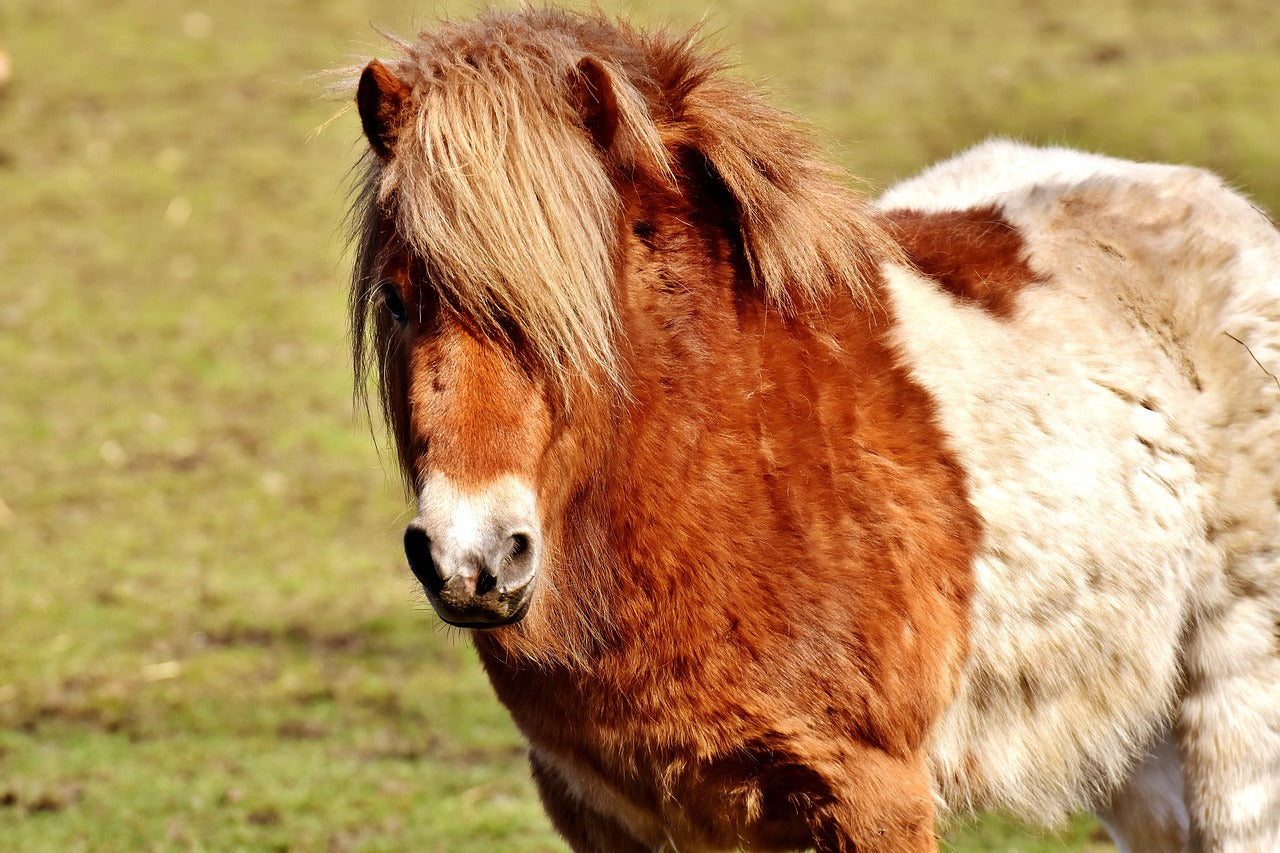
The Healing Power of Movement in Cushing's
If your horse suffers from Cushing's, regular exercise is crucial for its health and well-being. The right kind of exercise not only promotes metabolic regulation but can also help to alleviate symptoms and enhance your horse's general well-being. Make sure to avoid overexertion and instead introduce gentle, controlled training sessions. This way, you provide your horse with the necessary support to optimally utilize the healing power of movement.

Understanding Cushing's Disease in Horses
Cushing's disease, also known as Equine Cushing's Syndrome (ECS), is a common metabolic disorder that primarily affects older horses and is caused by a dysfunction of the pituitary gland. This condition leads to an overproduction of hormones, especially cortisol, resulting in numerous health problems. A thorough understanding of Cushing's disease is crucial for timely recognition and treatment.
Symptoms and Diagnosis
Common symptoms of Cushing's disease include excessive thirst, frequent urination, and lethargy. Veterinarians diagnose this condition through blood tests and clinical examinations to measure cortisol levels. Early diagnosis is essential for effective treatment, as late interventions can lead to serious complications.
Causes and Risk Factors
Cushing's disease is mainly caused by a dysfunction of the pituitary gland, which leads to an excessive production of hormones. Risk factors include age and certain breeds that have a higher susceptibility to this disease. Your horse is particularly at risk if it is older or belongs to one of the endangered breeds (remember to schedule regular vet visits).
- Cushing's disease
- Metabolic disorders
- Pituitary dysfunction
- Risk factors
- Symptoms
The exact mechanism behind Cushing's disease is related to the excessive stimulation of the adrenal glands by the pituitary gland, leading to increased cortisol production. Risk factors include age, as older horses are generally more affected, as well as certain breeds such as the Welsh Pony or Arabian Horse.
- Cushing's disease
- Age
- Breeds
- Dysfunction
The knowledge that early detection can significantly improve treatment outcomes for horses with Cushing's disease underscores the importance of regular health checks and attention to behavioral changes.
The Role of Exercise for Horse Health
Exercise plays an essential role in your horse's health. It not only supports overall condition but also helps prevent metabolic diseases like Cushing's or EMS. Regular exercise promotes the vital functioning of the body by stimulating metabolism and improving general fitness. For your horse's health, it is crucial to find the right balance between exercise and feeding (considering individual needs).
Physiological Benefits of Exercise
Regular exercise improves circulation, strengthens muscles, and increases respiratory efficiency in horses. These physiological effects contribute to overall health and promote better metabolic function. Targeted training not only strengthens the heart muscle but also enhances performance, which is of great importance for your horse (depending on health status and activity level).
Psychological and Behavioral Benefits
Exercise also has significant psychological effects on your horse. It contributes to reducing stress and anxiety, thereby increasing overall quality of life. Additionally, regular exercise can positively influence your horse's behavior and strengthen the bond between you and your horse (which is fundamental for a harmonious partnership).
In addition, activity promotes the release of happy hormones such as serotonin and endorphins, which leads to relaxed behavior in your horse. Through targeted exercise sessions, you can also reduce undesirable behaviors, as the horse is psychologically and physically stimulated. A conscious decision for regular exercise is, as with a human, crucial for the psychological and physical health requirements of your horse (consider implementing a consistent exercise plan).
Implementing an Exercise Therapy Program
Implementing an exercise therapy program for horses with Cushing's can sustainably improve their health. It is important to choose an individual approach that considers both the physical condition and the specific needs of your horse. Regular reviews and adjustments to the plan are crucial to achieve optimal results.
| Types of Exercise | Description |
| Walking | Slow, controlled walks promote blood circulation. |
| Lunging | This technique helps to activate muscles specifically. |
| Tailored Exercise Routines | Individual exercises based on the horse's condition. |
| Hip Round | Promotes balance and coordination. |
| Gradual Inclines | Strengthens muscles and promotes endurance with moderate exertion. |
Types of Exercise Therapies
There are various exercise therapies suitable for horses with Cushing's, including walking, lunging, and individually adapted exercise routines. The focus should always be on the specific needs and your horse's response to the exercises. A tailored approach ensures that you achieve the best results and your horse feels comfortable. Regular evaluation of progress is also important.
Safe Practices for Exercise
To ensure your horse's safety during exercise therapy, you should follow some proven practices. Make sure you monitor your horse for signs of discomfort and adjust the intensity of the exercises accordingly. Slow increases in exercise intensity are advisable to avoid overexertion.
Monitoring your horse during training is crucial. Watch for signs of pain or discomfort and adjust the intensity accordingly. Start with short sessions and gradually increase duration and intensity. This treatment not only improves circulation and muscle function but also contributes to overall well-being.

Nutritional Considerations in Conjunction with Exercise
When implementing an exercise therapy program for horses with Cushing's disease, it is crucial to ensure a complementary diet. Essential nutrients such as omega-3 fatty acids, antioxidants, and high-quality proteins not only support muscle recovery but also metabolic function. These nutrients promote muscle activity and help regulate blood sugar levels, which is particularly important for your horse's health. Veterinarians often recommend high-quality supplements here. By combining targeted nutrition with regular exercise, you sustainably improve your horse's health outcomes.
Monitoring Progress and Adjusting the Program
It is crucial to regularly monitor your horse's progress to ensure the effectiveness of exercise therapy for Cushing's. Through regular evaluations, you can analyze important metric indicators such as blood sugar levels, heart rate, and general behavior. Pay attention to how your horse responds to exercise, as well as changes in well-being and musculature. This data helps you adapt the program to optimally utilize the healing effect of movement and to identify possible risk factors early.
Conclusion:
The right exercise therapy plays a crucial role in the treatment of horses with Cushing's. Through regular, adapted exercise, you lower blood sugar and promote your horse's overall health. Make sure to perform training sessions within an optimal heart rate range to support metabolism and keep muscles active. This not only improves your horse's quality of life but also contributes to stabilizing its hormone balance. Invest in your horse's exercise routine and benefit from a positive development in its health.
These questions about Cushing's horse exercise are frequently asked:
1. Can a horse with Cushing's be ridden?
Yes, horses with Cushing's can be ridden as long as they do not have pain or ailments like laminitis. Regular exercise can even be beneficial as it promotes metabolism and reduces the risk of obesity. However, the horse's health status should always be discussed with a veterinarian before riding.
2. Do Cushing's horses experience pain?
Cushing's horses themselves generally do not experience direct pain from the disease, but they can suffer significant pain from secondary conditions such as laminitis. Muscle wastage and general weakness can also lead to discomfort. Early diagnosis and treatment are important to prevent or alleviate possible pain.
3. How long can a Cushing's horse be out to pasture?
A Cushing's horse should only be out to pasture for a limited time, especially if the grass contains a lot of fructan, such as in spring or autumn. A pasture time of about an hour in the early morning or late evening, when fructan levels are lower, is often recommended. The exact pasture time should be individually coordinated with a veterinarian.
4. What helps a Cushing's horse?
Treatment for Cushing's horses often involves administering medications like pergolide, which regulate hormone levels. An adapted diet, regular exercise, and good care of the coat and hooves are also important. Regular veterinary check-ups help monitor the horse's health and adjust therapy.
5. Is exercise good for Cushing's horses?
Yes, exercise is good for Cushing's horses as it stimulates metabolism, reduces obesity, and improves insulin sensitivity. Regular, moderate exercise can also strengthen muscles and promote overall well-being. However, attention should be paid to the horse's individual condition and any limitations.
6. What should horses with Cushing's not eat?
Horses with Cushing's should not eat sugary or starchy feeds like grains, apples, carrots, or fresh grass. These foods can raise insulin levels and exacerbate the risk of laminitis. Instead, they should receive a diet low in sugar and starch.
7. How do you care for a horse with Cushing's syndrome?
A horse with Cushing's syndrome requires regular care, including checking the coat and hooves, as it can be prone to excessive hair growth and laminitis. The diet should be carefully monitored and adjusted, and regular veterinary examinations are important to monitor the horse's condition and adjust medication.
8. What is the life expectancy of a horse with Cushing's disease?
The life expectancy of a horse with Cushing's disease depends on the severity of the condition, early diagnosis, and the effectiveness of treatment. With proper care, treatment, and nutrition, many horses can live a good life for many years. However, the disease can impair quality of life and increase the risk of secondary conditions.
Sources:
- Informative Video: Cushing in horses
- Wikipedia Article: Equine Cushing's Syndrome
- Case Study: Current on Diagnostics and Therapy
- News on the topic: Cushing Horse Movement
- Metabolic Diseases in Horses, Tina Maria Ritter, Franckh-Kosmos Verlag, ISBN9783440508022, 3440508021
- Article by UCDavis Center for Equine Health: Pituitary Pars Intermedia Dysfunction
Image sources:
Editorial Guidelines of Horse Vitality Company
At Horse Vitality Company, we create every contribution according to strict quality standards, relying on reputable sources and scientific research. Our editors are proven experts in the field of equine health and provide you with well-founded, trustworthy information.
Expertise and Quality Assurance
- Qualified Authors: Our editors possess extensive expertise in equine health and animal care.
- Double Check: Each article is additionally reviewed by a second expert to ensure accuracy and relevance.
Sources and Transparency
- Reputable Sources: We use only trustworthy sources and scientific studies to substantiate our content.
- Disclosure: We disclose potential conflicts of interest and ensure transparency.
Reader-Friendliness and Timeliness
- Reader-Friendly Preparation: Our content is continuously optimized to make it as understandable and accessible as possible.
- Timeliness: We regularly review our articles and update them as needed to ensure they are always up-to-date.
Interaction and Feedback
- Reader Orientation: Our goal is to provide you with initial guidance. For individual health or care questions, we recommend consulting a veterinarian or animal naturopath.
- Feedback Option: We invite our readers to provide feedback and ask questions. Your suggestions help us continuously improve our content and tailor it to your needs.
These guidelines ensure that the content of Horse Vitality Company always meets the highest standards of expertise, authority, and trustworthiness.


