

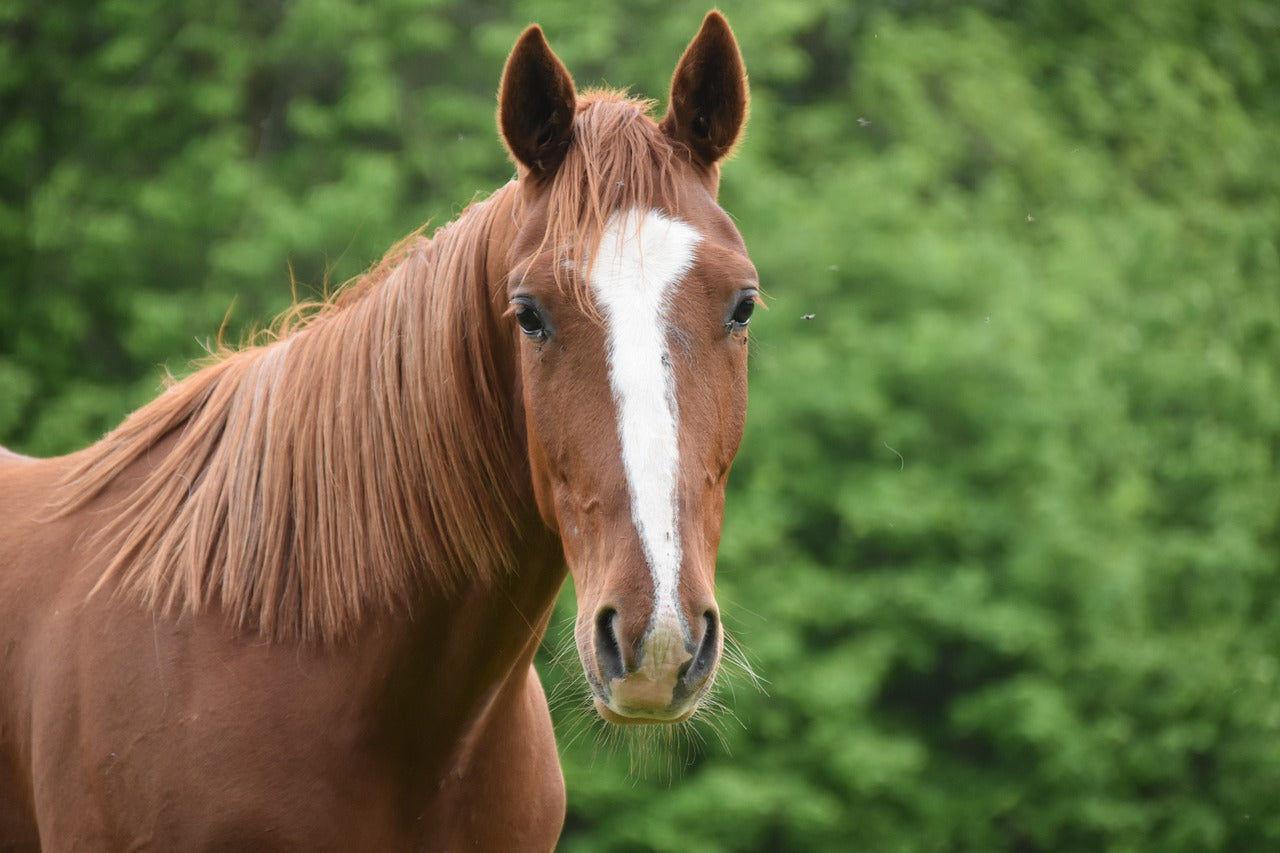
How Useful is Clipping for Cushing Horses
If you own a horse with Cushing's, you might be wondering whether you should clip it. This condition affects hair shedding and can lead to excessive sweating, which can be stressful for the horse. Clipping can help improve your animal's well-being by enabling better thermoregulation. However, you should also consider the risks and your horse's individual needs to ensure the decision benefits it.

Understanding Cushing's Disease
Cushing's disease, medically known as Equine Cushing's Syndrome, is a common hormonal disorder in older horses. It results from an overproduction of hormones in the adrenal glands and can have significant effects on your horse's health and quality of life. Understanding this condition is crucial for developing appropriate care and management strategies, especially when deciding whether or not to clip your horse.
Symptoms and Diagnosis
Typical symptoms of Cushing's disease in horses include excessive sweating, changes in the coat, such as a long, curly winter coat, and increased thirst. Veterinarians conduct a clinical examination and use laboratory tests to analyze hormone levels and confirm the diagnosis. (Early diagnosis is crucial for managing this condition.)
Impact on Thermoregulation
Cushing's disease impairs your horse's ability to regulate its body temperature, which can lead to uncomfortable temperatures and comfort issues. This disorder can significantly affect your horse's adaptability to seasonal changes and presents a particular challenge for care. (Consider how clipping or blanketing can affect your horse.)
Impaired thermoregulation can make your horse uncomfortable in cold weather and struggle to maintain an ideal body temperature. In particularly hot or cold conditions, this can not only jeopardize your horse's quality of life but also increase its health risks. (It is important to make individual adjustments to meet your horse's needs.)
Benefits of Clipping
Clipping horses with Cushing's can offer numerous benefits, particularly concerning thermoregulation and the animal's well-being. By removing excess hair, the horse's ability to adapt to temperature changes is supported. This is especially important in the warmer months when horses with Cushing's struggle to regulate body temperature.
Increased Comfort
Clipping your horse with Cushing's provides a significant comfort advantage by reducing excessive heat buildup and sweating. Without the dense winter coat, your horse can breathe better and feels comfortable even on hot days. This is especially important as horses with Cushing's often have difficulty regulating their body temperature and can quickly overheat.
Improved Hygiene
Another benefit of clipping is improved hygiene. By shortening the coat, you prevent the accumulation of sweat and dirt, which can lead to skin conditions in horses with Cushing's. Especially in these horses, who often have problems with their coat care, it is important to avoid the accumulation of moisture and dirt. This keeps the skin healthy and free from infections.
Clipping thus promotes not only comfort but also your horse's health. Clean and well-ventilated skin can significantly reduce skin problems and associated complications, such as skin fungal infections, which can arise due to moisture. For horses that have difficulty with their coat care, clipping is a proactive measure to minimize the risk of health problems. Therefore, you should consider it an important part of your Cushing's horse's care.
Risks of Clipping
Clipping your horse can disrupt natural thermoregulation mechanisms, which can lead to overheating or discomfort in cooler months. If your horse is less able to adapt to outside temperatures due to clipping, this can have serious consequences for its health. (It is crucial to consider the horse's individual needs before making this decision.)
Altered Thermoregulation due to Clipping
Clipping can impair your horse's natural thermoregulation, as the insulating properties of the coat are lost. This means your horse will have difficulty regulating its body temperature in colder months, which can lead to increased shivering or even hypothermia. (The decision of whether to clip should be carefully considered to ensure your horse's well-being.)
Stress and Anxiety during Clipping
Clipping can cause stress and anxiety in some horses, especially if they are unfamiliar with the process. These negative experiences can have a lasting impact on your horse's general well-being and behavior, and in some cases, lead to problematic behaviors. (It is important that you prioritize your horse's well-being to avoid unwanted behavioral changes.)
For many horses, clipping is an unfamiliar and potentially frightening experience that can trigger stress reactions. If your horse is not used to it, it may try to resist or feel uncomfortable, which can affect the bond between you and your horse. (Gradual acclimatization to the clipping process can help minimize stress levels.)
Alternatives to Clipping
If your horse suffers from Cushing's, it is possible to optimize coat care without clipping. Regular brushing removes loose hair and promotes blood circulation to the skin, which supports coat health. In addition, specialized products such as coat care oils or vitamins can help improve coat quality and regulate growth. These alternative measures can benefit your constitutionally weakened hair structure and reduce the burden during shedding.
Managing Hair Growth
To manage hair growth in a horse affected by Cushing's, you should brush regularly and ensure a balanced diet. Products rich in omega-3 fatty acids can further strengthen and revitalize the coat. Be sure to treat the coat gently to minimize the risk of skin irritation. These measures will help you ensure the necessary coat care for your horse.
Seasonal Considerations
Throughout the seasons, you should adapt your grooming routine to support your horse's health. Adequate protection from cold and wet is crucial, so the use of breathable blankets is recommended. As temperatures rise, you can ensure your horse's well-being with improved ventilation and frequent blanket changes. You should always consider whether blanketing is necessary (fundamental decisions are important here).
It is crucial to review grooming habits as the weather changes. Please consider that your horse's thermoregulation is influenced by weather conditions and that incorrect care can lead to serious problems (forward-thinking planning is of high importance).

Recommendations for Horse Owners
If you own a Cushing's horse, you should regularly consult veterinarians to monitor its health. Pay particular attention to symptoms such as excessive sweating or changes in hair shedding. A balanced diet is crucial to support your horse's health. Here, the use of high-quality feed supplements can be highly recommended. Also consider the individual circumstances of the horse, as hair shedding and thermoregulation can vary. Partial clipping can help support thermoregulation, but caution is advised to avoid further health risks.
Conclusion:
If your horse suffers from Cushing's, you should carefully weigh the decision to clip. Since hair shedding is often impaired in these animals, timely clipping may be necessary to avoid excessive sweating and discomfort during the warm months. At the same time, you should be aware of the potential disadvantages associated with clipping and the resulting dependence on blankets. An individual assessment of your horse's situation is essential to ensure healthy thermoregulation.
These questions about clipping Cushing horses are often asked:
1. Should Cushing horses be clipped?
Yes, it can be beneficial to clip Cushing horses, as they often develop a thick, curly coat that keeps them excessively warm and makes sweating difficult. Clipping helps keep the horse more comfortable and reduces the risk of skin infections that can result from excessive sweating. It also simplifies coat care and keeps the horse cooler in summer.
2. When should a horse no longer be clipped?
A horse should no longer be clipped if temperatures are too low or the horse does not have adequate protection from the cold, which can lead to hypothermia. Clipping should also be avoided if the horse is weakened by health issues or has problems with thermoregulation. Before winter, clipping should be carefully considered to ensure the horse has sufficient hair growth for cold protection.
3. When should a horse with Cushing's be clipped?
A horse with Cushing's should be clipped if it has a thick, long coat that makes sweating difficult or can lead to overheating in the warmer months. Clipping may also be necessary if the coat grows unevenly or shaggy and is difficult to care for. Generally, clipping is done in spring or summer when temperatures rise.
4. Is clipping good for horses?
Clipping can be beneficial for horses, especially if they have thick winter coats and are in training or sweat a lot during the warmer season. It helps regulate body temperature, prevent skin problems, and facilitate cleaning after exercise. However, care should be taken to protect the horse from cold after clipping, for example with blankets.
5. Is exercise good for horses with Cushing's?
Yes, exercise is good for horses with Cushing's, as it helps control weight and maintain muscle mass. Regular, moderate exercise can also reduce the risk of laminitis and promote overall health. However, exercise should be adapted to the horse's condition to avoid overexertion.
6. What should horses with Cushing's not eat?
Horses with Cushing's should not eat foods high in sugar or starch, such as grains, molasses, sweet treats, carrots, or apples. These foods can increase insulin levels and exacerbate the risk of laminitis. Instead, they should receive a diet with a low glycemic index, primarily based on hay.
7. Why are horses partially clipped?
Horses are partially clipped to better regulate their body temperature during exercise and minimize sweating. A partial clip can be useful if the horse is active but still needs some protection in colder areas, such as the back and belly. This also simplifies care and prevents skin problems from sweat accumulation.
8. Why not clip the saddle area?
The saddle area is often not clipped to protect the skin from friction caused by the saddle. The unclipped coat provides natural padding and reduces the risk of pressure sores and chafing. It can also help the saddle fit better and prevent it from slipping.
Sources:
- Helpful video on the topic: Clipping horses
- Further information regarding Cushing's: Diagnosis and therapy course of ECS
- Valuable tips: Guide to clipping horses
- Cushing Syndrom beim Pferd, Tierheilpraktiker Olaf Anderfuhr, ISBN9781522002574, 152200257X
- Wikipedia article: Equine Cushing's Syndrome
- English Wikipedia article: Pituitary pars intermedia dysfunction
Image sources:
Horse Vitality Company Editorial Guidelines
At Horse Vitality Company, we create every contribution according to strict quality standards, relying on reputable sources and scientific research. Our editors are proven experts in equine health and offer you well-founded, trustworthy information.
Expertise and Quality Assurance
- Qualified Authors: Our editors have extensive expertise in equine health and animal care.
- Double-Check: Every article is additionally reviewed by a second expert to ensure accuracy and relevance.
Sources and Transparency
- Reputable Sources: We only use trusted sources and scientific studies to substantiate the content.
- Disclosure: We disclose potential conflicts of interest and ensure transparency.
Reader-Friendliness and Actuality
- Reader-Friendly Preparation: Our content is continuously optimized to make it as understandable and accessible as possible.
- Timeliness: We regularly review our articles and update them as needed to ensure they are always up-to-date.
Interaction and Feedback
- Reader-centricity: Our goal is to provide you with an initial orientation. For individual health or care questions, we recommend consulting a veterinarian or animal healer.
- Feedback Option: We invite our readers to provide feedback and ask questions. Your suggestions help us continuously improve our content and tailor it to your needs.
These guidelines ensure that the content of Horse Vitality Company always meets the highest standards of expertise, authority, and trustworthiness.


