

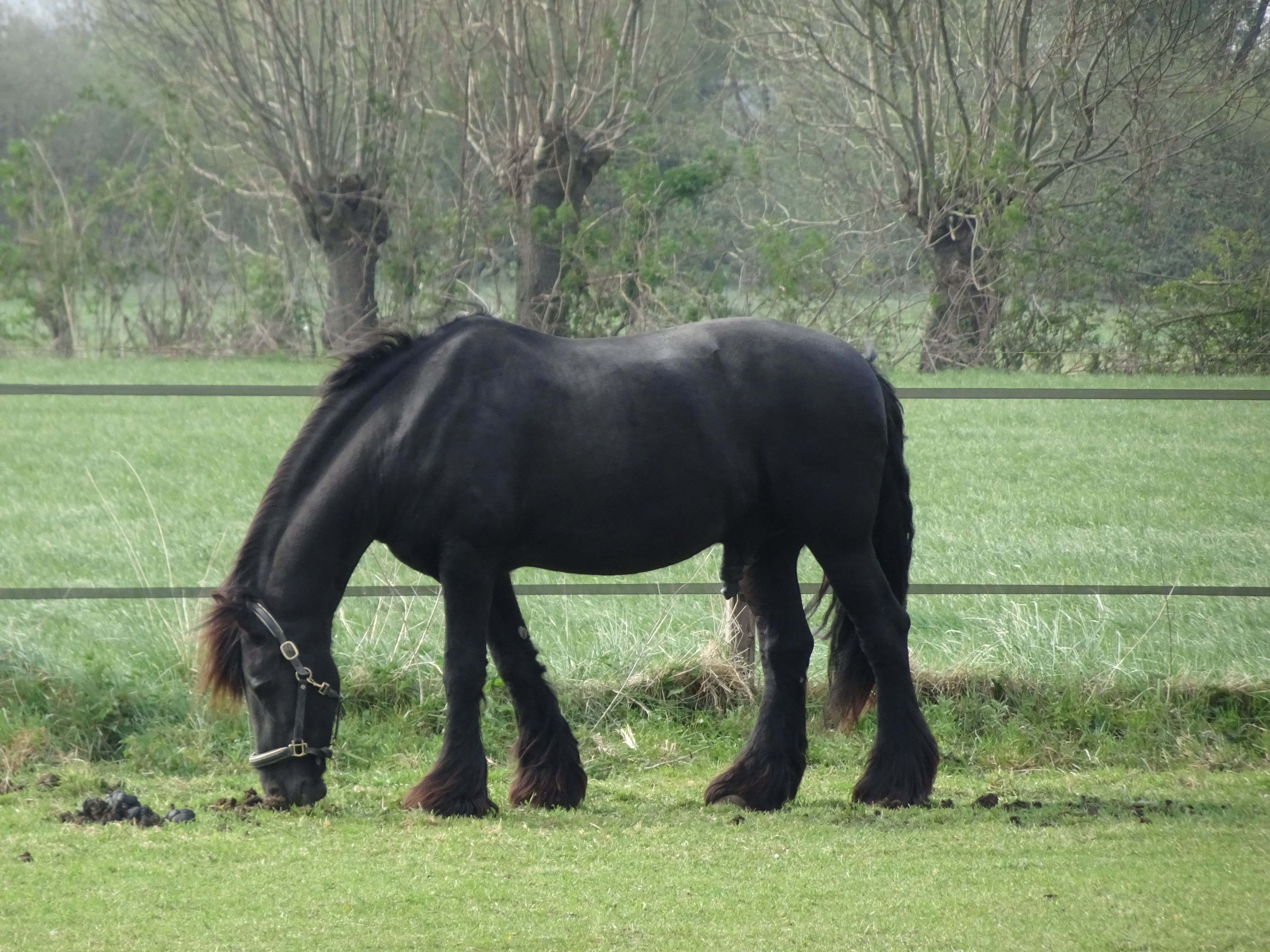
Fast and Supportive Help for Mud Fever
If your horse is affected by mud fever, you should act quickly to relieve the symptoms and support healing. In this article, you will find useful home remedies that can help you treat skin irritations and itching. The correct procedure and the durability of these remedies are crucial to avoid further damage. Learn about simple but effective solutions that you can quickly have at hand and that can show a positive effect on your horse's recovery.

Understanding Mud Fever
Definition of Mud Fever
Mud fever is an inflammatory skin condition that frequently occurs in the pastern area of horses. It usually results from a skin defect that allows bacteria to penetrate, leading to redness, itching, and other discomfort.
Causes of Mud Fever
The causes of mud fever are diverse and often the result of several factors. Humid environmental conditions, such as muddy paddocks or poorly mucked out stalls, often play a central role.
Among the most common causes are: wet ground, which encourages standing on damp surfaces, poor hygiene conditions in the stall, and a weakened immune system of the horse. Long hair growth can also lead to the accumulation of dirt and moisture, while stress, e.g., during stable changes, can exacerbate the situation. Possible diseases, allergies, and metabolic problems should also be considered, as they increase the risk of mud fever.
Symptoms and Course
The symptoms of mud fever initially appear as reddened skin areas and severe itching, leading to hair loss. In advanced stages, swelling may occur and the horse may limp.
First, the skin is irritated by a defect, followed by redness and itching. Later, the affected area may weep, form crusts, and the leg may swell. In severe cases, it can lead to body poisoning, making treatment all the more urgent. Early detection is crucial for effective therapy.
First Steps in Treatment
Cleaning the Affected Area
Among the first steps when your horse suffers from mud fever is the thorough cleaning of the affected area. Use lukewarm water and iodine soap to gently cleanse the skin. This helps to soften the crusts and remove accumulated dirt.
The Importance of Dryness
A dry environment is essential for healing. Ensure that the horse keeps the affected area dry as often as possible. Moisture promotes bacterial growth and can significantly delay the healing process.
Moisture should be avoided throughout the entire treatment. Ensure that the stall is always clean, well-ventilated, and equipped with dry bedding. This minimizes the risk of re-infection and optimally supports your horse's recovery.
Identifying Severity
It is important to recognize the severity of mud fever. Look for symptoms such as swelling, warmth, and lameness. If your horse shows severe pain or if the symptoms progress, it is advisable to consult a veterinarian.
The severity can be crucial for selecting treatment methods. Early detection and appropriate measures can increase the chances of healing. In cases of advanced mud fever, treatment with antibiotics may be necessary to ensure your horse's well-being.
Effective Home Remedies
Sauerkraut Poultice
Sauerkraut poultices are a proven home remedy for relieving the symptoms of mud fever. The lactic acids in sauerkraut promote wound healing and lower the pH value, preventing further bacterial spread. You can apply the poultice overnight to achieve maximum effect.
Herbal Infusions
Herbal infusions are a gentle and natural method to support the healing processes in mud fever. The selection of the right herbs can have anti-inflammatory and antibacterial effects, thus contributing to faster recovery.
To benefit from the advantages of herbal infusions, you can use medicinal herbs such as chamomile, calendula, or thyme. These herbs are known for their anti-inflammatory properties. Prepare a strong infusion, let it cool, and then apply it as a compress to the affected area to soothe the skin and promote healing.
Epsom Salt Baths
Epsom salt baths are an effective way to relieve inflammation and support the healing of injured skin. The anti-inflammatory properties of Epsom salt can help reduce pain and swelling.
Fill a tub or a large basin with warm water and add a generous amount of Epsom salt. Let your horse soak the affected legs for about 15-20 minutes. This helps to clean the skin, promote blood circulation, and accelerate the healing process.
Use of Essential Oils
Essential oils can play a supportive role in the treatment of mud fever. They have antibacterial effects and can significantly relieve inflammation.
Use oils like tea tree oil or lavender oil, and mix them with a carrier oil such as jojoba oil. Carefully apply the mixture to the affected area. Make sure not to use the oils undiluted, as they could irritate the skin. When using essential oils, it is important to pay attention to the correct dilution to ensure safe application.
Homeopathic Approaches
Identifying Suitable Remedies
To select the appropriate homeopathic remedies for mud fever, it is important to closely observe your horse's symptoms. Homeopathic remedies are often administered in the form of globules, and the choice of remedy should be based on the individual complaints. An animal naturopath can help you make the right choice.
Dosage and Administration
The dosage of homeopathic remedies varies depending on the remedy and the severity of the illness. As a general rule, one starts with a low potency and adjusts it according to the horse's reaction. The globules should either be given directly into the mouth or mixed with a little water.
Make sure to administer the globules about 15 minutes before feeding or giving other medications, so that their effect is not impaired. A sign of effective treatment can be an improvement in symptoms within a few days. In case of relapses or insufficient improvement, you should adjust the dosage or change the remedy.
Consultation with a Specialist
It is always advisable to consult a specialist, especially when using homeopathic treatment methods. An animal naturopath or experienced veterinarians can offer valuable help in finding the best therapy for your horse.
Consultation with a specialist is particularly important to avoid overdoses or undesirable interactions. Expert knowledge helps you optimally consider your horse's individual needs and select the appropriate potencies and remedies. This approach not only contributes to safety but also increases the chances of treatment success.
Preventive Measures
Maintaining Hygiene
A clean environment is crucial to minimize the risk of mud fever in your horse. Ensure that stalls are cleaned regularly and that bedding is always dry and hygienic. Contact with wet ground should be avoided, as it promotes bacteria. Daily mucking out helps promote your horses' health.
Healthy Diet
Nutrition plays a central role in preventing mud fever. Ensure that your horse receives a balanced diet rich in vitamins and minerals. It is also advisable to adjust the feed during stressful periods or illness to support the immune system.
Additionally, you should pay attention to the quality of the feed. Continuous feeding with high-quality, dust-free hay and appropriate concentrate feed can help protect your horse from immune deficiency. You may also use supplementary feedstuffs that strengthen the immune system. A veterinarian or nutritionist can provide valuable tips here.
Managing Environmental Factors
Your horse's environment has a significant impact on the development of mud fever. Careful planning and management of paddocks are essential. Ensure that grazing areas are well-ventilated and do not become too muddy, as this increases the likelihood of skin irritations.
- Prevent moisture
- Regular cleaning of paddocks
- Avoid standing for hours on muddy surfaces
The awareness that early measures to improve environmental conditions can protect your horses from mud fever is the first important step.
Targeted environmental management can significantly reduce the risk of mud fever. For example, paddocks should be regularly cleared of faeces and liquid accumulations to prevent bacterial buildup. Additionally, when planning exercise areas, you should consider weather conditions. Creating shaded spots in the heat or providing drier surfaces when wet are important factors.
- Consider wind and weather influences
- Offer dry standing areas
- Create shady areas
Knowing that good environmental planning not only offers health benefits for your horse but also enhances general well-being can help you avoid long-term problems.

When to Consult a Veterinarian
Recognizing Complications
If you notice signs of complications in your horse, such as swelling, persistent weeping, or spreading redness, you should contact a veterinarian immediately. These symptoms can indicate a more serious infection that requires professional treatment.
Recognizing Pain and Discomfort
It is important to recognize your horse's pain symptoms, such as constant pawing, altered behavior, or difficulty walking. If your horse shows obvious signs of discomfort, it is advisable to consult a veterinarian immediately.
If you notice that your horse reacts excessively sensitively to touch or withdraws, this may be a sign of pain. Also, pay attention to changes in eating or drinking habits, as these indicators can point to a serious problem that requires veterinary examination.
Treatment Options from the Veterinarian
If the mud fever is advanced or your horse shows painful symptoms, veterinary treatment may be indispensable. The veterinarian can help you develop suitable medications and treatment plans to support your horse's recovery.
In severe cases of mud fever, your veterinarian may prescribe antibiotics to combat the infection and may also recommend special ointments to be applied to the affected areas. Additionally, a comprehensive examination may be necessary to rule out other underlying health problems that may have contributed to your horse's condition.
Conclusion
In acute cases of mud fever, you can effectively use various home remedies to support healing. Sauerkraut poultices promote wound healing and reduce bacterial spread. Garlic oil is also a good remedy due to its antibacterial properties. Additionally, honey or propolis can be applied to the affected area to relieve inflammation. Make sure to keep your horse dry and ensure good stable hygiene to accelerate healing and prevent further infections.
These questions about home remedies for mud fever are frequently asked:
1. What is the best remedy for mud fever?
The best remedy for mud fever is a combination of good stable hygiene, dry and clean bedding, and regular care of the affected areas. Antiseptic cleaning of the affected skin areas and applying anti-inflammatory and healing ointments are also important. In addition, the affected area should be protected from moisture to promote healing.
2. How do I remove thick mud fever scabs?
Thick mud fever scabs should be carefully softened, for example by soaking them in warm water or with moist compresses. Afterwards, the scabs can be gently removed with a soft cloth or a soft brush. It is important to proceed gently to avoid further injuring the skin.
3. Which oil for mud fever?
Coconut oil can be helpful for mud fever as it has anti-inflammatory and antibacterial properties. Tea tree oil or lavender oil can also be used due to their antiseptic effect. However, it is advisable to use the oils only in diluted form and after consulting a veterinarian to avoid irritation.
4. Which zinc ointment for mud fever?
Zinc ointment containing zinc oxide can be used for mud fever, as it has an anti-inflammatory effect and promotes wound healing. A common choice is the classic zinc ointment from the pharmacy, which often also contains panthenol or other nourishing ingredients. It is important that the ointment is applied to clean and dry skin.
5. How long does it take for mud fever to go away?
The duration of mud fever healing depends on the severity of the disease and consistent treatment. In mild cases, mud fever can heal within one to two weeks. In more severe or chronic cases, healing can take several weeks or even months.
6. What to put on mud fever?
Antiseptic and anti-inflammatory ointments or creams should be applied to mud fever. These include zinc ointment, iodine ointment, or special mud fever ointments from specialist retailers. Natural products such as Manuka honey can also contribute to healing.
7. Which deficiency causes mud fever?
Mud fever can be promoted by a deficiency of biotin, zinc, or vitamin A, as these nutrients are important for skin health. A balanced diet and possibly targeted supplementation can help reduce the risk of mud fever.
8. Which soap for mud fever?
A mild, pH-neutral soap is suitable for cleaning the affected skin areas with mud fever. Antibacterial soaps can also be useful but should be gentle on the skin to avoid causing additional irritation. Natural soaps with soothing ingredients such as chamomile or calendula are also a good choice.
9. What happens if mud fever is not treated?
If mud fever is not treated, the infection can worsen and affect deeper layers of skin. This can lead to severe inflammation, pain, and even lameness. In severe cases, untreated mud fever can also become chronic and permanently impair the horse.
Sources:
- Informative video: Treating Mud Fever
- Wikipedia article: Mud Fever in Horses
- Specialist article on the topic: Mud Fever in Horses
- Helpful video with tips from the vet: Mud Fever in Horses
- News on the topic: Home remedies for mud fever
- Handbuch Pferdepraxis, Enke Verlag, ISBN9783830410287, 383041028X
Image sources:
Editorial Guidelines of Horse Vitality Company
At Horse Vitality Company, we create every post according to strict quality standards, relying on reputable sources and scientific research. Our editors are proven experts in equine health and provide you with well-founded, trustworthy information.
Expertise and Quality Assurance
- Qualified Authors: Our editors have extensive expertise in equine health and animal care.
- Double-Check: Each article is additionally reviewed by a second expert to ensure accuracy and relevance.
Sources and Transparency
- Reputable Sources: We only use trustworthy sources and scientific studies to substantiate the content.
- Disclosure: We disclose potential conflicts of interest and ensure transparency.
Reader-Friendliness and Timeliness
- Reader-Friendly Preparation: Our content is continuously optimized to make it as understandable and accessible as possible.
- Timeliness: We regularly review our articles and update them as needed to ensure they are always up-to-date.
Interaction and Feedback
- Reader Orientation: Our goal is to provide you with initial guidance. For individual health or care questions, we recommend consulting a veterinarian or animal naturopath.
- Feedback Option: We invite our readers to provide feedback and ask questions. Your suggestions help us continuously improve our content and tailor it to your needs.
These guidelines ensure that the content of Horse Vitality Company always meets the highest standards of expertise, authority, and trustworthiness.


