

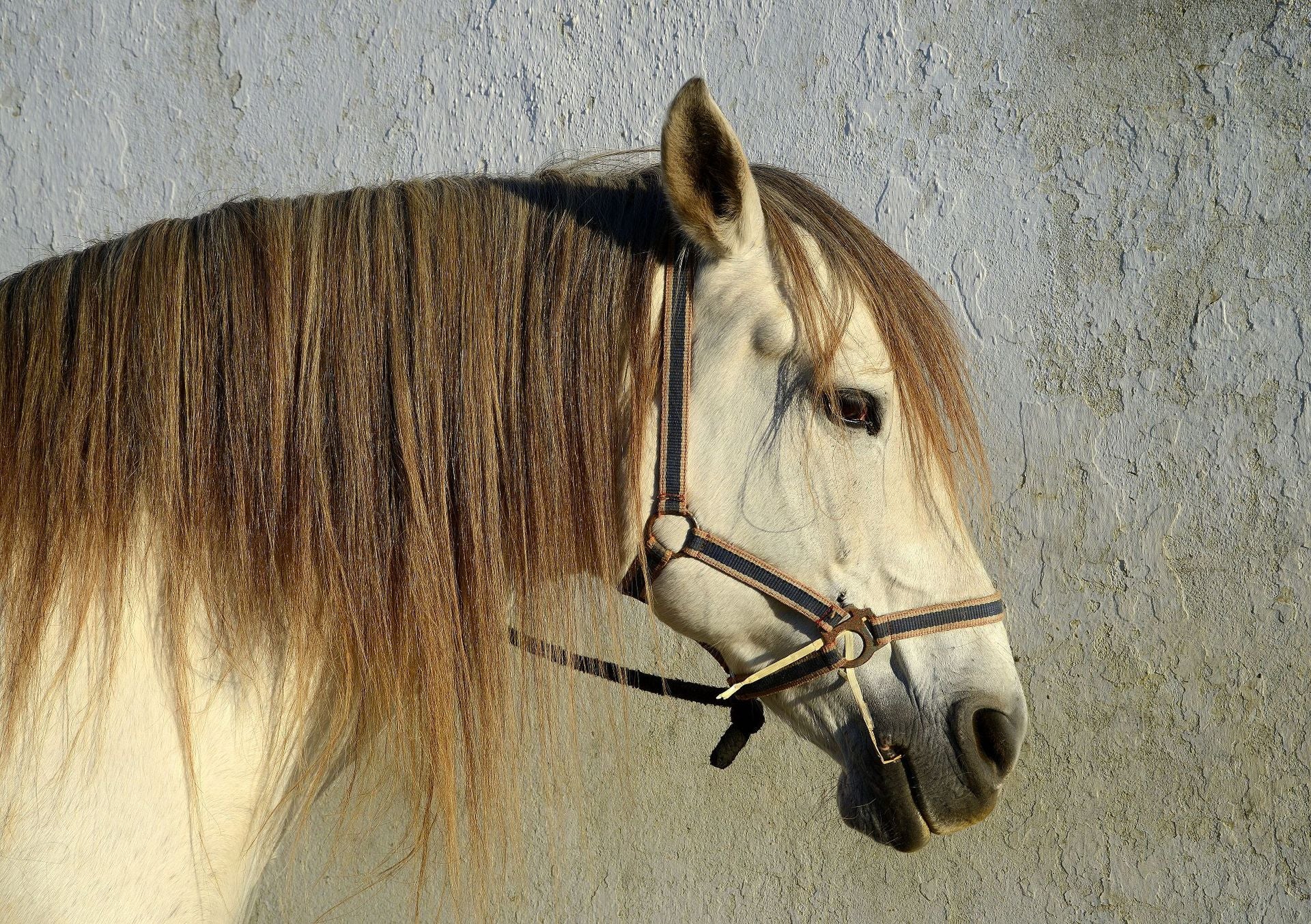

If your horse is suffering from laminitis, you should know that there is no universal homeopathic remedy equally suitable for all horses. However, homeopathy allows for addressing your horse's individual symptoms and can provide valuable service as a supportive therapy. It is important to work with low potencies and ideally seek advice from a professional. This way, you can support your horse's self-healing powers while minimizing risks.
Key Findings:
- Individual Treatment: There is no universal homeopathic remedy for laminitis; treatment must be tailored to the specific symptoms and constitution of the horse.
- Complementary Therapy: Homeopathy should never be used as the sole treatment but as a supportive measure to strengthen the horse's self-healing powers.
- Caution in Use: Homeopathic remedies can have side effects; prolonged intake can be harmful, and professional advice is advisable.
Understanding Laminitis
Definition and Overview
Laminitis is a painful inflammation of the sensitive laminae of the hoof, which can lead to serious damage to the hoof. This condition frequently affects horses and requires swift intervention to prevent long-term problems. It can be acute or chronic and is a serious condition that should not be ignored.
Causes and Triggers
The causes of laminitis are varied and can range from feeding errors to metabolic disorders. Common triggers include overfeeding, access to harmful feed, and poisoning, where both toxic plants and medications can play a role.
An imbalance in nutrition, particularly an excess of sugar and starch in feeding, can lead to a metabolic overload that can trigger laminitis. A metabolism booster for horses can help regulate metabolism and thus contribute to the prevention and treatment of laminitis.
Additionally, stress-related factors, such as changes in the stable or feed, can also lead to increased vulnerability in your horse. You should keep an eye on these factors to prevent laminitis.
Symptoms and Diagnosis
The symptoms of laminitis are often very clear and range from pain and swelling to serious lameness. Characteristic signs also include an increase in hoof temperature and an altered gait.
An early diagnosis is crucial to prevent further damage. Your veterinarian will conduct a thorough examination, including palpating the hooves and analyzing movement patterns. Furthermore, imaging techniques, such as X-rays, may be necessary to determine the extent of the damage.
Basic Principles of Homeopathy
Historical Context
Homeopathy was developed in the late 18th century by Samuel Hahnemann. It is based on the idea that similar symptoms can be cured by similar substances. This approach represented a departure from traditional conventional medicine, which often relied on aggressive methods for treating diseases.
Basic Principles of Treatment
Homeopathy follows the principle of "like cures like." This means that a remedy which causes symptoms in a healthy person can cure these same symptoms in a sick person. It is important to use only low potencies such as D6 or D12 to avoid side effects. Furthermore, homeopathy aims to stimulate your horse's self-healing powers, making it a valuable complementary therapy for laminitis.
In addition to selecting the remedy, the frequency of administration is important. Typically, remedies are given several times a day to support the healing process. However, be aware that these remedies should not be administered over long periods, as this can lead to negative effects. Homeopathy should be understood as impulses for your horse's body.
Individualization of Treatment
In homeopathy, there is no universal remedy for laminitis; instead, treatment is tailored to the individual symptoms of each horse. This means that the choice of homeopathic remedy must be matched to your horse's specific condition and complaints.
To select the appropriate medicine, you should carefully observe the characteristic features of your horse's laminitis. Factors such as environmental conditions, feeding, and your animal's behavior play a crucial role in individualizing the therapy. An experienced animal naturopath or veterinarian can help you comprehensively consider your horse's unique symptomatology and choose the suitable remedy.
Common Homeopathic Remedies for Laminitis
Nux vomica
Nux vomica is a well-known homeopathic remedy often used for laminitis, especially when it arises from overfeeding or improper use of feed. It is particularly effective when symptomatic worsenings occur due to cold or drafts.
Ginkgo biloba
Another important remedy is Ginkgo biloba, known for its blood circulation-promoting and pain-relieving properties. For laminitis, which is often accompanied by circulatory disorders, Ginkgo biloba can offer significant support.
Ginkgo biloba is particularly well-suited for acute situations. It promotes blood circulation and can simultaneously alleviate fatigue and muscle weakness. For laminitis, it shows its best properties when symptoms worsen in damp weather, and rest and outdoor time are found to be beneficial.
Okoubaka
Okoubaka is a homeopathic remedy particularly indicated for laminitis caused by poisoning. It can also be used for detoxification in the post-treatment phase.
For laminitis caused by the ingestion of toxins, such as certain plants, or by metabolic disorders, Okoubaka is particularly effective. It helps to detoxify the body and supports the healing process, which is of great importance for your horse's recovery.
Calcium fluoratum
Calcium fluoratum is used after the acute phase of laminitis to promote the growth and regeneration of hoof tissue. It is important for connective tissue health.
Since Calcium fluoratum is the salt of bones and connective tissue, it can be helpful after laminitis to support the structure of the hoof. Systematic application over several weeks can promote healing and help the horse regain its hoof health faster and better.
Urtica urens
Urtica urens, based on nettle, aids in the excretion of toxins, which often contribute to the development of laminitis. Its application can accelerate recovery.
In many cases, laminitis is caused by a "poisoning" of the body. The nettle helps to eliminate these toxins and promotes the healing process. Regular administration can therefore be crucial to stabilize your horse's health and prevent relapses.
Additional Homeopathic Strategies
Remedies for the Recovery Phase
In the recovery phase after laminitis, it is important to choose appropriate homeopathic remedies to support your horse's recovery. Remedies such as Acidum phosphoricum D6 help with greater weakness, while Ferrum phosphoricum D8 can be used for anemia and weakness. These remedies promote regeneration and strengthen your horse's overall condition.
Importance of Supportive Care
Supportive care plays a central role in the treatment of laminitis. In addition to homeopathic therapy, you should ensure that your horse lives in a calm and healthy environment to optimally promote healing. A balanced diet and regular check-ups by a veterinarian are also crucial.
It is important that you adequately support your horse during the recovery phase. Ensure a stress-free environment and opt for species-appropriate housing. Furthermore, regular movement and gentle activities can help strengthen your horse's muscles and improve its general state of health. Close cooperation with your veterinarian or animal naturopath is also advisable to specifically guide the healing process.
Combination with Other Therapies
The combination of homeopathy with other therapeutic methods can significantly support the healing process in laminitis. You should consider incorporating physiotherapeutic measures or special feed supplements into your treatment strategy to promote recovery.
An integrative therapeutic approach that includes both homeopathic remedies and conventional treatments maximizes the chances for successful recovery. Examples include the use of physiotherapeutic exercises to strengthen hoof muscles or feeding special supplementary feeds that support metabolism. Such a combination should always be coordinated with specialists to avoid potential interactions and side effects.
Guidelines for the Safe Use of Homeopathic Remedies
Potential Side Effects
Although homeopathic remedies are generally considered gentle, these remedies can also have side effects. Applying them for too long over several weeks or months can have the opposite effect and trigger physical or psychological disorders. Make sure to closely observe your horse's reactions.
Importance of Expert Advice
When using homeopathic remedies, you should not hesitate to seek expert advice. An experienced animal naturopath or veterinarian can help you choose the appropriate remedy and ensure safe application.
Expert advice is indispensable, as each case of laminitis is individual, and the correct choice of remedy and dosage are crucial for treatment success. A professional can anticipate possible interactions and unwanted side effects that you might overlook. This way, you protect your horse and optimize the chances of successful therapy.
Dosage Considerations
When administering homeopathic remedies, pay close attention to the dosage instructions. Too high potencies or irregular intake can have negative effects, while using low potencies such as D6 or D12 is safer for you.
The correct dosage is crucial for the success of homeopathic treatment. Start with lower potencies and observe how your horse reacts. A controlled adjustment of the dose may be necessary to achieve the desired effect without increasing the risk of side effects. If in doubt, it is always advisable to consult an expert.
Conclusion
Homeopathy can be a valuable complementary therapy for laminitis, but there is no universal remedy for all horses. It is crucial to consider your horse's individual symptoms and select an appropriate homeopathic remedy, such as Nux vomica or Ginkgo biloba. Make sure to use low-potency remedies like D6 or D12, and ideally consult an experienced animal naturopath or veterinarian to ensure safe and effective treatment.
These frequently asked questions about homeopathy for laminitis:
1. How can homeopathy help with laminitis?
Homeopathic remedies can help relieve the symptoms of laminitis and support the healing process by promoting the horse's overall well-being. They aim to activate the body's self-healing powers and can address both acute and chronic complaints.
2. Which homeopathic remedies are recommended for laminitis?
Commonly used homeopathic remedies for laminitis include Arnica montana for injuries and pain, Rhus toxicodendron for stiff joints, and Calcarea carbonica for strengthening the entire organism. However, the choice of remedy should always be made individually, ideally in consultation with an experienced homeopath.
3. How long does it take for homeopathic remedies to work for laminitis?
The effect of homeopathic remedies can vary in speed, depending on the severity of the condition and the horse's individual reaction. In many cases, initial improvements can be observed within a few days to weeks, although the entire healing process may take longer.
4. Are homeopathic remedies safe for horses?
Yes, homeopathic remedies are generally safe for horses, as they are highly diluted and do not cause toxic side effects. Nevertheless, it is important to use the remedies correctly and observe the horse's reaction. Consultation with a veterinarian or a homeopathically experienced therapist is recommended.
5. Can homeopathy alone be used to treat laminitis?
Homeopathy can be a valuable addition to conventional laminitis treatment but should not be considered a sole therapy. Comprehensive treatment, combining conventional and alternative approaches, is often most effective in relieving symptoms and promoting the horse's health.
6. How do I find a suitable homeopathic therapist for my horse?
Finding a suitable homeopathic therapist can be done through recommendations from other horse owners, veterinarians, or professional homeopathic associations. Make sure to choose a therapist who has experience in treating horses and is knowledgeable about laminitis. An initial consultation can help assess the therapist's suitability.
7. Are there also risks when using homeopathy for laminitis?
While homeopathic remedies are generally considered safe, adverse reactions can occur if used incorrectly or if inappropriate remedies are chosen. It is important to select the remedies correctly and to carefully observe the horse's reactions. If the condition worsens, a veterinarian should be consulted immediately.
8. How can I support my horse's homeopathic treatment?
In addition to administering homeopathic remedies, further measures can contribute to supporting the healing process, such as an adjusted diet, gentle housing, regular hoof care, and avoiding stress. Close cooperation with the veterinarian and therapist is crucial to achieve the best possible treatment success.
Sources:
- equivetinfo.de
- Interesting study: Laminitis
- News on the topic: Homeopathy for LaminitisChristopher Pollit: Color Atlas of the Horse's Hoof. Anatomy and Clinical Aspects; Hanover: Schlüter, 1999; ISBN 3-87706-536-8
- Olivia Bickerle: The Leech – Parasite or Medical Marvel? Hirudo medicinalis in Animal Naturopathy, Illustrated by the Example of Horses, 2012, Print: CreateSpace, ISBN 1-4781-1962-4
Editorial Guidelines of Horse Vitality Company
At Horse Vitality Company, we create every contribution according to strict quality standards, relying on reputable sources and scientific research. Our editors are proven experts in the field of equine health and provide you with well-founded, trustworthy information.
Expertise and Quality Assurance
- Qualified Authors: Our editors possess extensive expertise in equine health and animal care.
- Double-Check: Every article is additionally reviewed by a second expert to ensure accuracy and relevance.
Sources and Transparency
- Reputable Sources: We only use trusted sources and scientific studies to substantiate our content.
- Disclosure: We disclose potential conflicts of interest and ensure transparency.
Reader-Friendliness and Actuality
- Reader-Friendly Preparation: Our content is continuously optimized to be as understandable and accessible as possible.
- Actuality: We regularly review our articles and update them as needed to ensure they are always up-to-date.
Interaction and Feedback
- Reader Orientation: Our goal is to provide initial guidance. For individual health or care questions, we recommend consulting a veterinarian or animal naturopath.
- Feedback Option: We invite our readers to provide feedback and ask questions. Your suggestions help us continuously improve our content and tailor it to your needs.
These guidelines ensure that the content of Horse Vitality Company always meets the highest standards of expertise, authority, and trustworthiness.


