

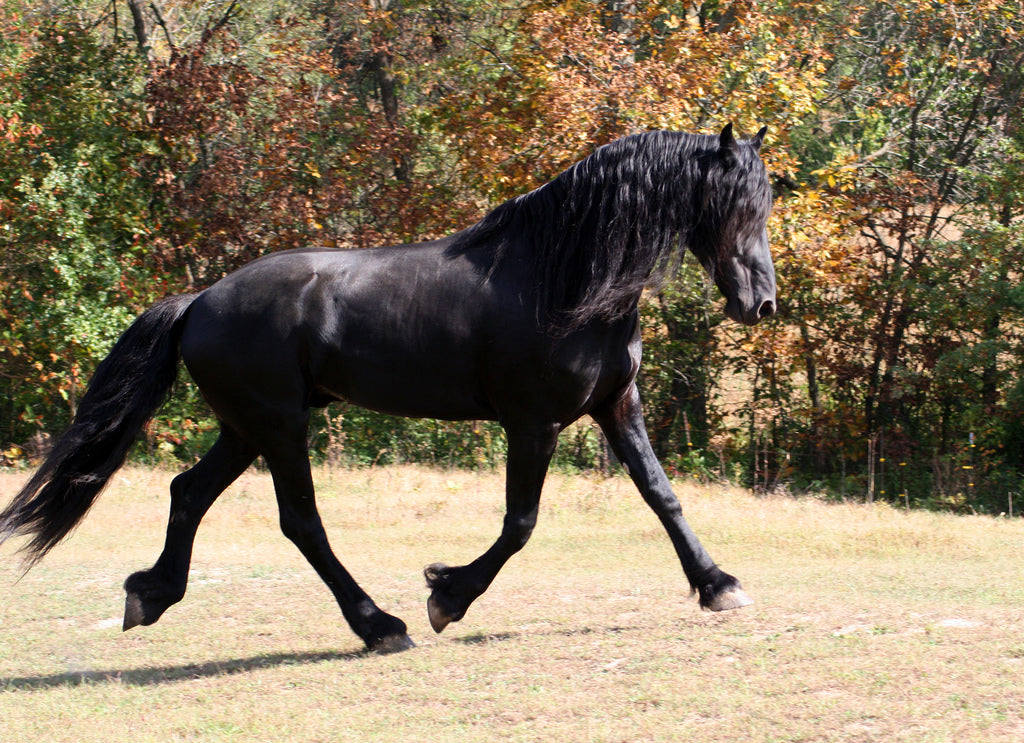
Which factors promote mud fever?
In this article, we would like to explain the possible causes of mud fever in horses. Mud fever is a common skin condition that is promoted by various factors. You should pay attention to a variety of triggers, from poor housing conditions to allergies and improper feeding. A better understanding of these causes can help you better protect your horses and minimize the risk of disease. Read on for valuable information that will help you keep your horse healthy.
Definition and Overview
What is mud fever?
Mud fever, also known as pastern dermatitis, is an eczematous skin inflammation that occurs particularly in the pastern of horses. This disease is often caused by a mixed infection that develops as a result of skin damage by bacteria. Horses with dense feathers are particularly susceptible, especially during warm, humid weather or in muddy conditions.
Symptoms of mud fever
The symptoms of mud fever vary depending on the stage of the disease. The first signs include slight reddening of the skin. The progression of the disease is indicated by heat, thickening, wound secretions, and the appearance of greasy deposits and blisters. In severe cases, growths, also known as proud flesh, can develop. These changes cause itching and pain for your horse and can severely restrict mobility.
Note that in the initial stage, the skin is only slightly reddened. Over time, an inflammation develops that can significantly affect the animal. If you suspect mud fever, you should consult a veterinarian immediately to avoid further complications and initiate the best therapy.

Common causes of mud fever
Mud fever is a complex disease that can be promoted by various factors. It is important to understand the most common causes to ensure effective prevention and treatment. This section will look at the three main causes that can lead to mud fever.
Skin defects
A common trigger for mud fever are skin defects that allow bacteria to penetrate. These defects can arise due to injuries or excessive friction, leading to inflammation and itching. As a result, the infection spreads and causes further skin irritation.
- Injuries to the legs
- Friction from ill-fitting harness
- Excessive moisture in the feathers
Knowing these factors helps you take timely measures to prevent mud fever.
Environmental factors
Environmental factors play a significant role in the development of mud fever. In particular, humid and muddy conditions promote the growth of bacteria and fungi that attack the skin. Horses kept in a warm and humid stable are particularly at risk.
- Wet bedding in the stable
- Muddy pastures and paddocks
- Insufficient ventilation of the stables
Correctly assessing the environmental conditions is crucial to protect your horses from mud fever. Make sure your horses live in a clean, dry environment.
Immunological factors
A weakened immune system can also lead to an increased risk of mud fever. Horses that are stressed or already suffer from other diseases are more susceptible to infections. In addition, allergies and intolerances can further irritate the skin and contribute to the development of mud fever.
- Stress due to stable changes or training
- Allergies to bedding or environmental substances
- Pre-existing diseases
You should definitely make sure to strengthen your horse's immune system to minimize possible triggers for mud fever.
Risk factors for the development of mud fever
The development of mud fever in horses can be promoted by various risk factors. Knowledge of these factors can help you better protect your horse and prevent disease. The most common risk factors include:
- Dense feathers
- High humidity and wetness
- Poor hygienic conditions in the stable
- Allergies to bedding or feed
- Immunodeficiency due to other diseases or stress
Knowing the connections can help initiate targeted measures for prevention and treatment.
Breed-specific predispositions
Some horse breeds are more susceptible to mud fever due to their genetic characteristics. Breeds with dense feathers, such as cold-blooded horses, Friesians, or Shire Horses, are particularly often affected. These characteristics make them more susceptible to the warm, humid conditions that can lead to the development of mud fever.
Seasonality and climate effects
The seasons play a significant role in the development of mud fever. During transitional periods, especially during winter, conditions for skin care are often unfavorable. This often leads to a warm, humid microclimate in the pastern, which promotes the growth of bacteria and fungi.
Especially in cold months, when horses spend a lot of time in warm and humid stables, the risk of mud fever increases. Mud on pastures or paddocks also contributes to your horse standing in wet conditions longer than desired, which can further damage the skin. Regular movement on dry ground and attention to climatic conditions are crucial to minimize the risk of mud fever.
Housing conditions
Housing conditions can significantly influence your horses' health and increase the likelihood of mud fever. Cramped, dirty stables or wet paddocks promote skin diseases and the penetration of bacteria.
A clean and dry stable environment is indispensable. Regular mucking out and choosing the right bedding are fundamental measures to support your horse's skin health. Always avoid your horse standing in wet dirt or mud for too long to prevent skin irritations and thus mud fever.
Role of hygiene and care
The importance of a clean environment
A clean environment is crucial for your horse's health, especially for preventing mud fever. If the stable or box is not cleaned regularly, warm, humid conditions can develop, which promote the growth of bacteria and fungi. Make sure the bedding is always dry to avoid skin irritations and infections.
Care practices for preventing mud fever
Proper care is an important part of preventing mud fever. Keep the hair on the pastern short and dry, but without completely shaving it. Use scissors to avoid skin irritations that can result from shaving. Clean the affected areas regularly to improve the condition of the skin.
In addition, it is advisable to thoroughly wash your horse's pasterns to remove dirt and deposits. Mild skin care products that are gentle on the skin are suitable for this. Regular care can significantly reduce the risk of disease and protect your horse from pain and discomfort.
Handling manure and bedding
Proper handling of manure and bedding is essential to minimize the risk of mud fever. Learn about best practices for disposal and care of bedding. Regular mucking out ensures that your horse's box remains dry, which reduces the creation of a warm, humid environment.
To prevent skin diseases like mud fever, you should ensure that your horse's box is cleaned daily and the bedding is changed regularly. Half-mucking the floor and walls helps maintain hygiene and create a healthy living environment for your horse. By following these simple steps, you actively contribute to your horse's health and well-being.
Nutritional factors
Nutrition plays a crucial role in your horse's skin health and can significantly contribute to diseases such as mud fever. Incorrect feeding, especially a protein-rich diet, can promote the inflammatory process in the body and thus increase the risk of skin inflammation. Therefore, it is important to pay attention to your horse's proper nutrition to avoid possible skin problems.
Influence of nutrition on skin health
Your horse's skin health is highly dependent on the quality and composition of its food. A balanced diet helps strengthen the immune system and counteract inflammatory reactions that can cause skin problems. Make sure your horses receive the necessary nutrients to support the skin barrier.
Allergens in feed
Allergens in feed can significantly stress your horse's skin. Horses often experience allergic reactions to certain ingredients, which can lead to skin irritations and ultimately to mud fever. Missing feed analyses can lead to allergies going undetected.
Common allergens include wheat, grass types, and certain feed additives. These components can not only promote skin problems such as mud fever but also impair your horse's general well-being. If you suspect that your horse is reacting to certain feed components, you should consult a veterinarian or nutrition expert to find suitable alternatives.
Recommended feeding practices
To prevent mud fever and other skin problems, you should adapt and regularly check your horse's diet. Make sure that the feeding is balanced and low in allergenic substances to support your horse's immune system.
A varied diet with high-quality hay and high-quality feed that is low in protein is recommended. Supplement the feeding with micronutrients and make sure to avoid allergenic ingredients. These measures help minimize the risk of skin diseases, including mud fever.

Interactions with other skin diseases
Mud fever vs. greasy heel
It is important to recognize the differences between mud fever and greasy heel, as both diseases are often confused. Mud fever, also known as pastern dermatitis, usually appears as redness and itching on the pastern. Greasy heel, on the other hand, is characterized by severe scaling and can lead to painful, inflamed skin areas. Both conditions can occur simultaneously and require differentiated treatment.
Complicating factors in treatment
The treatment of mud fever can be complicated by various factors. One of the most common challenges is the hygienic conditions in the stable and the horse's housing. If the stable is not regularly mucked out or the bedding remains permanently damp, the skin becomes irritated and healing is delayed. Observing and adapting these factors is crucial for treatment success.
- Pay attention to the cleanliness and dryness of the box.
- Avoid excessive wetness and mud in the pasture or paddock.
- Regularly check the feathers for signs of irritation.
- All hygienic factors should be improved to support the treatment.
In addition, allergies and slowed healing processes due to incorrect feeding can affect your horse's skin health. These possible accompanying factors should be considered to maximize treatment success. It is advisable to check your horse's diet and general health condition.
- Consult your veterinarian to determine the best feeding options.
- Make sure your horse is kept in a supportive environment.
- Observe your animal for possible allergy symptoms.
- Any further health problems could complicate the treatment.
Conclusion
The causes of mud fever are diverse and often interconnected. Make sure that a damaged skin barrier allows bacteria to enter, which often happens in horses with dense feathers and in wet conditions. Incorrect feeding, insufficient stable hygiene, and allergies can also lead to skin irritations. In addition, white legs are more susceptible to irritation. By paying attention to these factors, you can significantly reduce the risk of mud fever developing in your horse.
These questions about possible causes of mud fever are frequently asked:
1. What causes mud fever in horses?
Mud fever is caused by a combination of factors such as moisture, dirt, poor stable hygiene, and mechanical irritation. These conditions promote the growth of bacteria and fungi in the horse's pasterns, leading to inflammation and skin damage. Horses with a weak immune system or sensitive skin are often more susceptible to mud fever.
2. Which deficiency in mud fever?
A deficiency in zinc, biotin, and other important nutrients can make the horse's skin more susceptible to mud fever. A weakened immune system due to inadequate nutrition promotes the occurrence of skin problems. In addition, insufficient care and hygiene can worsen the condition.
3. What helps best against mud fever?
The best help is a combination of thorough cleaning and drying of the affected areas, followed by the application of antiseptic or antibacterial ointments. In addition, the horse should be placed on dry and clean ground to support healing. In severe cases, it may be necessary to consult a veterinarian to initiate targeted treatment.
4. How does mud fever begin?
Mud fever often begins with small, inconspicuous skin cracks or redness in the pastern, which develop into weeping, scaly, or crusted areas. These changes can spread quickly, especially if the cause is not addressed. Horse owners often notice swelling or increased sensitivity in the affected area.
5. Can oats cause mud fever?
Oats themselves do not cause mud fever. However, there is evidence that some horses can be allergic to oats or other feed, which can lead to skin irritations. These irritations could promote mud fever under certain circumstances, but oats are not the direct cause.
6. How long does it take for mud fever to go away?
The duration of mud fever healing depends on the severity of the disease and the treatment. In mild cases, mud fever can heal within a few days to weeks. However, more severe or neglected cases can take several weeks or even months.
7. Do horses feel pain with mud fever?
Yes, horses can feel pain with mud fever, especially if the skin is severely inflamed or swollen. The horse may show this through lameness, restlessness, or sensitive reactions when touching the affected areas. Severe cases can lead to significant discomfort.
8. Is mud fever transferable to humans?
No, mud fever is not transmissible to humans. It is a specific skin condition in horses caused by microorganisms and external factors that do not transfer to humans. Nevertheless, good hygiene when handling affected horses is important to prevent secondary infections.
Sources:
- Informative video: Treating Mud Fever
- Wikipedia article: Mud Fever in Horses
- Specialist article on the topic: Mud Fever in Horses
- Helpful video with tips from the veterinarian: Mud Fever in Horses
- News on the topic: Causes of Mud Fever
- Handbuch Pferdepraxis, Enke Verlag, ISBN9783830410287, 383041028X
Image sources:
Editorial Guidelines of Horse Vitality Company
At Horse Vitality Company, we create every contribution according to strict quality standards, relying on reputable sources and scientific research. Our editors are proven experts in the field of horse health and offer you well-founded, trustworthy information.
Expertise and Quality Assurance
- Qualified Authors: Our editors possess extensive expertise in horse health and animal care.
- Double-check: Every article is additionally reviewed by a second expert to ensure accuracy and relevance.
Sources and Transparency
- Reputable Sources: We only use trustworthy sources and scientific studies to substantiate the content.
- Disclosure: We disclose potential conflicts of interest and ensure transparency.
Readability and Up-to-dateness
- Reader-friendly Presentation: Our content is continuously optimized to make it as understandable and accessible as possible.
- Up-to-dateness: We regularly review and update our articles as needed to ensure they are always current.
Interaction and Feedback
- Reader-oriented: Our goal is to provide you with initial guidance. For individual health or care questions, we recommend consulting a veterinarian or animal naturopath.
- Feedback Option: We invite our readers to provide feedback and ask questions. Your suggestions help us continuously improve our content and tailor it to your needs.
These guidelines ensure that the content of Horse Vitality Company always meets the highest standards of expertise, authority, and trustworthiness.


