

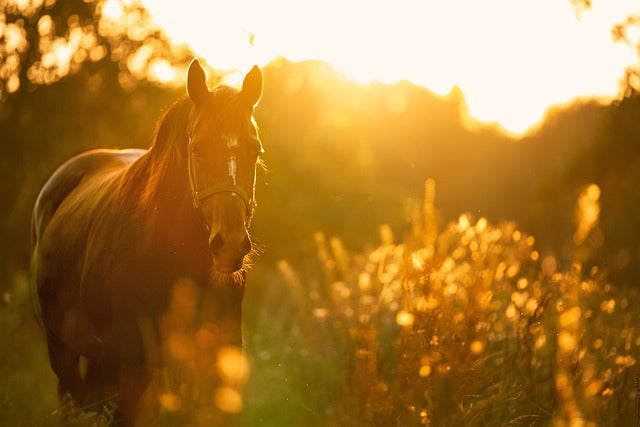
There are a few things to consider when feeding Cushing's horses
If your horse suffers from Cushing's syndrome, the right feeding is crucial for its well-being. This metabolic disorder requires a needs-based and energy-restricted diet to regulate weight and alleviate symptoms. Make sure to use feed without sugar and grains and supplement the diet with high-quality minerals and vitamins. In addition, stress should be avoided, as it can worsen symptoms. In this article, you will learn how to optimally nourish your Cushing's horse to improve its quality of life.

Understanding Cushing's Syndrome in Horses
What is Cushing's Syndrome?
Cushing's syndrome in horses, medically referred to as Pituitary Pars Intermedia Dysfunction (PPID), is a metabolic disorder that primarily affects older horses, especially those over 15 years old. It results from a dysfunction of the pituitary gland, leading to an excessive production of the hormone ACTH, which in turn causes an imbalance in hormone levels.
Causes and Symptoms
The main cause of Cushing's syndrome is the loss of nerve cells in the hypothalamus, which impairs dopamine production and leads to an overproduction of ACTH in the pituitary gland. Typical symptoms include a long, curly coat, difficulties with shedding, laminitis episodes, weight loss, and increased urine production. Your attention to these symptoms is crucial for timely action.
The loss of dopamine impairs the normal function of the pituitary gland, leading to the unregulated release of reproductive hormones. This poses a serious health risk, and common symptoms such as a long coat or muscle wasting should not be ignored. Early detection and adequate feeding are crucial to promote your horse's well-being and alleviate symptoms.
Importance of Accurate Diagnosis
The diagnosis of Cushing's syndrome requires a careful examination by your veterinarian, as the symptoms can also occur in healthy horses. Improper diagnosis can lead to misinformation and unnecessary treatments that could harm your horse.
A single ACTH test is often not enough to make a definitive diagnosis, as hormone levels can fluctuate even in healthy animals. To ensure that your horse receives the correct treatment and to avoid misdiagnoses, it is important to perform all recommended tests and discuss the test results thoroughly with your veterinarian. A precise diagnosis is the key to effective treatment and to improving your horse's quality of life.
Diagnosis of Cushing's Syndrome
The diagnosis of Cushing's syndrome in horses is a complex process that often requires multiple tests to make an informed decision. Symptoms such as long, curly hair and recurrent laminitis episodes can also occur with other diseases. Therefore, targeted diagnostic procedures are essential to ensure the correct treatment.
ACTH Test and its Limitations
The ACTH test is one of the most common methods for diagnosing Cushing's syndrome. However, this test is not 100% reliable, as ACTH levels can fluctuate even in healthy horses. Stress situations can further distort the results, which can easily lead to misdiagnoses.
Further Diagnostic Tests and Procedures
In addition to the ACTH test, there are various other diagnostic procedures that can be used to confirm a Cushing's diagnosis. These include the TRH stimulation test and the Overnight Dexamethasone Suppression Test, which should be performed in consultation with your veterinarian. These tests provide a more accurate assessment of hormone levels and help to secure the diagnosis.
For example, the TRH stimulation test checks the pituitary gland's response to a dose of thyroliberin. A significantly elevated ACTH level after this administration can indicate Cushing's. The Overnight Dexamethasone Suppression Test, on the other hand, examines whether the adrenal glands react to dexamethasone, which can also provide information about the disease. These tests complement the picture and minimize the likelihood of misdiagnoses.
Importance of Proper Blood Sampling and Handling
For the accuracy of test results, careful blood collection and storage are of great importance. It is crucial that the blood sample is centrifuged and frozen within 20 minutes of collection to avoid falsification of the values.
Proper handling is crucial to rule out sources of error. Often, it is the small details that can influence the test results. If the blood sample is not handled properly, the test result may not be meaningful. Make sure your veterinarian handles the samples with the necessary care and follows the instructions exactly to minimize the risk of misdiagnoses.
How to Manage Cushing's Syndrome?
Feeding Adjustments and Nutritional Support
When feeding your Cushing's horse, it is important to ensure an adequate intake of crude fiber and to regulate the energy content through an energy-restricted diet. It is advisable to avoid sugary and starchy feeds, especially in horses with weight problems or laminitis. This way, you can relieve your horse's metabolism and extend feeding times.
Stress Reduction and a Healthy Lifestyle
To minimize stress for your Cushing's horse, it is crucial to maintain regular routines in feeding and husbandry. Stressful situations, such as unexpected changes, can increase ACTH production and thus worsen symptoms. Make sure to provide your horse with a calm environment and avoid sudden changes.
To ensure a healthy lifestyle for your Cushing's horse, you should make sure that it has its usual routines daily. This includes feeding at the same time, regular exercise, and an environment where it feels comfortable. Avoiding stress is crucial, as it can directly influence your horse's hormonal balance, which is particularly important with Cushing's.
Supporting the Immune System with Vitamins and Minerals
Supplementing vitamins and minerals is an important measure to support the immune system of your Cushing's horse. Make sure your horse gets enough natural vitamin E, selenium, and vitamin C to promote its health.
A needs-based supply of vitamins is crucial, as they can strengthen your horse's immune system. Particularly helpful are rosehip shells as a natural source of vitamin C, as well as unsaturated fatty acids from flaxseed, which have anti-inflammatory effects. Make sure to offer all minerals and vitamins in the right amount, as a comprehensive supply is essential for your horse's health.
Optimal Feed Supplement for Horses with Cushing's
Why does my horse need a supplementary feed? Unilateral nutrition, high performance demands, and environmental pollution often lead to deficiency symptoms and metabolic abnormalities in horses, especially with Cushing's. The Metabolic Booster for Horses, developed by Sandra Fencl and the Katharinen Pharmacy from Unterhaching, offers a targeted solution.
This supplementary feed provides essential nutrients such as vitamins, minerals, and trace elements that are often missing in the daily diet. Many customers report increased vitality and improved performance in their horses. The Metabolic Booster helps to stabilize the metabolism and sustainably improve the well-being of horses with Cushing's syndrome.
Phytotherapy and Medicinal Herbs
Overview of Phytotherapy for Cushing's Horses
Phytotherapy can offer valuable support in the treatment of horses with Cushing's syndrome. This method uses the healing power of plants to stimulate metabolism and promote general well-being. However, since each horse reacts individually, it is important to tailor the selection of herbs to the specific needs of your horse.
Chaste Tree Berry and its Potential Benefits
Chaste tree berry, known for its effect on hormonal irregularities, could also be helpful for Cushing's horses. Numerous studies show that this herb can help to lower ACTH levels and thus alleviate the symptoms of the disease. Nevertheless, you should always discuss the application with your veterinarian.
In many cases, chaste tree berry is used as a supplementary therapy to support hormonal balance. However, its use requires careful consideration, as the effect can vary from horse to horse. Make sure to clarify the dosage and method of application with your veterinarian to achieve the best results. There are different preparations, including teas or extracts, which may be useful.
Other Medicinal Herbs to Support Health
In addition to chaste tree berry and the correct Cushing's horse feeding, other medicinal herbs such as nettle, milk thistle, and dandelion root can also be integrated into the diet. These herbs support the detoxification organs, promote blood circulation, and improve general well-being.
These herbs have various positive effects on your horse's immune system and metabolism. They are known for their anti-inflammatory and antioxidant properties, which can be particularly beneficial for Cushing's-patented horses. For example, nettle can not only support kidney function but also regulate the mineral balance. If you are considering using such herbs, you should carefully observe individual tolerance and effect and discuss any changes with your veterinarian.

Establishing a Routine for Cushing's Horses
Importance of Consistency in Feeding and Care
The consistency in feeding and caring for your Cushing's horse is of utmost importance. A regular feeding schedule helps to stabilize the digestive process and minimize stress, which in turn regulates ACTH secretion. Make sure to feed at the same time every day and offer the same types of feed.
Tips for Maintaining a Healthy Digestive System
To support your Cushing's horse's digestive system, it is crucial to gradually adjust feeding and avoid sudden changes. Use roughage in the form of high-quality hay to ensure crude fiber intake and extend feeding times. Straw can be a good supplement to reduce energy content.
- Crude fiber as the basis of the diet
- Straw as a supplement to hay
- Extend feeding times by rationing
After you have changed the feeding, observe your horse carefully to adjust to upsets if necessary.
Providing Fresh Water and Minimizing Stress
Make sure your horse has access to fresh water at all times. This is crucial to prevent dehydration and promote general health. Especially in stressful situations, it is important to give your horse a sense of security.
To minimize stress for your Cushing's horse, a calm environment is just as important as constant water availability. Make sure that troughs do not freeze in winter and that your horse has enough rest periods. Maintain the routine in daily handling to reduce stress.
Additional Tips for Caring for Cushing's Horses
- Ensure a constant water supply for your horse, both in the stable and in the pasture.
- Avoid unnecessary stress to control hormone production in the body.
- Plan regular hoof care to ensure hoof health.
- Work closely with your veterinarian and other professionals.
- Consider the nutritional needs of your Cushing's horse exactly and offer suitable Cushing horse feeding.
This will help increase your horse's well-being and quality of life.
Avoiding Unnecessary Stress and Vaccinations
Stress can significantly worsen the symptoms of Cushing's syndrome, so you should avoid situations that burden your horse. For older horses, it is advisable to forego multiple vaccinations and instead perform a titer determination to check the vaccination status.
Importance of Regular Hoof Care and Maintenance
Medical hoof trimming plays a crucial role in the health of your Cushing's horse. Inadequate hoof care can lead to serious problems, especially in horses that already suffer from laminitis episodes.
Regular hoof care helps prevent pain and ensures your horse's mobility. Invest in an experienced farrier who can also address the special needs of your Cushing's horse. Healthy hooves are essential, as they not only provide support but also influence your horse's general well-being and quality of life. Lack of care can lead to serious complications.

Collaboration with the Veterinarian and Professionals
Close collaboration with your veterinarian and other professionals is essential for the optimal care of your Cushing's horse. These specialists can not only help you with the diagnosis but also provide valuable advice on your horse's nutrition and well-being.
The importance of good communication with your veterinarian cannot be overstated. You should be in regular contact to monitor your horse's health and make adjustments to feeding or care as needed. This allows potential risks to be identified and treated in good time, which significantly improves your horse's well-being.
Conclusion
The right Cushing's horse feeding is crucial for the well-being of your affected horse. Pay attention to a balanced diet rich in crude fiber and use energy-reduced feed for overweight animals. In case of weight loss, you should choose energy-rich but low-sugar feed. Avoid sugary snacks and ensure regular feeding to minimize stress. In addition, a stable water supply is indispensable. When choosing herbs such as chasteberry, it is best to consult an expert. With the right feeding, you can significantly improve your horse's quality of life.
These questions about feeding Cushing's horses are frequently asked:
1. How do you feed a Cushing's horse?
A Cushing's horse should receive a diet low in sugar and starch to avoid blood sugar fluctuations. High-quality, fiber-rich feeds such as hay and haylage are ideal. It is important to ensure an even distribution of feed throughout the day to keep blood sugar levels stable.
2. What do I feed a horse with Cushing's disease?
Horses with Cushing's disease should be given fiber-rich feeds such as hay and haylage that are low in sugar and starch. Additional feeds such as unmolassed beet pulp, oil, and special Cushing's pellets can also be fed. Avoid grain-based feeds and fresh grass in large quantities.
3. What to feed for Cushing's disease?
For Cushing's disease, you should pay attention to a low-sugar and low-starch diet. Hay and haylage are the main components of the diet, supplemented by high-fat and high-protein feeds such as unmolassed beet pulp and alfalfa. Special pellets formulated for Cushing's horses can also be fed.
4. Which mineral feed for Cushing's?
A mineral feed for Cushing's horses should be low in sugar and starch, but rich in important vitamins and minerals such as zinc, magnesium, and selenium. There are special supplementary feeds that are tailored to the needs of horses with hormonal disorders. Look for products specifically developed for horses with Cushing's syndrome.
5. Is alfalfa good for horses with Cushing's syndrome?
Yes, alfalfa can be good for horses with Cushing's syndrome as it is a valuable source of protein and low in sugar. Alfalfa can help prevent muscle wasting and improve the horse's overall condition. However, it should be fed in moderation to ensure a balanced diet.
6. Can horses with Cushing's syndrome eat carrots?
Horses with Cushing's syndrome should only eat carrots in very small amounts, as they contain sugar. It is better to give carrots as a rare treat and focus on less sugary feeds. Alternatives such as unsweetened beet pulp or special Cushing's treats are preferable.
7. Which treats for Cushing's horses?
Treats for Cushing's horses should be low in sugar and starch. There are special Cushing's treats on the market that meet these requirements. Alternatively, you can make homemade treats from unsweetened beet pulp or other fiber-rich ingredients.
8. Which herbs are for horses with Cushing's?
Herbs such as milk thistle, cinnamon, and nettle can have a supportive effect and are often recommended for horses with Cushing's. These herbs can support metabolism and have anti-inflammatory properties. However, it is important to discuss the use of herbs with a veterinarian to ensure they are safe and suitable.
Image Credits:
Further Links:
Editorial Guidelines of Horse Vitality Company
At Horse Vitality Company, we create every post according to strict quality standards and rely on reputable sources as well as scientific research. Our editors are proven experts in the field of horse health and offer you well-founded, trustworthy information.
Expertise and Quality Assurance
- Qualified Authors: Our editors have extensive specialist knowledge in horse health and animal care.
- Double Check: Every article is additionally reviewed by a second expert to ensure accuracy and relevance.
Sources and Transparency
- Reputable Sources: We only use trustworthy sources and scientific studies to substantiate the content.
- Disclosure: We disclose potential conflicts of interest and ensure transparency.
Reader-friendliness and Timeliness
- Reader-friendly Preparation: Our content is continuously optimized to make it as understandable and accessible as possible.
- Timeliness: We regularly review our articles and update them as needed to ensure they are always up-to-date.
Interaction and Feedback
- Reader Orientation: Our goal is to provide you with initial guidance. For individual health or care questions, we recommend consulting a veterinarian or animal naturopath.
- Feedback Option: We invite our readers to provide feedback and ask questions. Your suggestions help us to continuously improve our content and adapt it to your needs.
These guidelines ensure that the content of Horse Vitality Company always meets the highest standards of expertise, authority, and trustworthiness.


