

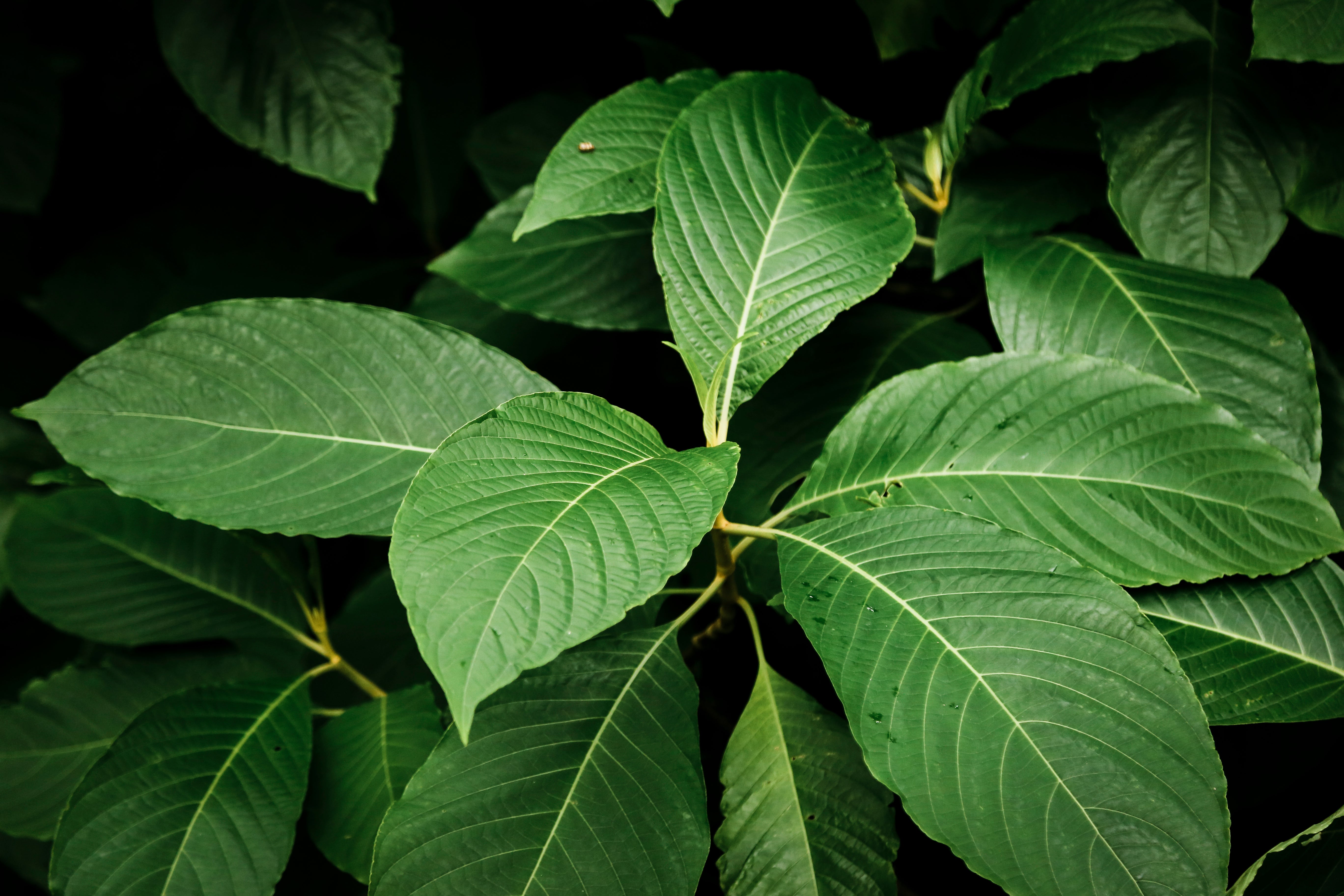
Overview of Melissa and Its Popularity
Melissa, also known as lemon balm, is extremely popular with horses and humans due to its diverse calming and antispasmodic properties. It is used for stomach problems, nervous restlessness, cardiovascular complaints, and even externally for bruises.
Historical Use of Melissa
Even in antiquity, melissa was known as a medicinal herb and was used by monks, among others, against gastrointestinal complaints. Hildegard von Bingen even used it as a natural mood enhancer. Melissa not only has a calming effect, but is also antibacterial, antifungal, and can even repel insects.
Further information on the historical use of melissa includes its versatile application as a heart remedy and its antispasmodic effect on nervous horses. It is also one of the oldest known medicinal plants, which develops a holistic healing effect through various valuable ingredients such as essential oils, bitter substances, and mineral salts.

Conclusions:
- Antispasmodic and calming effect: Melissa can be used in horses to relax the stomach and intestines, for physical or mental exhaustion, and to calm nervous or anxious horses.
- Versatile healing effect: Melissa was already known as a medicinal herb in antiquity and is not only calming, but also antibacterial, antifungal, and effective against viral diseases. It contains valuable ingredients such as essential oils, flavonoids, and bitter substances.
- Names and notes: Melissa is also known as bee balm, heart bread, or lemon herb. When storing dried melissa, it is important that it does not come into contact with metal to maintain its quality.
Healing Effects of Melissa for Horses
Digestive Properties
Melissa is known for its antispasmodic and calming effect on the digestion of horses. By regulating gastric juices and relaxing the intestines, it can be of great help with stomach problems. These properties make melissa a valuable herb for supporting digestive functions in horses.
Stress and Anxiety Relief
In nervous and anxious horses, lemon balm can have a calming and enveloping effect on the mind. This can help relieve tension and allow horses to find a sense of relaxation. These stress and anxiety-relieving properties of melissa make it a popular herb for dealing with psychological stress in horses.
Melissa also has antibacterial and antifungal effects, which provides additional protection and healing. The positive effects on cardiovascular complaints as well as its known use for gastrointestinal problems and its calming effect make melissa a versatile helper for the health and well-being of horses.
Recommended Dosage for Horses
The recommended dosage of melissa for horses depends on various factors such as weight, size, and individual reaction. Generally, a dosage of 1 to 3 grams per day is recommended. It is advisable to gradually increase the melissa to achieve the optimal effect. If in doubt, it is recommended to consult a veterinarian or an experienced equine naturopath.
Different Forms of Application
Melissa can be applied to horses in various ways, such as a tea, extract, or essential oil. External application is also possible, for example, to treat bruises or insect bites. It is important to choose the right form of application according to the individual needs and symptoms of the horse. For internal application, the dosage should be observed and gradually increased to minimize possible side effects.
Ingredients and Their Benefits
Overview of the Most Important Ingredients
Melissa contains a variety of valuable ingredients, including essential oils, flavonoids, bitter substances, tannins, various acids, and mineral salts. This combination makes melissa a versatile medicinal herb for horses.
Specific Benefits for Horse Health
The calming effect of melissa on horses makes it a valuable addition to horse care. Especially in nervous and anxious horses, melissa can have a calming effect and reduce tension. In addition, melissa regulates the production of gastric juices, relaxes the intestines, and can even support cardiovascular complaints.
Other positive effects of melissa include its antibacterial, antifungal, and insect-repellent properties. This means that melissa can be used in many ways to promote the health and well-being of horses.
Precautions and Storage
Proper Storage of Melissa
To maintain the effectiveness of melissa for horses, it must be stored correctly. Dried melissa should never come into contact with metal, so storage in tin cans is not recommended. Ideally, melissa should be stored in an airtight container in a cool, dry place to preserve its high-quality ingredients.
Possible Side Effects and Interactions
When using melissa to calm horses, it is important to pay attention to possible side effects and interactions with other medications. In general, melissa is considered well-tolerated, but in rare cases, allergies or hypersensitivity reactions may occur. It is recommended to consult a veterinarian before using melissa for horses, especially if the horse is already taking medication, to avoid unwanted interactions.
Further information about possible side effects and interactions with melissa can be obtained through an intensive study of scientific literature and consultations with experts in the field of veterinary medicine.
Conclusion
The versatile healing effect of melissa for horses is remarkable. From regulating gastric juices to calming nervous horses, lemon balm offers natural and effective support in various areas. With its antibacterial and antifungal properties, as well as its positive effect on viral diseases, melissa is a valuable herb that should not be missing in horse care.
Use of Melissa in Horses
Melissa is a traditional medicinal herb that has been valued for its calming and healing effects since ancient times. Thanks to its diverse ingredients such as essential oils and flavonoids, lemon balm is ideal for supporting the health and well-being of horses. Careful and professional application can help promote the natural balance of the animals and increase their well-being.
It is important to ensure an appropriate dosage and application when using melissa in horses to avoid possible side effects. Always consult a veterinarian or an equine health professional if in doubt to ensure the best possible support for your horse.


