

Introduction
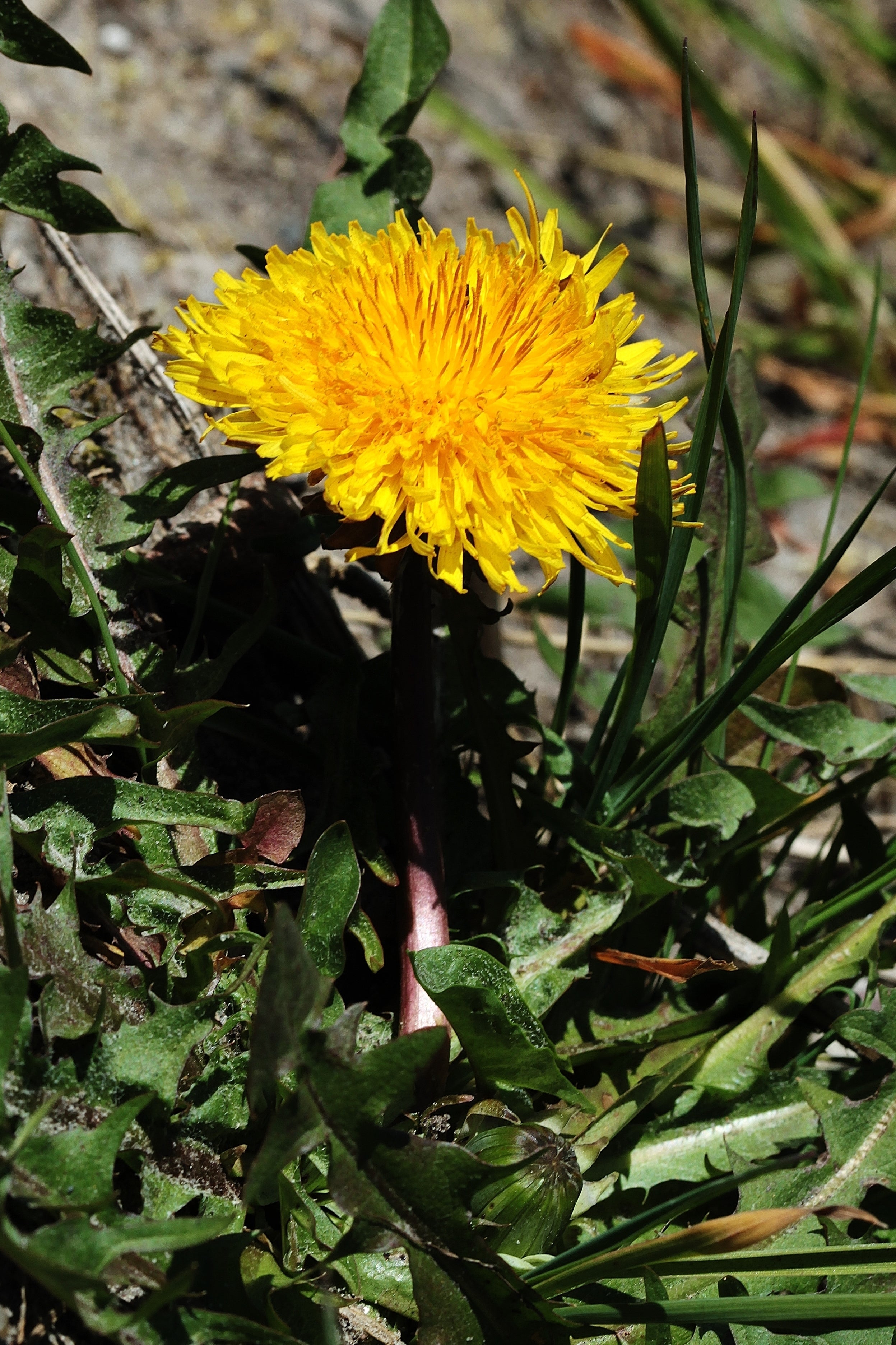
The use of marigolds for horses offers numerous benefits for the skin and mucous membranes of horses. With its cleansing, astringent, and circulation-stimulating properties, marigold is similar to arnica and is wound-healing and anti-inflammatory. Particularly noteworthy is its ability to promote tissue growth in wound healing, combat inflammation, and even fight fungi and germs. The valuable ingredients such as essential oils, resin, saponins, and Vitamin A make marigold a valuable natural remedy for horses with malignant ulcers, burns, and bruises. The use of marigold, also known as gold flower or buttercup, should not be missing in any horse stable.

Key Takeaways:
- Healing Effects: Marigolds are cleansing, astringent, and circulation-stimulating, similar to arnica.
- Wound Healing: Marigold promotes tissue growth in wound healing, acts as an anti-inflammatory, and combats fungi and germs.
- Ingredients: Valuable components include essential oils, resin, saponins, bitter compounds, vitamins, and mineral salts.
Historical Use of Marigolds in Horse Care
Traditional Remedies
Marigolds have been used in horse care for centuries. Traditionally, marigold extracts were used for wound healing, reducing inflammation, and cleansing the skin and mucous membranes. The anti-inflammatory and wound-healing properties of marigold made it an indispensable part of the home medicine cabinet for horse owners.
Transition to Modern Veterinary Practices
With the advancement of veterinary science, the use of marigolds in horse care has evolved. While traditional remedies are still valued, modern veterinarians also use advanced treatment methods. Nevertheless, studies have shown that the anti-inflammatory and wound-healing properties of marigold still hold an important place in veterinary medicine.
Benefits and Healing Properties
Skin and Mucous Membrane Applications
Marigolds, also known as Calendula officinalis, offer various benefits for the skin and mucous membranes of horses. The cleansing, astringent, and circulation-stimulating properties of this medicinal plant make it a valuable component in the care of skin problems in horses.
Wound-Healing and Anti-Inflammatory Effects
Thanks to their wound-healing and anti-inflammatory properties, marigolds are particularly effective in treating injuries, burns, and bruises in horses. Furthermore, they successfully combat fungi and germs, which accelerates recovery and prevents infections.
Further research into the ingredients of marigold is ongoing, but already known components such as essential oils, bitter compounds, and vitamins significantly contribute to its healing properties, making it an indispensable medicinal plant for horses.
Active Ingredients and Nutrients
Known Components of Marigolds
The ingredients of marigold are diverse and contribute to its healing effect. These include essential oils, resins, saponins, bitter compounds, mineral salts, and vitamin A. These valuable components support wound healing, act as anti-inflammatories, and combat fungi and germs.
Similarities with other Medicinal Herbs
Marigold not only shows visual similarities with arnica but also shares some similar healing effects. It has cleansing, astringent properties and promotes circulation. These properties make it particularly effective in treating wounds, inflammation, and ulcers. Marigold can also be successfully used against fungi and germs, making it a valuable medicinal plant for horse health.
Practical Applications for Horses
Dosage and Administration
For the use of marigolds in horses, it is important to adhere to the correct dosage. It is recommended to apply marigold extracts in the form of salves or tinctures to affected skin areas or mucous membranes. The dosage should vary depending on the severity of the injury or problem, so it is advisable to consult a veterinarian before use.
Precautions and Contraindications
Although marigold offers many health benefits for horses, there are also some precautions to consider. It should be avoided to use marigolds in cases of known allergies to composites, as this can lead to undesirable reactions. Furthermore, it is important to adhere to the dosage to avoid overdoses, which can have negative effects.
It is advisable to consult a veterinarian before using marigolds in horses, especially in cases of existing health problems, to ensure that the treatment is safe and effective.
Conclusion: Marigolds for Horses
Marigolds are a valuable medicinal plant for treating horse skin and mucous membranes. With their cleansing, astringent, and circulation-stimulating properties, they can support wound healing, inflammation, fungi, and germs. Marigold contains a variety of valuable ingredients such as essential oils, resin, bitter compounds, vitamins, and mineral salts. Their effect on the skin and mucous membranes of horses is already known and successfully utilized. Due to its time-tested healing power, marigold is an ideal complementary treatment option for various skin problems and injuries in horses.


