

Herbal Encyclopedia
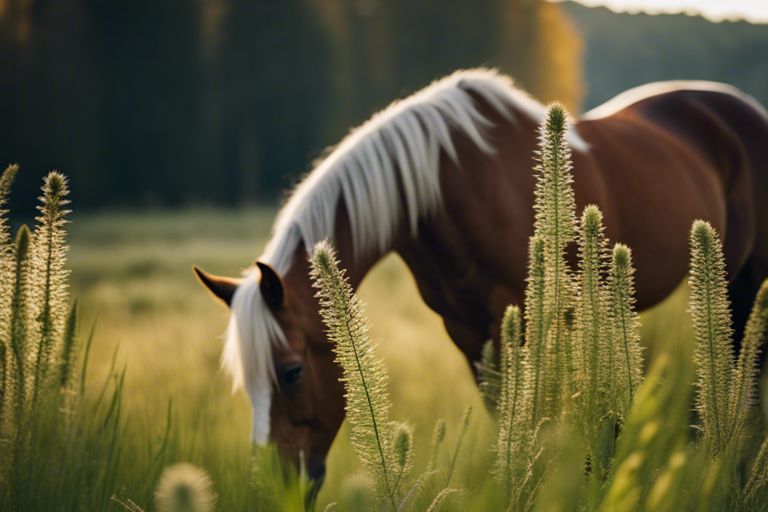

Anise for Horses
Introduction Anise is a plant that has been known for its health-promoting properties for centuries. In the following, we will take a closer look at how anise can contribute to improving the health of horses. Overview of Anise and its History The anise plant, Latin Pimpinella anisum, is valued for its essential oil, particularly anethole. Even in ancient herb books, anise is described as digestive, antispasmodic, and strengthening for the intestines. Anise seeds also contain fat, protein, and fructose. Significance of Anise for Equine Health Anise can be of great importance for the health of horses. Its carminative, antispasmodic, and stomach-strengthening effects can be particularly helpful for colic susceptibility and other digestive problems. Furthermore, anise seeds also have expectorant, estrus-promoting, and calming effects, making them a versatile remedy for horses. Key Findings: Digestive: Anise can support the digestion of horses, especially with a tendency to colic. Carminative and Antispasmodic: According to tradition, anise seeds have carminative and antispasmodic effects. Active Ingredients: Anise seeds contain essential oil, especially anethole, as well as fat, protein, and fructose as important medicinal and active ingredients. Application of Anise in Horses Digestive Properties The application of anise in horses is particularly effective due to its digestive properties. Anise seeds have carminative, antispasmodic, and stomach-strengthening effects. They can help support the digestion of horses, especially in cases of colic susceptibility. Benefits for Horses with Respiratory Diseases Anise also offers benefits for horses with respiratory diseases. The essential oil in anise seeds can provide supportive relief for persistent irritating coughs and pneumonia. It helps to loosen mucus and alleviate symptoms. If necessary, anise seeds can be administered to horses in powder form to support the respiratory tract. Ingredients and Mode of Action Essential Oil and Anethole Anise seeds for horses contain essential oil, mainly anethole, as well as fat, protein, and fructose as main active ingredients. Anethole is responsible for the carminative, antispasmodic, and digestive effects and also has a calming effect on the animal. Additional Nutritional Components Aside from essential oil and anethole, anise seeds for horses also provide additional nutritional components such as important nutrients for the animals' health. The fructose they contain can support a balanced diet and help specifically with colic susceptibility and digestive problems. It is important to observe the correct dosage and consider the individual needs of the horse to optimally utilize the positive effects of anise seeds. Practical Application Tips Dosage and Forms of Administration For effective use of anise in horses, it is recommended to administer about 60 to 90g of anise seeds in powder form. This can be used for stomach discomfort, colic, or to promote digestion. The seeds can also be processed into an essential oil and applied externally to treat lice and mites. Combination with other medicinal herbs The combination of anise with other medicinal herbs can enhance its effects and support targeted treatments. The combination with fennel is particularly effective, as both contain essential oils and can act synergistically. This way, respiratory diseases or digestive problems can be treated holistically. It is important to observe the correct proportions when combining medicinal herbs to ensure an optimally tailored treatment. In case of doubt, a veterinarian or herbal expert should always be consulted to avoid possible negative interactions. Safety and Precautions Possible Side Effects and Contraindications Although anise has many positive properties for horses, precautions should still be taken. Excessive amounts can cause stomach irritation and lead to allergies in certain horses. For pregnant mares, it is advisable to consult a veterinarian before administering anise products, as there could be undesirable effects. Selection and Quality of Anise Products When purchasing anise products for horses, it is crucial to pay attention to the origin and quality of the seeds. It is advisable to use certified products to ensure that the anise seeds are free from harmful substances. Also, ask your veterinarian for recommended brands to achieve the best possible effect and avoid side effects. Conclusion Anise for horses is a versatile herbal remedy that promotes digestion and offers various health benefits. With its antispasmodic, carminative, and calming properties, anise is a proven natural remedy for horses with colic tendencies and other digestive tract issues. The anise seeds contain valuable ingredients such as essential oil and anethole, which have a positive effect on the health of horses. Outlook on the use of anise in horse keeping The use of anise in horse keeping offers great potential to support the health and well-being of the animals. Thanks to its diverse positive effects, anise can increasingly be used in the future as a natural alternative to conventional medicines. It is important to carefully observe the dosage and application of anise to achieve the best possible results and promote the health of horses. It is advisable to use anise in consultation with an experienced veterinarian to ensure optimal treatment for horses. Through the targeted use of anise, horse owners can make an important contribution to the health and vitality of their animals.
Learn more
Birch Leaves for Horses
Introduction The use of birch leaves as a medicinal plant for horses has proven to be extremely valuable. With their anti-inflammatory, diuretic, and detoxifying properties, they are particularly beneficial for the circulation and health of the animals. Furthermore, birch leaves can be successfully used for kidney inflammation, joint pain due to rheumatism and gout, as well as for skin conditions such as lichen or scabies. The versatile ingredients of birch, such as tannins, vitamin C, and essential oils, make it an effective and natural therapeutic option for various ailments in horses. Key findings: Birch leaves for horses: Birch is a valuable medicinal plant, and its leaves have anti-inflammatory, diuretic, and detoxifying effects. Areas of application: Birch leaves are successfully used for circulatory disorders, kidney inflammation, joint pain, skin conditions, and wound healing in horses. Ingredients: Birch leaves contain tannins, saponins, bitter compounds, vitamin C, and minerals such as potassium and calcium, while the buds contain valuable essential oils. Medicinal effects of birch leaves Important active ingredients in birch leaves Birch is known for its healing properties, and its leaves, in particular, contain many important active ingredients. These include anti-inflammatory saponins, diuretic substances, detoxifying bitter compounds, and vitamin C, which is rich in vitamins. Minerals such as potassium and calcium, as well as various acids, also contribute to the health-promoting effects of birch leaves. Benefits for horse health Birch leaves can also offer diverse health benefits for horses. Thanks to their diuretic effect, they can alleviate circulatory disorders and counteract kidney and liver diseases. Furthermore, they are helpful for joint pain caused by rheumatism and gout. When applied externally, for example as an infusion for skin problems, the leaves show their antibacterial and regenerative properties, which are particularly useful for skin diseases and wound healing. Birch in equine therapy Support for circulation Birch leaves are used in equine therapy for their diuretic effect in circulatory disorders, due to their anti-inflammatory and detoxifying properties. Ingredients such as saponins promote the absorption of nutrients from the intestine and bind cholesterol, which can have a positive effect on circulation. Treatment of kidney and liver diseases Birch leaves are also effective for kidney inflammation and liver diseases in horses. With their antibacterial and regenerative properties, they can support the health of the kidneys and liver. Birch leaf infusions are also suitable for external use for skin conditions such as lichen and wound healing. Further details on the treatment of kidney and liver diseases with birch leaves, including dosage recommendations and potential side effects, will be explained in this section. Joint pain and rheumatic diseases Birch leaves can also be used for joint pain caused by rheumatism and gout. A decoction of birch leaves and birch buds is a proven remedy for external application to joint swelling. The anti-inflammatory effect of birch can help alleviate rheumatic complaints. It is recommended to treat inflammation early to avoid severe consequences, and regular applications of birch preparations can contribute to long-term improvement in joint health. External applications of birch for horses Skin conditions and wound healing Birch leaf infusions are traditionally used for skin conditions such as lichen, scabies, and other skin impurities. They can also be helpful for chronic skin diseases and to promote wound healing. It is important to note that these infusions should not be boiled and should only be applied externally. Traditional remedies for skin problems in horses Traditionally, birch leaves and birch buds are processed together with grain into a decoction and used as a rub for joint swelling. Compresses with birch tar have long been popular for horse mange, but caution is advised, as these are not suitable for drinking. Professional advice on the use of birch products for horses is recommended. Preparation and application of birch treatments Infusions and decoctions for external use Birch leaves are frequently used for external application. To prepare an infusion or decoction, birch leaves and buds can be steeped in hot water. This mixture can then be used for skin conditions such as lichen or for wound healing. It is important to note that these infusions should never be boiled, but only applied externally. Methods for internal use Various methods can be used for the internal application of birch leaves. For example, a decoction of birch leaves and birch buds with grain can be used for joint swelling. However, it is important to note that this decoction is not suitable for drinking, but should only be applied externally. The anti-inflammatory, detoxifying, and diuretic properties of birch leaves can also be beneficial for circulatory disorders and liver diseases. Birch leaves for horses: Valuable medicinal plant with diverse applications Birch is a particularly valuable medicinal plant that offers a variety of positive properties for horses. With their anti-inflammatory, diuretic, and detoxifying effects, birch leaves can be used for circulatory disorders, kidney inflammation, liver diseases, joint pain, skin conditions, and wound healing. The diverse ingredients such as saponins, bitter compounds, vitamin C, and minerals make them a valuable remedy for the health of animals. In addition, the external application of birch leaf infusions is extremely effective for various skin problems. With birch bark and wood as additional sources of medicinal substances, birch is a natural and effective support for the well-being of horses.
Learn more
Fenugreek for horses
Fenugreek as a Horse Feed Supplement Fenugreek is a versatile herb that offers numerous health benefits as a horse feed supplement. From its anti-inflammatory properties to strengthening the immune system, fenugreek seeds are a true panacea for horses' health. History of Fenugreek Fenugreek has a long history as a medicinal herb. Its positive effects on inflammation, weakness, and blood purification have been praised in literature. In human medicine, fenugreek was even used for diseases such as Parkinson's and diabetes mellitus. Overview of Applications The applications of fenugreek are diverse, ranging from treating eczema and skin injuries to strengthening the immune system and preventing liver damage. Fenugreek seeds contain important nutrients such as saponin, iron, vitamins, and fatty oils, which support holistic health. Key Findings: Anti-inflammatory effect: Fenugreek seeds have anti-inflammatory properties that can help with skin injuries or glandular swellings. Rich in nutrients: The seeds contain a variety of important nutrients such as saponin, iron, vitamins A and D, phosphorus, and fatty oils. Versatile application: Fenugreek is used not only as a horse feed supplement but also in human medicine for various diseases such as Parkinson's, gout, and diabetes mellitus. Nutritional Values and Ingredients Important Vitamins and Minerals Fenugreek is rich in important nutrients that are crucial for horse health. The seeds contain vitamins A and D, which contribute to strengthening the immune system, as well as organically bound iron, which is essential for blood formation and oxygen transport in the body. The Role of Saponin and Organically Bound Iron Saponin and organically bound iron are two crucial ingredients in fenugreek that offer a variety of health benefits for horses. Saponin has anti-inflammatory and mucolytic effects, while organically bound iron helps prevent deficiencies and supports the animal's vitality. This combination makes fenugreek a valuable addition to horse feed. Health Benefits for Horses Immune System Support Fenugreek offers a variety of health benefits for horses, particularly for strengthening their immune system. The anti-inflammatory and blood-purifying properties of the seeds can help boost immunity and prevent liver damage. Furthermore, digestion is supported, and deficiencies such as weakness and emaciation can be improved. Fenugreek for Skin Problems For skin problems such as eczema, ulcers, or purulent injuries, ground fenugreek seeds can be helpful as a poultice. The anti-inflammatory and mucolytic properties of fenugreek can promote wound healing and relieve skin irritations. It is also reported that these seeds are successfully used for eczema, boils, and glandular swellings. The valuable ingredients of fenugreek such as organically bound iron, vitamins A and D, and fatty oils make it an optimal addition to horse feed for combating skin problems and supporting general health. Feeding Recommendations Dosage and Preparation The dosage of fenugreek as a horse feed supplement should be carefully determined to achieve optimal effect. It is recommended to mix 20-50g of the ground seeds into the main feed daily. Preparation can be simplified by soaking the seeds before feeding to aid digestion and make nutrients more available. Notes on Regular Feeding It is important to integrate regular feeding of fenugreek into the horse's diet plan to achieve a long-term effect. Continuous supplementation with fenugreek can help strengthen the immune system and counteract liver damage. Regularity is crucial to optimally utilize the anti-inflammatory and blood-purifying properties of fenugreek. Warnings and Side Effects Possible Risks of Overdosing In case of an overdose of fenugreek as a horse feed supplement, possible risks such as gastrointestinal discomfort, allergic reactions, or increased bleeding tendencies may occur. It is important to observe the dosage recommendations and consult a veterinarian in case of doubt to avoid undesirable consequences. Intolerances and Interactions to Consider Horses may develop intolerances to fenugreek, especially if they have an existing allergy to legumes. In addition, interactions with certain medications may occur, so it is advisable to discuss fenugreek feeding with a veterinarian to avoid potential interactions. Interactions can particularly occur with medications for blood clotting disorders, as fenugreek can affect blood clotting. It should also be noted that certain ingredients of fenugreek can impair the effect of medications such as antibiotics or blood pressure reducers. Therefore, careful coordination of feeding with other medications is essential to avoid endangering the horse's health. Conclusion With all the positive properties of fenugreek as a horse feed supplement, it becomes clear that this small seed can be a great help for the health and well-being of horses. Anti-inflammatory, mucolytic, eliminating weakness and emaciation, blood-purifying - the list of benefits is long and impressive. It is important to consider valuable ingredients such as saponin, organically bound iron, vitamins A and D, phosphorus, choline, fatty oils, and much more when it comes to the health of our beloved four-legged friends. Whether for eczema, ulcers, skin injuries, or glandular swellings, fenugreek has already proven its effectiveness many times over. In both veterinary and human medicine, this seed is valued for its healing properties. It is reassuring to know that we can support the health of our horses with a natural supplement like fenugreek, both preventively and therapeutically. Fenugreek, also known as Greek hay, cow horn clover, or horsecourt, is a natural source of health for our four-legged friends. It is up to us to recognize and utilize this potential to ensure that our horses can lead a happy and healthy life. The well-being of our animals is close to our hearts, and fenugreek can be a valuable support in this regard.
Learn more
Deverra scoparia for horses
Deverra Scoparia: Desert Plant with Enormous Capabilities Deverra Scoparia, an unassuming desert plant with yellowish-green, broom-like branches and white flower umbels, may seem unremarkable at first glance. However, behind its simple appearance lies a plant with astonishing capabilities, particularly as a supplement in horse feed, especially for athletic horses. Discovery and Origin Deverra Scoparia, also known as broomweed, is native to the desert fringe flora from Morocco to Tunisia. It is a symbol of endurance and adaptability to extremely dry environments. Appearance and Scent The yellowish-green shrub of Deverra Scoparia bears a white flower umbel and appears almost withered even when fresh. When crushed, the plant emits a pleasant dill-like scent, which increases its attractiveness to humans and animals. Application and Effect Deverra Scoparia is often used as a supplement in horse feed, particularly for athletic horses that participate in competitions or travel long distances. Its positive effect on stamina and performance makes it a valued companion for riders and horse owners. Regulation of Water Balance One of the most remarkable properties of Deverra Scoparia is its ability to regulate the water balance in horses. This is particularly important for riders and residents of North Africa who have to travel long distances through the desert. Support for Stamina Athletic horses that have to perform under extreme conditions benefit from Deverra Scoparia. The plant helps to increase the endurance and stamina of horses by regulating water balance and thus reducing fluid loss. Improvement of Performance Even small amounts of this desert plant in horse feed can lead to a noticeable revitalization. Horses receiving Deverra Scoparia show improved performance, even under extreme climatic conditions. Improvement of Convalescence Furthermore, it is reported that Deverra Scoparia can also shorten the recovery phase after great exertion. Horses receiving this plant show faster recovery after strenuous training sessions or illnesses. Conclusion Deverra Scoparia, the humble desert plant with enormous capabilities, has proven to be a valuable supplement in horse feed. Its natural ability to regulate water balance, increase endurance, and improve performance makes it an important component in the care and management of athletic horses.
Learn more
Veronica for horses
Speedwell for Horses: The Wound Herb In the world of healing and natural remedies, speedwell, also known as the wound herb, enjoys great popularity. This herb, harvested in bloom, then dried and cut, has proven to be an extremely effective remedy. It is often referred to as a "miracle herb" and finds widespread application in horse care and health. The Versatility of Speedwell Speedwell is used for a variety of health problems in horses. Its effects range from strengthening the immune system to treating stomach problems. Valued as a pectoral, diuretic, and diaphoretic, speedwell contributes to the health and vitality of our beloved four-legged friends. Stomach Problems and Digestive Disorders Speedwell has proven effective in alleviating stomach problems and digestive disorders. Its calming properties can relieve cramps and improve gastrointestinal health. Blood Cleansing and Lung Function As a blood purifier, speedwell supports the cleansing of the blood and can thus contribute to better health of the entire circulatory system. Furthermore, it is also known as a lung remedy that soothes the respiratory tract and promotes lung function. Treatment of Eczema and Skin Problems For horses with chronic eczema, especially those that itch, speedwell can have a soothing effect. A lukewarm compress with an infusion of speedwell can help relieve irritation and calm the skin. Positive Influences on Liver, Spleen, and Kidneys Speedwell has also been shown to have positive effects on the liver, spleen, and kidneys of horses. Its cleansing properties can help remove toxins from these vital organs and improve their function. Ingredients of Speedwell The success of speedwell as a remedy is due to its rich composition. The main ingredients include: Bitter and Tannic Substances: Support digestion and have anti-inflammatory effects. Essential Oil: Has antibacterial and calming properties for the gastrointestinal tract. Fat: Serves as an energy source and supports skin health. Sugar: Provides a natural source of energy and nutrients. Application of Speedwell for Horses The application of speedwell is diverse and can be adapted as needed: Internal Application: Speedwell can be prepared as a tea or administered as an extract to support the health of the gastrointestinal tract. External Application: A compress with an infusion of speedwell can be applied to eczema and skin irritations to relieve itching and inflammation. Supplement in Feed: The seeds of speedwell can be added to the feed to promote digestion and support overall health. Conclusion Speedwell, also known as the wound herb, is a versatile and effective natural remedy for horses. From strengthening the immune system to supporting digestion and alleviating eczema, speedwell offers a holistic solution for the health of our equine friends.
Learn more
Angelica for horses
Angelica for Horses: Natural Support for Stomach and Digestion Angelica, also known as Angelica root, has been known for its healing properties in horses for centuries. The plant is valued for its ability to relieve stomach and intestinal inflammation, promote kidney activity, and be used as an expectorant for various respiratory problems. Why Angelica is so valuable Angelica is extracted from all parts of the plant, including roots, leaves, and seeds. This unique plant is rich in various healing ingredients: Root Resin: An important component with anti-inflammatory properties. Bitter compounds: Support digestion and help with stomach problems. Angelica acid: Has antispasmodic and soothing effects on the gastrointestinal tract. Leaves Essential oil: A natural extract with antibacterial and anti-inflammatory properties. Pectin: Helps regulate digestion and promotes healthy gut flora. Seeds Wax: Protects the mucous membranes in the gastrointestinal tract and promotes the healing of inflammation. Cane sugar: Provides a natural energy source and promotes nutrient absorption. The diverse applications of Angelica for horses 1. Gastrointestinal diseases Angelica is known for its soothing effect on the gastrointestinal tract of horses. For inflammation, bloating, or stomach cramps, Angelica can provide natural relief. 2. Support for kidney activity By promoting kidney function, Angelica can help remove toxins from the horse's body and cleanse the urinary tract. 3. Help with respiratory problems Angelica is also a proven remedy for catarrh, lung and throat ailments in horses. The essential oils act as an expectorant and can thus clear the airways. 4. Cramps and nervous disorders For horses suffering from cramps or nervous stomach problems, Angelica can have a calming and balancing effect. How is Angelica applied? The application of Angelica for horses can vary depending on the needs and health condition. Angelica can be prepared as a tea, used as a poultice, or mixed with the horse's feed rations. Adding Angelica to your horse's feed is a simple and effective way to harness its health benefits. The dosage depends on the horse's weight and individual needs. It is advisable to consult a veterinarian before use. Conclusion Angelica, also known as Angelica root, offers a versatile and natural way to promote your horse's health and well-being. With its valuable ingredients and diverse applications, Angelica is an indispensable remedy in every stable.
Learn more
Fennel Herb for Horses
Fennel Herb for Horses: Natural Support for Colic and More! Fennel herb, also known as Foeniculum vulgare, is a proven natural remedy that plays an important role in equine health. Its essential oils, comparable to anise, are known for their carminative and antispasmodic properties. Fennel Herb for Horses: An Overview Fennel herb has long been known for its versatile health benefits in horses. The essential oils of fennel can increase the secretions of the mucous membranes in the stomach, intestines, and bronchi. As a result, fennel is considered an excellent stomach remedy that is also used for coughs, hoarseness, and bronchial asthma. Fennel has also proven effective externally as a poultice for rheumatism. The Effects of Fennel Herb in Detail 1. Stomach Problems and Digestive Issues The essential oils of fennel can soothe the mucous membranes in the stomach and intestines and promote digestion. This makes fennel an effective remedy for colic and digestive problems in horses. 2. Coughs and Respiratory Problems Fennel herb can have a soothing effect on coughs, hoarseness, and bronchial asthma. The antispasmodic properties of fennel oil support the respiratory tract and promote healthy breathing. 3. Support for Liver and Spleen Fennel herb not only helps with acute ailments but also supports the liver and spleen in their important functions. This contributes to the detoxification of the body and strengthens the immune system. Ingredients of Fennel Herb Fennel herb contains a variety of valuable ingredients, including: Essential oils with terpenes, anethole, and fenchone Fatty oil, which has a calming effect on the mucous membranes Protein substances and sugars for energy Silicic acid, which contributes to healthy skin and coat Mineral salts and vitamins A, B, and C for general health Application of Fennel Herb for Horses 1. Dosage and Administration Fennel herb can be prepared as a tea or added to meals. The dosage depends on the horse's weight and ailments. It is recommended to consult with a veterinarian before use. 2. Poultice for Rheumatism For external applications, a poultice with fennel herb oil can help with rheumatic complaints. The warming effect of the oil can relieve pain and promote blood circulation. 3. Loss of Appetite and Appetite Stimulation If your horse suffers from loss of appetite, fennel seeds can be mixed into the feed. The appetite-stimulating effect of fennel can help increase food intake. Conclusion Fennel herb for horses is a natural and effective way to support your horse's health and well-being. From promoting digestion and alleviating colic to supporting the respiratory tract – this versatile herb offers numerous benefits for horses of all ages and breeds.
Learn more
Hazelnut Leaves for Horses
Introduction Hazelnut leaves are more than just an accompaniment to delicious nuts. They play a significant role in equine health and have been successfully used in healing for centuries. Here you can find out everything about the versatile benefits that hazelnut leaves can offer your horse. The Power of Nature: Hazelnut Leaves in Detail The leaves of the hazelnut tree, scientifically known as Corylus avellana, are valued in herbal medicine for their wide range of health benefits. From blood purification to metabolism stimulation - here are some of the most important descriptions of hazelnut leaves: 1. Blood purifying The blood-purifying properties of hazelnut leaves help to remove toxins and harmful substances from the horse's body. This promotes healthy blood circulation and supports general well-being. 2. Hemostatic For small injuries or wounds, hazelnut leaves can help stop bleeding. This is particularly useful in the care of horses that sometimes suffer injuries during their activity. 3. Fever reducing A fever can be very stressful for horses. Hazelnut leaves can help to reduce fever and improve the animal's well-being during an illness. 4. Metabolism stimulating A healthy metabolism is crucial for horses to efficiently utilize food and gain energy. Hazelnut leaves can stimulate metabolism and thus support digestion and nutrient absorption. An Overview of the Active Ingredients in Hazelnut Leaves The health benefits of hazelnut leaves are enhanced by their valuable ingredients. Here are some of the most important components: Essential oil: This ingredient has calming and anti-inflammatory properties that can contribute to the general health of the horse. Palmitic acid: An important fatty acid that is crucial for maintaining healthy skin and coat. Paraffin: Supports digestion and can help with gastrointestinal problems. Myricitroside: A natural antioxidant that helps reduce cell damage and strengthen the immune system. Sucrose: Provides a natural energy source for horses and promotes healthy weight gain. These ingredients work together to maximize the health benefits of hazelnut leaves and provide holistic support for your horse. Application and Dosage Hazelnut leaves can be used for horses in various ways, depending on the individual needs of the animal: 1. Tea preparation A tea made from hazelnut leaves can be easily prepared by pouring hot water over about 1 to 2 tablespoons of dried leaves. This tea can be added to the horses' drinking water and offers a simple way to benefit from the health advantages. 2. Feeding as a supplement Alternatively, hazelnut leaves can be administered as a supplementary feed. The dosage should be individually adjusted, and it is advisable to consult a veterinarian beforehand to determine the optimal amount. Conclusion Hazelnut leaves are a natural and effective support for the health and well-being of horses. With their blood-purifying, hemostatic, fever-reducing and metabolism-stimulating properties, they can help keep your horse vital and healthy.
Learn more
Blueberry Leaves for Horses
Introduction Blueberry leaves have long been known as a natural source of health for horses. They are used to treat various health problems and promote the well-being of the animals. Here you can learn more about the diverse applications and health benefits of these small but powerful leaves. Support for Diabetes A remarkable benefit of blueberry leaves lies in their ability to regulate blood sugar levels. They owe this to the active ingredient myrtillin, often referred to as "vegetable insulin." By harvesting at the optimal time, the leaves can be an effective supplement for treating diabetes in horses. Help with Inflammation and Discomfort In addition to diabetes, blueberry leaves have a long tradition in treating inflammation of the mouth and throat. They can also provide relief for stomach and intestinal problems, as well as gout and rheumatism. Their anti-inflammatory properties make them a versatile remedy for horse health. Elastic Blood Vessels and Healthy Circulation Regular use of blueberry leaves can help maintain the elasticity of blood vessels. This in turn supports blood formation and promotes healthy blood circulation throughout the horse's body. Improved circulation is not only good for well-being but also for the animal's performance and endurance. Naturally Treat Skin Problems Applied externally, blueberry leaves can also help with skin problems such as eczema, itchy rashes, and slow-healing ulcers. Their soothing and healing properties make them a gentle and effective treatment option for various skin conditions in horses. Dosage and Application Instructions Caution is advised when dosing blueberry leaves, as an excessive amount can lead to undesirable side effects. In general, it is recommended: For diabetes: Sprinkle 1-2 tablespoons of dried blueberry leaves over the feed daily. For inflammation: An infusion of blueberry leaves can be used as a mouthwash. For healthy circulation: Regular administration over a period of 4-6 weeks can be beneficial. Overview of Ingredients Blueberry leaves contain a variety of valuable ingredients, including: Myrtillin: The "vegetable insulin" for regulating blood sugar levels. Tannins: Support wound healing and have anti-inflammatory effects. Arbutin: Has diuretic and anti-inflammatory properties. Quinic acid: Fights free radicals and has antioxidant effects. Ericolin: Possesses antibacterial properties. Malic and citric acid: Support digestion and nutrient absorption. Vitamin C: Strengthens the immune system and promotes collagen production. Sugar: Serves as a natural energy source. Conclusion Blueberry leaves are a valuable natural resource that offers a variety of health benefits for horses. Their versatile applications and health benefits make them an excellent supplement for the care and well-being of your beloved four-legged friend. Remember to always observe the correct dosage and application instructions to achieve the best possible results.
Learn more