

Care
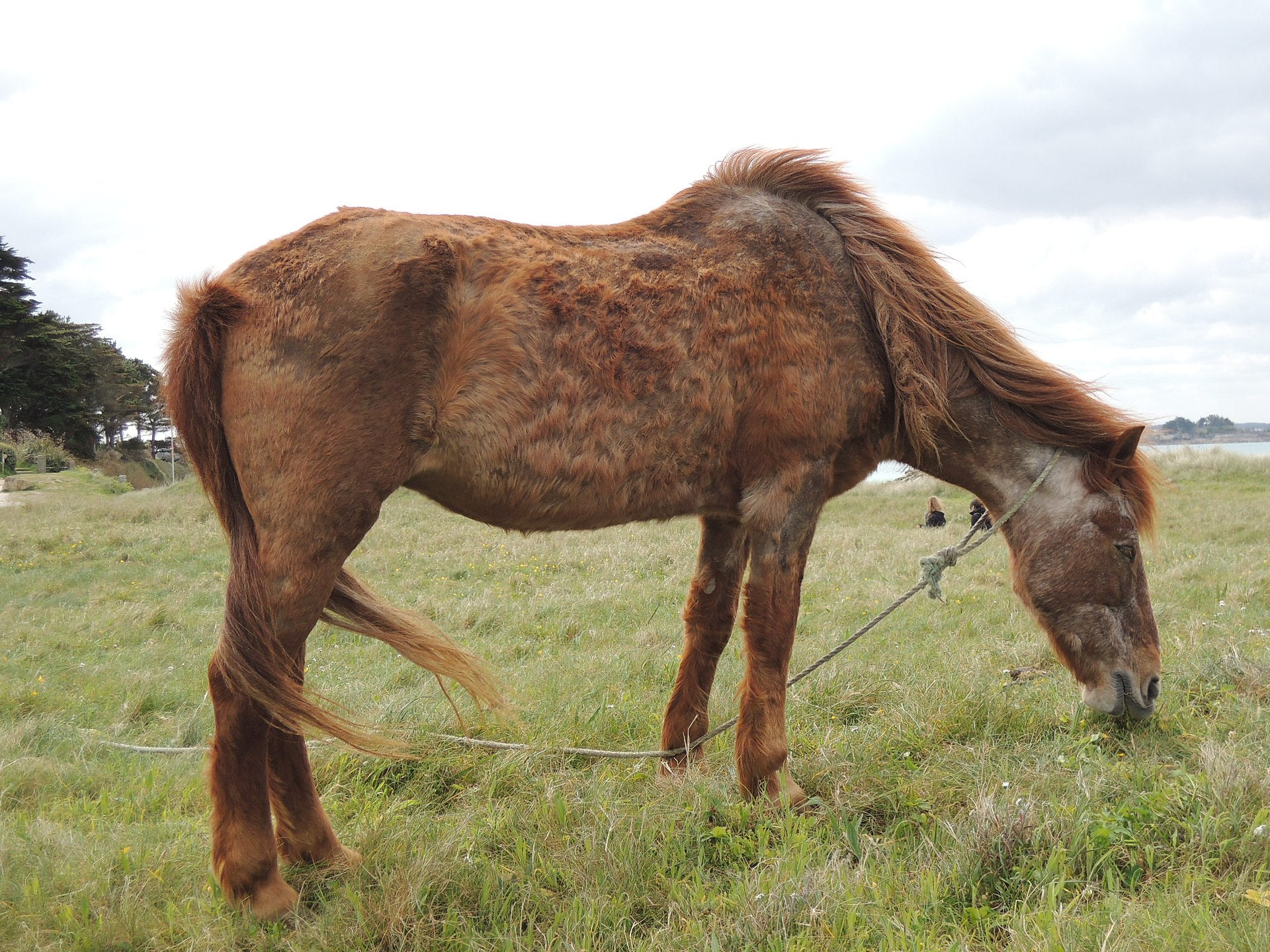

Colic in Horses: What You Need to Know!
Definition of Gas Colic Gas colic is a specific form of colic characterized by excessive gas accumulation in your horse's gastrointestinal tract. This gas buildup can lead to overdistension of the intestinal walls, resulting in severe pain and impaired intestinal movement. It is important to recognize gas colic early to be able to react in time. Causes of Gas Colic The causes of gas colic are diverse and can include both nutritional and physiological factors. Primarily, it often arises from the ingestion of gas-producing feed or incomplete digestion. Secondarily, intestinal obstruction or torsion can lead to this painful condition. One of the most common causes of gas colic is the feeding of fresh, low-fiber grass or fruit, which has a high moisture content. These feeds pass through the intestine more quickly and ferment, which activates gas-producing agents in the intestine. Greedy eating, insufficient chewing, and inhaling air while eating also contribute to gas formation. In some cases, suboptimal intestinal motility, influenced by stress or limited movement, can also lead to gas colic. Therefore, it is crucial to pay attention to your horse's feeding routine and living conditions to prevent gas colic. Symptoms of Gas Colic Gas colic can cause serious health problems for your horse. It is crucial to recognize the symptoms early to act quickly. Symptoms are divided into different severity levels, ranging from mild abnormalities to severe pain. Pay attention to changes in your horse's behavior and physical condition to identify gas colic in time. Early Warning Signs Early warning signs of gas colic are often subtle changes in your horse's behavior. Look for signs such as altered eating habits and the presence of mild abdominal pain. Your attention can be crucial in preventing worse developments. Advanced Symptoms As gas colic progresses, symptoms can become more severe. Your horse may show a severely distended abdomen, suffer from intense pain, and may no longer have bowel sounds. Here are some advanced symptoms you should watch for: Severely distended, hard abdomen Little to no bowel sounds Rolling and groaning Restricted breathing No interest in food Biochemical Indicators Physical Symptoms Increased heart rate Heavy sweating Irregular breathing Restlessness Advanced symptoms are a signal that your horse urgently needs veterinary help. It is of utmost importance to act quickly to avoid serious consequences such as intestinal obstruction. Behavioral Indicators Observe your horse's behavior closely. Changes can indicate gas colic. Your horse might be restless or try to roll, which suggests pain. Such behavioral changes should be taken seriously. In addition to physical symptoms, behavioral changes are often the first visible signs of gas colic. Stress, restlessness, or unusual behavior are clear indications that something is wrong. Observe your horse carefully and act quickly to avoid serious complications. Dietary Factors Contributing to Gas Colic Your horse's diet plays a crucial role in the development of gas colic. Certain feeds and eating habits can significantly increase the risk. To ensure your horse's health, it is important to be aware of the factors that can lead to gas colic. High availability of sugary and starchy feeds Consumption of fresh, low-fiber grass Insufficient chewing of feed Sudden changes in feed Our Metabolism Booster for Horses helps support your horse's metabolism and increase its performance. Especially during the cold season, when energy requirements increase, this product is a valuable addition to the daily diet. Common Gas-Producing Feeds Certain feeds, such as fresh clover, young grass, or soft bread, are particularly prone to triggering gas colic. These products have a high moisture content and are rich in sugar and starch, which are not sufficiently broken down in the gastrointestinal tract, leading to increased gas formation. Impact of Insufficient Chewing If your horse eats greedily and does not chew its feed thoroughly, it can lead to the feed not being sufficiently mixed with saliva. This impairs digestion and promotes gas formation in the intestine. This type of eating behavior can be particularly problematic for horses prone to colic. Insufficient chewing means that large pieces of feed pass through the gastrointestinal tract more quickly, further impairing digestion. The resulting gases can accumulate in the intestine and lead to painful symptoms. Therefore, it is essential to create a calm eating environment where your horse can eat at its own pace. Impact of Sudden Dietary Changes Too rapid a change in feed can severely stress your horse's sensitive digestive system and lead to gas colic. Therefore, changes in feeding should be made gradually. Sudden changes in feed composition can make it difficult for your horse's body to adapt to the new nutrients. Caution is particularly advised when changing to new feed types or when increasing the amount of fresh grass. To minimize the risk of gas colic, it is advisable to introduce such changes over a period of several days or weeks to allow your horse's digestive system to adapt. Assume that these measures will help promote your horse's well-being and prevent potential health problems. Prevention Strategies Promoting Appropriate Weaning Practices Gentle weaning is crucial to minimize the risk of gas colic in your horse. Ensure that the foal only leaves its mother when it is physically and emotionally ready. Slow and gradual weaning helps reduce stress and stabilize digestion. Pasture Management The way you pasture your horse has a direct impact on its digestive health. Ensure that your horse does not graze uncontrollably and consider weather conditions and the sugar content of the grass, especially in the morning hours, to avoid excessive gas formation. Ideal pasture management includes gradual acclimatization to new feed sources to adapt the horse's digestion. Start with short grazing periods and gradually increase them. Avoid letting your horse out to pasture early in the morning, as the sugar content in the grass is highest at this time. Strip grazing can also help control feed intake and prevent excessive bloating. Gradual Dietary Adjustments A gradual change in diet is essential to avoid overloading your horse's digestive system. If you want to change the feed, plan a few days for a gentle transition phase to avoid gastrointestinal problems. Start with small amounts of the new feed type and mix them with the usual feed. A slow transition gives your horse the necessary time to adapt and helps minimize gas formation in the intestine. Avoid sudden changes that can lead to digestive problems. Importance of Roughage Roughage such as hay or straw plays a crucial role in your horse's health. It promotes digestion, ensures healthy intestinal motility, and can thus counteract gas formation. Ensure that your horse always has access to sufficient roughage, as this not only promotes digestion but also helps prevent your horse from eating too greedily. Providing roughage fills the stomach, reducing the risk of overloading with fresh grass or energy-rich concentrated feed. Treatment Approaches Immediate First Aid Measures In case of gas colic, it is important to act quickly. Contact your veterinarian immediately to assess the symptoms. Try to keep your horse calm and minimize movement until help arrives, as excitement can worsen the symptoms. Veterinary Interventions Your veterinarian will administer medication to relieve pain and quickly remove gas and food residues from the intestine. This may include administering pain relievers as well as special medications to restore intestinal movements. In more severe cases, intravenous fluid administration may be necessary to prevent dehydration and support digestion. In addition, the veterinarian may also insert a nasogastric tube to release excess gas. If surgery is unavoidable, this will be decided in consultation with you and based on your horse's condition. Nutritional Management After Recovery After gas colic, you need particularly careful feeding strategies to support your horse's recovery. Start with a gradual reintroduction of roughage, preferably hay, and make sure to keep feed portions small. It is important to make the feed change slowly so as not to overload your horse's sensitive digestive system. In addition, you should avoid protein-rich concentrated feed and instead offer easily digestible feed to promote recovery and stabilize digestion. Post-Colic Care Restoring Nutritional Balance After gas colic, it is crucial to restore your horse's nutritional balance. Start with high-quality hay and gradually increase the amount of concentrated feed to give your horse enough energy for rehabilitation. The feed change should be slow to avoid re-stressing the sensitive digestive system. Importance of Hydration Adequate fluid intake is essential, especially after gas colic. Dehydration can lead to secondary gas colic and impair your horse's recovery. Ensure that fresh water is always available. Proper hydration supports digestion and promotes healthy intestinal motility, which is particularly important for recovery after colic. Make sure your horse drinks regularly and, if necessary, try to make the water trough attractive by, for example, placing some carrots in the water. This can help your horse take in enough fluids and thus avoid constipation and related complications. Monitoring and Follow-up Care Regular monitoring of your horse is an important part of aftercare. Pay attention to changes in your horse's behavior, feed intake, and digestion. Consult with your veterinarian and note any abnormalities. Follow-up care also includes regular monitoring of abdominal girth and bowel sounds. These are important indicators of digestive health. If there are signs of discomfort or renewed colic symptoms, the veterinarian should be informed immediately. Make sure to document all your observations to help your veterinarian diagnose and adjust the treatment plan. Close cooperation with the veterinarian is essential to avoid complications and ensure your horse's complete recovery. Long-Term Care Regular Veterinary Visits It is crucial to schedule regular veterinary visits to continuously monitor your horse's health. The veterinarian can detect early signs of digestive disorders or other health problems before they have serious consequences. Individual Feeding Plans Creating an individually tailored feeding plan is essential for preventing gas colic. Each horse has different needs, based on factors such as age, weight, activity level, and health status. An experienced veterinarian or nutritionist can help you determine the right feed, including the quantity and type. To avoid gas colic, in addition to adjusting the amount of concentrated feed, you should also ensure that your horse does not consume disproportionately large amounts of fresh grass or sugary treats. Slow feed changes, considering seasonal feed offerings, and regular feeding times are also important to support your horse's digestion. Maintaining Overall Digestive System Health Maintaining overall digestive health is very important for your horse. Ensure that your horse always receives sufficient roughage and gets enough exercise to promote healthy intestinal motility. Regular monitoring of drinking water ensures that your horse takes in enough fluids to prevent secondary gas colic due to constipation. In addition, feeding gut-caring mash with high-quality ingredients can help keep digestion going and minimize the risk of gas colic. These questions about gas colic in horses are often asked: What is gas colic in horses?Gas colic is a specific form of colic caused by excessive gas accumulation in a horse's gastrointestinal tract. These gases cause distension of the intestinal walls, resulting in pain and impaired intestinal movement. The excessive gas accumulation can disrupt the normal digestive process and put the horse in acute pain. Gas colics can vary in severity and must be treated quickly to avoid long-term damage or even life-threatening conditions. What are the most common causes of gas colic?Gas colics are often caused by feeding gas-producing feeds such as fresh grass in spring or high-fat feed additives. Sudden changes in feed can also disrupt the horse's gastrointestinal tract and stimulate gas formation. Another risk factor is insufficient chewing of feed, which makes digestion difficult, as well as restricted movement, which impairs intestinal motility. Stress and existing intestinal disorders such as delayed intestinal peristalsis or increased intestinal motility also contribute to increased gas formation. What symptoms indicate gas colic?The symptoms of gas colic range from general signs such as restlessness and altered eating behavior to specific complaints. The horse often shows severe bloating, especially in the abdominal area. Painful reactions such as rolling, sweating, and an accelerated heart rate may also occur. In more severe cases, the horse may develop noticeable shortness of breath or a significantly increased body temperature. Rolling is often a sign of the pain caused by the pressure of gases on the intestine. How can gas colic be prevented?Several measures should be observed to prevent gas colic. A gradual feed change is important to give the digestive system time to adapt and control gas formation. Too much sugar and starch in the feed should be avoided, as these can promote gas formation. Instead, the horse should regularly receive sufficient roughage, such as hay or grass, which stimulates digestion. Targeted control of grazing times is also useful to prevent too rapid feed intake. In addition, the horse should be exercised regularly to promote intestinal motility. What should be done in case of acute gas colic?In case of acute gas colic, immediate veterinary help is required. Contact the veterinarian immediately to examine the horse and begin treatment. While waiting for the veterinarian, you should keep the horse calm and avoid letting it eat or drink so as not to further burden the digestive process. Any self-measures, such as administering medication or massaging the abdomen, should be avoided, as these could worsen the situation. What treatment options are available for gas colic?The treatment for gas colic depends on the severity of the condition. In most cases, the veterinarian will administer pain medication and antispasmodic drugs to relieve pain. Additionally, gut motility enhancers or a nasogastric tube may be used to remove gas from the intestines and normalize bowel function. In particularly severe cases, where a large gas accumulation or another cause is suspected, surgery may be necessary to clear blockages and relieve pressure on the intestines. What does aftercare look like after gas colic?After treating gas colic, careful aftercare is important to prevent recurrence. Observe the horse's behavior and digestion closely to ensure no further symptoms appear. The reintroduction of forage should be gradual to avoid overloading the digestive tract. It is also crucial to provide the horse with adequate water to prevent dehydration. Regular veterinary check-ups to monitor digestive health are also recommended. What role does diet play in preventing gas colic?Diet plays a crucial role in preventing gas colic. A balanced diet, consisting mainly of high-quality forage such as hay or grass, promotes digestion and helps minimize gas formation. Feed changes should always be gradual to avoid stressing the digestive process. Sugary and starchy feeds should be avoided or given in moderation, as they can promote gas formation. Sufficient fresh water aids digestion and reduces the risk of colic. Sources: Frank G. R. Taylor, Mark H. Hillyer: Klinische Diagnostik in der Pferdepraxis. 2nd Edition, Schlütersche Verlagsgesellschaft, Hanover 2004, ISBN 3-87706-574-0. News on the topic: Gas colic in horses Richard Kinseher: Der Bogen in Kultur, Musik und Medizin, als Werkzeug und Waffe. BoD – Books on Demand, 2003, ISBN 978-3-831-14109-8, p. 154 (limited preview in Google Books). Horse Vitality Company Editorial Guidelines At Horse Vitality Company, we create every post according to strict quality standards, relying on reputable sources and scientific research. Our editors are proven experts in equine health and provide you with well-founded, trustworthy information. Expertise and Quality Assurance Qualified Authors: Our editors possess extensive expertise in equine health and animal care. Double-Checked: Every article is additionally reviewed by a second expert to ensure accuracy and relevance. Sources and Transparency Reputable Sources: We only use trustworthy sources and scientific studies to substantiate our content. Disclosure: We disclose potential conflicts of interest and ensure transparency. Reader-Friendliness and Actuality Reader-Friendly Presentation: Our content is continuously optimized to make it as understandable and accessible as possible. Up-to-Date: We regularly review our articles and update them as needed to ensure they are always current. Interaction and Feedback Reader Orientation: Our goal is to provide you with initial guidance. For individual health or care questions, we recommend consulting a veterinarian or equine naturopath. Feedback Opportunity: We invite our readers to provide feedback and ask questions. Your suggestions help us continuously improve our content and tailor it to your needs. These guidelines ensure that Horse Vitality Company's content consistently meets the highest standards of expertise, authority, and trustworthiness.
Learn more
Horse Colic: How to Recognize the Signs and Act Correctly
Colic is a serious problem in horses that can be life-threatening. It is not a disease in itself, but a collective term for painful conditions in the gastrointestinal tract. Early recognition of symptoms and prompt action are crucial to give your horse the best possible chances of recovery. In this article, you will learn how to recognize the signs of colic and take the right measures in an emergency. Key Takeaways: Colic as a collective term: Colic refers to painful diseases of the gastrointestinal tract in horses, which can be life-threatening. Recognize symptoms early: Attentive owners should identify symptoms such as restless pawing, increased pulse rate, and refusal to eat early. Administer first aid: If colic is suspected, it is important to remain calm, keep the horse moving, and immediately contact the veterinarian. What is Colic in Horses? Definition of Colic Colic is not a distinct disease, but a collective term for various painful conditions in your horse's gastrointestinal tract. These conditions can be life-threatening, which is why it is crucial to recognize the symptoms early and act accordingly. Anatomical Peculiarities of Horses The unique anatomy of horses significantly contributes to their susceptibility to colic. The stomach entrance is tightly closed, and food is transported exclusively towards the intestines, making vomiting almost impossible. Additionally, the horse's intestine, at around 30 meters, has high mobility, which increases the risk of intestinal torsions or constrictions. Due to the anatomical peculiarities mentioned above, digestive problems in horses can quickly lead to serious complications. The strong sphincter muscle at the entrance of the stomach prevents vomiting, meaning trapped gases, food residues, or liquids cannot escape. Furthermore, the long and mobile intestine is particularly susceptible to displacements and entanglements, which often lead to colic. These factors highlight how important it is for horse owners to recognize the clearest signs of colic and react quickly. Causes of Colic in Horses Most Common Triggers The causes of colic in horses are diverse. Intestinal dysfunctions, stomach overloads, and intestinal entrapments or twists are common. Peritonitis and parasite infestation can also lead to painful conditions. Pay particular attention to your horse's health, as even small changes can lead to serious problems. Metabolism plays a crucial role in digestion and the health of the gastrointestinal tract. This product could be mentioned to illustrate how a functioning metabolism minimizes the risk of digestive disorders. Stress-induced Colic Stress can lead to colic in your horse. Sensitive animals are particularly susceptible to stress-induced colic, which is often triggered by changes in environment or feed. A calm environment is crucial for your horse. Stressful situations, such as noise or frequent stable changes, can put enormous strain on the digestive system and lead to colic. Make sure to provide your horse with enough rest and a familiar environment to minimize the risk of such incidents. Feeding-related Colic Incorrect feeding plays a crucial role in the development of colic. Feeding-related colics often arise from sudden changes in feed or feeding poor-quality feed. Ensure you provide your horse with high-quality feed and introduce changes in feeding gradually. Regular feeding in small amounts throughout the day is important to avoid overloading your horse's digestive system. Also, create conditions to prevent bolting, such as feeding in nets or in multiple portions. Recognizing Colic Symptoms General Symptoms When your horse has colic, various symptoms indicating a digestive disorder may occur. The most common signs include restless pawing, an increased pulse, and sweating. A rapid, shallow breath and reddened gums can also be warning signs that should not be ignored. Behavioral Changes Look out for behavioral changes in your horse, as these often provide the first clues of colic. Your animal might be more nervous or restless than usual, constantly rolling, or trying to bite its belly. These behavioral changes are often a first sign of discomfort. A horse that is not behaving normally could be in pain. It may also frequently try to change position or flick its tail in an unusual way to relieve its discomfort. Timely recognition of these behavioral changes is crucial for prompt action. Observations in the Stable Observations in the stable can also provide insight into your horse's condition. A horse with colic may show altered behavior, such as constantly lying down and getting up or standing in an unusual posture. Pay close attention to whether your horse seems restless in the stable or avoids contact with other horses. A tense abdominal musculature or refusal to eat are also clear signs that it could be colic. Prompt action can be crucial here to minimize the risk of serious complications. First Aid Measures for Colic If your horse shows signs of colic, prompt action is crucial. Immediate first aid measures can help stabilize your animal's well-being and prevent potential complications while you wait for the vet. Immediate Measures for Stabilization Start by keeping your horse calm. Ensure it stays in a safe, quiet environment to minimize stress. Check its breathing and pulse to assess the horse's condition, and have a cooler rug ready if it sweats heavily. Rolling and Movement Rolling can help to resolve intestinal displacements and relieve pain. Allow your horse to roll in a properly bedded stall or a protected area and then lead it at a calm walk to encourage intestinal movements. It is important to allow your horse to roll, as this often brings relief. However, make sure the area is safe to prevent injuries. Afterwards, lead your horse around at a slow pace to encourage further movement and support digestion. However, avoid heavy work or riding. Behavior Before the Vet Arrives While waiting for the vet, you should remain cautious and not administer any medication. Keep the horse moving, but remove food and water to prevent the symptoms from worsening. The right behavior before the vet arrives is crucial. Observe your horse closely and note the symptoms to facilitate the vet's diagnosis. Remain calm to avoid an exceptional situation that could cause stress. The calmer and more composed you act, the better your horse will respond to treatment. Veterinary Diagnostics and Treatment Veterinarian's Diagnostic Steps If your horse is suffering from colic, the veterinarian will first observe your horse's behavior in the stall. Then, they will measure its temperature, respiration, and heart rate before listening to its gut sounds. These initial steps are crucial to identify the type of colic and initiate appropriate measures as quickly as possible. Conservative Treatment Methods Conservative therapy aims to alleviate the symptoms of colic and stabilize the horse. In most cases, the horse is given pain medication and movement is encouraged to stimulate digestion. Within the framework of conservative treatment, various approaches can be applied. These include the administration of medication for pain relief and the monitoring of the horse to detect changes in its condition. It is equally important to ensure adequate hydration and, if necessary, offer additional water or mash to support digestion. Surgical Options If colic symptoms do not improve with conservative methods or if an intestinal obstruction is suspected, surgical intervention may be necessary. Surgical options for colic can be diverse, ranging from minimally invasive techniques to more extensive operations. Often, these procedures are necessary to correct intestinal displacements, torsions, or entrapments. The prognosis is good in many cases, but one must also be prepared for potential complications, which is why veterinary insurance is advisable to cover costs in an emergency. Costs and Insurance Options Colic Treatment Costs The treatment costs for colic can vary greatly, depending on the severity of the illness and the necessary measures. Operations can quickly run into thousands of euros, while conservative treatments can also cost several hundred euros. However, the sooner you act, the better the chances of recovery and the lower the costs may be. Importance of Horse Health Insurance Horse health insurance is crucial to cover the financial risks in the event of colic. Without adequate insurance coverage, the high treatment costs can become a significant burden for many horse owners. With horse health insurance, you protect yourself against unexpected costs and ensure that your horse receives the best possible medical care in case of illness. With individual insurance concepts, you can adapt the protection to your needs, giving you more security and peace of mind. Insurance Coverage and Benefits Insurance coverage and benefits vary depending on the chosen plan. The best horse health insurance offers, among other things, unlimited annual maximums and individual deductibles, giving you the option to tailor the coverage to your budget. Additionally, comprehensive insurance often includes benefits for preventive examinations and therapeutic treatments, ensuring you are covered not only in case of illness. Flexible options allow you to adapt your insurance to your horse's specific needs, thus ensuring optimal protection. Prevention of Colic Optimal Feeding Strategies To minimize the risk of colic, balanced and careful feeding is crucial. Make sure to use high-quality feed and feed in small amounts distributed throughout the day. Regular feeding of mash can also promote your horse's digestive system. Housing and Promoting Movement Your horse's housing has a significant impact on preventing colic. Ensure your animal has enough space to move freely. Regular outdoor exercise supports digestion and helps prevent unhealthy tensions in the body. A more active lifestyle, combined with a suitable stable climate, not only promotes your horse's physical health but also its mental well-being. Make sure your horse gets enough turnout and can interact socially with other horses. This helps to prevent digestive disorders and increase overall quality of life. Stress Management To prevent colic, it is important to identify and minimize stress factors that could affect your horse. Stress can lead to digestive problems, especially in sensitive horses. Create a calm and stress-free environment for your horse. Regular routines in feeding and care provide security. Also try to avoid sudden environmental changes that might disturb your horse. Stress management strategies such as targeted relaxation exercises or working with an equine behavior specialist can also be helpful. Conclusion Colic in horses is a serious danger that can often be life-threatening. As a responsible horse owner, it is crucial to recognize the symptoms early and act quickly. Your knowledge of the causes and first aid measures can make a decisive difference in critical situations and save your horse's life. Don't forget that good horse health insurance not only offers you financial security but also ensures access to necessary veterinary care. Choosing the right insurance can determine whether your horse receives the best possible treatment in case of illness. Allianz horse health insurance, for example, offers you flexible deductibles and unlimited annual maximums, which can be of great benefit in emergencies. Furthermore, preventive measures such as high-quality feed, regular deworming, and plenty of exercise can help prevent colic and promote your horse's general health. Be proactive and create an optimal environment that supports your horse's well-being. Recognize the signs of colic quickly and act thoughtfully. Through your commitment and knowledge of colic, you can not only protect your horse but also enable a faster recovery should it ever occur. Stay calm and act prudently – this way you have the best chances of accompanying your horse through difficult times. These questions about colic in horses are often asked: What is colic in horses? Colic is a collective term for a variety of painful conditions of the gastrointestinal tract in horses. These conditions can be caused by various factors such as incorrect nutrition, stress, lack of exercise, or anatomical peculiarities. Colic is usually very painful and can lead to life-threatening conditions if not treated promptly. The symptoms of colic can appear suddenly and vary in severity, making it especially important to react quickly. In many cases, immediate veterinary treatment is necessary to save the horse's health and prevent possible long-term damage. How do I know if my horse has colic? The symptoms of colic can vary from horse to horse, but there are some common signs you should look out for. Common signs of colic include restless pawing with the hind legs, frequent rolling, and loss of appetite. The horse may also have a bloated abdomen, indicating that air or fluid is trapped in the digestive tract. Additionally, many horses with colic show severe sweating, and the pulse may be elevated. Nervous behavior, such as frequent lying down and getting up, is another sign that the horse is in pain. If you notice any of these symptoms in your horse, you should immediately contact a veterinarian to diagnose and treat the problem as quickly as possible. What should I do if I suspect my horse has colic? If you suspect your horse has colic, it's important to stay calm and act deliberately. First, you should try to keep the horse calm and get it moving without overexerting it. Gentle leading or walking can help stimulate the digestive process and prevent the condition from worsening. It's advisable not to feed your horse at this stage to reduce the risk of a twisted gut or further complications. At the same time, you should ensure the horse doesn't try to lie down, as this increases the risk of a twisted gut. Contact with a vet is absolutely essential, as colic can quickly become serious. The vet will determine the exact cause and initiate the appropriate treatment, which can vary depending on the severity of the colic. What are the most common causes of colic in horses? Colic can be caused by many different factors. The most common causes include incorrect feeding, especially sudden changes in feed or poor-quality feed. Eating too quickly or too intensely can also stress the digestive system and trigger colic. Lack of exercise is another common trigger for colic, as horse digestion relies on regular movement. Stress can also trigger colic, as it can disrupt the balance in the digestive system. Changes in the environment, such as stable changes or loud noises, can lead to restlessness and digestive problems. Other causes of colic include anatomical peculiarities such as intestinal twists or an unfavorably positioned stomach. Parasite infestation and stomach overloads due to too much feed at once are also common triggers for colic. How can I prevent colic in my horse? Preventing colic begins with a balanced and regular feeding regimen. Make sure your horse receives high-quality feed that suits its individual needs. Changes in feed should only occur slowly and gradually to avoid stressing the digestive system. A balanced mixture of hay, grass, and possibly additional concentrates ensures healthy digestion. Regular exercise is equally important, as it supports the digestive process. Your horse should have enough room to move, whether in the pasture or at the riding stable. Stress can promote colic, so it's important to create a calm and stress-free environment for your horse. If your horse is prone to colic, dietary supplements such as "Magenfein" or "Stoffwechsel Booster" can also help support digestion and promote well-being. Can stress really trigger colic in horses? Yes, stress is a significant trigger for colic in horses. Horses are naturally very sensitive to changes in their environment, and stressful situations can put a strain on the digestive system and lead to colic. Stressful factors such as loud noises, a change of stable, unfamiliar feeding, or the proximity of other animals can overtax the horse. Particularly sensitive or nervous horses are more susceptible to colic in such situations. Therefore, it is crucial to provide your horse with a stable and calm environment to minimize stress. Regular rest periods and a consistent routine can help promote your horse's well-being and reduce the risk of stress-induced colic. What role does feeding play in the development of colic? Proper feeding is crucial for the health of a horse's digestive system and can significantly influence the risk of colic. Irregular or incorrect feeding is one of the most common causes of colic. Eating too quickly, poor-quality feed, or sudden changes in feed can severely stress the digestive system and trigger colic. Another risk factor is overfeeding, as too much food at once can overload the gastrointestinal tract. It is advisable to give the horse several small meals throughout the day and to avoid sudden changes in feeding. Make sure your horse always has access to high-quality hay and fresh water, and pay attention to your horse's needs when selecting feed. Avoiding overly concentrated compound feeds and following the feeding recommendations of your veterinarian or nutritionist can also help prevent colic. Is colic in horses always life-threatening? Not all colic is life-threatening, but it can cause serious health problems if not treated promptly. Mild colic can often be successfully treated with quick veterinary help, such as pain medication and fluid administration. In more severe forms, such as twisted gut or severe digestive disorders, surgical treatment may be necessary. In these cases, there is a risk of serious complications that can be fatal without timely treatment. Therefore, it is crucial to seek veterinary help immediately at the first signs of colic to quickly assess the severity of the problem and begin appropriate treatment. Quick action can often save your horse's life and prevent possible permanent damage. Sources: Richard Kinseher: Der Bogen in Kultur, Musik und Medizin, als Werkzeug und Waffe. BoD – Books on Demand, 2003, ISBN 978-3-831-14109-8, S. 154 (restricted preview in Google Books). News on the topic: Equine Colic Frank G. R. Taylor, Mark H. Hillyer: Klinische Diagnostik in der Pferdepraxis. 2. Auflage, Schlütersche Verlagsgesellschaft, Hanover 2004, ISBN 3-87706-574-0. Editorial Guidelines of the Horse Vitality Company At Horse Vitality Company, we create every contribution according to strict quality standards, relying on reputable sources and scientific research. Our editors are proven experts in equine health and offer you well-founded, trustworthy information. Expertise and Quality Assurance Qualified Authors: Our editors have extensive expertise in equine health and animal care. Double Check: Each article is additionally reviewed by a second expert to ensure accuracy and relevance. Sources and Transparency Reputable Sources: We use only trustworthy sources and scientific studies to substantiate the content. Disclosure: We disclose potential conflicts of interest and ensure transparency. Reader-friendliness and topicality Reader-friendly preparation: Our content is continuously optimized to make it as understandable and accessible as possible. Timeliness: We regularly review our articles and update them as needed to ensure they are always up-to-date. Interaction and Feedback Reader orientation: Our goal is to offer you an initial orientation. For individual health or care questions, we recommend consulting a veterinarian or animal naturopath. Feedback option: We invite our readers to provide feedback and ask questions. Your suggestions help us to continuously improve our content and tailor it to your needs. These guidelines ensure that the content of the Horse Vitality Company always meets the highest standards of expertise, authority, and trustworthiness.
Learn more
Effective Support for Laminitis: The Laminitis Pad Bandage
When caring for your horse's health, you should not underestimate laminitis. This painful condition can affect all legs, especially the front legs, and cause serious damage. In this article, Equine Veterinarian Köster shares valuable insights into effective management strategies to promote your horse's well-being and counteract acute discomfort. You will learn how to recognize symptoms, understand causes, and implement appropriate treatment approaches to optimally support your horse. Key Insights: Understanding Causes: A deep understanding of the various causes of laminitis, such as metabolic disorders, nutritional factors, and toxins, is crucial for successful treatment. Symptom Relief: Immediate measures such as cooling the hooves and the use of non-steroidal anti-inflammatory drugs (NSAIDs) are important to alleviate pain and minimize inflammation-related damage. Individual Therapy Approaches: Each case of laminitis requires tailored therapy, including collaboration between farrier and veterinarian for proper hoof trimming and X-ray monitoring. Understanding Laminitis Definition and Causes Laminitis, also known as founder, is a painful condition of the sensitive laminae of the hoof in horses that can have various causes. The most common factors include metabolic disorders, imbalances in feeding, and intoxicative influences. In particular, Equine Cushing's Syndrome and Equine Metabolic Syndrome often play a crucial role in the development of laminitis. This is exacerbated by insulin resistance. Cause Description Metabolic disorders Equine Cushing's Syndrome, metabolic syndrome. Dietary laminitis Excessive carbohydrate intake, especially fructans. Endotoxic laminitis Entry of endotoxins into the bloodstream. Support limb laminitis Chronic overload of one leg. Laminitis can be divided into different types, each having serious implications for your horse's well-being. The most common types of laminitis include diet-induced laminitis, endotoxic laminitis, and iatrogenic laminitis. This classification depends on the underlying causes and plays a significant role in treatment. Types of Laminitis Type Description Dietary laminitis Caused by high carbohydrate intake. Endotoxic laminitis Often affects horses with severe colic or infections. Iatrogenic laminitis Caused by excessive corticosteroid administration. Support limb laminitis Result of overuse and insufficient blood supply. Chronic laminitis Long-term changes in the hoof, often with deformity. It is crucial to recognize the different types of laminitis to initiate the correct diagnosis and treatment. Dietary laminitis, for example, can be caused by improper feeding practices, while endotoxic laminitis points more to infections. Correct diagnoses are necessary for effective therapies. Risk Factors There are numerous risk factors that can contribute to the development of laminitis. The most important include obesity, age, breed predisposition, and unhealthy feeding practices. Targeted management of these risk factors can be crucial to prevent laminitis. Risk Factor Description Obesity Increases risk, especially in older horses. Age Older horses have a higher risk of metabolic disorders. Breed Certain breeds are more susceptible to laminitis. Feeding High carbohydrate content in the ration can be harmful. Stress Can increase susceptibility, especially with illness. Understanding the risk factors for laminitis is essential for taking preventive measures. Obesity and improper feeding practices are two of the most dangerous factors you should watch out for. Prevention is key to minimizing the risk for your horse. Recognizing Symptoms Common Signs of Laminitis With laminitis, several common symptoms are observed, such as warm hooves, pulsation of the digital arteries, and pain sensitivity. Your horse might start moving "gingerly," shifting weight from one leg to another, or exhibiting a typical laminitic stance. In severe cases, your horse may even refuse to move and lie down permanently. Diagnostic Techniques Various techniques are used for diagnosing laminitis. In addition to the clinical examination, X-rays are crucial to assess the condition of the pedal bones. Your veterinarian will first look for external symptoms during the examination to determine if your horse shows signs of pain. X-rays help to identify any changes in the pedal bones, such as rotation or sinking of the pedal bone, which can indicate a chronic condition. These diagnostic techniques are essential for accurately determining the severity of laminitis and establishing appropriate treatment strategies. Importance of Early Detection Early detection of laminitis is crucial to alleviate your horse's pain and prevent severe damage. Prompt action significantly improves the prognosis. If you notice the symptoms early and consult a veterinarian as soon as possible, you can initiate your horse's treatment in good time. This not only helps to improve your horse's quality of life but can also lead to a faster recovery and minimize the risk of chronic damage. Do not ignore the first signs, as swift intervention often determines the success or failure of treatment. Treatment Options Immediate Care Strategies Immediate care strategies for laminitis require quick action. Remove grass and concentrates from your horse's diet and offer hay instead, possibly after soaking it in water to wash out fructans. Cool the hooves to relieve symptoms and reduce pain. Pharmaceutical Interventions Pharmaceutical interventions are crucial for alleviating pain and reducing inflammation in laminitis. The use of non-steroidal anti-inflammatory drugs (NSAIDs) such as phenylbutazone or flunixin meglumine is often necessary. These medications are essential for relieving acute pain, as laminitis is a painful condition. They also support the fight against inflammatory processes in the hoof. In conjunction with gastric protectants to avoid stomach upset, acepromazine for promoting blood circulation, as well as heparin and aspirin for anticoagulation, can also be used. These measures ensure efficient treatment and a better quality of life for your horse. Nutritional Adjustments Targeted nutritional adjustment is crucial for your horse's recovery. Ensure that the feed is low in carbohydrates, especially fructans and rapidly digestible carbohydrates. By changing your horse's diet, you can reduce the risk of an acute laminitis flare-up. Ensure that the amount of carbohydrates in the feed is adjusted to avoid overloading the digestive system. The focus should be on high-quality hay, which is less taxing on the gastrointestinal tract. Thoughtful nutritional adjustment is an essential aspect of sustainable laminitis treatment.Our Pure Magnesium Citrate for Horses is the ideal supplement for your horse to support health and performance. Role of Rest and Rehabilitation The role of rest and rehabilitation should not be underestimated. Ensure that your horse is in a stress-free environment to support the healing process. Regular and well-considered rest periods are crucial to reduce pressure on the hoof and promote regeneration. Standing on deep sand or in a well-bedded stall can significantly improve your horse's well-being. Give your horse the necessary time to recover, and consider targeted rehabilitation to prevent long-term damage and relapses. Long-term Management Regular Veterinary Visits To ensure your horse's long-term health, regular veterinary visits are essential. These visits allow for early detection of changes in hoof and health status and appropriate responses to prevent acute laminitis flare-ups. Individual Hoof Care Individual hoof care is crucial for your horse's long-term health. Hoof trimming should be specially adapted to your animal's needs to avoid pressure points and pain. Individual hoof care aims for parallelism between the pedal bone and the hoof capsule. This is particularly important for chronic laminitis patients, where cooperation between the farrier and veterinarian is necessary to maintain and adjust the optimal hoof shape. X-rays help you closely monitor your horse's health and, if necessary, make adjustments to hoof trimming. Environmental Factors Considering environmental factors plays a significant role in managing laminitis. Ensure that your horse is housed in a suitable environment that minimizes pressure and stress on the hooves. Your horse should stand on a soft surface, such as deep sand or well-bedded shavings, to reduce the risk of further injury. A stress-free environment can help reduce cortisol production, which in turn can influence insulin resistance and thus reduce the risk of acute laminitis. Monitoring and Adjusting Nutrition Monitoring and adjusting nutrition is crucial for preventing laminitis. Ensure that your horse does not receive inadequate or harmful food components, especially when feeding hay and mineral feed. A carefully balanced feeding plan is necessary to minimize the risk of endotoxemia, which can result from unsuitable carbohydrates or feeding errors. Ensure that feed changes are gradual and observe your horse for signs of discomfort or changes in behavior to intervene in a timely manner. Prevention Strategies Understanding Feeding Habits To prevent laminitis, it is important to thoroughly understand your horse's feeding habits. Ensure that no excessive amounts of easily digestible carbohydrates or fructans are included in the diet, as these can lead to the development of laminitis. Instead, your horse should be fed with high-quality hay and a mineral-rich feed without grain or molasses. The Importance of Exercise Regular exercise is crucial to minimize the risk of laminitis. Horses that receive sufficient exercise promote blood circulation and metabolism, which contributes to hoof health. Exercise keeps your horse's body active, which helps prevent blood clotting and reduces pressure on the laminae. Ensure that your horse has the opportunity to move daily, whether through lunging, riding, or pasture turnout. Avoid sudden, intense training sessions, as these can increase the risk of an acute laminitis flare-up. Managing Weight and Metabolic Health Optimal weight and healthy metabolic status are crucial for preventing laminitis. Overweight horses are particularly at risk, as they have a higher risk of metabolic disorders such as Equine Metabolic Syndrome, which leads to insulin resistance. Your horse's weight should be checked regularly. Make sure to provide a balanced diet and, if necessary, consult a veterinarian to create an individual feeding plan. Weight reduction should be gradual, ideally through a combination of reduced food intake and targeted exercise. Remember that a healthy metabolism is crucial for preventing laminitis. Expert Insights from Equine Veterinarian Dr. Köster As an experienced equine veterinarian, Dr. Köster has treated numerous cases of laminitis. His profound knowledge and practical approaches offer valuable insights for the effective management of this painful condition. Dr. Köster emphasizes the importance of individual diagnoses and therapeutic approaches to achieve the best results for affected horses. Case Studies and Success Stories Dr. Köster has achieved many remarkable successes in the treatment of laminitis; here are some case studies: Case 1: A 10-year-old warmblood horse that developed laminitis due to feeding errors was able to return to training within 3 months after a change in diet and appropriate therapies. Case 2: A 5-year-old pony suffering from stress-related laminitis showed significant improvement in mobility after 6 weeks of medicinal therapy and targeted exercise. Case 3: In a chronic stage of laminitis, the horse's quality of life was greatly improved within 4 months through laminitis shoeing and special hoof trimming. Recommendations for Horse Owners Dr. Köster recommends taking proactive measures to prevent laminitis in your horses. Pay attention to their diet, especially fructans, and ensure your horse doesn't graze excessively. In addition to a balanced diet, stress should be minimized, and the horse should undergo regular veterinary check-ups to detect early signs of laminitis. Collaborative Approach with Veterinarians and Farriers Close collaboration with veterinarians and farriers is crucial for the success of laminitis therapy. Dr. Köster emphasizes that the exchange of information and joint planning of measures will help you develop the best approach for treating and preventing laminitis. Through close communication with specialists, you can ensure that your horse receives both the necessary medical treatment and the correct hoof care. This teamwork promotes quick recovery and reduces the risk of relapse. Regular check-ups and adjustments to the treatment plan are essential. Conclusion To effectively manage laminitis, it is crucial to identify the causes and take immediate action. You should focus on an adapted feeding regimen, cooling the hooves, and using anti-inflammatory medications to relieve pain. Furthermore, close collaboration with a farrier and veterinarian is necessary to optimize your horse's foot structure and prevent damage. Through careful observation and timely intervention, you can significantly improve your horse's well-being. These are frequently asked questions about laminitis treatment:1. What is a padded bandage and how is it used for laminitis?A padded bandage is a special dressing placed on a horse's hoof to relieve pressure and support the healing process. In cases of laminitis, it helps minimize pressure on the painful areas of the hoof while protecting the hoof horn. The bandage is applied to provide both padding and stability, which improves the horse's mobility.2. When should a bandage be applied to a horse with laminitis?A bandage should be applied as soon as possible after laminitis is diagnosed, especially if the horse is experiencing acute pain. It can help reduce inflammation and improve the animal's well-being. Typically, the veterinarian will recommend the best time for application, depending on the severity of the condition.3. What materials are best for a bandage for laminitis?For an effective bandage, soft, absorbent materials like foam or special bandage materials that cushion pressure and impacts are used. Additionally, breathable materials should be used to ensure optimal air circulation and minimize the risk of moisture and infections.4. How long should a laminitis bandage remain on the hoof?The wearing duration depends on the severity of the laminitis and the healing progress. Generally, the bandage should remain on the hoof for several days up to a week before being changed. Regular check-ups by a veterinarian are important to monitor the hoof's condition and adjust the bandage as needed.5. Can I apply a bandage myself or should a veterinarian be consulted?It is advisable to have the bandage applied by an experienced veterinarian or farrier, especially in cases of acute laminitis. These professionals have the necessary knowledge and experience to ensure the bandage is applied correctly to avoid pressure points and provide optimal support.6. What are the benefits of a bandage in treating laminitis?A bandage offers several benefits, including pain relief through pressure reduction, stabilization of the hoof, and protection from further injury. It can also promote blood circulation and support healing by creating a comfortable and safe environment for the hoof.7. Are there risks or side effects when applying a bandage for laminitis?Yes, there are some risks that should be considered. An incorrectly applied bandage can cause pressure sores or blisters, while moisture under the bandage can lead to infections. It is important to check the bandage regularly and adjust it if necessary to avoid complications.8. How often should the bandage be changed for a laminitis patient?The bandage should generally be changed every 2 to 7 days, depending on the condition of the hoof and the severity of the laminitis. A veterinarian can provide recommendations for the optimal frequency of changes and ensure that the hoof is adequately treated to promote rapid recovery. Sources: PUTTING OUT THE FIRE - LAMINITIS PREVENTION Interesting Study: Laminitis News on the topic: The Laminitis Padded Bandage Hiltrud Straßer: Hufrehe (Laminitis): Erscheinungsformen, Ursachen und Behandlung; Kirchentellinsfurt, Knirsch, 2003; ISBN 3-927091-65-0 Editorial Guidelines of Horse Vitality Company At Horse Vitality Company, we create every post according to strict quality standards and rely on reputable sources as well as scientific research. Our editors are proven experts in equine health and offer you well-founded, trustworthy information. Expertise and Quality Assurance Qualified Authors: Our editors have extensive expertise in equine health and animal care. Double-Check: Every article is additionally reviewed by a second expert to ensure accuracy and relevance. Sources and Transparency Reputable Sources: We only use trusted sources and scientific studies to substantiate the content. Disclosure: We disclose potential conflicts of interest and ensure transparency. Reader-Friendliness and Timeliness Reader-Friendly Preparation: Our content is continuously optimized to make it as understandable and accessible as possible. Timeliness: We regularly review and update our articles as needed to ensure they are always up-to-date. Interaction and Feedback Reader-Oriented: Our goal is to provide you with initial guidance. For individual health or care questions, we recommend consulting a veterinarian or animal naturopath. Feedback Option: We invite our readers to provide feedback and ask questions. Your suggestions help us continuously improve our content and tailor it to your needs. These guidelines ensure that the content of Horse Vitality Company always meets the highest standards of expertise, authority, and trustworthiness.
Learn more
Feed for Laminitic Horses: Gentle Nutrition for Optimal Hoof Health
In this guide, you will learn how to implement the right feeding regimen for your horse with laminitis to promote its health and prevent relapses. The choice of suitable feed is crucial to minimize the risks of this painful condition. We will show you which nutrients and herbs your animal needs and how a holistic therapy can support your four-legged friend. Rely on our expertise to ensure the best possible care for your horse. Key Findings: Individual Feeding: Tailored feeding, based on bioresonance hair analysis, is crucial to identify the causes of laminitis and develop appropriate solutions. Natural Healing Methods: Feeding high-quality hay and special herbal mixtures enables a holistic treatment of laminitis without resorting to strict diets. Conscious Grazing: Controlled access to pastures can be possible for laminitic horses, as long as feeding and underlying causes are carefully coordinated to prevent further flare-ups. Understanding Laminitis Definition and Causes Laminitis, also known as founder, is an inflammatory condition of the laminae of the hoof, which can lead to severe pain and permanent damage to the hooves. The causes are varied, ranging from nutritional errors to metabolic disorders and mechanical stress. A disturbed nutrient balance and excessive amounts of sugar or starch in the diet are significant factors. Risk Factors and Predisposition Various risk factors can increase the likelihood of developing laminitis. These include obesity, lack of exercise, genetic predisposition, and previous laminitis episodes. Other conditions such as Equine Metabolic Syndrome (EMS) are also common predisposing factors and should be considered in feeding. A closer look at the risk factors shows that overweight and less mobile horses, in particular, have a higher risk of laminitis. Similarly, horses with metabolic disorders or those that frequently graze on nutrient-rich grass are particularly at risk. Awareness of these factors is crucial to prevent laminitis and adapt your feeding strategy accordingly. Symptoms and Diagnosis The symptoms of laminitis are often clear and recognizable: affected horses show signs of pain, such as avoiding movement, lifting their front feet, and a characteristic "frog-landing" stance. A quick and precise diagnosis is crucial for further treatment. When diagnosing laminitis, veterinarians look for typical symptoms indicating inflammation of the laminae. Digital pulsations, painful tenderness in the hooves, and restlessness are important signs. Early diagnosis can help reduce the severity of the disease and initiate appropriate therapeutic measures to make your horse pain-free and performing again. The Role of Feeding in Laminitis Feeding plays a central role in the treatment and prevention of laminitis, a serious condition characterized by inflammation of the laminae. An appropriate feeding strategy can significantly contribute to stabilizing your horse's health. With laminitis, it is important to carefully analyze and, if necessary, adjust the individual diet to alleviate symptoms and minimize the risk of further flare-ups. Physiological Principles of Horse Feeding The physiological principles of horse feeding are crucial for your horse's well-being and performance. Horses have a specialized digestive system designed to continuously ingest small amounts of feed. An unbalanced diet can lead to metabolic disturbances, which can promote laminitis. Importance of Nutrients for Hoof Health Nutrients are essential for maintaining your horse's hoof health. A balanced supply of minerals and trace elements such as zinc, biotin, and copper contributes to the strength and elasticity of the hooves. A deficiency in these nutrients can significantly impair hoof health and predispose to laminitis. Specifically, biotin has proven to be important in practice for hoof health, as it contributes to keratin formation, which is crucial for the structural integrity of the hooves. In addition, minerals such as magnesium and calcium are essential to reduce inflammation and promote the regeneration of hoof tissue. An individually tailored diet that addresses your specific needs is therefore indispensable. Basic Vital Mix: To support hoof health, supplementation with a high-quality mineral feed such as Basic Vital Mix can help. This product contains essential nutrients that are important for healthy hooves." Sugar Content and Fructan in Feeding The sugar content and fructan in feeding often represent a critical point in the diet of laminitic horses. High sugar and fructan levels can negatively affect your horse's insulin levels and thus trigger or worsen laminitis. It is of great importance that you consider the fructan levels in grass and other feedstuffs, especially during the growth phase of plants or in warm weather. A careful analysis of feed components can help you identify potential risks. You should absolutely make sure to use high-quality hay for feeding, which is appropriately prepared, so as not to jeopardize the health of your laminitic candidates. Principles of Optimal Feeding Optimal feeding for laminitis requires sound knowledge of your horse's needs. It is important that you make the right choice of feedstuffs to promote your animal's health and well-being. Targeted feeding not only helps to counteract acute laminitis flare-ups but can also support recovery and sustainably improve your horse's quality of life. Choosing the Right Feed When choosing the right feed, you should consider your horse's specific needs. High-quality hay is often the best foundation, while grass can be problematic for many laminitic horses. Before introducing new feedstuffs, individual analysis is advisable to identify potential triggers of laminitis. Importance of Hay and Silage Hay plays a central role in the diet of horses with laminitis. The quality of the hay influences your feeding strategy and can significantly contribute to regulating metabolism. However, silage should be avoided due to its higher sugar content. Regarding the importance of hay: High-quality hay contains important nutrients that help your horse stay healthy. It should be low in sugar and starch to minimize the risk of a laminitis flare-up. Hay, especially if it is soaked, can reduce fructan intake and is gentle on digestion. Make sure you regularly check the hay quality to provide the best possible care for your laminitic patient. Use of Mineral Feed and Supplementary Feedstuffs The use of mineral feed and supplementary feedstuffs is crucial for a complete nutrient supply. These products should be specifically tailored to the needs of laminitic patients to prevent deficiencies. When considering mineral feeds and supplementary feedstuffs, ensure they contain vital minerals and trace elements in bioavailable form. Only then can you ensure that your laminitic horse receives all the necessary nutrients it needs to support its health. Targeted supplementation can positively influence metabolism and sustainably increase your horse's well-being, while also helping to counteract long-term damage and renewed flare-ups. Practical Feeding Strategies Feeding during Acute Laminitis Phases During the acute laminitis phase, it is crucial to strictly adjust the feeding. You should offer high-quality hay that is well-soaked to minimize sugar and starch intake. Mineral feed is also essential to provide the vital nutrients for the laminitic horse. Avoid additional feed and focus on ensuring the horse consumes enough fluids. Long-term Feeding Adjustments Long-term feeding adjustment is crucial for your horse's health. It is important to systematically identify and address the causes of laminitis. This can be done through individual feeding plans based on bioresonance hair analysis to optimize nutrient intake and rule out possible deficiencies. The long-term nature of these adjustments is key to preventing relapses. By creating a balanced nutrient profile and considering your horse's individual needs, you can support recovery and significantly minimize the risk of future laminitis flare-ups. In addition, regular monitoring and adjustments to the diet should be considered to sustainably promote your horse's health. Grazing and Pasture Management Grazing plays an important role in the management of laminitis. It is crucial to use well-fenced and nutrient-conscious pastures and to regulate grazing time to minimize sugar intake. Start with short grazing periods and observe your horse closely. Thoughtful pasture management includes regularly monitoring grass nutrient levels and adapting the grazing plan to your horse's needs. Use times with low fructan content for grazing and implement a muzzle system, if necessary, to control feed intake. The goal is to find an optimal balance between grazing time and feed intake to ensure your horse's long-term health. Naturopathy and Alternative Therapies In holistic equine medicine, naturopathy and alternative therapies play a decisive role in the treatment of laminitis. These methods aim to activate the horse's natural healing powers and enable an individually tailored therapy that goes beyond mere diets. Herbs and their Effect on Laminitis Herbs can provide valuable support in the treatment of laminitis. Their healing properties promote the body's regeneration and help alleviate inflammation. By combining herbs in a targeted way, feeding can be tailored to your horse's individual needs. Bioresonance and Individual Therapeutic Approaches The bioresonance offers you the possibility to determine the specific causes of your horse's laminitis. Through this therapy, you can find out which nutrients and remedies help your horse the most, so that the treatment can be optimally adapted. Bioresonance hair analysis specifically shows you which deficiencies or excesses exist in your horse's nutrient balance and enables targeted therapy. With this information, you can make an informed decision about which herbs or supplements are useful to sustainably promote your horse's health after laminitis. Complementary Natural Remedies Additional natural remedies, such as certain oils or tinctures, can support wound healing and promote your horse's well-being. These remedies offer valuable supplementation to an adjusted diet. By using complementary natural remedies, you can further support your horse's health and accelerate recovery from laminitis. Be sure to select products tailored to your horse's specific needs to achieve the best possible results. These individual solutions, when combined correctly, can lead to a sustainable improvement in animal health. Case Studies and Testimonials Successful Feeding Adjustments Numerous case studies have shown that individual feeding adjustments are crucial for the recovery of laminitic patients. With the targeted selection of high-quality hay and a specially tailored herbal recipe, many horses showed significant positive progress within a few weeks. The integration of naturopathy proved particularly effective in this regard. Long-term Observations and Results Long-term observations of laminitic patients show that sustainable improvements can be achieved through targeted feeding adjustments and holistic therapy. Many horses regained full mobility and lived pain-free lives again. It is important to continuously document and analyze these successes to be able to make informed recommendations. In recent years, we have documented numerous success stories where horses, despite chronic laminitis, were able to regain a healthy lifestyle through effective feeding strategies and the identification of the causes of the disease. Returning to pasture, after critical assessment of nutrient intake, is possible in many cases, which shows that stress-free feeding and prevention significantly contribute to recovery. Interviews with Horse Owners and Animal Naturopaths Through conversations with horse owners and animal naturopaths, valuable insights into the challenges and successes in laminitis treatment were gained. Many reported positive changes achieved through optimized feeding and the application of bioresonance hair analyses. These interviews reveal that changed nutritional management not only contributes to the physical health of the horses but also strengthens the trust of the owners. The experiences of owners in treating their horses demonstrate the importance of an informed approach and the necessity of finding the right combination of feeding and therapy to achieve long-term success. A conscious approach to nutrition has proven to be key to sustainable animal health. Conclusion Summary of Key Findings In the treatment of laminitis, adapted feeding is crucial. The traditional practice of a strict diet and prohibiting grazing has not shown the desired results in practice. Instead, it is important to identify and specifically treat the causes of laminitis by focusing on a balanced diet and natural remedies. Outlook on Future Developments in Laminitis Treatment The future of laminitis treatment will increasingly focus on a holistic approach that offers individual solutions for each horse. Methods such as bioresonance hair analysis can provide a more precise diagnosis and treatment that will benefit your horses in the long term. It is expected that research into the causes of laminitis will intensify in the coming years. This could lead to better treatment methods that not only combat symptoms but also focus on prevention and sustainable solutions. Innovative feeding approaches and tailored therapies will play a central role in ensuring that your horses remain healthy and live a horse-friendly life. Conclusion To promote the health of your animals in the long term, you should rely on a balanced diet, regular health checks, and an individual treatment method that addresses the specific needs of your horse. By integrating sustainable approaches into the keeping and feeding of your animals, you not only create a better quality of life but also reduce the risk of diseases such as laminitis. Take the opportunity to deepen your knowledge of feeding and animal health to identify any risk factors early and take preventive measures. Your commitment to holistic animal care will not only positively affect your horses' health but also increase their joy of life. These questions about feeding for laminitis are frequently asked: 1. What can be fed to a horse with laminitis?Horses with laminitis require carefully selected feeding to support the healing process and prevent relapses. Low-energy and high-fiber hay, with as little sugar and starch as possible, is recommended. Special rations with low sugar content and high crude fiber content can also be fed. Mineral-rich supplementary feeds are often useful to compensate for nutrient deficiencies without supplying unnecessary energy.2. How do I feed a laminitic horse?A laminitic horse should be fed with a strict feeding plan based on high-fiber and low-energy food. Choose high-quality hay with low sugar and starch content and avoid feeds such as oats or grain mixtures. Fresh grass is generally too high in sugar, so the horse should only graze in a controlled manner and, at best, on grazed-out areas.3. What should a horse with laminitis not eat?Horses with laminitis should under no circumstances receive feed that is rich in sugar or starch, such as grains, concentrated feed, fresh grass, or sugar-rich hay. Silage and feeds with molasses are also unsuitable, as they increase the risk of deterioration. Such feeds can exacerbate inflammation and lead to relapses.4. What kind of hay for laminitic horses?For horses with laminitis, hay with a low fructan content is ideal, meaning hay that was harvested late and contains less sugar. Hay should be soaked before feeding to rinse out excess sugar. A veterinarian or feed analysis can help find the right hay and ensure that it meets the horse's nutritional needs without worsening the laminitis.5. What is the best feed for horses with laminitis?The best feed for horses with laminitis is a low-energy, high-fiber, and low-sugar feed. In addition to high-quality hay, special laminitis feeds developed for horses with metabolic problems are suitable. Such feeds often contain additional vitamins and minerals without increasing sugar or starch content, thus supporting the horse's health.6. What do you feed a pregnant mare with laminitis?A pregnant mare with laminitis needs a balanced diet that supports both the fetus and considers the laminitis. The feed should be rich in crude fiber and low in sugar and starch. High-quality hay and a mineral feed specifically tailored to pregnant mares are recommended. Close consultation with a veterinarian or feed advisor is important to meet individual needs without worsening the laminitis.7. What feed causes laminitis?Laminitis can be triggered or worsened by sugar and starch-rich feed, including fresh grass, grains, high-energy concentrated feed, and molasses-containing feed. The risk is particularly high in spring and autumn when grass has high fructan levels. Incorrect feeding of sugar-rich hay can also contribute to the development of laminitis.8. How can I support my horse with laminitis?A horse with laminitis can be supported through careful care and adapted feeding. In addition to the right feed choice, soft bedding in the stable is helpful to relieve pressure on the hooves. Regular hoof care and gentle exercise in consultation with the veterinarian also contribute to alleviating symptoms. Additionally, anti-inflammatory supplementary feeds can be used to promote the regeneration of hoof tissue. Sources: Study on Equigard Study on Derminlc-Prozen News on the topic: Feed for laminitic horses German Equestrian Federation (FN): Guidelines for Riding and Driving, Volume 4. 2010, ISBN 978-3-88542-284-6, p. 137 ff. Farm Building Letters No. 49 – Horse Keeping. German Agricultural Publishing, Hanover, p. 45 ff. Editorial Guidelines of Horse Vitality Company At Horse Vitality Company, we create every contribution according to strict quality standards, relying on reputable sources and scientific research. Our editors are proven experts in the field of equine health and offer you well-founded, trustworthy information. Expertise and Quality Assurance Qualified Authors: Our editors have extensive expertise in equine health and animal care. Double Check: Each article is additionally reviewed by a second expert to ensure accuracy and relevance. Sources and Transparency Reputable Sources: We only use trustworthy sources and scientific studies to substantiate the content. Disclosure: We disclose potential conflicts of interest and ensure transparency. Reader-friendliness and topicality Reader-friendly Presentation: Our content is continuously optimized to make it as understandable and accessible as possible. Topicality: We regularly review our articles and update them as needed to ensure they are always up-to-date. Interaction and Feedback Reader Orientation: Our goal is to offer you an initial orientation. For individual health or care questions, we recommend consulting a veterinarian or animal naturopath. Feedback Option: We invite our readers to provide feedback and ask questions. Your suggestions help us continuously improve our content and tailor it to your needs. These guidelines ensure that the content of Horse Vitality Company always meets the highest standards of expertise, authority, and trustworthiness.
Learn more
Laminitis and Homeopathy: Natural Remedies for Symptom Relief
If your horse is suffering from laminitis, you should know that there is no universal homeopathic remedy equally suitable for all horses. However, homeopathy allows for addressing your horse's individual symptoms and can provide valuable service as a supportive therapy. It is important to work with low potencies and ideally seek advice from a professional. This way, you can support your horse's self-healing powers while minimizing risks. Key Findings: Individual Treatment: There is no universal homeopathic remedy for laminitis; treatment must be tailored to the specific symptoms and constitution of the horse. Complementary Therapy: Homeopathy should never be used as the sole treatment but as a supportive measure to strengthen the horse's self-healing powers. Caution in Use: Homeopathic remedies can have side effects; prolonged intake can be harmful, and professional advice is advisable. Understanding Laminitis Definition and Overview Laminitis is a painful inflammation of the sensitive laminae of the hoof, which can lead to serious damage to the hoof. This condition frequently affects horses and requires swift intervention to prevent long-term problems. It can be acute or chronic and is a serious condition that should not be ignored. Causes and Triggers The causes of laminitis are varied and can range from feeding errors to metabolic disorders. Common triggers include overfeeding, access to harmful feed, and poisoning, where both toxic plants and medications can play a role. An imbalance in nutrition, particularly an excess of sugar and starch in feeding, can lead to a metabolic overload that can trigger laminitis. A metabolism booster for horses can help regulate metabolism and thus contribute to the prevention and treatment of laminitis.Additionally, stress-related factors, such as changes in the stable or feed, can also lead to increased vulnerability in your horse. You should keep an eye on these factors to prevent laminitis. Symptoms and Diagnosis The symptoms of laminitis are often very clear and range from pain and swelling to serious lameness. Characteristic signs also include an increase in hoof temperature and an altered gait. An early diagnosis is crucial to prevent further damage. Your veterinarian will conduct a thorough examination, including palpating the hooves and analyzing movement patterns. Furthermore, imaging techniques, such as X-rays, may be necessary to determine the extent of the damage. Basic Principles of Homeopathy Historical Context Homeopathy was developed in the late 18th century by Samuel Hahnemann. It is based on the idea that similar symptoms can be cured by similar substances. This approach represented a departure from traditional conventional medicine, which often relied on aggressive methods for treating diseases. Basic Principles of Treatment Homeopathy follows the principle of "like cures like." This means that a remedy which causes symptoms in a healthy person can cure these same symptoms in a sick person. It is important to use only low potencies such as D6 or D12 to avoid side effects. Furthermore, homeopathy aims to stimulate your horse's self-healing powers, making it a valuable complementary therapy for laminitis. In addition to selecting the remedy, the frequency of administration is important. Typically, remedies are given several times a day to support the healing process. However, be aware that these remedies should not be administered over long periods, as this can lead to negative effects. Homeopathy should be understood as impulses for your horse's body. Individualization of Treatment In homeopathy, there is no universal remedy for laminitis; instead, treatment is tailored to the individual symptoms of each horse. This means that the choice of homeopathic remedy must be matched to your horse's specific condition and complaints. To select the appropriate medicine, you should carefully observe the characteristic features of your horse's laminitis. Factors such as environmental conditions, feeding, and your animal's behavior play a crucial role in individualizing the therapy. An experienced animal naturopath or veterinarian can help you comprehensively consider your horse's unique symptomatology and choose the suitable remedy. Common Homeopathic Remedies for Laminitis Nux vomica Nux vomica is a well-known homeopathic remedy often used for laminitis, especially when it arises from overfeeding or improper use of feed. It is particularly effective when symptomatic worsenings occur due to cold or drafts. Ginkgo biloba Another important remedy is Ginkgo biloba, known for its blood circulation-promoting and pain-relieving properties. For laminitis, which is often accompanied by circulatory disorders, Ginkgo biloba can offer significant support. Ginkgo biloba is particularly well-suited for acute situations. It promotes blood circulation and can simultaneously alleviate fatigue and muscle weakness. For laminitis, it shows its best properties when symptoms worsen in damp weather, and rest and outdoor time are found to be beneficial. Okoubaka Okoubaka is a homeopathic remedy particularly indicated for laminitis caused by poisoning. It can also be used for detoxification in the post-treatment phase. For laminitis caused by the ingestion of toxins, such as certain plants, or by metabolic disorders, Okoubaka is particularly effective. It helps to detoxify the body and supports the healing process, which is of great importance for your horse's recovery. Calcium fluoratum Calcium fluoratum is used after the acute phase of laminitis to promote the growth and regeneration of hoof tissue. It is important for connective tissue health. Since Calcium fluoratum is the salt of bones and connective tissue, it can be helpful after laminitis to support the structure of the hoof. Systematic application over several weeks can promote healing and help the horse regain its hoof health faster and better. Urtica urens Urtica urens, based on nettle, aids in the excretion of toxins, which often contribute to the development of laminitis. Its application can accelerate recovery. In many cases, laminitis is caused by a "poisoning" of the body. The nettle helps to eliminate these toxins and promotes the healing process. Regular administration can therefore be crucial to stabilize your horse's health and prevent relapses. Additional Homeopathic Strategies Remedies for the Recovery Phase In the recovery phase after laminitis, it is important to choose appropriate homeopathic remedies to support your horse's recovery. Remedies such as Acidum phosphoricum D6 help with greater weakness, while Ferrum phosphoricum D8 can be used for anemia and weakness. These remedies promote regeneration and strengthen your horse's overall condition. Importance of Supportive Care Supportive care plays a central role in the treatment of laminitis. In addition to homeopathic therapy, you should ensure that your horse lives in a calm and healthy environment to optimally promote healing. A balanced diet and regular check-ups by a veterinarian are also crucial. It is important that you adequately support your horse during the recovery phase. Ensure a stress-free environment and opt for species-appropriate housing. Furthermore, regular movement and gentle activities can help strengthen your horse's muscles and improve its general state of health. Close cooperation with your veterinarian or animal naturopath is also advisable to specifically guide the healing process. Combination with Other Therapies The combination of homeopathy with other therapeutic methods can significantly support the healing process in laminitis. You should consider incorporating physiotherapeutic measures or special feed supplements into your treatment strategy to promote recovery. An integrative therapeutic approach that includes both homeopathic remedies and conventional treatments maximizes the chances for successful recovery. Examples include the use of physiotherapeutic exercises to strengthen hoof muscles or feeding special supplementary feeds that support metabolism. Such a combination should always be coordinated with specialists to avoid potential interactions and side effects. Guidelines for the Safe Use of Homeopathic Remedies Potential Side Effects Although homeopathic remedies are generally considered gentle, these remedies can also have side effects. Applying them for too long over several weeks or months can have the opposite effect and trigger physical or psychological disorders. Make sure to closely observe your horse's reactions. Importance of Expert Advice When using homeopathic remedies, you should not hesitate to seek expert advice. An experienced animal naturopath or veterinarian can help you choose the appropriate remedy and ensure safe application. Expert advice is indispensable, as each case of laminitis is individual, and the correct choice of remedy and dosage are crucial for treatment success. A professional can anticipate possible interactions and unwanted side effects that you might overlook. This way, you protect your horse and optimize the chances of successful therapy. Dosage Considerations When administering homeopathic remedies, pay close attention to the dosage instructions. Too high potencies or irregular intake can have negative effects, while using low potencies such as D6 or D12 is safer for you. The correct dosage is crucial for the success of homeopathic treatment. Start with lower potencies and observe how your horse reacts. A controlled adjustment of the dose may be necessary to achieve the desired effect without increasing the risk of side effects. If in doubt, it is always advisable to consult an expert. Conclusion Homeopathy can be a valuable complementary therapy for laminitis, but there is no universal remedy for all horses. It is crucial to consider your horse's individual symptoms and select an appropriate homeopathic remedy, such as Nux vomica or Ginkgo biloba. Make sure to use low-potency remedies like D6 or D12, and ideally consult an experienced animal naturopath or veterinarian to ensure safe and effective treatment. These frequently asked questions about homeopathy for laminitis: 1. How can homeopathy help with laminitis?Homeopathic remedies can help relieve the symptoms of laminitis and support the healing process by promoting the horse's overall well-being. They aim to activate the body's self-healing powers and can address both acute and chronic complaints.2. Which homeopathic remedies are recommended for laminitis?Commonly used homeopathic remedies for laminitis include Arnica montana for injuries and pain, Rhus toxicodendron for stiff joints, and Calcarea carbonica for strengthening the entire organism. However, the choice of remedy should always be made individually, ideally in consultation with an experienced homeopath.3. How long does it take for homeopathic remedies to work for laminitis?The effect of homeopathic remedies can vary in speed, depending on the severity of the condition and the horse's individual reaction. In many cases, initial improvements can be observed within a few days to weeks, although the entire healing process may take longer. 4. Are homeopathic remedies safe for horses?Yes, homeopathic remedies are generally safe for horses, as they are highly diluted and do not cause toxic side effects. Nevertheless, it is important to use the remedies correctly and observe the horse's reaction. Consultation with a veterinarian or a homeopathically experienced therapist is recommended.5. Can homeopathy alone be used to treat laminitis?Homeopathy can be a valuable addition to conventional laminitis treatment but should not be considered a sole therapy. Comprehensive treatment, combining conventional and alternative approaches, is often most effective in relieving symptoms and promoting the horse's health.6. How do I find a suitable homeopathic therapist for my horse?Finding a suitable homeopathic therapist can be done through recommendations from other horse owners, veterinarians, or professional homeopathic associations. Make sure to choose a therapist who has experience in treating horses and is knowledgeable about laminitis. An initial consultation can help assess the therapist's suitability.7. Are there also risks when using homeopathy for laminitis?While homeopathic remedies are generally considered safe, adverse reactions can occur if used incorrectly or if inappropriate remedies are chosen. It is important to select the remedies correctly and to carefully observe the horse's reactions. If the condition worsens, a veterinarian should be consulted immediately.8. How can I support my horse's homeopathic treatment?In addition to administering homeopathic remedies, further measures can contribute to supporting the healing process, such as an adjusted diet, gentle housing, regular hoof care, and avoiding stress. Close cooperation with the veterinarian and therapist is crucial to achieve the best possible treatment success. Sources: equivetinfo.de Interesting study: Laminitis News on the topic: Homeopathy for LaminitisChristopher Pollit: Color Atlas of the Horse's Hoof. Anatomy and Clinical Aspects; Hanover: Schlüter, 1999; ISBN 3-87706-536-8 Olivia Bickerle: The Leech – Parasite or Medical Marvel? Hirudo medicinalis in Animal Naturopathy, Illustrated by the Example of Horses, 2012, Print: CreateSpace, ISBN 1-4781-1962-4 Editorial Guidelines of Horse Vitality Company At Horse Vitality Company, we create every contribution according to strict quality standards, relying on reputable sources and scientific research. Our editors are proven experts in the field of equine health and provide you with well-founded, trustworthy information. Expertise and Quality Assurance Qualified Authors: Our editors possess extensive expertise in equine health and animal care. Double-Check: Every article is additionally reviewed by a second expert to ensure accuracy and relevance. Sources and Transparency Reputable Sources: We only use trusted sources and scientific studies to substantiate our content. Disclosure: We disclose potential conflicts of interest and ensure transparency. Reader-Friendliness and Actuality Reader-Friendly Preparation: Our content is continuously optimized to be as understandable and accessible as possible. Actuality: We regularly review our articles and update them as needed to ensure they are always up-to-date. Interaction and Feedback Reader Orientation: Our goal is to provide initial guidance. For individual health or care questions, we recommend consulting a veterinarian or animal naturopath. Feedback Option: We invite our readers to provide feedback and ask questions. Your suggestions help us continuously improve our content and tailor it to your needs. These guidelines ensure that the content of Horse Vitality Company always meets the highest standards of expertise, authority, and trustworthiness.
Learn more
Laminitis in Horses: How to Recognize and Prevent the Disease
As a horse owner, it is crucial to understand the problem of laminitis, as it can be a potentially life-threatening condition for your animals. This disease, also known as founder, can be triggered by improper feeding, mechanical stress, or even poisoning. It is important to be aware of the causes and symptoms and to take appropriate preventive measures to ensure the well-being of your horses. With comprehensive knowledge about laminitis, you can significantly contribute to the health and safety of your animals. Key Insights: Laminitis (founder) is a serious disease in horses, most commonly caused by improper feeding (nutritional laminitis). The main causes of laminitis are improper feeding, mechanical influences, and poisoning. Prevention is crucial: horse owners must ensure that diseased or at-risk horses are not accidentally fed to avoid animal cruelty. Understanding Laminitis Definition and Overview Laminitis, medically referred to as founder, is a serious and painful condition affecting the hooves of horses and ponies. It primarily results from improper feeding and causes inflammation and circulatory disturbances of the sensitive laminae. The most common form, nutritional laminitis, has significantly increased in recent years. Importance of Awareness A deep understanding of laminitis is crucial for your horse care. Through targeted education, you can minimize risks and promote your horse's health sustainably. Awareness of laminitis helps you identify potential hazards in feeding and husbandry. By informing yourself about the symptoms and causes, you can take preventive measures. The fight against laminitis therefore begins with disseminating information and sensitizing all horse owners to control food for at-risk animals. Historical Context Laminitis is now considered a civilization disease largely caused by human actions. Already in the past, the nutrition of horses was recognized as a crucial factor for their health. Historically, feeding habits have changed, often influenced by the feed industry, which tempts owners to overfeed their animals. This overfeeding leads to a variety of health problems, including laminitis. A better understanding of this development is necessary to implement guidelines for species-appropriate feeding in the future. Types of Laminitis There are various forms of laminitis, which are due to different causes. Each of these forms has its own symptoms and treatment options. Here are the main types: Nutritional Laminitis Support Laminitis Toxic Laminitis Medication-Induced Laminitis Key Features: Pain, circulatory disturbances, inflammation of the sensitive laminae Nutritional Laminitis Nutritional laminitis is the most common form of laminitis and is caused by improper or excessive feeding. This type usually occurs when horses receive too many energy-dense feed components, which cause insulin levels to rise sharply. The result is painful inflammation of the sensitive laminae. Support Laminitis (Mechanical Laminitis) Support laminitis is a form caused by mechanical stress on the hoof. This type of laminitis can be triggered, for example, by insufficient pasture conditions, hard training, or wearing unsuitable horseshoes. Mechanical factors lead to an overload of the hoof structure. This can impair circulation and lead to inflammatory reactions, which is extremely painful for the horse. Early detection and adjustment of training as well as hoof care are crucial to prevent this form of laminitis. Toxic Laminitis Toxic laminitis occurs when horses are exposed to harmful substances, such as toxins from plants or chemicals. These toxins can cause a toxic reaction in the body, which ultimately also damages the sensitive laminae. An example of toxic laminitis is horses eating large amounts of poisonous plants like Jimsonweed or Ragwort. It is important to keep your horse away from potentially dangerous plants to minimize the risk of poisoning and associated laminitis. Medication-Induced Laminitis Medication-induced laminitis can result from the use of certain medications, especially anti-inflammatory drugs. These medications can negatively affect hoof health as a side effect and trigger laminitis. Especially with long-term medication, it is important to regularly check your horse's hoof condition. With proper veterinary care, you can significantly reduce the risk of medication-induced laminitis. After understanding these types of Hufrehe, you can take proactive measures to protect your horse from this serious condition. Symptoms and Diagnosis Early Signs of Laminitis The early signs of laminitis are often subtle but can be crucial for timely intervention. Watch for changes in your horse's gait, such as weight-bearing on the hind legs and restless standing. Frequent lifting of the feet can also indicate discomfort or pain. Behavioral Changes in Affected Horses In horses at risk of laminitis, you may observe significant behavioral changes. Your horse might be less active, stand restlessly, or repeatedly try to relieve its feet. These changes are often an expression of pain and should be taken seriously. In addition to physical changes, these behavioral changes can also include emotional aspects. Your horse might be more anxious or irritable, indicating the discomfort it feels. You should be particularly attentive if your horse suddenly stays in the stall or no longer interacts with other horses. Diagnostic Procedures and Tools To properly diagnose laminitis, veterinarians use various diagnostic procedures. These include physical examination, gait assessment, and checking the feet for changes or signs of inflammation. Common diagnostic tools include X-rays, which help identify structural changes in the hoof, and special tests to assess pain sensitivity. Your veterinarian may also order blood tests to rule out possible underlying conditions. Early diagnosis is crucial to ensure the best treatment options for your horse. Immediate Care and Treatment Emergency Care for Acute Laminitis In cases of acute laminitis, you must act immediately to ensure your horse's well-being. Move your horse to a cool, quiet stall and relieve its hooves with appropriate stable management. Immediate heat and pressure management, as well as avoiding movement, are crucial to alleviate pain and prevent the condition from worsening. Long-Term Management Strategies To prevent recurrent laminitis, you should develop long-term strategies. This includes careful feeding, regular veterinary check-ups, and adjustments to your horse's training program. The long-term management strategies should aim for a balanced diet. Avoid excessive feeding and refrain from sugary feeds. Regularly check your horse's weight and adjust feeding accordingly. Implementing a controlled exercise plan and regular farrier care are also important to ensure hoof health. Role of Veterinary Intervention Veterinary intervention plays a crucial role in the treatment of laminitis. An experienced veterinarian can make an accurate diagnosis and develop an appropriate treatment plan that considers both acute and chronic cases. A veterinarian can help you identify the causes of laminitis and make adjustments to diet and husbandry. Regular check-ups are important to ensure your horse stays on the path to recovery and to prevent further complications. By working closely with a veterinarian, you maximize the chances of optimal health for your horse. Preventive Care Nutritional Management and Guidelines To prevent laminitis, it is crucial to pay attention to your horse's diet. Avoid overfeeding and rely on high-quality, balanced feeds, such as those available at Horse Vitality Company. Inform yourself about the feeds suitable for your horse to minimize the risk of nutritional laminitis. Proper Hoof Care and Maintenance Regular hoof care is essential to ensure the health of your horses. Have the hooves checked by a farrier every 6-8 weeks and shod if necessary, to ensure proper hoof form and function. Hoof care includes not only shoeing but also regularly picking out the hooves to remove dirt and stones. Make sure the hoof horn looks healthy and shows no cracks or infections. Good hoof care significantly contributes to promoting blood circulation and the function of the sensitive laminae, which reduces the risk of laminitis. Environmental Aspects for Risk Reduction The environment in which your horse lives plays an essential role in preventing laminitis. Make sure your horse is not kept in overgrazed pastures, and consider using warning signs to alert other horse owners to the risk. Design pastures so that your horse has access to sufficient exercise while being protected from harmful, overly nutrient-rich grass. Ensure that pastures are regularly rotated and only fresh, appropriate feed is available. This reduces the risk of your horse developing nutritional laminitis and supports your horse's overall health. The Role of Horse Owners Understanding Responsibility As a horse owner, you bear a great responsibility for the well-being of your animal. Breeding and feeding are crucial to minimize the risk of laminitis—especially nutritional laminitis. You must be aware that improper feeding can lead to painful circulatory disorders and inflammation. Educating Others About Laminitis It is important that you take responsibility not only for your own horse but also for other owners. Inform them about the dangers of laminitis, especially the risks of overfeeding. Through educational work, you actively contribute to raising awareness of laminitis. Ensure that your stable community and neighbors are informed about the symptoms, causes, and prevention methods. Avoid feeding other horses and use warning signs to draw attention to the problem. Resources for Continuous Learning To deepen your knowledge of laminitis, use resources such as specialist literature, online courses, and expert lectures. Knowledge is key to prevention. There are many educational materials that can help you learn about the latest findings on laminitis and its management. Online platforms and local riding clubs often offer free seminars that provide you with important information. Stay informed to ensure your horse's optimal health. Conclusion To effectively prevent laminitis in your horse, it is crucial to educate yourself about the causes and symptoms of this disease. Ensure a balanced diet to avoid nutritional laminitis, as excessive food intake is often the trigger. Observe your horse for signs of pain or behavioral changes that could indicate laminitis. Through preventive measures and responsible feed management, you can protect your horse's health and prevent serious consequences. These questions about laminitis in horses are frequently asked: 1. How long does it take for laminitis to heal?The healing process for laminitis is often lengthy. The connection at the suspensory apparatus of the coffin bone must completely regrow from the coronary band to the sole of the hoof, which can take about a year. During this time, the horse requires intensive care and specialized attention to support the healing process and prevent relapses. Even after a year, depending on the severity of the illness, follow-up measures may still be necessary to ensure the stability of the hooves.2. Can laminitis fully heal?Complete healing from laminitis is generally not possible. The destruction of the lamellae and damage to the coffin bone can only be reversed to a limited extent. Although significant improvement can be achieved through careful treatment and aftercare, a complete restoration of the original state is usually not possible. Instead, repair processes in the hoof are promoted to keep the horse as pain-free and stable as possible.3. How long does a horse experience pain with laminitis?The duration of pain from laminitis depends on the severity of the illness and the treatment. In the acute phase, pain can last from several days to weeks until the inflammation subsides. With targeted therapy and medical support from the veterinarian, the pain can be significantly alleviated. Long-term care, such as soft bedding and therapeutic shoeing, can also help reduce pain until the hooves are more stable.4. What to do if laminitis does not improve?If the horse's condition does not improve despite treatment, it is important to consult the veterinarian again and, if necessary, adjust the treatment plan. Further examinations may be required to rule out other diseases. A change in feeding or additional hoof treatments by an experienced farrier can also be helpful. Specialized care and close monitoring are particularly important in these cases.5. Is exercise good for laminitis?Exercise can be both helpful and harmful for laminitis. In the acute phase, the horse should be rested, and exercise should be avoided to relieve the inflamed hooves. In chronic laminitis, however, controlled exercise can be beneficial, especially if the horse wears special therapeutic shoes that shift weight to the heels and frog. However, this should always be done under the guidance of a veterinarian or farrier.6. Is movement good for laminitis?Movement is only recommended to a limited extent for laminitis. While no movement should occur during the acute phase of a flare-up, gentle movement can be beneficial for chronic laminitis. Special shoeing helps to relieve the hooves and redistribute weight, allowing the horse to move more pain-free. In any case, movement should only be done slowly and in a controlled manner and after consultation with the veterinarian.7. Should you walk a horse with laminitis?Careful walking can be useful for chronic laminitis if the horse no longer experiences severe pain and wears special therapeutic shoes that relieve the painful areas. However, walking is not advisable in the acute phase, as movement can worsen the inflammation. In this case, it is better to let the horse stand in a soft and quiet area and await recovery.8. How do I keep a horse with laminitis?A horse with laminitis requires particularly gentle keeping. Soft bedding, such as sand or wood shavings, helps to relieve the hooves and increase comfort. The horse should also be kept as stress-free and calm as possible. Adapted feeding is also crucial: low-sugar and low-starch feed reduces the risk of further inflammatory flare-ups. Regular check-ups with the veterinarian and targeted hoof care are also important to ensure the horse's well-being. Sources: Renovation of chronic laminitic hooves Interesting study: Laminitis News on the topic: Horse Laminitis Romo Schmidt, Ulrike Häusler-Naumburger, Thomas Dübbert: Hufrehe. Vermeidung – Früherkennung – Heilung; Cham: Müller Rüschlikon, 2002; ISBN 3-275-01443-9 Editorial Guidelines of Horse Vitality Company At Horse Vitality Company, we create every contribution according to strict quality standards, relying on reputable sources and scientific research. Our editors are proven experts in the field of equine health and provide you with well-founded, trustworthy information. Expertise and Quality Assurance Qualified Authors: Our editors possess extensive expertise in equine health and animal care. Double Check: Each article is additionally reviewed by a second expert to ensure accuracy and relevance. Sources and Transparency Reputable Sources: We only use trustworthy sources and scientific studies to substantiate the content. Disclosure: We disclose potential conflicts of interest and ensure transparency. Reader-Friendliness and Actuality Reader-Friendly Presentation: Our content is continuously optimized to make it as understandable and accessible as possible. Actuality: We regularly review and update our articles as needed to ensure they are always up-to-date. Interaction and Feedback Reader Orientation: Our goal is to provide you with initial guidance. For individual health or care questions, we recommend consulting a veterinarian or animal naturopath. Feedback Option: We invite our readers to provide feedback and ask questions. Your suggestions help us to continuously improve our content and tailor it to your needs. These guidelines ensure that the content of Horse Vitality Company always meets the highest standards of expertise, authority, and trustworthiness.
Learn more
Everything you need to know about laminitis in horses
Understanding Laminitis Definition of Laminitis Laminitis is a painful inflammation of the laminae that impairs the microcirculation of blood in the hoof. This condition can take acute or chronic courses and requires immediate attention to ensure your horse's well-being. Importance of Early Detection Early detection of laminitis is crucial. The sooner you identify the symptoms and act, the better your horse's chances of recovery. Untreated, laminitis can lead to serious complications and a reduced quality of life. Prompt action can significantly influence the course of the disease. The symptoms in the precursor stage are often subtle; however, timely intervention can prevent acute pain and long-term damage. If not treated immediately, laminitis can lead to permanent damage to the hoof and restrict your horse's mobility. Therefore, it is important to regularly observe your horse and consult a veterinarian immediately at the first signs of laminitis. Key Learnings: Symptoms: Laminitis manifests in various stages, from slight lameness and warming of the hooves to severe pain and specific hoof stances such as the sawhorse stance. Causes: The most common causes include pasture laminitis due to improper diet, overuse of the hooves, toxins, or diseases such as Cushing's and Equine Metabolic Syndrome (EMS). Treatment: Therapy includes pain management, combating inflammation, and identifying underlying causes, while preventive measures such as adapted feeding and regular hoof care are crucial. Causes of Laminitis Laminitis can be triggered by a variety of factors, affecting both nutrition and environmental conditions as well as medical prerequisites. It is important to recognize the main causes to protect your horses as best as possible and initiate timely treatment.A metabolic booster for horses can help support your horse's metabolism and minimize the risk of laminitis. Make sure the feed is low in sugar and starch. Nutritional Causes One of the most common causes of laminitis is improper nutrition. A diet too high in carbohydrates, especially with concentrates, fruit, and too much fresh grass, can lead to acidification in the gastrointestinal tract, which can reduce blood circulation in the hoof. Make sure to adjust feeding to your horse's needs to minimize the risk of laminitis. Environmental Factors Environmental factors also play a crucial role in the development of laminitis. Prolonged standing on hard ground or excessive movement on uneven terrain can strain the hooves and increase the likelihood of inflammation. Make sure your horse is kept in a suitable environment. Hard ground can strain the hooves. Excessive running can be problematic, especially in poor conditions. Ensure your horse gets sufficient exercise in an appropriate environment. Assume that improving ground conditions can prevent laminitis. In addition, inadequate stable conditions and insufficient pasture care can also contribute to the development of laminitis. Regular inspection of the pasture for toxic plants is essential. Protect your horse by optimally designing the environment and paying attention to the quality of the ground. Check the pasture condition for toxic plants. Make your horse's environment healthy and safe. Regular care is crucial to prevent laminitis. Assume that appropriate stable conditions can reduce the risk of laminitis. Medical Conditions Medical causes such as Cushing's Syndrome or Equine Metabolic Syndrome (EMS) can significantly increase the likelihood of laminitis. It is important to recognize and treat these conditions early to prevent severe consequences such as laminitis. Diseases like Cushing's lead to increased cortisol production, while EMS causes insulin resistance with high blood sugar levels. These factors cause reduced blood circulation in the hooves and can thus promote the development of laminitis. Regular examination of your horses for such diseases can be crucial to ensure their well-being. Symptoms of Laminitis Laminitis can lead to various symptoms depending on its severity. It is important to recognize the signs early to provide your horse with the best possible treatment. The symptoms can be divided into three main stages: the precursor stage, the acute stage, and the chronic stage. Each stage shows specific indicators that can help you diagnose laminitis in your horse. Early Warning Signs In the precursor stage, the symptoms of laminitis are often difficult to recognize. Your horse might lift the affected hooves more frequently and behave uncooperatively with the farrier. Slight lameness may also occur, while the hooves might feel slightly warm and a pulsation may be palpable in the digital artery. Acute Symptoms In the acute stage of laminitis, your horse shows severe pain and avoids movement. Often, the animals' hooves can become very hot, and the pulsation in the arteries becomes more distinct. Also typical is the so-called sawhorse stance, where the front legs are stretched far forward and the hind legs are placed under the body to relieve pressure. At this stage, many horses also have difficulty walking, especially on hard ground or during turns. They show distinct lameness, are reluctant to move, and often seek relief in the sawhorse stance. It is important to act quickly, as the pain is extremely distressing for your horse and requires rapid treatment. Signs of the Chronic Stage In the chronic stage, approximately 48-72 hours after the acute attack, your horse becomes lame, apathetic, and shows little appetite. The hooves are often cold at this stage, and there may be a widening of the white line, while scar tissue forms in the laminae. A chronic laminitis stage can cause severe physical changes in the hooves. You might notice that the hoof wall is bulging and typical "laminitic rings" form. These changes are not only a sign of the disease but can also cause long-term damage that affects your horse's mobility. It is crucial to react at the first signs of laminitis to ensure your horse's well-being. Diagnosis of Laminitis Veterinary Examination If laminitis is suspected, it is crucial that you consult a veterinarian immediately. The veterinarian will conduct a thorough clinical examination of the horse to identify symptoms indicative of laminitis. Special attention will be paid to the warmth of the hooves, pulsation, and your horse's general behavior. Diagnostic Tools and Tests Various diagnostic tools and tests are used for the accurate diagnosis of laminitis. In addition to clinical examination, imaging techniques such as X-rays can help determine the severity of the disease and identify possible changes in the pedal bone. X-ray examination is particularly important to determine if the pedal bone has rotated or sunk, which is crucial for the prognosis. Further tests may include the hoof tester examination, which assesses pressure on the hooves to identify local pain points. Blood tests can also provide valuable information about inflammatory processes in the body. Differentiation from Other Diseases To make a correct diagnosis, laminitis must be differentiated from other diseases such as hoof abscess or joint inflammation. The veterinarian's expertise is of great importance here. The differentiation requires a detailed examination of symptoms and, if necessary, further diagnostic tests. A hoof abscess often shows a different lameness pattern and pain reaction than laminitis, while joint problems can manifest through swelling and a stiffer gait. An experienced veterinarian will carefully assess these conditions to ensure your horse receives the appropriate treatment. Treatment Options for Laminitis Immediate Aid In case of suspected laminitis, immediate help is crucial. Cool the affected hooves to reduce inflammation. Additionally, you should place your horse on a soft surface and apply a padded laminitis bandage. Painkillers and anti-inflammatories can be administered by the veterinarian to relieve pain and reduce pressure on the laminae. Long-term Care Long-term care is crucial to prevent recurring laminitis. An adapted diet and appropriate exercise are essential to prevent obesity and maintain your horse's health. It is important to adjust the feed to your horse's energy requirements and workload. Make sure to limit the intake of concentrate-rich foods and regularly monitor weight to prevent overfeeding. Furthermore, risk factors such as Cushing's Syndrome and Equine Metabolic Syndrome should be tested and treated early. Regular hoof care and appropriate shoeing are also crucial for the health of your horse's hooves. By following these measures, you can significantly minimize the risk of recurring laminitis. Prognosis and Recovery Factors Influencing Prognosis The prognosis for laminitis depends on various factors. These include the stage of the disease, the severity of the inflammation, the age, and the general health of your horse. A quick diagnosis and treatment can significantly improve recovery. Other crucial factors include: Severity of laminitis Response to treatment Concurrent diseases such as Cushing's or EMS Long-term hoof care Any prevention and care plays a significant role in maintaining your horse's health. Long-term Management Strategies To minimize the risk of recurrent laminitis, long-term management strategies are crucial. This includes an adapted diet, regular exercise, and continuous monitoring of your horse's weight. Ensure that the fructan content in hay and grass is kept low and avoid excessive grazing for overweight animals. In addition, close cooperation with your veterinarian for the early detection and treatment of diseases such as Cushing's and EMS is essential. Regular hoof care and, if necessary, special laminitis shoeing help to maintain hoof health in the long term. Invest time in proper nutrition and sufficient exercise to support your horse in the best possible way. Adhering to these strategies can not only improve your horse's quality of life but also significantly reduce the risk of relapse. Prevention Strategies Nutritional and Feeding Practices To prevent laminitis in your horse, an adapted diet is crucial. Avoid carbohydrate-rich feeds such as concentrates, bread, carrots, and fruit. Make sure that the feed is adapted to your horse's workload and close feed rooms to prevent excessive feed intake. Regular Exercise and Movement Regular exercise is essential for your horse's health. Overuse and underuse can promote laminitis, so you should create a balanced exercise plan that provides sufficient movement. Your horse needs adequate exercise to strengthen muscles and promote blood circulation. Consistent training, adapted to your horse's performance, can help prevent obesity. However, avoid sudden changes in activity levels to prevent injuries and stress. Make sure the horse also has the opportunity to move on soft ground to relieve stress on joints and hooves. Regular Veterinary Examinations A regular veterinary examination is fundamental for the prevention of laminitis. Your veterinarian can detect early signs of hoof problems or metabolic disorders such as Cushing's Syndrome or Equine Metabolic Syndrome. Through routine vet visits, potential problems with your horse's hooves or general health are ensured to be treated in a timely manner. The veterinarian can also recommend necessary adjustments to the feeding or training plan. Be sure to report any abnormalities, whether in movement or behavior, immediately to allow for early diagnosis and treatment. Conclusion Laminitis is a serious condition that requires your attention. You should take symptoms such as lameness, warmth in the hooves, and specific postural changes in your horse seriously. The causes are diverse, ranging from improper nutrition to metabolic disorders. Prompt action is crucial for successful treatment, which may include painkillers, dietary adjustments, and appropriate medication. Pay attention to preventive measures to minimize the risk and enable your horse to live a healthy life. These questions about laminitis in horses are frequently asked: Can laminitis be cured? The curability of laminitis is a complex issue that depends on various factors, including the horse's health condition and the stage of the disease. A veterinarian can determine the extent to which the coffin bone has rotated or sunk through a thorough examination. This information is crucial for establishing appropriate treatment and prognosis for recovery. In many cases, symptoms can be alleviated, and there is a possibility of the horse recovering, but a complete return to its previous state is often difficult. What can trigger laminitis? In feed-related laminitis, fructan and starch are the main triggers, not protein. Excessive intake of sugar and starch, if it exceeds the horse's needs, can have serious consequences. What are the signs of laminitis? There are several symptoms that can indicate laminitis. These include warm hooves, which indicate inflammation inside the hoof, as well as lameness, often the result of pain in the hooves. Another sign is reluctance during hoof picking, which suggests the horse is in pain. Frequent lifting of the hooves and a noticeable pulse in the pastern are also important indicators. If these symptoms are observed, it is important to act quickly and consult a veterinarian. How is laminitis treated? In addition to consistent cooling over several days and soft bedding, the veterinarian prescribes medication. For horses with Equine Cushing's Syndrome, immediate treatment of the underlying disease is important. How long does it take for laminitis to heal? Healing from laminitis is a lengthy process. The damage to the laminar connection does not simply heal on its own; rather, the connection between the coronary band and the sole must completely regrow over a period of approximately one year to restore a stable and healthy structure. During this time, it is important that the horse receives proper care to support healing and prevent relapses. Only after this time can one assume that the normal and extremely strong connection has been restored. Can laminitis heal completely? Unfortunately, complete healing from laminitis is not possible. The destruction of the sensitive laminae can only be reversed to a limited extent. This means that there is no return to the original state, but merely repair processes can take place. These repairs can help improve the horse's quality of life, but they do not equate to a complete restoration of the original hoof structure and function. Can hay trigger laminitis? Yes, hay with too much sugar can cause laminitis, just like sugar-rich grass, even if fed in small quantities. Is exercise beneficial for laminitis? Movement should not be forced in cases of laminitis, as this can put additional strain on the horse. In chronic laminitis, it is crucial to relieve pressure on the painful toes. This can be achieved through special horseshoeing adjusted by the farrier. These shoes help shift the horse's weight to the heels and frog, relieving the toe and potentially aiding healing. However, it is important that movement is gentle and controlled to avoid further pain or injury. Sources: equivetinfo.de Interesting Study: Laminitis News on the topic: Laminitis Diseases of Civilization in Horses, Thieme Verlag, ISBN9783132431386, 3132431389 Image sources: Horse Hoof Editorial Guidelines of the Horse Vitality Company At Horse Vitality Company, we create every contribution according to strict quality standards and rely on reputable sources and scientific research. Our editors are proven experts in the field of equine health and provide you with well-founded, trustworthy information. Expertise and Quality Assurance Qualified Authors: Our editors possess extensive expertise in equine health and animal care. Double-Check: Every article is additionally reviewed by a second expert to ensure accuracy and relevance. Sources and Transparency Reputable Sources: We only use trustworthy sources and scientific studies to substantiate our content. Disclosure: We disclose potential conflicts of interest and ensure transparency. Reader-friendliness and Timeliness Reader-friendly Preparation: Our content is continuously optimized to make it as understandable and accessible as possible. Timeliness: We regularly review and update our articles as needed to ensure they are always up-to-date. Interaction and Feedback Reader Orientation: Our goal is to provide you with initial guidance. For individual health or care questions, we recommend consulting a veterinarian or animal naturopath. Feedback Opportunity: We invite our readers to provide feedback and ask questions. Your suggestions help us continuously improve our content and tailor it to your needs. These guidelines ensure that the content of Horse Vitality Company always meets the highest standards of expertise, authority, and trustworthiness.
Learn more
How old do horses get?
How Old Can Horses Get? In this article, you will learn everything you need to know about how old horses get and which factors influence their life expectancy. While the average lifespan of domestic horses ranges from 20 to 30 years, some breeds, especially more robust ponies, can even live for over 40 years. You will learn how species-appropriate husbandry, feeding, and regular veterinary check-ups are crucial to promoting your horse's well-being and enabling it to live a long life. Life Expectancy of Horses Average Lifespan The average lifespan of horses is between 20 and 30 years. Husbandry and care play a crucial role here. With species-appropriate husbandry and proper feeding, many horses can reach or even exceed this lifespan. Variations by Breed Breed has a significant impact on your horse's life expectancy. While hardy horse breeds like Fjord horses or Icelandics often live to be over 40 years old, larger breeds tend to be at the lower end of the average lifespan. Factors such as hereditary diseases and individual health conditions can also affect life expectancy. You often observe higher resilience and lower susceptibility to diseases in pony breeds and robust breeds, which contributes to a longer lifespan. In contrast, large breeds, due to the increased strain on their bodies, often have a shorter lifespan. Additionally, some breeds are susceptible to hereditary diseases due to breeding, which can negatively affect your horse's age. Wild Horses vs. Domestic Horses Living Conditions in the Wild In the wild, horses live under natural conditions that shape their health and way of life. They spend their days moving, engaging in social interactions in herds, and searching for nutritious food. This way of life can promote resilience and natural longevity, even if it also entails risks such as predator attacks and diseases. Influence of Domestication Domestication has a significant impact on the lives of domestic horses. While housing conditions are often better monitored, breeding also brings with it hereditary diseases and health problems. In addition, many domestic horses have less exercise and social interaction, which can impair their health. Domestication has led to horses being exposed to fewer dangers, but these advantages are not without challenges. The lack of natural exercise and often restricted freedom of movement can lead to obesity and lifestyle diseases. Furthermore, human breeding often requires intensive care, which is not always guaranteed. Thus, a horse that might live 20 years in the wild can have varying life expectancies in human care, depending on husbandry and care. Breeds and Their Life Expectancy Hardy Horse Breeds Hardy horse breeds such as the Fjord horse or the Icelandic are characterized by their high resilience and lower susceptibility to diseases. These breeds often reach an age of 40 years and more, making them ideal companions for long-term horse ownership. Their robust nature and the fact that they are often considered late developers contribute to their high life expectancy. Large Horse Breeds While large horse breeds do not necessarily have a significantly shorter life expectancy, they often tend to be at the lower end of the average range of 20 to 30 years. Their body size leads to an increased strain on the body, which can negatively affect their lifespan. Large horse breeds include, for example, the Warmblood or Trakehner. Although they offer a lot of potential for athletic performance, their predisposition to certain health problems such as joint damage or cardiovascular diseases can impair their life expectancy. Therefore, it is important to always pay attention to their health and fitness to ensure a long and satisfying life. Ponies and Their Lifespan Ponies, especially hardy breeds like the Shetland pony, can often live for over 30 years. These breeds have similar advantages to hardy horses and are therefore able to lead long and healthy lives. Some pony breeds, such as the Shetland-Exmoor cross pony, have even reached lifespans of up to 56 years. The reason for their longevity lies in their adaptability and genetic robustness. Therefore, ponies are often an excellent choice for individuals and families who value long-term partnerships with their animals. Factors for a Long Horse Life Species-Appropriate Husbandry Species-appropriate husbandry is crucial for your horse's quality of life and thus for a long life. Sufficient space, opportunities for movement, and social contact with other horses are essential, as horses are herd animals. These factors not only promote the physical fitness but also the psychological well-being of your four-legged friend. Nutrition and Feeding Proper nutrition is another key factor for a long horse life. Make sure that the feeding is balanced and adapted to your horse's workload. High-quality roughage and succulent feed, as well as an adequate supply of minerals and vitamins, are essential. A healthy horse does not need excessive concentrates, especially if it is not working hard. To avoid weight gain and health problems, it is important to regularly check the amount and quality of feed. For your horse to receive all necessary nutrients, a varied diet that also caters to your animal's individual needs is advisable. Remember that a good supply of hay and fresh water should always be available. Veterinary Care Regular veterinary check-ups are essential for your horse's health. A well-cared-for horse has a better chance of early detection and treatment of diseases. Make sure your veterinarian visits regularly to administer necessary vaccinations and check overall health. Close cooperation with the veterinarian can minimize many health risks. Learn about preventive measures that support your horse even in old age, such as dental checks or vaccinations. This way, your horse stays fit and vital well into old age. In addition, veterinary recommendations for movement therapies and special diets can help improve the quality of life of your horses at any age. Life Stages of a Horse Childhood and Foalhood During childhood, a foal undergoes an amazing development in its first year of life. Shortly after birth, it can stand and walk. At about six weeks, it begins to eat solid food, and after half a year, it is independent of its mother. Youth The youth years begin when the horse is about one and a half to two years old. In this phase, it reaches reproductive capability, although full physical maturity occurs between five and seven years of age. During the youth years, it is important for you to promote proper training and socialization of your horse. This phase is crucial for long-term development, as most horses develop their personality and family bond during this time. Healthy exercise and interaction with peers influence later behavior. Adulthood In adulthood, which lasts until about twelve years of age, your horse enters the prime of its performance capabilities. No significant developmental steps occur anymore. During this phase, regular training sessions and a balanced diet are essential to maintain your horse's physical fitness and health. This time is ideal for laying the groundwork for future activities or sports, while you should watch out for signs of overexertion. Senior Years From about 20 years of age, your horse shows the first signs of aging, which marks the beginning of its senior years. Here, you need to show special consideration and make adjustments in care. During the senior years, you should pay attention to physical changes, such as muscle wastage and joint problems. It is important to adjust the diet, especially in case of potential dental issues. Regular veterinary check-ups are crucial to ensure the well-being of your aging friend and to enable him to live healthy and active years. Care and Attention for Old Horses Health Monitoring Monitoring your old horse's health is crucial. Regular vet visits help you detect and treat possible ailments early. Pay special attention to changes in behavior, appetite, or mobility, as these can be signs of underlying problems. Dietary Adjustments Your senior horse's diet should be adjusted to meet its special needs. Older horses often require a richer fiber and protein supply to ensure their energy and nutrient intake. Soaked hay cobs are ideal for horses with dental problems. Additionally, it is important to consider the consistency of the feed. Older horses may have difficulty chewing, so soft feeds facilitate their intake. A balanced supply of minerals and vitamins should also be integrated into their diet to support their health. Exercise Needs and Engagement The exercise needs of your old horse should not be neglected, even if it slows down. Gentle movement and targeted engagement are important to counteract muscle loss and stiffness. You can take leisurely walks with your horse or integrate simple ground work to keep its joints and muscles active. Social interaction with other horses also promotes overall well-being and your horse's mental health. Conclusion In the discussion of the life expectancy of horses, it becomes clear that many factors play a role. From the breed to individual husbandry and feeding – all these aspects influence the age your horse can reach. On average, domestic horses live between 20 and 30 years, while certain hardy horse breeds like Icelandics or Fjord horses can even live for over 40 years. In contrast, large breeds often have a shorter life expectancy, which could be attributed to additional strains. Furthermore, it is important to recognize your horse's life stages and respond accordingly. Especially the senior phase requires your attention, as older horses are more susceptible to diseases and physical problems. Through targeted care, adapted feeding, and regular veterinary check-ups, you can ensure that your horse also lives a fulfilled life in its later years. In conclusion, the husbandry and care of your horse are crucial for how old it can become. If you pay attention to your horse's needs and make its living conditions as optimal as possible, it can experience many happy and healthy years. Given all this information, you will be able to make informed decisions that promote your horse's well-being. A look into the future shows that the average life expectancy of horses could potentially continue to increase with advancing research and improved husbandry conditions. Understanding the needs and digestion of these wonderful animals will help to enhance their quality of life at every stage. These questions about "How old do horses get" are frequently asked: 1. Can horses live to be 40 years old? Yes, horses can indeed live to be 40 years old, although this is rare and usually only occurs under optimal husbandry conditions and good care. A horse's life expectancy depends heavily on factors such as genetics, care, nutrition, and veterinary attention. Some horses reach such an old age and live many more years in relative health. 2. How old is a 27-year-old horse in human years? A 27-year-old horse is roughly equivalent to a human aged 80 to 90 years. However, converting horse years to human years is not entirely precise, as horses age faster in their first few years and then slower later on. At 27, a horse is definitely considered a senior and requires special care. 3. How old is the oldest horse? The oldest known horse was named "Old Billy," who lived to be 62 years old. Old Billy was a working horse who lived in England in the 18th century. Such an old age is exceptional, but it shows that horses can reach an impressive age with good care. 4. Is 19 years old for a horse? A 19-year-old horse is considered older, but not necessarily old. Many horses at this age are still fully active and healthy, especially if they have been well cared for. However, at this age, many horses begin the transition into their senior years, and their needs change accordingly. 5. Which horse breed lives the longest? Icelandic horses are known for being particularly long-lived, often reaching 30 years or older. Arabs and some pony breeds, such as the Shetland pony, also have a long life expectancy. These breeds are often robust and resilient, which contributes to their longevity. 6. Is 30 years old for a horse? Yes, 30 years is a high age for a horse. Horses that reach this age are considered very old and are often no longer active in equestrian sports or work. At this age, they need special care to maintain their quality of life. 7. When is it time for a horse to retire? A horse should retire when it shows signs of fatigue, physical wear and tear, or health problems that impair its performance. This can vary depending on the horse, often between 15 and 25 years of age. Retirement does not mean complete inactivity, but rather an adjustment of activities to the needs of the aging horse. 8. When does a horse no longer have a good quality of life? A horse no longer has a good quality of life if it suffers from chronic pain, can no longer meet its basic needs such as eating, moving, and social interactions, and medical treatments do not bring any improvement. In such cases, the veterinarian, together with the owner, should decide on the further course of action to prevent unnecessary suffering. The decision is individual and should always be made in the best interest of the animal. Sources: Wikipedia Article: Domestic Horse Specialized article on the topic: Horse Life Expectancy News on the topic: How old can horses get Wissenswertes über Pferde, Thomas Meinen, 2014, ISBN9783847669883, 3847669885 Interesting Video: What an old horse needs Image sources: Mare with foal Norwegian Fjord Horse Dappled grey Editorial Guidelines of Horse Vitality Company At Horse Vitality Company, we create every contribution according to strict quality standards and rely on reputable sources as well as scientific research. Our editors are proven experts in the field of horse health and offer you well-founded, trustworthy information. Expertise and Quality Assurance Qualified Authors: Our editors have extensive expertise in horse health and animal care. Double Check: Each article is additionally reviewed by a second expert to ensure accuracy and relevance. Sources and Transparency Reputable Sources: We only use trustworthy sources and scientific studies to substantiate the content. Disclosure: We disclose potential conflicts of interest and ensure transparency. Reader-friendliness and topicality Reader-friendly preparation: Our content is continuously optimized to make it as understandable and accessible as possible. Timeliness: We regularly review our articles and update them as needed to ensure they are always up-to-date. Interaction and Feedback Reader-oriented: Our goal is to offer you an initial orientation. For individual health or care questions, we recommend consulting a veterinarian or animal healer. Feedback option: We invite our readers to provide feedback and ask questions. Your suggestions help us to continuously improve our content and adapt it to your needs. These guidelines ensure that the content of Horse Vitality Company always meets the highest standards of expertise, authority, and trustworthiness.
Learn more