

Care
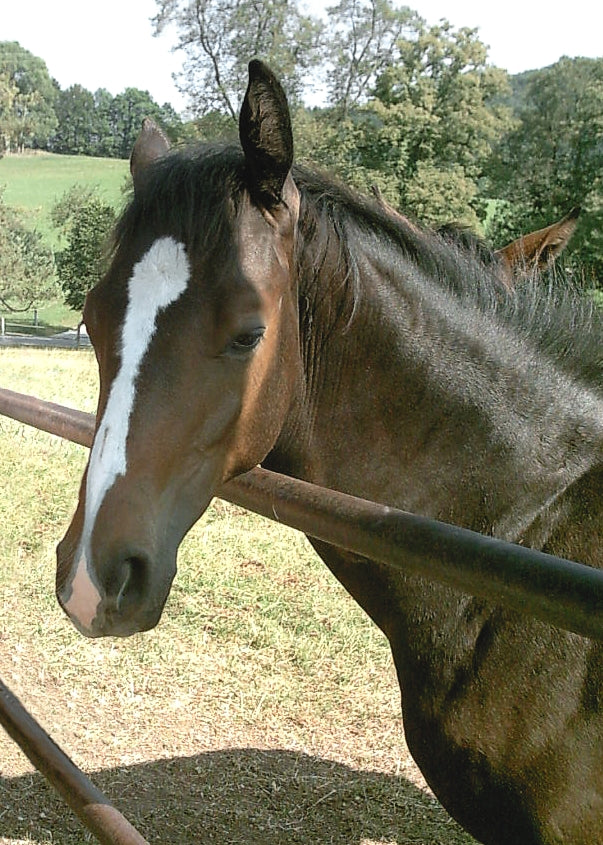

Home remedies for mud fever: Tips for acute cases
Fast and Supportive Help for Mud Fever If your horse is affected by mud fever, you should act quickly to relieve the symptoms and support healing. In this article, you will find useful home remedies that can help you treat skin irritations and itching. The correct procedure and the durability of these remedies are crucial to avoid further damage. Learn about simple but effective solutions that you can quickly have at hand and that can show a positive effect on your horse's recovery. Understanding Mud Fever Definition of Mud Fever Mud fever is an inflammatory skin condition that frequently occurs in the pastern area of horses. It usually results from a skin defect that allows bacteria to penetrate, leading to redness, itching, and other discomfort. Causes of Mud Fever The causes of mud fever are diverse and often the result of several factors. Humid environmental conditions, such as muddy paddocks or poorly mucked out stalls, often play a central role. Among the most common causes are: wet ground, which encourages standing on damp surfaces, poor hygiene conditions in the stall, and a weakened immune system of the horse. Long hair growth can also lead to the accumulation of dirt and moisture, while stress, e.g., during stable changes, can exacerbate the situation. Possible diseases, allergies, and metabolic problems should also be considered, as they increase the risk of mud fever. Symptoms and Course The symptoms of mud fever initially appear as reddened skin areas and severe itching, leading to hair loss. In advanced stages, swelling may occur and the horse may limp. First, the skin is irritated by a defect, followed by redness and itching. Later, the affected area may weep, form crusts, and the leg may swell. In severe cases, it can lead to body poisoning, making treatment all the more urgent. Early detection is crucial for effective therapy. First Steps in Treatment Cleaning the Affected Area Among the first steps when your horse suffers from mud fever is the thorough cleaning of the affected area. Use lukewarm water and iodine soap to gently cleanse the skin. This helps to soften the crusts and remove accumulated dirt. The Importance of Dryness A dry environment is essential for healing. Ensure that the horse keeps the affected area dry as often as possible. Moisture promotes bacterial growth and can significantly delay the healing process. Moisture should be avoided throughout the entire treatment. Ensure that the stall is always clean, well-ventilated, and equipped with dry bedding. This minimizes the risk of re-infection and optimally supports your horse's recovery. Identifying Severity It is important to recognize the severity of mud fever. Look for symptoms such as swelling, warmth, and lameness. If your horse shows severe pain or if the symptoms progress, it is advisable to consult a veterinarian. The severity can be crucial for selecting treatment methods. Early detection and appropriate measures can increase the chances of healing. In cases of advanced mud fever, treatment with antibiotics may be necessary to ensure your horse's well-being. Effective Home Remedies Sauerkraut Poultice Sauerkraut poultices are a proven home remedy for relieving the symptoms of mud fever. The lactic acids in sauerkraut promote wound healing and lower the pH value, preventing further bacterial spread. You can apply the poultice overnight to achieve maximum effect. Herbal Infusions Herbal infusions are a gentle and natural method to support the healing processes in mud fever. The selection of the right herbs can have anti-inflammatory and antibacterial effects, thus contributing to faster recovery. To benefit from the advantages of herbal infusions, you can use medicinal herbs such as chamomile, calendula, or thyme. These herbs are known for their anti-inflammatory properties. Prepare a strong infusion, let it cool, and then apply it as a compress to the affected area to soothe the skin and promote healing. Epsom Salt Baths Epsom salt baths are an effective way to relieve inflammation and support the healing of injured skin. The anti-inflammatory properties of Epsom salt can help reduce pain and swelling. Fill a tub or a large basin with warm water and add a generous amount of Epsom salt. Let your horse soak the affected legs for about 15-20 minutes. This helps to clean the skin, promote blood circulation, and accelerate the healing process. Use of Essential Oils Essential oils can play a supportive role in the treatment of mud fever. They have antibacterial effects and can significantly relieve inflammation. Use oils like tea tree oil or lavender oil, and mix them with a carrier oil such as jojoba oil. Carefully apply the mixture to the affected area. Make sure not to use the oils undiluted, as they could irritate the skin. When using essential oils, it is important to pay attention to the correct dilution to ensure safe application. Homeopathic Approaches Identifying Suitable Remedies To select the appropriate homeopathic remedies for mud fever, it is important to closely observe your horse's symptoms. Homeopathic remedies are often administered in the form of globules, and the choice of remedy should be based on the individual complaints. An animal naturopath can help you make the right choice. Dosage and Administration The dosage of homeopathic remedies varies depending on the remedy and the severity of the illness. As a general rule, one starts with a low potency and adjusts it according to the horse's reaction. The globules should either be given directly into the mouth or mixed with a little water. Make sure to administer the globules about 15 minutes before feeding or giving other medications, so that their effect is not impaired. A sign of effective treatment can be an improvement in symptoms within a few days. In case of relapses or insufficient improvement, you should adjust the dosage or change the remedy. Consultation with a Specialist It is always advisable to consult a specialist, especially when using homeopathic treatment methods. An animal naturopath or experienced veterinarians can offer valuable help in finding the best therapy for your horse. Consultation with a specialist is particularly important to avoid overdoses or undesirable interactions. Expert knowledge helps you optimally consider your horse's individual needs and select the appropriate potencies and remedies. This approach not only contributes to safety but also increases the chances of treatment success. Preventive Measures Maintaining Hygiene A clean environment is crucial to minimize the risk of mud fever in your horse. Ensure that stalls are cleaned regularly and that bedding is always dry and hygienic. Contact with wet ground should be avoided, as it promotes bacteria. Daily mucking out helps promote your horses' health. Healthy Diet Nutrition plays a central role in preventing mud fever. Ensure that your horse receives a balanced diet rich in vitamins and minerals. It is also advisable to adjust the feed during stressful periods or illness to support the immune system. Additionally, you should pay attention to the quality of the feed. Continuous feeding with high-quality, dust-free hay and appropriate concentrate feed can help protect your horse from immune deficiency. You may also use supplementary feedstuffs that strengthen the immune system. A veterinarian or nutritionist can provide valuable tips here. Managing Environmental Factors Your horse's environment has a significant impact on the development of mud fever. Careful planning and management of paddocks are essential. Ensure that grazing areas are well-ventilated and do not become too muddy, as this increases the likelihood of skin irritations. Prevent moisture Regular cleaning of paddocks Avoid standing for hours on muddy surfaces The awareness that early measures to improve environmental conditions can protect your horses from mud fever is the first important step. Targeted environmental management can significantly reduce the risk of mud fever. For example, paddocks should be regularly cleared of faeces and liquid accumulations to prevent bacterial buildup. Additionally, when planning exercise areas, you should consider weather conditions. Creating shaded spots in the heat or providing drier surfaces when wet are important factors. Consider wind and weather influences Offer dry standing areas Create shady areas Knowing that good environmental planning not only offers health benefits for your horse but also enhances general well-being can help you avoid long-term problems. When to Consult a Veterinarian Recognizing Complications If you notice signs of complications in your horse, such as swelling, persistent weeping, or spreading redness, you should contact a veterinarian immediately. These symptoms can indicate a more serious infection that requires professional treatment. Recognizing Pain and Discomfort It is important to recognize your horse's pain symptoms, such as constant pawing, altered behavior, or difficulty walking. If your horse shows obvious signs of discomfort, it is advisable to consult a veterinarian immediately. If you notice that your horse reacts excessively sensitively to touch or withdraws, this may be a sign of pain. Also, pay attention to changes in eating or drinking habits, as these indicators can point to a serious problem that requires veterinary examination. Treatment Options from the Veterinarian If the mud fever is advanced or your horse shows painful symptoms, veterinary treatment may be indispensable. The veterinarian can help you develop suitable medications and treatment plans to support your horse's recovery. In severe cases of mud fever, your veterinarian may prescribe antibiotics to combat the infection and may also recommend special ointments to be applied to the affected areas. Additionally, a comprehensive examination may be necessary to rule out other underlying health problems that may have contributed to your horse's condition. Conclusion In acute cases of mud fever, you can effectively use various home remedies to support healing. Sauerkraut poultices promote wound healing and reduce bacterial spread. Garlic oil is also a good remedy due to its antibacterial properties. Additionally, honey or propolis can be applied to the affected area to relieve inflammation. Make sure to keep your horse dry and ensure good stable hygiene to accelerate healing and prevent further infections. These questions about home remedies for mud fever are frequently asked: 1. What is the best remedy for mud fever? The best remedy for mud fever is a combination of good stable hygiene, dry and clean bedding, and regular care of the affected areas. Antiseptic cleaning of the affected skin areas and applying anti-inflammatory and healing ointments are also important. In addition, the affected area should be protected from moisture to promote healing. 2. How do I remove thick mud fever scabs? Thick mud fever scabs should be carefully softened, for example by soaking them in warm water or with moist compresses. Afterwards, the scabs can be gently removed with a soft cloth or a soft brush. It is important to proceed gently to avoid further injuring the skin. 3. Which oil for mud fever? Coconut oil can be helpful for mud fever as it has anti-inflammatory and antibacterial properties. Tea tree oil or lavender oil can also be used due to their antiseptic effect. However, it is advisable to use the oils only in diluted form and after consulting a veterinarian to avoid irritation. 4. Which zinc ointment for mud fever? Zinc ointment containing zinc oxide can be used for mud fever, as it has an anti-inflammatory effect and promotes wound healing. A common choice is the classic zinc ointment from the pharmacy, which often also contains panthenol or other nourishing ingredients. It is important that the ointment is applied to clean and dry skin. 5. How long does it take for mud fever to go away? The duration of mud fever healing depends on the severity of the disease and consistent treatment. In mild cases, mud fever can heal within one to two weeks. In more severe or chronic cases, healing can take several weeks or even months. 6. What to put on mud fever? Antiseptic and anti-inflammatory ointments or creams should be applied to mud fever. These include zinc ointment, iodine ointment, or special mud fever ointments from specialist retailers. Natural products such as Manuka honey can also contribute to healing. 7. Which deficiency causes mud fever? Mud fever can be promoted by a deficiency of biotin, zinc, or vitamin A, as these nutrients are important for skin health. A balanced diet and possibly targeted supplementation can help reduce the risk of mud fever. 8. Which soap for mud fever? A mild, pH-neutral soap is suitable for cleaning the affected skin areas with mud fever. Antibacterial soaps can also be useful but should be gentle on the skin to avoid causing additional irritation. Natural soaps with soothing ingredients such as chamomile or calendula are also a good choice. 9. What happens if mud fever is not treated? If mud fever is not treated, the infection can worsen and affect deeper layers of skin. This can lead to severe inflammation, pain, and even lameness. In severe cases, untreated mud fever can also become chronic and permanently impair the horse. Sources: Informative video: Treating Mud Fever Wikipedia article: Mud Fever in Horses Specialist article on the topic: Mud Fever in Horses Helpful video with tips from the vet: Mud Fever in Horses News on the topic: Home remedies for mud fever Handbuch Pferdepraxis, Enke Verlag, ISBN9783830410287, 383041028X Image sources: Horse grazing Horses in the pasture Flehming horse Editorial Guidelines of Horse Vitality Company At Horse Vitality Company, we create every post according to strict quality standards, relying on reputable sources and scientific research. Our editors are proven experts in equine health and provide you with well-founded, trustworthy information. Expertise and Quality Assurance Qualified Authors: Our editors have extensive expertise in equine health and animal care. Double-Check: Each article is additionally reviewed by a second expert to ensure accuracy and relevance. Sources and Transparency Reputable Sources: We only use trustworthy sources and scientific studies to substantiate the content. Disclosure: We disclose potential conflicts of interest and ensure transparency. Reader-Friendliness and Timeliness Reader-Friendly Preparation: Our content is continuously optimized to make it as understandable and accessible as possible. Timeliness: We regularly review our articles and update them as needed to ensure they are always up-to-date. Interaction and Feedback Reader Orientation: Our goal is to provide you with initial guidance. For individual health or care questions, we recommend consulting a veterinarian or animal naturopath. Feedback Option: We invite our readers to provide feedback and ask questions. Your suggestions help us continuously improve our content and tailor it to your needs. These guidelines ensure that the content of Horse Vitality Company always meets the highest standards of expertise, authority, and trustworthiness.
Learn more
Pastern dermatitis in the early stages
How to Spot Early-Stage Scratches (Pastern Dermatitis) Scratches (Pastern Dermatitis) is a painful skin condition that primarily affects the pastern area in horses. If you notice initial symptoms like redness or scabby crusts, you should act quickly to prevent it from worsening. Timely detection of scratches in its early stages allows you to take appropriate measures to protect your horse's skin and prevent the formation of purulent blisters or further damage. Learn about effective prevention and treatment options to support your horse's health. Understanding Scratches Definition of Scratches Scratches is an inflammatory skin condition in horses, usually occurring in the pastern area. This condition can be promoted by a disturbed skin barrier, which allows undesirable bacteria to penetrate the skin and cause inflammation there. Common Locations and Symptoms Scratches primarily occurs in the pastern area, but can also affect the cannon bone. Symptoms include redness, scabby crusts, hair loss, and significant skin thickening. If your horse shows lameness or restlessness, this can also be an indication of advanced scratches. The symptoms of scratches can vary from mild to severe. Initially, redness and crusts are often visible, accompanied by swelling and an unpleasant odor as the condition worsens. In the advanced stage, dangerous blisters and skin growths can occur, severely affecting your horse's well-being. Types of Scratches There are three main types of scratches, which can be classified according to symptoms and skin condition: Dry scratches with crust and scab formation. Wet scratches with oozing, foul-smelling skin rashes. Warty scratches with wart-like skin changes. Each of these types requires a specific approach to treatment to ensure your horse's well-being. Type Characteristics Dry Scratches Crust formation, painful skin irritations Wet Scratches Oozing areas, unpleasant odor Warty Scratches Wart-like changes, severe skin thickening Care Regular cleaning for better healing process Prevention Preventive hygiene measures required Differentiating between these types is important, as each requires different treatment approaches. In addition, specific care and preventive measures may be necessary to minimize the risk of scratches. Skin protection is essential for prevention. Early detection of symptoms is crucial for successful treatment. Hygiene and care are fundamental measures to promote your horse's health. Any information on the types of scratches is important to ensure the best possible care and prevention. Causes of Scratches Scratches is a complex condition favored by various factors. To better understand the causes, it is important to consider the effects of environmental factors, biological factors, psychological factors, and genetic predispositions, all of which can contribute to the development of scratches. Environmental Factors The environment plays a crucial role in the development of scratches. Factors such as constant moisture, lack of hygiene, and unsuitable stable conditions increase the risk of skin diseases. Permanent moisture Poor hygiene Insufficient bedding This can create the physiological conditions that promote infection. Biological Factors Your horse's skin health is strongly influenced by the microflora. A disruption of the natural balance of bacteria can lead to an overgrowth of pathogenic microbes, which promotes the development of scratches. Disrupted bacterial flora Factors like stress Weak immune system After a disturbance, considering the microflora is important to protect the skin. The biological factors also include your horse's immune system and nutrition. Insufficient intake of nutrients, especially zinc, can weaken the skin barrier and thus increase the risk of scratches. Insufficient nutrient intake Weak immune protection Susceptibility to disease Psychological Factors Psychological stressors, such as stress or exhaustion, can also affect your horse's skin health. Often, such factors lead to an impaired immune system and increase susceptibility to infections. Stress and exhaustion Housing conditions Lack of social contact After sufficient regeneration, your horse can become more stable again. When a horse suffers from psychological factors, it often leads to signs of anxiety and stress, which can negatively impact the skin. A good living environment and social interaction are crucial to minimize such problems. Anxiety and restlessness Lack of trust Social isolation By restoring a stable environment, the risk can be reduced. Genetic Predispositions Some horse breeds are more susceptible to scratches due to their genetic predisposition. Horses with a lot of feathering are often more prone to skin problems. The genetic predisposition plays a significant role in susceptibility to scratches. Breeds such as Tinker and Friesians are often more affected. Their feathering can create a warm, moist environment in the pastern area, which promotes the development of scratches. It is important to care for these breeds appropriately to avoid skin irritations. The Role of Skin Integrity Importance of a Healthy Skin Barrier A healthy skin barrier is crucial for protecting your horse from external environmental influences. It prevents harmful bacteria from entering and ensures the skin remains intact. If this barrier is disturbed, conditions such as scratches can occur, which is particularly common in the pastern area. Factors Affecting Skin Health Various factors can negatively affect your horse's skin health. These include permanent moisture, mechanical irritation, and a weakened immune system. Poor hygiene and stress can also lead to the development of skin conditions. Recognizing these factors is of great importance. Permanent moisture Weakened immune system Mechanical irritation Poor hygiene Psychological factors To support your horse's skin health, you should ensure proper care and hygiene. Make sure the stable and pasture are dry and clean. Regular checks and a balanced diet also help strengthen the skin barrier. Recognize the signs that might indicate a weak skin barrier to be able to act in time. Microflora and its Importance The microflora of your horse's skin plays a crucial role in defending against pathogens. A stable colonization with beneficial bacteria supports the skin, while an imbalance increases the risk of scratches. The importance of microflora cannot be overemphasized, as it forms the skin's natural protective shield. An intact and diverse microflora ensures that harmful bacteria are kept in check. If you tend to use disinfectants, this can remove all bacteria, including the protective ones. Therefore, it is important to use probiotic bacteria to restore the beneficial microflora. Recognize the need for targeted care to promote this microflora to prevent skin diseases. Early-Stage Scratches First Signs of Scratches The early signs of scratches are often subtle, yet crucial for timely intervention. Look for initial redness of the skin in the pastern area, followed by scabby crusts or a slightly greasy film. Hair loss and a noticeable thickening of the skin may also occur. If you notice these symptoms, please act immediately. Differentiation from Other Skin Conditions It is important to distinguish scratches from other skin conditions. Similar symptoms can also occur with skin fungi or mite infestation. Look for additional signs such as itching or the consistency and color of the skin changes, which will help you better assess the situation. To differentiate scratches from other skin diseases, careful observation is crucial. While scratches usually begin with redness and crusts, skin fungi might manifest with increased moisture and a smooth surface. Mites, on the other hand, often cause intense itching, and the skin can be swollen or inflamed. A veterinarian can provide clarity through further examinations. Observation and Documentation The monitoring and documentation of skin changes are crucial for understanding the course of scratches. Note down the exact symptoms and their changes over several days or weeks. This provides valuable information for the veterinarian and helps you adjust the treatment accordingly. Precise documentation of all symptoms, such as redness, scab formation, or the progression of the disease, allows you to recognize patterns and specifically guide the treatment. Record the date, time, and observed changes to be well-informed when visiting the veterinarian. This also helps you better evaluate the success of the therapy. Prevention Strategies Hygiene Care To prevent early-stage scratches, thorough hygiene is essential. Regular mucking out and the use of dry bedding are indispensable to minimize the risk of moisture and harmful bacteria. Ensure your horse lives in a clean and hygienic environment. Optimal Living Conditions Your horse's living conditions play a crucial role in preventing scratches. Provide a well-ventilated stable and a dry paddock that can reduce moisture. Access to an open area that can also be used in the rain is a great advantage. Please remember that rain and wetness are particularly risky, and try to keep the paddocks dry with appropriate drainage or ground coverings. Open stable housing should be adapted to the natural needs of horses to promote skin health and prevent a warm, moist climate in the pastern area. Nutritional Considerations A balanced diet is essential for your horse's skin health. Pay particular attention to ensuring your horse receives all the necessary vital substances and minerals, especially zinc, to strengthen the immune system. Avoid overfeeding with protein, sugar, and starch, which can increase skin susceptibility. Ensure the feed ration is rich in crude fiber and check the starch and protein content in compound feeds. Targeted feeding can not only reduce the risk of scratches but also improve the horse's overall well-being. Care Practices Regular care is crucial for early detection and prevention of scratches. Brushing removes dirt and dead skin particles that can disrupt the skin barrier. Be sure to treat sensitive areas particularly gently. Good grooming practices also include checking the pasterns for dirt and injuries. Avoid excessive washing, as this can further irritate the skin. With careful and regular care, you can significantly reduce the risk of skin diseases and keep your horse healthy. Treatment Options Topical Treatments When treating scratches in the early stages, topical preparations are used to disinfect the skin and support healing. These products help to alleviate symptoms and promote skin regeneration. Ensure that the product selection is tailored to the specific needs of the horse's skin. You are also welcome to use home remedies for scratches for supportive therapy. Systemic Medications If topical treatments are not sufficient, the vet may prescribe systemic medications. These medications work from within and help to reduce inflammation and support the immune system. Systemic medications are often necessary to treat more severe symptoms of scratches. They may include anti-inflammatory drugs or antibiotics that specifically target bacterial infection. Talk to your vet about the dosage and duration of treatment to ensure maximum effectiveness and safety for your horse. Care and Management Care and management of your horses play a crucial role in treating scratches. Keep the affected areas clean and dry to reduce the risk of further infections. To minimize the risk of scratches, you should regularly inspect and care for the pasterns. Ensure that your horses' bedding is always dry and clean and that living conditions are as hygienic as possible. This not only creates a healthy environment but also acts preventatively. Probiotics and Restoration of Skin Flora The use of probiotics to support the skin flora is an effective method to promote your horses' health and reduce the risk of scratches. Probiotic products help to restore the balance of microflora on the skin. They promote the growth of positive bacteria and reduce the risk of reinfection. Especially when treating scratches, the application of probiotics can be a sustainable solution, as they also strengthen the skin's natural defense system without harming beneficial bacterial flora. Conclusion In the early stages of scratches, it is crucial to recognize the symptoms early to avoid worsening. Pay attention to whether the skin in the pastern area is reddened and whether scabby crusts or a greasy coating develop. The skin may feel warmer and thicker than usual. By taking timely measures such as improved hygiene, adapting feeding, and targeted care, you can significantly reduce the risk of the disease spreading. Careful monitoring of the affected areas is essential for a quick recovery. These questions about scratches in the early stages are often asked: 1. How do scratches start? Scratches usually begin with small, inconspicuous skin cracks or redness in the pastern, which often develop unnoticed. These changes lead to weeping or scaly areas that can spread quickly if not treated. In early stages, horse owners often notice slight swelling or sensitivity in the affected region. 2. What to do for mild scratches? For mild scratches, the affected areas should be thoroughly cleaned and carefully dried. Afterwards, it is recommended to apply an antiseptic or antibacterial ointment to promote healing and prevent spreading. It is important to keep the horse in a clean, dry environment to avoid further irritation. 3. How long does it take for scratches to go away? The healing time for scratches varies depending on the severity and treatment. Mild cases can heal within a few days to a few weeks, while more severe cases can take several weeks or even months. Consistent and appropriate treatment is crucial to shorten the healing time. 4. What causes scratches in horses? Scratches are caused by a combination of moisture, dirt, poor stable hygiene, and mechanical irritation, which promote the growth of bacteria and fungi. A weakened immune system and skin problems can also contribute to the development of scratches. These factors lead to inflammation and skin damage in the horse's pasterns. 5. What happens if scratches are not treated? If scratches are not treated, the infection can worsen and affect deeper skin layers, leading to severe inflammation and pain. Secondary infections can also occur, further aggravating the problem and, in the worst case, leading to lameness. Untreated scratches can become chronic and significantly impair the horse's quality of life. 6. Which cream for scratches? For scratches, antiseptic or antibacterial creams, such as zinc ointment or creams with iodine, are suitable for treatment. Special scratch ointments that reduce moisture while protecting the skin can also be helpful. In more severe cases, the vet may also recommend an antibiotic or corticosteroid cream. 7. Which deficiency in scratches? A deficiency in zinc, biotin, and essential fatty acids can make the skin more susceptible to scratches, as these nutrients are important for skin health and the horse's immune system. Insufficient nutrition can therefore indirectly contribute to the development of scratches by reducing the skin's resistance. 8. What does the vet do for scratches? The vet will assess the severity of the scratches and recommend an appropriate treatment, which may include antiseptic baths, special ointments, or even antibiotics, depending on the case. In severe cases, they may also perform a blood test to rule out possible deficiencies or underlying diseases. In addition, the vet will provide advice on optimal care and feeding to support healing and prevent recurrence. Sources: Informative video: Treating Scratches Wikipedia article: Scratches in horses Expert article on the topic: Scratches in horses Helpful video with tips from the vet: Scratches in horses News on the topic: Scratches in early stages Handbuch Pferdepraxis, Enke Verlag, ISBN9783830410287, 383041028X Image sources: Noriker Horse grazing Pinto horse Editorial Guidelines of Horse Vitality Company At Horse Vitality Company, we create every post according to strict quality standards and rely on reputable sources and scientific research. Our editors are proven experts in the field of equine health and offer you well-founded, trustworthy information. Expertise and Quality Assurance Qualified Authors: Our editors have extensive expertise in equine health and animal care. Double Check: Every article is additionally reviewed by a second expert to ensure accuracy and relevance. Sources and Transparency Reputable Sources: We only use trustworthy sources and scientific studies to substantiate the content. Disclosure: We disclose potential conflicts of interest and ensure transparency. Reader-friendliness and topicality Reader-friendly preparation: Our content is continuously optimized to make it as understandable and accessible as possible. Topicality: We regularly review our articles and update them if necessary to ensure that they are always up to date. Interaction and Feedback Reader-oriented: Our goal is to offer you initial guidance. For individual health or care questions, we recommend consulting a veterinarian or animal naturopath. Feedback option: We invite our readers to provide feedback and ask questions. Your suggestions help us to continuously improve our content and adapt it to your needs. These guidelines ensure that the content of Horse Vitality Company always meets the highest standards of expertise, authority, and trustworthiness.
Learn more
Possible causes of mud fever
Which factors promote mud fever? In this article, we would like to explain the possible causes of mud fever in horses. Mud fever is a common skin condition that is promoted by various factors. You should pay attention to a variety of triggers, from poor housing conditions to allergies and improper feeding. A better understanding of these causes can help you better protect your horses and minimize the risk of disease. Read on for valuable information that will help you keep your horse healthy. Definition and Overview What is mud fever? Mud fever, also known as pastern dermatitis, is an eczematous skin inflammation that occurs particularly in the pastern of horses. This disease is often caused by a mixed infection that develops as a result of skin damage by bacteria. Horses with dense feathers are particularly susceptible, especially during warm, humid weather or in muddy conditions. Symptoms of mud fever The symptoms of mud fever vary depending on the stage of the disease. The first signs include slight reddening of the skin. The progression of the disease is indicated by heat, thickening, wound secretions, and the appearance of greasy deposits and blisters. In severe cases, growths, also known as proud flesh, can develop. These changes cause itching and pain for your horse and can severely restrict mobility. Note that in the initial stage, the skin is only slightly reddened. Over time, an inflammation develops that can significantly affect the animal. If you suspect mud fever, you should consult a veterinarian immediately to avoid further complications and initiate the best therapy. Common causes of mud fever Mud fever is a complex disease that can be promoted by various factors. It is important to understand the most common causes to ensure effective prevention and treatment. This section will look at the three main causes that can lead to mud fever. Skin defects A common trigger for mud fever are skin defects that allow bacteria to penetrate. These defects can arise due to injuries or excessive friction, leading to inflammation and itching. As a result, the infection spreads and causes further skin irritation. Injuries to the legs Friction from ill-fitting harness Excessive moisture in the feathers Knowing these factors helps you take timely measures to prevent mud fever. Environmental factors Environmental factors play a significant role in the development of mud fever. In particular, humid and muddy conditions promote the growth of bacteria and fungi that attack the skin. Horses kept in a warm and humid stable are particularly at risk. Wet bedding in the stable Muddy pastures and paddocks Insufficient ventilation of the stables Correctly assessing the environmental conditions is crucial to protect your horses from mud fever. Make sure your horses live in a clean, dry environment. Immunological factors A weakened immune system can also lead to an increased risk of mud fever. Horses that are stressed or already suffer from other diseases are more susceptible to infections. In addition, allergies and intolerances can further irritate the skin and contribute to the development of mud fever. Stress due to stable changes or training Allergies to bedding or environmental substances Pre-existing diseases You should definitely make sure to strengthen your horse's immune system to minimize possible triggers for mud fever. Risk factors for the development of mud fever The development of mud fever in horses can be promoted by various risk factors. Knowledge of these factors can help you better protect your horse and prevent disease. The most common risk factors include: Dense feathers High humidity and wetness Poor hygienic conditions in the stable Allergies to bedding or feed Immunodeficiency due to other diseases or stress Knowing the connections can help initiate targeted measures for prevention and treatment. Breed-specific predispositions Some horse breeds are more susceptible to mud fever due to their genetic characteristics. Breeds with dense feathers, such as cold-blooded horses, Friesians, or Shire Horses, are particularly often affected. These characteristics make them more susceptible to the warm, humid conditions that can lead to the development of mud fever. Seasonality and climate effects The seasons play a significant role in the development of mud fever. During transitional periods, especially during winter, conditions for skin care are often unfavorable. This often leads to a warm, humid microclimate in the pastern, which promotes the growth of bacteria and fungi. Especially in cold months, when horses spend a lot of time in warm and humid stables, the risk of mud fever increases. Mud on pastures or paddocks also contributes to your horse standing in wet conditions longer than desired, which can further damage the skin. Regular movement on dry ground and attention to climatic conditions are crucial to minimize the risk of mud fever. Housing conditions Housing conditions can significantly influence your horses' health and increase the likelihood of mud fever. Cramped, dirty stables or wet paddocks promote skin diseases and the penetration of bacteria. A clean and dry stable environment is indispensable. Regular mucking out and choosing the right bedding are fundamental measures to support your horse's skin health. Always avoid your horse standing in wet dirt or mud for too long to prevent skin irritations and thus mud fever. Role of hygiene and care The importance of a clean environment A clean environment is crucial for your horse's health, especially for preventing mud fever. If the stable or box is not cleaned regularly, warm, humid conditions can develop, which promote the growth of bacteria and fungi. Make sure the bedding is always dry to avoid skin irritations and infections. Care practices for preventing mud fever Proper care is an important part of preventing mud fever. Keep the hair on the pastern short and dry, but without completely shaving it. Use scissors to avoid skin irritations that can result from shaving. Clean the affected areas regularly to improve the condition of the skin. In addition, it is advisable to thoroughly wash your horse's pasterns to remove dirt and deposits. Mild skin care products that are gentle on the skin are suitable for this. Regular care can significantly reduce the risk of disease and protect your horse from pain and discomfort. Handling manure and bedding Proper handling of manure and bedding is essential to minimize the risk of mud fever. Learn about best practices for disposal and care of bedding. Regular mucking out ensures that your horse's box remains dry, which reduces the creation of a warm, humid environment. To prevent skin diseases like mud fever, you should ensure that your horse's box is cleaned daily and the bedding is changed regularly. Half-mucking the floor and walls helps maintain hygiene and create a healthy living environment for your horse. By following these simple steps, you actively contribute to your horse's health and well-being. Nutritional factors Nutrition plays a crucial role in your horse's skin health and can significantly contribute to diseases such as mud fever. Incorrect feeding, especially a protein-rich diet, can promote the inflammatory process in the body and thus increase the risk of skin inflammation. Therefore, it is important to pay attention to your horse's proper nutrition to avoid possible skin problems. Influence of nutrition on skin health Your horse's skin health is highly dependent on the quality and composition of its food. A balanced diet helps strengthen the immune system and counteract inflammatory reactions that can cause skin problems. Make sure your horses receive the necessary nutrients to support the skin barrier. Allergens in feed Allergens in feed can significantly stress your horse's skin. Horses often experience allergic reactions to certain ingredients, which can lead to skin irritations and ultimately to mud fever. Missing feed analyses can lead to allergies going undetected. Common allergens include wheat, grass types, and certain feed additives. These components can not only promote skin problems such as mud fever but also impair your horse's general well-being. If you suspect that your horse is reacting to certain feed components, you should consult a veterinarian or nutrition expert to find suitable alternatives. Recommended feeding practices To prevent mud fever and other skin problems, you should adapt and regularly check your horse's diet. Make sure that the feeding is balanced and low in allergenic substances to support your horse's immune system. A varied diet with high-quality hay and high-quality feed that is low in protein is recommended. Supplement the feeding with micronutrients and make sure to avoid allergenic ingredients. These measures help minimize the risk of skin diseases, including mud fever. Interactions with other skin diseases Mud fever vs. greasy heel It is important to recognize the differences between mud fever and greasy heel, as both diseases are often confused. Mud fever, also known as pastern dermatitis, usually appears as redness and itching on the pastern. Greasy heel, on the other hand, is characterized by severe scaling and can lead to painful, inflamed skin areas. Both conditions can occur simultaneously and require differentiated treatment. Complicating factors in treatment The treatment of mud fever can be complicated by various factors. One of the most common challenges is the hygienic conditions in the stable and the horse's housing. If the stable is not regularly mucked out or the bedding remains permanently damp, the skin becomes irritated and healing is delayed. Observing and adapting these factors is crucial for treatment success. Pay attention to the cleanliness and dryness of the box. Avoid excessive wetness and mud in the pasture or paddock. Regularly check the feathers for signs of irritation. All hygienic factors should be improved to support the treatment. In addition, allergies and slowed healing processes due to incorrect feeding can affect your horse's skin health. These possible accompanying factors should be considered to maximize treatment success. It is advisable to check your horse's diet and general health condition. Consult your veterinarian to determine the best feeding options. Make sure your horse is kept in a supportive environment. Observe your animal for possible allergy symptoms. Any further health problems could complicate the treatment. Conclusion The causes of mud fever are diverse and often interconnected. Make sure that a damaged skin barrier allows bacteria to enter, which often happens in horses with dense feathers and in wet conditions. Incorrect feeding, insufficient stable hygiene, and allergies can also lead to skin irritations. In addition, white legs are more susceptible to irritation. By paying attention to these factors, you can significantly reduce the risk of mud fever developing in your horse. These questions about possible causes of mud fever are frequently asked: 1. What causes mud fever in horses? Mud fever is caused by a combination of factors such as moisture, dirt, poor stable hygiene, and mechanical irritation. These conditions promote the growth of bacteria and fungi in the horse's pasterns, leading to inflammation and skin damage. Horses with a weak immune system or sensitive skin are often more susceptible to mud fever. 2. Which deficiency in mud fever? A deficiency in zinc, biotin, and other important nutrients can make the horse's skin more susceptible to mud fever. A weakened immune system due to inadequate nutrition promotes the occurrence of skin problems. In addition, insufficient care and hygiene can worsen the condition. 3. What helps best against mud fever? The best help is a combination of thorough cleaning and drying of the affected areas, followed by the application of antiseptic or antibacterial ointments. In addition, the horse should be placed on dry and clean ground to support healing. In severe cases, it may be necessary to consult a veterinarian to initiate targeted treatment. 4. How does mud fever begin? Mud fever often begins with small, inconspicuous skin cracks or redness in the pastern, which develop into weeping, scaly, or crusted areas. These changes can spread quickly, especially if the cause is not addressed. Horse owners often notice swelling or increased sensitivity in the affected area. 5. Can oats cause mud fever? Oats themselves do not cause mud fever. However, there is evidence that some horses can be allergic to oats or other feed, which can lead to skin irritations. These irritations could promote mud fever under certain circumstances, but oats are not the direct cause. 6. How long does it take for mud fever to go away? The duration of mud fever healing depends on the severity of the disease and the treatment. In mild cases, mud fever can heal within a few days to weeks. However, more severe or neglected cases can take several weeks or even months. 7. Do horses feel pain with mud fever? Yes, horses can feel pain with mud fever, especially if the skin is severely inflamed or swollen. The horse may show this through lameness, restlessness, or sensitive reactions when touching the affected areas. Severe cases can lead to significant discomfort. 8. Is mud fever transferable to humans? No, mud fever is not transmissible to humans. It is a specific skin condition in horses caused by microorganisms and external factors that do not transfer to humans. Nevertheless, good hygiene when handling affected horses is important to prevent secondary infections. Sources: Informative video: Treating Mud Fever Wikipedia article: Mud Fever in Horses Specialist article on the topic: Mud Fever in Horses Helpful video with tips from the veterinarian: Mud Fever in Horses News on the topic: Causes of Mud Fever Handbuch Pferdepraxis, Enke Verlag, ISBN9783830410287, 383041028X Image sources: Horse head Shire Horse Friesian Horse Editorial Guidelines of Horse Vitality Company At Horse Vitality Company, we create every contribution according to strict quality standards, relying on reputable sources and scientific research. Our editors are proven experts in the field of horse health and offer you well-founded, trustworthy information. Expertise and Quality Assurance Qualified Authors: Our editors possess extensive expertise in horse health and animal care. Double-check: Every article is additionally reviewed by a second expert to ensure accuracy and relevance. Sources and Transparency Reputable Sources: We only use trustworthy sources and scientific studies to substantiate the content. Disclosure: We disclose potential conflicts of interest and ensure transparency. Readability and Up-to-dateness Reader-friendly Presentation: Our content is continuously optimized to make it as understandable and accessible as possible. Up-to-dateness: We regularly review and update our articles as needed to ensure they are always current. Interaction and Feedback Reader-oriented: Our goal is to provide you with initial guidance. For individual health or care questions, we recommend consulting a veterinarian or animal naturopath. Feedback Option: We invite our readers to provide feedback and ask questions. Your suggestions help us continuously improve our content and tailor it to your needs. These guidelines ensure that the content of Horse Vitality Company always meets the highest standards of expertise, authority, and trustworthiness.
Learn more
Harvest mites or scratches - What does my horse have?
How to Differentiate Between Harvest Mites and Pastern Dermatitis Are you wondering if your horse is suffering from harvest mites or pastern dermatitis? Both skin problems can cause similar symptoms and are uncomfortable for your horse. It is important to recognize the differences to initiate the correct treatment. In this post, you will learn how to identify the respective signs and what steps you can take to help your horse. Let's understand together how you can protect the health of your horse's legs. Understanding Pastern Dermatitis Definition of Pastern Dermatitis Pastern dermatitis is a collective term for various skin conditions that often occur above the hoof, in the pastern area, and on your horse's lower legs. This condition can be caused by bacterial or fungal infections and often manifests as scabs, redness, and possibly itching. Symptoms of Pastern Dermatitis The symptoms of pastern dermatitis are diverse and can include flakes, scabs, redness, and lesions in the pastern area. Your horse might also suffer from itching, leading to frequent stamping or rubbing of the legs. In addition to the symptoms already mentioned, pastern dermatitis can also lead to lameness if the pain in the pastern area increases. In severe cases, the legs are swollen, indicating inflamed lymphatic vessels. Pay particular attention to whether these symptoms occur in damp and dirty environments. Causes of Pastern Dermatitis Pastern dermatitis often arises from a combination of moisture, dirt, and a weakened skin barrier. Common causes include wet weather, standing in mud, or excessive washing of your horse's legs. Furthermore, dense feathering in certain breeds, such as draft horses, can increase the risk of pastern dermatitis. These horses often also have problems with lymphatic drainage, making them more susceptible to the condition. A weakened immune system can also contribute to the development of pastern dermatitis, especially during stressful times like shedding. Diagnosis of Pastern Dermatitis The diagnosis of pastern dermatitis usually involves a thorough examination of the affected skin areas. Your veterinarian will look for specific symptoms and may also order skin scrapings to rule out other causes. It is important in diagnosis not only to consider pastern dermatitis but also other possible causes, such as fungal or bacterial infections, as well as allergies. A clear diagnosis is crucial for correct treatment and to avoid possible complications. Exploring Harvest Mites What are Harvest Mites? Harvest mites are microscopic parasites that reside in grassland and are particularly active during warmer months. They are known to feed on your horse's skin, which can lead to irritation and itching. These mites can multiply quickly and are a common cause of skin problems in horses. Life Cycle of Harvest Mites The life cycle of harvest mites consists of several phases: egg, larva, nymph, and adult mite. The eggs are laid in the soil, and after about a week, the larvae hatch. These penetrate the host's skin and develop further. The entire development from egg to adult mite can take only a few weeks, meaning that harvest mite populations can multiply rapidly. To better understand the life cycle of harvest mites, you should know that the larvae require direct contact with your horse to develop. They burrow into the uppermost skin layer of the horse, where they feed on skin flakes and eventually develop into nymphs and then adult mites. In this phase, they can begin to feed on blood, which intensifies the symptoms of the infection. Symptoms of a Harvest Mite Infection Common symptoms of a harvest mite infection include redness, itching, and flaking in the affected areas. Your horse might also start to rub or stamp, which is a clear reaction to the itching. These symptoms can vary in intensity. If you notice that your horse scratches frequently or has an excessive amount of flakes, this could indicate a harvest mite infection. In severe cases, inflammation and further skin lesions may occur, possibly requiring veterinary treatment. It is important to recognize the symptoms early to avoid complications. Diagnosis of Harvest Mites The diagnosis of a harvest mite infection usually involves a thorough examination of the skin and the collection of skin scraping samples. Your veterinarian can examine the samples under a microscope to confirm the presence of mites. To make a correct diagnosis, it is advisable to consider the symptoms and your horse's environment. Your veterinarian will also rule out other possible causes of skin problems. Often, the symptoms of harvest mites are similar to those of other skin diseases, such as pastern dermatitis, which is why a precise diagnosis is crucial to choose the right treatment approach. Differentiating Between Pastern Dermatitis and Harvest Mites Key Differences in Symptoms The symptoms of pastern dermatitis and harvest mites can be similar, but there are some notable differences. Pastern dermatitis often shows redness, scabs, and flakes, while harvest mites generally cause intense itching and small skin lesions from biting. Pay attention to whether your horse scratches more or has sore spots to make the correct diagnosis. Environmental Factors Environmental factors have a major impact on the occurrence of pastern dermatitis and harvest mites. Pastern dermatitis often occurs in damp, dirty conditions, while harvest mites are common in dry, grassy environments. Consider your horse's pasture conditions and adjust your care accordingly. Keep pasture areas clean and dry. Avoid excessive contact with muddy areas. Ensure your horse does not spend too much time in damp stalls. You should regularly check and adjust stall conditions. If your horse feels uncomfortable in a damp environment, this can increase susceptibility to pastern dermatitis. Generally, moisture and dirt promote bacterial and fungal infections, while harvest mites are more common in hot, dry weather conditions. Ensure your horse has sufficient access to a clean and dry area. Keep an eye on the pasture areas and reduce contact if necessary. Try to maintain your horse's environment well. Cleanliness is key to preventing skin problems. You should also observe other animals in your area, as they could also be affected. Impact on Treatment The differing circumstances and symptoms of pastern dermatitis and harvest mites also influence the treatment. For pastern dermatitis, it is important to know the exact cause to select suitable care products, while harvest mites require specific parasite treatments. Ensure that you adjust your horse's treatment accordingly. For pastern dermatitis, natural products based on microorganisms might be helpful, while specialized shampoos are necessary for harvest mites. In case of doubt, always consult a veterinarian to ensure the appropriate approach and avoid complications. Risk Factors for Pastern Dermatitis and Harvest Mites Your horse's susceptibility to pastern dermatitis and harvest mites can be influenced by various risk factors. These include: Skin diseases and sensitivities Environmental conditions Seasonal considerations Recognizing these risk factors can help you take preventive measures. Skin Diseases and Sensitivities If your horse already suffers from skin problems, it is more susceptible to pastern dermatitis and harvest mites. Sensitive skin can be weakened by allergies, genetic predispositions, or previous skin infections, leading to an increased risk of injury. Environmental Conditions Your horse's environment plays a crucial role in the development of pastern dermatitis and harvest mites. Damp and dirty conditions, such as those found in paddocks or wet stables, promote the growth of bacteria and fungi that can trigger pastern dermatitis. Furthermore, horses that stand a lot in mud or are housed in wet stables are particularly at risk. Unclean stable keeping or frequent washing of the legs can also increase the risk. Make sure to create a clean and dry environment for your horse. Seasonal Considerations In autumn and spring, the risk of your horse developing pastern dermatitis or harvest mites increases. During these seasons, weather conditions change, which can weaken your horse's immune system. During shedding, your horse is particularly susceptible to skin diseases. The combination of moisture, dirt, and a weaker immune system can lead to pastern dermatitis occurring more easily or harvest mites spreading. Good care and nutrition are therefore particularly important to protect your horse. Treatment Options Treating Pastern Dermatitis To effectively treat pastern dermatitis, it is important to identify the underlying cause. Keep your horse in a clean and dry environment, do not wash the legs too often, and dry them thoroughly. In mild cases, a spray based on microorganisms can help. Be careful to avoid further skin damage and support your horse's immune system with natural supplements such as nettle or dandelion. Treating Harvest Mites If you detect harvest mites on your horse, a combined treatment is necessary. Use a special natural shampoo or soaking product to combat the mites. Consider the life cycle of the mites and repeat the treatment over several weeks to eliminate any remaining eggs. Ensure that the environment, including blankets and brushes, is also carefully treated. For the treatment of harvest mites, you should also ensure that your horse is not overly stressed, as this can weaken immunity. The use of nutritional supplements containing ingredients such as thyme, fenugreek, and citronellal can help reduce the mite population and soothe the skin. Thorough hygiene in the environment is equally crucial to prevent re-infection. Prevention Strategies Maintaining Clean Living Conditions To reduce the risk of pastern dermatitis and harvest mites, it is important to keep your horse's living conditions clean. Regularly clean the stable and ensure that the turnout area remains free of mud and other contaminants. A dry environment helps reduce the growth of bacteria and fungi that can cause pastern dermatitis. Regular Care Practices Regular grooming of your horse is crucial to detect and prevent skin problems early. By brushing and washing the legs, you can remove dirt and debris that could promote mites and other skin diseases. During regular grooming, you should not only clean your horse's skin but also pay attention to detecting cracks or flakes early. Use gentle brushes to avoid irritation, and pay particular attention to the sensitive pastern areas. Check daily for signs of itching or swelling to be able to act quickly if your horse shows signs of pastern dermatitis or mites. Nutritional Support for Immune Health A balanced diet is crucial for your horse's immune system. Ensure sufficient and high-quality roughage, as well as an appropriate amount of concentrate feed. Targeted nutrition can help make your horse more resistant to skin diseases. Supplement your horse's diet with high-quality nutrients that support immune defense. Herbs like nettle and dandelion are not only nutritious but can also contribute to immune strengthening. A healthy diet not only promotes your horse's overall health but also helps protect the body against stressors like weather changes and skin infections. Monitoring Symptoms It is important to regularly watch for symptoms of pastern dermatitis or harvest mites. Look for signs such as flaking, itching, or redness in the pastern area to intervene early. By regularly checking the legs and pasterns, you can quickly identify potential problems. Observe if your horse frequently stamps or rubs, as these can be signs of skin impurities or itching. Timely reaction can help prevent more serious conditions and promote your horse's well-being. Conclusion: If your horse is suffering from leg issues, it is important to differentiate between harvest mites and pastern dermatitis, as both require different causes and treatments. Pay attention to symptoms such as itching, flaking, or scabs and your horse's environment. Harvest mites are parasites, while pastern dermatitis is often caused by a bacterial or fungal infection. An accurate diagnosis and correct care are crucial to effectively treat your horse and promote skin health. Do not hesitate to consult a veterinarian if in doubt. These questions about harvest mites or pastern dermatitis are frequently asked: 1. How do you get rid of harvest mites on a horse? To get rid of harvest mites on a horse, affected areas should be thoroughly cleaned and an antiparasitic agent, such as a special shampoo or spray, applied. Regular washing of affected areas and the use of insecticides also help to kill the mites. Good stable hygiene and avoiding heavily mite-infested pastures contribute to prevention. 2. How do you recognize harvest mites on a horse? Harvest mites cause intense itching in horses, especially on the legs, belly, and head. Affected horses often show increased scratching, stamping, or rubbing. Small, red pustules or scabs on the skin can also indicate a harvest mite infestation. 3. What triggers pastern dermatitis in horses? Pastern dermatitis is triggered by a combination of factors such as moisture, dirt, and mechanical irritation, which weaken the skin barrier. This creates a favorable environment for bacteria or fungi to penetrate the skin and cause inflammation. Poor stable hygiene and wet, muddy terrain increase the risk. 4. What is the best remedy for pastern dermatitis in horses? The best treatment for pastern dermatitis begins with thorough cleaning and drying of the affected areas. Subsequently, an antiseptic ointment should be applied to relieve inflammation and promote healing. In more severe cases, it may be necessary to consult a veterinarian for targeted therapy, for example, with antibiotics. 5. What kills harvest mites? Harvest mites can be killed by special antiparasitic agents, such as shampoos or sprays with insecticides. Regular washing of the affected skin areas with mite-killing products also helps control the infestation. It is important to keep pastures and stables clean and to avoid heavily infested pastures. 6. How long does it take for mites to disappear from a horse? The time it takes for mites to disappear from a horse depends on the intensity of the infestation and the treatment. With consistent application of antiparasitic agents and good hygiene, symptoms can subside within one to two weeks. However, in more severe cases, treatment can take several weeks. 7. When are chiggers at their worst? Chiggers are most active during the warmer months, especially in late summer and early autumn. They prefer moist and warm conditions and are particularly numerous in pastures during this time. The risk of infestation is highest during this period. 8. Are chiggers gone after rain? Rain can temporarily reduce the chigger population by washing the mites off plants. However, they are not completely gone, as the larval stages can survive and reproduce again under more favorable conditions. Therefore, the risk of infestation remains after rain when the weather becomes drier and warmer again. Sources: Informative video: Treating Pastern Dermatitis Wikipedia article: Pastern Dermatitis in Horses Expert article on the topic: Pastern Dermatitis in Horses Wikipedia article: Chigger Handbuch Pferdepraxis, Enke Verlag, ISBN9783830410287, 383041028X Helpful video with tips from the veterinarian: Pastern Dermatitis in Horses News on the topic: Chiggers in Horses Image sources: Haflinger Friesian Andalusian Editorial Guidelines of Horse Vitality Company At Horse Vitality Company, we create every contribution according to strict quality standards, relying on reputable sources and scientific research. Our editors are proven experts in equine health and offer you well-founded, trustworthy information. Expertise and Quality Assurance Qualified Authors: Our editors have extensive expertise in equine health and animal care. Double Check: Each article is additionally reviewed by a second expert to ensure accuracy and relevance. Sources and Transparency Reputable Sources: We only use trustworthy sources and scientific studies to substantiate the content. Disclosure: We disclose potential conflicts of interest and ensure transparency. Reader-friendliness and Timeliness Reader-friendly Preparation: Our content is continuously optimized to make it as understandable and accessible as possible. Timeliness: We regularly review our articles and update them as needed to ensure they are always up-to-date. Interaction and Feedback Reader-orientation: Our goal is to provide you with initial guidance. For individual health or care questions, we recommend consulting a veterinarian or animal naturopath. Feedback Option: We invite our readers to provide feedback and ask questions. Your suggestions help us continuously improve our content and tailor it to your needs. These guidelines ensure that the content of Horse Vitality Company always meets the highest standards of expertise, authority, and trustworthiness.
Learn more