

Care
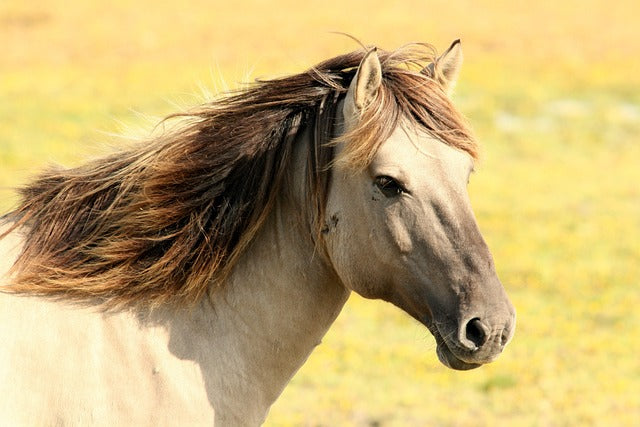

A Pest in the Stable and Pasture: The Horse-fly
How to protect your horse from annoying horseflies You're in the stable or pasture, and suddenly your beloved horse is bothered by dangerous horseflies. These blood-sucking pests are active from April and can lay up to 1,000 eggs! Dark horses are particularly affected, as they are targeted up to four times more often than light-colored ones. The horsefly not only has a nasty appearance but also recognizes its victims thanks to its keen sense of smell. Let's explore the best tips together on how to protect your four-legged friends from these bloodthirsty insects! The horsefly: Feared by all horse lovers The breeding season When summertime arrives, horseflies embark on a relentless hunt for horses. The breeding season lasts six to eight months, and during this time, female horseflies can lay up to 1,000 eggs. These tiny vampires are not only blood-sucking but also extremely annoying, causing your beloved horses to be constantly restless and irritated. The life cycle of the horsefly The life cycle of the horsefly is a fascinating, yet terrifying, subject. Horseflies go through several developmental stages: egg, larva, pupa, and finally, the adult insect. These insects are mainly active between April and August, seeking warmth and vitality – dark horses, in particular, attract them like a magnet. To understand the full extent of their horror, you should know that horsefly larvae live in damp, marshy areas and feed on organic waste there. After the eggs hatch, the larvae emerge and overwinter before transforming into pupae the following spring. As adult horseflies, they then hunt for fresh blood, with their preference for dark horses making them even more dangerous. So, if you are a horse lover, you should pay close attention – it's time to prepare for this pesky invasion. Know your enemy Physical characteristics If you want to identify the horsefly, look for its distinctive appearance: it is between 1.9 and 2.5 cm long and has a more elongated, slender appearance compared to a housefly. Its wasp-like gray and brown stripes on its abdomen make it unmistakable. These pests may not be the cutest insects, but their appearance reveals that they are on the hunt for fresh blood. Behavioral patterns The horsefly targets a very specific recipient: your horse! Active phases are from April to August, especially when it's warm and humid, which makes them absolutely crazy about your animal friend. These insects possess extraordinary abilities: they use their highly sensitive antennae to detect chemical substances in your horse's sweat and breath over long distances. This explains why some horses, especially dark-colored ones, often experience these dreaded vampire visits more frequently than their lighter-colored siblings. Yes, you heard right: dark horses are often magnetic to horseflies, which like to settle on warmer, relaxing surfaces while simultaneously trying to avoid the momentum of your horse when it wildly swishes its tail. How the horsefly finds its prey Chemical detection You might be wondering how the horsefly manages to find its victims so precisely? It's a game of chemistry. These little vampires use their sensitive antennae to detect chemical substances in the sweat and breath of their victims. No matter how far away you think you are, the horsefly can sniff you out over long distances. Imagine it as an insect GPS that never fails. Heat sensing But that's not all! Horseflies have a special sense for body heat. While you might still be casually strolling across the meadow with your horse, these pests use your body heat as a signal for their next feast. Dark horses, which warm up, attract horseflies even more. Who would have thought that nature could be so merciless? This is exactly why dark horses are particularly vulnerable. Your brown or black horses heat up faster, which magically attracts horseflies. Scientists have replicated this with experiments on barrels and found that horseflies prefer warm surfaces. So, if you have a dark-colored horse, be warned! These little monsters are fast and can land on your prey in a flash thanks to the heat. All the more reason to keep a close eye on your horse during the hot summer day. The effect of dark coat color Current research findings A Hungarian research team has shown that dark-colored horses are targeted four times more often by horseflies than their lighter-colored counterparts. This study impressively demonstrates how coat color has a decisive influence on horsefly infestation. Why are dark horses attacked more often than light ones? Dark horse coats magically attract horseflies, and there are reasons for that. The parasites prefer warm surfaces because their wing muscles and nervous system can develop optimally there. This makes dark-skinned individuals particularly vulnerable. Researchers experimented with warm barrels to simulate horsefly behavior. It turned out that the parasites not only react to color, but also that the temperature of the surface is significantly more important. A dark horse heats up quickly, which attracts horseflies to do their nasty work there. So, if you have a dark horse, be especially vigilant and protect your four-legged friend with effective means against these annoying bloodsuckers! Protection for your horse Use of repellents To protect your horse from annoying horseflies, repellents are essential. An effective horsefly spray not only offers protection against horseflies but also against flies, mosquitoes, and ticks. With plant-based active ingredients, urea, and aloe vera, your four-legged friend is safely protected from these annoying pests, while their skin is simultaneously cared for. Dress your horse with this additional protection and prevent the pests from completely attacking him. The HVC Fly Spray for Horses When it comes to protecting our beloved horses from annoying insects like horseflies, the HVC Fly Spray for Horses is the optimal choice. This effective spray offers natural protection against mosquitoes, ticks, and horseflies, while also caring for your horse's coat and skin. The unique coat protection formula with aloe vera and glycerin soothes and regenerates the skin, provides moisture, and has a cooling effect. Aloe vera is rich in vitamins B and C, folic acid, and carotene, making it an excellent moisturizer, while glycerin optimally nourishes the skin and coat. Another advantage of the HVC spray is the combination of neem oil, eucalyptus oil, citronella oil, peppermint oil, and tea tree oil. Neem oil is a proven, natural pest control agent that reliably works against a variety of insects. Eucalyptus oil protects against mosquitoes and inhibits the growth of bacteria, while citronella oil has a deodorizing, antiperspirant, and slightly antiseptic effect. Peppermint oil relaxes muscles and clears airways, and tea tree oil has anti-inflammatory, wound-healing, and itch-relieving properties. Dressing for success It pays to be strategic when choosing your clothing for rides on warm summer days. Light colors are key to avoiding horseflies, as they are particularly attracted to dark coats. Dark horses are affected four times more often by these pests because they heat up more. So, by opting for lighter clothing, you not only stay chic but also reduce the likelihood of becoming prey to one of nature's nastiest biting insects. Your own outfit can have a huge impact on dealing with horseflies. Dark tones magically attract these pests, which means that light-colored clothing when riding out is not only stylish but also practical. With a clever wardrobe that includes light colors, you can make not only your horse but also yourself safe. Keep the horseflies at bay and enjoy calm, peaceful rides without your horse constantly swatting at the pests! Our top tip Introducing the ultimate horsefly spray When horseflies become a nuisance, it's high time to act! Our fly spray for horses offers maximum protection against horseflies, flies, mosquitoes, and other *stinging insects*. It is particularly effective in protecting your beloved horses from these annoying bloodsuckers during peak season. Natural ingredients for maximum protection You might be wondering what makes our *horsefly spray* so special? It contains plant-based active ingredients that are not only effective but also *gentle on your horse's skin*. In combination with urea and aloe vera, it supports skin health while simultaneously keeping *unwanted guests* away. The use of natural ingredients is crucial. They not only offer maximum protection against horseflies and other insects but are also *less harmful* to the environment. Urea acts as an excellent moisturizer that nourishes your horse's skin, while aloe vera is known for its soothing properties. This combination not only ensures that your horse is *protected* but also that it feels *comfortable* while in the pasture or stable. Let the pests go and give your horse the comfort it deserves. Conclusion The horsefly is not only an annoying companion in summer but also a true vampire that can make life hell for you and your horse. With their striking big eyes and their urge for blood, they are a nuisance that particularly attracts dark horses. So, play it safe and protect your four-legged friends with an effective horsefly spray. After all, you don't want your ride to turn into a bloody nightmare! These questions about horseflies are frequently asked: 1. What happens if you are bitten by a horsefly? A horsefly bite is painful because these insects use their sharp mouthparts to penetrate the skin and suck blood. The bite can lead to a painful swelling and redness and often itches intensely. In some cases, allergic reactions may occur, requiring medical treatment. 2. When do horseflies bite humans? Horseflies usually bite humans on warm, sunny days, especially near water and pastures. They are most active in the summer months when temperatures are high. Horseflies are attracted to movement, sweat, and body heat. 3. What helps against horseflies for humans? Insect repellents containing DEET or Icaridin help against horseflies. Wearing light-colored, long-sleeved clothing can also prevent bites. After a bite, cold compresses, antihistamines, and special ointments for itching and swelling can provide relief. 4. What attracts horseflies? Horseflies are attracted to movement, sweat, body heat, and dark clothing. CO₂ emissions and body odor also play a role in attraction. They are particularly active near water and humid areas. 5. What does a horsefly bite look like? A horsefly bite is often larger and more painful than a mosquito bite. It is characterized by significant redness and swelling and may show a small bleed. The bite itches intensely and can last for several days. 6. What keeps horseflies away? To keep horseflies away, insect repellents with DEET or Icaridin can be used. Wearing light-colored, long-sleeved clothing also helps. Avoiding staying near water and humid areas during peak season can also be helpful. Image credits: Horsefly Horse with fly sheet Horse with fly fringe band Further links: Wikipedia article about the horsefly Editorial guidelines of the Horse Vitality Company At Horse Vitality Company, we create every contribution according to strict quality standards and rely on reputable sources and scientific research. Our editors are proven experts in the field of equine health and offer you well-founded, trustworthy information. Expertise and Quality Assurance Qualified Authors: Our editors have extensive expertise in horse health and animal care. Double Check: Every article is additionally reviewed by a second expert to ensure accuracy and relevance. Sources and Transparency Reputable Sources: We only use trusted sources and scientific studies to substantiate the content. Disclosure: We disclose potential conflicts of interest and ensure transparency. Reader-friendliness and topicality Reader-friendly preparation: Our content is continuously optimized to make it as understandable and accessible as possible. Timeliness: We regularly review our articles and update them as needed to ensure they are always up-to-date. Interaction and Feedback Reader orientation: Our goal is to provide you with initial guidance. For individual health or care questions, we recommend consulting a veterinarian or animal naturopath. Feedback option: We invite our readers to provide feedback and ask questions. Your suggestions help us continuously improve our content and tailor it to your needs. These guidelines ensure that the content of the Horse Vitality Company always meets the highest standards of expertise, authority, and trustworthiness.
Learn more
CBD Oil for Horses - Benefits and Potential Applications
Can CBD and CBD Oil also be used for horses? As a horse owner, you only want the best for your animal. CBD oil has established itself in recent years as a promising natural remedy that can provide support for both psychological and physical ailments. In this article, you will learn how CBD can promote your horse's well-being and in which areas of application it can be particularly helpful. From regulating stress to supporting physical discomfort, CBD offers many benefits that you should consider for your loyal companion. CBD - A Cannabinoid from the Hemp Plant History of Hemp Use Hemp is one of the oldest cultivated plants in the world and has been used in various applications for centuries. Originally, it was used for the production of textiles, ropes, and edible oils, and its versatile properties were already known to ancient civilizations. Renaissance of Hemp Products In recent years, hemp has experienced a remarkable renaissance. Many people recognize the benefits and versatility of hemp products, including CBD, and are increasingly using them in their daily lives. The renaissance of hemp products is primarily due to the increased demand for natural and plant-based alternatives. With the knowledge of the health benefits of cannabidiol (CBD) and other ingredients from the hemp plant, more and more people are choosing to use products made from organic hemp. This development is supported by comprehensive studies and positive testimonials that highlight the diversity and health-promoting effects of this special plant. The legalization in many countries has increased the market availability of CBD products and is now easily accessible to many pet owners, including horses. Understanding CBD What is Cannabidiol? Cannabidiol (CBD) is a cannabinoid derived from the hemp plant. Each hemp or cannabis plant contains over 100 identified phytocannabinoids, with CBD and tetrahydrocannabinol (THC) being the most well-known. CBD is characterized by a low THC content and therefore has no intoxicating effect. It is increasingly valued for its relaxing and sleep-promoting properties, making it a popular choice for supporting horses' health. How does CBD affect the body? CBD interacts with the endocannabinoid system of horses, which plays an important role in many bodily functions. This system regulates pain perception, appetite, sleep, and the immune system. By binding to CB1 and CB2 receptors in the body, CBD can help restore balance. When you administer CBD to your horse, you benefit from its ability to promote the natural balance in the animal's body. CBD can help reduce stress and nervousness, which often occur with changes in the living environment or physical exertion. The endocannabinoid system influences homeostasis, which is crucial for maintaining a stable internal balance. Therefore, support from exogenous cannabinoids like CBD can help promote your horse's physical and emotional well-being. How CBD Affects Horses The Endocannabinoid System The endocannabinoid system is an essential part of the nervous system in both humans and animals, including horses. It consists of various receptors that respond to endogenous and exogenous cannabinoids like CBD. These receptors play a significant role in the regulation of pain perception, appetite, sleep, and the immune system, making an adequate supply of endocannabinoids essential for balance in the body. CBD's Influence on Horse Behavior and Health CBD has the potential to significantly improve your horse's behavior and health. It can help reduce anxiety and stress, which often occur with environmental changes or veterinary visits. The calming effect of CBD not only promotes well-being but can also strengthen your horse's general immune system and increase quality of life after physical exertion. It should be noted that the effect of CBD can vary. While some horses benefit from the relaxing effect and react less nervously, others may have deeper, psychological causes for their anxiety. In such cases, CBD can be supportive, but it does not replace the need for a comprehensive behavioral analysis or veterinary care. It is important to pay attention to the quality and origin of the CBD oil to ensure that you are providing your horse with the best possible support. Using CBD Oil for Horses in Germany Legal Status of CBD in Equestrian Sports The use of CBD in horses is generally permitted, however, it is important to observe the applicable regulations in equestrian sports. In tournaments and competitions, CBD can be classified as a doping agent, so you should inform yourself about the regulations of your equestrian sports association before use. Some associations, such as the FEI, have CBD on the list of prohibited substances, which is important for you and your horse. Choosing the Right CBD Oil for Your Horse If you want to choose CBD oil for your horse, make sure to buy high-quality organic CBD oils. Products from conventional cultivation can be contaminated with pollutants such as pesticides or heavy metals, which you definitely want to avoid. You should also make sure that it is a full-spectrum CBD oil that contains additional health-promoting ingredients from the hemp plant. A high-quality CBD oil that you choose for your horse should be organic-certified and subject to strict quality controls to ensure the safety of your four-legged friend. Make sure that the oil is labeled as full-spectrum, because in addition to CBD, it also offers numerous other valuable cannabinoids such as CBDa and CBG. These also contain important fatty acids that can support your horse's immune system. If you value your horse's well-being, the right choice of CBD oil is crucial. Benefits of CBD Oil for Horses Reduction of Anxiety and Stress CBD oil is known for its calming properties, which are particularly beneficial in stressful situations. If your horse suffers from nervousness, anxiety, or panic, for example during veterinary visits or stable changes, CBD can help promote your animal's balance and well-being. Pain Relief and Anti-inflammatory The pain-relieving properties of CBD can help not only older horses but also those with physical strains of any kind. If your horse suffers from pain or inflammation, CBD oil can provide important support to improve its quality of life. Many horses experience pain due to injuries, overuse, or chronic diseases. CBD has the potential to relieve pain and reduce inflammation in such cases by interacting with the horse's endocannabinoid system. This can help restore balance in the body and make your horse more active and vibrant again. Improvement of General Health and Well-being Another benefit of CBD oil is the improvement of your horse's general health. Through the positive effects on the immune system and various bodily functions, CBD helps your horse remain healthier and more vibrant. CBD can not only address your horse's physical discomforts but also enhance its emotional well-being. The use of CBD oil in combination with a balanced diet and proper care can lead to your horse living a harmonious and fulfilling life characterized by energy and vitality. Potential Interactions with Other Medications Although CBD is generally considered safe, it can interact with certain medications. It is crucial to speak with your veterinarian before introducing CBD to avoid potential interactions. CBD can affect the action of medications that are metabolized by the liver. If your horse is already taking medications, e.g., for pain management or anxiety treatment, the use of CBD should be carefully monitored to ensure there are no negative side effects. Your veterinarian can recommend the best approach and adjust the dosage of other medications if necessary. CBD Oil for Horses - Conclusion The use of CBD oil for horses offers numerous benefits, especially for supporting anxiety, stress, and physical ailments. It can help promote your horse's well-being and improve its quality of life. When choosing the right product, you should look for high-quality organic oils to ensure safe application. However, be aware of the applicable guidelines in your equestrian sports association, as CBD can be classified as a doping substance. This way, you can ensure that your beloved animal remains healthy and balanced. These questions about CBD oil for horses are frequently asked: 1. What does CBD oil do for horses? CBD oil can have anti-inflammatory, pain-relieving, and calming effects in horses. It is often used to help with pain, inflammation, anxiety, and stress. Some pet owners also report improvements in digestive problems and the general vitality of their horses. 2. How much CBD oil do I give my horse? The dosage of CBD oil depends on the horse's weight and individual needs. As a starting point, a dose of 0.1 mg to 0.2 mg of CBD per kilogram of body weight is often recommended. It is advisable to start with a low dose and gradually increase it to find the optimal amount. 3. How long does it take for CBD oil to take effect? The effect of CBD oil can take between 30 minutes and several hours, depending on the horse and the method of administration. Some horses react faster, while for others, it may take longer for the effects to set in. With regular use, it can take a few days for a consistent effect to be noticeable. 4. How much oil can a horse receive? The maximum daily dosage should generally not exceed 1 mg of CBD per kilogram of body weight. However, this limit can vary depending on the horse's health status and the veterinarian's recommendation. It is important to gradually increase the dosage and observe the horse's reaction. 5. Does CBD really work for horses? Many horse owners report positive effects from administering CBD oil. Studies on the effects of CBD in horses are still limited, but initial results suggest that it has anti-inflammatory and pain-relieving properties. As with all dietary supplements, the effect can vary depending on the individual. 6. Is hemp oil good for horses? Yes, hemp oil is rich in essential fatty acids such as omega-3 and omega-6, which are important for skin, coat, and joint health. It can contribute as a dietary supplement and improve the horse's general well-being. Hemp oil is a natural source of nutrients and supports the immune system. 7. Can CBD calm nerves? Yes, CBD can have a calming effect and help reduce stress and anxiety in horses. It is often used to support nervous or anxious horses and help them relax in stressful situations. The calming effect of CBD can contribute to improving the horse's general well-being. Image sources: Hooves of a horse Harvesting hemp plants Hemp plant Editorial Guidelines of Horse Vitality Company At Horse Vitality Company, we create every post according to strict quality standards and rely on reputable sources and scientific research. Our editors are proven experts in the field of horse health and offer you well-founded, trustworthy information. Expertise and Quality Assurance Qualified Authors: Our editors have extensive expertise in horse health and animal care. Double Check: Every article is additionally reviewed by a second expert to ensure accuracy and relevance. Sources and Transparency Reputable Sources: We only use trustworthy sources and scientific studies to substantiate the content. Disclosure: We disclose potential conflicts of interest and ensure transparency. Reader-friendliness and Timeliness Reader-friendly Preparation: Our content is continuously optimized to make it as understandable and accessible as possible. Timeliness: We regularly review our articles and update them as needed to ensure they are always up-to-date. Interaction and Feedback Reader Orientation: Our goal is to provide you with initial guidance. For individual health or care questions, we recommend consulting a veterinarian or animal naturopath. Feedback Option: We invite our readers to provide feedback and ask questions. Your suggestions help us continuously improve our content and tailor it to your needs. These guidelines ensure that the content of Horse Vitality Company always meets the highest standards of expertise, authority, and trustworthiness.
Learn more
Insect bites in horses: What horse lovers should know
When mosquitoes, horseflies, and ticks take over again Insect bites are a nuisance for horses and their owners. Especially in summer, small pests like mosquitoes and horseflies are out and about, making life difficult for your horse. Skin irritations, itching, and swelling are the most common symptoms. To help you know how to assist your horse quickly and effectively, we've compiled the most important information and tips. Learn how you can treat and prevent bites to avoid unnecessary suffering and serious health risks. Symptoms of insect bites Skin irritations and allergic reactions Insect bites can lead to unpleasant skin irritations and allergic reactions in your horse. These typically manifest as itching, swelling, and restlessness. Particularly sensitive horses react more intensely to bites, with stronger swelling and intense scratching at the bite site, sometimes so severe that they injure themselves. Local reactions vs. Systemic reactions Local allergic reactions to insect bites are the most common form and appear as swollen and itchy areas. These reactions usually subside on their own and are mostly harmless. In contrast, systemic reactions are more serious and occur in some horses. Symptoms can include changes in breathing, pustules, and fever. In such cases, it is advisable to consult a veterinarian immediately, as these reactions can be life-threatening. Local reactions are generally limited to the bite site and include simple swelling and itching. Systemic reactions, however, affect the entire organism and pose a serious danger. Therefore, observe your horse closely and act quickly to avoid serious health problems. Different insect bites and their effects The effects of insect bites can vary greatly depending on the insect. For example, blackflies often cause summer eczema, while bites from keds can trigger painful rashes and panicked behavior. Ticks are particularly insidious, as they can transmit dangerous diseases like Lyme disease. Blackflies can cause not only itching and pustules but also hair loss and open, festering wounds. In rare and extreme cases, these bites can lead to severe reactions such as toxic shock or heart and respiratory problems. With tick bites, you must be particularly vigilant, as they often go unnoticed and can lead to serious health problems weeks later. Here, the rule is: contact the veterinarian immediately if your horse shows colic-like symptoms or skin changes. The effects of insect bites on horses Pain and discomfort Insect bites cause severe pain and discomfort in horses. Especially in summer, when the activity of mosquitoes and horseflies increases, your horses can suffer from constant bites. They become restless and constantly try to scratch themselves, which can worsen the situation. This can lead to serious impairments in your animal's well-being and requires careful and regular monitoring. Skin lesions and hair loss Itching and severe skin reactions like redness and swelling are common symptoms of insect bites in horses. Blackfly bites, in particular, often lead to serious skin lesions that can cause your horse great pain and discomfort. If your horse rubs itself due to the itching, bald patches and open, festering wounds often develop. Skin lesions and hair loss are not only a visual problem but can also entail serious medical complications. Open wounds are more susceptible to infections and can lead to further health problems if not treated promptly and carefully. Hair loss is a clear sign that the horse is suffering from insect bites and requires quick treatment. Systemic reactions and complications In extreme cases, systemic reactions can occur that go far beyond skin irritations. Your horse may develop breathing difficulties or show symptoms such as fever and pustules. Such reactions are rare, but they require immediate action as they can lead to toxic shock or even circulatory damage and damage to the heart and respiratory system. Systemic reactions are particularly dangerous and must be examined by a veterinarian immediately. An uncontrolled condition can mean severe health complications for your horse. Timely intervention can minimize the risk and ensure your horse's well-being. Always keep an eye on possible symptoms and react immediately to any signs of discomfort. First aid for insect bites in horses Cool and soothe the skin To relieve your horse's pain and itching and treat the insect bite, you can use cool compresses. Cloths soaked in cold water or vinegar water are particularly effective. This simple measure helps to soothe the affected area and reduce itching. It can also help alleviate bumps and swelling associated with an insect bite in horses. Treating an insect bite in a horse: Cleaning and caring for the bite site It is important when treating insect bites that the bite sites are truly clean. Make sure there is no stinger or foreign body before proceeding with further care. Applying a cut onion to the bite site can also be helpful. The bite sites should be thoroughly cleaned to prevent infection. Use a disinfectant to ensure the wound remains clean. This is especially important if the bite is under the saddle or girth, as there is a risk that the area could rub raw and become inflamed. Avoid riding until the bite has subsided. Bumps and edema on the belly after an insect bite are a common problem during the summer months. Use of topical creams and ointments For sore, abraded bites, creams and ointments can be applied to support the wound healing process and relieve pain. These products help to soothe irritated skin and promote healing. This is especially recommended if the horse reacts strongly to insect bites. Be sure to choose an ointment that is suitable for horses and has anti-inflammatory and pain-relieving properties. Application should be regular to achieve optimal effect and support the skin in its healing process. Prevent irritation and infections Ensure your horse doesn't rub at the bite sites to prevent irritation and infections. If necessary, cover the affected areas with a bandage or prevent access by using an eczema rug. Most difficulties and complications arise when the horse scratches or rubs the bite sites. This can lead to open wounds and infections. Therefore, avoid any form of additional irritation and ensure a calm and hygienic environment for your horse until the bites have fully subsided. Mosquito bites in horses: Prevention is key Use of fly sprays and repellents An essential step in preventing insect bites in horses is the use of fly sprays and repellents. These sprays repel flies and mosquitoes by suppressing your horse's scent and making it unattractive to insects. Be sure to apply the spray after showering, when the horse is dry, and definitely avoid the mucous membranes. A proven home remedy for insect bites in horses is the HVC Fly Spray. This natural product offers protection against mosquitoes, ticks, and horseflies while conditioning the coat. With soothing ingredients like aloe vera and glycerin, it moisturizes and has a cooling effect on your horse's skin. The spray also contains neem oil, which is effective against pests, and eucalyptus oil, which has antibacterial properties. Citronella oil helps eliminate unpleasant odors and has a mild antiseptic effect, while peppermint oil relaxes muscles. Additionally, tea tree oil has anti-inflammatory properties and relieves itching. Shake well before use and spray generously onto the coat for optimal protection and care. Protective gear: Fly masks and eczema rugs Fly sheets and eczema rugs offer effective physical protection against insect bites. These rugs encase your horse's body with a net, preventing annoying insects from reaching the skin. Choose the right size to avoid rubbing. Make sure the rug fits properly and completely covers the horse. Fly masks and eczema rugs are particularly important in summer when insect bites are more frequent. This protective gear not only prevents bites but also significantly reduces your horse's stress and restlessness. A well-fitting rug can greatly enhance your horse's comfort and well-being and prevent it from injuring itself through constant rubbing. Good hygiene and regular care A key measure to prevent insect bites is regular care of your horse. Regular brushing and cleaning remove dirt and parasites and keep the coat healthy. Hygiene plays an essential role in minimizing insect attacks. Through regular care, you can also identify potential problems early on. Check your horse for signs of insect bites and pay particular attention to areas that may be infested with ticks. A clean environment and a well-groomed coat make your horse less attractive to insects and simultaneously improve its general health and well-being. Most common insects: Mosquitoes, flies, and ticks Mosquitoes and their role in itching from bites in horses Mosquitoes often cause painful and itchy bites in horses. These small insects can cause great stress and restlessness in your horse due to the multitude of their bites. The bites lead to swelling and skin irritations, causing the horse to constantly rub itself. In particularly sensitive horses, this can even lead to infections. Flies: From irritation to infection Horseflies and keds are not only a source of itching but can also cause serious skin problems. Their bites are painful and often lead to rashes, edema, or pus-filled areas. Keds are particularly persistent and cause nervous to panicked behavior in horses. The bites of these insects can become inflamed and pose a risk of infection. It is important to identify these insects early and take appropriate measures to protect your horse. Ticks: The silent threat to horse health Ticks are a silent threat and often difficult to detect. They embed themselves in your horse's coat and can transmit serious diseases like Lyme disease. These symptoms often appear only weeks after the bite, making diagnosis difficult. Ticks not only cause skin irritations and changes but can also transmit life-threatening diseases. Therefore, it is essential to regularly check your horse for ticks and keep an eye on any bite sites and symptoms. Complications and consequences of insect bites in horses Anaphylaxis and toxic shock A severe complication of an insect bite in horses is anaphylaxis, which can lead to toxic shock. This manifests as sudden circulatory and respiratory problems. If you notice your horse showing breathing difficulties, swelling, or unusual behavior after an insect bite, you should consult a veterinarian immediately. Prompt action can be life-saving here. Skin infections and abscesses Skin infections and abscesses are possible consequences of insect bites. Bacteria can enter through the open wound and cause inflammation. The affected area becomes increasingly painful and shows redness or swelling. In extreme cases, pus-filled areas can form, requiring professional treatment. It is essential to keep your horse's bite sites clean to prevent infections. Use antiseptic solutions and watch for symptoms of infection such as swelling or pus. For persistent or worsening wounds, you should definitely consult a veterinarian to prevent serious complications. Systemic diseases and long-term effects from insect bites in horses Systemic diseases and long-term effects are also risks that can result from insect bites. Ticks, for example, transmit dangerous diseases like Lyme disease, which can cause serious long-term problems. Symptoms often appear weeks later and are then difficult to treat. Some of the systemic diseases transmissible through insect bites can permanently harm your horse. Regular checks and preventive measures such as tick repellents are essential. Always make sure to check your horse for unusual symptoms such as fever, lameness, or changes in behavior to react promptly. Conclusion Insect bites in horses can lead to unpleasant symptoms such as skin irritations, itching, and restlessness, and often require adequate care and prevention. By using fly sprays and eczema rugs, and cooling or treating the affected areas with ointments, you can provide relief to your horse. It is also important to regularly check for ticks, as they can transmit dangerous diseases. Make sure to keep the bites clean and consult a veterinarian for more serious reactions or infections. This way, you can ensure your horse's well-being even during insect season. We frequently get these questions about insect bites in horses: 1. How can insect bites in horses be treated? Insect bites in horses can be alleviated by applying cooling compresses or special ointments. Natural home remedies such as apple cider vinegar or aloe vera are also helpful. For strong reactions, a veterinarian should be consulted to rule out possible complications. 2. Which insects bite horses most frequently? Horses are frequently bitten by mosquitoes, horseflies, ticks, and flies. These insects can not only be annoying but also cause allergic reactions and infections. Especially in the summer months, horses are increasingly exposed to these pests. 3. What can be done about swelling in horses? To treat swelling in horses, cold compresses or anti-inflammatory ointments can help. Quark compresses or cooling gels can also provide relief. For persistent or severe swelling, a veterinarian should be consulted. 4. How can sweet itch in horses be effectively treated? Special care products and protective measures such as blankets and fly sprays help against sweet itch. Natural oils and ointments can soothe irritated skin and relieve itching. Consistent care and protection from insects are essential to keep the eczema under control. 5. What should be done for severe insect bites in horses? For severe insect bites, it is important to cool the affected area and apply anti-inflammatory agents. Natural home remedies such as aloe vera or tea tree oil can also help. In case of severe swelling or allergic reactions, a veterinarian should be consulted immediately. 6. How can insect bites be reduced? To reduce swelling after an insect bite, cold compresses or cooling gels can be applied. Anti-inflammatory ointments and home remedies like baking soda paste are also effective. Prompt treatment can significantly reduce swelling. 7. How can horses be protected from biting flies? Special fly sprays applied to the coat help against biting flies. Fly sheets and protective masks also offer good protection. Regular care and the use of natural repellents like neem oil can also be helpful. 8. Why do horses develop "Stichelhaare" (broken or rough hair)? Stichelhaare often occur due to skin irritations or insect bites that cause the horse to rub itself. They can also be a sign of skin diseases or allergies. Careful grooming and protection from insects can help prevent Stichelhaare. 9. What are the benefits of coconut oil for horses? Coconut oil has a nourishing and protective effect on horses. It provides moisture, has antibacterial properties, and can keep the coat shiny and healthy. It also serves as a natural insect repellent and can be helpful in treating skin irritations. Image Credits: Horse in pasture Horsefly Horse with fly hood Editorial Guidelines of Horse Vitality Company At Horse Vitality Company, we create every contribution according to strict quality standards and rely on reputable sources and scientific research. Our editors are proven experts in equine health and offer you well-founded, trustworthy information. Expertise and Quality Assurance Qualified Authors: Our editors possess extensive expertise in equine health and animal care. Double-Check: Every article is additionally reviewed by a second expert to ensure accuracy and relevance. Sources and Transparency Reputable Sources: We only use trusted sources and scientific studies to substantiate the content. Disclosure: We disclose potential conflicts of interest and ensure transparency. Reader-Friendliness and Actuality Reader-Friendly Preparation: Our content is continuously optimized to be as understandable and accessible as possible. Actuality: We regularly review and update our articles as needed to ensure they are always up-to-date. Interaction and Feedback Reader Orientation: Our goal is to provide you with initial guidance. For individual health or care questions, we recommend consulting a veterinarian or animal naturopath. Feedback Option: We invite our readers to provide feedback and ask questions. Your suggestions help us to continuously improve our content and adapt it to your needs. These guidelines ensure that the content of Horse Vitality Company always meets the highest standards of expertise, authority, and trustworthiness.
Learn more
Insect Bites: Tips and Suitable Home Remedies for Horses
What helps with bites from mosquitoes, horseflies & co Insect bites can be not only uncomfortable but also dangerous for your horse, especially if it has an allergic reaction to the insect bite. If your horse reacts strongly to mosquitoes, horseflies, or midges, proper prevention and treatment are crucial. In this article, you will learn how to relieve symptoms and provide relief to your horse with simple, natural home remedies. From cooled herbal infusions to effective cooling, here you will find practical and empathetic tips to support your horse during insect season. Insect bites in horses: A widespread problem Tormenting pests Mosquito and horsefly bites can be incredibly tormenting for horses. Attacks by blackflies and large horseflies can completely disturb even the calmest horse. A simple bite can take on enormous proportions, and secondary consequences range from welts to widespread urticaria and bleeding eczema. It becomes particularly problematic if your horse is hypersensitive or allergic to these bites. The most common allergic reactions in horses The most common form of allergy in horses is hypersensitivity to insect bites. Most often, the allergic reaction is triggered by proteins in the insect's saliva, which can lead to skin rashes and severe itching. Two specific diseases have been unequivocally identified as allergic reactions: summer eczema and urticaria. In summer eczema, bites from female midges cause severe itching and skin inflammation. These tiny biting midges are particularly active at dawn and dusk. Urticaria, better known as hives, manifests as sudden welts and a general skin rash. Regardless of the type of reaction, whether allergy or intolerance, it is crucial to help your horse quickly to alleviate its suffering. The itching and swelling due to an allergic reaction to insect bites in horses are well known to many horse owners. Understanding allergies and intolerances What is an allergy? An allergy occurs when your horse's immune system overreacts to an allergen. In a type 1 allergy, the allergen enters the body through the skin or mucous membranes. The immune system recognizes these as a threat and then produces antibodies. If your horse comes into contact with the same allergen again, histamines and other messengers are released, which can cause severe allergic reactions, such as welts or widespread urticaria. The difference between allergies and intolerances to mosquito bites in horses Not every hypersensitivity is an allergy. While allergies are caused by a specific immune response, intolerances are more general hypersensitivity to certain substances. An allergy leads to immediate and often severe immune system reactions, whereas an intolerance, though unpleasant, is usually not as severe. Allergies can be unequivocally diagnosed by IgE-mediated reactions. Especially in horses, only summer eczema and urticaria have so far been identified as true allergic reactions. Regardless of whether it is an allergy or an intolerance, horses suffer from the symptoms and must be treated. Itching remains itching and requires appropriate care to ensure the animal's well-being. Prevention is better than cure Reducing insect breeding habitats It is essential to regularly clear pastures and paddocks of manure to significantly reduce insect breeding habitats, especially for flies. A clean and tidy environment is the first step to minimizing the burden of annoying insects. If you make this task a regular routine, you will contribute significantly to your horse's well-being. Using fans and fly sprays Fans in the stable or shelter are an effective way to keep the less flight-capable Culicoides midges away. A strong airflow makes it almost impossible for these insects to reach your horse. Likewise, pyrethrin-based fly sprays can provide temporary relief. These sprays usually only work for a few hours, so it is important to apply them regularly. The combination of both methods offers your horse the best protection. While the fan provides a constant barrier against insects, fly sprays can offer an additional layer of protection, especially during peak insect activity in the morning and evening. An effective home remedy against insect bites in horses is the HVC Fly Spray. This natural product not only protects against mosquitoes, ticks, and horseflies but also nourishes your horse's coat. The soothing and regenerating ingredients like aloe vera and glycerin provide moisture and have a cooling effect. The spray also contains neem oil, which is effective against various pests, and eucalyptus oil, which has antibacterial properties. Citronella oil helps eliminate unpleasant odors and has a mild antiseptic effect, while peppermint oil relaxes muscles and tea tree oil has anti-inflammatory properties and reduces itching. Simply shake well before use and spray generously onto the coat to provide your horse with optimal protection and care. Pasture management and water sources In the morning and evening, when insects are most active, your pasture management should be adjusted to minimize the burden on your horse. Horses should not be turned out to pasture during these times if possible. In addition, bodies of water are ideal breeding grounds for insects, so your horse should be kept away from such areas. Through thoughtful pasture management, you can significantly reduce the time your horse spends in insect hotspots. In combination with other precautions, this contributes significantly to minimizing bites and allergic reactions and providing your horse with a stress-free environment. Supporting affected horses through adapted nutrition The importance of zinc Zinc is important for the functional health of the skin and plays an essential role in the healing process after insect bites. Especially during allergy season, the need for zinc increases enormously. A lack of zinc can slow down healing and weaken the immune system. Therefore, you should ensure that your horse receives sufficient zinc, either through feed supplements or zinc-rich foods. Protein reduction A protein-reduced diet can alleviate the symptoms of insect bites, as excess protein can strain skin metabolism and the immune system. This often leads to an aggravation of skin reactions and itching. Make sure to give your horse food that meets, but does not exceed, its protein requirements. To reduce protein intake, you can focus on feed types that contain less protein. For example, you can choose less protein-rich grass and hay varieties. In addition, special feed additives can help regulate protein levels and thus prevent skin irritations. This not only relieves the skin but also contributes to your horse's general health. Maintaining a healthy gut flora A healthy gut flora is crucial for your horse's overall health. The gut is the cradle of health, and intact gut flora can strengthen your horse's allergy resistance. Effective microorganisms can be applied not only internally but also diluted to the affected skin areas to promote healing and relieve itching. To keep your horse's gut flora healthy, you should ensure a balanced diet that is rich in fiber and low in sugar and starch. Effective microorganisms and probiotic supplements can support beneficial bacteria in the gut, thereby strengthening the immune defense. This helps your horse better cope with allergic reactions and heal faster. Homeopathic remedies for insect bites Ledum: First aid for bites Ledum is a proven homeopathic remedy for first aid for insect bites. It helps reduce swelling and pain and works particularly well for fresh bites and small wounds. Your horse will feel more comfortable in a very short time. Apis: For widespread swelling Apis is particularly helpful for an inflamed bite in horses when a large swelling with local heat has developed. It has anti-inflammatory and cooling effects, which can significantly speed up healing. Apis is an essential component of your homeopathic emergency kit for horses. Particularly useful for large, red, and hot swellings, it helps reduce inflammation and relieve pain. The fast action of this remedy ensures that your horse calms down more quickly. Histaminium: If the horse reacts strongly allergic Histaminium is used to regulate your horse's general allergic reaction. It can help control histamine release in the body, thereby alleviating symptoms such as itching and skin irritations. Histaminium plays a key role in combating systemic allergic reactions. It is particularly helpful if your horse reacts strongly to insect bites or even suffers from urticaria. This remedy helps your horse recover faster and be less stressed. Urtica: For nettle-like rashes with itching Urtica is ideal if your horse reacts to insect bites with a nettle-like rash. It relieves itching and speeds up skin healing. Urtica is particularly valuable if your horse develops a widespread, itchy rash reminiscent of a stinging nettle reaction. This homeopathic remedy helps reduce inflammation and itching and promotes faster healing of the affected skin areas. Especially helpful for edema on the horse's abdomen after an insect bite. Cardio Spermum D4: For severe itching Cardio Spermum D4 is particularly effective for severe itching caused by insect bites. It can be applied as a cooling tincture to the affected areas for immediate relief. Cardio Spermum D4, also known as heartseed, is a powerful remedy for intense itching. It has a calming and cooling effect on the skin and supports the healing of severely itchy and inflamed areas. This remedy is particularly useful for horses that are very sensitive to insect bites. Cooling and soothing remedies for horses: Help for swollen bites Insect bites in horses: Herbal teas against skin irritations A cooled herbal infusion can work wonders if your horse suffers from skin irritations. Chamomile and parsley, in particular, have proven to be soothing and healing. A herbal infusion made from these plants cools pleasantly and helps to soothe the affected skin areas. Simply boil the infusion, let it cool, and then carefully apply it to the irritated areas. Curd, aloe, and acetic clay for relief Curd, aloe vera, and acetic clay are great helpers when it comes to natural remedies for insect bites. These home remedies effectively relieve the symptoms caused by bites and stings. You can apply them directly to the affected areas to soothe irritations and support healing. Aloe vera, in particular, has anti-inflammatory and cooling effects. Curd helps with its cooling effect and is particularly suitable for immediate relief. Another insider tip is acetic clay, which has anti-inflammatory properties and is well suited for treating bites. Apply it in a thin layer, let it work for some time, and then rinse it off carefully. Aloe vera is also a natural all-rounder: its cooling and anti-inflammatory effects can work wonders. However, be careful if your horse has open wounds, and if in doubt, consult a veterinarian to avoid allergic reactions. Experiment with these natural remedies and protect your horse from the annoying consequences of insect bites. Conclusion It is understandable that you want to help your horse quickly with insect bites. And so you ask yourself: insect bite in a horse, what to do? Cooling herbal solutions from chamomile or parsley, as well as proven home remedies like acetic clay, quark, and aloe, have a soothing effect on the skin and effectively relieve symptoms. Additionally, homeopathic remedies such as Ledum, Apis, or Cardiospermum D4 can be helpful. An adapted diet with increased zinc intake and a protein-reduced diet supports your horse's skin health. Through these measures, you can significantly reduce the burden and itching caused by insect bites. These questions about insect bites in horses are frequently asked: 1. How can insect bites in horses be treated? For insect bites in horses, cooling compresses or special ointments from the pharmacy can help. Applying apple cider vinegar or aloe vera can also alleviate the symptoms. In severe cases, a veterinarian should be consulted to rule out possible allergic reactions. 2. How can an inflamed bite in a horse be reduced? To reduce swelling after an insect bite, cold compresses or ice packs can be applied. A cooling gel or an anti-inflammatory ointment can also be helpful. Quark wraps are also a proven home remedy that has a decongestant effect. 3. Which home remedies relieve itching in horses? For itching in horses, home remedies like apple cider vinegar or diluted tea tree oil can be used. Cold chamomile tea applied to the affected area can also have a soothing effect. A paste of baking soda and water can also reduce itching. 4. Which remedies work for inflamed bites in horses? In horses, anti-inflammatory ointments or gels containing arnica, for example, can be helpful. The internal administration of herbs such as willow bark or devil's claw can also have an anti-inflammatory effect. In case of doubt, a veterinarian should be consulted to ensure the correct treatment. 5. What can be done immediately for insect bites in horses? Immediate measures for insect bites include cooling the affected area and applying a soothing ointment. A mixture of water and baking soda can also be applied directly to the bite. In case of strong reactions, it is advisable to contact a veterinarian. 6. How do you treat a swollen insect bite in a horse? For swelling, it helps to cool the affected area and, if necessary, apply anti-inflammatory ointments or gels. Quark wraps or cooling compresses can also relieve swelling. For persistent or severe swelling, a veterinarian should be consulted. 7. What to do for severe swelling after a bite? In case of severe swelling after an insect bite, it is important to cool the area immediately and relieve the itching. If home remedies are not sufficient, an anti-inflammatory ointment can help. In case of suspected allergic reaction, a veterinarian should be consulted immediately. Image sources: Horsefly Horses in the pasture Editorial guidelines of the Horse Vitality Company At Horse Vitality Company, we create every post according to strict quality standards and rely on reputable sources and scientific research. Our editors are proven experts in the field of horse health and offer you well-founded, trustworthy information. Expertise and quality assurance Qualified authors: Our editors have extensive specialist knowledge in horse health and animal care. Double check: Every article is additionally reviewed by a second expert to ensure accuracy and relevance. Sources and transparency Reputable sources: We only use trustworthy sources and scientific studies to substantiate the content. Disclosure: We disclose potential conflicts of interest and ensure transparency. Reader-friendliness and topicality Reader-friendly preparation: Our content is continuously optimized to make it as understandable and accessible as possible. Timeliness: We regularly review our articles and update them as needed to ensure they are always current. Interaction and Feedback Reader Focus: Our goal is to provide you with initial guidance. For individual health or care-related questions, we recommend consulting a veterinarian or animal naturopath. Feedback Option: We invite our readers to provide feedback and ask questions. Your suggestions help us continuously improve our content and tailor it to your needs. These guidelines ensure that the content of Horse Vitality Company always meets the highest standards of expertise, authority, and trustworthiness.
Learn more