

Herbal Encyclopedia
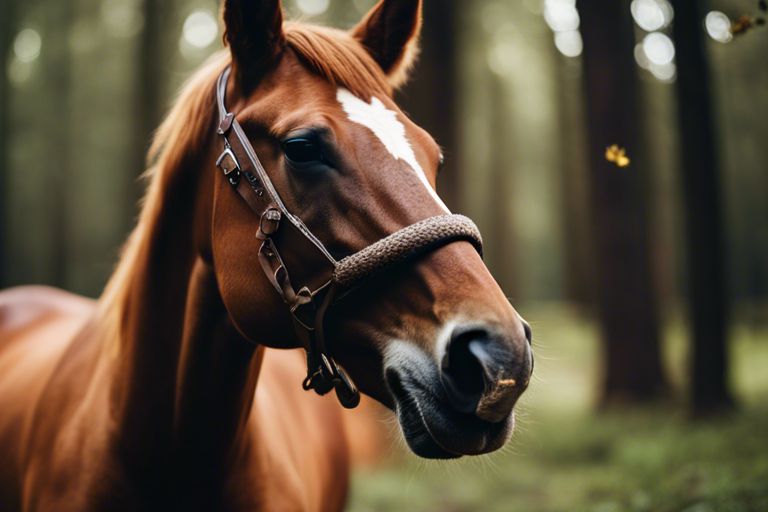

Lungwort for horses
Introduction There's a herb for coughs – literally. Lungwort, also known as Pulmonaria officinalis, is a plant valued for its healing effects on the respiratory tract, especially in horses. With a high proportion of silicic acid, calcium salts and other important ingredients, lungwort is attributed with a supportive effect in various forms of cough, including chronic bronchitis and even pulmonary tuberculosis. This plant also has healing properties for intestinal inflammation and diarrhea. A true all-rounder for horses' health, which can support not only the lungs but also the intestines. Key Takeaways: Healing Properties: Lungwort is used for horses to treat coughs, bronchitis, and other respiratory diseases. Ingredients: The positive effects of lungwort are based on a variety of ingredients such as silicic acid, saponins, and flavonoids. Other Applications: In addition to respiratory diseases, lungwort can also help with intestinal inflammation and diarrhea. Botanical Profile of Lungwort Identification and Harvesting Lungwort (Pulmonaria officinalis), also known as Bachkraut or Frauenmilchkraut, is harvested only during its flowering period from March to May, without the root. It is valued for its healing properties in respiratory diseases such as coughs, bronchitis, and pulmonary tuberculosis. Active Ingredients and Properties Lungwort contains high amounts of silicic acid, calcium salts, potassium, mucilages, saponins, flavonoids, allantoin, minerals, resins, fatty oil, tannins. These ingredients give the herb its positive effect on various respiratory and intestinal diseases. Further information on the properties of lungwort shows that it also has a healing effect on intestinal inflammation and diarrhea. Cooperation with other herbs such as plantain and horsetail can even be beneficial in advanced pulmonary consumption. Therapeutic Benefits for Horses Respiratory System Support Lungwort is valued for its helpful effects on various forms of respiratory diseases, coughs with and without phlegm, as well as chronic bronchitis and pulmonary tuberculosis. The combination with plantain and horsetail can achieve positive results even in advanced pulmonary consumption, as it is rich in silicic acid, potassium, saponins, and other valuable ingredients. Digestive System Support Lungwort also shows healing effects in cases of intestinal inflammation and diarrhea. The contained minerals, resins, and fatty oil support digestion and promote the health of the gastrointestinal tract in horses. It is a natural option to support the health of the gastrointestinal system in horses. Application and Dosage Preparation of Lungwort for Use in Horses To prepare lungwort for use in horses, the flowering herb is collected from March to May, without using the root. It is recommended to gently dry the herb to preserve its active ingredients. It can then be administered as a tea or in powder form to support the respiratory tracts of horses. Recommended Dosage and Treatment Plans The recommended dosage of lungwort for horses can vary depending on the severity of the condition. It is advisable to work with a veterinarian and adjust the dosage accordingly. Generally, lungwort is used together with plantain and horsetail for respiratory diseases such as coughs, bronchitis, and lung problems. It is important to monitor the duration of treatment and adjust it as needed to achieve optimal results. Safety and Precautions Possible Side Effects Although lungwort has many positive properties for horses, it is important to note that there may be some possible side effects. Some horses may have an allergic reaction to the ingredients, which can lead to skin irritations or gastrointestinal problems. It is recommended to monitor the dosage and stop use at the first sign of a negative reaction. Interactions with Other Treatments Lungwort for horses can interact with other treatments, especially when taken together with certain medications. It can have interactions with blood-thinning medications, which can lead to undesirable effects. It is strongly recommended to consult a veterinarian before administering lungwort, especially if the horse is receiving other medications. Lungwort for Horses: A Powerful Herb for Respiratory Support Lungwort, also known as Pulmonaria officinalis, offers effective support for the respiratory tracts of horses. Its healing properties against coughs, catarrhs, and other respiratory problems have long been known and appreciated. With ingredients such as silicic acid, saponins, and flavonoids, the flowering herb possesses a natural healing power that can also help with intestinal inflammation and diarrhea. Through targeted application, horses can benefit from the positive effects of lungwort and improve their respiratory tracts as well as their general well-being. A proven option for holistic health care for horses.
Learn more
Lady's Mantle for Horses
Introduction Lady's mantle is a versatile medicinal plant that can also be of great benefit to horses. The use of lady's mantle dates back to the Middle Ages, and its broad spectrum of effects makes it an insider tip for skin and mucous membrane problems in our beloved four-legged friends. History of Lady's Mantle Discovered in the Middle Ages, lady's mantle quickly became a popular medicinal plant due to its hemostatic and anti-inflammatory properties. Applied both internally and externally, lady's mantle can effectively support skin and mucous membranes. Its use in horses with eczema or other skin problems demonstrates the versatility of this plant. Medicinal plant for humans and horses Lady's mantle can be used as a wound herb in both humans and horses and, thanks to its astringent effect, helps heal wounds and relieve itching. Particularly in mares after foaling, lady's mantle can support the healing of the birth canal and also exert its anti-inflammatory effect in cases of diarrhea caused by gastrointestinal germs. Key Insights: Skin and Mucous Membrane Care: Lady's mantle has astringent and anti-inflammatory properties that can be applied both externally to the skin and internally to the mucous membranes of horses. Extensive Effects: Lady's mantle can be hormone-regulating, digestion-promoting, anti-inflammatory, antispasmodic, blood-cleansing, and hemostatic, which can treat a variety of health problems in horses. Versatile Applications: In addition to external use for eczema and skin problems, lady's mantle can also be used internally after foaling to support the healing of the birth canal or for gastrointestinal problems such as diarrhea. External Application Treatment of Skin Problems Lady's mantle is an insider tip for horse skin care. Its astringent and anti-inflammatory effects make it particularly effective for eczema and other skin problems. By applying lady's mantle in apple cider vinegar, wounds can be sealed, bleeding stopped, and itching relieved. Wound Treatment and Hemostasis Lady's mantle is suitable not only for external but also for internal use. Its hemostatic effect is particularly helpful in wound treatments. It can not only seal skin wounds but also effectively stop bleeding. This property makes lady's mantle a valuable healing herb for treating injuries in horses. Further information on lady's mantle in wound treatment and hemostasis: Lady's mantle contains various valuable ingredients such as tannins, flavonoids, and essential oils, which support its healing effect. The weakening effect on the nerves in the skin also relieves itching. Lady's mantle can therefore play an important role in the quick and effective healing of skin injuries in horses. Internal Application Promoting Healing in Mares Lady's mantle is used internally in mares after foaling to promote the healing of the birth canal. Its astringent and hemostatic effect supports the healing process and helps prevent complications. The anti-inflammatory property of lady's mantle helps maintain the health of the birthing mare. Use in Diarrhea Lady's mantle is also successfully used in cases of diarrhea, especially in horses suffering from gastrointestinal germs. Its effect of inhibiting the penetration of bacteria into the intestinal mucosa helps prevent inflammation and promotes the healing process. Thus, lady's mantle can contribute to regulating digestion and supporting the horse's health. Spectrum of Effects of Lady's Mantle Hormonal and Digestive-Promoting Properties Lady's mantle has hormone-regulating properties and can be used in mares, especially in combination with chaste tree. It also supports digestive function and thus promotes a healthy gastrointestinal flora. Anti-inflammatory and Antispasmodic Effects Lady's mantle shows an anti-inflammatory and antispasmodic effect, which is helpful both externally for skin problems and internally, for example, for diarrhea caused by gastrointestinal germs. Due to the astringent properties of lady's mantle, bleeding is stopped and the mucous membranes are protected. Other important active ingredients of lady's mantle include tannins, flavonoids, bitter substances, essential oils, and saponins. These components contribute to the versatile healing effects of this plant. Ingredients and Designations Key Active Ingredients at a Glance Lady's mantle (lat. Alchemilla vulgaris L.) is rich in tannins, flavonoids, bitter substances, and other valuable ingredients. These active ingredients contribute to lady's mantle being both hormone-regulating and anti-inflammatory. In addition, it has antispasmodic and blood-purifying effects, which explains its versatile application in horses and humans. Popular Names for Lady's Mantle Lady's mantle is also known by various popular names, such as Marienkraut (Mary's herb), Frauenhilf (women's aid), and Gewittergras (thundergrass). These names reflect the long tradition and diverse uses of this medicinal plant. They refer to the positive properties of lady's mantle and emphasize its importance in natural medicine. Further popular names for lady's mantle, such as Tränenschön (tear beauty) and Löwenfußkraut (lion's foot herb), provide insight into the multifaceted world of plant names and highlight the beauty-preserving and protective properties of this plant. The diverse names contribute to the mystique and fascination of lady's mantle. Conclusion Lady's mantle is a valuable medicinal plant for horses that can be used both internally and externally. With its astringent and anti-inflammatory effects, lady's mantle is particularly effective for skin and mucous membrane problems. The various ingredients such as tannins, flavonoids, and essential oils contribute to its healing effect. The external application of lady's mantle in apple cider vinegar is ideally suited for horses with eczema or other skin problems. Thanks to its ability to seal wounds and stop bleeding, lady's mantle offers a natural and effective treatment option. In addition, it relieves itching, which ensures quick healing and soothing of the skin. For internal applications, lady's mantle supports the healing of the birth canal in mares after foaling. Lady's mantle can also help with gastrointestinal problems such as diarrhea by making it difficult for harmful bacteria to penetrate the intestinal lining and by acting as an anti-inflammatory. It is important to know and specifically use the versatile applications of lady's mantle for horses to improve their health and treat possible ailments. With its wide range of positive properties such as hormone-regulating, digestion-promoting, antispasmodic, and hemostatic, lady's mantle is a true insider tip for horse owners.
Learn more