

Herbal Encyclopedia
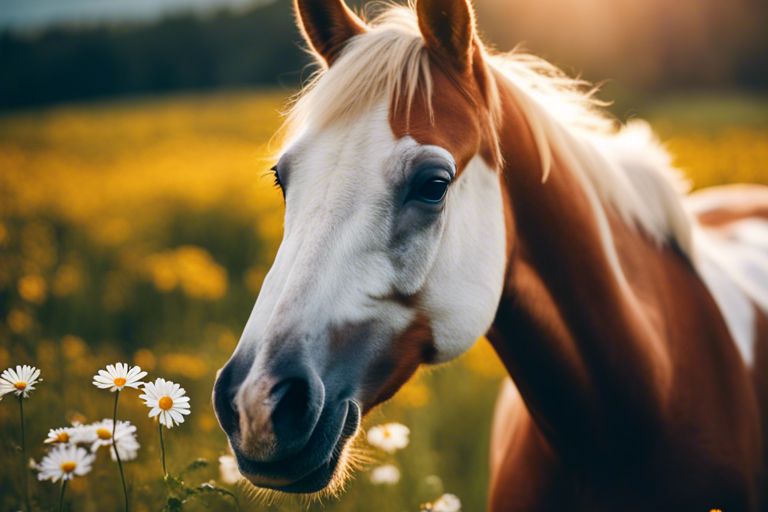

Gentian Root for Horses
Introduction Gentian root is a traditional medicinal plant that can be used for various health problems in horses. It is commonly used to treat loss of appetite, gastric mucosal problems, and nervousness. Especially in nervous horses, gentian root can help alleviate symptoms such as nervousness, skittishness, stress during competitions, test anxiety, and stomach problems. The bitter substances it contains can stimulate appetite and contribute to calming. However, it is important to note that gentian root should not be used in cases of acute gastritis, stomach or intestinal ulcers, or during pregnancy. A recommended feeding amount is 15 g per day to optimally utilize the benefits of gentian root. Key Findings: Benefits for Nervous Horses: Gentian root can help reduce nervousness, skittishness, competition stress, and test anxiety in horses. Use for Stomach Problems: The bitter substances in gentian root can be supportive for loss of appetite, gastric mucosal problems, and other stomach ailments. Caution with Certain Conditions: Gentian root should not be used in cases of acute gastritis, stomach ulcers, intestinal ulcers, or during pregnancy. It is important to note this to avoid potential negative effects. Benefits of Gentian Root for Horses Appetite Stimulation Gentian root is known for its ability to increase horses' appetite. The bitter substances in gentian root stimulate the production of stomach acid, which in turn improves digestion and leads to horses consuming more food. Digestive Health Gentian root can also help support the digestive health of horses. By having a soothing effect on the gastric mucosa, problems such as gastric mucosal issues can be alleviated, while the bitter substances generally promote digestion. However, gentian root should not be used in cases of acute gastritis, stomach ulcers, or intestinal ulcers. In the case of nervous horses, gentian root can also be used to support the nervous system. Especially with symptoms such as nervousness, skittishness, or test anxiety, gentian root can have a calming effect and contribute to improving the horse's well-being. Correct Application and Dosage Recommended Dosage for Horses It is recommended to feed gentian root in an amount of 15 g per day. This medicinal plant can be used for nervous horses to alleviate nervousness, skittishness, and test anxiety, as well as to stimulate appetite. Guidelines for Safe Use For safe use of gentian root in horses, some guidelines should be observed. It is important not to use gentian root in cases of acute gastritis, stomach or intestinal ulcers, or during pregnancy. However, with correct dosage, gentian root can have a calming effect and alleviate stomach problems. Precautions and Contraindications Conditions to Consider For horses suffering from acute gastritis, stomach ulcers, intestinal ulcers, or during pregnancy, the use of gentian root should be avoided. These precautions are important to prevent negative effects on the horse's health. Importance of Veterinary Consultation It is extremely important to consult a veterinarian before administering gentian root to nervous horses. A veterinarian can make an accurate diagnosis and determine whether the horse can benefit from the positive properties of gentian or if there are contraindications due to existing health problems. This ensures the safety and well-being of the animal. Gentian Root for Horses: Natural Support for Nervous Problems Gentian root is a proven herbal blend that can help nervous horses reduce their skittishness, test anxiety, and competition stress. Through its calming and appetite-stimulating effect, it can help improve the well-being and performance of the animals. However, it is important to note that gentian root should not be used in cases of acute gastritis, stomach or intestinal ulcers, or during pregnancy. With a feeding recommendation of 15 g per day, gentian root can offer natural and gentle support for nervous horses to promote their well-being.
Learn more
Verbena for Horses
Introduction When it comes to the health and well-being of our horses, it is important to use the right herbs specifically. Vervain, also known as Verbena, is a traditional medicinal plant that can be used for various ailments. Especially for nervous horses, vervain can have a calming effect and help to alleviate nervousness, jumpiness, and performance anxiety. However, it is important to note that vervain should be avoided during pregnancy. In this blog post, we will take a closer look at how vervain can be used, its benefits, and what to consider when feeding it. Key Takeaways: Traditional Use: Vervain is traditionally used for nervousness, stomach problems, and loss of appetite. Use in Nervous Horses: Vervain can be used in nervous horses to calm symptoms such as nervousness, jumpiness, competition stress, and performance anxiety. Do Not Use During Pregnancy: It is recommended not to administer vervain during pregnancy. Benefits of Vervain for Horses Calming Effect on Nervous Horses Vervain is known for its calming effect on nervous horses suffering from nervousness, jumpiness, competition stress, or performance anxiety. The herbs can help to relax the horses and alleviate their fears, which can positively impact their behavior and performance. Improvement of Digestion and Stimulation of Appetite Vervain is also traditionally used to alleviate stomach problems and stimulate appetite. Through its digestive properties, it can support stomach function and improve food intake in horses. This is particularly useful for loss of appetite and stomach problems that can affect the health and well-being of the animals. Administering Vervain Recommended Dosages Vervain is traditionally used to calm nervous horses, but it should not be administered during pregnancy. The recommended feeding amount is 20g per day. This helps with nervousness, jumpiness, and performance anxiety. Methods of Administration Vervain can be administered in various ways, such as a tea, tincture, or powder. The chosen method depends on the horse's preference and the individual situation. It is important to ensure that the recommended dosage is not exceeded to avoid potential risks. Precautions and Safety Contraindications in Horses Vervain is an effective herbal remedy traditionally used to calm nervous horses. However, it should not be used during pregnancy, as it may potentially affect the unborn foal. Since the safety of the foal is paramount, it is advisable to avoid vervain during pregnancy. Monitoring for Side Effects When using vervain in horses, it is important to watch for possible adverse reactions. Although vervain is generally well tolerated, some horses may be sensitive to it. Common side effects include mild stomach problems or digestive upsets. It is important to monitor these symptoms and, if necessary, adjust the dose or stop use to avoid endangering the horse's health. Integrating Vervain into Horse Care Combination with Other Herbal Remedies Vervain can be well combined with other herbs like chamomile or valerian to enhance its calming properties. It is important to observe the correct dosages to avoid unwanted interactions. For nervousness and stomach problems, a combination of vervain with other herbs can offer an effective solution. Long-term Use and Monitoring For long-term use of vervain in horses, it is crucial to observe the correct dosage and regularly monitor the horse's health. Symptoms such as loss of appetite or unusual behavioral changes should be taken seriously, and a veterinarian consulted if necessary. Conclusion Vervain is a traditional medicinal plant used for nervousness, stomach problems, and loss of appetite. Especially for nervous horses, vervain can help alleviate nervousness, jumpiness, and performance anxiety, which can be particularly beneficial during competitions. However, it is important to note that vervain should not be used during pregnancy. The recommended feeding amount is 20 g per day to achieve the desired effects. So, if you have a nervous horse that needs support, vervain can be a natural and effective solution.
Learn more
Marshmallow Root for Horses
Introduction Marshmallow root is a traditional herbal plant that offers versatile applications for respiratory problems and gastric and intestinal inflammation. Marshmallow root is particularly helpful for horses' lungs, as it supports coughs, equine coughs, mucus, bronchi, bronchitis, and other problems such as heaves or abdominal pressing. It is a natural expectorant that clears the airways and promotes lung health. However, it is important to note that marshmallow root should not be administered simultaneously with medication. At least one hour should pass between the intake of marshmallow root and other medications. The recommended feeding amount is 50 g per day for optimal effect. Key Takeaways: Traditional Use: Marshmallow root is used for respiratory problems and gastrointestinal inflammation. Application for Horse Lungs: Marshmallow root can help with coughs, equine coughs, mucus, bronchitis, and other lung diseases. Feeding Recommendation: Administer 50 g daily and keep at least one hour apart from other medications. Marshmallow Root for Horses Therapeutic Effect on Respiratory Problems With its anti-inflammatory properties, marshmallow root is a proven remedy for treating respiratory problems in horses. It can be effectively used for coughs, bronchitis, and other lung diseases. Support for Gastric and Intestinal Health Marshmallow root can also help with gastric and intestinal inflammation in horses by having a soothing effect on the mucous membranes and thus promoting digestion. In addition, it supports the healing of gastric and intestinal diseases. Furthermore, it is important to note that marshmallow root should not be administered simultaneously with medication to avoid interactions. It is recommended to allow at least one hour to pass between the administration of marshmallow root and other medications to achieve the optimal effect. Marshmallow Root in Respiratory Diseases Treatment of Equine Cough and Bronchitis Marshmallow root has traditionally proven itself as a remedy for relieving respiratory problems such as equine cough and bronchitis. The root helps to loosen mucus and soothe the bronchi, which can lead to improved breathing function. Management of COB and Heaves In dealing with conditions such as COB and heaves, marshmallow root can play a supportive role. Due to its anti-inflammatory properties, it can help to alleviate symptoms and support recovery. However, it is important to note that marshmallow root should not be administered simultaneously with medication to avoid possible interactions. Administration and Dosage Recommended Feeding Recommendation It is recommended to feed marshmallow root in an amount of 50 g per day. This can help relieve respiratory problems such as coughs, bronchitis, and mucus in horses. It is important to adhere to the dosage recommendation to achieve optimal effectiveness. Precautions and Interactions with Medications It should be avoided to administer marshmallow root simultaneously with other medications. It is recommended to leave at least one hour between the intake of marshmallow root and other medications to avoid possible interactions. It is important to adhere to this precaution to ensure the health of your horse. Marshmallow root can have a positive effect on respiratory problems and gastrointestinal diseases in horses. When used correctly, it can help support the airways and reduce inflammation. Nevertheless, it is important to be aware of how to use marshmallow root safely to minimize potential risks. Alternative Treatments and Comparative Analysis Herbal Pharmaceutical Solutions Marshmallow root is traditionally used for the treatment of respiratory problems and gastrointestinal inflammation, also in horses for coughs, mucus problems, and bronchitis. It acts as an expectorant and can support the airways. Pharmaceutical solutions offer fast, targeted effects, but can have side effects and are not always as gentle as herbal treatments. Integration with Other Natural Remedies The integration of marshmallow root with other natural remedies such as lungwort, thyme, and anise can enhance the effect and further support the airways. It is important to adhere to the correct dosages and time intervals to avoid interactions and achieve the optimal effect. Marshmallow Root for Horses: A Traditional Support for the Horse's Lungs Marshmallow root has proven itself as a traditional remedy for various respiratory problems and inflammations. Especially in horses, the administration of marshmallow root can be helpful to treat coughs, mucus, and bronchial problems. It acts as an expectorant and can provide supportive care for chronic respiratory diseases such as COB or heaves. However, it is important to note that marshmallow root should not be administered simultaneously with medication to avoid possible interactions. With a feeding recommendation of 50 g per day, marshmallow root can be a natural supplement to support the horse's lungs.
Learn more
Marshmallow Leaves for Horses
Introduction Marshmallow leaves are a traditional and effective medicinal plant used for various respiratory problems, as well as stomach and intestinal inflammations. Especially in horses, marshmallow leaves can provide valuable support for coughs, equine coughs, mucus formation, bronchial problems, bronchitis, and other respiratory diseases. However, their use should be done with caution, as marshmallow leaves should not be administered simultaneously with medications. It is recommended to allow at least one hour to pass between taking marshmallow leaves and other medications. A feeding recommendation of 50g per day should be observed to achieve optimal effect. Inform yourself thoroughly about the use and dosage of marshmallow leaves beforehand to best support your horse's health. Key Points: Traditional Use: Marshmallow leaves are traditionally used for respiratory problems and gastrointestinal inflammations. For Horse Lungs: Marshmallow leaves can help horses with coughs, bronchitis, mucus, and other respiratory diseases. Application Notes: Marshmallow leaves should not be given at the same time as medication, and at least one hour should pass between them. The recommended feeding amount is 50g per day. Historical Use of Marshmallow Leaves Traditional Human Remedies Marshmallow leaves have traditionally been used for respiratory problems and gastrointestinal inflammations. In equine health, they have been used for their anti-inflammatory properties for coughs, bronchi, and other respiratory problems. Integration into Equine Health The use of marshmallow leaves in equine health has become established due to their positive effects on the respiratory tract and lungs. Through their natural healing powers, they can provide support for equine coughs, bronchitis, and other lung diseases. However, it is important not to administer marshmallow leaves simultaneously with medications and to allow at least one hour to pass between them. Benefits of Marshmallow Leaves for Horses Respiratory System Support Marshmallow leaves are known to relieve respiratory problems in horses. They can help with coughs, mucus, bronchitis, and other respiratory issues like COB (Chronic Obstructive Bronchitis). Marshmallow leaves can also be used for heaves and other respiratory diseases affecting horses. Digestive Tract Health The use of marshmallow leaves can also support the digestive tract health of horses. They have anti-inflammatory effects and can help with stomach and intestinal inflammations. It is recommended to administer 50g of marshmallow leaves per day to promote digestion and overall horse health. Proper Application and Dosage Recommended Use for Respiratory Diseases For respiratory problems, such as coughs, equine coughs, mucus, and bronchitis, marshmallow leaves can offer effective support. It is recommended to administer 50g daily to ease breathing and promote lung health. It is important to dose the marshmallow leaves regularly to achieve optimal results. Guidelines for Supporting Digestive Health For stomach and intestinal inflammations, marshmallow leaves can also be helpful. It is recommended to administer 50g per day to support digestive function and relieve inflammation. It is important to note that marshmallow leaves should not be used simultaneously with medications, and at least one hour should pass between treatments. Careful adherence to dosage instructions and application guidelines is crucial to achieve the best possible results when using marshmallow leaves for health support. In case of uncertainties or persistent symptoms, it is advisable to consult a veterinarian or specialist to ensure individual care for the affected horse. Precautions and Contraindications Interaction with Medications Marshmallow leaves should not be administered simultaneously with medications, as interactions may occur. It is recommended to allow at least one hour to pass between taking marshmallow leaves and medications to avoid potential negative effects. When should the use of marshmallow leaves be avoided? It is advised not to use marshmallow leaves if the horse is simultaneously receiving medication. Furthermore, if there is a known intolerance to marshmallow leaves or other ingredients, their use should be avoided. In cases of uncertainty or existing health problems, it is advisable to consult a veterinarian before using marshmallow leaves. Conclusion Marshmallow leaves are a traditional herbal treatment for respiratory problems in horses, ranging from coughs to mucus and bronchitis. Due to their anti-inflammatory properties, they can also help with stomach and intestinal inflammations. However, it is important to note that marshmallow leaves should not be given together with medications to avoid interactions. A feeding recommendation of 50g per day should be observed to achieve the desired results. With proper use, marshmallow leaves can be an effective supplement to the treatment of respiratory problems and other health issues in horses.
Learn more
Oak Bark for Horses
Introduction The use of oak bark as a remedy for horses has long been known in traditional medicine. Oak bark contains valuable bioactive compounds such as tannins, flavonoids, and astringents, which possess anti-inflammatory and astringent properties. These can help horses with loose stools or diarrhea by reducing inflammation and regulating bowel movements. Oak bark is often used in salves and creams for external application to skin irritations and can also be taken internally to relieve gastrointestinal discomfort. Learn more about the health-promoting properties of oak bark and how it can benefit your horse in this blog post. Key takeaways: Anti-inflammatory: Oak bark is valued for its anti-inflammatory properties, which can help alleviate skin problems such as eczema and dermatitis. Diarrhea treatment: The tannins contained in oak bark can help regulate bowel movements and assist with diarrheal diseases. Traditional use: Oak bark has long been used in traditional medicine, especially in horses, to treat loose stools and diarrhea. Understanding Oak Bark Botanical Profile of Quercus robur Oak bark comes from the oak tree (Quercus robur), which contains a variety of bioactive compounds such as tannins, flavonoids, and astringents. These compounds are known for their healing properties and are valued in traditional medicine. Key Active Ingredients in Oak Bark Tannins in oak bark can reduce inflammation and tighten the skin. These anti-inflammatory and astringent properties make it a popular ingredient in salves and creams for external application to skin conditions such as eczema, dermatitis, or minor burns. Other important compounds in oak bark include tannins and flavonoids, which also have health-promoting properties. The combination of these bioactive compounds makes oak bark a versatile natural remedy for various applications, including the treatment of loose stools and diarrhea in horses. Benefits of Oak Bark for Horses Oak Bark for Gastrointestinal Issues Oak bark can be used in horses to treat gastrointestinal problems such as loose stools and diarrhea. The contained tannins and astringents have anti-inflammatory and astringent effects, which can help regulate bowel movements and relieve inflammation in the digestive tract. Applications in Dermatological Health Oak bark is also valued for external use in skin conditions such as eczema, dermatitis, and minor burns. The contained bioactive compounds have skin-tightening and anti-inflammatory properties that can support skin regeneration and improve the symptoms of these skin conditions. Further applications of oak bark in dermatological health include its use in salves and creams to soothe irritated skin and promote wound healing. The contained flavonoids and tannins help to protect and regenerate the skin, which can be particularly beneficial for horses with sensitive or injured skin. Administration and Dosage Preparing Oak Bark for Use Before using oak bark for your horse, it is important to prepare it correctly. You can brew the bark as a tea or use it as an extract. To prepare a tea, add one tablespoon of crushed oak bark to a cup of boiling water and let it steep for about 10-15 minutes. For an extract, you can soak the bark in alcohol and then strain it. Recommended Dosages and Treatment Plans For the dosage of oak bark in horses, it is advisable to follow veterinary guidelines. In folk medicine, it is often recommended to administer about 2-3 tablespoons of oak bark tea per day to help with diarrhea or loose stools. It is important to monitor the dosage and observe signs of improvement or worsening to adjust accordingly. Further recommendations based on the horse's weight, size, and condition should be provided by a veterinarian to ensure that the oak bark is used effectively and safely. It is also important to consider potential side effects or interactions with other medications. Safety and Considerations Possible Side Effects and Interactions Oak bark is generally well tolerated, but there are some potential side effects and interactions to be aware of. The high tannin content can lead to stomach problems in sensitive horses, especially with excessive consumption. It is recommended to observe the dosage and discontinue use if incompatibilities occur. In addition, there may be interactions with certain medications, so it is advisable to speak with a veterinarian before using oak bark. Sourcing and Quality Control When sourcing oak bark for horses, it is important to pay attention to the quality of the product. It should be ensured that the bark comes from organic cultivation and is free of pollutants. When buying oak bark, it is advisable to look for certified manufacturers to guarantee the purity and effectiveness of the product. It is recommended to obtain oak bark from trustworthy sources to protect the horse's health and well-being. Conclusion Oak bark is extremely valuable not only for humans but also for horses and can be used for various health problems. Due to its anti-inflammatory and astringent properties, it can help with skin problems such as eczema and dermatitis. In addition, it is valued in traditional equine medicine to relieve diarrhea and regulate bowel movements. The bioactive compounds in oak bark, such as tannins and astringents, contribute to naturally supporting the health of horses. Therefore, the use of oak bark as a remedy for horses is a proven and effective method to promote their well-being.
Learn more
Echinacea for Horses
Introduction Echinacea is a popular medicinal plant that can offer many health benefits for horses. In this blog post, we will take a closer look at the use of echinacea for horses and discuss the importance of this plant for their immune system. Echinacea – Overview and Historical Significance Echinacea, also known as coneflower, is a plant that has long been valued for its potentially immune-boosting properties. This plant contains various bioactive compounds, including flavonoids, alkaloids, and essential oils, which can help strengthen the body's defenses. In the past, echinacea was used by indigenous peoples in North America to treat various ailments. Importance of Echinacea for the Immune System of Horses The immunostimulating properties of echinacea can also be of great benefit to horses. Regular administration of echinacea preparations can reduce the frequency of infections and shorten recovery time for existing illnesses. Echinacea can thus contribute to improving the general health and well-being of horses. Key Takeaways: Immune System Boost: Echinacea can strengthen the immune system of horses, thereby helping to prevent infections. Shortened Recovery Time: Regular administration of echinacea can help shorten the recovery time from colds or other respiratory infections in horses. Support for Inflammatory Diseases: Echinacea is also used to treat inflammatory diseases, such as joint pain, and can provide supportive effects. Areas of Application for Echinacea in Horses Preventive Use for Immune Support Echinacea can also be used in horses to strengthen the immune system. The plant contains bioactive compounds that can support the body's defenses. Regular use of echinacea preparations can help prevent infections and promote the health of horses. Treatment of Respiratory Diseases Echinacea can also be used for respiratory diseases in horses. Studies suggest that echinacea preparations can shorten the recovery time for respiratory infections. The anti-inflammatory properties of the plant can help alleviate symptoms and support recovery. Further information on the treatment of respiratory diseases with echinacea can be helpful in determining the correct dosage and method of administration. It is important to follow the recommendations of a veterinarian and to always monitor the health of the horses. Echinacea should be considered as a supplement to comprehensive veterinary treatment. Echinacea for Horses: Dosage and Administration Correct Dosage of Echinacea for Horses Echinacea can be a valuable supplement for the health of horses, especially for supporting the immune system. It is important to pay attention to the correct dosage to achieve the desired effects and avoid possible side effects. Experts recommend a dosage of 5-10 ml of echinacea tincture per 100 kg of the horse's body weight per day. It is advisable to consult a veterinarian before administration to determine the appropriate amount. Different Forms of Administration and Their Application There are different forms of echinacea for horses, including tinctures, powders, and tablets. Each form has its advantages and disadvantages, but all can be effective when used correctly. The tincture can simply be added to the feed, while powder can be easily dissolved in water and administered orally. It is important to follow the manufacturer's instructions exactly to achieve optimal effectiveness. Possible Side Effects and Contraindications Safety and Tolerability of Echinacea Echinacea is generally well tolerated, but in some cases, mild side effects such as stomach upset or allergic reactions may occur. It is important to adhere to the recommended dosages and exercise caution if there is a known allergy to composite flowers. To minimize any risks, the use of echinacea in horses should be coordinated with a veterinarian. When to refrain from use In cases of autoimmune diseases or organ-transplanted horses, the use of echinacea should be avoided, as the immunostimulating effects of the plant can have negative consequences. Furthermore, long-term use is not recommended, as this could lead to a decrease in effectiveness and the occurrence of undesirable effects. Further possible side effects with excessive use can be harmful to the liver. It is advisable to use echinacea carefully and under professional guidance to avoid endangering the horse's health. Experiences and Scientific Findings Studies on the Efficacy of Echinacea in Horses Studies on the use of echinacea in horses are limited, but initial results suggest that the plant can also have a positive effect on the immune system in these animals. Similar to humans, echinacea is believed to strengthen the body's defenses and thus help prevent diseases or accelerate recovery. However, it is important to await future research to better understand the exact efficacy and dosage recommendations for horses. Practical Experience Reports Practical experience reports show that many horse owners observe positive results when using echinacea for their animals. Some report improved immunity, faster recovery after illnesses, and overall better health. However, it is important to note that not all animals react the same way and some individual differences in effect may occur. It is recommended to coordinate the use of echinacea in horses with a veterinarian to achieve the best possible results. Conclusion Echinacea is a plant with known immunostimulating properties that can also be beneficial for horses. The bioactive compounds in echinacea can help strengthen the immune system and shorten recovery time for respiratory infections. Relevance of Echinacea in Equine Health Care Echinacea could play an important role in equine health care, especially regarding strengthening the immune system and supporting inflammatory diseases. Studies suggest that regular administration of echinacea preparations can improve the health of horses. With the immunostimulating and anti-inflammatory properties of Echinacea, horses may benefit from strengthened defenses against diseases and faster recovery. It is important to observe the correct dosages and forms of application to achieve the best possible results.
Learn more
Turmeric for Horses
What is Turmeric? Curcuma, also known as turmeric, is a plant whose roots are used in natural medicine for their diverse health benefits. The main active ingredient, curcumin, not only gives the plant its characteristic yellow color but is also responsible for its anti-inflammatory, antimicrobial, and antioxidant properties. Historical Overview and Use in Horses Curcuma has a long history as a medicinal plant and is becoming increasingly popular for horses. Curcumin has anti-inflammatory properties and can therefore be helpful for horses with joint problems such as arthritis or tendonitis. It also promotes digestion and can support liver and bile function, which is also beneficial for horses. Key Insights: Anti-inflammatory properties: Curcumin in turmeric can reduce inflammation in the body, which can help horses with inflammatory conditions. Digestive support: Turmeric promotes bile production, thus aiding in fat digestion, which can be particularly beneficial for horses with digestive problems. Antioxidant effect: The antioxidant properties of curcumin in turmeric can neutralize free radicals and thus prevent cell damage, which can promote the health and well-being of horses. Active Ingredients and Their Effects Curcumin and Its Properties Curcumin is the main active ingredient in turmeric, responsible for its characteristic yellow color and offering numerous health benefits. A remarkable healing property of curcumin is its anti-inflammatory effect, as it reduces inflammatory markers in the body at a molecular level. This makes curcumin a promising natural remedy for inflammatory diseases such as arthritis. Other Important Ingredients of Curcuma In addition to curcumin, turmeric contains other important ingredients such as antioxidants, which can neutralize free radicals in the body and prevent cell damage. Furthermore, turmeric supports the production of bile fluid, which promotes the digestion of fats. These positive effects can be particularly beneficial for horses with digestive or gallbladder problems. Areas of Application for Curcuma in Horses Support for Joint Health Curcuma, also known as turmeric, can help support joint health in horses. The main active ingredient curcumin has anti-inflammatory properties and can help reduce inflammation in the joints. This is particularly helpful for horses suffering from arthritis or other joint problems. The anti-inflammatory effect of curcumin can help alleviate pain and improve the mobility of horses. Digestive-Promoting Effect Curcuma also has a digestive-promoting effect in horses. It stimulates the production of bile fluid and thus supports the digestion of fats. This can particularly benefit horses with digestive problems. Supporting fat digestion and gut flora can improve the health of the digestive system and promote nutrient absorption. Further studies have shown that curcumin can protect the intestinal lining and strengthen the intestinal wall. Healthy digestion is crucial for the overall well-being of horses. Curcuma / Turmeric for Horses: Dosage and Administration Correct Dosage of Curcuma for Horses The correct dosage of curcuma for horses is crucial to achieve optimal results and avoid potential risks. It is recommended to calculate the dosage based on the horse's weight and the desired effect. As a general guideline, a dosage of about 1-2 teaspoons of powder per day can be used for an average-sized horse. However, it is advisable to discuss the exact dosage with a veterinarian or an equine professional to ensure that the amount meets the individual needs of the horse. Methods of Administration and Optimization of Absorption The way curcuma is administered to horses can influence the absorption and effectiveness of the active ingredient. There are various ways to administer curcuma, such as powders, capsules, or liquids. Adding curcuma to feed or treats can improve the horse's acceptance. Furthermore, combining curcuma with a small amount of black pepper can increase the bioavailability of curcumin in the body, as piperine, the main active ingredient in black pepper, enhances curcumin absorption. Further details on the optimal administration and absorption of curcuma for horses can be discussed individually with a veterinarian or an equine professional to achieve the best possible results. Possible Side Effects and Precautions Interactions with Medications and Feedstuffs Curcuma can interact with certain medications and feedstuffs, so caution is advised. Especially when taking blood thinners or medications to regulate blood sugar levels, one should consult with their veterinarian, as curcuma can have a potentiating or weakening effect on these medications. It is important to observe the correct dosage of curcuma and keep potential interactions in mind to ensure your horse's health. Conclusion Curcuma offers numerous benefits for the health of horses. The roots of this plant, rich in curcumin, can have anti-inflammatory, antimicrobial, and antioxidant effects. They support digestion, strengthen the stomach, and positively impact the liver, gallbladder, and gut flora. With its health benefits, curcuma can be an important supplement to horse feeding. Future Research and Development Opportunities Future research opportunities could focus on further investigating the exact effects of curcuma on horses, as well as determining optimal dosages and forms of administration. There is also the possibility of studying and documenting the use of curcuma as a supportive therapy for various health problems in horses.
Learn more
Valerian for horses
Valerian's Historical Use Valerian has been used for centuries for its calming and relaxing properties. The roots contain essential oil, valerenic acid, and alkaloids, which have a calming effect on the body. This traditional medicinal plant has a long history in natural medicine and is also used in horses. Why Valerian Is Relevant for Horses Valerian is relevant for horses because its ingredients have calming, muscle-relaxing, and anxiety-relieving effects. This can be beneficial for nervous pain, colic, and general calming of the horse. It is important to observe the correct dosage to achieve the desired effect and avoid side effects. Key Takeaways: Calming Effect: Valerian root has calming, muscle-relaxing, antispasmodic, and anxiety-relieving effects, making it a good option for calming nervous horses. Use for Pain and Colic: Valerian root can be used for nervous pain and colic to alleviate discomfort. Overall Composition of Ingredients: The medicinal effect of valerian is not due to a single substance but to the combination of all its contained ingredients working together to achieve the desired effect. Valerian Basics Ingredients and Mechanisms of Action The roots of valerian contain essential oil, valerenic acid, and small amounts of alkaloids. These ingredients have calming, muscle-relaxing, antispasmodic, and anxiety-relieving effects. The medicinal effect of valerian is based on the totality of these ingredients and not on a single substance. Comparison of Valerian with Other Sedatives for Horses Compared to other sedatives for horses, valerian stands out for its natural ingredients, which have a gentle yet effective calming effect. It is often used for nervous pain, colic, and for calming, without the negative side effects of some chemical sedatives. Valerian can be a good alternative for horse owners looking for a gentle and natural calming method for their animals. Applications of Valerian in Horses Behavioral and Stress Management Valerian is popular in horses for its calming effect. It can help reduce stress and calm horses with nervous behaviors. The ingredients of valerian have muscle-relaxing and anxiolytic effects, which can lead to improved relaxation in sensitive horses. It can therefore be used in stressful situations such as transport, veterinary visits, or other stressful circumstances. Support for Colic and Muscle Spasms Valerian root is traditionally used to support colic-like symptoms and muscle spasms in horses. Its calming and antispasmodic effect can help alleviate discomfort and promote the horse's general relaxation. It can therefore be a natural option to offer supportive treatment for acute conditions such as colic or muscle spasms. However, for acute colic and muscle spasms, a veterinarian should always be consulted to diagnose the exact cause of the symptoms and recommend appropriate treatment. Dosage and Application Guidelines for Safe Use When dosing valerian for horses, it is important to observe the correct guidelines to ensure safety and effectiveness. It is recommended to follow the dosage instructions of a veterinarian and never exceed the recommended amount. The duration of application should also not be unlimited to achieve an optimal effect. Forms of Valerian Preparations for Horses There are various forms of valerian preparations for horses, including tinctures, powders, and tablets. Each form has its own advantages and disadvantages, and the choice often depends on the individual preference of the horse and the desired application. Powder forms can be easily added to feed, while tinctures can ensure faster absorption. It is advisable to work with a veterinarian to determine the appropriate form for each horse. Possible Side Effects and Interactions Risks and Precautions Although valerian can have a calming effect on horses, it is important to consider possible risks. Excessive consumption can lead to stomach problems, nausea, and vomiting. It is recommended to adhere strictly to the dosage and consult a veterinarian before use, especially for pregnant or lactating mares and animals with existing health problems. Interactions with Other Medications Caution is advised when using valerian for horses, as possible interactions with other medications can occur. Especially when simultaneously using sedatives or antispasmodic medications, a veterinarian should be consulted to avoid unwanted side effects and ensure the safety of the animal. Conclusion With its calming, muscle-relaxing, and anxiety-relieving effects, valerian (Valeriana officinalis) is a valuable medicinal plant that can also be used in various ways for horses. The roots of valerian contain essential oil, valerenic acid, and small amounts of alkaloids, which together have a calming effect. Whether for nervous pain, colic, or simply for calming – the applications of valerian root are diverse and effective. It is important to emphasize that the medicinal effect of valerian is not due to a single substance, but to the totality of its ingredients. By using valerian root, horses can be supported naturally to reduce stress and restlessness. However, we recommend consulting a veterinarian or equine naturopath before using any herbs or medicinal plants in horses to ensure optimal dosage and application.
Learn more
Artichoke for Horses
Introduction The artichoke is not only beneficial for human consumption but can also benefit horses in various ways. Its versatile ingredients make it a valuable dietary supplement for our beloved four-legged friends. History of the Artichoke The artichoke originated from the African continent and has been cultivated in Central Europe since the 15th century. It contains bitter substances, mucilage, tannins, as well as flavonoids, vitamins A, C, and E, inulin, and minerals. Its antioxidant effect and liver-protective function make it a valuable natural remedy. Important Nutrients and Active Ingredients The artichoke is rich in bitter compounds that promote digestion and support the liver in detoxification. It also contains flavonoids, which have an antioxidant effect, as well as plenty of vitamin A, C, and E, inulin, and minerals. This combination of nutrients and active ingredients makes it a valuable food for horses. Key Findings: Liver Protection: Artichoke contains ingredients that can protect the liver and improve its metabolism. Digestive Aid: Due to its bitter compounds and mucilage, artichoke can help with bloating, gas accumulation, and digestive problems. Nutrient-rich: Artichoke is rich in vitamins and minerals, which can have a positive effect on the horse's metabolism and health. Health Benefits of Artichokes for Horses Promoting Digestion and Reducing Gas Artichoke is rich in bitter compounds, mucilage, and tannins, which have a positive effect on horses' digestion. The contained ingredients promote digestion and help reduce bloating and gas accumulation in the intestines. This promotes intestinal health and can prevent gastrointestinal problems. Liver and Metabolic Support Artichokes are also known for their liver-protective and metabolism-supporting properties, which can be of great benefit to horses. The bitter compounds and flavonoids contained improve liver function and stimulate metabolism. This can be particularly advantageous for metabolic diseases such as EMS. Further health benefits of artichoke for horses include its antioxidant and diuretic effects. These can help to improve the overall health and well-being of horses. Application and Dosage Feeding Recommendations for Horses Artichoke can also be of great benefit to horses. It is recommended to use the dried leaves of the artichoke and mix them into the feed. A recommended dosage is about 20-30g per day for an average horse weighing 500kg. It is advisable to slowly increase the dosage and pay attention to any reactions of the horse. Possible Side Effects and Interactions When using artichoke for horses, possible side effects should be considered. Some horses may be sensitive to the bitter compounds, which could lead to reduced feed intake. There is also the possibility of interactions with certain medications, especially those affecting the liver. It is important to carefully monitor the dosage and consult a veterinarian if in doubt. Furthermore, artichoke can also have many positive effects on the horse's health, such as supporting liver function and promoting digestion. Integration into the Feeding Plan Artichokes in the Daily Diet of Horses Adding artichokes to the daily feeding plan of horses can be extremely beneficial due to their diverse health benefits. Thanks to their antioxidant, liver-protective, and digestion-promoting properties, artichokes can help support the overall health and well-being of horses. It is important to pay attention to the correct dosage to benefit from the positive effects. Combination with other Feedstuffs Artichokes can provide a balanced diet for horses in combination with other feedstuffs such as hay, oats, and beet pulp. The combination with other feedstuffs can have a synergistic effect and further improve nutrient absorption and digestive functions. It is advisable to tailor the artichokes with other feedstuffs according to the individual needs of the horse to achieve the optimal effect. Conclusion Artichoke offers numerous health benefits for horses. Thanks to its contained bitter compounds, mucilage, tannins, as well as vitamins and minerals, it has antioxidant, liver-protective, digestion-promoting, and diuretic effects. It can have a positive supportive effect on bloating, gas accumulation, liver problems, and metabolic disorders such as EMS. Recommendations for Practice It is recommended to include artichoke as a supplement in the feeding of horses, especially for liver problems or digestive complaints. The optimal dosage and form should be coordinated with a veterinarian or an experienced equine nutritionist to ensure safe and effective use. Further studies are needed to determine the exact effect and dosage of artichoke in horses, but previous research suggests that it can play a positive role in promoting the health and well-being of horses.
Learn more