

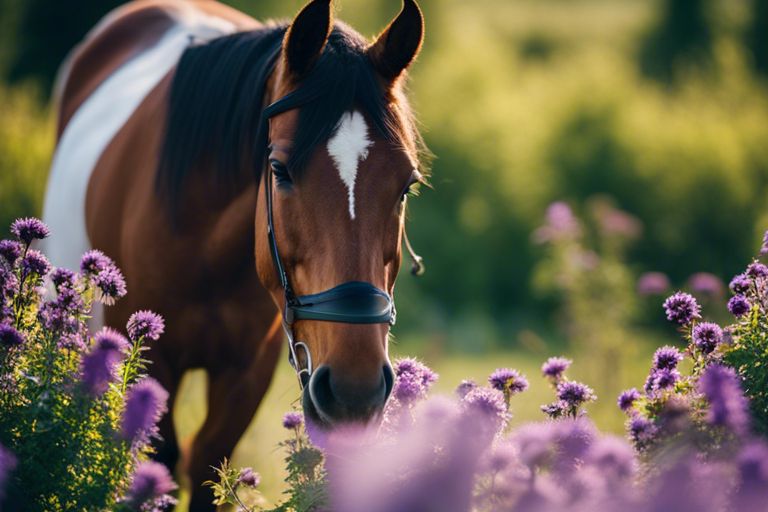
Significance of Dead-Nettle in Veterinary Medicine
The dead-nettle, also known as archangel, plays a significant role in veterinary medicine, as it is considered blood-purifying, mucolytic, anti-inflammatory, and antispasmodic. Especially in horses, dead-nettle is valued for its diverse positive properties, including support for female ailments and the softening of bumps and swellings.
Historical Overview of Herbal Medicine Application in Horses
The use of medicinal herbs, such as dead-nettle, in horses dates back a long way in the history of veterinary medicine. Horses have always been treated with natural remedies to alleviate various ailments and promote their health. Dead-nettle played an important role due to its diverse ingredients.
With knowledge of the positive effects of dead-nettle in veterinary medicine and its long tradition of use in horses, it is important to observe the correct dosage and application of this medicinal plant to achieve optimal results and avoid possible negative effects.

Key Findings:
- Dead-nettle is a valuable medicinal herb for horses that has blood-purifying, mucolytic, anti-inflammatory, and antispasmodic effects.
- Ingredients: Dead-nettle contains tannins, essential oils, plant mucilage, sugars, glycosides, and saponin.
- Use: Dead-nettle is used not only for female ailments but also for the treatment of cramps, bumps, and swellings in horses.
Properties of Dead-Nettle
Botanical Characteristics
The dead-nettle, also known as archangel, is a medicinal plant valued for its blood-purifying, mucolytic, and antispasmodic properties in equine and human medicine. It contains valuable ingredients such as tannins, essential oils, and glycosides, which support its healing effect. In addition, important nutrients for the health of horses are found throughout the entire plant, from the root to the flower.
Difference from Stinging Nettle
In contrast to stinging nettle, which can cause skin irritation on contact, dead-nettle is harmless to horses and provides support for various health problems. This plant can help soften bumps and swellings, as well as aid in female ailments such as irregular bleeding and uterine cramps. Dead-nettle is a valuable medicinal herb that can be beneficial for both horses and humans.
Healing Effects of Dead-Nettle
Blood-Purifying and Anti-Inflammatory Effects
The dead-nettle, also known as archangel, exhibits blood-purifying and anti-inflammatory properties. With tannins and essential oils, it supports blood cleansing and has an anti-inflammatory effect. These effects can have positive impacts on the immune system, especially in horses.
Antispasmodic and Diuretic Effects
Dead-nettle also possesses antispasmodic and diuretic effects that can be used to support various ailments. With diuretic properties, it helps cleanse the urinary tract and promotes the excretion of toxins from the body. Additionally, it has an antispasmodic effect, which can be particularly helpful for horses with digestive problems or female ailments.
Further information on the antispasmodic and diuretic effects of dead-nettle demonstrates its versatile applications in equine and human medicine. The combination of these health-promoting properties makes dead-nettle a valuable medicinal plant for holistic support of horse health.
Areas of Application and Dosage
Dead-Nettle for Digestive Disorders and Female Ailments
For horses, dead-nettle can offer valuable support for digestive disorders and female ailments. The medicinal plant has antispasmodic and anti-inflammatory effects, which can help with gastrointestinal problems and irregular bleeding. The dosage should be adjusted individually, ideally in consultation with a veterinarian.
Use for External Ailments such as Bumps and Swellings
The external application of dead-nettle in horses for the treatment of bumps and swellings can be extremely effective. The plant supports the softening and absorption of such skin changes, which can lead to faster recovery. It is important to carefully clean the affected areas and apply the dead-nettle correctly to achieve maximum results.
Practical Use
Preparation of Dead-Nettle as a Feed Additive
To use dead-nettle as a feed additive for horses, the entire plant should be utilized, as the active ingredients decrease from the root to the flower. Dead-nettle, also known as archangel, contains valuable ingredients such as tannins, essential oils, plant mucilage, and more. It is recommended to finely chop the dead-nettle and mix it into the regular feed to benefit from the plant's positive effects.
Recommendations for Safe Use in Horses
When using dead-nettle in horses, it is important to pay careful attention to the dosage, as an overdose can have negative consequences. It is recommended to introduce the plant slowly and, if necessary, consult a veterinarian. Especially in pregnant or sick horses, use should be with caution to avoid any unwanted effects. It is also advisable to obtain dead-nettle from certified organic cultivation to ensure the highest quality and safety.
Further advice on the safe use of dead-nettle in horses is essential to minimize potential risks and optimally utilize the positive effects of the medicinal plant.
Conclusion
Summary of Healing Effects
Dead-nettle, also known as archangel, is a versatile medicinal herb for horses that has blood-purifying, mucolytic, anti-inflammatory, and antispasmodic effects. With its ingredients such as tannins, essential oils, and plant mucilage, it offers natural support for the health of horses.
Significance of Dead-Nettle in Modern Equine Therapy
In modern equine therapy, dead-nettle is increasingly gaining importance due to its diverse healing properties. The plant is used not only for the relief of female ailments and inflammation but also to support the treatment of bumps and swellings in horses. Dead-nettle represents a natural alternative to chemical preparations and can be a valuable addition to horse health care.


