

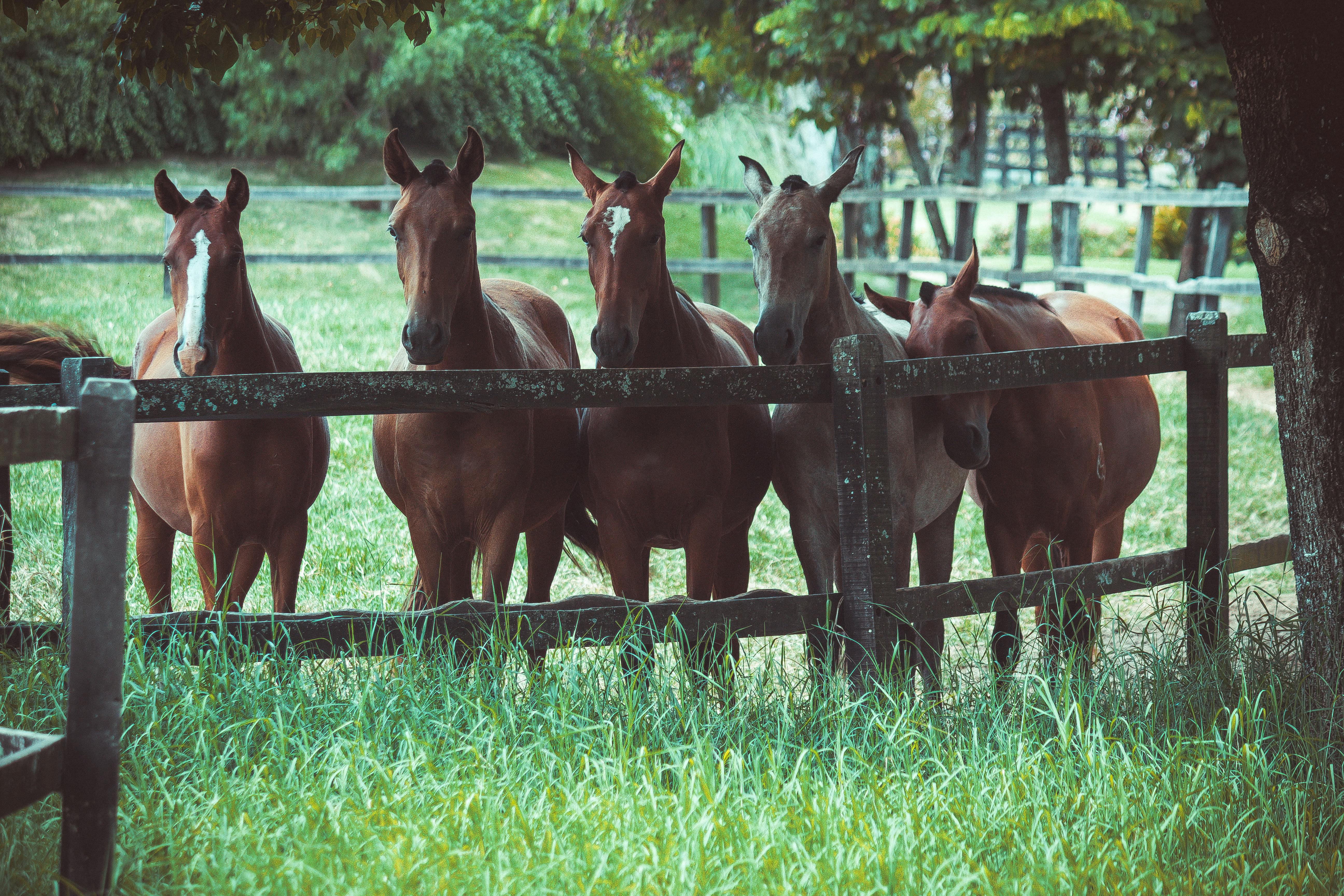
The Challenge with Nervous Horses
Nervous horses – an all too familiar and unwelcome phenomenon. Stress constantly accompanies us, whether due to external influences or internal restlessness. These reactions of our bodies to changes or burdens should not be underestimated. They enable us to adapt to our environment and overcome challenges. But while stress is often temporary for us humans, nervous horses can suffer from constant tension. In this article, we will take a closer look at the importance of magnesium for horse health and the causes of nervousness in horses.
The Importance of Magnesium for Nervous Horses
If your horse is stressed and you're looking for a solution that can help it calm down, magnesium might be the answer. This mineral has an astonishing effect on the nervous system of our beloved four-legged friends and can help reduce stress and anxiety.
To improve your horse's health and well-being, it's important to understand how magnesium works and why it's so important. The more you know about this mineral and the possible causes of nervousness in horses, the better you can take targeted measures to improve the horse's well-being and promote a balanced psyche.
The Causes of Nervous Horses
It is important to identify the individual causes of a horse's nervousness in order to take targeted measures.
Social Behavior
The social structure of a horse herd plays a crucial role in the animals' well-being. However, even in an intact herd, stress is not uncommon. Hierarchy, the availability of space and food, and opportunities for movement significantly influence the horses' coexistence. Conflicts within the herd can not only cause injuries but also trigger stress in individual animals.
Housing
The type of housing has a great influence on a horse's mental and physical condition. It is important that the housing type meets the horse's individual needs. Horses require sufficient exercise and social contact with their conspecifics. Isolation and lack of turnout can lead to stress.
Feeding
Incorrect feeding can be stressful for horses. Large amounts of concentrated feed at once or too long feeding breaks can strain the digestive tract. Insufficient rationing can also lead to stress, especially if lower-ranking animals do not have stress-free access to food.
Equipment
Ill-fitting equipment can lead to pressure points, tension, and pain. Saddle and bridle should be checked and adjusted regularly to offer the horse maximum comfort.
Training and Competition
Inappropriate training and competitions can lead to peak loads or continuous stress if not carefully adapted to the horse's needs. Systematic training and a fair competition schedule can reduce stress for the horse and promote a trusting relationship between rider and animal.
Pain
Horses often show pain late, as they do not openly display weakness. Unnoticed pain can lead to chronic conditions and represent a significant stress factor. It is important to carefully observe the signs of pain in horses and react appropriately.
Magnesium Deficiency
Magnesium is an essential mineral for horses and plays a crucial role in various bodily functions. A deficiency in magnesium can lead to a variety of health problems, including muscle cramps, nervousness, irritability, and increased spookiness.
Symptoms of Magnesium Deficiency in Horses: What Should We Look Out For?
A magnesium deficiency can manifest itself in various ways in horses. Here are some common symptoms that may indicate a deficiency:
- Nervousness and irritability
- Muscle tremors or cramps
- Stiffness or muscle tension
- Excessive spookiness
- Changes in feeding behavior
- Weight loss
- Reduced performance
It is important to note that these symptoms can also indicate other health problems. If you suspect your horse is suffering from a magnesium deficiency, you should consult a veterinarian or horse expert for an accurate diagnosis and appropriate measures.
Risk Factors for Magnesium Deficiency
There are several factors that can increase the risk of magnesium deficiency in horses. Here are some common risk factors:
-
Feed Quality: An unbalanced diet can lead to a deficiency of essential nutrients, including magnesium. Horses fed primarily on hay or pasture grass are at a higher risk of magnesium deficiency.
-
Stress and Intensive Training: Horses that are regularly exposed to stress or undergo intensive training may have an increased need for magnesium. Stress and training can deplete magnesium stores in the body more quickly.
-
Pregnancy and Lactation: Pregnant or lactating mares have a higher demand for nutrients, including magnesium. A deficiency can negatively affect the health of the mare and foal.
-
Digestive Disorders: Horses with digestive disorders, such as diarrhea or chronic colic, may have difficulty absorbing magnesium efficiently from their food. This can lead to a deficiency.
To reduce the risk of magnesium deficiency in horses, it is important to ensure a balanced diet and, if necessary, consider magnesium supplementation. It is advisable to consider the horse's individual needs and reactions and consult a veterinarian or horse expert if necessary. Further information on the magnesium requirements of horses can be found in our article on Magnesium Requirements in Horses.
How Magnesium Can Calm Nervous Horses
Magnesium plays an important role in calming nervous horses. It affects the nervous system and can help reduce stress and anxiety. Let's take a closer look at how magnesium affects the nervous system and what benefits magnesium supplementation can have for nervous horses.
How Magnesium Affects the Nervous System
Magnesium is an essential mineral that is indispensable for the function of the nervous system. It plays an important role in regulating nerve impulses and helps facilitate communication between nerve cells. Magnesium acts as a natural nerve relaxant and can help reduce the over excitability of the nervous system. Supplementing with magnesium can help compensate for this deficiency and calm the nervous system.
Benefits of Magnesium Supplementation
Magnesium supplementation can offer various benefits for nervous horses. Here are some of the potential benefits:
Anxiety Reduction: Magnesium can help reduce anxiety and nervousness in horses. It can have a calming effect and help your horse cope better with stressful situations.
Muscle Relaxation: Magnesium also has a relaxing effect on muscles. This can be particularly beneficial for horses suffering from tension or muscle cramps.
Improved Concentration: By calming the nervous system, magnesium can also improve your horse's ability to concentrate. This can have a positive effect on training and performance.
However, it is important to note that the effect of magnesium can be individual for each horse. Your horse may react more strongly to supplementation than others. Therefore, it is advisable to discuss the dosage with a veterinarian or horse expert to determine the best course of action for your individual horse. Further information on the dosage of magnesium for nervous horses can be found in our article on the optimal dosage of magnesium for horses.
The Best Forms of Magnesium Supplementation for Nervous Horses
Magnesium is an important nutrient for horses, especially when it comes to nervous or stressed animals. There are various forms of magnesium supplements, each with its own advantages and disadvantages. Here we take a look at three common forms: magnesium oxide, magnesium chloride, and magnesium citrate.
Magnesium Oxide: A Cost-Effective Option
Magnesium oxide is widely used and a cost-effective option for horses. It contains a lot of elemental magnesium and often comes as a powder or granule that can be easily added to feed. It is important to adhere to the recommended dosage to avoid digestive problems. An overdose can lead to digestive disorders, so it is advisable to consult a veterinarian or horse expert to determine the correct amount for your horse.
Magnesium Chloride: Good Bioavailability
Another option is magnesium chloride, which is often offered as a solution. It can be taken orally or added to drinking water. Magnesium chloride is well absorbed by the body, but an overdose can lead to diarrhea. Observe your horse's reaction carefully and adjust the dosage accordingly.
Magnesium Citrate: Fast Acting
Magnesium citrate is quickly absorbed by the body and shows a rapid effect. It is often offered in liquid form and can be administered orally. Here too, it is important to observe the dosage recommendations to avoid diarrhea. A veterinarian or horse expert can help you determine the correct dosage for your horse.
Further Measures to Support Nervous Horses
In addition to magnesium supplementation, there are other measures that can help support nervous horses and improve their health.
Trust as a Foundation
Stress can occur in various situations, whether due to changes or challenges. A strong trusting relationship is crucial for your horse to remain calm and emerge positively from such situations. As a trusted caregiver, you can have a calming effect on your horse in stressful moments and help reduce the burden.
Practicing with the Unknown
Practicing unknown situations in advance is important. Many procedures, such as loading or visiting the farrier, can be prepared through regular training and thus become routine. By investing time in such exercises, you can save your horse a lot of stress.
Taking Changes Slowly
Changes in feeding and housing should always be made gradually. The horses' digestive tract, in particular, is sensitive and needs time to get used to new feed. A transition period of about 14 days is recommended. Even when changing stables or integrating into a new herd, it is helpful to make changes gradually, by first familiarizing your horse with the fence and then slowly introducing it to the other conspecifics.
Supportive Guidance
In situations where fear is great and there is no time to gently accustom a horse to new challenges, supportive guidance is helpful. If a trusted and experienced horse leads the way, it is easier for others to pass the blue barrel or step into the horse trailer.
The combination of all these measures can help promote health and well-being when your horse is nervous. Remember that every horse has individual needs. Therefore, pay attention to your horse's reactions and behavior and make adjustments if necessary.
These are the questions our customers ask about "Magnesium for nervous horses?"
- What calms nervous horses?
A supplementary feed enriched with magnesium, tryptophan, lemon balm, hops, and ginseng can provide more balance in horses. These ingredients have a calming effect on the nerves and help horses cope better with stress.
- How quickly does magnesium work in horses?
The effect of magnesium can vary depending on the individual needs and condition of the horse. Generally, however, horses show positive changes within a few days to weeks after starting supplementation.
- How does a horse relieve stress?
In acute stress, the horse's body switches to flight mode. Adrenaline and noradrenaline are released to provide quick energy and enable effective "running away." Heart rate and breathing frequency increase, the bronchi widen, and the horse is ready to escape danger.
- What should I feed if my horse is nervous?
Well-known herbs that can have a calming effect on stress and nervousness include valerian, ginseng, hops, or St. John's wort. Lavender and lemon balm can also help stressed and nervous horses achieve more calmness and strong nerves.


