

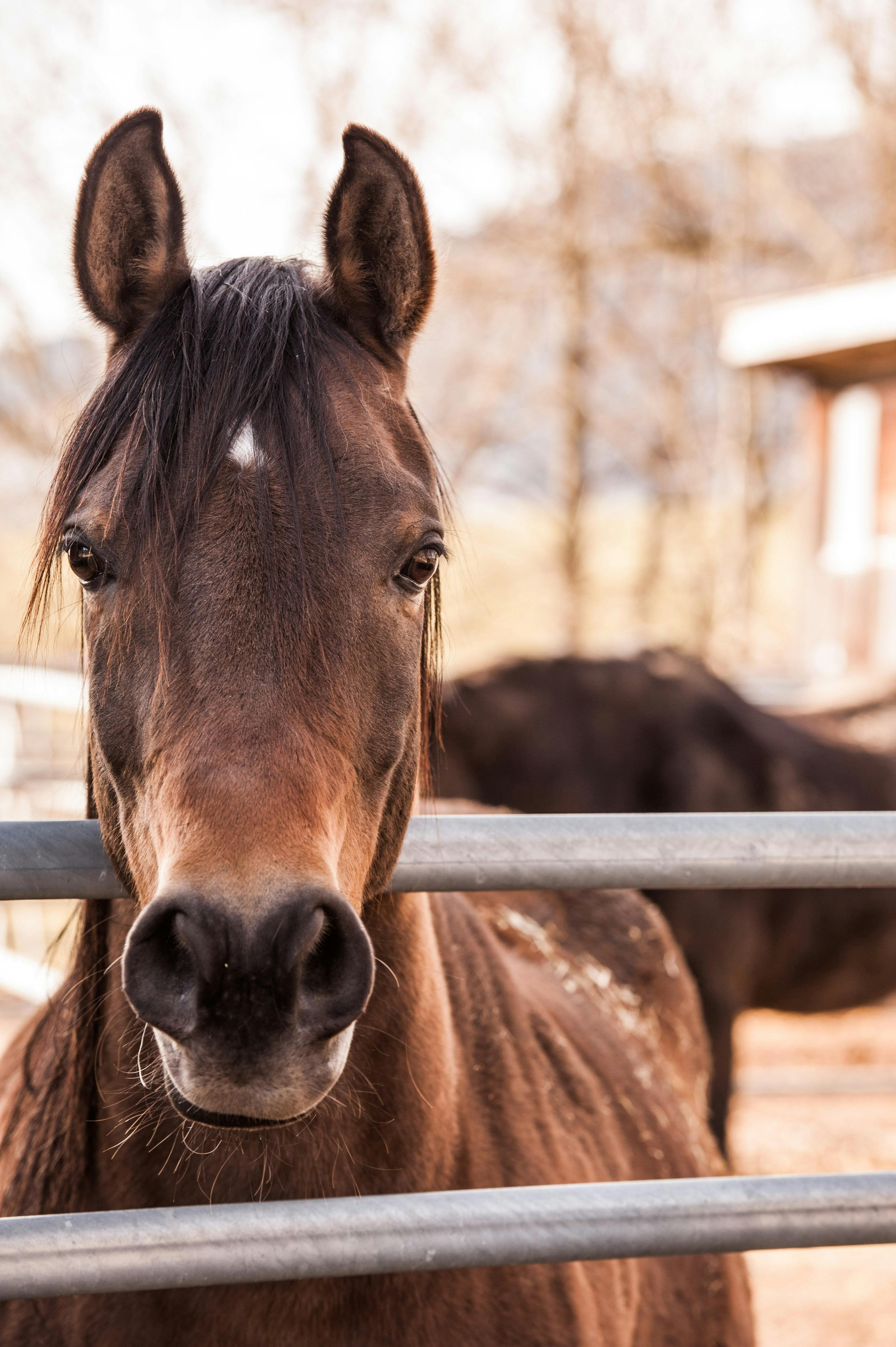
Magnesium Deficiency in Horses
As a rider, when you enjoy those precious moments on the back of your beloved horse – whether training, jumping, or simply riding in nature – it's hard to imagine that this harmonious bond could be disrupted by unexplainable changes in your horse's behavior. Yet, sudden nervousness, tension, or even muscle cramps can be signs of a magnesium deficiency, which is often overlooked. In this article, you will learn how to recognize a magnesium deficiency, why it is harmful, and how you can prevent it.
Importance of Magnesium for Horses
Magnesium is an essential mineral for horses. It is involved in activating over 300 enzymes and plays a crucial role in muscle contraction, nerve transmission, and energy production. Magnesium also supports calcium absorption and regulates the body's acid-base balance. An adequate magnesium level in the body is vital for the horse's health and well-being. Magnesium deficiency can lead to a range of health problems, including muscle cramps, nervousness, metabolic disorders, and digestive issues.
Causes of Magnesium Deficiency in Horses
There are various causes of magnesium deficiency in horses. One of the main reasons is insufficient magnesium intake through diet. Horses that primarily receive pasture grass or hay-based rations can be susceptible to deficiency due to the low magnesium content in these feedstuffs. In such cases, supplementing the feed ration with magnesium-rich feed or additives may be necessary. Other factors that can lead to magnesium deficiency include stress, intense training, pregnancy or lactating mares, and certain digestive or urinary system diseases. In such situations, the horse's magnesium requirements may be increased, and additional magnesium supplementation may be necessary to meet the demand.
To recognize and treat magnesium deficiency in horses early, it is important to know the symptoms and have magnesium levels checked regularly by a veterinarian. For more information on the magnesium requirements of horses, please refer to our article on the magnesium requirements for horses.
Symptoms of Magnesium Deficiency
Magnesium deficiency in horses can manifest through various symptoms. It is important to recognize these signs to enable timely treatment. The following describes three common symptoms of magnesium deficiency in horses: muscle problems and cramps, nervousness and stress susceptibility, and metabolic disorders and digestive problems.
Muscle Problems and Cramps
A clear sign of magnesium deficiency in horses is muscle problems and cramps. The horse may show stiffness, muscle tremors, or even uncontrolled muscle contractions. These symptoms can worsen particularly during or after exercise or under stress. A lack of magnesium affects muscle relaxation and can lead to muscle tension. Adequate magnesium intake is therefore important to ensure normal muscle health and function.
Nervousness and Stress Susceptibility
Another sign of magnesium deficiency in horses is increased nervousness and stress susceptibility. Horses with a magnesium deficiency may be more easily stressed, behave restlessly, or show anxious reactions. Magnesium plays an important role in regulating stress hormones and supporting the nervous system. A lack of magnesium can make the horse more sensitive to stressors and have difficulty calming down.
Metabolic Disorders and Digestive Problems
Magnesium deficiency in horses can also lead to metabolic disorders and digestive problems. Magnesium is involved in numerous metabolic processes and contributes to maintaining a healthy digestive system. A lack of magnesium can lead to impaired digestion, reduced feed utilization, or even colic. It is important to monitor the horse's digestive health and consult a veterinarian if there are signs of digestive problems.
Timely recognition of symptoms of magnesium deficiency in horses is crucial to take appropriate measures. If you need more information on magnesium for horses, we recommend our article on magnesium for horses.
Diagnosing Magnesium Deficiency
To diagnose a possible magnesium deficiency in horses, a veterinary visit is essential. The veterinarian will perform various diagnostic procedures to determine the horse's magnesium status.
Veterinary Visit and Blood Tests
If magnesium deficiency is suspected, the veterinarian will conduct a thorough examination of the horse. This will involve asking questions about symptoms, feeding habits, and overall health status. Based on this information, the veterinarian can obtain initial indications of a possible magnesium deficiency.
To determine magnesium levels in the blood, blood tests are performed. Samples are taken and analyzed in the laboratory. The magnesium level in the blood provides information about the current magnesium concentration in the horse's body.
Further Diagnostic Procedures
In addition to blood tests, the veterinarian may also use supplementary diagnostic procedures to obtain further information about the horse's magnesium status. These include, for example, the determination of urinary magnesium or the analysis of muscle tissue samples.
The accurate diagnosis of magnesium deficiency often requires a comprehensive assessment of clinical symptoms, feeding habits, and the results of diagnostic tests.
Timely diagnosis of magnesium deficiency is crucial to take appropriate measures for prevention and treatment. Always speak to a veterinarian if you are concerned that your horse may be suffering from a magnesium deficiency.
Prevention and Treatment of Magnesium Deficiency
To prevent and treat magnesium deficiency in horses, there are various measures that horse owners can take. Optimal feeding and the addition of supplements are important aspects. Furthermore, management strategies to reduce stress should be applied. In case of magnesium deficiency, it is advisable to seek veterinary recommendations and utilize appropriate therapy options.
Optimal Feeding and Supplements
A balanced and magnesium-rich diet is essential to prevent magnesium deficiency. Horse owners should ensure that the feed contains sufficient magnesium. Good natural sources of magnesium include alfalfa, flaxseed, oats, and wheat bran. It is advisable to enrich the feed with special supplements to meet the horse's magnesium requirements. An undersupply can also be caused by an excess of calcium. A high calcium content displaces magnesium and can thus lead to a deficiency. Therefore, the correct ratio between the two minerals in daily feeding is crucial. Ideally, the calcium to magnesium ratio should be 2 to 3:1. The exact dosage and duration of magnesium feeding should be determined in consultation with a veterinarian. Further information on the effect of magnesium in horses can be found in our article on the effect of magnesium in horses.
Management Strategies for Reducing Stress
Stress can lead to an increased need for magnesium and thus promote the development of a magnesium deficiency. To avoid this, horse owners should ensure that stress factors in the horse's environment are minimized. Regular exercise, sufficient rest periods, and species-appropriate housing are of great importance here. In addition, relaxation techniques such as massage or providing quiet places can help reduce the horse's stress level. Further information on preventing stress in horses can be found in our article on magnesium for nervous horses.
Veterinary Recommendations and Therapy Options
In the event of an existing magnesium deficiency, it is advisable to consult a veterinarian. The veterinarian can determine the horse's magnesium status through a thorough examination and blood tests. Based on the results, the veterinarian can make appropriate treatment recommendations. This may include the administration of magnesium preparations in the form of tablets, pastes, or injections. The exact dosage and duration of treatment should be determined in consultation with the veterinarian. Further information on possible side effects and dosages of magnesium in horses can be found in our articles on side effects of magnesium in horses and dosage of magnesium in horses.
The prevention and treatment of magnesium deficiency in horses requires a holistic approach. Through optimal feeding, stress reduction, and cooperation with a veterinarian, horse owners can help ensure that their horses are adequately supplied with magnesium and that possible deficiency symptoms are avoided.
These are the questions our customers ask about: "Magnesium deficiency in horses?"
- Which feeds help with magnesium deficiency?
Oats, corn, straw, flaxseed, wheat bran, alfalfa meal, brewer's yeast, and sugar beet pulp are natural sources of magnesium. They contain varying amounts, with flaxseed and wheat bran offering the highest concentrations.
- What are the causes of magnesium deficiency in horses?
As with humans, horses' need for magnesium increases in stressful situations and with increased sweating, e.g., during intense work or competitions. Sport horses excrete magnesium more, which can lead to a deficiency.
- How quickly does magnesium work in horses?
The effect of magnesium varies depending on the individual needs and health status of the horse. However, positive changes usually appear within a few days to weeks after starting supplementation.
- How does magnesium deficiency manifest in horses?
A lack of magnesium can lead to tense muscles and muscle cramps. The muscles cannot relax, which leads to tension and an uneven posture of the horse.
- Can you give a horse too much magnesium?
The risk of overdose is low, as excess magnesium is quickly excreted in the urine. Nevertheless, a high dosage can lead to diarrhea.
- How much magnesium should you feed a horse?
The ideal calcium to magnesium ratio in the feed should be between 2-3:1. If there is uncertainty about the symptoms, a comprehensive blood count can clarify whether the horse suffers from magnesium deficiency. The magnesium value in the blood should be between 0.5 and 0.9 mmol per liter.


