

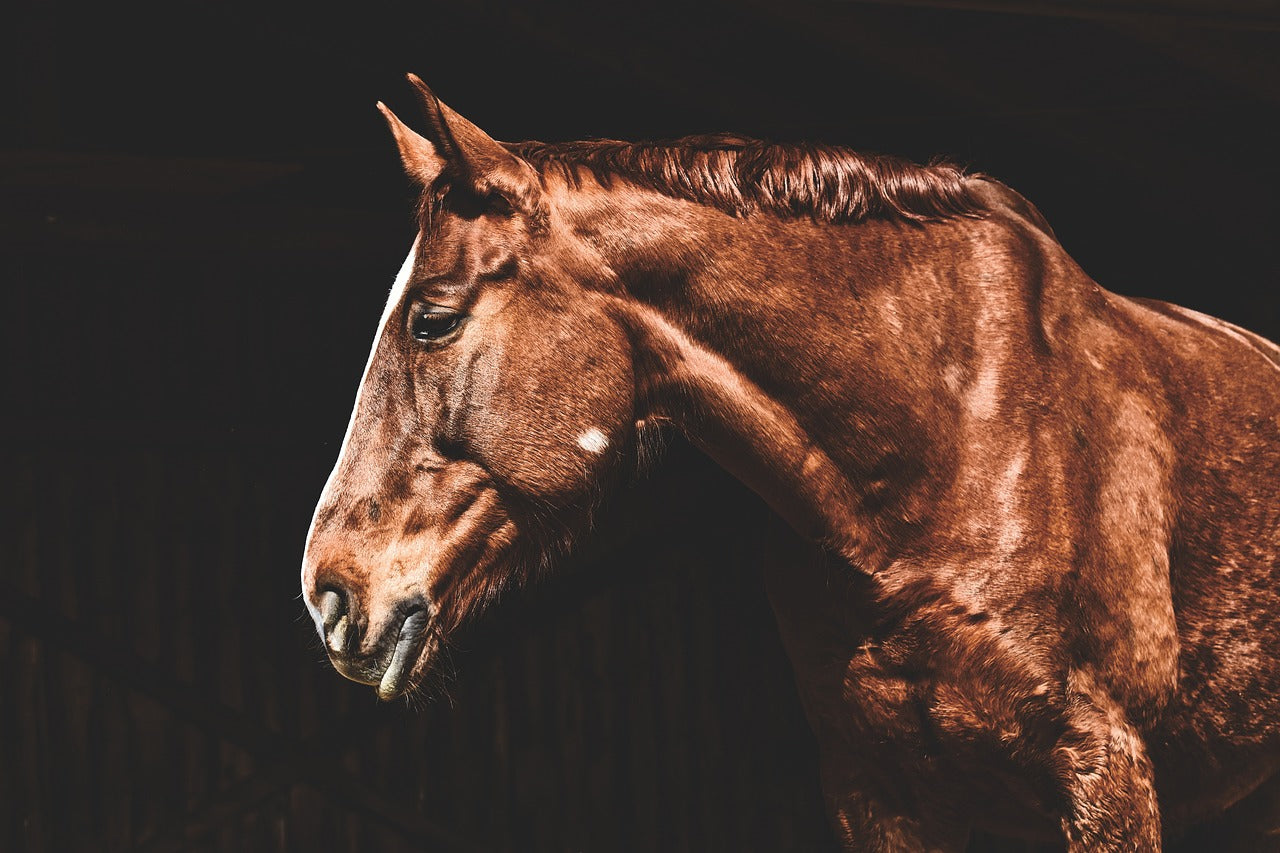
Causes, Symptoms and Modern Treatment Options
Cushing's, also known as Equine Cushing's Syndrome (ECS), is a common metabolic disease in older horses that can cause serious health problems. If your horse is excessively sweating, has long, curly hair, and shows signs of muscle wastage, it could be suffering from Cushing's. The causes lie in the overproduction of hormones by the pituitary gland. In this blog post, you will learn everything important about the causes, symptoms, and modern treatment options to enable your horse to live a better life.

What is Cushing's in Horses?
Equine Cushing's Syndrome (ECS) is a common metabolic disease in older horses, caused by an overproduction of hormones in the pituitary gland. These hormones lead to various health problems, such as long hair, muscle wastage, and an increased susceptibility to laminitis. It is important to recognize the symptoms early to improve your horse's quality of life.
Definition of Equine Cushing's Syndrome (ECS)
Equine Cushing's Syndrome (ECS) is characterized by excessive hormone secretion from the pituitary gland, particularly ACTH. Reduced dopamine levels lead to uncontrolled activation of the pituitary gland, resulting in a variety of health impairments for your horse. These hormonal fluctuations can lead to a multitude of symptoms that significantly affect your horse's well-being.
Overview of the Disease
Cushing's is a widespread disease in horses and ponies from about 15 years of age. Approximately 22 percent of these animals are estimated to suffer from ECS, with many symptoms only appearing late. Among older horses, the prevalence is even higher: up to 95 percent of animals over 30 years old can be affected. Early diagnosis is crucial for appropriate treatment.
The disease has gained importance in recent years as the life expectancy of horses has increased. Long-term studies show that up to 64 percent of 16- to 20-year-olds could be affected by Cushing's, indicating the need for continuous health monitoring. Therefore, you should regularly check your horse's health and consult specialists to plan interventional advisory measures.
Causes of Cushing's Syndrome
Equine Cushing's Syndrome (ECS) is primarily caused by a dysregulation of the pituitary gland, leading to an excessive production of hormones. This disease often occurs in older horses, typically from the age of 15. It is estimated that up to 64 percent of 16- to 20-year-old horses are affected. To ensure your horse's health, it is important to recognize symptoms early and consult a veterinarian if ECS is suspected.
Anatomy of the Pituitary Gland
The pituitary gland, a small gland in the brain, plays a central role in the body's hormone regulation. It produces various hormones that control many physiological processes. If this regulation fails, as is the case with ECS, the pituitary gland becomes overactive, which can lead to serious health problems in your horse. (A timely diagnosis is crucial for treatment.)
Hormonal Changes in the Horse's Body
In Cushing's syndrome, significant hormonal imbalances occur, particularly due to reduced dopamine production. Dopamine is crucial for regulating hormone secretion from the pituitary gland. When dopamine-producing cells release less dopamine, excessive amounts of Pro-opiomelanocortin (POMC) and thus also Adrenocorticotropic Hormone (ACTH) are produced. These hormones contribute significantly to the disease symptoms you can observe in your horse.
The excessive production of POMC leads to the formation of several stress-related hormones in your horse's body. This not only causes typical symptoms such as hirsutism and muscle wastage, but can also lead to insulin resistance and thus to further complications such as laminitis. Therefore, pay attention to the signs and consult a veterinarian if you suspect, to help your horse in time.
Symptoms of Cushing's in Horses
Horses with Cushing's show a variety of symptoms indicating a metabolic disorder. The most common signs include an unnaturally long and thick coat, often referred to as hirsutism, as well as weight loss and a general decline in physical condition. Additionally, affected animals are more susceptible to infections and often show impaired wound healing. (Early diagnosis is crucial to maintain your horse's quality of life.)
Physical Symptoms
The physical symptoms of Cushing's in horses are clearly visible. These include an irregular coat change with curly and wavy hair, often also showing excessively long hair. Affected animals also tend to suffer from muscle wastage and often show fat deposits on the neck and croup. These changes are due to an insulin-resistant metabolic state, which can severely impair the horse's general well-being. (Regular veterinary checks are advisable to intervene early.)
Behavioral Changes and Activity Level
Horses with Cushing's can show significant behavioral changes. Lethargy is often observed, and activity levels decrease, which manifests in reduced playfulness and desire for movement. These changes can lead to apathy and severely affect the animal's general behavior. (It is important to pay attention to these signs, as they can indicate a progressive disease.)
In many cases, the reduction in activity in Cushing's patients can also lead to psychological stress, as the horses no longer receive the usual exercise and stimulation. This can significantly reduce their quality of life and often requires special therapeutic measures. (In such a situation, targeted training programs and adapted feeding are crucial to promote your horse's well-being.)
Diagnosis of Cushing's
The diagnosis of Cushing's syndrome in horses requires a careful examination and the recording of the medical history. Based on visible symptoms and behavioral changes, the veterinarian gathers crucial information. A precise anamnesis is essential to rule out other possible diseases and to make a sound diagnosis. (A thorough anamnesis can significantly influence the success of the treatment.)
Clinical Examination and Anamnesis
During the clinical examination, your horse will be checked for typical symptoms such as hirsutism, muscle wastage, and behavioral changes. The anamnesis provides information about previous illnesses, feeding, and living conditions, which contribute to the diagnosis. The more detailed the information, the easier it is for the veterinarian to make a sound assessment. (You should gather important information in advance.)
Laboratory Tests for Confirmation
To confirm the diagnosis of Cushing's, special laboratory tests are often performed, in which your horse's insulin and ACTH levels are measured. An elevated ACTH level indicates an overactivity of the pituitary gland, while the insulin level can provide information about possible metabolic disorders. (The test results are crucial for the subsequent therapy.)
In addition to insulin and ACTH tests, other blood tests may also be ordered to assess your horse's general health status and to rule out other diseases. A comprehensive blood test is therefore essential to correctly identify the causes of the symptoms. (In many cases, the diagnostic process requires patience, but precise tests lead to targeted treatment.)
Therapy and Management of Cushing's
The therapy for Equine Cushing's Syndrome (ECS) requires a comprehensive management strategy to improve your horse's quality of life. This includes medicinal treatments, feeding adjustments, and lifestyle changes, which together help to alleviate symptoms and promote your animal's well-being.
Medicinal Treatment
The medicinal treatment of Cushing's in horses is primarily based on Pergolide, a dopamine agonist that regulates the excessive production of hormones in the pituitary gland. It is crucial to carefully adjust the dose and carry out regular checks, as side effects such as loss of appetite or diarrhea can occur. An intact therapy can significantly slow down the progression of the disease.

Feeding Adjustments and Lifestyle Changes
The feeding adjustments are crucial for supporting a horse with Cushing's. Make sure to offer low-sugar and low-starch feed, as a disturbed sugar metabolism can lead to insulin resistance. In addition, lifestyle changes, such as ensuring regular exercise and a stress-free environment, are essential to alleviate symptoms and improve your horse's quality of life. The right feeding and care can help your horse stay more vital and active.
Adjusting the feeding and general lifestyle can be crucial for your horse with Cushing's. Especially reduce the intake of sugary feeds to avoid metabolic problems. If necessary, supplement the diet with fiber to support digestion. Furthermore, it is important to reduce stress by creating quiet and retreat areas and ensuring regular, moderate exercise. A well-thought-out management in conjunction with selected dietary supplements can significantly improve your horse's quality of life.
Prevention and Care of Cushing's Horses
The prevention and care of Cushing's horses is crucial to improve their quality of life. Ensure a balanced diet and regular exercise to minimize the risk of weight gain and laminitis. Constant access to fresh water and shaded areas also plays an important role.
Regular Veterinary Checks
Regular veterinary checks are essential to monitor your horse's health and effectively manage the symptoms of Cushing's syndrome. The veterinarian can make necessary adjustments to the therapy and react early to changes. Plan at least two checks per year to ensure your horse is well cared for.
Environmental Adaptations and Stress Reduction
Creating a supportive environment can be of great benefit for Cushing's horses to reduce stress and promote well-being. This includes suitable shelters where your horse is protected from extreme weather conditions, as well as avoiding excessive noise disturbances. (A calm environment is crucial for the horse's quality of life.)
Take measures to reduce stress by establishing regular routines and promoting contact with other horses. Try to avoid sudden changes in the environment, as these can cause stress. (A stable environment supports not only health, but also your horse's emotional well-being.)
Conclusion
Timely diagnosis and consistent management are crucial for the well-being of your horse with Cushing's syndrome. Approximately 22 percent of horses aged 15 and older are affected, meaning many symptoms may go undetected. Since the consequences of the disease, such as muscle wastage and health complications, can be significant, it is important that you act proactively. Support your horse through adapted feeding and regular veterinary checks to sustainably improve your animal's quality of life.
These questions about Cushing's in horses are frequently asked:
1. How does Cushing's manifest in horses?
Cushing's in horses, also known as PPID (Pituitary Pars Intermedia Dysfunction), often manifests with symptoms such as a long, curly coat that is not shed properly, muscle atrophy, fat deposits in unusual places, and laminitis. Horses may also drink and urinate more frequently.
2. What should horses with Cushing's not eat?
Horses with Cushing's should not consume carbohydrate-rich feed such as grains or fructan-containing grass, as this increases the risk of laminitis. In addition, sugary treats should be avoided.
3. How does Cushing's become noticeable?
Cushing's manifests through signs such as increased drinking and urination, a long, curly coat that is not shed properly, fat deposits in unusual places, muscle wastage, and an increased risk of laminitis.
4. How long can a Cushing's horse graze?
Horses with Cushing's syndrome can graze, but grazing time should be strictly monitored, especially during spring and autumn months when grass contains particularly high levels of fructan. Generally, grazing for about an hour in the early morning or late evening is safest.
5. What should a horse with Cushing's syndrome not eat?
A horse with Cushing's syndrome should avoid carbohydrate-rich feeds such as grains and fructan-containing grass. Sugary treats and other highly sugary foods are also unsuitable.
6. What happens if Cushing's is not treated?
Untreated, Cushing's can lead to a worsening of symptoms, such as an increased risk of infections, muscle wastage, and laminitis. The horse's quality of life can suffer significantly, and it can ultimately lead to premature death.
7. Can horses with Cushing's syndrome graze in pastures?
Horses with Cushing's syndrome are allowed to graze, but grazing time must be limited and carefully monitored to minimize the risk of laminitis. Grazing times in the early morning or late evening are usually safer.
8. What helps against Cushing's in horses?
Cushing's is helped by a combination of medicinal treatment, usually with pergolide, and an adapted diet with a low-carbohydrate diet and limited grazing time. Regular veterinary examinations to monitor health status are also important.
Sources:
- Wikipedia article on the topic: Equine Cushing's Syndrome
- Informative video on the topic: Cushing's in Horses
- Field study: Feeding and Nutritional Status of Equine Cushing's Patients
Image sources:
Editorial Guidelines of Horse Vitality Company
At Horse Vitality Company, we create every post according to strict quality standards, relying on reputable sources and scientific research. Our editors are proven experts in the field of equine health and provide you with well-founded, trustworthy information.
Expertise and Quality Assurance
- Qualified Authors: Our editors have extensive expertise in equine health and animal care.
- Double Check: Every article is additionally reviewed by a second expert to ensure accuracy and relevance.
Sources and Transparency
- Reputable Sources: We only use trustworthy sources and scientific studies to substantiate our content.
- Disclosure: We disclose potential conflicts of interest and ensure transparency.
Reader-Friendliness and Actuality
- Reader-Friendly Preparation: Our content is continuously optimized to make it as understandable and accessible as possible.
- Actuality: We regularly review our articles and update them as needed to ensure they are always up-to-date.
Interaction and Feedback
- Reader Orientation: Our goal is to provide you with initial guidance. For individual health or care questions, we recommend consulting a veterinarian or animal naturopath.
- Feedback Option: We invite our readers to provide feedback and ask questions. Your suggestions help us continuously improve our content and tailor it to your needs.
These guidelines ensure that the content of Horse Vitality Company always meets the highest standards of expertise, authority, and trustworthiness.


