

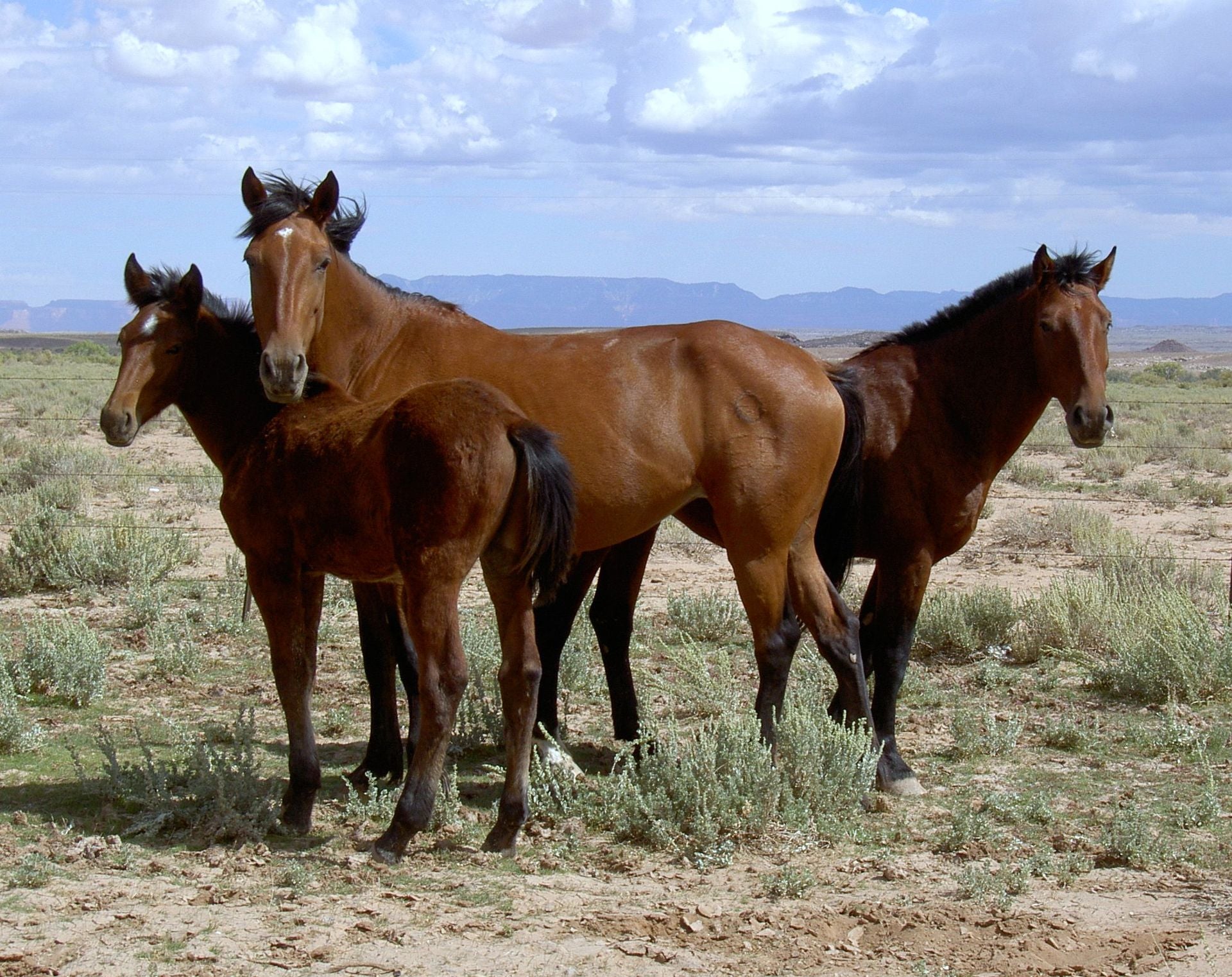

As a horse owner, it is essential to know about equine colic, as this painful condition can quickly become life-threatening. In this article, you will learn everything important about the various causes, typical symptoms, and necessary care and emergency measures you should take to protect your horse's health. Sound knowledge of colic can be crucial for acting quickly and correctly in an emergency.
Understanding Equine Colic
Definition of Colic
Colic refers to all types of pain in your horse's abdominal cavity and is not a specific disease but a collective term for various symptoms. Whether it's bloating, cramps, or constipation—colic can quickly lead to a life-threatening situation. Therefore, prompt action is required if you notice any signs.
Anatomy of the Equine Digestive System
Your horse's digestive system is complex and includes various organs that work in coordination. The large intestine is usually most vulnerable to colic, but the stomach and small intestine can also be affected. Unbalanced nutrition or changes in feed supply can disrupt this sensitive structure.
The equine digestive system includes the stomach, small intestine, and large intestine. These organs are larger compared to other domestic animals, requiring continuous food intake. Indigestible components are fermented in the large intestine, which can lead to gas formation and other complications. Incorrect feeding or stress can quickly lead to serious problems that manifest as colic.
Connection Between Colic and General Health
Your horse's general health has a direct impact on the risk of colic. Stress, a compromised immune system, and diseases can disrupt digestion and promote colic. Regular veterinary visits and a balanced diet are essential to ensure your horse's well-being.
Optimal health for your horse not only supports digestion but also minimizes the risk of colic. Feeding errors, such as insufficient amounts of hay or sudden feed changes, can have dangerous consequences. Pay attention to your horse's needs and adjust feeding accordingly to maintain its vitality and quality of life.
Main Causes of Equine Colic
The causes of colic in horses are diverse and can be attributed to various factors. This section will highlight the most common triggers to help you better protect your horse and promote its health.
Feeding Errors
Feeding errors are one of the main causes of colic in horses. Too much concentrate, sudden feed changes, or insufficient amounts of roughage can lead to digestive problems. Make sure your horse receives a balanced diet to prevent colic.
Prepare your horse optimally for winter with our Winter Power Pack. This set contains everything your horse needs to stay healthy and strong during the cold season. Ideal for horses that need to remain active and vital even in low temperatures.
Housing Conditions
Housing conditions have a significant impact on your horse's digestive health. Insufficient freedom of movement or stressful environments can increase the risk of colic. It is important that your horse has regular opportunities to move and is kept in a species-appropriate manner.
Some housing factors include the size and condition of the pasture as well as the number of horses living there. Overcrowded stables or insufficient exercise opportunities can lead to stress and reduced digestive activity. Ensure sufficient space and structure in housing to prevent colic.
Weather Changes and Seasonal Influences
Weather changes and seasonal variations can disrupt your horse's digestive system. Temperature fluctuations and sudden weather changes can lead to discomfort and increase the risk of colic. Be vigilant and adjust feeding if necessary.
Especially in spring, when fresh grass is fed, there is an increased risk of colic. Many horses tend to overeat when transitioning to fresh feed, which can lead to digestive problems. Observe your horse carefully and avoid sudden feed changes during this time.
Diseases and Infections
Diseases and infections can also influence your horse's digestion. A weakened immune system or acute infections can impair normal digestive activity and cause colic. Pay attention to your horse's general state of health.
Untreated diseases can significantly increase the risk of colic. Therefore, it is important to conduct regular veterinary checks and watch for signs of illness to intervene early. Pay particular attention to loss of appetite or changed behavior in your horse.
Parasitic Infestation
A parasitic infestation is a common cause of colic in horses. Due to competition for nutrients and their impact on the digestive system, parasitic diseases can lead to serious problems. Keep an eye on your horse's deworming schedule.
Regular deworming and fecal examinations are essential to avoid a high parasitic burden. Many horses are more susceptible to colic due to worm infestation, as parasites can damage the intestinal wall and lead to inflammation. Watch for changes in your horse's behavior that might indicate a parasitic infestation.
Symptoms of Equine Colic
General Colic Signs
If your horse is suffering from colic, it will show a variety of general symptoms. These include severe restlessness, frequent pawing with the front hooves, profuse sweating, and altered behavior such as rolling and repeatedly lying down and getting up. Signs such as a bloated abdomen, apathy, elevated vital signs, and a lack of food and water intake are also common indicators of colic. It is important to take these symptoms seriously and act immediately.
Specific Symptoms for Different Types of Colic
The specific symptoms of colic can vary depending on the type. For example, with gas colic, your horse often shows profuse sweating and tries to roll, while with impaction colic, reduced fecal output and abdominal pain are prominent. Spasmodic colic is often accompanied by painful cramps, while sand colic is additionally characterized by increased sand intake in the digestive system. A precise diagnosis can only be made by a veterinarian.
Specific symptoms can help you assess the type of colic. In gas colic, your horse often exhibits painful behavior due to gas accumulation in the intestines. Impaction colic, however, can start insidiously, so your horse shows no discomfort during initial calm phases before symptoms dramatically escalate. Spasmodic colic is characterized by sudden attacks of pain and often accompanied by a rapid pulse. It is crucial to observe symptoms quickly and call a veterinarian immediately if colic is suspected.
Diagnosis of Colic
Veterinary Examination
If colic is suspected, a rapid veterinary examination is essential. The veterinarian will first consider your observations and then conduct a physical examination to accurately assess your horse's condition and determine the type of colic.
Diagnostic Tools and Methods
Veterinarians use various tools and methods for diagnosis. These include rectal examination, ultrasound, and sometimes blood tests to comprehensively analyze the horse's health status.
Rectal examination allows the veterinarian to assess the condition of the intestines and detect possible impactions or displacements. Ultrasound examinations provide additional insights into the digestive tract and help identify conditions such as gas colic or intestinal torsion. In some cases, blood tests may be necessary to check the horse's general health and the presence of inflammation or dehydration.
Monitoring Important Vital Signs
During the diagnostic phase, it is important to continuously monitor your horse's vital signs. Particularly, pulse, respiration, and body temperature provide information about the health status and severity of the colic.
Normal values for healthy horses are 28-40 beats per minute for pulse, 8-16 breaths per minute for respiration, and a body temperature of 37-38.2 °C. Deviations from these values can indicate a serious health risk and require immediate veterinary intervention. Make sure to note these values as events unfold and report them to the veterinarian to support a sound diagnosis.
Colic Treatment Options
Immediate Measures and First Aid
If colic is suspected, prompt action is essential. Call your veterinarian immediately and do not let your horse eat or drink until they arrive. Monitor your horse's PAT values (pulse, respiration, temperature) and gently walk it at a slow pace. This can help relieve cramps and pain. If your horse is rolling, allow it to do so, but supervise it to prevent injuries.
Veterinary Therapies
The veterinarian conducts a thorough examination to determine the exact type of colic and plan appropriate treatments. Depending on the diagnosis, therapy can range from medicinal pain management to surgical interventions. For gas colic, antispasmodic medications are often used to alleviate discomfort.
Additionally, the veterinarian often recommends fluid administration to prevent dehydration and may prescribe special feeds or diets to promote healthy digestion. In severe cases such as intestinal torsion or volvulus, surgery is necessary to resolve the life-threatening situation. Early intervention allows for better chances of recovery.
Aftercare and Rehabilitation
Aftercare is crucial for your horse's recovery. After treatment, you should gradually adjust the feed and monitor its tolerance to prevent relapses. Regular check-ups by the veterinarian are recommended to monitor the healing process.
In rehabilitation, gentle exercise and targeted training sessions can help get the horse back into shape. Keep the horse away from stressors and ensure species-appropriate housing and nutrition. Good aftercare can significantly improve your horse's quality of life and help prevent future colics.
Prevention of Colic Episodes
Preventing colic episodes is crucial for your horse's health. Through a combination of optimal feeding, sufficient exercise, and regular veterinary care, you can significantly reduce the risk. Here are some important approaches to prevent colic.
Optimal Feeding Practices
To avoid colic episodes, your feeding practices should be balanced and appropriate. Make sure to provide plenty of roughage like hay and avoid sudden feed changes. Also, avoid gas-producing feeds and ensure that fresh water is always available.
Adequate mental and physical activity is essential to promote your horse's well-being. Boredom and stress can lead to unhealthy behaviors that can promote colic.
Make sure your horse gets regular exercise, whether through rides, lunging, or free play with other horses. Supplement this activity with mental challenges, such as solving feed puzzles or training new tricks, to deepen your bond and simultaneously prevent colic.
Regular Veterinary Visits
Regular veterinary visits are of great importance to monitor your horse's health and detect possible illnesses early. Work closely with your veterinarian and schedule routine check-ups to ensure your horse is in optimal condition.
These visits allow for proactive addressing of health problems or parasitic infestations. Additionally, your veterinarian can provide valuable advice on feeding, housing conditions, and prevention strategies to prevent colic.
Education of Stable Staff and Horse Owners
Educating stable staff and horse owners is essential for preventing colic. Informed individuals can help identify risk factors and quickly recognize health changes in horses.
Train all involved parties on the signs of colic, the importance of optimal feeding, and the correct handling of horses. A well-informed team can be crucial in detecting colic episodes early and taking appropriate measures.
Conclusion
When dealing with horses, it is of utmost importance to have a solid understanding of colic. These painful conditions can be triggered by various factors such as feeding errors, housing conditions, or sudden weather changes. You should always pay close attention to your horses' symptoms, as even small changes in behavior can indicate significant health problems. Remember that the most common symptoms of colic are severe restlessness, frequent rolling, and a bloated abdomen.
If you notice any signs of colic in your horse, do not hesitate to contact a veterinarian immediately. Prompt action is crucial, as colic can quickly become life-threatening. Although the causes and symptoms are diverse, you can significantly reduce the risk of colic through careful feeding and housing. Make sure your horse receives sufficient roughage and avoid sudden feed changes.
Preventive care and observant attention can help ensure your horse's long-term health. If you have any questions or uncertainties regarding your horse's diet or care, consider seeking the expertise of professionals in horse keeping or nutrition. Your proactive approach can help maintain your horse's quality of life and well-being and significantly reduce the risk of colic.
These are frequently asked questions about equine colic:
-
What is equine colic?
Colic refers to pain in a horse's abdominal area, which can arise from a variety of causes such as bloating, cramps, or constipation. It is a serious and often extremely painful condition that can quickly become life-threatening if not recognized and treated in time. Symptoms vary depending on the type and severity of colic, but it always requires immediate attention to ensure the horse's welfare. -
What are the most common causes of colic in horses?
The most common causes of colic in horses include feeding errors, such as sudden changes in feed rations or too rapid food intake, which can lead to digestive disturbances. Incorrect housing conditions, such as insufficient exercise or stress, also play a significant role. Other triggers include sudden weather changes that can strain the horse's circulatory system, parasitic infestations that disrupt digestion, and various diseases related to internal organs. An unbalanced diet or lack of roughage can also increase the risk.
How do I recognize if my horse is suffering from colic?
Typical symptoms of colic include noticeable restlessness, frequent pawing with the front hooves, and excessive sweating. The horse may roll frequently and might show a bloated abdomen. It may also reduce or completely stop eating and appear apathetic. If one or more of these symptoms occur, you should contact a veterinarian immediately to get an accurate diagnosis and prevent further complications.
How is colic in horses diagnosed?
Colic is diagnosed through a thorough examination by a veterinarian. This will include a rectal examination to identify potential blockages or abnormal pressure in the abdominal cavity. Further diagnostic measures such as ultrasound examinations and blood tests can help determine the exact cause of the colic. It is important that the diagnosis is made quickly to initiate appropriate treatment and avoid complications.
What can I do if my horse has colic?
If your horse shows symptoms of colic, you should immediately contact a veterinarian. In the meantime, you should prevent the horse from eating or drinking to avoid further complications. Try to move the horse gently, as movement often helps to relieve pain and reduce spasms. Make sure the animal is in a safe place until the veterinarian arrives.
What are the treatment options for colic?
The treatment for colic depends on the type of colic. In some cases, administering painkillers is sufficient to stabilize the horse and alleviate symptoms. In more severe cases, such as a blockage or inflammation, surgical interventions may be necessary to resolve the problem. Additionally, it may be necessary to administer fluids or special medications to stabilize the horse's condition and support recovery.
How can I prevent colic attacks?
To prevent colic, a balanced diet is crucial. Ensure that your horse receives sufficient roughage and avoid sudden changes in feed rations. Regular veterinary visits are important to detect health problems early. Sufficient exercise and avoiding stress factors also help to minimize the risk of colic. A good keeping environment that offers the horse enough space and comfort is also an important preventive factor.
When should I call a veterinarian for colic?
If your horse shows clear signs of colic, such as restlessness, frequent rolling, loss of appetite, or a bloated abdomen, you should contact a veterinarian immediately. Colic can quickly become life-threatening, so quick action is crucial. The veterinarian can properly assess the situation and initiate appropriate measures to save the horse's life and avoid potential complications.
Sources:
- Eduard Vogel: Hering's Operationslehre für Tierärzte Schickhardt & Ebner, 1885
- News on the topic: Colic in horses
- Richard Kinseher: Der Bogen in Kultur, Musik und Medizin, als Werkzeug und Waffe. BoD – Books on Demand, 2003, ISBN 978-3-831-14109-8, S. 154 (limited preview in Google Books).
Editorial Guidelines of the Horse Vitality Company
At Horse Vitality Company, we create every post according to strict quality standards, relying on reputable sources and scientific research. Our editors are proven experts in equine health and offer you well-founded, trustworthy information.
Expertise and Quality Assurance
- Qualified Authors: Our editors have extensive expertise in equine health and animal care.
- Double Review: Each article is additionally reviewed by a second expert to ensure accuracy and relevance.
Sources and Transparency
- Reputable Sources: We use only trustworthy sources and scientific studies to support the content.
- Disclosure: We disclose potential conflicts of interest and ensure transparency.
Reader-Friendliness and Actuality
- Reader-Friendly Presentation: Our content is continuously optimized to make it as understandable and accessible as possible.
- Actuality: We regularly review our articles and update them as needed to ensure they are always up-to-date.
Interaction and Feedback
- Reader Orientation: Our goal is to provide you with initial guidance. For individual health or care questions, we recommend consulting a veterinarian or animal naturopath.
- Feedback Opportunity: We invite our readers to provide feedback and ask questions. Your suggestions help us continuously improve our content and tailor it to your needs.
These guidelines ensure that the content of the Horse Vitality Company always meets the highest standards of expertise, authority, and trustworthiness.


