

Care
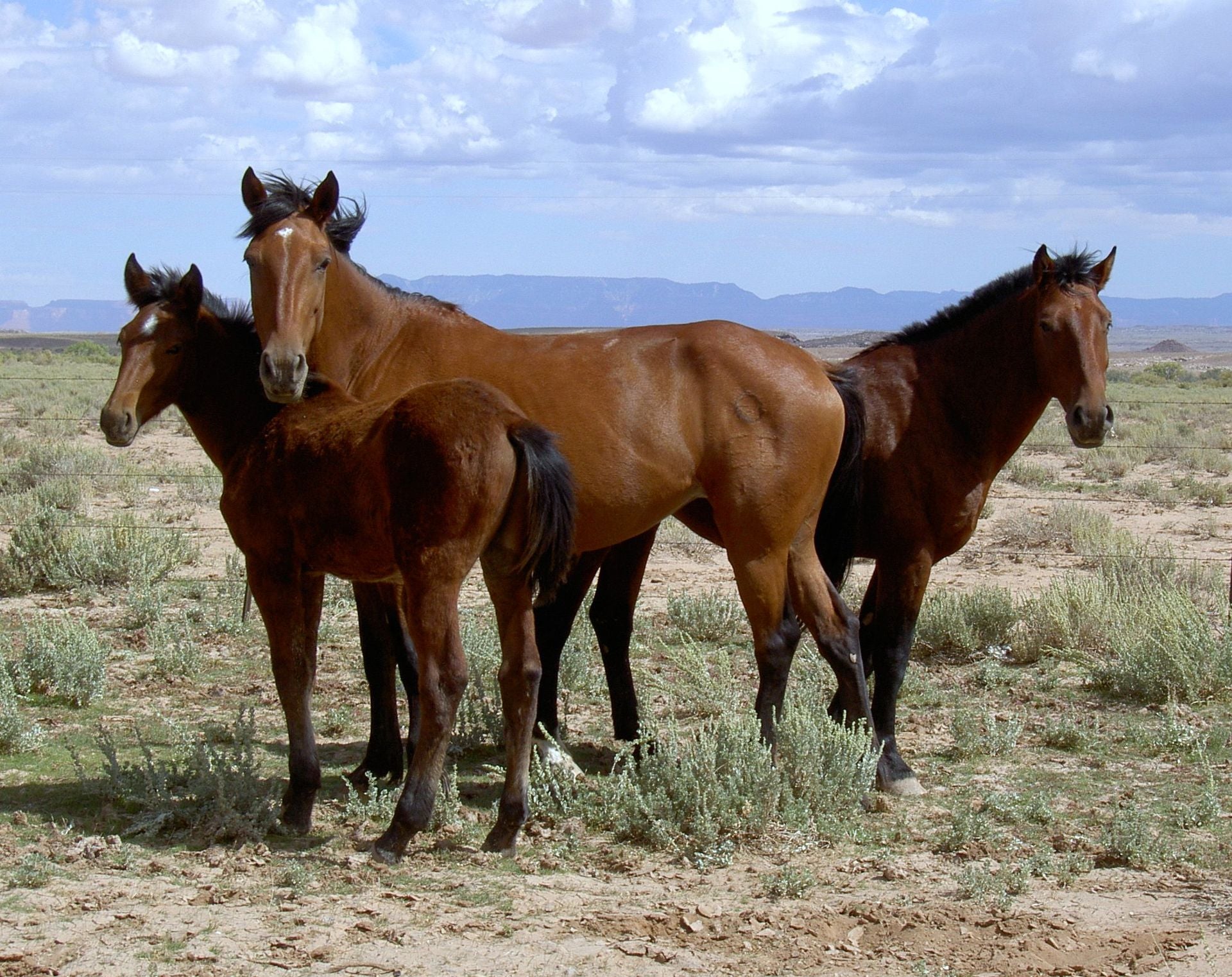

Colic in your horse? Here's what you can do now!
If your horse shows signs of colic, quick action is required. Colic is a serious emergency that can originate from the digestive tract as well as other areas of the body. In this article, you will learn which symptoms to watch out for, what causes colic, and what immediate measures you can take to help your horse as quickly as possible. Be prepared and learn how to manage the situation. Understanding Colic in Horses Definition of Colic Colic refers to abdominal pain in horses, mostly originating from the digestive tract. However, the term "colic" is broad and encompasses various causes, from harmless discomfort to life-threatening conditions. It is important to recognize the signs early and contact a veterinarian immediately, as your horse's condition can change rapidly. Types of Colic There are several types of colic, each with different causes and requiring different treatment approaches. Common forms include small intestine obstruction, large colon displacement, and large colon torsion. Each type has its own specific symptoms and clinical characteristics. Acute colic: sudden, severe pain Chronic colic: recurring, less intense signs Small intestine obstruction: caused by kinking or entrapment Large colon displacement: displacement of the large colon within the abdomen Large colon torsion: life-threatening condition due to twisting of the intestine Assume that the above types require specific symptoms and diagnoses. Type of Colic Cause Acute Colic Rapid changes in the digestive tract Chronic Colic Long-term digestive problems Small Intestine Obstruction Intestinal entrapment in abdominal structures Large Colon Displacement Gas accumulation in the large colon Large Colon Torsion Interruption of blood supply To understand the severity of colic, note that some forms cause acute pain, while others can be chronic. For every type of colic, a quick diagnosis is crucial to avoid serious consequences and ensure your horse's well-being. Acute symptoms such as restless behavior and cessation of eating Changing positions and frequent lying down Reduced water intake or vomiting of stomach contents Sunken eyes and general weakness Painful reaction to abdominal palpation Assume that a timely response to such symptoms is crucial. Symptom Possible Form of Colic Painful behavior Acute Colic Recurrent pain Chronic Colic Restlessness and loss of appetite Small Intestine Obstruction Changes in feces Large Colon Displacement Pain on abdominal palpation Large Colon Torsion By learning about the different types and symptoms of colic, you can act in time and ensure your horse's welfare. Common Causes of Colic in Horses Gastrointestinal Problems The most common causes of colic in horses are gastrointestinal in nature, particularly in the stomach and intestines. Gastric overloads and small intestine impactions due to improper feeding or digestive disturbances can lead to acute pain requiring immediate veterinary intervention. Be sure to feed your horse regularly and avoid sudden changes in feed to minimize the risk. Non-Gastrointestinal Causes Not all causes of colic are limited to the digestive tract. Pain from the urinary tract, such as bladder stones, or neurological diseases can also cause colic-like symptoms. It is important to take any type of pain or discomfort in your horse seriously and act immediately. Non-gastrointestinal causes also include complications in the genital tract, such as uterine torsion in pregnant mares, and chest pain, such as from pneumonia. Severe itching due to parasites or lack of exercise can also cause colic-like signs. Be sure to regularly check your horse's health to identify and treat potential problems early. Recognizing Colic Symptoms Behavioral Changes If your horse is suffering from colic, you may frequently observe sudden behavioral changes. Your animal might become restless, walk back and forth frequently, roll, or attempt to kick its abdomen. Lying down and getting up for no apparent reason can also indicate pain. Pay attention to such signs, as they are often the first indicators of possible colic. Physical Signs In addition to behavioral changes, there are also physical symptoms that can indicate colic. These include an increased heart rate, irregular breathing, and absence of bowel sounds. Your horse may also have a swollen abdomen or react sensitively to palpation. These signs should be taken seriously as they can indicate a severe disturbance in the digestive system. Another important physical sign you should observe is your horse's eyes. They often appear wide open, and the general facial expression seems restless or tense. A change in the frequency of defecation can also be an indicator; if your horse defecates less than usual or stops altogether, this is also concerning. Keep all these symptoms in mind to be able to act quickly in an emergency and call the veterinarian. Initial Assessment of a Horse with Colic If you suspect colic in your horse, an initial assessment is crucial. Your observations can provide valuable information for the veterinarian and help quickly assess the severity of the colic. Pay attention to behavioral changes and physical symptoms that indicate pain. This also includes feeding behavior and general movement patterns. Observation Techniques Use your senses to observe your horse's behavior. Look for signs such as restlessness, frequent lying down and getting up, or head lifting. Also, monitor breathing and the condition of the abdomen to determine if gas accumulation is occurring. All these observations can provide important clues to the veterinarian. Recognizing the Urgency of the Situation It is important to recognize the urgency of the situation, as colic is a serious emergency. Any form of colic should be treated immediately due to the potential life-threatening danger to your horse. Pay attention to severe signs such as worsening pain, restlessness, sweating, or a change in heart rate. These symptoms may indicate that rapid help is required. Dramatic behavioral changes, such as extreme rolling or desperate pulling at your body, can particularly indicate an acute emergency. The duration of symptoms is also crucial: if colic symptoms persist for more than an hour or worsen, immediate action is needed. Remember that some forms of colic, such as small intestine obstructions or large colon torsions, are extremely painful and can quickly lead to critical conditions. Therefore, in such a case, you should not hesitate to contact the veterinarian to ensure the best care for your animal. First Aid and Immediate Measures Stabilizing the Horse If you notice signs of colic in your horse, it is important to stabilize the animal. Ensure your horse remains in a calm and safe environment to avoid further stressors. Support it by gently leading it, but avoid putting pressure on the horse or moving it too much, as this can cause additional discomfort. Contact a Veterinarian It is crucial to contact a veterinarian as soon as you notice signs of colic in your horse. Even if the symptoms initially appear mild, they can quickly worsen and lead to serious complications. A professional can best assess the situation and, if necessary, initiate appropriate treatment. The veterinarian will likely ask specific questions about the symptoms, inquire about the feeding history, and ascertain the horse's recent movements and water intake. Provide as much information as possible to facilitate a quick diagnosis and appropriate measures. Timely action is essential to avoid severe health problems. Recommended Steps for Home Care While waiting for the veterinarian, you can take some basic care measures. Observe your horse closely for changes in breathing, behavior, or position. Keep the animal away from food and water to avoid potential further problems, and create a calm space. Furthermore, you should try to get your horse to move gently if it seems safe to do so. Light exercise can help promote intestinal motility. However, be careful to avoid excessive movement, as this could worsen the condition. Your calm and composed handling during this critical time can provide important support for your horse. Treatment Options for Colic Medication Treatment If your horse shows signs of colic, immediate administration of pain medication by the veterinarian may be necessary. These medications help relieve pain and have a calming effect on the gastrointestinal tract. Additionally, antispasmodic agents can be used to support bowel movements and alleviate possible blockages. It is important to diagnose the exact causes of colic to choose the correct medicinal therapy. Surgical Intervention In some cases, surgical intervention is necessary to treat severe forms of colic. These include conditions such as small intestine obstructions or large colon torsions. During an operation, affected bowel sections can be gently unblocked or sutured to restore blood supply and ensure your horse's health. Surgical intervention is crucial when the blood supply to the intestine is interrupted, as in a large colon torsion or a small intestine obstruction caused by a lipoma. In such cases, prompt surgery can be a matter of life and death, as necrotic bowel segments are no longer functional and your horse has a high mortality rate without timely treatment. Careful aftercare and monitoring are necessary after surgery to ensure a full recovery. Colic in Horses? Here's What You Can Do Now! Proper Feeding Practices A balanced and species-appropriate feeding is crucial to prevent colic in your horse. Be sure to offer high-quality feed and make a slow transition to new feed types to minimize the risk of digestive disturbances. Feed smaller, more frequent portions instead of large quantities at once to avoid overloading the stomach. Importance of Regular Dental Checks Regular dental checks are essential to ensure your horse can properly chew its food. Dental problems can lead to food fibers being swallowed too long, which significantly increases the risk of impaction and thus colic. An examination of the feces can indicate overly long fibers, pointing to dental problems. Older horses, in particular, are often affected by dental diseases. Therefore, have your horse's dental health checked by a veterinarian at least once a year to prevent serious digestive problems. Ensure Sufficient Hydration and Exercise Ensure your horse has access to fresh water at all times, as insufficient hydration increases the risk of colic. Regular exercise is also important to promote digestion and support your horse's general well-being. Insufficient exercise and inadequate water intake can increase the likelihood of colic. Make sure your horses have ample opportunity for exercise, especially when weather conditions change. By providing regular exercise and sufficient water, you can actively contribute to your horse's health and prevent colic. Colic in Horses? Here's What You Can Do Now! If your horse shows signs of colic, quick action is required. Call a veterinarian immediately to avoid serious complications. Keep your horse calm and ensure it does not eat or drink until the veterinarian arrives. Observe the symptoms closely and note any specifics that can help the veterinarian with the diagnosis. Preventatively, you should ensure a balanced diet, regular dental checks, and sufficient exercise to minimize the risk of colic. New Year's Eve PackageSay goodbye to the old year with the perfect gift for your horse – our exclusive New Year's Eve Package. The ideal companion for the winter months, it offers everything your horse needs to start the new year healthy and vital. These questions about colic in horses are frequently asked: What is colic in horses? Colic refers to a pain reaction in a horse's abdominal area, usually caused by problems in the digestive tract. These can be triggered by a variety of reasons, from harmless digestive upsets to serious, life-threatening conditions. Colic is a medical emergency, as a horse's condition can deteriorate very quickly if not treated promptly. The exact cause of colic can only be determined by a thorough examination, but it is always important to act quickly if colic is suspected. What symptoms indicate colic? The most common symptoms of colic include restlessness and nervous behavior. The horse may frequently lie down and get up again, as if seeking relief. Other signs include loss of appetite, altered defecation, a bloated abdomen, and an increased heart rate. Sometimes the horse is visibly sweating. In severe cases, the horse may roll repeatedly, indicating severe pain. It is important to observe these symptoms carefully, as they can provide clues about the severity of the colic. What are the most common causes of colic? The most common causes of colic are problems in the gastrointestinal tract, such as impactions, fermentations, or a twist in the intestine. These conditions block normal digestion and can lead to severe pain. However, non-gastrointestinal causes such as bladder stones or neurological disorders can also cause colic symptoms. Sometimes colic can be triggered by parasitic infestation or improper feeding. Stress or sudden weather changes can also disrupt the digestive process and cause colic. What immediate measures should I take for colic? If colic is suspected, it is important to keep the horse calm. Prevent it from eating or drinking to avoid additional strain on the digestive tract. Observe the symptoms closely to give the veterinarian as much information as possible. Pay attention to how long the symptoms have been present and whether the condition is worsening. It can be helpful to move the horse gently if possible without causing additional pain, but avoid overexerting the animal. Call a veterinarian immediately to ensure a quick diagnosis and treatment. When should a veterinarian be contacted? A veterinarian should be contacted immediately as soon as symptoms of colic appear. Colic can worsen quickly, and the earlier treatment begins, the better the prognosis. Especially with severe pain, incessant rolling, or symptoms lasting longer than an hour, immediate medical help is required. The veterinarian can determine through a thorough examination whether it is a more harmless form of colic or a severe condition that requires intensive treatment or even surgery. How can colic in horses be prevented? Preventing colic begins with a balanced and regular feeding regimen. Ensure your horse always has access to fresh water and avoid sudden changes in feed. Provide your horse with plenty of roughage to promote digestion and prevent blockages. Regular exercise is also important to support the digestive process. Have your horse regularly checked by a vet and ensure good dental care, as dental problems can also cause digestive issues. What are the treatment options for colic? The treatment for colic depends on the cause and severity of the condition. In less severe cases, the vet may administer painkillers and antispasmodic medication to stabilize the horse and relieve pain. In more severe cases, such as a twisted gut or blockage, surgical treatment may be necessary. In some cases, the horse may need fluids and electrolytes to stabilize its fluid balance. The vet will determine the best treatment plan after a thorough examination. What can I do while waiting for the vet? While waiting for the vet, it's important to closely observe the horse's behavior. Lead the horse calmly if possible, and keep it away from feed. Be careful not to move the horse too much, as too much activity could worsen the colic. Try to keep the animal calm and provide reassurance until the vet arrives. Keep the horse in a well-ventilated and safe area to avoid additional stressors. Sources: Frank G. R. Taylor, Mark H. Hillyer: Klinische Diagnostik in der Pferdepraxis. 2. Auflage, Schlütersche Verlagsgesellschaft, Hannover 2004, ISBN 3-87706-574-0. Related news: Colic in Horses Richard Kinseher: Der Bogen in Kultur, Musik und Medizin, als Werkzeug und Waffe. BoD – Books on Demand, 2003, ISBN 978-3-831-14109-8, S. 154 (limited preview in Google Books). Horse Vitality Company Editorial Guidelines At Horse Vitality Company, we create every post according to strict quality standards, relying on reputable sources and scientific research. Our editors are proven experts in horse health and offer you well-founded, trustworthy information. Expertise and Quality Assurance Qualified Authors: Our editors have extensive expertise in horse health and animal care. Double Check: Each article is additionally reviewed by a second expert to ensure accuracy and relevance. Sources and Transparency Reputable Sources: We only use trustworthy sources and scientific studies to support our content. Disclosure: We disclose potential conflicts of interest and ensure transparency. Reader-friendliness and topicality Reader-friendly preparation: Our content is continuously optimized to make it as understandable and accessible as possible. Topicality: We regularly review our articles and update them as needed to ensure they are always up to date. Interaction and Feedback Reader-centric: Our goal is to provide you with initial guidance. For individual health or care questions, we recommend consulting a veterinarian or animal naturopath. Feedback option: We invite our readers to provide feedback and ask questions. Your suggestions help us continuously improve our content and tailor it to your needs. These guidelines ensure that the content of the Horse Vitality Company always meets the highest standards of expertise, authority, and trustworthiness.
Learn more
Feed for Laminitic Horses: Gentle Nutrition for Optimal Hoof Health
In this guide, you will learn how to implement the right feeding regimen for your horse with laminitis to promote its health and prevent relapses. The choice of suitable feed is crucial to minimize the risks of this painful condition. We will show you which nutrients and herbs your animal needs and how a holistic therapy can support your four-legged friend. Rely on our expertise to ensure the best possible care for your horse. Key Findings: Individual Feeding: Tailored feeding, based on bioresonance hair analysis, is crucial to identify the causes of laminitis and develop appropriate solutions. Natural Healing Methods: Feeding high-quality hay and special herbal mixtures enables a holistic treatment of laminitis without resorting to strict diets. Conscious Grazing: Controlled access to pastures can be possible for laminitic horses, as long as feeding and underlying causes are carefully coordinated to prevent further flare-ups. Understanding Laminitis Definition and Causes Laminitis, also known as founder, is an inflammatory condition of the laminae of the hoof, which can lead to severe pain and permanent damage to the hooves. The causes are varied, ranging from nutritional errors to metabolic disorders and mechanical stress. A disturbed nutrient balance and excessive amounts of sugar or starch in the diet are significant factors. Risk Factors and Predisposition Various risk factors can increase the likelihood of developing laminitis. These include obesity, lack of exercise, genetic predisposition, and previous laminitis episodes. Other conditions such as Equine Metabolic Syndrome (EMS) are also common predisposing factors and should be considered in feeding. A closer look at the risk factors shows that overweight and less mobile horses, in particular, have a higher risk of laminitis. Similarly, horses with metabolic disorders or those that frequently graze on nutrient-rich grass are particularly at risk. Awareness of these factors is crucial to prevent laminitis and adapt your feeding strategy accordingly. Symptoms and Diagnosis The symptoms of laminitis are often clear and recognizable: affected horses show signs of pain, such as avoiding movement, lifting their front feet, and a characteristic "frog-landing" stance. A quick and precise diagnosis is crucial for further treatment. When diagnosing laminitis, veterinarians look for typical symptoms indicating inflammation of the laminae. Digital pulsations, painful tenderness in the hooves, and restlessness are important signs. Early diagnosis can help reduce the severity of the disease and initiate appropriate therapeutic measures to make your horse pain-free and performing again. The Role of Feeding in Laminitis Feeding plays a central role in the treatment and prevention of laminitis, a serious condition characterized by inflammation of the laminae. An appropriate feeding strategy can significantly contribute to stabilizing your horse's health. With laminitis, it is important to carefully analyze and, if necessary, adjust the individual diet to alleviate symptoms and minimize the risk of further flare-ups. Physiological Principles of Horse Feeding The physiological principles of horse feeding are crucial for your horse's well-being and performance. Horses have a specialized digestive system designed to continuously ingest small amounts of feed. An unbalanced diet can lead to metabolic disturbances, which can promote laminitis. Importance of Nutrients for Hoof Health Nutrients are essential for maintaining your horse's hoof health. A balanced supply of minerals and trace elements such as zinc, biotin, and copper contributes to the strength and elasticity of the hooves. A deficiency in these nutrients can significantly impair hoof health and predispose to laminitis. Specifically, biotin has proven to be important in practice for hoof health, as it contributes to keratin formation, which is crucial for the structural integrity of the hooves. In addition, minerals such as magnesium and calcium are essential to reduce inflammation and promote the regeneration of hoof tissue. An individually tailored diet that addresses your specific needs is therefore indispensable. Basic Vital Mix: To support hoof health, supplementation with a high-quality mineral feed such as Basic Vital Mix can help. This product contains essential nutrients that are important for healthy hooves." Sugar Content and Fructan in Feeding The sugar content and fructan in feeding often represent a critical point in the diet of laminitic horses. High sugar and fructan levels can negatively affect your horse's insulin levels and thus trigger or worsen laminitis. It is of great importance that you consider the fructan levels in grass and other feedstuffs, especially during the growth phase of plants or in warm weather. A careful analysis of feed components can help you identify potential risks. You should absolutely make sure to use high-quality hay for feeding, which is appropriately prepared, so as not to jeopardize the health of your laminitic candidates. Principles of Optimal Feeding Optimal feeding for laminitis requires sound knowledge of your horse's needs. It is important that you make the right choice of feedstuffs to promote your animal's health and well-being. Targeted feeding not only helps to counteract acute laminitis flare-ups but can also support recovery and sustainably improve your horse's quality of life. Choosing the Right Feed When choosing the right feed, you should consider your horse's specific needs. High-quality hay is often the best foundation, while grass can be problematic for many laminitic horses. Before introducing new feedstuffs, individual analysis is advisable to identify potential triggers of laminitis. Importance of Hay and Silage Hay plays a central role in the diet of horses with laminitis. The quality of the hay influences your feeding strategy and can significantly contribute to regulating metabolism. However, silage should be avoided due to its higher sugar content. Regarding the importance of hay: High-quality hay contains important nutrients that help your horse stay healthy. It should be low in sugar and starch to minimize the risk of a laminitis flare-up. Hay, especially if it is soaked, can reduce fructan intake and is gentle on digestion. Make sure you regularly check the hay quality to provide the best possible care for your laminitic patient. Use of Mineral Feed and Supplementary Feedstuffs The use of mineral feed and supplementary feedstuffs is crucial for a complete nutrient supply. These products should be specifically tailored to the needs of laminitic patients to prevent deficiencies. When considering mineral feeds and supplementary feedstuffs, ensure they contain vital minerals and trace elements in bioavailable form. Only then can you ensure that your laminitic horse receives all the necessary nutrients it needs to support its health. Targeted supplementation can positively influence metabolism and sustainably increase your horse's well-being, while also helping to counteract long-term damage and renewed flare-ups. Practical Feeding Strategies Feeding during Acute Laminitis Phases During the acute laminitis phase, it is crucial to strictly adjust the feeding. You should offer high-quality hay that is well-soaked to minimize sugar and starch intake. Mineral feed is also essential to provide the vital nutrients for the laminitic horse. Avoid additional feed and focus on ensuring the horse consumes enough fluids. Long-term Feeding Adjustments Long-term feeding adjustment is crucial for your horse's health. It is important to systematically identify and address the causes of laminitis. This can be done through individual feeding plans based on bioresonance hair analysis to optimize nutrient intake and rule out possible deficiencies. The long-term nature of these adjustments is key to preventing relapses. By creating a balanced nutrient profile and considering your horse's individual needs, you can support recovery and significantly minimize the risk of future laminitis flare-ups. In addition, regular monitoring and adjustments to the diet should be considered to sustainably promote your horse's health. Grazing and Pasture Management Grazing plays an important role in the management of laminitis. It is crucial to use well-fenced and nutrient-conscious pastures and to regulate grazing time to minimize sugar intake. Start with short grazing periods and observe your horse closely. Thoughtful pasture management includes regularly monitoring grass nutrient levels and adapting the grazing plan to your horse's needs. Use times with low fructan content for grazing and implement a muzzle system, if necessary, to control feed intake. The goal is to find an optimal balance between grazing time and feed intake to ensure your horse's long-term health. Naturopathy and Alternative Therapies In holistic equine medicine, naturopathy and alternative therapies play a decisive role in the treatment of laminitis. These methods aim to activate the horse's natural healing powers and enable an individually tailored therapy that goes beyond mere diets. Herbs and their Effect on Laminitis Herbs can provide valuable support in the treatment of laminitis. Their healing properties promote the body's regeneration and help alleviate inflammation. By combining herbs in a targeted way, feeding can be tailored to your horse's individual needs. Bioresonance and Individual Therapeutic Approaches The bioresonance offers you the possibility to determine the specific causes of your horse's laminitis. Through this therapy, you can find out which nutrients and remedies help your horse the most, so that the treatment can be optimally adapted. Bioresonance hair analysis specifically shows you which deficiencies or excesses exist in your horse's nutrient balance and enables targeted therapy. With this information, you can make an informed decision about which herbs or supplements are useful to sustainably promote your horse's health after laminitis. Complementary Natural Remedies Additional natural remedies, such as certain oils or tinctures, can support wound healing and promote your horse's well-being. These remedies offer valuable supplementation to an adjusted diet. By using complementary natural remedies, you can further support your horse's health and accelerate recovery from laminitis. Be sure to select products tailored to your horse's specific needs to achieve the best possible results. These individual solutions, when combined correctly, can lead to a sustainable improvement in animal health. Case Studies and Testimonials Successful Feeding Adjustments Numerous case studies have shown that individual feeding adjustments are crucial for the recovery of laminitic patients. With the targeted selection of high-quality hay and a specially tailored herbal recipe, many horses showed significant positive progress within a few weeks. The integration of naturopathy proved particularly effective in this regard. Long-term Observations and Results Long-term observations of laminitic patients show that sustainable improvements can be achieved through targeted feeding adjustments and holistic therapy. Many horses regained full mobility and lived pain-free lives again. It is important to continuously document and analyze these successes to be able to make informed recommendations. In recent years, we have documented numerous success stories where horses, despite chronic laminitis, were able to regain a healthy lifestyle through effective feeding strategies and the identification of the causes of the disease. Returning to pasture, after critical assessment of nutrient intake, is possible in many cases, which shows that stress-free feeding and prevention significantly contribute to recovery. Interviews with Horse Owners and Animal Naturopaths Through conversations with horse owners and animal naturopaths, valuable insights into the challenges and successes in laminitis treatment were gained. Many reported positive changes achieved through optimized feeding and the application of bioresonance hair analyses. These interviews reveal that changed nutritional management not only contributes to the physical health of the horses but also strengthens the trust of the owners. The experiences of owners in treating their horses demonstrate the importance of an informed approach and the necessity of finding the right combination of feeding and therapy to achieve long-term success. A conscious approach to nutrition has proven to be key to sustainable animal health. Conclusion Summary of Key Findings In the treatment of laminitis, adapted feeding is crucial. The traditional practice of a strict diet and prohibiting grazing has not shown the desired results in practice. Instead, it is important to identify and specifically treat the causes of laminitis by focusing on a balanced diet and natural remedies. Outlook on Future Developments in Laminitis Treatment The future of laminitis treatment will increasingly focus on a holistic approach that offers individual solutions for each horse. Methods such as bioresonance hair analysis can provide a more precise diagnosis and treatment that will benefit your horses in the long term. It is expected that research into the causes of laminitis will intensify in the coming years. This could lead to better treatment methods that not only combat symptoms but also focus on prevention and sustainable solutions. Innovative feeding approaches and tailored therapies will play a central role in ensuring that your horses remain healthy and live a horse-friendly life. Conclusion To promote the health of your animals in the long term, you should rely on a balanced diet, regular health checks, and an individual treatment method that addresses the specific needs of your horse. By integrating sustainable approaches into the keeping and feeding of your animals, you not only create a better quality of life but also reduce the risk of diseases such as laminitis. Take the opportunity to deepen your knowledge of feeding and animal health to identify any risk factors early and take preventive measures. Your commitment to holistic animal care will not only positively affect your horses' health but also increase their joy of life. These questions about feeding for laminitis are frequently asked: 1. What can be fed to a horse with laminitis?Horses with laminitis require carefully selected feeding to support the healing process and prevent relapses. Low-energy and high-fiber hay, with as little sugar and starch as possible, is recommended. Special rations with low sugar content and high crude fiber content can also be fed. Mineral-rich supplementary feeds are often useful to compensate for nutrient deficiencies without supplying unnecessary energy.2. How do I feed a laminitic horse?A laminitic horse should be fed with a strict feeding plan based on high-fiber and low-energy food. Choose high-quality hay with low sugar and starch content and avoid feeds such as oats or grain mixtures. Fresh grass is generally too high in sugar, so the horse should only graze in a controlled manner and, at best, on grazed-out areas.3. What should a horse with laminitis not eat?Horses with laminitis should under no circumstances receive feed that is rich in sugar or starch, such as grains, concentrated feed, fresh grass, or sugar-rich hay. Silage and feeds with molasses are also unsuitable, as they increase the risk of deterioration. Such feeds can exacerbate inflammation and lead to relapses.4. What kind of hay for laminitic horses?For horses with laminitis, hay with a low fructan content is ideal, meaning hay that was harvested late and contains less sugar. Hay should be soaked before feeding to rinse out excess sugar. A veterinarian or feed analysis can help find the right hay and ensure that it meets the horse's nutritional needs without worsening the laminitis.5. What is the best feed for horses with laminitis?The best feed for horses with laminitis is a low-energy, high-fiber, and low-sugar feed. In addition to high-quality hay, special laminitis feeds developed for horses with metabolic problems are suitable. Such feeds often contain additional vitamins and minerals without increasing sugar or starch content, thus supporting the horse's health.6. What do you feed a pregnant mare with laminitis?A pregnant mare with laminitis needs a balanced diet that supports both the fetus and considers the laminitis. The feed should be rich in crude fiber and low in sugar and starch. High-quality hay and a mineral feed specifically tailored to pregnant mares are recommended. Close consultation with a veterinarian or feed advisor is important to meet individual needs without worsening the laminitis.7. What feed causes laminitis?Laminitis can be triggered or worsened by sugar and starch-rich feed, including fresh grass, grains, high-energy concentrated feed, and molasses-containing feed. The risk is particularly high in spring and autumn when grass has high fructan levels. Incorrect feeding of sugar-rich hay can also contribute to the development of laminitis.8. How can I support my horse with laminitis?A horse with laminitis can be supported through careful care and adapted feeding. In addition to the right feed choice, soft bedding in the stable is helpful to relieve pressure on the hooves. Regular hoof care and gentle exercise in consultation with the veterinarian also contribute to alleviating symptoms. Additionally, anti-inflammatory supplementary feeds can be used to promote the regeneration of hoof tissue. Sources: Study on Equigard Study on Derminlc-Prozen News on the topic: Feed for laminitic horses German Equestrian Federation (FN): Guidelines for Riding and Driving, Volume 4. 2010, ISBN 978-3-88542-284-6, p. 137 ff. Farm Building Letters No. 49 – Horse Keeping. German Agricultural Publishing, Hanover, p. 45 ff. Editorial Guidelines of Horse Vitality Company At Horse Vitality Company, we create every contribution according to strict quality standards, relying on reputable sources and scientific research. Our editors are proven experts in the field of equine health and offer you well-founded, trustworthy information. Expertise and Quality Assurance Qualified Authors: Our editors have extensive expertise in equine health and animal care. Double Check: Each article is additionally reviewed by a second expert to ensure accuracy and relevance. Sources and Transparency Reputable Sources: We only use trustworthy sources and scientific studies to substantiate the content. Disclosure: We disclose potential conflicts of interest and ensure transparency. Reader-friendliness and topicality Reader-friendly Presentation: Our content is continuously optimized to make it as understandable and accessible as possible. Topicality: We regularly review our articles and update them as needed to ensure they are always up-to-date. Interaction and Feedback Reader Orientation: Our goal is to offer you an initial orientation. For individual health or care questions, we recommend consulting a veterinarian or animal naturopath. Feedback Option: We invite our readers to provide feedback and ask questions. Your suggestions help us continuously improve our content and tailor it to your needs. These guidelines ensure that the content of Horse Vitality Company always meets the highest standards of expertise, authority, and trustworthiness.
Learn more
Laminitis and Homeopathy: Natural Remedies for Symptom Relief
If your horse is suffering from laminitis, you should know that there is no universal homeopathic remedy equally suitable for all horses. However, homeopathy allows for addressing your horse's individual symptoms and can provide valuable service as a supportive therapy. It is important to work with low potencies and ideally seek advice from a professional. This way, you can support your horse's self-healing powers while minimizing risks. Key Findings: Individual Treatment: There is no universal homeopathic remedy for laminitis; treatment must be tailored to the specific symptoms and constitution of the horse. Complementary Therapy: Homeopathy should never be used as the sole treatment but as a supportive measure to strengthen the horse's self-healing powers. Caution in Use: Homeopathic remedies can have side effects; prolonged intake can be harmful, and professional advice is advisable. Understanding Laminitis Definition and Overview Laminitis is a painful inflammation of the sensitive laminae of the hoof, which can lead to serious damage to the hoof. This condition frequently affects horses and requires swift intervention to prevent long-term problems. It can be acute or chronic and is a serious condition that should not be ignored. Causes and Triggers The causes of laminitis are varied and can range from feeding errors to metabolic disorders. Common triggers include overfeeding, access to harmful feed, and poisoning, where both toxic plants and medications can play a role. An imbalance in nutrition, particularly an excess of sugar and starch in feeding, can lead to a metabolic overload that can trigger laminitis. A metabolism booster for horses can help regulate metabolism and thus contribute to the prevention and treatment of laminitis.Additionally, stress-related factors, such as changes in the stable or feed, can also lead to increased vulnerability in your horse. You should keep an eye on these factors to prevent laminitis. Symptoms and Diagnosis The symptoms of laminitis are often very clear and range from pain and swelling to serious lameness. Characteristic signs also include an increase in hoof temperature and an altered gait. An early diagnosis is crucial to prevent further damage. Your veterinarian will conduct a thorough examination, including palpating the hooves and analyzing movement patterns. Furthermore, imaging techniques, such as X-rays, may be necessary to determine the extent of the damage. Basic Principles of Homeopathy Historical Context Homeopathy was developed in the late 18th century by Samuel Hahnemann. It is based on the idea that similar symptoms can be cured by similar substances. This approach represented a departure from traditional conventional medicine, which often relied on aggressive methods for treating diseases. Basic Principles of Treatment Homeopathy follows the principle of "like cures like." This means that a remedy which causes symptoms in a healthy person can cure these same symptoms in a sick person. It is important to use only low potencies such as D6 or D12 to avoid side effects. Furthermore, homeopathy aims to stimulate your horse's self-healing powers, making it a valuable complementary therapy for laminitis. In addition to selecting the remedy, the frequency of administration is important. Typically, remedies are given several times a day to support the healing process. However, be aware that these remedies should not be administered over long periods, as this can lead to negative effects. Homeopathy should be understood as impulses for your horse's body. Individualization of Treatment In homeopathy, there is no universal remedy for laminitis; instead, treatment is tailored to the individual symptoms of each horse. This means that the choice of homeopathic remedy must be matched to your horse's specific condition and complaints. To select the appropriate medicine, you should carefully observe the characteristic features of your horse's laminitis. Factors such as environmental conditions, feeding, and your animal's behavior play a crucial role in individualizing the therapy. An experienced animal naturopath or veterinarian can help you comprehensively consider your horse's unique symptomatology and choose the suitable remedy. Common Homeopathic Remedies for Laminitis Nux vomica Nux vomica is a well-known homeopathic remedy often used for laminitis, especially when it arises from overfeeding or improper use of feed. It is particularly effective when symptomatic worsenings occur due to cold or drafts. Ginkgo biloba Another important remedy is Ginkgo biloba, known for its blood circulation-promoting and pain-relieving properties. For laminitis, which is often accompanied by circulatory disorders, Ginkgo biloba can offer significant support. Ginkgo biloba is particularly well-suited for acute situations. It promotes blood circulation and can simultaneously alleviate fatigue and muscle weakness. For laminitis, it shows its best properties when symptoms worsen in damp weather, and rest and outdoor time are found to be beneficial. Okoubaka Okoubaka is a homeopathic remedy particularly indicated for laminitis caused by poisoning. It can also be used for detoxification in the post-treatment phase. For laminitis caused by the ingestion of toxins, such as certain plants, or by metabolic disorders, Okoubaka is particularly effective. It helps to detoxify the body and supports the healing process, which is of great importance for your horse's recovery. Calcium fluoratum Calcium fluoratum is used after the acute phase of laminitis to promote the growth and regeneration of hoof tissue. It is important for connective tissue health. Since Calcium fluoratum is the salt of bones and connective tissue, it can be helpful after laminitis to support the structure of the hoof. Systematic application over several weeks can promote healing and help the horse regain its hoof health faster and better. Urtica urens Urtica urens, based on nettle, aids in the excretion of toxins, which often contribute to the development of laminitis. Its application can accelerate recovery. In many cases, laminitis is caused by a "poisoning" of the body. The nettle helps to eliminate these toxins and promotes the healing process. Regular administration can therefore be crucial to stabilize your horse's health and prevent relapses. Additional Homeopathic Strategies Remedies for the Recovery Phase In the recovery phase after laminitis, it is important to choose appropriate homeopathic remedies to support your horse's recovery. Remedies such as Acidum phosphoricum D6 help with greater weakness, while Ferrum phosphoricum D8 can be used for anemia and weakness. These remedies promote regeneration and strengthen your horse's overall condition. Importance of Supportive Care Supportive care plays a central role in the treatment of laminitis. In addition to homeopathic therapy, you should ensure that your horse lives in a calm and healthy environment to optimally promote healing. A balanced diet and regular check-ups by a veterinarian are also crucial. It is important that you adequately support your horse during the recovery phase. Ensure a stress-free environment and opt for species-appropriate housing. Furthermore, regular movement and gentle activities can help strengthen your horse's muscles and improve its general state of health. Close cooperation with your veterinarian or animal naturopath is also advisable to specifically guide the healing process. Combination with Other Therapies The combination of homeopathy with other therapeutic methods can significantly support the healing process in laminitis. You should consider incorporating physiotherapeutic measures or special feed supplements into your treatment strategy to promote recovery. An integrative therapeutic approach that includes both homeopathic remedies and conventional treatments maximizes the chances for successful recovery. Examples include the use of physiotherapeutic exercises to strengthen hoof muscles or feeding special supplementary feeds that support metabolism. Such a combination should always be coordinated with specialists to avoid potential interactions and side effects. Guidelines for the Safe Use of Homeopathic Remedies Potential Side Effects Although homeopathic remedies are generally considered gentle, these remedies can also have side effects. Applying them for too long over several weeks or months can have the opposite effect and trigger physical or psychological disorders. Make sure to closely observe your horse's reactions. Importance of Expert Advice When using homeopathic remedies, you should not hesitate to seek expert advice. An experienced animal naturopath or veterinarian can help you choose the appropriate remedy and ensure safe application. Expert advice is indispensable, as each case of laminitis is individual, and the correct choice of remedy and dosage are crucial for treatment success. A professional can anticipate possible interactions and unwanted side effects that you might overlook. This way, you protect your horse and optimize the chances of successful therapy. Dosage Considerations When administering homeopathic remedies, pay close attention to the dosage instructions. Too high potencies or irregular intake can have negative effects, while using low potencies such as D6 or D12 is safer for you. The correct dosage is crucial for the success of homeopathic treatment. Start with lower potencies and observe how your horse reacts. A controlled adjustment of the dose may be necessary to achieve the desired effect without increasing the risk of side effects. If in doubt, it is always advisable to consult an expert. Conclusion Homeopathy can be a valuable complementary therapy for laminitis, but there is no universal remedy for all horses. It is crucial to consider your horse's individual symptoms and select an appropriate homeopathic remedy, such as Nux vomica or Ginkgo biloba. Make sure to use low-potency remedies like D6 or D12, and ideally consult an experienced animal naturopath or veterinarian to ensure safe and effective treatment. These frequently asked questions about homeopathy for laminitis: 1. How can homeopathy help with laminitis?Homeopathic remedies can help relieve the symptoms of laminitis and support the healing process by promoting the horse's overall well-being. They aim to activate the body's self-healing powers and can address both acute and chronic complaints.2. Which homeopathic remedies are recommended for laminitis?Commonly used homeopathic remedies for laminitis include Arnica montana for injuries and pain, Rhus toxicodendron for stiff joints, and Calcarea carbonica for strengthening the entire organism. However, the choice of remedy should always be made individually, ideally in consultation with an experienced homeopath.3. How long does it take for homeopathic remedies to work for laminitis?The effect of homeopathic remedies can vary in speed, depending on the severity of the condition and the horse's individual reaction. In many cases, initial improvements can be observed within a few days to weeks, although the entire healing process may take longer. 4. Are homeopathic remedies safe for horses?Yes, homeopathic remedies are generally safe for horses, as they are highly diluted and do not cause toxic side effects. Nevertheless, it is important to use the remedies correctly and observe the horse's reaction. Consultation with a veterinarian or a homeopathically experienced therapist is recommended.5. Can homeopathy alone be used to treat laminitis?Homeopathy can be a valuable addition to conventional laminitis treatment but should not be considered a sole therapy. Comprehensive treatment, combining conventional and alternative approaches, is often most effective in relieving symptoms and promoting the horse's health.6. How do I find a suitable homeopathic therapist for my horse?Finding a suitable homeopathic therapist can be done through recommendations from other horse owners, veterinarians, or professional homeopathic associations. Make sure to choose a therapist who has experience in treating horses and is knowledgeable about laminitis. An initial consultation can help assess the therapist's suitability.7. Are there also risks when using homeopathy for laminitis?While homeopathic remedies are generally considered safe, adverse reactions can occur if used incorrectly or if inappropriate remedies are chosen. It is important to select the remedies correctly and to carefully observe the horse's reactions. If the condition worsens, a veterinarian should be consulted immediately.8. How can I support my horse's homeopathic treatment?In addition to administering homeopathic remedies, further measures can contribute to supporting the healing process, such as an adjusted diet, gentle housing, regular hoof care, and avoiding stress. Close cooperation with the veterinarian and therapist is crucial to achieve the best possible treatment success. Sources: equivetinfo.de Interesting study: Laminitis News on the topic: Homeopathy for LaminitisChristopher Pollit: Color Atlas of the Horse's Hoof. Anatomy and Clinical Aspects; Hanover: Schlüter, 1999; ISBN 3-87706-536-8 Olivia Bickerle: The Leech – Parasite or Medical Marvel? Hirudo medicinalis in Animal Naturopathy, Illustrated by the Example of Horses, 2012, Print: CreateSpace, ISBN 1-4781-1962-4 Editorial Guidelines of Horse Vitality Company At Horse Vitality Company, we create every contribution according to strict quality standards, relying on reputable sources and scientific research. Our editors are proven experts in the field of equine health and provide you with well-founded, trustworthy information. Expertise and Quality Assurance Qualified Authors: Our editors possess extensive expertise in equine health and animal care. Double-Check: Every article is additionally reviewed by a second expert to ensure accuracy and relevance. Sources and Transparency Reputable Sources: We only use trusted sources and scientific studies to substantiate our content. Disclosure: We disclose potential conflicts of interest and ensure transparency. Reader-Friendliness and Actuality Reader-Friendly Preparation: Our content is continuously optimized to be as understandable and accessible as possible. Actuality: We regularly review our articles and update them as needed to ensure they are always up-to-date. Interaction and Feedback Reader Orientation: Our goal is to provide initial guidance. For individual health or care questions, we recommend consulting a veterinarian or animal naturopath. Feedback Option: We invite our readers to provide feedback and ask questions. Your suggestions help us continuously improve our content and tailor it to your needs. These guidelines ensure that the content of Horse Vitality Company always meets the highest standards of expertise, authority, and trustworthiness.
Learn more
How old do horses get?
How Old Can Horses Get? In this article, you will learn everything you need to know about how old horses get and which factors influence their life expectancy. While the average lifespan of domestic horses ranges from 20 to 30 years, some breeds, especially more robust ponies, can even live for over 40 years. You will learn how species-appropriate husbandry, feeding, and regular veterinary check-ups are crucial to promoting your horse's well-being and enabling it to live a long life. Life Expectancy of Horses Average Lifespan The average lifespan of horses is between 20 and 30 years. Husbandry and care play a crucial role here. With species-appropriate husbandry and proper feeding, many horses can reach or even exceed this lifespan. Variations by Breed Breed has a significant impact on your horse's life expectancy. While hardy horse breeds like Fjord horses or Icelandics often live to be over 40 years old, larger breeds tend to be at the lower end of the average lifespan. Factors such as hereditary diseases and individual health conditions can also affect life expectancy. You often observe higher resilience and lower susceptibility to diseases in pony breeds and robust breeds, which contributes to a longer lifespan. In contrast, large breeds, due to the increased strain on their bodies, often have a shorter lifespan. Additionally, some breeds are susceptible to hereditary diseases due to breeding, which can negatively affect your horse's age. Wild Horses vs. Domestic Horses Living Conditions in the Wild In the wild, horses live under natural conditions that shape their health and way of life. They spend their days moving, engaging in social interactions in herds, and searching for nutritious food. This way of life can promote resilience and natural longevity, even if it also entails risks such as predator attacks and diseases. Influence of Domestication Domestication has a significant impact on the lives of domestic horses. While housing conditions are often better monitored, breeding also brings with it hereditary diseases and health problems. In addition, many domestic horses have less exercise and social interaction, which can impair their health. Domestication has led to horses being exposed to fewer dangers, but these advantages are not without challenges. The lack of natural exercise and often restricted freedom of movement can lead to obesity and lifestyle diseases. Furthermore, human breeding often requires intensive care, which is not always guaranteed. Thus, a horse that might live 20 years in the wild can have varying life expectancies in human care, depending on husbandry and care. Breeds and Their Life Expectancy Hardy Horse Breeds Hardy horse breeds such as the Fjord horse or the Icelandic are characterized by their high resilience and lower susceptibility to diseases. These breeds often reach an age of 40 years and more, making them ideal companions for long-term horse ownership. Their robust nature and the fact that they are often considered late developers contribute to their high life expectancy. Large Horse Breeds While large horse breeds do not necessarily have a significantly shorter life expectancy, they often tend to be at the lower end of the average range of 20 to 30 years. Their body size leads to an increased strain on the body, which can negatively affect their lifespan. Large horse breeds include, for example, the Warmblood or Trakehner. Although they offer a lot of potential for athletic performance, their predisposition to certain health problems such as joint damage or cardiovascular diseases can impair their life expectancy. Therefore, it is important to always pay attention to their health and fitness to ensure a long and satisfying life. Ponies and Their Lifespan Ponies, especially hardy breeds like the Shetland pony, can often live for over 30 years. These breeds have similar advantages to hardy horses and are therefore able to lead long and healthy lives. Some pony breeds, such as the Shetland-Exmoor cross pony, have even reached lifespans of up to 56 years. The reason for their longevity lies in their adaptability and genetic robustness. Therefore, ponies are often an excellent choice for individuals and families who value long-term partnerships with their animals. Factors for a Long Horse Life Species-Appropriate Husbandry Species-appropriate husbandry is crucial for your horse's quality of life and thus for a long life. Sufficient space, opportunities for movement, and social contact with other horses are essential, as horses are herd animals. These factors not only promote the physical fitness but also the psychological well-being of your four-legged friend. Nutrition and Feeding Proper nutrition is another key factor for a long horse life. Make sure that the feeding is balanced and adapted to your horse's workload. High-quality roughage and succulent feed, as well as an adequate supply of minerals and vitamins, are essential. A healthy horse does not need excessive concentrates, especially if it is not working hard. To avoid weight gain and health problems, it is important to regularly check the amount and quality of feed. For your horse to receive all necessary nutrients, a varied diet that also caters to your animal's individual needs is advisable. Remember that a good supply of hay and fresh water should always be available. Veterinary Care Regular veterinary check-ups are essential for your horse's health. A well-cared-for horse has a better chance of early detection and treatment of diseases. Make sure your veterinarian visits regularly to administer necessary vaccinations and check overall health. Close cooperation with the veterinarian can minimize many health risks. Learn about preventive measures that support your horse even in old age, such as dental checks or vaccinations. This way, your horse stays fit and vital well into old age. In addition, veterinary recommendations for movement therapies and special diets can help improve the quality of life of your horses at any age. Life Stages of a Horse Childhood and Foalhood During childhood, a foal undergoes an amazing development in its first year of life. Shortly after birth, it can stand and walk. At about six weeks, it begins to eat solid food, and after half a year, it is independent of its mother. Youth The youth years begin when the horse is about one and a half to two years old. In this phase, it reaches reproductive capability, although full physical maturity occurs between five and seven years of age. During the youth years, it is important for you to promote proper training and socialization of your horse. This phase is crucial for long-term development, as most horses develop their personality and family bond during this time. Healthy exercise and interaction with peers influence later behavior. Adulthood In adulthood, which lasts until about twelve years of age, your horse enters the prime of its performance capabilities. No significant developmental steps occur anymore. During this phase, regular training sessions and a balanced diet are essential to maintain your horse's physical fitness and health. This time is ideal for laying the groundwork for future activities or sports, while you should watch out for signs of overexertion. Senior Years From about 20 years of age, your horse shows the first signs of aging, which marks the beginning of its senior years. Here, you need to show special consideration and make adjustments in care. During the senior years, you should pay attention to physical changes, such as muscle wastage and joint problems. It is important to adjust the diet, especially in case of potential dental issues. Regular veterinary check-ups are crucial to ensure the well-being of your aging friend and to enable him to live healthy and active years. Care and Attention for Old Horses Health Monitoring Monitoring your old horse's health is crucial. Regular vet visits help you detect and treat possible ailments early. Pay special attention to changes in behavior, appetite, or mobility, as these can be signs of underlying problems. Dietary Adjustments Your senior horse's diet should be adjusted to meet its special needs. Older horses often require a richer fiber and protein supply to ensure their energy and nutrient intake. Soaked hay cobs are ideal for horses with dental problems. Additionally, it is important to consider the consistency of the feed. Older horses may have difficulty chewing, so soft feeds facilitate their intake. A balanced supply of minerals and vitamins should also be integrated into their diet to support their health. Exercise Needs and Engagement The exercise needs of your old horse should not be neglected, even if it slows down. Gentle movement and targeted engagement are important to counteract muscle loss and stiffness. You can take leisurely walks with your horse or integrate simple ground work to keep its joints and muscles active. Social interaction with other horses also promotes overall well-being and your horse's mental health. Conclusion In the discussion of the life expectancy of horses, it becomes clear that many factors play a role. From the breed to individual husbandry and feeding – all these aspects influence the age your horse can reach. On average, domestic horses live between 20 and 30 years, while certain hardy horse breeds like Icelandics or Fjord horses can even live for over 40 years. In contrast, large breeds often have a shorter life expectancy, which could be attributed to additional strains. Furthermore, it is important to recognize your horse's life stages and respond accordingly. Especially the senior phase requires your attention, as older horses are more susceptible to diseases and physical problems. Through targeted care, adapted feeding, and regular veterinary check-ups, you can ensure that your horse also lives a fulfilled life in its later years. In conclusion, the husbandry and care of your horse are crucial for how old it can become. If you pay attention to your horse's needs and make its living conditions as optimal as possible, it can experience many happy and healthy years. Given all this information, you will be able to make informed decisions that promote your horse's well-being. A look into the future shows that the average life expectancy of horses could potentially continue to increase with advancing research and improved husbandry conditions. Understanding the needs and digestion of these wonderful animals will help to enhance their quality of life at every stage. These questions about "How old do horses get" are frequently asked: 1. Can horses live to be 40 years old? Yes, horses can indeed live to be 40 years old, although this is rare and usually only occurs under optimal husbandry conditions and good care. A horse's life expectancy depends heavily on factors such as genetics, care, nutrition, and veterinary attention. Some horses reach such an old age and live many more years in relative health. 2. How old is a 27-year-old horse in human years? A 27-year-old horse is roughly equivalent to a human aged 80 to 90 years. However, converting horse years to human years is not entirely precise, as horses age faster in their first few years and then slower later on. At 27, a horse is definitely considered a senior and requires special care. 3. How old is the oldest horse? The oldest known horse was named "Old Billy," who lived to be 62 years old. Old Billy was a working horse who lived in England in the 18th century. Such an old age is exceptional, but it shows that horses can reach an impressive age with good care. 4. Is 19 years old for a horse? A 19-year-old horse is considered older, but not necessarily old. Many horses at this age are still fully active and healthy, especially if they have been well cared for. However, at this age, many horses begin the transition into their senior years, and their needs change accordingly. 5. Which horse breed lives the longest? Icelandic horses are known for being particularly long-lived, often reaching 30 years or older. Arabs and some pony breeds, such as the Shetland pony, also have a long life expectancy. These breeds are often robust and resilient, which contributes to their longevity. 6. Is 30 years old for a horse? Yes, 30 years is a high age for a horse. Horses that reach this age are considered very old and are often no longer active in equestrian sports or work. At this age, they need special care to maintain their quality of life. 7. When is it time for a horse to retire? A horse should retire when it shows signs of fatigue, physical wear and tear, or health problems that impair its performance. This can vary depending on the horse, often between 15 and 25 years of age. Retirement does not mean complete inactivity, but rather an adjustment of activities to the needs of the aging horse. 8. When does a horse no longer have a good quality of life? A horse no longer has a good quality of life if it suffers from chronic pain, can no longer meet its basic needs such as eating, moving, and social interactions, and medical treatments do not bring any improvement. In such cases, the veterinarian, together with the owner, should decide on the further course of action to prevent unnecessary suffering. The decision is individual and should always be made in the best interest of the animal. Sources: Wikipedia Article: Domestic Horse Specialized article on the topic: Horse Life Expectancy News on the topic: How old can horses get Wissenswertes über Pferde, Thomas Meinen, 2014, ISBN9783847669883, 3847669885 Interesting Video: What an old horse needs Image sources: Mare with foal Norwegian Fjord Horse Dappled grey Editorial Guidelines of Horse Vitality Company At Horse Vitality Company, we create every contribution according to strict quality standards and rely on reputable sources as well as scientific research. Our editors are proven experts in the field of horse health and offer you well-founded, trustworthy information. Expertise and Quality Assurance Qualified Authors: Our editors have extensive expertise in horse health and animal care. Double Check: Each article is additionally reviewed by a second expert to ensure accuracy and relevance. Sources and Transparency Reputable Sources: We only use trustworthy sources and scientific studies to substantiate the content. Disclosure: We disclose potential conflicts of interest and ensure transparency. Reader-friendliness and topicality Reader-friendly preparation: Our content is continuously optimized to make it as understandable and accessible as possible. Timeliness: We regularly review our articles and update them as needed to ensure they are always up-to-date. Interaction and Feedback Reader-oriented: Our goal is to offer you an initial orientation. For individual health or care questions, we recommend consulting a veterinarian or animal healer. Feedback option: We invite our readers to provide feedback and ask questions. Your suggestions help us to continuously improve our content and adapt it to your needs. These guidelines ensure that the content of Horse Vitality Company always meets the highest standards of expertise, authority, and trustworthiness.
Learn more