

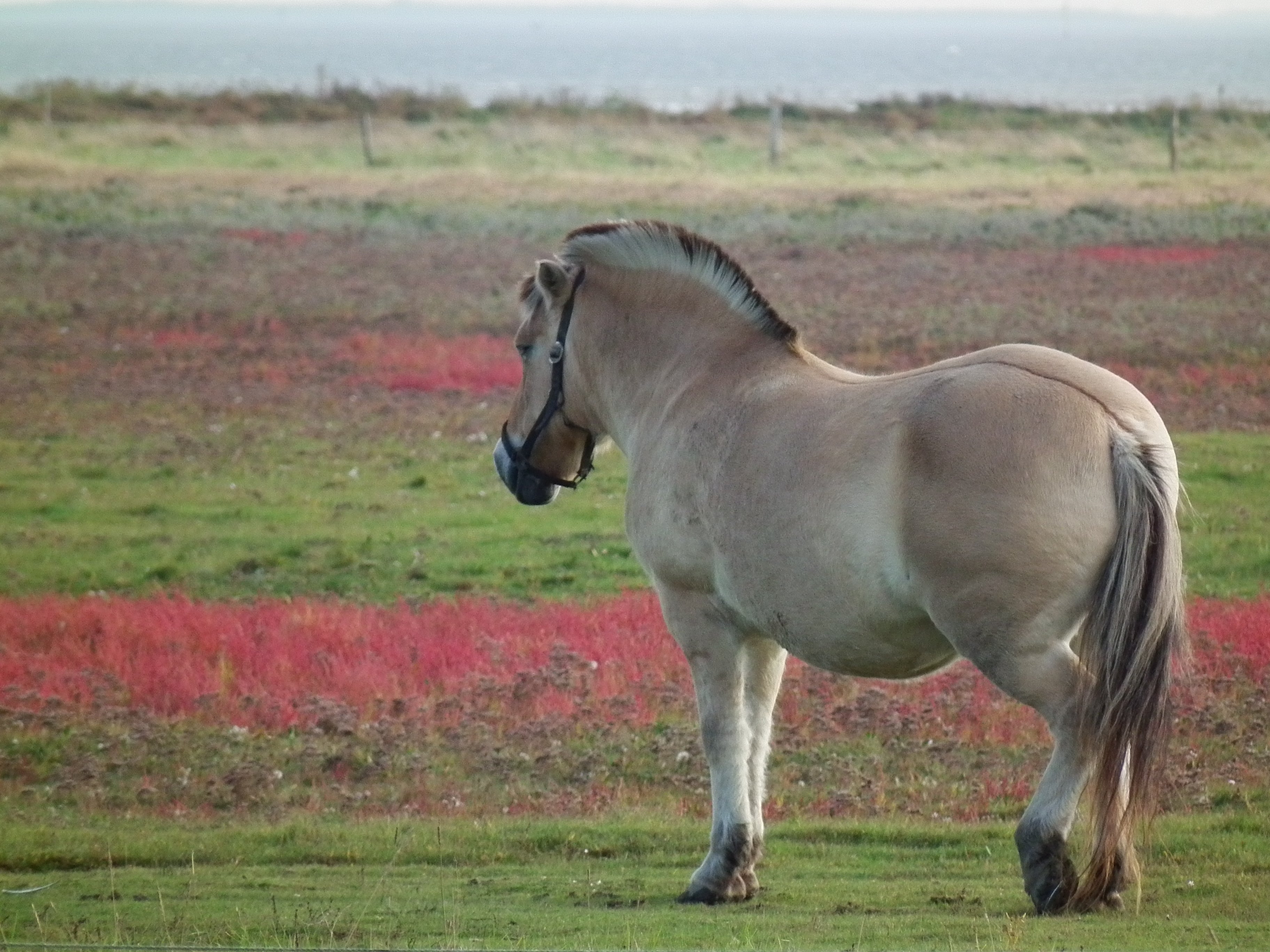
How Old Can Horses Get?
In this article, you will learn everything you need to know about how old horses get and which factors influence their life expectancy. While the average lifespan of domestic horses ranges from 20 to 30 years, some breeds, especially more robust ponies, can even live for over 40 years. You will learn how species-appropriate husbandry, feeding, and regular veterinary check-ups are crucial to promoting your horse's well-being and enabling it to live a long life.

Life Expectancy of Horses
Average Lifespan
The average lifespan of horses is between 20 and 30 years. Husbandry and care play a crucial role here. With species-appropriate husbandry and proper feeding, many horses can reach or even exceed this lifespan.
Variations by Breed
Breed has a significant impact on your horse's life expectancy. While hardy horse breeds like Fjord horses or Icelandics often live to be over 40 years old, larger breeds tend to be at the lower end of the average lifespan. Factors such as hereditary diseases and individual health conditions can also affect life expectancy.
You often observe higher resilience and lower susceptibility to diseases in pony breeds and robust breeds, which contributes to a longer lifespan. In contrast, large breeds, due to the increased strain on their bodies, often have a shorter lifespan. Additionally, some breeds are susceptible to hereditary diseases due to breeding, which can negatively affect your horse's age.
Wild Horses vs. Domestic Horses
Living Conditions in the Wild
In the wild, horses live under natural conditions that shape their health and way of life. They spend their days moving, engaging in social interactions in herds, and searching for nutritious food. This way of life can promote resilience and natural longevity, even if it also entails risks such as predator attacks and diseases.
Influence of Domestication
Domestication has a significant impact on the lives of domestic horses. While housing conditions are often better monitored, breeding also brings with it hereditary diseases and health problems. In addition, many domestic horses have less exercise and social interaction, which can impair their health.
Domestication has led to horses being exposed to fewer dangers, but these advantages are not without challenges. The lack of natural exercise and often restricted freedom of movement can lead to obesity and lifestyle diseases. Furthermore, human breeding often requires intensive care, which is not always guaranteed. Thus, a horse that might live 20 years in the wild can have varying life expectancies in human care, depending on husbandry and care.
Breeds and Their Life Expectancy
Hardy Horse Breeds
Hardy horse breeds such as the Fjord horse or the Icelandic are characterized by their high resilience and lower susceptibility to diseases. These breeds often reach an age of 40 years and more, making them ideal companions for long-term horse ownership. Their robust nature and the fact that they are often considered late developers contribute to their high life expectancy.
Large Horse Breeds
While large horse breeds do not necessarily have a significantly shorter life expectancy, they often tend to be at the lower end of the average range of 20 to 30 years. Their body size leads to an increased strain on the body, which can negatively affect their lifespan.
Large horse breeds include, for example, the Warmblood or Trakehner. Although they offer a lot of potential for athletic performance, their predisposition to certain health problems such as joint damage or cardiovascular diseases can impair their life expectancy. Therefore, it is important to always pay attention to their health and fitness to ensure a long and satisfying life.
Ponies and Their Lifespan
Ponies, especially hardy breeds like the Shetland pony, can often live for over 30 years. These breeds have similar advantages to hardy horses and are therefore able to lead long and healthy lives.
Some pony breeds, such as the Shetland-Exmoor cross pony, have even reached lifespans of up to 56 years. The reason for their longevity lies in their adaptability and genetic robustness. Therefore, ponies are often an excellent choice for individuals and families who value long-term partnerships with their animals.
Factors for a Long Horse Life
Species-Appropriate Husbandry
Species-appropriate husbandry is crucial for your horse's quality of life and thus for a long life. Sufficient space, opportunities for movement, and social contact with other horses are essential, as horses are herd animals. These factors not only promote the physical fitness but also the psychological well-being of your four-legged friend.
Nutrition and Feeding
Proper nutrition is another key factor for a long horse life. Make sure that the feeding is balanced and adapted to your horse's workload. High-quality roughage and succulent feed, as well as an adequate supply of minerals and vitamins, are essential.
A healthy horse does not need excessive concentrates, especially if it is not working hard. To avoid weight gain and health problems, it is important to regularly check the amount and quality of feed. For your horse to receive all necessary nutrients, a varied diet that also caters to your animal's individual needs is advisable. Remember that a good supply of hay and fresh water should always be available.
Veterinary Care
Regular veterinary check-ups are essential for your horse's health. A well-cared-for horse has a better chance of early detection and treatment of diseases. Make sure your veterinarian visits regularly to administer necessary vaccinations and check overall health.
Close cooperation with the veterinarian can minimize many health risks. Learn about preventive measures that support your horse even in old age, such as dental checks or vaccinations. This way, your horse stays fit and vital well into old age. In addition, veterinary recommendations for movement therapies and special diets can help improve the quality of life of your horses at any age.

Life Stages of a Horse
Childhood and Foalhood
During childhood, a foal undergoes an amazing development in its first year of life. Shortly after birth, it can stand and walk. At about six weeks, it begins to eat solid food, and after half a year, it is independent of its mother.
Youth
The youth years begin when the horse is about one and a half to two years old. In this phase, it reaches reproductive capability, although full physical maturity occurs between five and seven years of age.
During the youth years, it is important for you to promote proper training and socialization of your horse. This phase is crucial for long-term development, as most horses develop their personality and family bond during this time. Healthy exercise and interaction with peers influence later behavior.
Adulthood
In adulthood, which lasts until about twelve years of age, your horse enters the prime of its performance capabilities. No significant developmental steps occur anymore.
During this phase, regular training sessions and a balanced diet are essential to maintain your horse's physical fitness and health. This time is ideal for laying the groundwork for future activities or sports, while you should watch out for signs of overexertion.
Senior Years
From about 20 years of age, your horse shows the first signs of aging, which marks the beginning of its senior years. Here, you need to show special consideration and make adjustments in care.
During the senior years, you should pay attention to physical changes, such as muscle wastage and joint problems. It is important to adjust the diet, especially in case of potential dental issues. Regular veterinary check-ups are crucial to ensure the well-being of your aging friend and to enable him to live healthy and active years.
Care and Attention for Old Horses
Health Monitoring
Monitoring your old horse's health is crucial. Regular vet visits help you detect and treat possible ailments early. Pay special attention to changes in behavior, appetite, or mobility, as these can be signs of underlying problems.
Dietary Adjustments
Your senior horse's diet should be adjusted to meet its special needs. Older horses often require a richer fiber and protein supply to ensure their energy and nutrient intake. Soaked hay cobs are ideal for horses with dental problems.
Additionally, it is important to consider the consistency of the feed. Older horses may have difficulty chewing, so soft feeds facilitate their intake. A balanced supply of minerals and vitamins should also be integrated into their diet to support their health.
Exercise Needs and Engagement
The exercise needs of your old horse should not be neglected, even if it slows down.
Gentle movement and targeted engagement are important to counteract muscle loss and stiffness. You can take leisurely walks with your horse or integrate simple ground work to keep its joints and muscles active. Social interaction with other horses also promotes overall well-being and your horse's mental health.
Conclusion
In the discussion of the life expectancy of horses, it becomes clear that many factors play a role. From the breed to individual husbandry and feeding – all these aspects influence the age your horse can reach. On average, domestic horses live between 20 and 30 years, while certain hardy horse breeds like Icelandics or Fjord horses can even live for over 40 years. In contrast, large breeds often have a shorter life expectancy, which could be attributed to additional strains.
Furthermore, it is important to recognize your horse's life stages and respond accordingly. Especially the senior phase requires your attention, as older horses are more susceptible to diseases and physical problems. Through targeted care, adapted feeding, and regular veterinary check-ups, you can ensure that your horse also lives a fulfilled life in its later years.
In conclusion, the husbandry and care of your horse are crucial for how old it can become. If you pay attention to your horse's needs and make its living conditions as optimal as possible, it can experience many happy and healthy years. Given all this information, you will be able to make informed decisions that promote your horse's well-being.
A look into the future shows that the average life expectancy of horses could potentially continue to increase with advancing research and improved husbandry conditions. Understanding the needs and digestion of these wonderful animals will help to enhance their quality of life at every stage.
These questions about "How old do horses get" are frequently asked:
1. Can horses live to be 40 years old?
Yes, horses can indeed live to be 40 years old, although this is rare and usually only occurs under optimal husbandry conditions and good care. A horse's life expectancy depends heavily on factors such as genetics, care, nutrition, and veterinary attention. Some horses reach such an old age and live many more years in relative health.
2. How old is a 27-year-old horse in human years?
A 27-year-old horse is roughly equivalent to a human aged 80 to 90 years. However, converting horse years to human years is not entirely precise, as horses age faster in their first few years and then slower later on. At 27, a horse is definitely considered a senior and requires special care.
3. How old is the oldest horse?
The oldest known horse was named "Old Billy," who lived to be 62 years old. Old Billy was a working horse who lived in England in the 18th century. Such an old age is exceptional, but it shows that horses can reach an impressive age with good care.
4. Is 19 years old for a horse?
A 19-year-old horse is considered older, but not necessarily old. Many horses at this age are still fully active and healthy, especially if they have been well cared for. However, at this age, many horses begin the transition into their senior years, and their needs change accordingly.
5. Which horse breed lives the longest?
Icelandic horses are known for being particularly long-lived, often reaching 30 years or older. Arabs and some pony breeds, such as the Shetland pony, also have a long life expectancy. These breeds are often robust and resilient, which contributes to their longevity.
6. Is 30 years old for a horse?
Yes, 30 years is a high age for a horse. Horses that reach this age are considered very old and are often no longer active in equestrian sports or work. At this age, they need special care to maintain their quality of life.
7. When is it time for a horse to retire?
A horse should retire when it shows signs of fatigue, physical wear and tear, or health problems that impair its performance. This can vary depending on the horse, often between 15 and 25 years of age. Retirement does not mean complete inactivity, but rather an adjustment of activities to the needs of the aging horse.
8. When does a horse no longer have a good quality of life?
A horse no longer has a good quality of life if it suffers from chronic pain, can no longer meet its basic needs such as eating, moving, and social interactions, and medical treatments do not bring any improvement. In such cases, the veterinarian, together with the owner, should decide on the further course of action to prevent unnecessary suffering. The decision is individual and should always be made in the best interest of the animal.
Sources:
- Wikipedia Article: Domestic Horse
- Specialized article on the topic: Horse Life Expectancy
- News on the topic: How old can horses get
- Wissenswertes über Pferde, Thomas Meinen, 2014, ISBN9783847669883, 3847669885
- Interesting Video: What an old horse needs
Image sources:
Editorial Guidelines of Horse Vitality Company
At Horse Vitality Company, we create every contribution according to strict quality standards and rely on reputable sources as well as scientific research. Our editors are proven experts in the field of horse health and offer you well-founded, trustworthy information.
Expertise and Quality Assurance
- Qualified Authors: Our editors have extensive expertise in horse health and animal care.
- Double Check: Each article is additionally reviewed by a second expert to ensure accuracy and relevance.
Sources and Transparency
- Reputable Sources: We only use trustworthy sources and scientific studies to substantiate the content.
- Disclosure: We disclose potential conflicts of interest and ensure transparency.
Reader-friendliness and topicality
- Reader-friendly preparation: Our content is continuously optimized to make it as understandable and accessible as possible.
- Timeliness: We regularly review our articles and update them as needed to ensure they are always up-to-date.
Interaction and Feedback
- Reader-oriented: Our goal is to offer you an initial orientation. For individual health or care questions, we recommend consulting a veterinarian or animal healer.
- Feedback option: We invite our readers to provide feedback and ask questions. Your suggestions help us to continuously improve our content and adapt it to your needs.
These guidelines ensure that the content of Horse Vitality Company always meets the highest standards of expertise, authority, and trustworthiness.


