

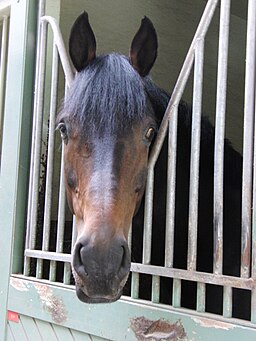
What you should know about your horse's metabolism
Your horse's metabolism plays a crucial role in its health and performance. To promote health sustainably, a needs-based and animal-appropriate feeding regimen is essential. Ensure that your horse's diet provides the necessary nutrients, especially during stressful periods like coat change. Avoid harmful ingredients and support the immune system with a balanced mineral feed supplement. This way, you can ensure that your horse remains vital and high-performing.

Optimal support for your horse
Definition of metabolism in horses
Metabolism in horses refers to the sum of all chemical reactions that occur in the body. Nutrients are absorbed, converted, and excreted. Smoothly functioning metabolism is crucial for your horse's well-being and performance.
Importance of metabolism for horse health
Metabolism has a decisive influence on your horse's health. A disruption in this system can lead to serious health problems, such as reduced performance, skin and respiratory issues, and compromised defense mechanisms.
A well-functioning metabolism is of great importance for your horse's health. It not only affects performance but also the resilience of the immune system. An unbalanced diet or incorrect feeding can lead to metabolic disorders, which can manifest in symptoms such as fatigue, coat change problems, or even severe illnesses. Therefore, it is important to always pay attention to high-quality feed and consider your horse's individual needs to optimally support its metabolism.
Common metabolic disorders in horses
Signs and symptoms of metabolic disorders
If your horse suffers from metabolic disorders, various symptoms may occur. These include reduced performance, swollen legs, as well as skin and respiratory problems. These signs are often not directly recognizable and require careful observation to be able to intervene in time.
Causes of metabolic disorders
The causes of metabolic disorders in horses are diverse. Protein surpluses in the feed, poor feed quality, or insufficient mineral supply are often involved. Environmental toxins and an unbalanced diet also contribute to these disorders, which often remain undetected for a long time.
A sudden health condition requiring a rest period can also have significant effects on metabolism. Liver and kidney function can be considerably strained by muscle breakdown. Also, moldy feed stocks or the consumption of toxic plants in the pasture are serious causes that should not be underestimated.
Consequences of untreated metabolic problems
Untreated metabolic diseases can have serious consequences for your horse's health. Possible consequences include chronic diseases, performance loss, and an increased susceptibility to infections.
Furthermore, changes in coat, loss of appetite, and in severe cases even apathy can occur. This can not only affect your horse's health but also significantly reduce its quality of life. Early detection and treatment are therefore crucial to avoid serious health impairments.
Nutrient support for equine metabolism
The role of a balanced diet
A balanced diet is crucial for your horse's metabolism. It ensures that all necessary nutrients are available in the right amounts to optimally support both daily demands and special phases such as coat change. A needs-based feeding not only promotes general health but also strengthens your horse's immune defense.
Essential nutrients for optimal metabolism
For your horse to remain healthy, the supply of essential nutrients plays a central role. These include vitamins, minerals, and trace elements, which are crucial for metabolic activity. Particularly important nutrients include Vitamin A, Vitamin E, Selenium, and Zinc, as they support the immune defense and help in fighting pathogens.
An adequate content of vitamins and minerals is essential to strengthen your horse's immune system. A deficiency can lead to disorders such as increased susceptibility to infection, wound healing problems, and even serious diseases. For older horses, make sure to use targeted senior mineral feed to cover their special needs and promote vitality and convalescence.
Importance of high-quality feed
The quality of feed has a direct impact on your horse's metabolism. Hygienically sound feed prevents potential liver strain and other health problems. Ensure that the basic feed is free of mold and toxic plants to avoid serious damage.
Long-term consumption of inferior feed can cause dangerous liver diseases. Therefore, you should place great importance on the quality of feed to ensure that your horse receives all important nutrients. Invest in high-quality feed recommended by experts to provide your horse with the best possible foundation for a healthy metabolism.
Supporting the immune system through nutrition
Nutrition plays a crucial role in strengthening your horse's immune system. A needs-based and animal-appropriate feeding not only helps to promote general health but also to reduce susceptibility to infections. Ensure that your horse is supplied with the necessary nutrients, vitamins, and minerals to optimally support its immune defenses.
Important vitamins and their functions
Vitamins are essential for your horse's immune defense. Vitamin A protects skin and mucous membranes, while Vitamin C strengthens the immune system and is particularly important in winter months with poor feed quality. These vitamins significantly contribute to reducing susceptibility to infection.
The role of minerals and trace elements
Minerals and trace elements are indispensable for your horse's health. Zinc supports the immune system, while magnesium is important for muscle function. A deficiency of these nutrients can lead to serious health problems and should therefore be compensated with a suitable mineral feed.
The role of minerals and trace elements in your horse's diet cannot be overstated. Copper, for example, is important for blood formation and protects the skin from problems, while selenium is involved in strengthening the immune system. A balanced ratio of these nutrients not only promotes immune defenses but also your horse's general vitality. Ensure that your horse is provided with high-quality feed and adapted supplements to avoid deficiency situations.
Importance of antioxidants for horse health
Antioxidants play an essential role in combating free radicals in your horse's body. They help protect cells from oxidative stress and optimize health levels.
The importance of antioxidants in equine nutrition should not be underestimated. Substances like Vitamin E and selenium act as the body's natural "protective police" and are crucial for supporting the immune system. By integrating antioxidant nutrients into your horse's feeding, you can not only promote its general health but also accelerate regeneration during stressful times or after illnesses. A strong immune system is the key to a vital and high-performing horse.
The role of the liver in metabolism
Functions of the liver in the horse's body
The liver is a central organ in your horse's metabolism that performs numerous vital functions. It is responsible for detoxifying metabolic products, producing proteins, and regulating nutrients in the blood. It also stores vitamins and minerals and plays a crucial role in fat and carbohydrate metabolism.
Common liver diseases in horses
Various liver diseases can occur in horses, often causing non-specific symptoms such as skin and coat problems, loss of appetite, and reduced performance. A common problem is elevated liver enzymes in the blood, which can indicate impaired function, often without a clear cause.
Most liver diseases are caused, among other things, by elevated liver values, poisoning by mold in feed or the consumption of toxic plants like ragwort. Inadequate feeding leading to high protein surpluses, as well as feeding contaminated grain, can also lead to serious diseases. These problems are common and require careful observation of your horse.
Prevention of liver problems
To prevent liver problems in your horse, it is important to ensure a high-quality diet and regular veterinary check-ups. Pay particular attention to feed quality and composition.
Preventing liver problems includes avoiding poor feed quality, regular checks for mold, and monitoring pasture grass for toxic plants. A balanced diet and avoiding protein surpluses are also crucial. This minimizes the strain on the liver and promotes your horse's health.

Recommendations for feeding horses
Timing and frequency of feeding
The right feeding time and frequency are crucial for your horse's metabolism. Feed your horse regularly to support its digestion and avoid sudden hunger. Several small portions distributed throughout the day are ideal to ensure a steady energy supply.
Avoiding overfeeding and underfeeding
It is important to avoid overfeeding and underfeeding to prevent health problems in your horse. Make sure to adjust portions according to your horse's activity and weight. Both extremes can lead to serious metabolic disorders.
To ensure healthy growth and optimal performance, it is essential to carefully monitor your horse's feed intake. Overfeeding can lead to obesity, while underfeeding can impair performance and cause health problems. Pay attention to Body Condition Scoring (BCS) to assess your horse's ideal weight. Consultation with a feeding expert can help you find the right balance and minimize potential metabolic strains.
Types of supplements for muscle regeneration
To support muscle recovery, various supplements can be used. Look for products that contain important nutrients such as vitamins, minerals, and amino acids to promote regeneration after exertion.
| Supplement | Benefits |
| Vitamin E | Supports the immune system and protects cells |
| Selenium | Promotes muscle health |
| Amino acids | Important for muscle repair |
| Electrolytes | Regulate fluid and electrolyte balance |
| Magnesium | Helps with muscle relaxation |
To optimize muscle recovery, high-quality supplements are essential. Products with a combination of vitamins and minerals can be crucial for recovery after intense training sessions. For example, magnesium contributes to muscle relaxation, while Vitamin E acts as an antioxidant. Individual feeding plans are helpful to ensure that your horse receives all necessary nutrients, thus shortening recovery periods after exertion. The right combination of supplements is crucial for your horse's performance and well-being.
Conclusion
To optimally support your horse's metabolism, you should ensure a needs-based and high-quality feeding regimen. Make sure all necessary nutrients are sufficiently available, especially during coat changes. Regular exercise and time outdoors also promote health. Avoid low-quality feed and ensure hygienic conditions. Through targeted provision of minerals, vitamins, and trace elements, you strengthen your horse's immune system, contributing to better well-being and performance.
These are common questions we receive about horse metabolism:
1. How do you recognize metabolic problems in horses?
Metabolic problems in horses are often recognized by symptoms such as sudden weight changes, lack of energy, laminitis, poor coat quality, or irregularities in blood tests. Digestive disturbances and behavioral changes can also indicate a metabolic problem. If suspected, a veterinarian should be consulted for an accurate diagnosis.
2. How do I know that my horse's metabolism is functioning well?
A well-functioning metabolism is indicated by a healthy weight, a shiny coat, normal hoof health, and a generally vital and balanced demeanor in the horse. Regular and normal feed intake and utilization, as well as stable energy levels, are also indicators. Veterinary examinations and blood tests can provide additional insights.
3. Which herbs for horse metabolism?
Herbs such as milk thistle, nettle, dandelion, and yarrow are often used to support metabolism in horses. These herbs promote detoxification and liver function, which positively influences metabolism. It is important to administer the herbs in the correct dosage and, if necessary, consult a veterinarian.
4. Do horses have a metabolism?
Yes, horses, like all living beings, have a metabolism. Metabolism encompasses all biochemical processes that occur in the body to obtain energy from food, renew cells, and eliminate waste products. A healthy metabolism is crucial for the horse's well-being and performance.
5. How does Cushing's begin in horses?
Cushing's in horses often begins insidiously with symptoms such as prolonged coat shedding, increased sweating, muscle wasting, and changes in fat distribution, especially in the neck area. Laminitis can also be an early sign. As the disease progresses, symptoms become more severe and diverse, which is why early diagnosis is important.
6. How do liver problems manifest in horses?
Liver problems in horses often manifest through symptoms such as fatigue, weight loss, yellowing of mucous membranes (jaundice), loss of appetite, and colic. Behavioral changes and poor coat quality can also be signs. A blood test by a veterinarian is necessary to reliably diagnose liver diseases.
7. What to feed to help a horse lose weight?
To safely help a horse lose weight, feeding should be switched to a low-calorie but nutrient-rich diet. This means feeding good quality hay in appropriate amounts, reducing grains and high-energy feeds, and possibly switching to high-fiber feeds such as hay cobs or beet pulp. Regular exercise is also important.
8. What are "hunger hairs" in horses?
"Hunger hairs" are dull, bristly hairs that often appear in horses with nutrient deficiencies or insufficient feeding. They are a sign that the horse is not receiving enough nutrients to grow a healthy coat. This often occurs in horses with too little energy intake or poor feed quality.
9. What does apple cider vinegar do for horses?
Apple cider vinegar is often used as a supplement for horses because it can promote digestion, strengthen the immune system, and reduce inflammation. It is also believed to help balance the acid-base household and improve coat quality. However, it is important to use apple cider vinegar in moderate amounts and observe the horse's reaction.
Sources:
- Expert article on the topic: Metabolism in horses
- Interesting video: Metabolism in horses
- Metabolic Diseases in Horses, Dr. Tina Maria Ritter, 2023, ISBN9783440508022, 3440508021
- News on the topic: Metabolism Horse
- Horse Wiki: Metabolic Diseases Horse
- English Wikipedia article: Equine metabolic syndrome
Image sources:
Editorial Guidelines of the Horse Vitality Company
At Horse Vitality Company, we create every post according to strict quality standards, relying on reputable sources and scientific research. Our editors are proven experts in equine health and provide you with well-founded, trustworthy information.
Expertise and Quality Assurance
- Qualified Authors: Our editors have extensive expertise in equine health and animal care.
- Double-checked: Each article is additionally reviewed by a second expert to ensure accuracy and relevance.
Sources and Transparency
- Reputable Sources: We only use trustworthy sources and scientific studies to substantiate the content.
- Disclosure: We disclose potential conflicts of interest and ensure transparency.
Readability and Topicality
- Reader-friendly preparation: Our content is continuously optimized to make it as understandable and accessible as possible.
- Topicality: We regularly review our articles and update them as needed to ensure they are always up-to-date.
Interaction and Feedback
- Reader-oriented: Our goal is to offer you initial guidance. For individual health or care questions, we recommend consulting a veterinarian or animal naturopath.
- Feedback option: We invite our readers to provide feedback and ask questions. Your suggestions help us continuously improve our content and tailor it to your needs.
These guidelines ensure that the content of the Horse Vitality Company consistently meets the highest standards of expertise, authority, and trustworthiness.


.jpg?uselang=de)

