

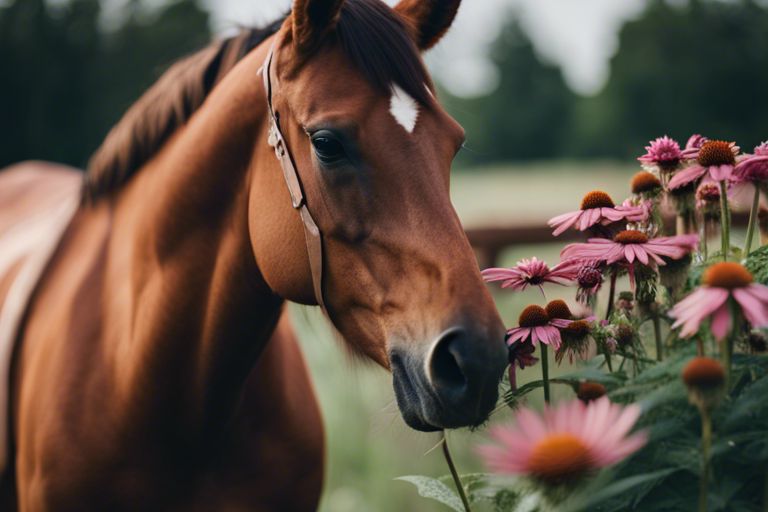
Introduction
Echinacea is a popular medicinal plant that can offer many health benefits for horses. In this blog post, we will take a closer look at the use of echinacea for horses and discuss the importance of this plant for their immune system.
Echinacea – Overview and Historical Significance
Echinacea, also known as coneflower, is a plant that has long been valued for its potentially immune-boosting properties. This plant contains various bioactive compounds, including flavonoids, alkaloids, and essential oils, which can help strengthen the body's defenses. In the past, echinacea was used by indigenous peoples in North America to treat various ailments.
Importance of Echinacea for the Immune System of Horses
The immunostimulating properties of echinacea can also be of great benefit to horses. Regular administration of echinacea preparations can reduce the frequency of infections and shorten recovery time for existing illnesses. Echinacea can thus contribute to improving the general health and well-being of horses.

Key Takeaways:
- Immune System Boost: Echinacea can strengthen the immune system of horses, thereby helping to prevent infections.
- Shortened Recovery Time: Regular administration of echinacea can help shorten the recovery time from colds or other respiratory infections in horses.
- Support for Inflammatory Diseases: Echinacea is also used to treat inflammatory diseases, such as joint pain, and can provide supportive effects.
Areas of Application for Echinacea in Horses
Preventive Use for Immune Support
Echinacea can also be used in horses to strengthen the immune system. The plant contains bioactive compounds that can support the body's defenses. Regular use of echinacea preparations can help prevent infections and promote the health of horses.
Treatment of Respiratory Diseases
Echinacea can also be used for respiratory diseases in horses. Studies suggest that echinacea preparations can shorten the recovery time for respiratory infections. The anti-inflammatory properties of the plant can help alleviate symptoms and support recovery.
Further information on the treatment of respiratory diseases with echinacea can be helpful in determining the correct dosage and method of administration. It is important to follow the recommendations of a veterinarian and to always monitor the health of the horses. Echinacea should be considered as a supplement to comprehensive veterinary treatment.
Echinacea for Horses: Dosage and Administration
Correct Dosage of Echinacea for Horses
Echinacea can be a valuable supplement for the health of horses, especially for supporting the immune system. It is important to pay attention to the correct dosage to achieve the desired effects and avoid possible side effects. Experts recommend a dosage of 5-10 ml of echinacea tincture per 100 kg of the horse's body weight per day. It is advisable to consult a veterinarian before administration to determine the appropriate amount.
Different Forms of Administration and Their Application
There are different forms of echinacea for horses, including tinctures, powders, and tablets. Each form has its advantages and disadvantages, but all can be effective when used correctly. The tincture can simply be added to the feed, while powder can be easily dissolved in water and administered orally. It is important to follow the manufacturer's instructions exactly to achieve optimal effectiveness.
Possible Side Effects and Contraindications
Safety and Tolerability of Echinacea
Echinacea is generally well tolerated, but in some cases, mild side effects such as stomach upset or allergic reactions may occur. It is important to adhere to the recommended dosages and exercise caution if there is a known allergy to composite flowers. To minimize any risks, the use of echinacea in horses should be coordinated with a veterinarian.
When to refrain from use
In cases of autoimmune diseases or organ-transplanted horses, the use of echinacea should be avoided, as the immunostimulating effects of the plant can have negative consequences. Furthermore, long-term use is not recommended, as this could lead to a decrease in effectiveness and the occurrence of undesirable effects.
Further possible side effects with excessive use can be harmful to the liver. It is advisable to use echinacea carefully and under professional guidance to avoid endangering the horse's health.
Experiences and Scientific Findings
Studies on the Efficacy of Echinacea in Horses
Studies on the use of echinacea in horses are limited, but initial results suggest that the plant can also have a positive effect on the immune system in these animals. Similar to humans, echinacea is believed to strengthen the body's defenses and thus help prevent diseases or accelerate recovery. However, it is important to await future research to better understand the exact efficacy and dosage recommendations for horses.
Practical Experience Reports
Practical experience reports show that many horse owners observe positive results when using echinacea for their animals. Some report improved immunity, faster recovery after illnesses, and overall better health. However, it is important to note that not all animals react the same way and some individual differences in effect may occur. It is recommended to coordinate the use of echinacea in horses with a veterinarian to achieve the best possible results.
Conclusion
Echinacea is a plant with known immunostimulating properties that can also be beneficial for horses. The bioactive compounds in echinacea can help strengthen the immune system and shorten recovery time for respiratory infections.
Relevance of Echinacea in Equine Health Care
Echinacea could play an important role in equine health care, especially regarding strengthening the immune system and supporting inflammatory diseases. Studies suggest that regular administration of echinacea preparations can improve the health of horses.
With the immunostimulating and anti-inflammatory properties of Echinacea, horses may benefit from strengthened defenses against diseases and faster recovery. It is important to observe the correct dosages and forms of application to achieve the best possible results.


