

Introduction
The Arabian horse, one of the oldest and noblest horse breeds in the world, stands for elegance, intelligence, and endurance. This comprehensive blog will present all important aspects of these fascinating animals – from their impressive profile to their multifaceted personality and their captivating history. Arabian horses are considered people-oriented, sensitive, and reliable, provided they are properly cared for and trained.

Profile: Arabian Horses
| Origin | Arabian Peninsula |
| Main Breeding Area | Worldwide |
| Distribution | Europe, North America, Middle East, Africa, Turkey |
| Bred since | 7th Century |
| Life Expectancy | 25 - 30 years |
| Size | 140 - 160 cm |
| Weight | 350 - 450 kg |
| Color | Bay, Chestnut, Black, Grey |
| Type | Thoroughbred |
| Character | Brave, sensitive, intelligent, spirited |
| Body | Square; high tail carriage |
| Suitable for | Racing, jumping, leisure |
| Keeping and Care |
Balanced diet with the right nutrients; Optimal environment for exercise, clean stable climate and hygiene; Continuous veterinary supervision and vaccinations; Regular training |
The Origin of Arabian Horses
Geographical and Historical Roots
Arabian horses originate from the Arabian Peninsula and are among the oldest horse breeds in the world. As early as the 7th century, they were bred by the Bedouins, and their unique characteristics have influenced many other horse breeds over time. The elegant appearance, high intelligence, and endurance of Arabian horses make them sought-after animals for breeding and riding.
The Influence of the Bedouins and Selective Breeding
The Bedouins significantly influenced the breeding of Arabian horses for centuries. Through their nomadic lifestyle and deep connection to the animals, they developed a selection based on endurance, intelligence, and sensitivity. This resulted in a horse breed that is not only beautiful but also possesses extraordinary abilities. The Bedouins placed great importance on the quality of their horses and refined them through targeted breeding.
Spread of Arabian Horses Across Continents
Arabian horses are now distributed worldwide and are bred in Europe, North America, the Middle East, Africa, and Turkey. Their versatility and abilities have led to them being highly valued in both sport and leisure. Arabian horses have spread from their origins in the Arabian Peninsula across continents, and their unique characteristics make them one of the most sought-after horse breeds globally.
Characteristics and Appearance of the Arabian Horse
Characteristic Features of the Arabian Horse
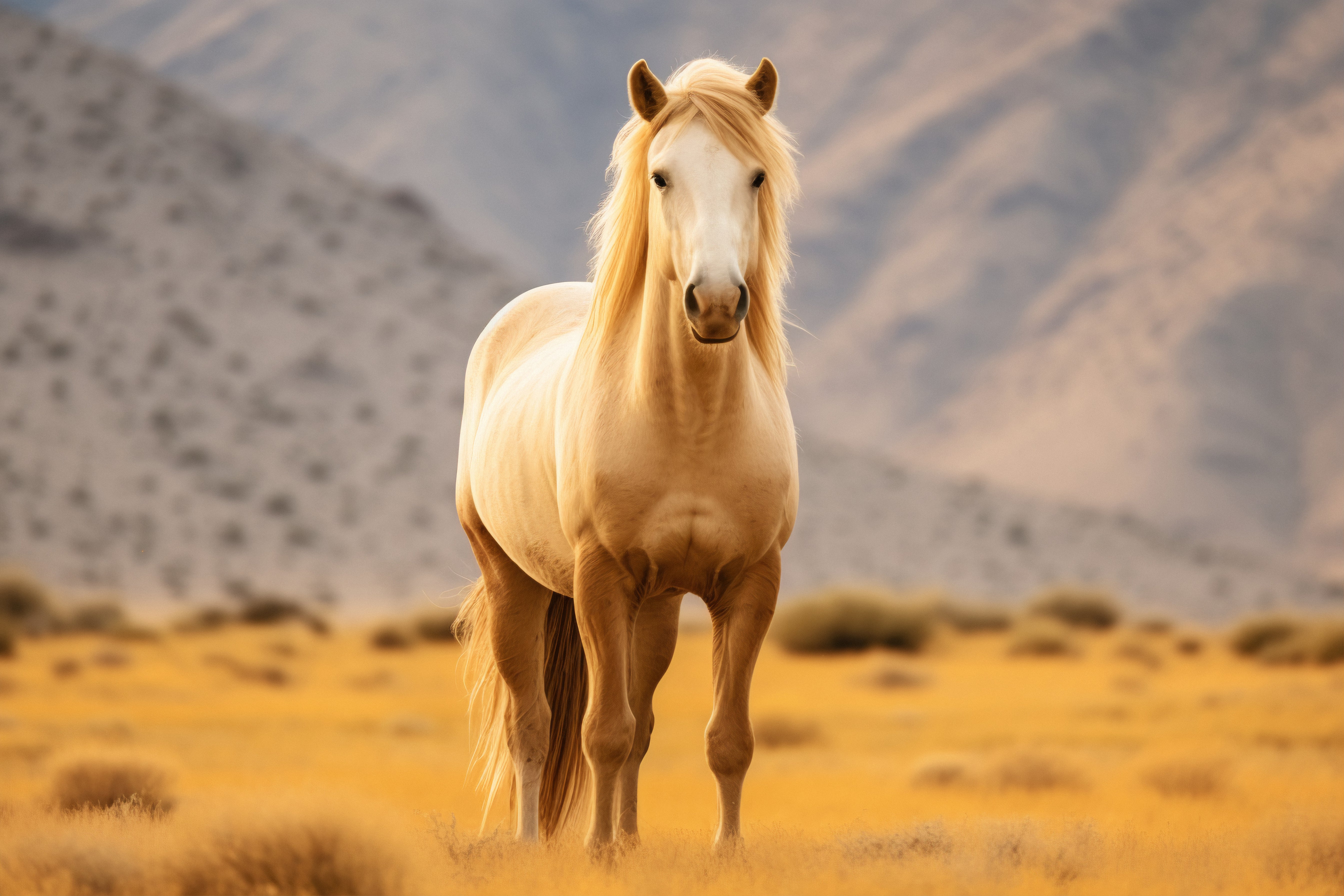
The Arabian horse is known for its unique elegance and grace, which sets it apart from other horse breeds. With a height of 140-160 centimeters, it is one of the smaller horse breeds but is extremely strong and well-muscled. Its compact build is characterized by a short, strong back, a deep chest, and powerful hindquarters. A striking anatomical feature is the smaller number of vertebrae in the lumbar spine and tail vertebrae compared to other breeds, leading to a square build. The Arabian's head is unmistakable with a broad, flat forehead and concave-shaped nasal area, large, expressive eyes, and small, pointed ears.
Standard Measurements and Weight
A fully grown Arabian horse weighs an average of 350 to 450 kilograms. With a height of 140-160 centimeters, the Arabian is one of the smaller horse breeds, but it is extremely strong and robust. Its build is optimally designed for endurance and performance, making it a versatile and capable horse for various disciplines.
Unique Anatomical Features
The Arabian horse possesses unique anatomical features that distinguish it from other breeds. Its special bone structure and high tail set give it its unmistakable stylish and elegant appearance. Compared to most other horses, Arabians have only 17 ribs instead of 18 and only 5 lumbar vertebrae instead of 6. Additionally, they have exactly 15 tail vertebrae in contrast to the usual 16 to 18 in other horses. The fewer number of vertebrae in the lumbar spine and tail vertebrae along with its distinctive head make the Arabian a fascinating and characteristic horse.
With its unique anatomical features, the Arabian horse is not only visually impressive but also functional and capable in various disciplines.

Life Expectancy and Typical Health Problems in Arabian Horses
Arabian horses are generally robust animals with an average life expectancy of 25 to 30 years. However, they are prone to certain genetic disorders, such as cerebellar abiotrophy (CA), severe combined immunodeficiency (SCID), and progressive depigmentation. These conditions can impair the horse's well-being and performance and require careful monitoring by a veterinarian.
Management of Genetic Disorders
The management of genetic disorders in Arabian horses requires careful breeding policies and genetic testing to minimize the risk of diseases such as CA and SCID. Through targeted breeding programs and avoiding pairings that favor the inheritance of these diseases, breeders can help preserve and improve the health of the breed.
- Breeding policy: Genetic testing and selection of healthy parent animals are crucial.
- Avoidance of pairings: Crossings that could lead to the inheritance of genetic diseases should be avoided. Assume that a solid breeding policy ensures the survival of the breed.
Bloodlines and Subspecies
The Six Most Important Arabian Bloodlines
Among Arabian horses, 6 distinct bloodlines can be identified, each with its own characteristics and traits. These include Egyptian Arabians, Polish Arabians, Russian Arabians, Spanish Arabians, Crabbet Arabians, and Shagya Arabians. Each line has a unique history and shapes the traits of the Arabian horses from that line.
Officially Recognized Subspecies and Their Distinguishing Features
While the six bloodlines do not constitute independent breeds, certain subspecies of the Arabian horse are officially recognized. These include the Anglo-Arabian, the Arabian Half-bred, and the Arabian Pinto. Each of these subspecies exhibits specific characteristics that distinguish them from purebred Arabians. The Anglo-Arabian, for example, is a mix of the Arabian horse and the English Thoroughbred, while the Arabian Half-bred is created by crossing various breeds.
The Influence of Bloodlines on Current Breeding Practices
The selection of the right bloodline plays a crucial role in today's Arabian horse breeding practices. Breeders carefully consider the characteristics and traits of each line to ensure healthy and high-performing offspring. Through targeted pairings of animals from different bloodlines, breeders strive to improve and preserve the characteristic features of the Arabian horse.
Knowledge of the various bloodlines and their impact on breeding practices enables breeders to maintain and further develop the quality and versatility of the Arabian horse.
Character of Arabian Horses
Intelligence and Trainability
Arabian horses are exceptionally intelligent and eager to learn. With their quick comprehension, they can successfully master complex tasks. Their curiosity and attentiveness allow them to explore their surroundings and learn new things. This intelligence makes them excellent sports and leisure partners.
Sensitivity and Emotional Bond
Arabian horses are particularly sensitive and react strongly to the emotions of the people around them. They often form a close bond with their owners and can be extremely loyal and affectionate companions. This sensitivity requires respectful and empathetic handling to avoid nervousness and skittishness.
Because Arabian horses often lived very closely with people, they developed a friendly and sociable personality. They appreciate the company of others and are especially open to close bonds and shared adventures.
Energy and Endurance
An Arabian is known for its vitality and drive. With plenty of energy and enthusiasm for movement, they are excellent sports and leisure horses. Their endurance and resilience stem from their origins in harsh desert conditions, making them ideal partners for long-distance rides.
Arabian horses are energetic and possess a strong will, which, combined with their intelligence and sensitivity, makes them versatile and reliable companions for riders of all disciplines.
Arabian Horses: Versatility and Performance in Various Disciplines
Triumph in Endurance Riding
Arabian horses are undoubtedly the champions of endurance riding. Thanks to their desert roots, they possess exceptional stamina and can maintain high speeds over long distances. Their grace and rapid recovery make them perfect long-distance runners.
Versatility in Dressage and Showmanship
An Arabian horse captivates with its elegance, expression, and lightness, making it ideal for dressage work. Thanks to its sensitivity and friendly nature, the Arabian is also well-suited for the show ring, where it impresses with its grace and presence.
Furthermore, Arabian horses are excellent for Western riding and as leisure companions. In leisure activities, their friendliness and sensitivity make them loyal companions. The Arabian horse convinces with its versatility and adaptability in various disciplines and roles, be it in sporting competitions or as a reliable partner in leisure.
The Arabian Horse in Modern Times
Current Popularity and Breeding Trends
The Arabian horse remains a popular horse breed in modern times, both in Germany and worldwide. With their unique qualities such as elegance, sensitivity, and endurance, Arabians continue to attract horse lovers. Breeding trends focus on preserving the pure lines of the Arabian horse, while also increasingly considering crossbreeding with other breeds to further improve versatility and performance.
Participation in Shows and Competitions
Arabian horses have made a name for themselves in various shows and competitions. Their elegance, intelligence, and agility make them impressive participants in areas such as endurance riding, dressage, and Western riding. Arabian horses are also popular at leisure events, as they are considered reliable and versatile partners.
Training and Care for Optimal Performance
Nutrition and Diet: Adapting to the Needs of the Breed
Arabian horses have specific needs when it comes to their diet. Due to their impressive endurance and intelligence, they require a balanced and tailored diet to achieve optimal performance. The right amount of proteins, vitamins, and minerals is crucial to maintain their health and fitness.
Exercise and Training Requirements
Arabian horses are known for their endurance and lightness and require regular exercise to stay healthy. Targeted training that promotes their natural abilities is crucial. Endurance riding, dressage, Western riding, and leisure activities are just some of the disciplines for which the Arabian horse is suitable. It is important to adapt the training to the individual needs and abilities of the horse to ensure long-term health and well-being.
Recognizing and Preventing Common Diseases in Arabian Horses
Caring for Arabian Horses: Optimal Practices for Owners
Understanding the Special Needs of Arabian Horses
Arabian horses have specific requirements that owners must consider to ensure their health and well-being. Due to their sensitivity, they need empathetic and respectful care. Regular exercise and an adapted diet play a crucial role in their vitality.
Creating the Ideal Environment
Creating an optimal environment is of great importance for Arabian horses to lead a healthy and happy life. It is important to provide sufficient space for exercise and pasture. A well-structured stable climate and regular changes on the paddock contribute to a balanced lifestyle.
Other important factors for the living environment include balanced air circulation, sufficient light, and regular stable cleaning to ensure optimal hygienic conditions.
The Bond Between Horse and Rider: Building Trust and Respect
The bond between horse and rider is crucial for successful cooperation and harmonious coexistence. It is important to build a relationship of trust and cultivate mutual respect. Through consistent but loving training, the bond is strengthened and communication is improved.
Through regular training and positive interactions, owners and Arabian horses can build a deep connection that is essential for a successful partnership.
Conclusion
Arabian horses are characterized not only by their beauty, but also by their intelligence, endurance, and sensitivity, making them popular partners for riders and horse lovers worldwide. With proper care, training, and husbandry, Arabian horses can lead a fulfilling and healthy life and demonstrate their impressive talents in various disciplines.
Whether in sports, leisure, or even on screen - Arabian horses have captured a permanent place in the hearts of many people. With their unique heritage and outstanding characteristics, they will continue to attract the attention and admiration of horse enthusiasts around the world.
Questions on the Topic: Arabian Horse
1. What are the possible uses for Arabian horses?
-
Dressage: Due to their elegance, expressiveness, and lightness, Arabian horses are excellently suited for dressage.
-
Western Riding: Thanks to their intelligence, agility, speed, and endurance, Arabs are ideal partners for Western riding.
2. What makes Arabian horses special?
Arabian horses are valued for their elegance, intelligence, and endurance. Despite their reputation as spirited, they are considered very people-oriented, sensitive, and reliable when properly cared for and trained.
3. Are Arabian horses suitable for beginners?
Due to their positive character traits, Arabian horses are also suitable for beginners. They are versatile and show an exceptional work ethic.
4. How old can Arabian horses get?
Arabian horses have a life expectancy of about 25 to 30 years. With appropriate care, sufficient exercise, and adequate training, however, they can live to be 40 years or older.
5. What distinguishes the appearance of Arabian horses?
The special thing about Arabians lies not only in their character, but also in their elegant appearance. They have a delicate body, a narrow head with expressive, large eyes and nostrils.
6. Are Arabian horses suitable for show jumping?
Arabian horses are ideal show jumpers for ambitious recreational and competitive riders. They are agile and can jump high, making them good horses for people who enjoy jumping. Although they are not as tall as other horses, they can still clear obstacles and provide a lot of fun for their riders.
7. Why are Arabian horses considered the noblest horse breed in the world?
8. Why are Arabian horses expensive?
9. Are Arabs good horses?
Yes, Arabs are excellent horses, known for their elegance, intelligence, and endurance. Despite their portrayal in films as spirited, they are actually friendly, sensitive, and reliable when properly trained.
10. What are the characteristics of Arabs?
Arabs are thoroughbred horses with a life expectancy of 25-30 years. They originate from the Arabian Peninsula and are characterized by their intelligence, sensitivity, and endurance.
11. How much does a purebred Arabian horse cost?
Egyptian Arabians are typically traded between 5,000 and 15,000 Euros. However, horses with particularly noble lineage can fetch higher prices. This is because their ancestry often goes back to renowned breeding horses, which increases their value and quality. When buying an Egyptian Arabian, factors such as lineage, health, training, and performance play an important role in pricing.
12. Are Arabian horses difficult to ride?
Arabs are smaller than some other breeds, making them less intimidating. Nevertheless, they are spirited and require confident handling.
13. Which horse breed is the most intelligent?
14. Are Arabs racehorses?
15. How do Arabian horses differ from others?
16. Are Arabs good for trail rides?
17. Are Arabian horses loyal?
18. Which type of horse is the most difficult to ride?
19. Do Arabian horses love their owners?
20. Are Arabian horses difficult to train?
Sources:
- Commons: Arabian horse
- Wikipedia: Arabian Horse
- News on the topic: Arabian Horses
- Association of Breeders and Friends of the Arabian Horse e.V
- World Arabian Horse Organisation
- Breed description of the VZAP
Statutes and Stud Book Regulations of the VZAP, as of April 4, 2009, page 44
Other horse breeds:
- Friesian Horse
- Icelandic Horse
- Palomino Horse
- Andalusian Horse
- The Norwegian Fjord Horse
- Dülmen Wild Horse
Editorial Guidelines of Horse Vitality Company
At Horse Vitality Company, we create every post according to strict quality standards and rely on reputable sources and scientific research. Our editors are proven experts in the field of equine health and provide you with well-founded, trustworthy information.
Expertise and Quality Assurance
- Qualified Authors: Our editors have extensive specialist knowledge in equine health and animal care.
- Double Check: Every article is additionally reviewed by a second expert to ensure accuracy and relevance.
Sources and Transparency
- Reputable Sources: We only use trustworthy sources and scientific studies to support the content.
- Disclosure: We disclose potential conflicts of interest and ensure transparency.
Reader-Friendliness and Actuality
- Reader-Friendly Preparation: Our content is continuously optimized to make it as understandable and accessible as possible.
- Actuality: We regularly review and update our articles as needed to ensure they are always up-to-date.
Interaction and Feedback
- Reader Orientation: Our goal is to provide you with initial guidance. For individual health or care questions, we recommend consulting a veterinarian or animal naturopath.
- Feedback Option: We invite our readers to provide feedback and ask questions. Your suggestions help us to continuously improve our content and adapt it to your needs.
These guidelines ensure that the content of Horse Vitality Company always meets the highest standards of expertise, authority, and trustworthiness.


