

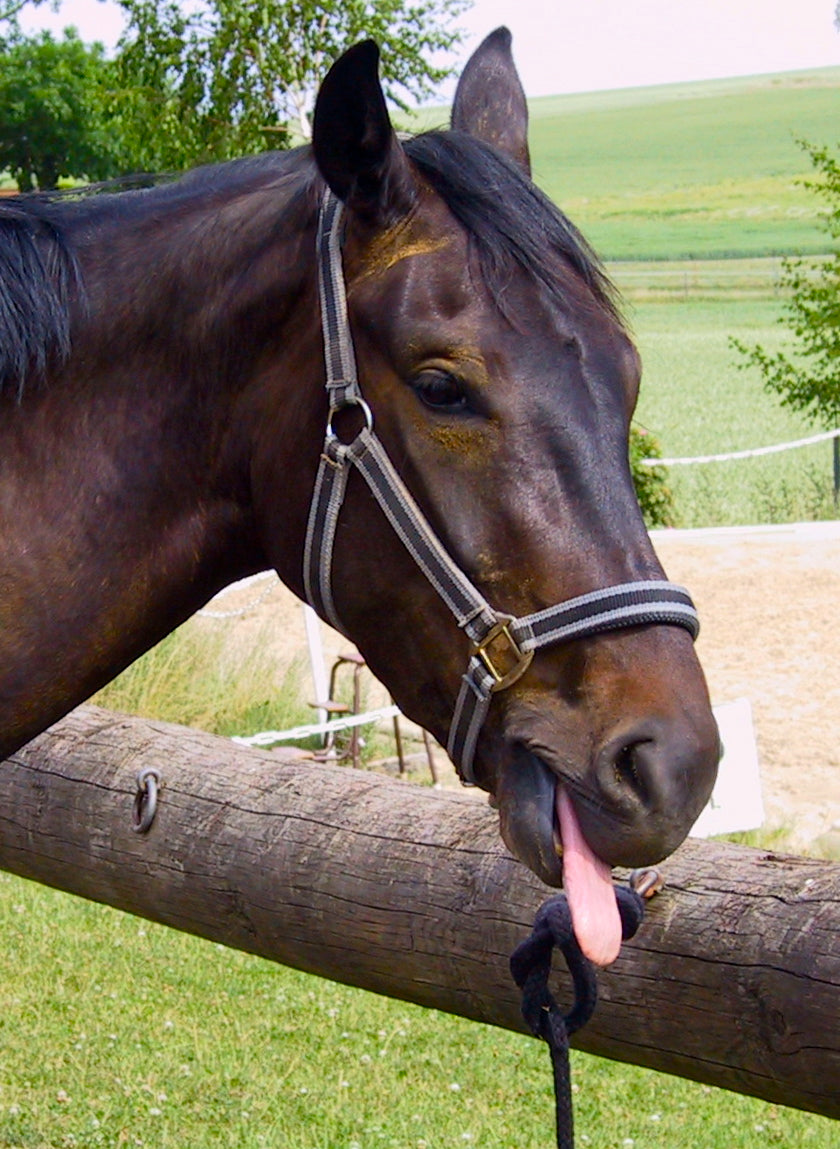
A Portrait of the Successful Hanoverian Horse Breed
The Hanoverian is a globally renowned and versatile horse breed with a rich history dating back to the 16th century. Known for their elegant conformation, high intelligence, and willingness to perform, Hanoverians excel in disciplines such as dressage, show jumping, and eventing. Originally bred for agriculture and military use, the breeding focus has shifted over time to competitive sports. In this article, we delve into the origin, characteristic features, and optimal keeping conditions of this impressive horse breed.

Profile: Hanoverian Horse
| Origin | Germany |
| Main Breeding Area | Lower Saxony |
| Distribution | Worldwide |
| Life Expectancy | 20 to 30 years |
| Height | Average 160 to 175 cm |
| Weight | Approximately 600 to 700 kg |
| Color | Mostly bay, black, chestnut, grey |
| Type | Warmblood |
| Character | Balanced, willing to perform, intelligent, friendly, level-headed |
| Body | Harmonious, powerful build |
| Suitable for | Dressage, show jumping, eventing, equestrian sports in general |
| Care and Keeping | Regular training and exercise |
Origin and History of the Hanoverian
History of the Hanoverian Breed
Hanoverians originate from the state of Lower Saxony, whose capital city of Hanover also gave the breed its name. Their history can be traced back to the 16th century, when the breed was originally bred for agriculture and the military. Organized breeding began with the founding of the State Stud Celle on July 27, 1735, which served as a central registration point for matings and foal notifications.
Development of the Breed
Until about 1870, Hanoverians were refined by crossbreeding with English Thoroughbreds and half-breds. After that, no further crossbreeding of foreign breeds took place until the beginning of the 20th century. A crucial turning point was the period after the Second World War, when the use of machinery in agriculture increased and Hanoverians were no longer needed as working animals. Subsequently, the breeding of sport horses came to the forefront, which again involved the crossbreeding of Thoroughbreds and Trakehners.
A special feature of Hanoverian breeding was that many breeding mares were kept by rural breeders, as breeding was focused on working animals until after the war. With the shift to sport horse breeding, the Hanoverian Stud Book was also founded in 1888, which established today's Hanoverian Association. Since 1949, the association has used the Niedersachsenhalle in Verden for various events such as competitions and the well-known Verden Auction, where almost 900 horses are auctioned annually.
The Hanoverian Association
Founding of the Association
The Hanoverian Association was originally founded as the Hanoverian Stud Book in 1888. The association has developed over the years and is today the largest horse breeding association in Europe, with its main office in Verden. Here, stud books are maintained and equine passports are issued, which greatly facilitates the organization and administration of breeding.
Role of the Association in Promoting the Breed
The Hanoverian Association plays a crucial role in promoting the breed. Through events such as the well-known Verden Auction and various competitions, the association significantly contributes to the recognition and popularity of Hanoverians. These events provide a platform to showcase the quality and versatility of the horses.
The Hanoverian Association also promotes the breed through the systematic recording and maintenance of bloodlines, with more than 1500 identified mare families. This also includes offering extensive training opportunities for breeders and the integration of modern breeding methods to continuously improve the quality of the horses. These measures ensure that the Hanoverian will continue to be one of the leading horse breeds in international sport in the future.
Physical Characteristics of the Hanoverian Horse Breed
Conformation and Size
The Hanoverian is characterized by its large-framed and rectangular conformation. This horse breed has an elegant and well-muscled body, a short and strong back, and a broad chest. The powerful legs and long, strong neck create an impressive appearance. With a height of approximately 160 to 175 cm at the withers, the Hanoverian is one of the larger horse breeds.
Coat Color and Pattern
The Hanoverian's coat is typically short and dense and can appear in all common colors. Hanoverians are often seen as black, chestnut, bay, or grey. Unlike some other breeds, white markings are also permitted in Hanoverians, contributing to the diversity in the horses' appearance.
White markings, such as a star, blaze, or white legs, give the Hanoverian a special aesthetic and individuality. This variation in coat colors and patterns allows breeders and owners to select horses that impress not only with their performance but also with their appearance.
Head and Neck Structure
A Hanoverian's head is usually expressive with clear, intelligent eyes and a straight or slightly convex nasal line. The neck is long and powerful, well-set, and carried elegantly. These features give the Hanoverian a proud and elegant overall appearance.
A well-proportioned neck and head structure plays an essential role in the horse's balance and rideability. The powerful and elegantly arched neck ensures that the Hanoverian is successful in many equestrian disciplines, as it offers both strength and agility. These physical characteristics also support the ability to execute movements quickly and precisely, which is particularly important in dressage and show jumping.
Hanoverian Horse: Temperament and Personality
Intelligence and Trainability
Hanoverians are known for their high intelligence and trainability. These horses are attentive, quick learners, and show a strong work ethic. This temperament makes them ideally suited candidates for a wide range of equestrian disciplines.
Friendliness and Social Behavior
Hanoverians are often very friendly and good-natured horses. They frequently build strong relationships with their owners and show high sensitivity in their interactions with people.
This horse breed stands out with its socially confident behavior, which makes it particularly popular with riders. Their sensitivity and need for companionship make them perfect partners for both sport and leisure. A well-cared-for Hanoverian often displays a harmonious and peaceful nature, which is an advantage for both beginners and experienced riders.
Temperament and Emotional Stability
Hanoverians can have a very spirited nature but are simultaneously described as balanced, level-headed, and courageous. These qualities are particularly valuable in high-performance sports.
The emotional stability of Hanoverians makes them reliable partners who remain calm even in stressful situations. This composure, combined with their courageous nature, ensures that they excel in many equestrian situations. Their balanced temperament contributes to their ability to perform optimally in both competitions and daily training.
Health and Longevity in Hanoverian Horses
Average Lifespan
Hanoverian horses have an average life expectancy of about 20 to 30 years. Due to their robust health and careful breeding, breed-specific diseases are rare, which contributes to this relatively high life expectancy.
Common Health Problems
Although no specific breed-typical diseases are known, Hanoverians often used in competitive sports can suffer from various health problems of the musculoskeletal system. The most common problems include premature wear and tear of ligaments and tendons, arthritis, and joint chips.
Premature wear and tear of ligaments and tendons can be caused by acute overexertion, inadequate training, and unsuitable ground. This leads to severe pain and lameness. Arthritis is an incurable joint disease in which the articular cartilage is destroyed, which can also lead to pain and inflammation. Joint chips are splintered bone fragments that move within the joint and can cause pain.
Prevention and Management of Health Problems
The prevention and management of health problems in Hanoverians require careful care and attention. Regular veterinary check-ups, adapted training, and appropriate nutrition are crucial to ensure your horse's health.
To prevent specific problems, you should ensure that your Hanoverian is trained on suitable ground to avoid overexertion. Additionally, a balanced and adapted diet is important to provide the necessary energy while avoiding obesity, which could further strain the musculoskeletal system. Regular breaks and recovery periods are also essential to maintain the horse's healthy condition.

Care and Keeping of Hanoverians
Accommodation and Living Conditions
Hanoverians need plenty of space for free movement to stay healthy and happy. It is important that they have sufficient space, as they are quite large. At the same time, plenty of fresh air and low dust exposure are essential. If you keep your Hanoverian outdoors, ensure good weather protection. This horse breed should also never be kept alone, as they are very social animals and need the company of other horses.
Diet and Feeding
Hanoverians are quite frugal and do not have special dietary requirements. Continuously available roughage and fresh water are essential. You should also adjust the concentrated feed to your horse's performance requirements, as Hanoverians are considered easy keepers.
A balanced diet is particularly important to ensure the Hanoverian's health and performance. In addition to roughage, sufficient provision of vitamins and minerals should be ensured. Incorrect feeding can lead to overweight or underweight, which in turn can promote musculoskeletal diseases. Therefore, it is advisable to create a feeding plan based on the horse's individual needs.
Socialization and Training
Hanoverians are very social creatures and often build strong relationships with their owners and other horses. Regular socialization with other horses is essential for their well-being. Furthermore, regular and varied training sessions are important for them, as they are very eager to learn and performance-oriented.
The training of a Hanoverian should be diverse and stimulating. Due to their high intelligence and quick comprehension, they learn new tasks and commands quickly. It is important that the training is both mentally and physically demanding to avoid boredom and associated behavioral problems. Close cooperation and a trusting relationship between horse and rider promote training success and the animal's satisfaction.
Disciplines and Uses for Hanoverian Horses
Dressage and Show Jumping
Hanoverians are globally renowned for their outstanding performance in dressage and show jumping. Their elegant movements and willingness to perform make them popular participants at high competitive levels. Many famous Hanoverians such as Gigolo and Desperados FRH have won numerous titles in these disciplines.
Eventing and Cross-Country Riding
Hanoverians also demonstrate their versatility and resilience in eventing. They are courageous and level-headed, making them excellently suited for the demanding challenges of this discipline. Famous representatives such as FRH Butts Abraxxas and Escada FRH have also achieved great success here.
The combination of dressage, show jumping, and cross-country obstacles in eventing demands both physical fitness and mental stamina from a horse. Hanoverians are characterized by their intelligent adaptability and the ability to combine quick learning with hard work, making them ideal eventing horses.
Recreational and Trail Riding
Thanks to their friendly nature and adaptability, Hanoverians are also extremely popular as recreational horses. They are excellently suited for relaxed rides and trail riding, where their balance and nerve are valued.
For riders who are looking for a reliable and tractable horse outside of competitive sports, Hanoverians offer numerous advantages. Their willingness to cooperate and their strong bond with their owners make them ideal companions for long rides and relaxing days in nature.
Famous Hanoverians
Successful Sport Horses
Hanoverians have impressed at the highest level in many disciplines. Notable examples include Desperados FRH with Kristina Bröring-Sprehe and Gigolo with Isabell Werth in dressage, as well as Deister with Paul Schockemöhle and Stakkato in show jumping. Their successes at the Olympic Games and World Championships underscore the outstanding abilities of this horse breed in competition.
Influential Breeding Stallions
Influential breeding stallions have contributed significantly to the development of Hanoverians. The famous stallion Weltmeyer, born in 1984, won numerous titles and left behind an impressive progeny. Equally significant is Stakkato, born in 1993, who produced outstanding offspring in the show jumping scene.
Weltmeyer, an important sire in dressage, was named "Hanoverian Stallion of the Year" in 1998. He is the offspring of World Cup I and won, among other things, the Bundeschampionat for three-year-old riding horses. Stakkato was the best in his stallion performance test in 1995 and was also named "Hanoverian Stallion of the Year" in 2007. Their offspring are known for their excellent performance and high prices. These stallions have sustainably shaped Hanoverian breeding and ensured its continued success.
Conclusion
The Hanoverian is a horse breed of outstanding versatility and impressive elegance, distinguished by its excellent willingness to perform and its balanced temperament. Originally from Lower Saxony, this warmblood breed has made a name for itself worldwide as an excellent sport horse. Hanoverians are characterized by their athletic build, intelligence, and friendly nature, making them suitable for both dressage and show jumping, as well as versatile equestrian sports. This horse breed is a reliable and valued partner that has captured the hearts of many horse lovers around the world.
Questions about the Hanoverian horse
1. Are Hanoverians recommended for beginner riders?
Hanoverians can be suitable for beginner riders if they are well-trained and have a calm disposition. Their balance and willingness to learn make them reliable partners, especially in dressage and show jumping. However, beginners should ensure that the horse is already experienced and well-trained to ensure a safe and positive riding experience. Support from an experienced trainer is also advisable.
2. How much does a Hanoverian cost on average?
The price of a Hanoverian can vary greatly depending on age, training, bloodline, and intended use. On average, the price is between 10,000 and 30,000 Euros. However, horses that have already proven themselves in competitions or come from particularly renowned bloodlines can be significantly more expensive, sometimes up to 100,000 Euros or more.
3. Are Hanoverians good jumping horses?
Yes, Hanoverians are known for their excellent jumping abilities. They have a powerful, muscular build that gives them the necessary jumping power and stamina. Their nerve and courage also make them reliable partners in the show jumping course, which makes them attractive to both amateurs and professionals.
4. What character traits distinguish a Hanoverian?
Hanoverians are characterized by their balance, willingness to perform, and intelligence. They are friendly, level-headed, and have a high willingness to learn, which makes them versatile sport and leisure horses. These characteristics make them particularly popular with riders looking for a reliable and obedient horse.
5. Which horse is best suited for beginner riders?
Horse breeds such as Haflingers, Quarter Horses, or Connemaras are often well suited for beginners, as they are considered calm, good-natured, and easy to handle. Another criterion is the individual training of the horse; a well-trained, experienced horse can offer beginners more security. Older horses with a calm temperament are often a good choice for beginners.
6. What is the price for the cheapest horse?
The cheapest horse can be available from about 1,000 to 2,000 Euros. Such horses are often older or have less training, but they can still be loyal companions and good teachers. It is important to consider the ongoing costs and required care before deciding on a cheaper horse.
7. How much weight can a Hanoverian carry?
A Hanoverian can carry approximately 90 to 100 kg, depending on its size and condition. This usually corresponds to about 15-20% of their body weight. The rider's fitness also plays a role, as a balanced and skilled rider puts less strain on the horse than an inexperienced or unbalanced rider.
8. What is the price for a very good horse?
A very good, well-trained horse with excellent lineage can cost between 50,000 and several hundred thousand Euros. Especially horses that have already demonstrated international competition successes or come from outstanding breeding lines can be in the upper price ranges. The high price reflects the time invested, training, and genetic quality.
9. Are Hanoverians suitable for children?
Hanoverians can be suitable for children, especially if they are well-trained and have a calm temperament. A good-natured, experienced horse can be a safe and reliable partner for children. However, it is important that children ride under the guidance of an experienced trainer and that the horse is regularly cared for.
10. Are Hanoverians spirited?
Hanoverians are generally not very spirited, but rather balanced and level-headed. Their calm and friendly nature makes them versatile horses, both in sport and for leisure. They are known for their composure and reliability, which makes them particularly popular with less experienced riders.
11. How old can a Hanoverian live to be?
Hanoverians can reach an age of 20 to 30 years, depending on care, keeping, and health. Good nutrition, regular veterinary care, and sufficient exercise contribute to Hanoverians living a long and healthy life. Genetic predisposition also plays a role in life expectancy.
12. How high can a Hanoverian jump?
A well-trained Hanoverian can reach heights of up to 1.60 meters and more in the show jumping course. Their natural athleticism and jumping power make them excellent show jumpers who are successful in both national and international competitions. However, jumping performance also depends on the horse's training and conditioning.
13. Why are Hanoverians called that?
Hanoverians are called that because they originally come from the Hanover region in Germany. Their breeding has a long tradition there and is known worldwide for the high quality of the horses. The name "Hanoverian" is an indication of the geographical origin and the breeding origin of this horse breed.
14. Which horse breeds are difficult to ride?
Horse breeds such as Arabs or Thoroughbreds are often considered more difficult to ride because they are spirited and sensitive. These breeds require experienced riders who can handle their lively temperament. Horses that are poorly trained or traumatized can also be difficult to ride, regardless of their breed.
15. What kind of horse is Ostwind?
Ostwind is a fictional horse from the film series of the same name, depicted as a talented and spirited stallion. In the films, Ostwind is presented as a Hanoverian, known for his close bond with the protagonist and his remarkable abilities. The character Ostwind symbolizes freedom and the special bond between human and horse.
Sources:
- Commons: Hanoverian
- Wikipedia: Hanoverian
- News on the topic: Hanoverian horse
- Hannoveraner Verband
- Hanoverian: Breeding, History and Tradition
- Claus Schridde: Hannoveraner Stutenstämme. Verlag Sandra Asmussen, Gelting 2006, ISBN 3-935985-34-7.
Further horse breeds:
Editorial Guidelines of Horse Vitality Company
At Horse Vitality Company, we create every post according to strict quality standards and rely on reputable sources as well as scientific research. Our editors are proven experts in the field of equine health and offer you well-founded, trustworthy information.
Expertise and Quality Assurance
- Qualified Authors: Our editors have extensive expertise in equine health and animal care.
- Double Check: Every article is additionally reviewed by a second expert to ensure accuracy and relevance.
Sources and Transparency
- Reputable Sources: We only use trusted sources and scientific studies to substantiate the content.
- Disclosure: We disclose potential conflicts of interest and ensure transparency.
Reader-friendliness and Timeliness
- Reader-friendly Preparation: Our content is continuously optimized to make it as understandable and accessible as possible.
- Timeliness: We regularly review our articles and update them as needed to ensure they are always up-to-date.
Interaction and Feedback
- Reader-oriented: Our goal is to offer you an initial orientation. For individual health or care questions, we recommend consulting a veterinarian or animal naturopath.
- Feedback Option: We invite our readers to provide feedback and ask questions. Your suggestions help us continuously improve our content and tailor it to your needs.
These guidelines ensure that the content of Horse Vitality Company always meets the highest standards of expertise, authority, and trustworthiness.


