

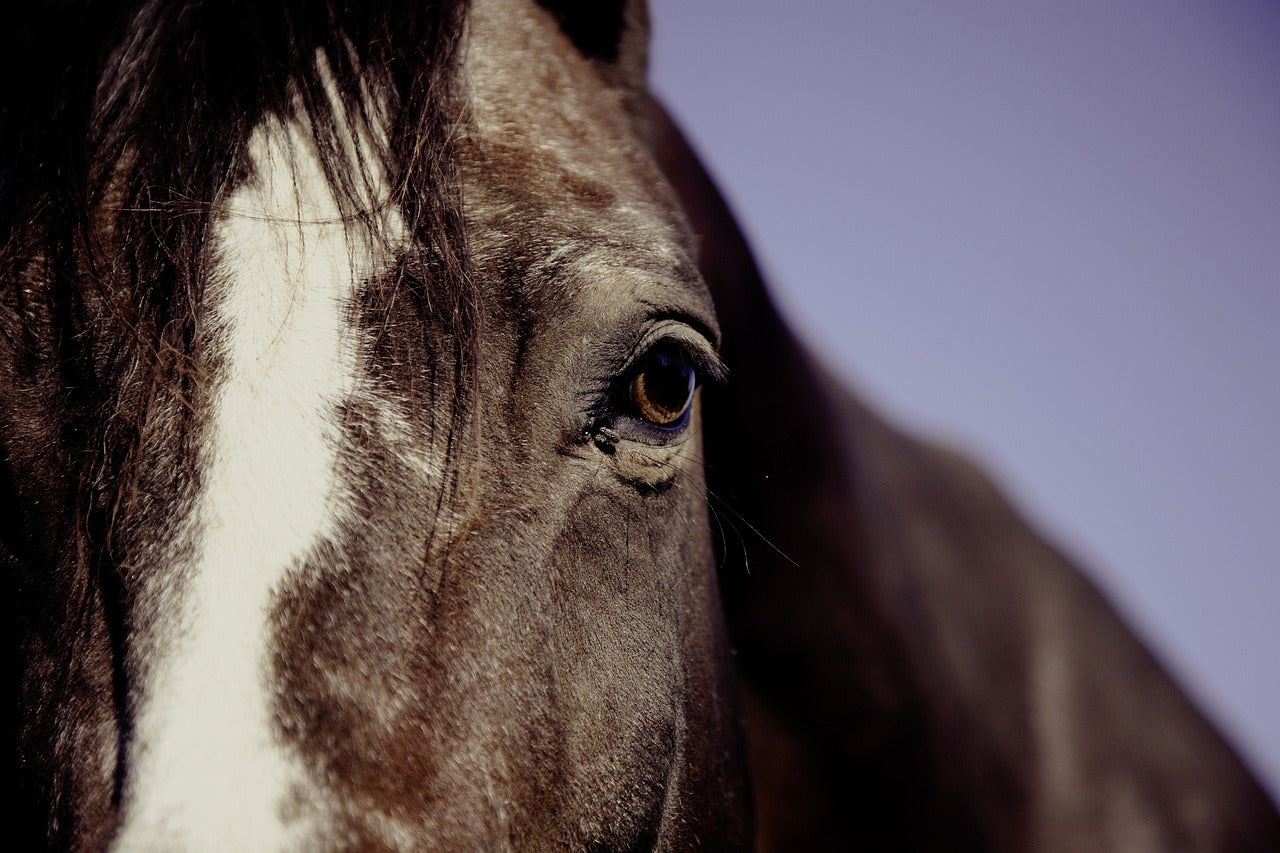
The Eyes as an Indicator of Metabolic Disorders
If your horse suffers from Cushing's Syndrome, it is crucial to keep an eye on their eye health. This condition can lead to weepy eyes and other eye problems that are often overlooked. Therefore, pay attention to abnormalities such as swelling or unusual discharge. Regular check-ups and targeted measures can significantly improve your horse's quality of life and detect potential complications early. Your vet can help you develop suitable steps for treatment and care.

Understanding Equine Cushing's Syndrome
Equine Cushing's Syndrome (ECS) is a common hormonal disorder in horses and ponies caused by an excess of glucocorticoids. Primary causes are usually diseases of the pituitary gland, which impair the production of Adrenocorticotropic Hormone (ACTH) and thus stimulate the adrenal cortex to produce excessive cortisol. This hormonal imbalance leads to severe health problems, including eye conditions. Therefore, early detection of symptoms related to eye health is crucial. (Early diagnosis can significantly influence the choice of therapy.)
Definition and Causes
Equine Cushing's Syndrome (ECS) is a hormonal disorder that primarily affects older horses. The main cause of the disease is a malfunction of the pituitary gland, leading to excessive production of ACTH. This stimulates the adrenal glands to produce too much cortisol, leading to an imbalance in hormone levels. Overdoses of glucocorticoid medications can also play a role. Early symptoms such as weepy eyes can often be overlooked, making timely diagnosis difficult. (Therefore, pay particular attention to changes in your horse's behavior and eye condition.)
Common Symptoms
Beyond eye problems, a horse with ECS often shows other symptoms such as abnormal hair growth and behavioral changes, indicating a metabolic disorder. Sluggish activity and frequent infections can significantly affect your horse's well-being. These symptoms can also indirectly impact eye health, as a weakened immune system can lead to eye inflammation. (Careful observation of symptoms is key to effective treatment.)
In addition to these signs, muscle wastage and hoof problems are common complications that occur if Equine Cushing's Syndrome remains untreated. A weakened immune system can also impair the healing of minor injuries, including those in the eye region. Things like tear flow or swelling can quickly lead to serious problems. (Proactive care of your horse's eyes can prevent serious long-term complications.)
The Effects of Cushing's on Eye Health
In horses with Equine Cushing's Syndrome (ECS), eye health can be significantly affected. The hormonal imbalances caused by the disease can lead to various eye problems. It is therefore important to regularly observe your horse's eyes and act immediately if you notice any unusual symptoms.
Eye Symptoms in Cushing's Horses
Horses with ECS often show weepy eyes, blinking, and are susceptible to infections. These symptoms are directly related to the hormonal imbalances caused by the disease. The moist environment around the eyes can promote the development of inflammation and other eye diseases, which is why you should always keep an eye on your horse's eyes.
Long-term Risks to Eye Health
Untreated eye problems in Cushing's horses can lead to chronic conditions that impair your animal's quality of life. Regular vet visits are essential to detect and treat potential problems early. Long-term neglect of symptoms can severely endanger not only eye health but also your horse's general well-being.
The long-term risks of untreated eye disease in Cushing's horses are significant. If you do not act quickly, progressive diseases such as chronic conjunctivitis or other serious health problems can occur. These challenges can severely affect your horse's quality of life and lead to permanent vision loss. Therefore, you should always consider regular check-ups with the vet to ensure your horse's eye health.
Diagnosis and Tests for Cushing's
The diagnosis of Equine Cushing's Syndrome (ECS) is made through specific blood tests, particularly the ACTH test and the dexamethasone suppression test. The ACTH test determines the concentration of Adrenocorticotropic Hormone in the blood, with elevated levels indicating ECS. The dexamethasone suppression test checks whether cortisol production is reduced by an external glucocorticoid. The results of these tests are crucial for identifying horses that may be at higher risk for eye problems.
Diagnostic Procedures
Two important tests are available for diagnosing ECS. The ACTH test helps to determine the amount of hormone in the blood, with elevated levels indicating the presence of Cushing's. The dexamethasone suppression test is used to check cortisol production, as no decrease is observed in affected animals. Identifying ECS is important to detect eye problems early that can be caused by the syndrome.
Importance of Regular Eye Examinations
Regular eye examinations are essential for the ongoing care of Cushing's horses. Early detection of eye symptoms significantly improves treatment chances and helps ensure your horse's well-being. Since ECS is often accompanied by vision problems, you should ensure that your vet performs a comprehensive ophthalmological examination.
Regular eye examinations allow you to detect changes or problems early, before they have serious consequences. Eye problems in Cushing's horses can lead to pain and permanent damage. Therefore, you should remember that your vet also keeps an eye on your horse's eyes during every examination. Through this proactive approach, you protect your horse's health and well-being long-term.
Treatment Options for Cushing's
The treatment of Equine Cushing's Syndrome (ECS) requires an individualized approach to minimize symptoms and improve your horse's quality of life. A main pillar of therapy is the administration of the drug Pergolide, which inhibits the excessive production of cortisol and thus can support not only general health but also your horse's eye health. In addition, targeted dietary adjustments are important to avoid further health problems and promote your horse's well-being.
Medication and Management
The primary medication for treating Cushing's is Pergolide, which regulates cortisol levels and thus improves your horse's general well-being. Since Cushing's is not curable, Pergolide must be administered lifelong. Complementary management strategies, such as dietary adjustments, are crucial to avoid stressing the metabolism. You should give your horse reduced-sugar feed and focus on roughage to support its health.
Monitoring and Aftercare
Aftercare is crucial to ensure adherence to diet and medication plans and to monitor both your horse's general and ocular health. Regular vet check-ups are necessary to ensure your horse receives the correct amounts of Pergolide and to make any necessary adjustments to feeding. (Avoid changes in medication without consulting your vet!)
Continuous monitoring of your horse's health is essential to detect possible complications of Cushing's syndrome early. It is important that you keep an eye on your horse's body language and act immediately if you notice any changes. (A proactive approach is the key to your horse's long and healthy life!)
Preventive Measures for Eye Health
To support your Cushing horse's eye health, you should pay attention to preventive measures that improve general living conditions. This includes careful observation of the eyes to detect early signs of irritation or infection, as well as regular veterinary check-ups to identify potential problems in time. Also, make sure to reduce environmental stimuli that could affect your horse's well-being.
Nutritional Support
A balanced diet plays an important role in the eye health of a Cushing horse. Avoid sugary feeds to keep blood sugar levels stable, and integrate anti-inflammatory supplements, such as omega-3 fatty acids, to promote overall health. (It is crucial that you develop an individual feeding plan with your vet.)
Environmental Factors
Your Cushing horse's environment can have a significant impact on its eye health. Please ensure that your horse has sufficient shade and protection from external irritants, such as dust or pollen. Direct sunlight can also irritate the eyes and cause long-term damage.
It is particularly important that you ensure a clean and irritant-free environment where your horse can feel comfortable. Dust, infectious diseases, or excessive light radiation can cause serious problems. Adapted husbandry and the provision of shade can have positive effects on the eye health of Cushing horses.

Case Studies and Clinical Insights
- Mare A: 14 years old, showed severe tear production and grey hairs around the eyes, diagnosed with Equine Cushing's Syndrome (ECS), treatment-related improvement within 6 months.
- Gelding B: 10 years old, developed fat pads above the eyes and laminitis, long-term treatment with Pergolide led to stable health after 1 year.
- Mare C: 12 years old, had skin problems and excessive sweating, condition stabilized significantly after a change in feeding.
Practical Examples
In various cases of horses with ECS, significant eye symptoms such as watery eyes or fat pads were observed. In a mare that suffered from unclear symptoms for a year, adapted feeding and daily monitoring of the eyes led to significant improvement. A key learning point from these cases is the importance of early detection and adjustment of care needs (proactive care is the key to optimal quality of life).
Veterinary Perspectives
Veterinarians emphasize the importance of paying attention to eye health in ECS horses. Close monitoring and an integrated approach to treatment are crucial to avoid complications. Regular check-ups and adjustments to feeding are essential for preventing further health problems.
Your horse's eyes provide a valuable indication of the condition of the entire organism. Eye symptoms can not only be aesthetically bothersome but also indicate structural and metabolic problems. Timely recognition of eye changes can help you act more quickly and improve your animal's quality of life. Ensure regular veterinary examinations and do not hesitate to intervene at the slightest changes.
Conclusion:
When monitoring a horse with Cushing's syndrome, it is important to pay particular attention to the eyes. Watery eyes or the formation of lumps are common symptoms that can indicate a progressive condition. Since these signs are often confused with other health problems, you should consult your vet immediately if you notice any abnormalities. Early diagnosis can be crucial to ensure your horse's well-being and quality of life.
These questions about Cushing's horse eyes are frequently asked:
1. What does a horse with Cushing's look like?
A horse with Cushing's often has a long, curly, and difficult-to-groom coat that does not shed even in summer. It may develop fat pads in unusual places such as on the crest of the neck or around the tailhead. In addition, it may show muscle wastage, especially on the back, and increased sweating, increased thirst, and more frequent urination.
2. What pain do Cushing's horses experience?
Cushing's horses usually do not experience direct pain from the disease itself, but they can suffer from painful sequelae such as laminitis. Laminitis is an inflammation of the laminae, which causes severe pain and makes standing and walking very uncomfortable. They can also suffer from movement restrictions due to possible muscle atrophy.
3. How long can a Cushing's horse graze?
A Cushing's horse should only be allowed limited grazing, especially if the grass has a high sugar content, as is the case in spring or after rainfall. Grazing time should be limited to a few hours per day, preferably during cooler morning or evening hours when the sugar content in the grass is lower. A lean pasture helps to minimize the risk of laminitis.
4. What should Cushing's horses not eat?
Cushing's horses should not eat sugary or starchy feeds such as grains, molasses, sweet treats, carrots, or apples. These foods can increase insulin levels and exacerbate the risk of laminitis. Instead, they should be given a low-glycemic diet based on hay and special, low-starch, low-sugar feed mixes.
5. How do I know if my horse has Cushing's disease?
Signs of Cushing's disease in horses include a long, curly coat that does not shed even in summer, fat pads in unusual places, muscle wastage, and increased drinking and urination frequency. Other symptoms may include laminitis, susceptibility to infection, excessive sweating, and behavioral changes. A definitive diagnosis is made by a veterinarian who performs special blood tests.
6. What happens if Cushing's is not treated?
If Cushing's is not treated, the horse's condition can progressively worsen, leading to severe complications such as repeated laminitis, muscle wasting, infections, and a generally weakened immune system. Untreated, these complications can significantly impair the quality of life and ultimately become life-threatening. Timely diagnosis and treatment are crucial to slow the progression of the disease.
7. Do horses with Cushing's syndrome feel cold?
Horses with Cushing's syndrome do not necessarily feel cold; many of them even develop a thick, curly coat that can keep them excessively warm. In some cases, however, there can be difficulties with thermoregulation, meaning they can both overheat and get cold. Therefore, it is important to look for signs of discomfort and to clip or rug the horse if necessary.
8. What is the life expectancy of horses with Cushing's disease?
The life expectancy of a horse with Cushing's disease depends on various factors, including the severity of the disease, the response to treatment, and general care. With good treatment and management, many horses can lead long and fulfilling lives. However, if left untreated or with serious complications such as laminitis, life expectancy can be significantly shorter.
Sources:
- Informative Video: Cushing explained
- News on the topic: Cushing horse eyes
- Wikipedia Article: Equine Cushing's Syndrome
- Zivilisationskrankheiten des Pferdes, Thieme Verlag, ISBN9783132431386, 3132431389
- D. McFarlane: Diagnostic Testing for Equine Endocrine Diseases: Confirmation Versus Confusion. In: The Veterinary clinics of North America. Equine practice. Band 35, Nummer 2, August 2019, S. 327–338, doi:10.1016/j.cveq.2019.03.005, PMID 31076223 (Review)
- Metabolic diseases in horses, Tina Maria Ritter, Franckh-Kosmos Verlag, ISBN9783440508022, 3440508021
Image sources:
Editorial Guidelines of the Horse Vitality Company
At Horse Vitality Company, we create every post according to strict quality standards, relying on reputable sources and scientific research. Our editors are proven experts in equine health and offer you well-founded, trustworthy information.
Expertise and Quality Assurance
- Qualified Authors: Our editors possess extensive expertise in equine health and animal care.
- Double Check: Every article is additionally reviewed by a second expert to ensure accuracy and relevance.
Sources and Transparency
- Reputable Sources: We use only trusted sources and scientific studies to substantiate the content.
- Disclosure: We disclose potential conflicts of interest and ensure transparency.
Reader-Friendliness and Actuality
- Reader-Friendly Preparation: Our content is continuously optimized to make it as understandable and accessible as possible.
- Actuality: We regularly review and update our articles as needed to ensure they are always up-to-date.
Interaction and Feedback
- Reader-Oriented: Our goal is to provide you with initial guidance. For individual health or care questions, we recommend consulting a veterinarian or animal naturopath.
- Feedback Option: We invite our readers to provide feedback and ask questions. Your suggestions help us continuously improve our content and tailor it to your needs.
These guidelines ensure that the content of the Horse Vitality Company always meets the highest standards of expertise, authority, and trustworthiness.


