

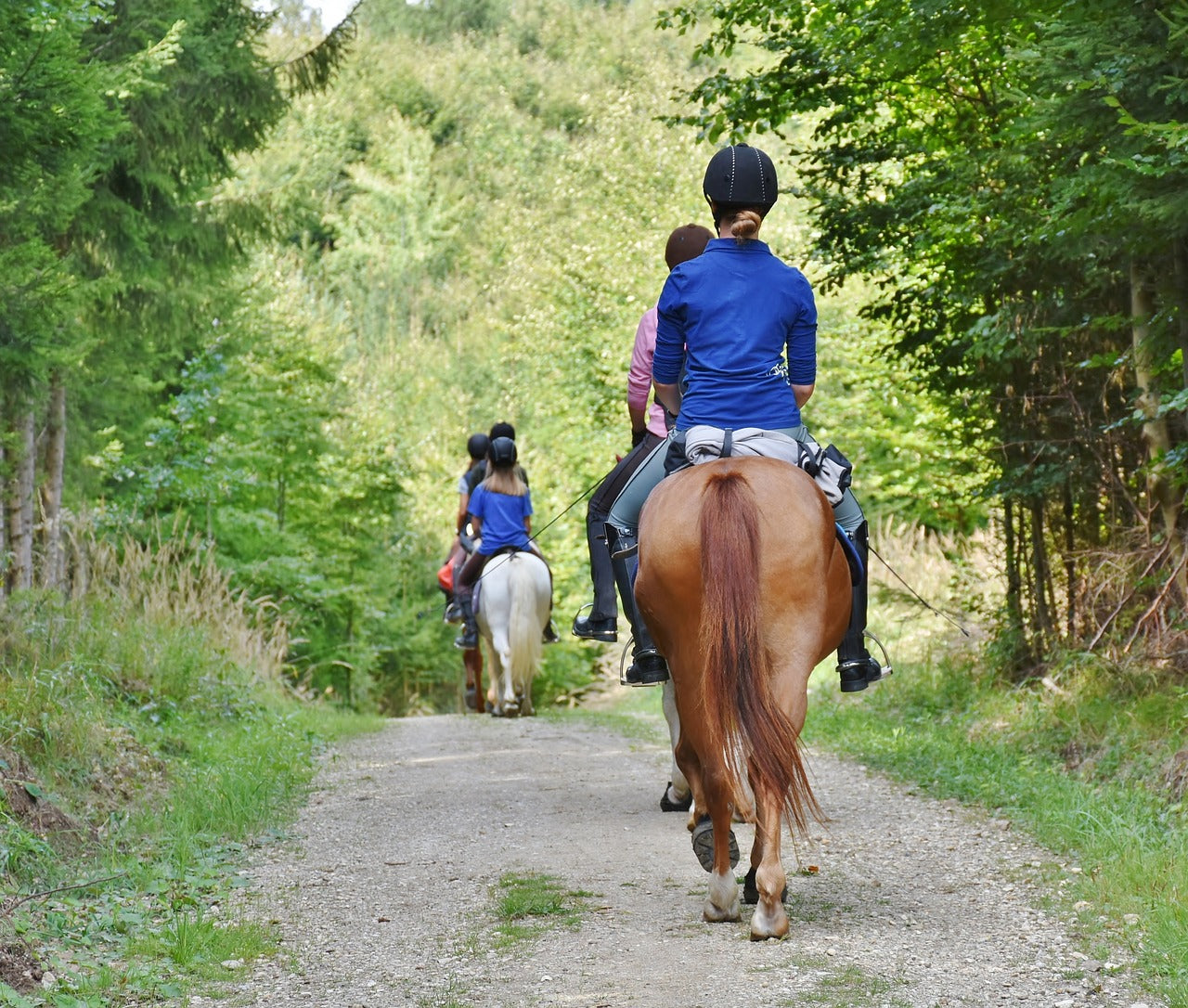
Riding with Cushing's - here's how
If your horse suffers from Cushing's Syndrome, the question often arises whether riding is still possible. It is important that you inform yourself about your horse's special needs and make appropriate adjustments. Moderate exercise can be useful, but you should always pay attention to the symptoms and avoid excessive strain. By adapting your training methods and taking regular breaks, you can support your horse's health and enjoy riding at the same time. Also, work closely with a veterinarian to develop the optimal training plan.

Understanding Cushing's Disease in Horses
Cushing's disease, also known as Equine Cushing's Syndrome or PPID (Pituitary Pars Intermedia Dysfunction), is a common hormonal disorder in older horses. This disease results from a dysregulation of the pituitary gland, leading to excessive production of hormones, especially the hormone ACTH. Typical symptoms include excessive thirst, increased appetite, weight loss, and changes in the coat, such as a long, curly coat. These symptoms can significantly impair your horse's general health and performance.
Definition and Symptoms
Cushing's disease is a hormonal disorder that typically occurs in older horses. The most common symptoms include excessive thirst, increased appetite, weight loss, and coat irregularities, such as a prolonged and curly coat. These symptoms can negatively impact your horse's health and significantly limit its ability to perform activities.
Diagnosis and Veterinary Examination
Cushing's Syndrome is diagnosed through veterinary examinations, hormone tests, and other assessments. It is important to have a comprehensive veterinary examination before you consider riding your horse or subjecting it to strenuous activities. Only then can you determine if your horse is suitable for physical exertion and what special requirements need to be considered.
The diagnosis of Cushing's requires a comprehensive approach that includes symptom assessment and hormone tests to determine hormone levels in the blood. Special attention must be paid to timely detection of potential complications, such as vaccination side effects or worsening of symptoms, before you ride or exert your horse. It is crucial to keep an eye on your horse's health and support it with continuous veterinary expertise.
Impact of Cushing's Disease on Training Ability
Cushing's can significantly affect your horse's stamina and energy levels. The disturbed hormone production leads to physiological changes that negatively impact the ability to perform strenuous activities. Affected horses often suffer from reduced muscle strength and impaired performance, which decreases their tolerance for exercise. Symptoms such as fatigue and general weakness make it difficult to maintain regular training sessions.
Reduced Performance
Physiological changes in Cushing's affect how your horse handles exertion. Horses with this disease often show reduced stamina, meaning their ability to remain active for longer periods is severely limited. This can lead to rapid exhaustion and poorer recovery, which increases the risk of injuries. By maintaining an adapted training routine, however, you can work to stabilize performance.
Risk Factors for Complications
If you are riding a horse with Cushing's, you should keep an eye on potential complications such as laminitis, weight fluctuations, and increased susceptibility to infections. These risks deserve close attention, as they can become more pronounced during physical activities. Monitoring and appropriate adjustment of training are crucial to avoid potential negative consequences. All adjustments should always be made with your horse's well-being in mind.
- Laminitis as an acute danger
- Observe weight fluctuations
- Increased susceptibility to infection raises risk factors
When considering the risk factors for complications, it is important to regularly check your horse's health. Pay particular attention to symptoms of laminitis or changing weight, as well as typical signs of an infection. A proactive approach helps keep your horse physically active and healthy. Any deviations should be discussed with the veterinarian immediately.
- Regular health checks are important
- Avoid changing training intensity
- Pay attention to symptoms

Guidelines for Riding Horses with Cushing's Disease
Riding a horse with Cushing's disease requires special attention and care. It is crucial to consider your horse's individual needs to ensure that training is both effective and gentle. Through adapted exercise plans, you can support your animal's health and well-being during rides.
Consultation with a Veterinarian
It is essential to consult a veterinarian before riding to develop an exercise plan tailored to your horse. Professional guidance ensures that your horse's health conditions are taken into account and that it remains safe while riding. Appropriate recommendations can help minimize any risks and promote your horse's well-being.
Adjusting Riding Intensity and Duration
You should adjust your riding routines by planning shorter sessions, lower intensity, and more frequent breaks to avoid fatigue and overexertion. Also, make sure to always adjust the physical exertion to your horse's condition. An individualized approach is important to make the training both pleasant and effective.
When adjusting the riding intensity and duration, you should ensure that the training does not become too strenuous. It's best to start with 10 to 15-minute walking sessions to warm up your horse, and gradually increase the intensity depending on your horse's fitness. Frequent breaks are crucial to avoid overload. Also, watch for signs of fatigue or discomfort; this indicates when a break is needed. It makes sense to consult a trainer or veterinarian to develop an optimal plan that considers your horse's specific needs.
Supportive Care and Management Strategies
To optimally support your horse with Cushing's, holistic care is essential. This includes regular veterinary visits to monitor the course of the disease and a careful adjustment of the training plan. The right balance between exercise and rest phases plays a crucial role in improving your horse's quality of life.
Nutritional Considerations
Nutrition plays a key role in the treatment of Cushing's. A balanced, low-sugar and low-starch diet supports your horse's general health and energy. Supplements such as special feedstuffs can help regulate metabolism and increase well-being. (Be sure to consider your horse's individual needs when feeding.)
Integration of Supportive Therapies
Supportive therapies include regular veterinary check-ups, adapted medication management, and alternative healing methods. It is important to integrate these measures into your horse's routine, taking riding activities into account. Pay special attention not only to the feeding aspects but also to include physiotherapeutic approaches to promote the long-term health of the animals.
Supportive therapies are an absolute must-have in the care of horses with Cushing's. They not only improve health but also your horse's performance. It is also important to communicate responsibly and regularly with the veterinarian about the best treatment approach. Continuous monitoring and adjustments help ensure well-being in the long term.
Monitoring and Adjustment
When riding a horse with Cushing's, it is crucial to continuously monitor its health and performance. Pay attention to changes in behavior or condition and do not hesitate to make necessary adjustments. If your horse shows signs of fatigue or discomfort, reduce the intensity of training or the duration of sessions. A sensitive approach to your horse's needs is essential to ensure its safety and comfort. Also, keep an eye on heart rate monitoring to avoid overexertion and to make training sessions effective.
Conclusion:
Yes, you can ride your horse despite Cushing's, but you should exercise particular caution. It is important that you adapt the training intensity and duration to your horse's abilities and health condition. Start with gentle, controlled movements to avoid overexertion. Make sure to schedule regular rest periods and monitor your horse's heart rate. If necessary, support training with special supplementary feed to optimize your horse's metabolism and promote health.
These questions about riding a horse with Cushing's are frequently asked:
1. Can horses with Cushing's be ridden?
Yes, horses with Cushing's can generally still be ridden, as long as they do not have health limitations such as laminitis or muscle weakness. Exercise helps maintain muscle mass and control weight, which is important for managing the disease. However, it is important to adjust the intensity and duration of training to the horse's individual health status and to conduct regular veterinary check-ups.
2. Can you still ride with Cushing's?
Yes, horses with Cushing's syndrome can often still be ridden as long as the condition is well managed and the horse does not show acute symptoms such as laminitis. Regular, moderate exercise is even beneficial as it helps strengthen muscles and support metabolism. However, the training plan should always be tailored to the horse and adjusted to its current health status.
3. Is exercise good for horses with Cushing's?
Yes, exercise is good for horses with Cushing's as it helps control weight and maintain muscle function. Regular exercise can also reduce the risk of laminitis and promote general health. The intensity and duration of exercise should be adjusted individually, depending on the horse's health status.
4. What should a Cushing's horse not eat?
A Cushing's horse should not eat high-sugar and high-starch foods such as grains, molasses, sweet treats, carrots, or apples. These foods can increase insulin levels and exacerbate the risk of laminitis. Instead, they should receive a low-glycemic diet primarily based on hay.
5. When should you not ride a horse?
You should not ride a horse if it has health problems such as laminitis, lameness, injuries, or respiratory issues. Rest is also important when there are acute symptoms of an illness or after surgery. If the horse is tired, exhausted, or sweats excessively on extremely hot days, riding should also be avoided.
6. Does Cushing's shorten a horse's life?
Cushing's syndrome can shorten a horse's life expectancy, especially if complications like laminitis occur. However, many horses can lead long and fulfilling lives with early diagnosis and good treatment. The lifespan largely depends on the severity of the disease, the response to treatment, and the horse's general health.
7. Should a horse with Cushing's be blanketed?
A horse with Cushing's should be blanketed if it has difficulty regulating its body temperature due to the disease, especially in winter or bad weather. Since Cushing's horses often have a long, dense coat that does not insulate well, blanketing can help keep the horse warm and dry. However, the decision depends on the horse's individual condition and the weather conditions.
8. When should a Cushing's horse be euthanized?
Euthanasia for a Cushing's horse should be considered if it has persistent pain despite treatment, for example due to severe laminitis, and no improvement is in sight. If the quality of life is significantly impaired and the horse is suffering greatly, euthanasia can be a humane decision. The decision should be made in consultation with a veterinarian to consider the horse's well-being.
Sources:
- Informative Video: Cushing in Horses
- Equine Cushing's Syndrome: Updates on Diagnostics and Therapy
- News on the topic: Cushing horse riding
- Wikipedia Article: Equine Cushing's Syndrome
- Civilization Diseases of Horses, Thieme Verlag, ISBN9783132431386, 3132431389
- Article in Pferde Revue: Optimal support for Cushing's horses
Image sources:
Editorial Guidelines of Horse Vitality Company
At Horse Vitality Company, we create every contribution according to strict quality standards, relying on reputable sources and scientific research. Our editors are proven experts in the field of equine health and provide you with well-founded, trustworthy information.
Expertise and Quality Assurance
- Qualified Authors: Our editors possess extensive expertise in equine health and animal care.
- Double-Check: Every article is additionally reviewed by a second expert to ensure accuracy and relevance.
Sources and Transparency
- Reputable Sources: We only use trustworthy sources and scientific studies to substantiate the content.
- Disclosure: We disclose potential conflicts of interest and ensure transparency.
Reader-Friendliness and Currency
- Reader-Friendly Preparation: Our content is continuously optimized to make it as understandable and accessible as possible.
- Currency: We regularly review our articles and update them as needed to ensure they are always up to date.
Interaction and Feedback
- Reader Orientation: Our goal is to provide you with initial guidance. For individual health or care questions, we recommend consulting a veterinarian or animal naturopath.
- Feedback Option: We invite our readers to provide feedback and ask questions. Your suggestions help us continuously improve our content and tailor it to your needs.
These guidelines ensure that the content of Horse Vitality Company always meets the highest standards of expertise, authority, and trustworthiness.


