

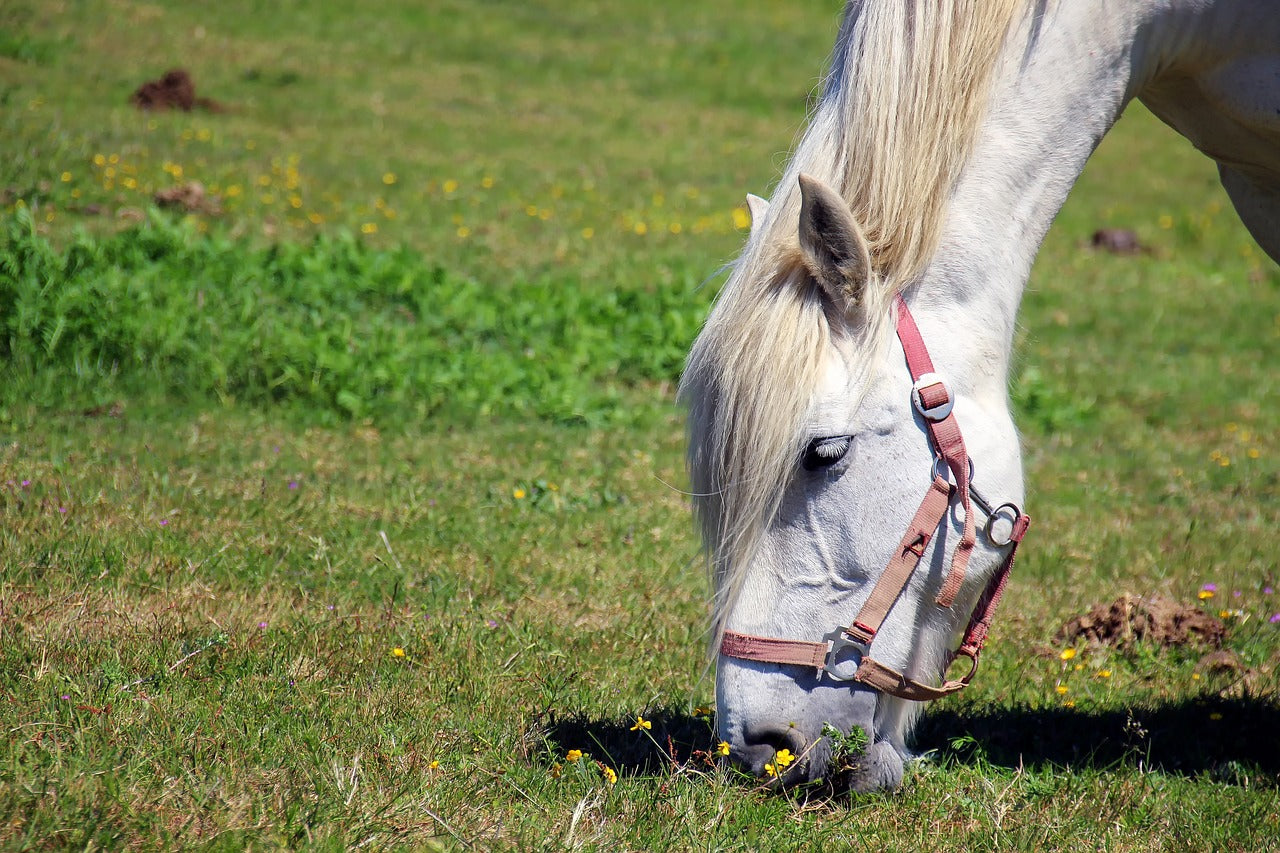
Cushing Horses are usually Oldies
As a horse owner, you may be faced with the difficult decision of whether or not to euthanize your Cushing's horse. Cushing's is an incurable hormonal disorder that primarily affects older horses and can lead to serious health problems, including laminitis and muscle wasting. It is important to note that the symptoms are treatable, and many horses can experience a significant improvement with medication. In this article, you will find information to help you make an informed decision.

Understanding Cushing's Disease
Cushing's is an incurable hormonal disorder that primarily affects older horses. It is caused by an overactive pituitary gland, which leads to an excessive production of hormones. This metabolic disease significantly affects your horse's health, can lead to serious secondary diseases, and often requires long-term treatments. (The decision of whether your horse should be euthanized can directly depend on the severity of the disease.)
What is Cushing's?
Cushing's, also known as PPID (Pituitary Pars Intermedia Dysfunction), is an endocrine disorder caused by a malfunction of the pituitary gland. This leads to an imbalance in hormone production, resulting in a variety of health problems. Your horse may become more susceptible to infections and may have difficulty maintaining its weight. (It is important to act early to improve your horse's quality of life.)
Symptoms and Diagnosis
Common symptoms of Cushing's disease include unusual hair growth, weight loss, increased thirst, and frequent infections. The diagnostic process usually involves blood tests and veterinary examinations to determine the presence of the hormonal disorder. Early detection of symptoms is crucial for successful treatment. (The decision to diagnose often requires collaboration with a specialist.)
The symptoms can appear gradually and are often initially non-specific, so you should remain attentive if your horse shows changes. Further diagnostic measures, such as regularly performed blood tests, can help monitor the progression of the disease and update information about your horse's condition. With early detection and limited symptoms, your horse may be able to continue an active life. (Decisions about further treatment should be made regularly based on symptoms and test results.)
Treatment Options for Cushing's
If your horse suffers from Cushing's, various treatment options are available to you. Medical therapy, particularly with Pergolide, aims to reduce hormone overproduction and improve your animal's quality of life. In addition, supportive therapies such as regular blood tests and adapted care may be necessary to monitor and manage symptoms. Your decision regarding treatment largely depends on your horse's health condition.
Medication Management
The medical treatment of Cushing's usually consists of administering Pergolide, a medication that regulates hormone production. In addition, regular monitoring of health values should be carried out to adjust the dose if necessary and ensure your horse's well-being. It is important that you work closely with your veterinarian to choose the best strategy for your animal.
Nutritional Support
When feeding Cushing's horses, it is crucial to provide high-quality hay and avoid sugary feeds to prevent symptoms from worsening. Consider whether you can integrate additional feed supplements into the feeding to promote your horse's health. Your choice of feed composition can have a significant impact on your animal's well-being.
Ensure that your Cushing's horse gets enough fiber to support digestion, and prevent overfeeding with fresh grass in spring, as this can be dangerous for Cushing's horses. Finding safe and nutritious feeds is crucial for alleviating symptoms and your horse's overall well-being. (Remember that these decisions can have profound effects on your animal's health.)
Quality of Life Assessment
When deciding whether to euthanize your horse with Cushing's, a quality of life assessment is crucial. Consider criteria such as mobility, appetite, sociability, and the ability to perform normal activities. If your horse has difficulty moving or continuously loses weight, this could indicate a reduced quality of life. It is also important whether your animal shows interest in its surroundings and interacts with other horses.
If symptoms such as decreased performance and laminitis progress, this can seriously endanger well-being. Timely consideration of these factors will help you make the best decision for your horse.
The Euthanasia Decision
The decision to euthanize a horse due to Cushing's is one of the most difficult you can make as a horse owner. This emotional burden often results from your love for your animal and the responsibility to free it from painful symptoms. You must weigh whether your horse's current living conditions still justify humane treatment or whether it is actually suffering more than living.
Emotional Considerations
When faced with the decision to euthanize your beloved horse, the emotional impact is often overwhelming. Many owners experience deep loss and guilt, even when the decision is made out of compassion. It is important to recognize your horse's pain, even if that means saying goodbye. (Remember that a sad decision can sometimes be the best choice for your animal.)
When to Consider Euthanasia
You should consider euthanizing your horse if the symptoms of Cushing's become increasingly severe. Signs such as respiratory distress, severe loss of performance, and recurrent laminitis can signal that your animal is suffering. You must ensure that your horse's quality of life is no longer present. (A timely decision can help prevent further suffering.)
It is crucial to discuss your observations with a veterinarian to get a clearer picture of your horse's suffering. Common problems such as dental diseases and muscle wasting can significantly impair quality of life. (Remember that euthanasia can be a final gesture of love to allow your horse an end to its suffering.)

Alternative Solutions
Before making a final decision about your horse's fate, you should consider alternative options. Get a second opinion from another veterinarian to ensure you understand all possibilities. Also consider what type of end-of-life care would be best for your horse. Lifestyle adjustments such as an adapted diet and controlled exercise can help alleviate Cushing's symptoms and improve your horse's quality of life. Inform yourself about herbs and special feeds that can positively support therapy.
Conclusion:
If your horse suffers from Cushing's, the decision to euthanize it is extremely difficult. It is important to evaluate your horse's quality of life, taking into account the severity of symptoms and the effectiveness of treatment. If your horse is suffering greatly despite medical therapy, experiencing significant pain, or losing its joy of life, it may be advisable to consider euthanasia. Always consult your veterinarian to make an informed decision that is in your horse's best interest.
These questions about euthanizing a Cushing's horse are frequently asked:
1. When should a horse with Cushing's Syndrome be euthanized?
A horse with Cushing's Syndrome should be euthanized when the disease leads to severe pain, significant mobility restrictions, or a severely diminished quality of life that can no longer be improved by medication and care. It is particularly serious if the horse suffers from chronic laminitis and there is no prospect of improvement. This decision should always be made in consultation with a veterinarian.
2. When do I have to have my horse euthanized?
A horse should be euthanized if it suffers from an incurable disease that causes it severe pain and significantly impairs its quality of life. Also, if the horse no longer enjoys life, no longer wants to eat, or can barely move, this could be a sign that euthanasia should be considered. A veterinarian can help with this difficult decision.
3. Do horses with Cushing's experience pain?
Horses with Cushing's themselves usually do not experience direct pain from the disease, but they can suffer significant pain from secondary effects such as laminitis. This inflammation of the hoof laminae can be very painful and often requires intensive treatment. Muscle wasting and general weakness can also lead to discomfort.
4. How long can a Cushing's horse be on pasture?
A Cushing's horse should only be on pasture for a limited time, especially if the grass has a high fructan content, such as in spring or autumn. A grazing time of about one hour in the early morning or late evening, when the fructan content in the grass is lowest, is often recommended. The exact grazing time should be individually adjusted to minimize the risk of laminitis.
5. What happens if a horse with Cushing's Syndrome is not treated?
Without treatment, Cushing's Syndrome can lead to a worsening of symptoms, including muscle wasting, repeated laminitis episodes, and an increased risk of infections. The horse can significantly lose quality of life and eventually die from the consequences of the disease. Early diagnosis and treatment are crucial to extend the horse's life and improve its quality of life.
6. When is life no longer worth living for a horse?
A horse's life is considered no longer worth living if it suffers from constant pain, can no longer move normally, loses interest in food, or no longer enjoys social contact. If the quality of life is permanently severely impaired by diseases or injuries and there is no prospect of improvement, euthanasia should be considered. This decision should always be made in close consultation with a veterinarian.
7. How do you deal with a horse with Cushing's Syndrome?
Dealing with a horse with Cushing's Syndrome requires special care, including regular veterinary check-ups, an adapted diet, and possibly the administration of medication. The hooves must be regularly cared for, and controlled exercise should be ensured. The owner's attention and care are crucial to maintain the horse's well-being.
8. How long can a horse with Cushing's live?
A horse with Cushing's can live for many years, depending on the severity of the disease and the success of the treatment. With proper care, an adapted diet, and medication, the quality of life can be significantly improved and the life expectancy extended. However, each horse reacts differently to treatment, and regular veterinary check-ups are important to monitor the condition.
Sources:
- Wikipedia Article: Equine Cushing's Syndrome
- Helpful Video: Euthanasia in horses
- Scientific Article: Diagnosis and therapy for Cushing's
- Civilization Diseases of the Horse, Thieme Verlag, ISBN9783132431386, 3132431389
- News on the topic: Cushing horse euthanasia
- PMForum Article: When horses get old
Image sources:
Editorial Guidelines of Horse Vitality Company
At Horse Vitality Company, we create every article according to strict quality standards and rely on reputable sources and scientific research. Our editors are proven experts in equine health and offer you well-founded, trustworthy information.
Expertise and Quality Assurance
- Qualified Authors: Our editors have extensive expertise in equine health and animal care.
- Double Check: Every article is additionally reviewed by a second expert to ensure accuracy and relevance.
Sources and Transparency
- Reputable Sources: We only use trustworthy sources and scientific studies to substantiate the content.
- Disclosure: We disclose potential conflicts of interest and ensure transparency.
Reader-friendliness and topicality
- Reader-friendly preparation: Our content is continuously optimized to make it as understandable and accessible as possible.
- Topicality: We regularly review our articles and update them as needed to ensure they are always up to date.
Interaction and Feedback
- Reader Orientation: Our goal is to provide you with an initial orientation. For individual health or care questions, we recommend consulting a veterinarian or animal naturopath.
- Feedback Opportunity: We invite our readers to provide feedback and ask questions. Your suggestions help us continuously improve our content and tailor it to your needs.
These guidelines ensure that Horse Vitality Company's content always meets the highest standards of expertise, authority, and trustworthiness.


