

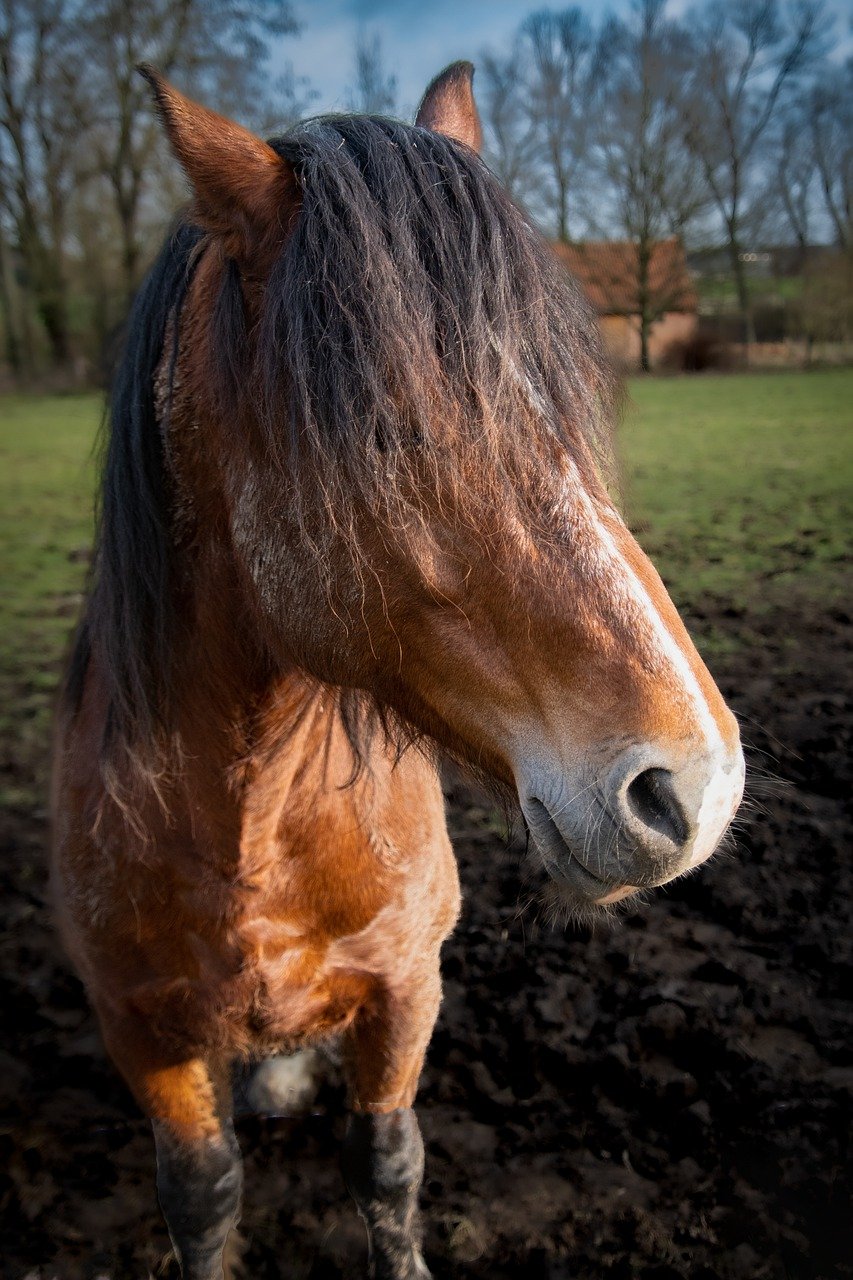
How Old Can Horses with the Diagnosis Get?
If your horse suffers from Cushing's, it's natural to worry about their life expectancy. While this hormonal disease can be life-threatening, early diagnosis and appropriate treatment often lead to a near-normal life for your horse. It is crucial to follow regular veterinary check-ups and an optimal treatment plan to improve the quality of life and longevity of your four-legged friend. Find out here how you can best support the life of your Cushing's horse.

Understanding Cushing's Disease
Equine Cushing's Syndrome (ECS) is a hormonal disorder primarily affecting older horses, often associated with a benign tumor in the pituitary gland. This dysfunction of the pituitary gland leads to a hormonal imbalance of hormones such as ACTH and cortisol, which can have serious health consequences.
Definition and Causes
Equine Cushing's Syndrome is caused by a disturbance in the pituitary gland, which is responsible for the production of numerous hormones. In horses with Cushing's, the hormone dopamine is no longer produced in sufficient quantities, leading to an overproduction of ACTH and cortisol. These hormonal imbalances disrupt various bodily functions and can lead to serious health problems.
Symptoms and Diagnosis
Common symptoms of Cushing's syndrome in horses include thick, curly coat, weight changes, laminitis, and increased sweating. To diagnose Cushing's, blood tests are performed to measure ACTH levels. Stimulation tests can also be used to confirm the diagnosis, especially when symptoms are varied and unclear.
It is particularly important to recognize the symptoms early, as timely diagnosis can significantly facilitate treatment. Hormonal imbalances affect sugar metabolism and immune defense, which can lead to further complications. Therefore, pay attention to changes such as loss of appetite or lethargy, and consult a veterinarian promptly to minimize potential health risks. Early intervention can be crucial for your horse's quality of life.
Impact on Life Expectancy
The diagnosis of Equine Cushing's Syndrome (ECS) can have significant effects on the life expectancy of horses. However, with early diagnosis and appropriate treatment, it is possible to significantly improve the quality of life and longevity of the affected horse. Many Cushing's horses continue to live a nearly normal life with good monitoring and care.
Statistics and Studies
Studies show that about 20 to 30 percent of horses over 15 years of age suffer from Cushing's. The average duration until death after diagnosis strongly depends on the effectiveness of treatment and health monitoring. Well-treated horses can remain healthy for many years, while untreated cases can lead to premature complications.
Factors Influencing Longevity
The life expectancy of Cushing's horses is influenced by several factors, including early diagnosis, treatment options, diet, and general health care. A well-structured treatment plan and regular veterinary check-ups are crucial to increase the quality of life and prevent complications. (Monitoring symptoms is crucial.)
- early diagnosis
- treatment options
- diet
- keeping
- health status
In addition, feeding plays a major role in the life expectancy of Cushing's horses. An adapted diet, as well as stress avoidance and sufficient exercise, are important to promote the horse's well-being. (Regular consultation with the veterinarian is an important step.)
- feeding
- stress avoidance
- exercise
- health care
- regular checks
Treatment Options
The treatment of Equine Cushing's Syndrome (ECS) primarily focuses on medication with Pergolide mesylate, a dopamine agonist that regulates the hormone balance of affected horses. In addition to this medicinal therapy, there are also alternative supportive methods that can help to improve the quality of life of Cushing's horses, such as the use of special supplements. (Early diagnosis and consistent treatment are crucial.)
Medications and Therapies
The main medication for Cushing's horses is Pergolide mesylate, which must be administered lifelong to alleviate symptoms and promote well-being. Furthermore, supplements and alternative therapies, such as homeopathy or acupuncture, can have a supportive effect and should be considered in consultation with the veterinarian. (Choosing the right therapy can significantly influence your horse's quality of life.)
Management Strategies
To optimize your Cushing's horse's quality of life, it is important to make dietary adjustments, regulate grazing times, and ensure the horse receives regular exercise and veterinary check-ups. Regular hoof care and dental examinations are also essential to prevent health problems. (A well-thought-out treatment and exercise plan can be crucial for your horse's well-being.)
To sustainably improve your Cushing's horse's quality of life, you should introduce special diets that are low in sugar and starch to prevent laminitis. The feeding of special and high-quality supplements is recommended here. In addition, moderate exercise is important to prevent obesity and support circulation. Regular check-ups by the veterinarian help to detect any health problems early. (Proper nutrition and care are key to a healthy life for your horse.)

Quality of Life Considerations
The quality of life of a horse with Cushing's is crucial for its well-being. Pay attention to signs of vitality, such as a healthy coat, active behavior, and normal eating habits. However, if your horse begins to be lethargic, shows weight loss, or experiences difficulties eating and moving, these are red flags for a decline in health. It is important to regularly assess your horse's condition and discuss possible changes with a veterinarian. (The decision of when medical intervention is necessary can be difficult.)
Signs of a Flourishing vs. Deteriorating Health State
To assess your Cushing's horse's quality of life, you should pay attention to specific vital signs of well-being. A positive state is indicated by a healthy appetite and regular exercise activities. Indicators of deterioration include strong thirst, loss of appetite, weakness, and an irregular coat change. Observations such as obesity or laminitis can also signal serious problems. Regular review of these parameters can be crucial. (Proactive monitoring is key to early detection of health problems.)
End-of-Life Decisions
For older Cushing's horses, it is important to make compassionate decisions about their treatment and care. Consider whether your horse's current quality of life justifies continuing treatments, or whether it's time to reconsider aggressive measures. Factors such as their pain perception and joy of life, as well as the owner's ability to provide the necessary care, should also be taken into account. (The choice between further therapies and maintaining a dignified quality of life can be one of the most difficult decisions.)
Additionally, it is advisable to continue discussions with your veterinarian about the projected quality of life and the necessity of potential euthanasia. Your horse should not suffer unnecessarily, and its well-being should always come first. (A respectful and beloved farewell can be of great importance for both you and your horse.)
Conclusion:
The life expectancy of horses with Cushing's can vary greatly depending on early diagnosis and treatment. If you take your horse to the vet in time and start appropriate therapy, such as taking Pergolide mesylate, the affected animal can lead a nearly normal life. Through regular medical care and adapted living conditions, you can significantly improve your horse's quality of life and extend its life expectancy.
These questions about life expectancy in Cushing's horses are frequently asked:
1. Do horses with Cushing's experience pain?
Horses with Cushing's syndrome generally do not experience pain directly from the disease itself, but they can suffer from painful secondary effects such as laminitis. Laminitis is an inflammation of the laminae of the hoof, which causes severe pain and can even be life-threatening. Timely diagnosis and consistent treatment are important to prevent such complications.
2. What should horses with Cushing's not eat?
Horses with Cushing's should not eat sugary or starchy feeds such as grains, molasses, sweet treats, carrots, or apples. These foods can increase insulin levels and exacerbate the risk of laminitis. Instead, they should receive a low-glycemic diet primarily based on hay.
3. How long can a Cushing's horse be turned out to pasture?
A horse with Cushing's syndrome should only be turned out to pasture for limited periods, especially if the grass is rich in sugar, such as in spring or after rain. Grazing times should be restricted to a few hours per day and ideally occur during cooler morning or evening hours when the sugar content in the grass is lower. The pasture should also be lean to minimize the risk of laminitis.
4. How long can a horse with Cushing's disease live?
Horses with Cushing's disease, if diagnosed early and well treated, can live for many years and have a good quality of life. However, the prognosis depends on the individual health condition, treatment, and prevention of complications such as laminitis. Many horses with good management reach an old age.
5. Is exercise good for horses with Cushing's?
Exercise is important for horses with Cushing's as it helps control weight and support muscle function. Regular, gentle exercise can also reduce the risk of laminitis and promote overall health. However, the intensity and duration of exercise should be individually adjusted depending on the horse's condition.
6. How do you care for a horse with Cushing's syndrome?
A horse with Cushing's syndrome requires special care, including an adapted diet low in sugar and starch, regular medication administration, and careful monitoring by the veterinarian. It is important to exercise the horse regularly to promote its health and to watch for any signs of laminitis or other complications. Coat care is also important, as Cushing's horses often have a thick, long coat.
7. Can horses with Cushing's syndrome graze in a pasture?
Horses with Cushing's syndrome can go to pasture, but this should be done under certain conditions. Grazing time should be limited, especially if the grass is rich in sugar, and preferably during the cooler hours of the day. It is advisable to keep the pastures lean and to regularly monitor the horse's health to minimize the risk of laminitis.
8. What is the best feed for horses with Cushing's?
The best feed for horses with Cushing's is low in carbohydrates and has a low glycemic index. High-quality, late-cut hay or haylage is ideal, as are special, starch- and sugar-low feed mixes. Supplementary feeds with a high crude fiber content and low sugar content can also be helpful to keep insulin levels stable.
Sources:
- Wikipedia article: Equine Cushing's Syndrome
- Informative video: Cushing explained
- Interesting study: Diagnosis and Course of Therapy
- English Wikipedia article: Pituitary pars intermedia dysfunction
- News on the topic: Cushing's horse life expectancy
- Diseases of Civilization in Horses, Thieme Verlag, ISBN9783132431386, 3132431389
Image sources:
Editorial Guidelines of the Horse Vitality Company
At Horse Vitality Company, we create every contribution according to strict quality standards, relying on reputable sources and scientific research. Our editors are proven experts in equine health and provide you with well-founded, trustworthy information.
Expertise and Quality Assurance
- Qualified Authors: Our editors have extensive expertise in equine health and animal care.
- Double-Check: Each article is additionally reviewed by a second expert to ensure accuracy and relevance.
Sources and Transparency
- Reputable Sources: We only use trustworthy sources and scientific studies to substantiate our content.
- Disclosure: We disclose potential conflicts of interest and ensure transparency.
Reader-Friendliness and Actuality
- Reader-Friendly Preparation: Our content is continuously optimized to make it as understandable and accessible as possible.
- Actuality: We regularly review and update our articles as needed to ensure they are always up-to-date.
Interaction and Feedback
- Reader Orientation: Our goal is to offer you initial guidance. For individual health or care questions, we recommend consulting a veterinarian or animal naturopath.
- Feedback Option: We invite our readers to provide feedback and ask questions. Your suggestions help us continuously improve our content and tailor it to your needs.
These guidelines ensure that the content of Horse Vitality Company always meets the highest standards of expertise, authority, and trustworthiness.


