

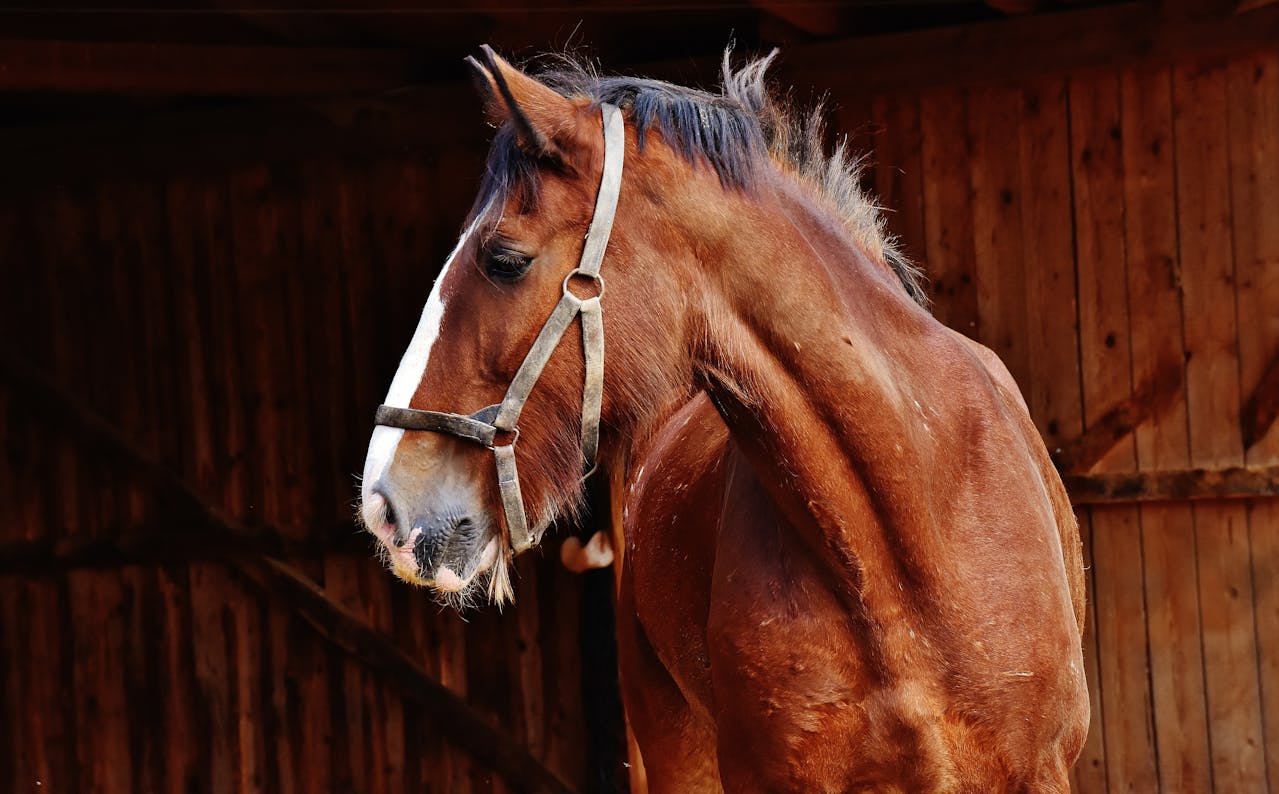
Therapy Options Available
If your horse suffers from Cushing's, ensuring the right treatment and care is crucial to alleviate symptoms and improve their quality of life. In this article, you will learn about the medicinal therapies and nutritional strategies available to support your horse's well-being. Close collaboration with your veterinarian is essential to achieve the best possible results and avoid potential complications.

Understanding Cushing's Syndrome
Cushing's Syndrome, also known as Equine Cushing's Syndrome (ECS), is a hormonal disorder in horses, primarily affecting older animals. It results from a dysfunction of the pituitary gland, leading to an overproduction of certain hormones, particularly Adrenocorticotropic Hormone (ACTH). These hormonal imbalances can be influenced by genetic predispositions and factors such as oxidative stress. (Early detection of the disease can be crucial for your horse's management.)
Definition and Causes
Cushing's Syndrome in horses arises from an overproduction of hormones due to a pituitary gland disorder. This metabolic disorder causes an increase in cortisol levels, which can lead to various health problems. Genetic factors, such as USP8 gene mutations, and environmental conditions can contribute to the development of this disease. Furthermore, oxidative stress is believed to play a role in its onset. (A comprehensive veterinary examination helps clarify the causes of your concerns.)
Symptoms and Diagnosis
Common symptoms of Cushing's Syndrome include abnormally long and curly hair, muscle wastage, and increased susceptibility to infections. Veterinarians use blood tests and clinical symptoms to confirm the presence of Cushing's Syndrome. (A timely veterinary visit is important to initiate the best possible treatment.)
Recognizing these symptoms is crucial for a quick diagnosis of Cushing's Syndrome. Warning signs include a thick coat all year round and increased susceptibility to infection. In addition to blood and urine tests, veterinarians often use biochemical profiles to analyze hormone levels. (If you observe symptoms, definitely check into the options of a veterinary consultation immediately.)
Treatment Options
Effective treatment of Cushing's Syndrome in horses involves various strategies to alleviate symptoms and improve quality of life. The main focus is on medicinal therapy and the right nutritional strategy. Regular veterinary monitoring is crucial to optimally adjust the therapy and sustainably support your horse's health.
Medicinal Therapy
The most important medication for treating Cushing's Syndrome is Pergolide, a dopamine receptor agonist that regulates the excessive hormone production by the pituitary gland. It is crucial to regularly adjust the dosage of Pergolide and monitor it veterinarily to maintain therapeutic effectiveness and avoid side effects.
Nutritional Management
An adapted diet plays a central role in managing Cushing's Syndrome. You should avoid sugar-rich and starchy feedstuffs to minimize the risk of insulin resistance and laminitis. High-quality hay, alfalfa, and special low-sugar feedstuffs are excellent options to ensure your horse receives all necessary nutrients while keeping health risks low.
Focus on high-fiber and protein-rich feedstuffs, which should form the basis of your horse's diet. Adding mineral feed and natural vitamins like vitamin E and selenium can support the immune system and improve the general health of your horses with Cushing's. Specially formulated feed supplements for Cushing's horses are ideal here. Avoid feeding fresh pasture grass with high sugar content and rely on high-quality, reliable feed sources to promote your horse's health.
Husbandry Conditions and Care Tips
Proper care and lifestyle are crucial for horses with Cushing's Syndrome to improve their quality of life and alleviate symptoms. An adapted diet, regular exercise, and close cooperation with your veterinarian are essential in the daily care of your horse. It is important to consider all aspects of care to best support your horse.
Exercise and Mobility
Regular, moderate exercise is essential to counteract muscle wastage and promote your horse's general health. You should tailor the training routine individually to your horse's condition, ensuring sufficient rest. Light walks or controlled rides are often suitable activities, while intense training should be avoided to prevent overexertion.
Regular Monitoring and Comprehensive Care
For horses with Cushing's Syndrome, comprehensive care and regular monitoring are essential. You should pay careful attention to hoof care, as the risk of laminitis is increased. Additionally, targeted coat care is necessary to manage abnormal coat development. Constantly watch for changes in your horse's health to react early to potential problems.
Regular veterinary check-ups and monitoring are of utmost importance to optimize your horse's treatment. Inform your veterinarian about any symptoms or changes you notice and adhere to medical recommendations for nutrition and exercise. Schedule regular appointments for hoof care and keep an eye on coat shedding. These measures are crucial to ensure your horse's well-being in the long term.

Expert Tips for Horse Owners
As a horse owner, it is important to implement effective care and management practices to ensure the well-being of your horse with Cushing's Syndrome. Start with dietary adjustments by avoiding sugar-rich and starchy feedstuffs and instead offering high-quality hay and fiber-rich feed. Pay attention to behavioral changes that could indicate a worsening of the condition, such as lethargy or changes in drinking behavior. Regular veterinary check-ups are also important.
- Avoid sugar-rich feedstuffs.
- Feed high-quality hay with low sugar content.
- Closely observe your horse for behavioral changes.
- Schedule regular veterinary check-ups.
Noticing changes in your horse's health is crucial for early intervention and for improving its quality of life. Your attention and care can make a big difference in the life of your Cushing's horse.
Conclusion:
The correct treatment of Cushing's Syndrome in your horse is crucial for its well-being and quality of life. Ensure you work closely with your veterinarian to optimize medicinal therapy and conduct regular check-ups. Supplement the treatment with a balanced, low-sugar, and low-starch diet, as well as targeted exercise management, to slow the progression of the disease. Through these measures, you can help your horse lead as healthy and active a life as possible.
These questions about treating a horse with Cushing's are frequently asked:
1. How is Cushing's treated in horses?
Cushing's syndrome in horses is mainly treated with medications such as pergolide, which helps control symptoms by regulating hormone production in the pituitary gland. In addition, the horse should be regularly monitored by a veterinarian to assess the course of the disease and the effectiveness of the therapy. Adjusting feeding and care, such as a healthy, low-carbohydrate diet and special coat care, are also important.
2. What should horses with Cushing's not eat?
Horses with Cushing's should definitely not be given sugar or starchy foods such as grains, molasses, or sweet treats. These foods can lead to an increase in blood sugar levels and worsen the symptoms of Cushing's syndrome. Instead, they should be switched to a low-carbohydrate diet.
3. How much do Cushing's medications cost for horses?
The cost of Cushing's medications like pergolide can vary depending on the dosage and the size of the horse, but generally range between 1 and 3 Euros per day. This adds up to approximately 30 to 90 Euros per month. In addition, further costs for veterinary examinations and special feeding may arise.
4. How does Cushing's syndrome go away?
Cushing's syndrome in horses cannot be cured as it is a chronic disease caused by a malfunction of the pituitary gland. The treatment aims to alleviate symptoms and improve the horse's quality of life. However, with proper medication and care, the disease can be well controlled.
5. How do you care for a horse with Cushing's syndrome?
Horses with Cushing's syndrome require special care, including regular hoof care to prevent laminitis, and special coat care, as they often suffer from a long, curly coat. An adapted, low-carbohydrate diet is crucial to control blood sugar levels. Regular veterinary check-ups and the administration of medications like pergolide are also important.
6. What should a horse with Cushing's syndrome not eat?
A horse with Cushing's syndrome should not eat sugar- and starch-containing feedstuffs such as grains, sweet treats, carrots, or apples. These foods can increase insulin levels and exacerbate the risk of laminitis. A low glycemic index diet, primarily based on hay, is preferable.
7. Can horses with Cushing's syndrome graze in a pasture?
Horses with Cushing's syndrome can go to pasture, but this should be done with caution, especially if the grass is sugar-rich, such as in spring. Grazing time should be limited and preferably occur during cooler morning or evening hours when the sugar content in the grass is lower. Adapted pasture management is important to minimize the risk of laminitis.
8. What is the best feed for horses with Cushing's?
The best feed for horses with Cushing's is low in carbohydrates and has a low glycemic index. High-quality, late-cut hay or haylage, as well as special, low-starch, and low-sugar feed mixes are ideal. Supplement feeds with a high crude fiber content and low sugar content can also be helpful.
Sources:
- Informative Video: Cushing's explained in short for horses
- Wikipedia Article: Equine Cushing's Syndrome
- Scientific Article: Diagnosis and therapy for Cushing's
- Metabolic diseases in horses, Tina Maria Ritter, Franckh-Kosmos Verlag, ISBN9783440508022, 3440508021
- News on Cushing horse feeding
- English Wikipedia Article: Pituitary Pars Intermedia Dysfunction
Image sources:
Editorial Guidelines of Horse Vitality Company
At Horse Vitality Company, we create every article according to strict quality standards and rely on reputable sources and scientific research. Our editors are proven experts in equine health and offer you well-founded, trustworthy information.
Expertise and Quality Assurance
- Qualified Authors: Our editors have extensive expertise in equine health and animal care.
- Double Check: Every article is additionally reviewed by a second expert to ensure accuracy and relevance.
Sources and Transparency
- Reputable Sources: We only use trusted sources and scientific studies to substantiate the content.
- Disclosure: We disclose potential conflicts of interest and ensure transparency.
Reader-friendliness and Timeliness
- Reader-friendly Presentation: Our content is continuously optimized to make it as understandable and accessible as possible.
- Timeliness: We regularly review our articles and update them as needed to ensure they are always up-to-date.
Interaction and Feedback
- Reader-oriented: Our goal is to provide you with initial guidance. For individual health or care questions, we recommend consulting a veterinarian or animal naturopath.
- Feedback Option: We invite our readers to provide feedback and ask questions. Your suggestions help us continuously improve our content and tailor it to your needs.
These guidelines ensure that the content of Horse Vitality Company always meets the highest standards of expertise, authority, and trustworthiness.


