

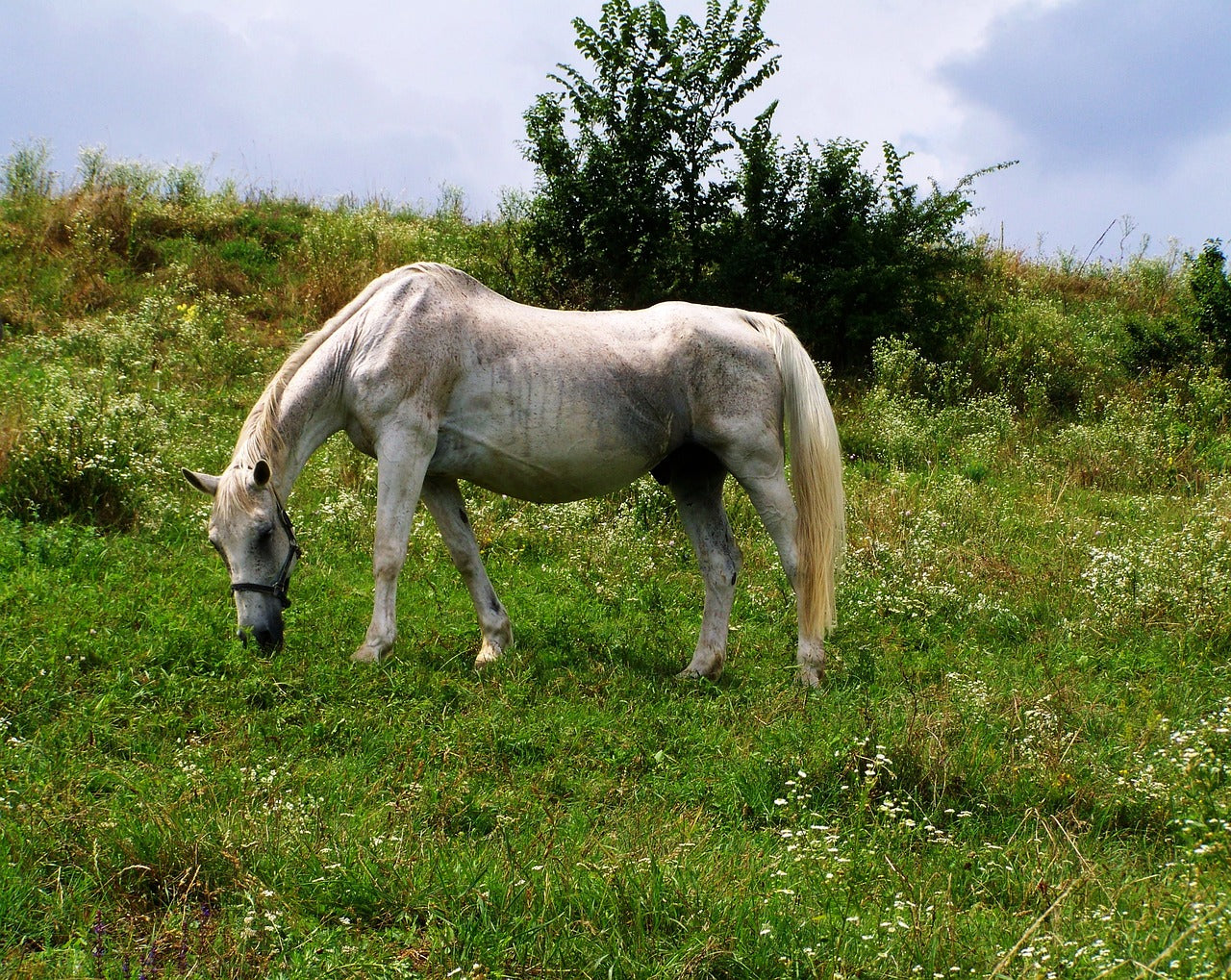
Understanding and Preventing EMS
If you are a horse owner, you should learn about Equine Metabolic Syndrome (EMS), a common metabolic disorder that primarily results in obesity and insulin resistance. EMS can occur in any horse, especially ponies and draft horses. Symptoms are often insidious and manifest as excessive fat deposits and reduced performance. To avoid secondary damage such as laminitis, early detection and adjustment of your horse's diet and exercise are essential.

Understanding Equine Metabolic Syndrome
Equine Metabolic Syndrome (EMS) is a metabolic disorder in horses, often occurring due to obesity, insulin resistance, and associated health risks. It particularly affects horses that are overfed and under-exercised. EMS can lead to serious secondary damage, which is why it's important to take the risk to your horses seriously. (Early diagnosis is crucial for your horse's health.)
Definition of EMS
EMS is a condition characterized by obesity, insulin resistance, and a disrupted energy balance. This metabolic disorder commonly occurs in horses kept in an environment with excess food and insufficient exercise. It's crucial to review your feeding and exercise strategies to minimize the risk of EMS. (Proper nutrition and exercise are key to prevention.)
Symptoms of EMS
Typical symptoms of EMS include abnormal fat deposits, loss of performance, insatiable hunger, and increased thirst. Symptoms can appear insidiously, requiring close observation of your horses. Owners often don't notice the subtle signs until serious problems have developed. Your attentiveness is therefore fundamental for the early detection of EMS. (Be vigilant to intervene early.)
The symptoms of EMS are often not immediately obvious, which makes this disease particularly dangerous. Fat accumulations in typical areas such as the crest of the neck or the rump are clear warning signs. Loss of performance and reduced mobility are also serious symptoms that develop over time. Early intervention can help prevent long-term damage. (Early detection can significantly improve your horse's quality of life.)
Causes and Risk Factors
Equine Metabolic Syndrome (EMS) is a complex disease whose main causes are obesity and lack of exercise. Ponies, small horses, and draft horses are particularly susceptible. Furthermore, overfeeding and a genetic predisposition can be significant risk factors. Risk factors include:
- Disrupted fat metabolism
- Insulin resistance
- Dietary errors
- Lack of exercise
Recognize the risk factors early to help your horse.
Dietary Influences
Diet plays a crucial role in the development of EMS. High sugar- and starch content in feeding can lead to excessive energy intake that your horse doesn't sufficiently work off. This results in excess energy being stored as fat deposits, ultimately disrupting metabolism. Reduce the intake of these nutrients to minimize the risk of EMS.
Genetic Predisposition
Certain horse breeds show a higher susceptibility to EMS due to genetic factors. Current studies suggest that the heritability of metabolic disorders is up to 80%. This has significant implications for your breeding practices and should be considered when selecting breeding horses. (It is crucial that you are aware of the genetic factors to make informed decisions.)
The discovery of such a high heritability could significantly influence your breeding strategy. When breeding, keep in mind that even lesser-known breeds can be affected, so a comprehensive genetic analysis is advisable. (Consider that breeding decisions can have far-reaching consequences for your horses' health.)
Diagnosis of EMS
The diagnosis of Equine Metabolic Syndrome (EMS) is usually made through a thorough examination of the horse and specific blood tests to check insulin levels and other parameters. It is crucial to fast the horse overnight before blood sampling and to administer a standardized glucose dose to obtain more accurate results. A commonly recommended protocol involves administering 0.5 to 1.0 grams of glucose per kilogram of body weight to the horse to test the insulin response. (The correct diagnostic approach can be crucial for treatment outcomes.)
Blood Tests
If EMS is suspected, a blood test should be performed to determine insulin levels. The recommended procedure involves fasting the horse overnight, followed by oral administration of glucose or dextrose upon waking. After two hours, a blood sample is taken to measure insulin levels. A value of below 68 mU/l in healthy horses provides a good indication of metabolic status. (Adhering to this protocol can prevent false positive or negative results.)
Differential Diagnosis
EMS can often be confused with other metabolic diseases such as Cushing's disease, as symptoms such as obesity and laminitis are multifaceted. However, medical history and specific blood tests are used for differentiation. For example, insulin levels are significantly elevated in EMS, while in Cushing's, ACTH and cortisol hormones are usually analyzed. (Clear differentiation is crucial for selecting the correct therapy.)
The differential diagnosis is essential for accurate treatment. Symptoms of EMS and Cushing's can appear similar, but analyzing specific hormone levels helps avoid misdiagnosis. It is important to inform your vet about any changes in your horse's behavior or health. (A precise diagnosis can significantly influence the course of treatment.)

Treatment and Management
The treatment of Equine Metabolic Syndrome (EMS) requires a comprehensive approach that includes both dietary adjustments and increased exercise. An individual plan should be created to meet your horse's specific needs. Regular check-ups by the veterinarian are essential to monitor progress and make adjustments. By combining nutrition and exercise, you can help your horse lose weight healthily and improve its quality of life.
Nutritional Management
Diet plays a crucial role in the management of EMS. It is important to reduce the intake of sugary and starchy feeds and instead opt for low-calorie hay. Mix hay with straw to further reduce energy intake. Ensure your horse receives sufficient vitamins and minerals without increasing the risk of weight gain. Here, high-quality supplements are often a sensible alternative. Tailored nutrition promotes safe weight loss and helps improve insulin sensitivity.
Exercise Regimen
Increased physical activity is crucial in the management of EMS. Start with short (20 minutes per day) walks in the round pen and gradually increase the duration. Be careful not to overload your horse. Regular exercise improves insulin sensitivity and helps your horse shed excess fat without losing muscle.
Implementing an adapted exercise program is of paramount importance for your horse's well-being. Gradual introduction is essential to avoid overload and injuries. Incorporate elements such as lunging or gentle rides to strengthen muscles. Observe your horse closely during exercises and adjust the intensity to ensure healthy weight loss and improve overall fitness.
Long-term Perspectives
The long-term effects of management and care for Equine Metabolic Syndrome (EMS) can be significant. If you consistently adjust your horse's feeding and exercise, there is a possibility of complete recovery. Nevertheless, this requires continuous monitoring to minimize the risk of secondary conditions such as laminitis or insulin resistance, which can occur with inadequate management. Statistics show that the heritability of EMS traits is up to 80 percent, meaning that genetic factors could play a major role. Therefore, it is crucial to weigh your horse regularly and consult a veterinarian if necessary.
Conclusion:
Equine Metabolic Syndrome (EMS) is a serious metabolic disorder that primarily affects overweight horses and is associated with insulin resistance and laminitis. To protect your horse from EMS, it is crucial to regulate feed intake and ensure sufficient exercise. Pay particular attention to typical symptoms such as fat deposits and loss of performance. Early detection and adjusted feeding are essential to prevent secondary damage and ensure your horse's health.
These questions about Equine Metabolic Syndrome are frequently asked:
1. What are the symptoms of metabolic syndrome in horses?
The symptoms of Equine Metabolic Syndrome (EMS) often include obesity, particularly fat deposits in unusual places such as the crest of the neck, on the shoulders, or around the base of the tail. Other signs include insulin resistance, laminitis, and reduced fertility. Affected horses often show a predisposition to recurrent laminitis, even with minimal feeding.
2. Is EMS in horses curable?
EMS is not curable, but it can be well-controlled with a consistent management strategy. With an adapted diet, sufficient exercise, and, if necessary, medicinal support, the horse's condition can be stabilized and symptoms reduced. Early diagnosis and a tailored treatment plan are crucial for successful management.
3. What should EMS horses not eat?
EMS horses should not eat foods high in sugar and starch, such as grains, molasses, sugary treats, or sugary grass. Such foods can increase blood sugar and insulin levels and exacerbate the risk of laminitis. Instead, they should receive a diet with a low glycemic index, mainly based on hay.
4. How is Equine Metabolic Syndrome treated?
Treatment of Equine Metabolic Syndrome (EMS) includes a strict diet with low-carbohydrate feeds, regular exercise to reduce weight, and, if necessary, the administration of medications to improve insulin sensitivity. Regular veterinary check-ups are important to monitor the horse's condition. Reducing stress and tailored care also help control symptoms.
5. What four characteristics define metabolic syndrome?
Metabolic syndrome in horses is characterized by four main features: obesity, particularly localized fat pads; insulin resistance, leading to elevated blood sugar levels; a predisposition to laminitis; and reduced fertility or impaired reproductive functions. These features result from metabolic disorders exacerbated by genetic predisposition, overfeeding, and lack of exercise.
6. What helps against metabolic syndrome?
Against metabolic syndrome, an adapted diet that prioritizes low-sugar and low-starch feeds, as well as regular exercise to reduce the horse's weight, primarily helps. Medicinal treatment can improve insulin sensitivity and reduce the risk of laminitis. Comprehensive care by the veterinarian, as well as regular monitoring and adjustment of feeding and exercise programs, are essential.
7. Can horses recover from EMS?
Horses cannot fully "recover" from EMS, as it is a chronic condition that requires lifelong management measures. However, they can lead a symptom-free life through targeted diet, exercise, and medical care. Early diagnosis and consistent implementation of a management plan increase the chances of successfully controlling the disease.
8. What is the most common cause of death in horses?
The most common cause of death in horses is colic, a digestive tract condition that can lead to severe abdominal pain. Colic can be triggered by various causes, including feeding errors, parasite infestation, or anatomical anomalies. In addition to colic, laminitis and injuries are also common causes of death in horses.
Sources:
- University of Zurich article: Equine Metabolic Syndrome
- Informative video: EMS briefly explained for horses
- Wikipedia article: Metabolic Syndrome Horse
- Equine Metabolic Syndrome, Lisanne Damhuis, Veterinary Publishing
- News on the topic: Metabolic Syndrome Horse
- English Wikipedia article: Equine Metabolic Syndrome
Image sources:
Editorial Guidelines of Horse Vitality Company
At Horse Vitality Company, we create every post according to strict quality standards, relying on reputable sources and scientific research. Our editors are proven experts in equine health and offer you well-founded, trustworthy information.
Expertise and Quality Assurance
- Qualified Authors: Our editors possess extensive expertise in equine health and animal care.
- Double-Check: Every article is additionally reviewed by a second expert to ensure accuracy and relevance.
Sources and Transparency
- Reputable Sources: We only use trustworthy sources and scientific studies to substantiate our content.
- Disclosure: We disclose potential conflicts of interest and ensure transparency.
Readability and Topicality
- Reader-friendly Preparation: Our content is continuously optimized to make it as understandable and accessible as possible.
- Topicality: We regularly review our articles and update them as needed to ensure they are always up to date.
Interaction and Feedback
- Reader-oriented: Our goal is to provide you with initial guidance. For individual health or care questions, we recommend consulting a veterinarian or animal naturopath.
- Feedback Option: We invite our readers to provide feedback and ask questions. Your suggestions help us continuously improve our content and tailor it to your needs.
These guidelines ensure that the content of Horse Vitality Company always meets the highest standards of expertise, authority, and trustworthiness.


