

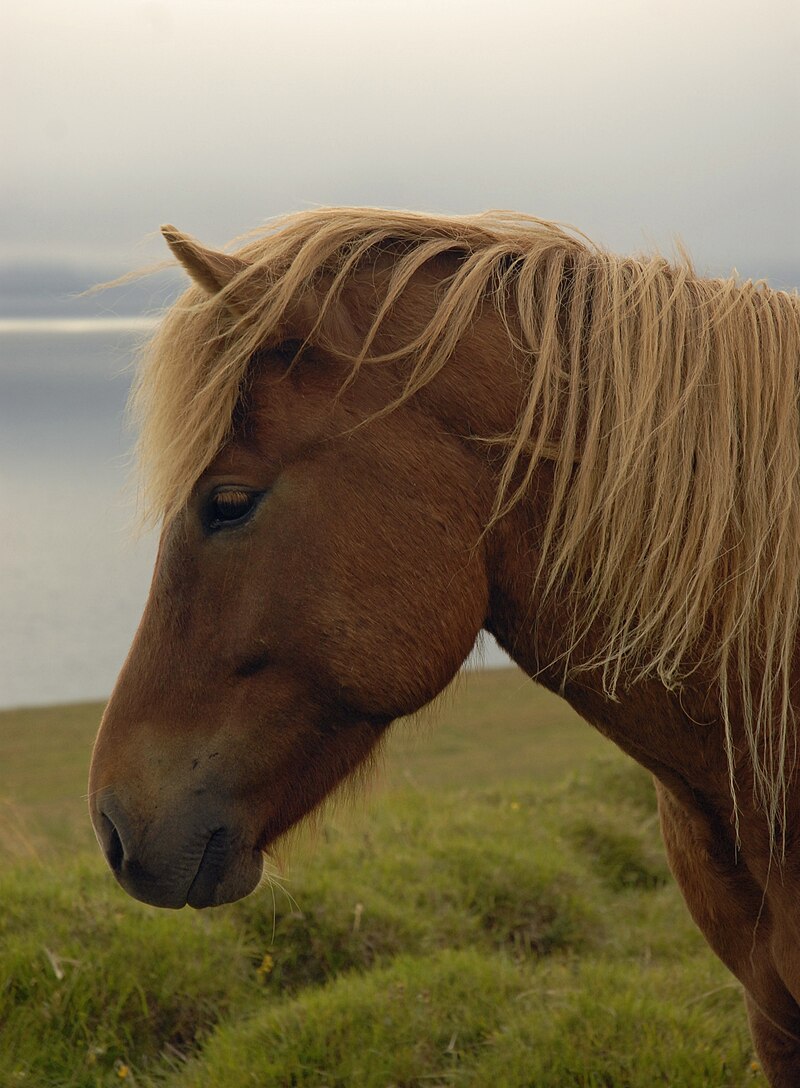
The Horse Breed with the Tölt: Icelandic Horse
The Icelandic horses, also known as Icelanders or "Icelandic ponies," are a fascinating and ancient horse breed with a rich history. Originally from the north, these robust animals are characterized by their friendly nature and versatility. In this blog post, we will cover everything worth knowing about Icelandic horses, from their origin as "Viking horses" to their special gait, the tölt.
We will also provide insights into the keeping and care of these charming animals, starting from their optimal pasture management to their natural feeding. Furthermore, we will address their particular carrying capacity and potential health risks. With their calm demeanor and impressive robustness, Icelandic horses are ideal partners for riders of all ages and experience levels. Join us in the world of Icelandic horses and discover why they are considered one of the purest and most versatile horse breeds.
Profile: Icelandic Horse
| Origin | Iceland |
| Main Breeding Area | Iceland, Germany, Austria, Sweden, Denmark |
| Distribution | Globally distributed, mainly in Europe and North America |
| Bred since | 12th century |
| Life Expectancy | Icelandic horses generally live between 30 and 40 years. |
| Size | 130 -145 cm |
| Weight | 350 - 450 kg |
| Color | In various colors, except tiger spotted. |
| Type | Warmblood |
| Character | Gentle, calm and loyal, ideal for beginners and experienced riders |
| Body | Strong, small and compact |
| Suitable for | Icelandic horses are versatile for leisure and trail riding, competitive sport, and as working and pack horses. |
| Keeping and Care |
They require species-appropriate keeping in open stables or pastures, regular care and veterinary attention. Special attention should be paid to their diet and fitness. |
The History of the Icelandic Horse
Origins and Viking Heritage
The first Icelandic horses set foot on the North Atlantic island in the mid-9th century, when Vikings from Norway brought their mounts with them. The original animals were a mixture of Celtic and Germanic pony breeds and formed the robust "starting population" of the breed. The Vikings ensured that only the best horses embarked on the dangerous journey to Iceland. Due to the ban on importing other horse breeds from 1909 and the isolated island location, Icelandic horses are one of the purest breeds that exist.
Development of the Breed in Iceland
Icelandic horses are an important part of Icelandic culture, as they were the only means of transport on the island until the 1920s. The robust and reliable four-legged friends were essential for the inhabitants of Iceland. From the mid-19th century, the horses began to spread beyond their homeland, especially to Great Britain. They were used as working horses in mining tunnels and gained popularity until they eventually found favor in Germany as well. The first Icelandic Horse Breeders' Association was founded in Germany in 1969 and today has over 80,000 members and approximately 65,000 Icelandic horses in Germany.

Character and Temperament of Icelandic Horses
Gentle and Calm Nature
Icelandic horses are characterized by their good-natured and calm disposition. They remain composed and are not easily rattled. These qualities make them ideal partners, especially for beginners and children. Their nature as natural horses is reflected in their willingness to work and reliability, which fosters a trusting relationship between horse and rider.
Adaptability and Versatility
Icelandic horses are popular not only for their calmness and sure-footedness but also for their versatility. They are excellently suited for trekking and pleasure riding, for both beginners and professionals. Their amiable nature and even temper make them ideal family horses for riders of all ages. The fact that Icelanders are less susceptible to diseases due to their breed-typical robustness also contributes to their popularity.
Interaction with Humans and Other Horses
The interaction of Icelandic horses with humans and other horses is characterized by empathy and social behavior. They adapt to different riders and abilities and react accordingly. Icelanders enjoy interacting with their humans, are social with their peers, and prove to be extremely undemanding. These qualities make them popular and valued animals in the equine world.
Breed Characteristics of Icelandic Horses
Physical Characteristics and Appearance
The Icelandic horse is characterized by its comparatively small stature, abundant shaggy mane, and robust nerves. The original mix of Celtic and Germanic pony breeds can be recognized in their appearance, with their strength and health being particularly outstanding. The compact and sturdy Icelandic horses have over time developed an almost square proportion, which allows them to effortlessly carry even large riders.
Special Gaits: Tölt and Flying Pace
The ability to perform the tölt, a particularly comfortable gait that is almost shock-free for the rider, is a genetic peculiarity of the Icelandic horse. This four-beat gait ensures a pleasant riding experience and makes the animals popular companions for trekking and pleasure riding. The flying pace, a fast gait with a suspension phase between steps, is another characteristic feature that distinguishes the Icelandic horse.
Furthermore, it can be said that due to the closed gene pool resulting from Iceland's island location, the ability to tölt has been preserved over centuries, while the carrying capacity of the small horse represents a developing adaptation to the necessity of carrying riders and loads.
Care and Management
Nutritional Needs of Icelandic Horses
Icelandic horses have specific nutritional needs that must be considered to ensure their health. It is important that they have sufficient access to pasture grass, basic forage, and hay to ensure a balanced diet. Concentrate feed should be avoided, but vitamin supply must be guaranteed. Some owners resort to fish as a food source in emergencies, but grass is the main food source for Icelandic horses.
Care and Maintenance
The care and maintenance of the Icelandic horse is crucial for its health and well-being. The abundant mane and tail should be regularly trimmed so as not to hinder the horse. It is also important to regularly check the hooves and teeth and to deworm the animal to prevent diseases. With proper care, Icelandic horses can reach a high age and maintain their robust health.
Appropriate management of the horses, adapted to their needs and lifestyle, is crucial for their well-being.

Health and Well-being of Icelanders
Robust Health and Longevity
Icelandic horses are characterized by their breed-specific robustness and are not prone to diseases. Due to their historical development, they are particularly adapted to various environmental conditions and can reach a high age. Some Icelandic horses even live to be over 40 years old, which underlines their longevity. Regular care and a balanced diet play an important role in the health of this horse breed.
Common Health Problems and Prevention Measures
Due to their robust health, Icelandic horses are rarely affected by diseases. Nevertheless, owners should pay attention to certain health risks, such as laminitis and summer eczema on protein-rich pastures. Regular veterinary check-ups and an adapted diet are crucial to avoid these health problems. Through preventive measures, owners can ensure that their Icelandic horses lead a happy and healthy life.
Further information on common health problems and the best prevention measures for Icelandic horses can help owners meet the needs of their animals optimally. Regular attention and care are crucial for the long-term health and well-being of this unique horse breed.
Dental and Hoof Care
Regular dental and hoof care is of crucial importance for the health of an Icelandic horse. Through regular checks and, if necessary, professional treatments, dental problems can be detected and treated early. Hoof care should also not be neglected to ensure the well-being of the horse. By paying attention to these aspects of care, owners can help their Icelandic horse remain healthy and happy.
Training and Exercise of Icelandic Horses
Early Training of Young Icelandic Horses
The training of Icelandic foals should begin gently and in an age-appropriate manner so as not to overstrain their muscles and joints. A gentle introduction to riding and the right equipment are crucial for the long-term health and performance of the young horses. A good foundation lays the groundwork for a successful riding career in the future.
Regular Exercise and Mental Stimulation
Regular exercise is crucial for the physical fitness and well-being of the Icelandic horse. In addition to riding, groundwork, trail rides, and variety in training are also suitable. Mental stimulation is also important to avoid boredom and promote the horse's mental health. Intelligent games and tasks help to challenge the horse mentally and build a close bond between human and animal.
Further information on mental stimulation and exercise can be found below in the section "The Icelandic Horse in Competitive Sport."
The Icelandic Horse in Competitive Sport
The Icelandic horse has remarkable versatility and is therefore also excellently suited for competitive sport. From dressage to show jumping to endurance riding, Icelandic horses can be successful in various disciplines. Their endurance, agility, and ambition make them valuable competitors in the sports world. Regular training, good preparation, and proper care are crucial for success in competition.
Considerations for Potential Owners
Assessing the Right Fit for Your Needs
Before considering owning an Icelandic horse, it is crucial to evaluate the horse's suitability for your needs. Given the robust nature and pleasant character of Icelandic horses, they are ideal for families and riders of all ages. Their versatile nature allows them to adapt to different riders, making them equally suitable for beginners and experienced riders. Carefully consider whether an Icelandic horse fits your lifestyle and riding activities.
Financial Commitment and Responsibilities
The decision to own an Icelandic horse comes with financial obligations and responsibilities. In addition to the purchase costs, you must also consider the ongoing costs for feed, vet visits, and equipment. It is important to set a budget for the horse's upkeep and to be aware that caring for a horse requires time and commitment. Carefully consider whether you are financially and timely able to care for an Icelandic horse.
The average costs for keeping an Icelandic horse vary depending on the location and the individual needs of the horse. It is advisable to plan for a financial reserve for unforeseen expenses to ensure the well-being of the horse is always guaranteed.
Understanding the Breed's Legal Restrictions
Icelandic horses are subject to special legal restrictions due to their purity and cultural significance. In Iceland itself, imports of other horse breeds have been legally prohibited since 1909 to protect the health and purity of the breed. Furthermore, there are guidelines for the return of exported horses to prevent potential disease transmission. As a potential owner, you should familiarize yourself with these restrictions to understand the legal requirements for keeping an Icelandic horse.
The restrictions on Icelandic horses serve to protect the purebred nature of the breed and its health integrity. By adhering to these regulations, the unique genetic diversity and tradition of Icelandic horses are preserved.
Conclusion
In summary, Icelandic horses are ideal partners for riders of all ages and skill levels due to their robust nature, friendly character, and versatility. Their special gaits, such as the tölt, offer riders an incomparable riding experience, while their originality and origin from the far north make them fascinating and highly sought-after horses. Species-appropriate keeping in pasture with an open stable and avoiding concentrate feed are crucial for the health and well-being of this extraordinary horse breed. The relationship between humans and Icelandic horses is a traditional one, preserved and nurtured to this day, finding increasing numbers of enthusiasts in Germany and internationally.
Through centuries of isolation on the island, the characteristic traits and peculiarities of the Icelandic horse have developed, making it a unique and cherished companion in the equestrian world. With their resistance to diseases, their adaptability to various riders, and their remarkable abilities, Icelandic horses are loyal companions that riders can trust. With proper care and management, Icelandic horses become loyal, good-natured, and reliable partners, loved and valued not only in the saddle but also as part of the family. Their rich history, culture, and tradition make them a unique treasure in the world of horses and equestrian sport.
Questions about Icelandic Horses
1. What makes Icelandic horses special?
Icelandic horses are particularly distinguished by their unique gaits, which set them apart from other horse breeds. The tölt and the flying pace are characteristic of them and make riding an Icelandic horse a special experience.
2. What should one know about Icelandic horses?
Breed: Icelandic horse
Group: Ponies
Size: 130 – 145 cm
Life expectancy: up to 40 years
Coat color: all possible color variations except leopard appaloosa
Character: friendly, good-natured, self-confident, lively
Gait: sure-footed, energetic, rhythmic, elastic
Origin: Iceland
Distribution: Europe, North America
Suitable for: show riding, recreational and trail riding, competitive sports, as well as work and pack horses
3. How much weight can an Icelandic horse carry?
Due to their robust build and special breeding, Icelandic horses can easily carry up to 100 kg. Even larger riders are no problem for them. This ability makes them reliable riding horses that can also carry heavier loads.
4. Why do Icelandic horses have 5 gaits?
Icelandic horses have developed five different gaits due to the harsh conditions in Iceland and the necessity to cover long distances. These additional gaits, which differ from those of other horse breeds, allow them to move safely over difficult terrain and cover long distances at various speeds.
5. How much does an Icelandic horse cost in Iceland?
Prices for Icelandic horses can vary greatly. Young horses usually start at around €5000, while ridden horses can cost around €12000. More precise prices are available upon request and depend on various factors such as the horse's age, training, and lineage.
6. Can an Icelandic horse carry 100 kg?
Yes, Icelandic horses are specifically bred as pack animals and can easily carry riders up to 100 kg. These robust horses are known for their ability to move heavy loads without losing strength or endurance.
7. How old can the oldest Icelandic horse in the world get?
The oldest known Icelandic horse reached the proud age of 57 years. This demonstrates the remarkable life expectancy of these animals and their ability to live a long and fulfilling life.
8. Why are Icelandic horses not allowed to be brought back to Iceland?
The import of horses to Iceland is prohibited for disease prevention reasons, so horses that have left the island cannot be brought back.
9. How old do Icelandic horses usually get?
Icelandic horses, especially ponies like Fjord horses and Icelandic horses, often have a longer lifespan than larger horse breeds. They frequently reach an age of 30 to 35 years and can therefore be loyal companions to their owners for many years.
10. Are Icelandic horses susceptible to diseases?
Although Icelandic horses are known for their robustness, like any other horse breed, they can be susceptible to certain diseases. However, good care, regular veterinary check-ups, and appropriate nutrition help maintain their health and minimize the risk of illness.
Sources:
Horses of Iceland – The official homepage of the Icelandic horse
FEIF – International Federation of Icelandic Horse Associations
- United States Icelandic Horse Congress
Mareike Timm: Islands Röda Guld, in Sveriges Natur, Nr. 5.20, Jahrgang 111, Journal of the Svenska Naturskyddsföreningen, S. 42–48.
Video: Icelandic horses in portrait: What makes them so popular
Other horse breeds:
Editorial Guidelines of the Horse Vitality Company
At Horse Vitality Company, we create every post according to strict quality standards, relying on reputable sources and scientific research. Our editors are proven experts in equine health and provide you with well-founded, trustworthy information.
Expertise and Quality Assurance
- Qualified Authors: Our editors have extensive expertise in equine health and animal care.
- Double-Check: Every article is additionally reviewed by a second expert to ensure accuracy and relevance.
Sources and Transparency
- Reputable Sources: We only use trustworthy sources and scientific studies to substantiate the content.
- Disclosure: We disclose potential conflicts of interest and ensure transparency.
Reader-friendliness and topicality
- Reader-friendly preparation: Our content is continuously optimized to make it as understandable and accessible as possible.
- Topicality: We regularly review our articles and update them as needed to ensure they are always up-to-date.
Interaction and Feedback
- Reader-oriented: Our goal is to provide you with initial guidance. For individual health or care questions, we recommend consulting a veterinarian or animal naturopath.
- Feedback Option: We invite our readers to provide feedback and ask questions. Your suggestions help us continuously improve our content and tailor it to your needs.
These guidelines ensure that the content of the Horse Vitality Company always meets the highest standards of expertise, authority, and trustworthiness.


