

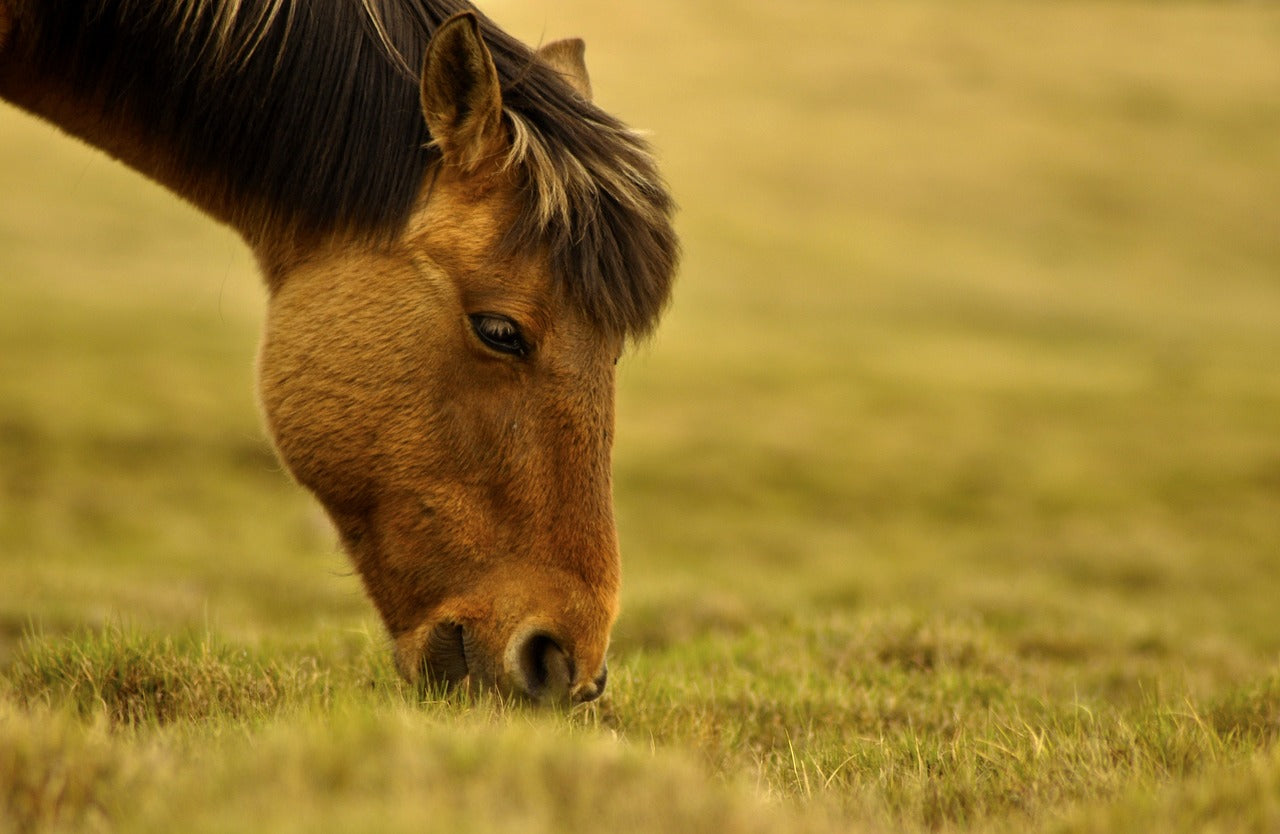
What to look out for with a Cushing's horse
If your horse suffers from Cushing's disease, optimal feeding is crucial to support its health and quality of life. Cushing's, also known as PPID, can lead to various metabolic disorders that require an adapted diet. In this blog post, you will learn how to choose the right feed and what strategies will help you provide your Cushing's horse with the best possible care. A needs-based diet and avoiding sugar and grains are essential to prevent further complications.

Understanding Cushing's Disease in Horses
Cushing's disease, also known as Pituitary Pars Intermedia Dysfunction (PPID), is a hormonal disorder that primarily affects older horses. This disease affects the pituitary gland, which produces excessive amounts of ACTH, leading to an imbalance of the hormone cortisol. Cushing's thus affects your horse's entire metabolism and can cause serious health problems if not treated properly.
Definition and Causes
Cushing's disease is caused by a functional disorder of the pars intermedia of the pituitary gland. This usually occurs due to the loss of nerve cells in the hypothalamus, which inhibits the production of dopamine. This leads to excessive ACTH production, which in horses results in elevated cortisol levels. It is important to differentiate between the benign tumor form and the more common PPID form.
Symptoms and Diagnosis
Typical symptoms of Cushing's disease include hirsutism (long, curly coat), weight loss, and frequent urination (polyuria). The ACTH test is used for diagnosis, which must be carried out very precisely to avoid misdiagnoses. A single ACTH value is often not sufficient, which is why the test should be repeated under controlled conditions (scientific article from the Veterinary Clinics of North America: Equine Practice on the topic: Diagnostic Testing for Equine Endocrine Diseases).
The symptoms of Cushing's can be varied in your horse and are not always clear. The long coat and difficult coat changes are main features, but excessive urination, muscle wasting, and skin conditions are also common. An accurate diagnosis is essential, as incorrect test results can lead to potentially inappropriate therapy. Your veterinarian can help make the correct diagnosis and protect your horse's health through further tests such as the TRH stimulation test.
Nutritional Needs of Cushing's Horses
Horses with Cushing's require a balanced diet rich in crude fiber, while calories and sugar must be strictly monitored to avoid exacerbating symptoms. Make sure your horse receives all essential nutrients and offer high-quality forage. A needs-based diet is crucial to promote your horse's well-being and minimize potential health complications. (A precise feed analysis can be very helpful here.)
General Feeding Guidelines
To support your Cushing's horse's health, you should follow a calorie-restricted diet that simultaneously ensures your horse has a sufficient supply of vitamins and minerals. Avoid sugary feeds and grains that can unnecessarily increase insulin levels. Make sure you feed regularly to reduce stress, as this could worsen the condition. (A continuous supply of high-quality forage is essential.)
Special Considerations for Weight Control
For overweight Cushing's horses, it is important to maintain an energetically restrictive diet. Rely on high-quality feed straw to reduce energy content while extending feeding times. Make sure your horse does not consume more calories than it needs and avoid feeds with high sugar content. Precise feed rationing can be crucial here. (The balance between weight maintenance and health is critical.)
Especially for weight control, it is important to focus on an adapted feed selection. Overweight horses can benefit from the combination of forage and high-quality supplements specially developed for a weight-controlled diet. Through the targeted use of nutrient-rich but low-calorie feeds, you can support your Cushing's horse's health and promote an optimal weight. (Consultation with an equine nutritionist can be a great advantage here.)
Recommended Feed Types and Ingredients
- Crude fiber as the basis of feeding
- Avoid low sugar and starch
- Use fats only as needed
- Choose high-quality feeds
- Observe regularity in feeding
Proper feeding is essential for the well-being of your Cushing's horse. High-quality feed supports healthy development and minimizes the risk of metabolic problems.
Low-Sugar, High-Quality Feed
High-quality feed that is low in sugar and starch plays a crucial role in the diet of Cushing's horses. Make sure to choose alternative roughage such as high-quality straw or hay that contains less sugar. This helps regulate energy intake and prevent laminitis flare-ups. Avoid feeds with high sugar content and rely on diversified feed options to keep your horse healthy.
Supplements and Additives
Certain supplements can help manage the symptoms of Cushing's. Vitamins and minerals, such as Vitamin E and selenium, play an important role in health. Natural options, such as herbs, also offer potential benefits for general well-being. Make sure to select suitable and high-quality supplements that are specifically tailored to your horse's needs.
Choosing the right supplements is crucial, as they can help alleviate the symptoms of Cushing's. Vitamins like Vitamin E and selenium support the immune system, while natural healing herbs can promote detoxification. Be careful with chemical supplements, as they can also have negative side effects. Close consultation with your veterinarian to find the best options for your Cushing's horse is therefore of great importance (Field study on the feeding and nutritional status of equine Cushing's patients).

Establishing Fixed Feeding Routines
For Cushing's horses, it is crucial to establish consistent feeding routines. Stress can significantly impair hormonal balance, as fluctuating routines can lead to increased ACTH secretion. Make sure your horse is fed at the same times daily to create a stable environment. This will help you minimize stress and support your horse's overall health. Regular routines are not only important for the digestive tract but also crucial for the well-being of your Cushing's horse.
Additional Management Tips
In addition to an adapted diet, it is important to consider other aspects in the management of your Cushing's horse. Ensure regular veterinary visits to continuously monitor your horse's health and detect possible secondary health problems early. Keep your horse's environment stress-free by introducing changes in housing or feeding slowly and ensuring sufficient comfort. During the cold season, for example, you should make sure that the drinking troughs do not freeze. You should always bear in mind that a stress-free environment is crucial for your horse's health and can influence ACTH secretion.
- Aim for regular veterinary visits
- Monitoring for secondary health problems
- Avoid stress and ensure comfort
- Access to high-quality water
- Create adapted housing conditions
Conclusion:
The correct feeding of your Cushing's horse is crucial for its well-being and health. Ensure a balanced intake of crude fiber and avoid sugary and starchy feeds. For overweight animals, an energy-restricted diet is recommended, while for weight loss, high-calorie feed types are useful. Regular feeding times and ensuring a constant water supply help minimize stress, which is particularly important for Cushing's patients. Also, consult with experts to find the right diet and, if necessary, use herbal supplements or a metabolism cure meaningfully.
These are frequently asked questions about feeding a Cushing's horse:
1. How do you feed a Cushing's horse?
A Cushing's horse should be fed a low-carbohydrate and high-fiber diet, consisting mainly of low-sugar hay. In addition, it may be necessary to provide a special supplement with vitamins and minerals to compensate for nutrient deficiencies. Concentrates and sugary foods should be avoided, and regular checking of the feed composition is important.
2. What should horses with Cushing's syndrome eat?
Horses with Cushing's syndrome should eat hay with low sugar and fructan content to keep blood sugar levels stable. They can also receive high-fiber feeds and special complementary feeds that are low in sugar and starch. The diet should also be rich in vitamins and minerals to support the immune system.
3. Which mineral feed for Cushing's?
For horses with Cushing's syndrome, a mineral feed specifically developed for metabolically sensitive horses is suitable. It should be low in sugar and starch and rich in essential minerals such as magnesium and chromium, which support blood sugar metabolism. Consultation with a veterinarian or nutritionist can help choose the right product.
4. Can horses with Cushing's syndrome eat hay?
Yes, horses with Cushing's syndrome can eat hay, but it should be hay with low sugar and fructan content. Ideally, the hay should be soaked before feeding to further reduce the sugar content. Regular analysis of the hay is helpful to ensure it is suitable for the horse.
5. Which treats for Cushing's?
For horses with Cushing's syndrome, treats that are low in sugar and starch are suitable, such as unsweetened beet pulp, hay cobs, or special treats for metabolically sensitive horses. Fresh, low-sugar vegetables such as celery can also serve as a healthy alternative.
6. What should a Cushing's horse not eat?
A Cushing's horse should not eat sugary or starchy feeds such as grains, apples, carrots, fresh grass, or sugary treats. These can increase insulin levels and exacerbate the risk of laminitis. The diet should be strictly controlled to minimize disease symptoms.
7. Can a horse with Cushing's syndrome eat oats?
Horses with Cushing's syndrome should generally not eat oats, as oats have a high content of carbohydrates and starch. These ingredients can increase blood sugar levels and increase the risk of laminitis. Instead, fiber-rich and low-sugar feeds should be preferred.
8. Is alfalfa bad for horses with Cushing's syndrome?
Alfalfa can be suitable in moderation for horses with Cushing's syndrome, as it is relatively low in sugar but still high in protein. However, it should only be fed if the horse has no problems with too much protein. Consultation with a veterinarian is advisable to determine whether alfalfa should be part of the diet.
Sources:
- Wikipedia article on the topic: Equine Cushing's Syndrome
- Field study: Feeding and nutritional status of equine Cushing's patients
- Civilization diseases of the horse, Thieme Verlag, ISBN9783132431386, 3132431389
- D. McFarlane: Diagnostic Testing for Equine Endocrine Diseases: Confirmation Versus Confusion. In: The Veterinary clinics of North America. Equine practice. Volume 35, Number 2, August 2019, S. 327–338, doi:10.1016/j.cveq.2019.03.005, PMID 31076223 (Review)
- News on the topic: Feeding a Cushing's horse
Image sources:
Editorial Guidelines of the Horse Vitality Company
At Horse Vitality Company, we create every contribution according to strict quality standards, relying on reputable sources and scientific research. Our editors are proven experts in equine health and provide you with well-founded, trustworthy information.
Expertise and Quality Assurance
- Qualified Authors: Our editors possess extensive expertise in equine health and animal care.
- Double Check: Every article is additionally reviewed by a second expert to ensure accuracy and relevance.
Sources and Transparency
- Reputable Sources: We use only trustworthy sources and scientific studies to substantiate our content.
- Disclosure: We disclose potential conflicts of interest and ensure transparency.
Reader-friendliness and Timeliness
- Reader-friendly Presentation: Our content is continuously optimized to be as understandable and accessible as possible.
- Timeliness: We regularly review our articles and update them as needed to ensure they are always up-to-date.
Interaction and Feedback
- Reader Orientation: Our goal is to provide you with initial guidance. For individual health or care questions, we recommend consulting a veterinarian or animal naturopath.
- Feedback Option: We invite our readers to provide feedback and ask questions. Your suggestions help us continuously improve our content and tailor it to your needs.
These guidelines ensure that the content of Horse Vitality Company always meets the highest standards of expertise, authority, and trustworthiness.


