

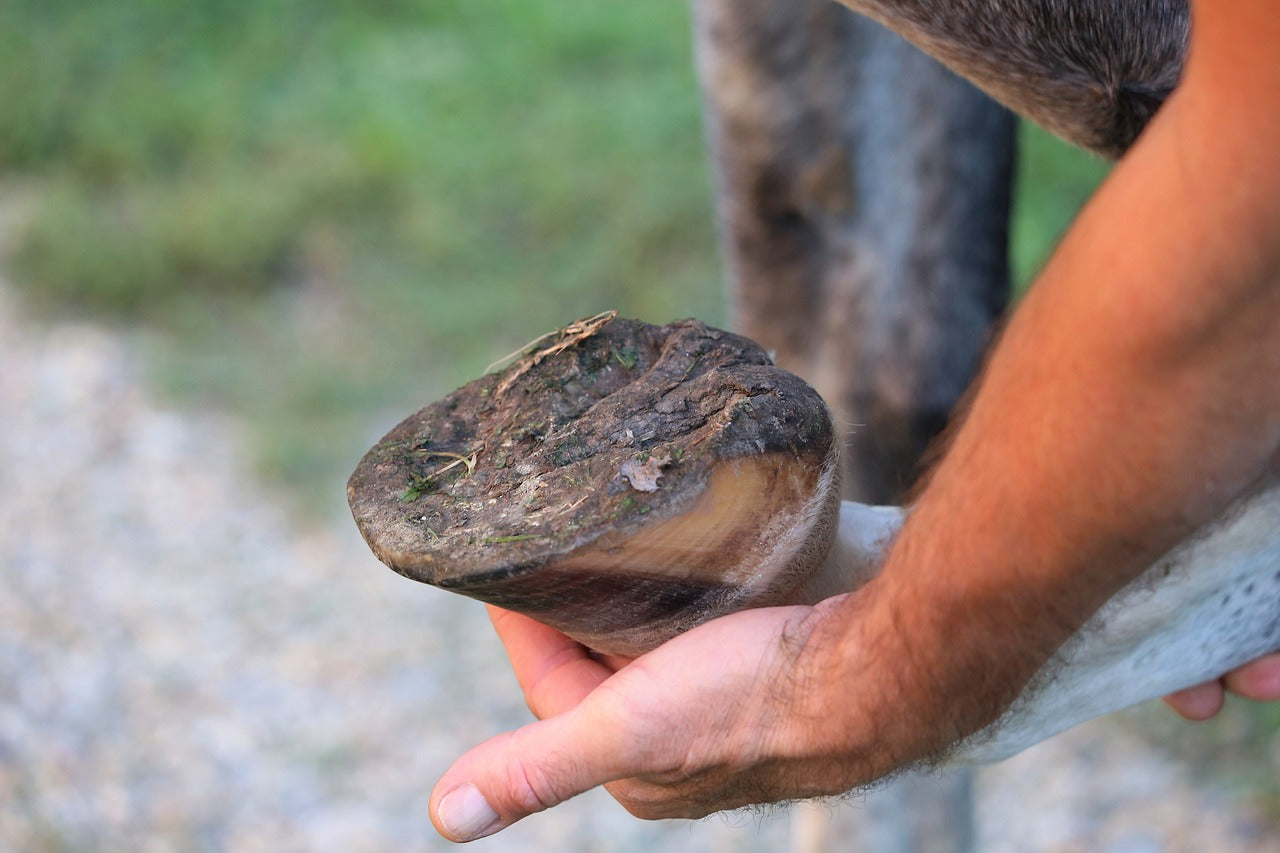
Understanding Laminitis

Definition of Laminitis
Laminitis is a painful inflammation of the laminae that impairs the microcirculation of blood in the hoof. This condition can take acute or chronic courses and requires immediate attention to ensure your horse's well-being.
Importance of Early Detection
Early detection of laminitis is crucial. The sooner you identify the symptoms and act, the better your horse's chances of recovery. Untreated, laminitis can lead to serious complications and a reduced quality of life.
Prompt action can significantly influence the course of the disease. The symptoms in the precursor stage are often subtle; however, timely intervention can prevent acute pain and long-term damage. If not treated immediately, laminitis can lead to permanent damage to the hoof and restrict your horse's mobility. Therefore, it is important to regularly observe your horse and consult a veterinarian immediately at the first signs of laminitis.
Key Learnings:
- Symptoms: Laminitis manifests in various stages, from slight lameness and warming of the hooves to severe pain and specific hoof stances such as the sawhorse stance.
- Causes: The most common causes include pasture laminitis due to improper diet, overuse of the hooves, toxins, or diseases such as Cushing's and Equine Metabolic Syndrome (EMS).
- Treatment: Therapy includes pain management, combating inflammation, and identifying underlying causes, while preventive measures such as adapted feeding and regular hoof care are crucial.
Causes of Laminitis
Laminitis can be triggered by a variety of factors, affecting both nutrition and environmental conditions as well as medical prerequisites. It is important to recognize the main causes to protect your horses as best as possible and initiate timely treatment.
A metabolic booster for horses can help support your horse's metabolism and minimize the risk of laminitis. Make sure the feed is low in sugar and starch.
Nutritional Causes
One of the most common causes of laminitis is improper nutrition. A diet too high in carbohydrates, especially with concentrates, fruit, and too much fresh grass, can lead to acidification in the gastrointestinal tract, which can reduce blood circulation in the hoof. Make sure to adjust feeding to your horse's needs to minimize the risk of laminitis.
Environmental Factors
Environmental factors also play a crucial role in the development of laminitis. Prolonged standing on hard ground or excessive movement on uneven terrain can strain the hooves and increase the likelihood of inflammation. Make sure your horse is kept in a suitable environment.
- Hard ground can strain the hooves.
- Excessive running can be problematic, especially in poor conditions.
- Ensure your horse gets sufficient exercise in an appropriate environment.
- Assume that improving ground conditions can prevent laminitis.
In addition, inadequate stable conditions and insufficient pasture care can also contribute to the development of laminitis. Regular inspection of the pasture for toxic plants is essential. Protect your horse by optimally designing the environment and paying attention to the quality of the ground.
- Check the pasture condition for toxic plants.
- Make your horse's environment healthy and safe.
- Regular care is crucial to prevent laminitis.
- Assume that appropriate stable conditions can reduce the risk of laminitis.
Medical Conditions
Medical causes such as Cushing's Syndrome or Equine Metabolic Syndrome (EMS) can significantly increase the likelihood of laminitis. It is important to recognize and treat these conditions early to prevent severe consequences such as laminitis.
Diseases like Cushing's lead to increased cortisol production, while EMS causes insulin resistance with high blood sugar levels. These factors cause reduced blood circulation in the hooves and can thus promote the development of laminitis. Regular examination of your horses for such diseases can be crucial to ensure their well-being.
Symptoms of Laminitis
Laminitis can lead to various symptoms depending on its severity. It is important to recognize the signs early to provide your horse with the best possible treatment. The symptoms can be divided into three main stages: the precursor stage, the acute stage, and the chronic stage. Each stage shows specific indicators that can help you diagnose laminitis in your horse.
Early Warning Signs
In the precursor stage, the symptoms of laminitis are often difficult to recognize. Your horse might lift the affected hooves more frequently and behave uncooperatively with the farrier. Slight lameness may also occur, while the hooves might feel slightly warm and a pulsation may be palpable in the digital artery.
Acute Symptoms
In the acute stage of laminitis, your horse shows severe pain and avoids movement. Often, the animals' hooves can become very hot, and the pulsation in the arteries becomes more distinct. Also typical is the so-called sawhorse stance, where the front legs are stretched far forward and the hind legs are placed under the body to relieve pressure.
At this stage, many horses also have difficulty walking, especially on hard ground or during turns. They show distinct lameness, are reluctant to move, and often seek relief in the sawhorse stance. It is important to act quickly, as the pain is extremely distressing for your horse and requires rapid treatment.
Signs of the Chronic Stage
In the chronic stage, approximately 48-72 hours after the acute attack, your horse becomes lame, apathetic, and shows little appetite. The hooves are often cold at this stage, and there may be a widening of the white line, while scar tissue forms in the laminae.
A chronic laminitis stage can cause severe physical changes in the hooves. You might notice that the hoof wall is bulging and typical "laminitic rings" form. These changes are not only a sign of the disease but can also cause long-term damage that affects your horse's mobility. It is crucial to react at the first signs of laminitis to ensure your horse's well-being.
Diagnosis of Laminitis
Veterinary Examination
If laminitis is suspected, it is crucial that you consult a veterinarian immediately. The veterinarian will conduct a thorough clinical examination of the horse to identify symptoms indicative of laminitis. Special attention will be paid to the warmth of the hooves, pulsation, and your horse's general behavior.
Diagnostic Tools and Tests
Various diagnostic tools and tests are used for the accurate diagnosis of laminitis. In addition to clinical examination, imaging techniques such as X-rays can help determine the severity of the disease and identify possible changes in the pedal bone.
X-ray examination is particularly important to determine if the pedal bone has rotated or sunk, which is crucial for the prognosis. Further tests may include the hoof tester examination, which assesses pressure on the hooves to identify local pain points. Blood tests can also provide valuable information about inflammatory processes in the body.
Differentiation from Other Diseases
To make a correct diagnosis, laminitis must be differentiated from other diseases such as hoof abscess or joint inflammation. The veterinarian's expertise is of great importance here.
The differentiation requires a detailed examination of symptoms and, if necessary, further diagnostic tests. A hoof abscess often shows a different lameness pattern and pain reaction than laminitis, while joint problems can manifest through swelling and a stiffer gait. An experienced veterinarian will carefully assess these conditions to ensure your horse receives the appropriate treatment.
Treatment Options for Laminitis
Immediate Aid
In case of suspected laminitis, immediate help is crucial. Cool the affected hooves to reduce inflammation. Additionally, you should place your horse on a soft surface and apply a padded laminitis bandage. Painkillers and anti-inflammatories can be administered by the veterinarian to relieve pain and reduce pressure on the laminae.
Long-term Care
Long-term care is crucial to prevent recurring laminitis. An adapted diet and appropriate exercise are essential to prevent obesity and maintain your horse's health.
It is important to adjust the feed to your horse's energy requirements and workload. Make sure to limit the intake of concentrate-rich foods and regularly monitor weight to prevent overfeeding. Furthermore, risk factors such as Cushing's Syndrome and Equine Metabolic Syndrome should be tested and treated early. Regular hoof care and appropriate shoeing are also crucial for the health of your horse's hooves. By following these measures, you can significantly minimize the risk of recurring laminitis.
Prognosis and Recovery
Factors Influencing Prognosis
The prognosis for laminitis depends on various factors. These include the stage of the disease, the severity of the inflammation, the age, and the general health of your horse. A quick diagnosis and treatment can significantly improve recovery. Other crucial factors include:
- Severity of laminitis
- Response to treatment
- Concurrent diseases such as Cushing's or EMS
- Long-term hoof care
Any prevention and care plays a significant role in maintaining your horse's health.
Long-term Management Strategies
To minimize the risk of recurrent laminitis, long-term management strategies are crucial. This includes an adapted diet, regular exercise, and continuous monitoring of your horse's weight. Ensure that the fructan content in hay and grass is kept low and avoid excessive grazing for overweight animals.
In addition, close cooperation with your veterinarian for the early detection and treatment of diseases such as Cushing's and EMS is essential. Regular hoof care and, if necessary, special laminitis shoeing help to maintain hoof health in the long term. Invest time in proper nutrition and sufficient exercise to support your horse in the best possible way. Adhering to these strategies can not only improve your horse's quality of life but also significantly reduce the risk of relapse.
Prevention Strategies
Nutritional and Feeding Practices
To prevent laminitis in your horse, an adapted diet is crucial. Avoid carbohydrate-rich feeds such as concentrates, bread, carrots, and fruit. Make sure that the feed is adapted to your horse's workload and close feed rooms to prevent excessive feed intake.
Regular Exercise and Movement
Regular exercise is essential for your horse's health. Overuse and underuse can promote laminitis, so you should create a balanced exercise plan that provides sufficient movement.
Your horse needs adequate exercise to strengthen muscles and promote blood circulation. Consistent training, adapted to your horse's performance, can help prevent obesity. However, avoid sudden changes in activity levels to prevent injuries and stress. Make sure the horse also has the opportunity to move on soft ground to relieve stress on joints and hooves.
Regular Veterinary Examinations
A regular veterinary examination is fundamental for the prevention of laminitis. Your veterinarian can detect early signs of hoof problems or metabolic disorders such as Cushing's Syndrome or Equine Metabolic Syndrome.
Through routine vet visits, potential problems with your horse's hooves or general health are ensured to be treated in a timely manner. The veterinarian can also recommend necessary adjustments to the feeding or training plan. Be sure to report any abnormalities, whether in movement or behavior, immediately to allow for early diagnosis and treatment.
Conclusion
Laminitis is a serious condition that requires your attention. You should take symptoms such as lameness, warmth in the hooves, and specific postural changes in your horse seriously. The causes are diverse, ranging from improper nutrition to metabolic disorders. Prompt action is crucial for successful treatment, which may include painkillers, dietary adjustments, and appropriate medication. Pay attention to preventive measures to minimize the risk and enable your horse to live a healthy life.
These questions about laminitis in horses are frequently asked:
-
Can laminitis be cured?
The curability of laminitis is a complex issue that depends on various factors, including the horse's health condition and the stage of the disease. A veterinarian can determine the extent to which the coffin bone has rotated or sunk through a thorough examination. This information is crucial for establishing appropriate treatment and prognosis for recovery. In many cases, symptoms can be alleviated, and there is a possibility of the horse recovering, but a complete return to its previous state is often difficult. -
What can trigger laminitis?
In feed-related laminitis, fructan and starch are the main triggers, not protein. Excessive intake of sugar and starch, if it exceeds the horse's needs, can have serious consequences. -
What are the signs of laminitis?
There are several symptoms that can indicate laminitis. These include warm hooves, which indicate inflammation inside the hoof, as well as lameness, often the result of pain in the hooves. Another sign is reluctance during hoof picking, which suggests the horse is in pain. Frequent lifting of the hooves and a noticeable pulse in the pastern are also important indicators. If these symptoms are observed, it is important to act quickly and consult a veterinarian. -
How is laminitis treated?
In addition to consistent cooling over several days and soft bedding, the veterinarian prescribes medication. For horses with Equine Cushing's Syndrome, immediate treatment of the underlying disease is important. -
How long does it take for laminitis to heal?
Healing from laminitis is a lengthy process. The damage to the laminar connection does not simply heal on its own; rather, the connection between the coronary band and the sole must completely regrow over a period of approximately one year to restore a stable and healthy structure. During this time, it is important that the horse receives proper care to support healing and prevent relapses. Only after this time can one assume that the normal and extremely strong connection has been restored. -
Can laminitis heal completely?
Unfortunately, complete healing from laminitis is not possible. The destruction of the sensitive laminae can only be reversed to a limited extent. This means that there is no return to the original state, but merely repair processes can take place. These repairs can help improve the horse's quality of life, but they do not equate to a complete restoration of the original hoof structure and function. -
Can hay trigger laminitis?
Yes, hay with too much sugar can cause laminitis, just like sugar-rich grass, even if fed in small quantities. -
Is exercise beneficial for laminitis?
Movement should not be forced in cases of laminitis, as this can put additional strain on the horse. In chronic laminitis, it is crucial to relieve pressure on the painful toes. This can be achieved through special horseshoeing adjusted by the farrier. These shoes help shift the horse's weight to the heels and frog, relieving the toe and potentially aiding healing. However, it is important that movement is gentle and controlled to avoid further pain or injury.
Sources:
- equivetinfo.de
- Interesting Study: Laminitis
- News on the topic: Laminitis
- Diseases of Civilization in Horses, Thieme Verlag, ISBN9783132431386, 3132431389
Image sources:
Editorial Guidelines of the Horse Vitality Company
At Horse Vitality Company, we create every contribution according to strict quality standards and rely on reputable sources and scientific research. Our editors are proven experts in the field of equine health and provide you with well-founded, trustworthy information.
Expertise and Quality Assurance
- Qualified Authors: Our editors possess extensive expertise in equine health and animal care.
- Double-Check: Every article is additionally reviewed by a second expert to ensure accuracy and relevance.
Sources and Transparency
- Reputable Sources: We only use trustworthy sources and scientific studies to substantiate our content.
- Disclosure: We disclose potential conflicts of interest and ensure transparency.
Reader-friendliness and Timeliness
- Reader-friendly Preparation: Our content is continuously optimized to make it as understandable and accessible as possible.
- Timeliness: We regularly review and update our articles as needed to ensure they are always up-to-date.
Interaction and Feedback
- Reader Orientation: Our goal is to provide you with initial guidance. For individual health or care questions, we recommend consulting a veterinarian or animal naturopath.
- Feedback Opportunity: We invite our readers to provide feedback and ask questions. Your suggestions help us continuously improve our content and tailor it to your needs.
These guidelines ensure that the content of Horse Vitality Company always meets the highest standards of expertise, authority, and trustworthiness.


