

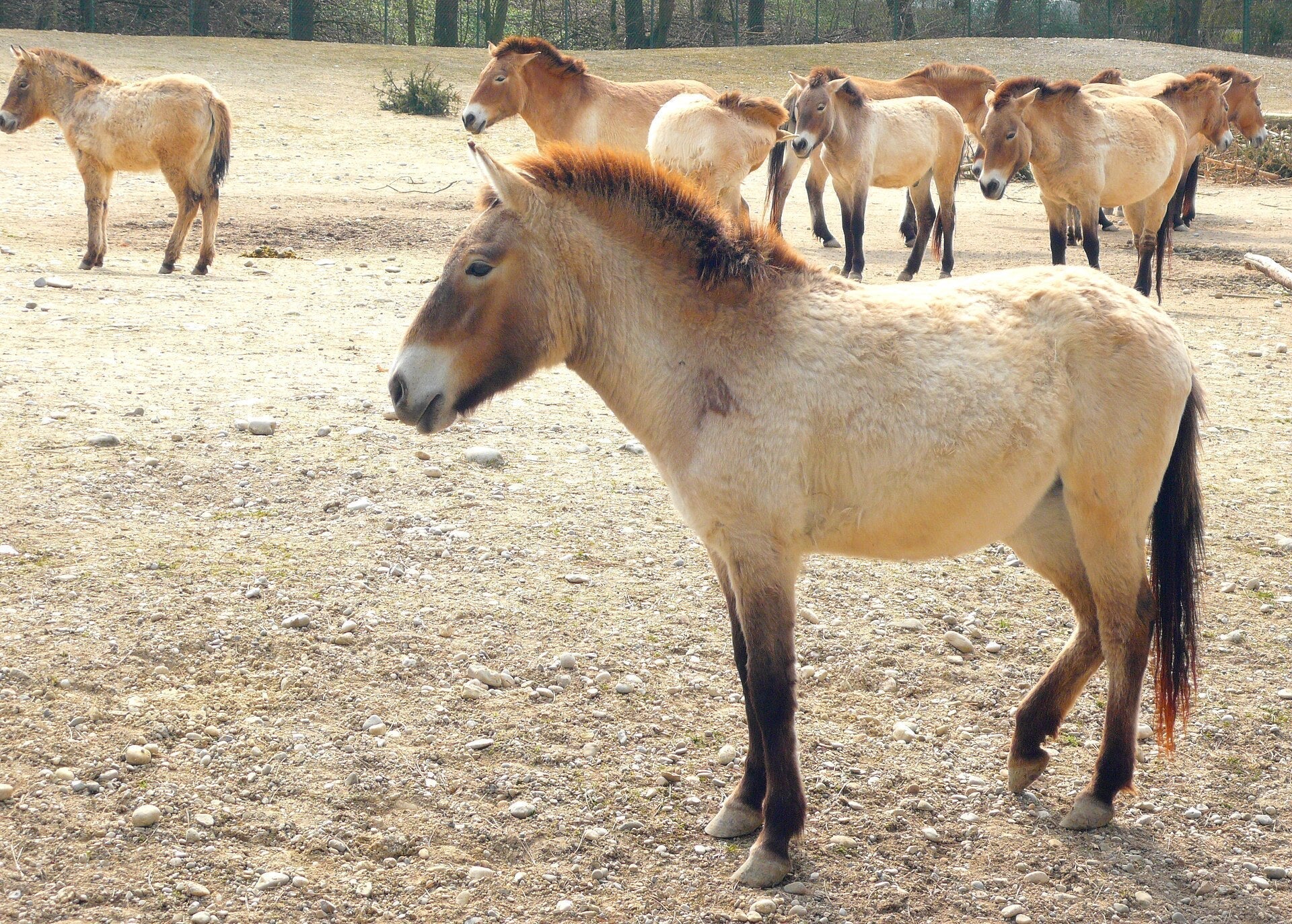

Definition of Gas Colic
Gas colic is a specific form of colic characterized by excessive gas accumulation in your horse's gastrointestinal tract. This gas buildup can lead to overdistension of the intestinal walls, resulting in severe pain and impaired intestinal movement. It is important to recognize gas colic early to be able to react in time.
Causes of Gas Colic
The causes of gas colic are diverse and can include both nutritional and physiological factors. Primarily, it often arises from the ingestion of gas-producing feed or incomplete digestion. Secondarily, intestinal obstruction or torsion can lead to this painful condition.
One of the most common causes of gas colic is the feeding of fresh, low-fiber grass or fruit, which has a high moisture content. These feeds pass through the intestine more quickly and ferment, which activates gas-producing agents in the intestine. Greedy eating, insufficient chewing, and inhaling air while eating also contribute to gas formation. In some cases, suboptimal intestinal motility, influenced by stress or limited movement, can also lead to gas colic. Therefore, it is crucial to pay attention to your horse's feeding routine and living conditions to prevent gas colic.
Symptoms of Gas Colic
Gas colic can cause serious health problems for your horse. It is crucial to recognize the symptoms early to act quickly. Symptoms are divided into different severity levels, ranging from mild abnormalities to severe pain. Pay attention to changes in your horse's behavior and physical condition to identify gas colic in time.
Early Warning Signs
Early warning signs of gas colic are often subtle changes in your horse's behavior. Look for signs such as altered eating habits and the presence of mild abdominal pain. Your attention can be crucial in preventing worse developments.
Advanced Symptoms
As gas colic progresses, symptoms can become more severe. Your horse may show a severely distended abdomen, suffer from intense pain, and may no longer have bowel sounds. Here are some advanced symptoms you should watch for:
- Severely distended, hard abdomen
- Little to no bowel sounds
- Rolling and groaning
- Restricted breathing
- No interest in food
| Biochemical Indicators | Physical Symptoms |
|---|---|
| Increased heart rate | Heavy sweating |
| Irregular breathing | Restlessness |
Advanced symptoms are a signal that your horse urgently needs veterinary help. It is of utmost importance to act quickly to avoid serious consequences such as intestinal obstruction.
Behavioral Indicators
Observe your horse's behavior closely. Changes can indicate gas colic. Your horse might be restless or try to roll, which suggests pain. Such behavioral changes should be taken seriously.
In addition to physical symptoms, behavioral changes are often the first visible signs of gas colic. Stress, restlessness, or unusual behavior are clear indications that something is wrong. Observe your horse carefully and act quickly to avoid serious complications.
Dietary Factors Contributing to Gas Colic
Your horse's diet plays a crucial role in the development of gas colic. Certain feeds and eating habits can significantly increase the risk. To ensure your horse's health, it is important to be aware of the factors that can lead to gas colic.
- High availability of sugary and starchy feeds
- Consumption of fresh, low-fiber grass
- Insufficient chewing of feed
- Sudden changes in feed
Our Metabolism Booster for Horses helps support your horse's metabolism and increase its performance. Especially during the cold season, when energy requirements increase, this product is a valuable addition to the daily diet.
Common Gas-Producing Feeds
Certain feeds, such as fresh clover, young grass, or soft bread, are particularly prone to triggering gas colic. These products have a high moisture content and are rich in sugar and starch, which are not sufficiently broken down in the gastrointestinal tract, leading to increased gas formation.
Impact of Insufficient Chewing
If your horse eats greedily and does not chew its feed thoroughly, it can lead to the feed not being sufficiently mixed with saliva. This impairs digestion and promotes gas formation in the intestine.
This type of eating behavior can be particularly problematic for horses prone to colic. Insufficient chewing means that large pieces of feed pass through the gastrointestinal tract more quickly, further impairing digestion. The resulting gases can accumulate in the intestine and lead to painful symptoms. Therefore, it is essential to create a calm eating environment where your horse can eat at its own pace.
Impact of Sudden Dietary Changes
Too rapid a change in feed can severely stress your horse's sensitive digestive system and lead to gas colic. Therefore, changes in feeding should be made gradually.
Sudden changes in feed composition can make it difficult for your horse's body to adapt to the new nutrients. Caution is particularly advised when changing to new feed types or when increasing the amount of fresh grass. To minimize the risk of gas colic, it is advisable to introduce such changes over a period of several days or weeks to allow your horse's digestive system to adapt. Assume that these measures will help promote your horse's well-being and prevent potential health problems.
Prevention Strategies
Promoting Appropriate Weaning Practices
Gentle weaning is crucial to minimize the risk of gas colic in your horse. Ensure that the foal only leaves its mother when it is physically and emotionally ready. Slow and gradual weaning helps reduce stress and stabilize digestion.
Pasture Management
The way you pasture your horse has a direct impact on its digestive health. Ensure that your horse does not graze uncontrollably and consider weather conditions and the sugar content of the grass, especially in the morning hours, to avoid excessive gas formation.
Ideal pasture management includes gradual acclimatization to new feed sources to adapt the horse's digestion. Start with short grazing periods and gradually increase them. Avoid letting your horse out to pasture early in the morning, as the sugar content in the grass is highest at this time. Strip grazing can also help control feed intake and prevent excessive bloating.
Gradual Dietary Adjustments
A gradual change in diet is essential to avoid overloading your horse's digestive system. If you want to change the feed, plan a few days for a gentle transition phase to avoid gastrointestinal problems.
Start with small amounts of the new feed type and mix them with the usual feed. A slow transition gives your horse the necessary time to adapt and helps minimize gas formation in the intestine. Avoid sudden changes that can lead to digestive problems.
Importance of Roughage
Roughage such as hay or straw plays a crucial role in your horse's health. It promotes digestion, ensures healthy intestinal motility, and can thus counteract gas formation.
Ensure that your horse always has access to sufficient roughage, as this not only promotes digestion but also helps prevent your horse from eating too greedily. Providing roughage fills the stomach, reducing the risk of overloading with fresh grass or energy-rich concentrated feed.
Treatment Approaches
Immediate First Aid Measures
In case of gas colic, it is important to act quickly. Contact your veterinarian immediately to assess the symptoms. Try to keep your horse calm and minimize movement until help arrives, as excitement can worsen the symptoms.
Veterinary Interventions
Your veterinarian will administer medication to relieve pain and quickly remove gas and food residues from the intestine. This may include administering pain relievers as well as special medications to restore intestinal movements.
In more severe cases, intravenous fluid administration may be necessary to prevent dehydration and support digestion. In addition, the veterinarian may also insert a nasogastric tube to release excess gas. If surgery is unavoidable, this will be decided in consultation with you and based on your horse's condition.
Nutritional Management After Recovery
After gas colic, you need particularly careful feeding strategies to support your horse's recovery. Start with a gradual reintroduction of roughage, preferably hay, and make sure to keep feed portions small.
It is important to make the feed change slowly so as not to overload your horse's sensitive digestive system. In addition, you should avoid protein-rich concentrated feed and instead offer easily digestible feed to promote recovery and stabilize digestion.
Post-Colic Care
Restoring Nutritional Balance
After gas colic, it is crucial to restore your horse's nutritional balance. Start with high-quality hay and gradually increase the amount of concentrated feed to give your horse enough energy for rehabilitation. The feed change should be slow to avoid re-stressing the sensitive digestive system.
Importance of Hydration
Adequate fluid intake is essential, especially after gas colic. Dehydration can lead to secondary gas colic and impair your horse's recovery. Ensure that fresh water is always available.
Proper hydration supports digestion and promotes healthy intestinal motility, which is particularly important for recovery after colic. Make sure your horse drinks regularly and, if necessary, try to make the water trough attractive by, for example, placing some carrots in the water. This can help your horse take in enough fluids and thus avoid constipation and related complications.
Monitoring and Follow-up Care
Regular monitoring of your horse is an important part of aftercare. Pay attention to changes in your horse's behavior, feed intake, and digestion. Consult with your veterinarian and note any abnormalities.
Follow-up care also includes regular monitoring of abdominal girth and bowel sounds. These are important indicators of digestive health. If there are signs of discomfort or renewed colic symptoms, the veterinarian should be informed immediately. Make sure to document all your observations to help your veterinarian diagnose and adjust the treatment plan. Close cooperation with the veterinarian is essential to avoid complications and ensure your horse's complete recovery.
Long-Term Care
Regular Veterinary Visits
It is crucial to schedule regular veterinary visits to continuously monitor your horse's health. The veterinarian can detect early signs of digestive disorders or other health problems before they have serious consequences.
Individual Feeding Plans
Creating an individually tailored feeding plan is essential for preventing gas colic. Each horse has different needs, based on factors such as age, weight, activity level, and health status. An experienced veterinarian or nutritionist can help you determine the right feed, including the quantity and type.
To avoid gas colic, in addition to adjusting the amount of concentrated feed, you should also ensure that your horse does not consume disproportionately large amounts of fresh grass or sugary treats. Slow feed changes, considering seasonal feed offerings, and regular feeding times are also important to support your horse's digestion.
Maintaining Overall Digestive System Health
Maintaining overall digestive health is very important for your horse. Ensure that your horse always receives sufficient roughage and gets enough exercise to promote healthy intestinal motility.
Regular monitoring of drinking water ensures that your horse takes in enough fluids to prevent secondary gas colic due to constipation. In addition, feeding gut-caring mash with high-quality ingredients can help keep digestion going and minimize the risk of gas colic.
These questions about gas colic in horses are often asked:
-
What is gas colic in horses?
Gas colic is a specific form of colic caused by excessive gas accumulation in a horse's gastrointestinal tract. These gases cause distension of the intestinal walls, resulting in pain and impaired intestinal movement. The excessive gas accumulation can disrupt the normal digestive process and put the horse in acute pain. Gas colics can vary in severity and must be treated quickly to avoid long-term damage or even life-threatening conditions. -
What are the most common causes of gas colic?
Gas colics are often caused by feeding gas-producing feeds such as fresh grass in spring or high-fat feed additives. Sudden changes in feed can also disrupt the horse's gastrointestinal tract and stimulate gas formation. Another risk factor is insufficient chewing of feed, which makes digestion difficult, as well as restricted movement, which impairs intestinal motility. Stress and existing intestinal disorders such as delayed intestinal peristalsis or increased intestinal motility also contribute to increased gas formation. -
What symptoms indicate gas colic?
The symptoms of gas colic range from general signs such as restlessness and altered eating behavior to specific complaints. The horse often shows severe bloating, especially in the abdominal area. Painful reactions such as rolling, sweating, and an accelerated heart rate may also occur. In more severe cases, the horse may develop noticeable shortness of breath or a significantly increased body temperature. Rolling is often a sign of the pain caused by the pressure of gases on the intestine. -
How can gas colic be prevented?
Several measures should be observed to prevent gas colic. A gradual feed change is important to give the digestive system time to adapt and control gas formation. Too much sugar and starch in the feed should be avoided, as these can promote gas formation. Instead, the horse should regularly receive sufficient roughage, such as hay or grass, which stimulates digestion. Targeted control of grazing times is also useful to prevent too rapid feed intake. In addition, the horse should be exercised regularly to promote intestinal motility. -
What should be done in case of acute gas colic?
In case of acute gas colic, immediate veterinary help is required. Contact the veterinarian immediately to examine the horse and begin treatment. While waiting for the veterinarian, you should keep the horse calm and avoid letting it eat or drink so as not to further burden the digestive process. Any self-measures, such as administering medication or massaging the abdomen, should be avoided, as these could worsen the situation.
What treatment options are available for gas colic?
The treatment for gas colic depends on the severity of the condition. In most cases, the veterinarian will administer pain medication and antispasmodic drugs to relieve pain. Additionally, gut motility enhancers or a nasogastric tube may be used to remove gas from the intestines and normalize bowel function. In particularly severe cases, where a large gas accumulation or another cause is suspected, surgery may be necessary to clear blockages and relieve pressure on the intestines.
What does aftercare look like after gas colic?
After treating gas colic, careful aftercare is important to prevent recurrence. Observe the horse's behavior and digestion closely to ensure no further symptoms appear. The reintroduction of forage should be gradual to avoid overloading the digestive tract. It is also crucial to provide the horse with adequate water to prevent dehydration. Regular veterinary check-ups to monitor digestive health are also recommended.
What role does diet play in preventing gas colic?
Diet plays a crucial role in preventing gas colic. A balanced diet, consisting mainly of high-quality forage such as hay or grass, promotes digestion and helps minimize gas formation. Feed changes should always be gradual to avoid stressing the digestive process. Sugary and starchy feeds should be avoided or given in moderation, as they can promote gas formation. Sufficient fresh water aids digestion and reduces the risk of colic.
Sources:
- Frank G. R. Taylor, Mark H. Hillyer: Klinische Diagnostik in der Pferdepraxis. 2nd Edition, Schlütersche Verlagsgesellschaft, Hanover 2004, ISBN 3-87706-574-0.
- News on the topic: Gas colic in horses
- Richard Kinseher: Der Bogen in Kultur, Musik und Medizin, als Werkzeug und Waffe. BoD – Books on Demand, 2003, ISBN 978-3-831-14109-8, p. 154 (limited preview in Google Books).
Horse Vitality Company Editorial Guidelines
At Horse Vitality Company, we create every post according to strict quality standards, relying on reputable sources and scientific research. Our editors are proven experts in equine health and provide you with well-founded, trustworthy information.
Expertise and Quality Assurance
- Qualified Authors: Our editors possess extensive expertise in equine health and animal care.
- Double-Checked: Every article is additionally reviewed by a second expert to ensure accuracy and relevance.
Sources and Transparency
- Reputable Sources: We only use trustworthy sources and scientific studies to substantiate our content.
- Disclosure: We disclose potential conflicts of interest and ensure transparency.
Reader-Friendliness and Actuality
- Reader-Friendly Presentation: Our content is continuously optimized to make it as understandable and accessible as possible.
- Up-to-Date: We regularly review our articles and update them as needed to ensure they are always current.
Interaction and Feedback
- Reader Orientation: Our goal is to provide you with initial guidance. For individual health or care questions, we recommend consulting a veterinarian or equine naturopath.
- Feedback Opportunity: We invite our readers to provide feedback and ask questions. Your suggestions help us continuously improve our content and tailor it to your needs.
These guidelines ensure that Horse Vitality Company's content consistently meets the highest standards of expertise, authority, and trustworthiness.


