

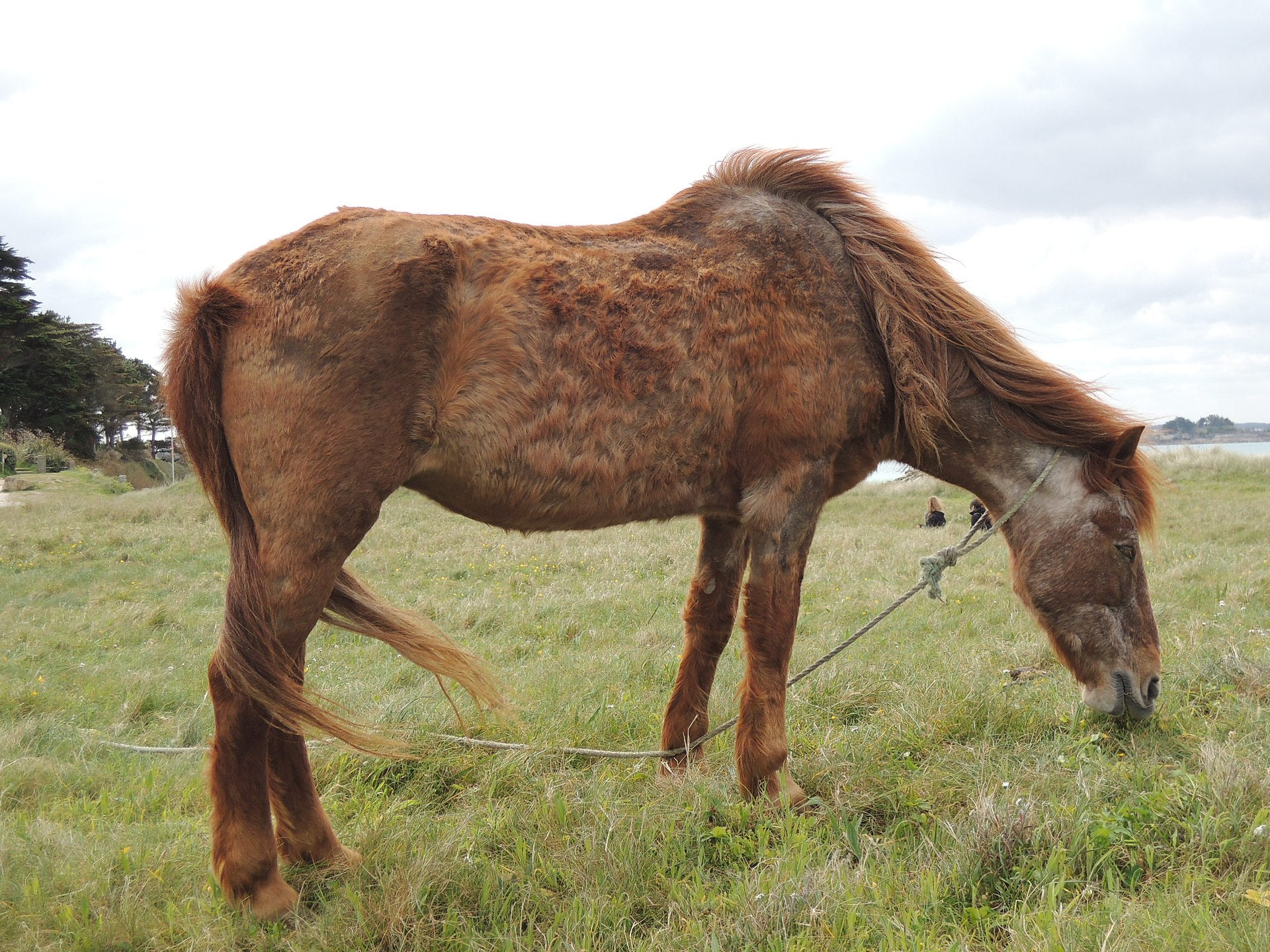

If your horse shows signs of colic, quick action is required. Colic is a serious emergency that can originate from the digestive tract as well as other areas of the body. In this article, you will learn which symptoms to watch out for, what causes colic, and what immediate measures you can take to help your horse as quickly as possible. Be prepared and learn how to manage the situation.
Understanding Colic in Horses
Definition of Colic
Colic refers to abdominal pain in horses, mostly originating from the digestive tract. However, the term "colic" is broad and encompasses various causes, from harmless discomfort to life-threatening conditions. It is important to recognize the signs early and contact a veterinarian immediately, as your horse's condition can change rapidly.
Types of Colic
There are several types of colic, each with different causes and requiring different treatment approaches. Common forms include small intestine obstruction, large colon displacement, and large colon torsion. Each type has its own specific symptoms and clinical characteristics.
- Acute colic: sudden, severe pain
- Chronic colic: recurring, less intense signs
- Small intestine obstruction: caused by kinking or entrapment
- Large colon displacement: displacement of the large colon within the abdomen
- Large colon torsion: life-threatening condition due to twisting of the intestine
Assume that the above types require specific symptoms and diagnoses.
| Type of Colic | Cause |
|---|---|
| Acute Colic | Rapid changes in the digestive tract |
| Chronic Colic | Long-term digestive problems |
| Small Intestine Obstruction | Intestinal entrapment in abdominal structures |
| Large Colon Displacement | Gas accumulation in the large colon |
| Large Colon Torsion | Interruption of blood supply |
To understand the severity of colic, note that some forms cause acute pain, while others can be chronic. For every type of colic, a quick diagnosis is crucial to avoid serious consequences and ensure your horse's well-being.
- Acute symptoms such as restless behavior and cessation of eating
- Changing positions and frequent lying down
- Reduced water intake or vomiting of stomach contents
- Sunken eyes and general weakness
- Painful reaction to abdominal palpation
Assume that a timely response to such symptoms is crucial.
| Symptom | Possible Form of Colic |
|---|---|
| Painful behavior | Acute Colic |
| Recurrent pain | Chronic Colic |
| Restlessness and loss of appetite | Small Intestine Obstruction |
| Changes in feces | Large Colon Displacement |
| Pain on abdominal palpation | Large Colon Torsion |
By learning about the different types and symptoms of colic, you can act in time and ensure your horse's welfare.
Common Causes of Colic in Horses
Gastrointestinal Problems
The most common causes of colic in horses are gastrointestinal in nature, particularly in the stomach and intestines. Gastric overloads and small intestine impactions due to improper feeding or digestive disturbances can lead to acute pain requiring immediate veterinary intervention. Be sure to feed your horse regularly and avoid sudden changes in feed to minimize the risk.
Non-Gastrointestinal Causes
Not all causes of colic are limited to the digestive tract. Pain from the urinary tract, such as bladder stones, or neurological diseases can also cause colic-like symptoms. It is important to take any type of pain or discomfort in your horse seriously and act immediately.
Non-gastrointestinal causes also include complications in the genital tract, such as uterine torsion in pregnant mares, and chest pain, such as from pneumonia. Severe itching due to parasites or lack of exercise can also cause colic-like signs. Be sure to regularly check your horse's health to identify and treat potential problems early.
Recognizing Colic Symptoms
Behavioral Changes
If your horse is suffering from colic, you may frequently observe sudden behavioral changes. Your animal might become restless, walk back and forth frequently, roll, or attempt to kick its abdomen. Lying down and getting up for no apparent reason can also indicate pain. Pay attention to such signs, as they are often the first indicators of possible colic.
Physical Signs
In addition to behavioral changes, there are also physical symptoms that can indicate colic. These include an increased heart rate, irregular breathing, and absence of bowel sounds. Your horse may also have a swollen abdomen or react sensitively to palpation. These signs should be taken seriously as they can indicate a severe disturbance in the digestive system.
Another important physical sign you should observe is your horse's eyes. They often appear wide open, and the general facial expression seems restless or tense. A change in the frequency of defecation can also be an indicator; if your horse defecates less than usual or stops altogether, this is also concerning. Keep all these symptoms in mind to be able to act quickly in an emergency and call the veterinarian.
Initial Assessment of a Horse with Colic
If you suspect colic in your horse, an initial assessment is crucial. Your observations can provide valuable information for the veterinarian and help quickly assess the severity of the colic. Pay attention to behavioral changes and physical symptoms that indicate pain. This also includes feeding behavior and general movement patterns.
Observation Techniques
Use your senses to observe your horse's behavior. Look for signs such as restlessness, frequent lying down and getting up, or head lifting. Also, monitor breathing and the condition of the abdomen to determine if gas accumulation is occurring. All these observations can provide important clues to the veterinarian.
Recognizing the Urgency of the Situation
It is important to recognize the urgency of the situation, as colic is a serious emergency. Any form of colic should be treated immediately due to the potential life-threatening danger to your horse. Pay attention to severe signs such as worsening pain, restlessness, sweating, or a change in heart rate. These symptoms may indicate that rapid help is required.
Dramatic behavioral changes, such as extreme rolling or desperate pulling at your body, can particularly indicate an acute emergency. The duration of symptoms is also crucial: if colic symptoms persist for more than an hour or worsen, immediate action is needed. Remember that some forms of colic, such as small intestine obstructions or large colon torsions, are extremely painful and can quickly lead to critical conditions. Therefore, in such a case, you should not hesitate to contact the veterinarian to ensure the best care for your animal.
First Aid and Immediate Measures
Stabilizing the Horse
If you notice signs of colic in your horse, it is important to stabilize the animal. Ensure your horse remains in a calm and safe environment to avoid further stressors. Support it by gently leading it, but avoid putting pressure on the horse or moving it too much, as this can cause additional discomfort.
Contact a Veterinarian
It is crucial to contact a veterinarian as soon as you notice signs of colic in your horse. Even if the symptoms initially appear mild, they can quickly worsen and lead to serious complications. A professional can best assess the situation and, if necessary, initiate appropriate treatment.
The veterinarian will likely ask specific questions about the symptoms, inquire about the feeding history, and ascertain the horse's recent movements and water intake. Provide as much information as possible to facilitate a quick diagnosis and appropriate measures. Timely action is essential to avoid severe health problems.
Recommended Steps for Home Care
While waiting for the veterinarian, you can take some basic care measures. Observe your horse closely for changes in breathing, behavior, or position. Keep the animal away from food and water to avoid potential further problems, and create a calm space.
Furthermore, you should try to get your horse to move gently if it seems safe to do so. Light exercise can help promote intestinal motility. However, be careful to avoid excessive movement, as this could worsen the condition. Your calm and composed handling during this critical time can provide important support for your horse.
Treatment Options for Colic
Medication Treatment
If your horse shows signs of colic, immediate administration of pain medication by the veterinarian may be necessary. These medications help relieve pain and have a calming effect on the gastrointestinal tract. Additionally, antispasmodic agents can be used to support bowel movements and alleviate possible blockages. It is important to diagnose the exact causes of colic to choose the correct medicinal therapy.
Surgical Intervention
In some cases, surgical intervention is necessary to treat severe forms of colic. These include conditions such as small intestine obstructions or large colon torsions. During an operation, affected bowel sections can be gently unblocked or sutured to restore blood supply and ensure your horse's health.
Surgical intervention is crucial when the blood supply to the intestine is interrupted, as in a large colon torsion or a small intestine obstruction caused by a lipoma. In such cases, prompt surgery can be a matter of life and death, as necrotic bowel segments are no longer functional and your horse has a high mortality rate without timely treatment. Careful aftercare and monitoring are necessary after surgery to ensure a full recovery.
Colic in Horses? Here's What You Can Do Now!
Proper Feeding Practices
A balanced and species-appropriate feeding is crucial to prevent colic in your horse. Be sure to offer high-quality feed and make a slow transition to new feed types to minimize the risk of digestive disturbances. Feed smaller, more frequent portions instead of large quantities at once to avoid overloading the stomach.
Importance of Regular Dental Checks
Regular dental checks are essential to ensure your horse can properly chew its food. Dental problems can lead to food fibers being swallowed too long, which significantly increases the risk of impaction and thus colic.
An examination of the feces can indicate overly long fibers, pointing to dental problems. Older horses, in particular, are often affected by dental diseases. Therefore, have your horse's dental health checked by a veterinarian at least once a year to prevent serious digestive problems.
Ensure Sufficient Hydration and Exercise
Ensure your horse has access to fresh water at all times, as insufficient hydration increases the risk of colic. Regular exercise is also important to promote digestion and support your horse's general well-being.
Insufficient exercise and inadequate water intake can increase the likelihood of colic. Make sure your horses have ample opportunity for exercise, especially when weather conditions change. By providing regular exercise and sufficient water, you can actively contribute to your horse's health and prevent colic.
Colic in Horses? Here's What You Can Do Now!
If your horse shows signs of colic, quick action is required. Call a veterinarian immediately to avoid serious complications. Keep your horse calm and ensure it does not eat or drink until the veterinarian arrives. Observe the symptoms closely and note any specifics that can help the veterinarian with the diagnosis. Preventatively, you should ensure a balanced diet, regular dental checks, and sufficient exercise to minimize the risk of colic.
New Year's Eve Package
Say goodbye to the old year with the perfect gift for your horse – our exclusive New Year's Eve Package. The ideal companion for the winter months, it offers everything your horse needs to start the new year healthy and vital.
These questions about colic in horses are frequently asked:
-
What is colic in horses?
Colic refers to a pain reaction in a horse's abdominal area, usually caused by problems in the digestive tract. These can be triggered by a variety of reasons, from harmless digestive upsets to serious, life-threatening conditions. Colic is a medical emergency, as a horse's condition can deteriorate very quickly if not treated promptly. The exact cause of colic can only be determined by a thorough examination, but it is always important to act quickly if colic is suspected. -
What symptoms indicate colic?
The most common symptoms of colic include restlessness and nervous behavior. The horse may frequently lie down and get up again, as if seeking relief. Other signs include loss of appetite, altered defecation, a bloated abdomen, and an increased heart rate. Sometimes the horse is visibly sweating. In severe cases, the horse may roll repeatedly, indicating severe pain. It is important to observe these symptoms carefully, as they can provide clues about the severity of the colic. -
What are the most common causes of colic?
The most common causes of colic are problems in the gastrointestinal tract, such as impactions, fermentations, or a twist in the intestine. These conditions block normal digestion and can lead to severe pain. However, non-gastrointestinal causes such as bladder stones or neurological disorders can also cause colic symptoms. Sometimes colic can be triggered by parasitic infestation or improper feeding. Stress or sudden weather changes can also disrupt the digestive process and cause colic. -
What immediate measures should I take for colic?
If colic is suspected, it is important to keep the horse calm. Prevent it from eating or drinking to avoid additional strain on the digestive tract. Observe the symptoms closely to give the veterinarian as much information as possible. Pay attention to how long the symptoms have been present and whether the condition is worsening. It can be helpful to move the horse gently if possible without causing additional pain, but avoid overexerting the animal. Call a veterinarian immediately to ensure a quick diagnosis and treatment. -
When should a veterinarian be contacted?
A veterinarian should be contacted immediately as soon as symptoms of colic appear. Colic can worsen quickly, and the earlier treatment begins, the better the prognosis. Especially with severe pain, incessant rolling, or symptoms lasting longer than an hour, immediate medical help is required. The veterinarian can determine through a thorough examination whether it is a more harmless form of colic or a severe condition that requires intensive treatment or even surgery.
How can colic in horses be prevented?
Preventing colic begins with a balanced and regular feeding regimen. Ensure your horse always has access to fresh water and avoid sudden changes in feed. Provide your horse with plenty of roughage to promote digestion and prevent blockages. Regular exercise is also important to support the digestive process. Have your horse regularly checked by a vet and ensure good dental care, as dental problems can also cause digestive issues.
What are the treatment options for colic?
The treatment for colic depends on the cause and severity of the condition. In less severe cases, the vet may administer painkillers and antispasmodic medication to stabilize the horse and relieve pain. In more severe cases, such as a twisted gut or blockage, surgical treatment may be necessary. In some cases, the horse may need fluids and electrolytes to stabilize its fluid balance. The vet will determine the best treatment plan after a thorough examination.
What can I do while waiting for the vet?
While waiting for the vet, it's important to closely observe the horse's behavior. Lead the horse calmly if possible, and keep it away from feed. Be careful not to move the horse too much, as too much activity could worsen the colic. Try to keep the animal calm and provide reassurance until the vet arrives. Keep the horse in a well-ventilated and safe area to avoid additional stressors.
Sources:
- Frank G. R. Taylor, Mark H. Hillyer: Klinische Diagnostik in der Pferdepraxis. 2. Auflage, Schlütersche Verlagsgesellschaft, Hannover 2004, ISBN 3-87706-574-0.
- Related news: Colic in Horses
- Richard Kinseher: Der Bogen in Kultur, Musik und Medizin, als Werkzeug und Waffe. BoD – Books on Demand, 2003, ISBN 978-3-831-14109-8, S. 154 (limited preview in Google Books).
Horse Vitality Company Editorial Guidelines
At Horse Vitality Company, we create every post according to strict quality standards, relying on reputable sources and scientific research. Our editors are proven experts in horse health and offer you well-founded, trustworthy information.
Expertise and Quality Assurance
- Qualified Authors: Our editors have extensive expertise in horse health and animal care.
- Double Check: Each article is additionally reviewed by a second expert to ensure accuracy and relevance.
Sources and Transparency
- Reputable Sources: We only use trustworthy sources and scientific studies to support our content.
- Disclosure: We disclose potential conflicts of interest and ensure transparency.
Reader-friendliness and topicality
- Reader-friendly preparation: Our content is continuously optimized to make it as understandable and accessible as possible.
- Topicality: We regularly review our articles and update them as needed to ensure they are always up to date.
Interaction and Feedback
- Reader-centric: Our goal is to provide you with initial guidance. For individual health or care questions, we recommend consulting a veterinarian or animal naturopath.
- Feedback option: We invite our readers to provide feedback and ask questions. Your suggestions help us continuously improve our content and tailor it to your needs.
These guidelines ensure that the content of the Horse Vitality Company always meets the highest standards of expertise, authority, and trustworthiness.


