

Care
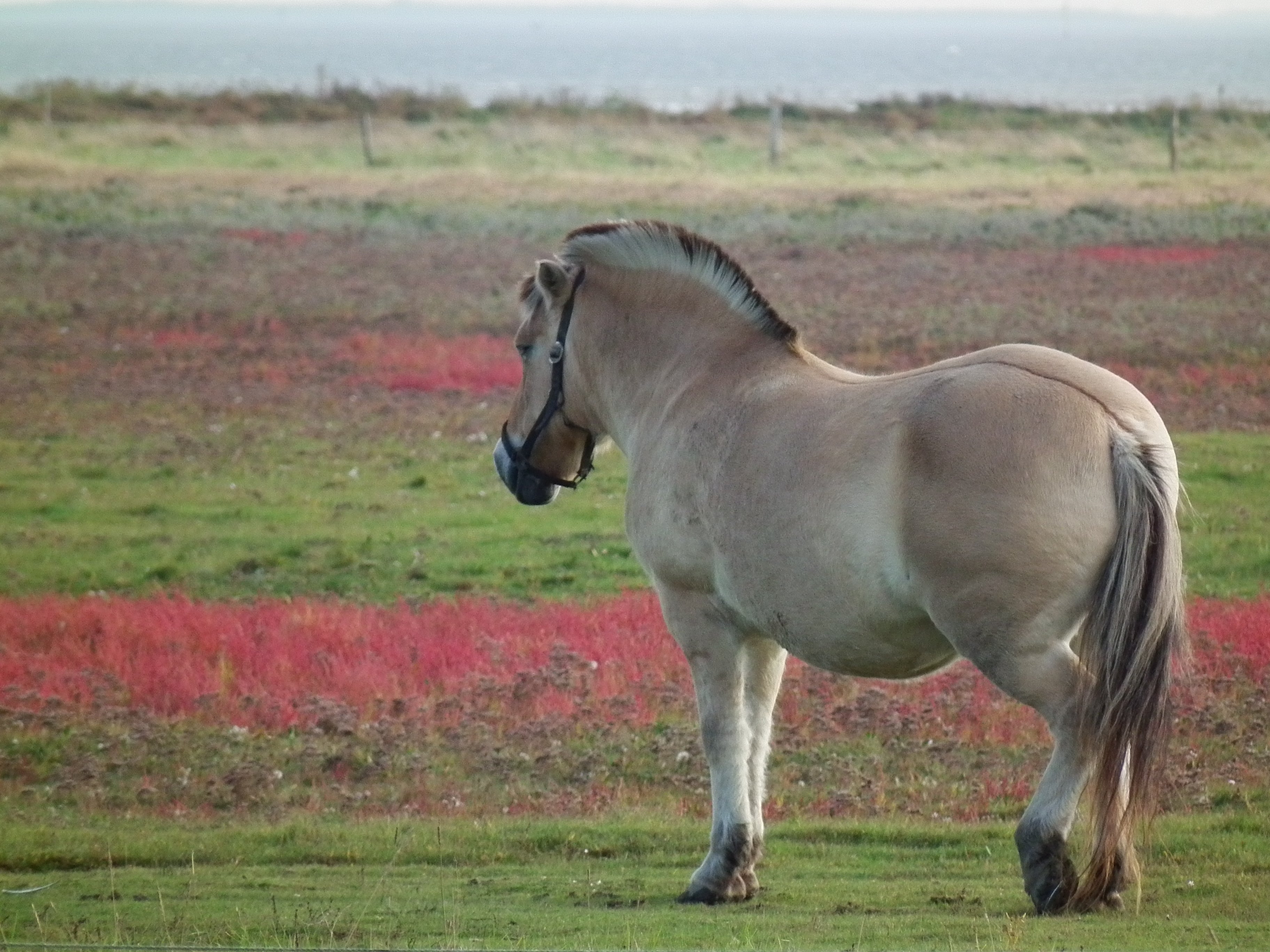

Home remedies for mud fever: Tips for acute cases
Fast and Supportive Help for Mud Fever If your horse is affected by mud fever, you should act quickly to relieve the symptoms and support healing. In this article, you will find useful home remedies that can help you treat skin irritations and itching. The correct procedure and the durability of these remedies are crucial to avoid further damage. Learn about simple but effective solutions that you can quickly have at hand and that can show a positive effect on your horse's recovery. Understanding Mud Fever Definition of Mud Fever Mud fever is an inflammatory skin condition that frequently occurs in the pastern area of horses. It usually results from a skin defect that allows bacteria to penetrate, leading to redness, itching, and other discomfort. Causes of Mud Fever The causes of mud fever are diverse and often the result of several factors. Humid environmental conditions, such as muddy paddocks or poorly mucked out stalls, often play a central role. Among the most common causes are: wet ground, which encourages standing on damp surfaces, poor hygiene conditions in the stall, and a weakened immune system of the horse. Long hair growth can also lead to the accumulation of dirt and moisture, while stress, e.g., during stable changes, can exacerbate the situation. Possible diseases, allergies, and metabolic problems should also be considered, as they increase the risk of mud fever. Symptoms and Course The symptoms of mud fever initially appear as reddened skin areas and severe itching, leading to hair loss. In advanced stages, swelling may occur and the horse may limp. First, the skin is irritated by a defect, followed by redness and itching. Later, the affected area may weep, form crusts, and the leg may swell. In severe cases, it can lead to body poisoning, making treatment all the more urgent. Early detection is crucial for effective therapy. First Steps in Treatment Cleaning the Affected Area Among the first steps when your horse suffers from mud fever is the thorough cleaning of the affected area. Use lukewarm water and iodine soap to gently cleanse the skin. This helps to soften the crusts and remove accumulated dirt. The Importance of Dryness A dry environment is essential for healing. Ensure that the horse keeps the affected area dry as often as possible. Moisture promotes bacterial growth and can significantly delay the healing process. Moisture should be avoided throughout the entire treatment. Ensure that the stall is always clean, well-ventilated, and equipped with dry bedding. This minimizes the risk of re-infection and optimally supports your horse's recovery. Identifying Severity It is important to recognize the severity of mud fever. Look for symptoms such as swelling, warmth, and lameness. If your horse shows severe pain or if the symptoms progress, it is advisable to consult a veterinarian. The severity can be crucial for selecting treatment methods. Early detection and appropriate measures can increase the chances of healing. In cases of advanced mud fever, treatment with antibiotics may be necessary to ensure your horse's well-being. Effective Home Remedies Sauerkraut Poultice Sauerkraut poultices are a proven home remedy for relieving the symptoms of mud fever. The lactic acids in sauerkraut promote wound healing and lower the pH value, preventing further bacterial spread. You can apply the poultice overnight to achieve maximum effect. Herbal Infusions Herbal infusions are a gentle and natural method to support the healing processes in mud fever. The selection of the right herbs can have anti-inflammatory and antibacterial effects, thus contributing to faster recovery. To benefit from the advantages of herbal infusions, you can use medicinal herbs such as chamomile, calendula, or thyme. These herbs are known for their anti-inflammatory properties. Prepare a strong infusion, let it cool, and then apply it as a compress to the affected area to soothe the skin and promote healing. Epsom Salt Baths Epsom salt baths are an effective way to relieve inflammation and support the healing of injured skin. The anti-inflammatory properties of Epsom salt can help reduce pain and swelling. Fill a tub or a large basin with warm water and add a generous amount of Epsom salt. Let your horse soak the affected legs for about 15-20 minutes. This helps to clean the skin, promote blood circulation, and accelerate the healing process. Use of Essential Oils Essential oils can play a supportive role in the treatment of mud fever. They have antibacterial effects and can significantly relieve inflammation. Use oils like tea tree oil or lavender oil, and mix them with a carrier oil such as jojoba oil. Carefully apply the mixture to the affected area. Make sure not to use the oils undiluted, as they could irritate the skin. When using essential oils, it is important to pay attention to the correct dilution to ensure safe application. Homeopathic Approaches Identifying Suitable Remedies To select the appropriate homeopathic remedies for mud fever, it is important to closely observe your horse's symptoms. Homeopathic remedies are often administered in the form of globules, and the choice of remedy should be based on the individual complaints. An animal naturopath can help you make the right choice. Dosage and Administration The dosage of homeopathic remedies varies depending on the remedy and the severity of the illness. As a general rule, one starts with a low potency and adjusts it according to the horse's reaction. The globules should either be given directly into the mouth or mixed with a little water. Make sure to administer the globules about 15 minutes before feeding or giving other medications, so that their effect is not impaired. A sign of effective treatment can be an improvement in symptoms within a few days. In case of relapses or insufficient improvement, you should adjust the dosage or change the remedy. Consultation with a Specialist It is always advisable to consult a specialist, especially when using homeopathic treatment methods. An animal naturopath or experienced veterinarians can offer valuable help in finding the best therapy for your horse. Consultation with a specialist is particularly important to avoid overdoses or undesirable interactions. Expert knowledge helps you optimally consider your horse's individual needs and select the appropriate potencies and remedies. This approach not only contributes to safety but also increases the chances of treatment success. Preventive Measures Maintaining Hygiene A clean environment is crucial to minimize the risk of mud fever in your horse. Ensure that stalls are cleaned regularly and that bedding is always dry and hygienic. Contact with wet ground should be avoided, as it promotes bacteria. Daily mucking out helps promote your horses' health. Healthy Diet Nutrition plays a central role in preventing mud fever. Ensure that your horse receives a balanced diet rich in vitamins and minerals. It is also advisable to adjust the feed during stressful periods or illness to support the immune system. Additionally, you should pay attention to the quality of the feed. Continuous feeding with high-quality, dust-free hay and appropriate concentrate feed can help protect your horse from immune deficiency. You may also use supplementary feedstuffs that strengthen the immune system. A veterinarian or nutritionist can provide valuable tips here. Managing Environmental Factors Your horse's environment has a significant impact on the development of mud fever. Careful planning and management of paddocks are essential. Ensure that grazing areas are well-ventilated and do not become too muddy, as this increases the likelihood of skin irritations. Prevent moisture Regular cleaning of paddocks Avoid standing for hours on muddy surfaces The awareness that early measures to improve environmental conditions can protect your horses from mud fever is the first important step. Targeted environmental management can significantly reduce the risk of mud fever. For example, paddocks should be regularly cleared of faeces and liquid accumulations to prevent bacterial buildup. Additionally, when planning exercise areas, you should consider weather conditions. Creating shaded spots in the heat or providing drier surfaces when wet are important factors. Consider wind and weather influences Offer dry standing areas Create shady areas Knowing that good environmental planning not only offers health benefits for your horse but also enhances general well-being can help you avoid long-term problems. When to Consult a Veterinarian Recognizing Complications If you notice signs of complications in your horse, such as swelling, persistent weeping, or spreading redness, you should contact a veterinarian immediately. These symptoms can indicate a more serious infection that requires professional treatment. Recognizing Pain and Discomfort It is important to recognize your horse's pain symptoms, such as constant pawing, altered behavior, or difficulty walking. If your horse shows obvious signs of discomfort, it is advisable to consult a veterinarian immediately. If you notice that your horse reacts excessively sensitively to touch or withdraws, this may be a sign of pain. Also, pay attention to changes in eating or drinking habits, as these indicators can point to a serious problem that requires veterinary examination. Treatment Options from the Veterinarian If the mud fever is advanced or your horse shows painful symptoms, veterinary treatment may be indispensable. The veterinarian can help you develop suitable medications and treatment plans to support your horse's recovery. In severe cases of mud fever, your veterinarian may prescribe antibiotics to combat the infection and may also recommend special ointments to be applied to the affected areas. Additionally, a comprehensive examination may be necessary to rule out other underlying health problems that may have contributed to your horse's condition. Conclusion In acute cases of mud fever, you can effectively use various home remedies to support healing. Sauerkraut poultices promote wound healing and reduce bacterial spread. Garlic oil is also a good remedy due to its antibacterial properties. Additionally, honey or propolis can be applied to the affected area to relieve inflammation. Make sure to keep your horse dry and ensure good stable hygiene to accelerate healing and prevent further infections. These questions about home remedies for mud fever are frequently asked: 1. What is the best remedy for mud fever? The best remedy for mud fever is a combination of good stable hygiene, dry and clean bedding, and regular care of the affected areas. Antiseptic cleaning of the affected skin areas and applying anti-inflammatory and healing ointments are also important. In addition, the affected area should be protected from moisture to promote healing. 2. How do I remove thick mud fever scabs? Thick mud fever scabs should be carefully softened, for example by soaking them in warm water or with moist compresses. Afterwards, the scabs can be gently removed with a soft cloth or a soft brush. It is important to proceed gently to avoid further injuring the skin. 3. Which oil for mud fever? Coconut oil can be helpful for mud fever as it has anti-inflammatory and antibacterial properties. Tea tree oil or lavender oil can also be used due to their antiseptic effect. However, it is advisable to use the oils only in diluted form and after consulting a veterinarian to avoid irritation. 4. Which zinc ointment for mud fever? Zinc ointment containing zinc oxide can be used for mud fever, as it has an anti-inflammatory effect and promotes wound healing. A common choice is the classic zinc ointment from the pharmacy, which often also contains panthenol or other nourishing ingredients. It is important that the ointment is applied to clean and dry skin. 5. How long does it take for mud fever to go away? The duration of mud fever healing depends on the severity of the disease and consistent treatment. In mild cases, mud fever can heal within one to two weeks. In more severe or chronic cases, healing can take several weeks or even months. 6. What to put on mud fever? Antiseptic and anti-inflammatory ointments or creams should be applied to mud fever. These include zinc ointment, iodine ointment, or special mud fever ointments from specialist retailers. Natural products such as Manuka honey can also contribute to healing. 7. Which deficiency causes mud fever? Mud fever can be promoted by a deficiency of biotin, zinc, or vitamin A, as these nutrients are important for skin health. A balanced diet and possibly targeted supplementation can help reduce the risk of mud fever. 8. Which soap for mud fever? A mild, pH-neutral soap is suitable for cleaning the affected skin areas with mud fever. Antibacterial soaps can also be useful but should be gentle on the skin to avoid causing additional irritation. Natural soaps with soothing ingredients such as chamomile or calendula are also a good choice. 9. What happens if mud fever is not treated? If mud fever is not treated, the infection can worsen and affect deeper layers of skin. This can lead to severe inflammation, pain, and even lameness. In severe cases, untreated mud fever can also become chronic and permanently impair the horse. Sources: Informative video: Treating Mud Fever Wikipedia article: Mud Fever in Horses Specialist article on the topic: Mud Fever in Horses Helpful video with tips from the vet: Mud Fever in Horses News on the topic: Home remedies for mud fever Handbuch Pferdepraxis, Enke Verlag, ISBN9783830410287, 383041028X Image sources: Horse grazing Horses in the pasture Flehming horse Editorial Guidelines of Horse Vitality Company At Horse Vitality Company, we create every post according to strict quality standards, relying on reputable sources and scientific research. Our editors are proven experts in equine health and provide you with well-founded, trustworthy information. Expertise and Quality Assurance Qualified Authors: Our editors have extensive expertise in equine health and animal care. Double-Check: Each article is additionally reviewed by a second expert to ensure accuracy and relevance. Sources and Transparency Reputable Sources: We only use trustworthy sources and scientific studies to substantiate the content. Disclosure: We disclose potential conflicts of interest and ensure transparency. Reader-Friendliness and Timeliness Reader-Friendly Preparation: Our content is continuously optimized to make it as understandable and accessible as possible. Timeliness: We regularly review our articles and update them as needed to ensure they are always up-to-date. Interaction and Feedback Reader Orientation: Our goal is to provide you with initial guidance. For individual health or care questions, we recommend consulting a veterinarian or animal naturopath. Feedback Option: We invite our readers to provide feedback and ask questions. Your suggestions help us continuously improve our content and tailor it to your needs. These guidelines ensure that the content of Horse Vitality Company always meets the highest standards of expertise, authority, and trustworthiness.
Learn more
Pastern dermatitis in the early stages
How to Spot Early-Stage Scratches (Pastern Dermatitis) Scratches (Pastern Dermatitis) is a painful skin condition that primarily affects the pastern area in horses. If you notice initial symptoms like redness or scabby crusts, you should act quickly to prevent it from worsening. Timely detection of scratches in its early stages allows you to take appropriate measures to protect your horse's skin and prevent the formation of purulent blisters or further damage. Learn about effective prevention and treatment options to support your horse's health. Understanding Scratches Definition of Scratches Scratches is an inflammatory skin condition in horses, usually occurring in the pastern area. This condition can be promoted by a disturbed skin barrier, which allows undesirable bacteria to penetrate the skin and cause inflammation there. Common Locations and Symptoms Scratches primarily occurs in the pastern area, but can also affect the cannon bone. Symptoms include redness, scabby crusts, hair loss, and significant skin thickening. If your horse shows lameness or restlessness, this can also be an indication of advanced scratches. The symptoms of scratches can vary from mild to severe. Initially, redness and crusts are often visible, accompanied by swelling and an unpleasant odor as the condition worsens. In the advanced stage, dangerous blisters and skin growths can occur, severely affecting your horse's well-being. Types of Scratches There are three main types of scratches, which can be classified according to symptoms and skin condition: Dry scratches with crust and scab formation. Wet scratches with oozing, foul-smelling skin rashes. Warty scratches with wart-like skin changes. Each of these types requires a specific approach to treatment to ensure your horse's well-being. Type Characteristics Dry Scratches Crust formation, painful skin irritations Wet Scratches Oozing areas, unpleasant odor Warty Scratches Wart-like changes, severe skin thickening Care Regular cleaning for better healing process Prevention Preventive hygiene measures required Differentiating between these types is important, as each requires different treatment approaches. In addition, specific care and preventive measures may be necessary to minimize the risk of scratches. Skin protection is essential for prevention. Early detection of symptoms is crucial for successful treatment. Hygiene and care are fundamental measures to promote your horse's health. Any information on the types of scratches is important to ensure the best possible care and prevention. Causes of Scratches Scratches is a complex condition favored by various factors. To better understand the causes, it is important to consider the effects of environmental factors, biological factors, psychological factors, and genetic predispositions, all of which can contribute to the development of scratches. Environmental Factors The environment plays a crucial role in the development of scratches. Factors such as constant moisture, lack of hygiene, and unsuitable stable conditions increase the risk of skin diseases. Permanent moisture Poor hygiene Insufficient bedding This can create the physiological conditions that promote infection. Biological Factors Your horse's skin health is strongly influenced by the microflora. A disruption of the natural balance of bacteria can lead to an overgrowth of pathogenic microbes, which promotes the development of scratches. Disrupted bacterial flora Factors like stress Weak immune system After a disturbance, considering the microflora is important to protect the skin. The biological factors also include your horse's immune system and nutrition. Insufficient intake of nutrients, especially zinc, can weaken the skin barrier and thus increase the risk of scratches. Insufficient nutrient intake Weak immune protection Susceptibility to disease Psychological Factors Psychological stressors, such as stress or exhaustion, can also affect your horse's skin health. Often, such factors lead to an impaired immune system and increase susceptibility to infections. Stress and exhaustion Housing conditions Lack of social contact After sufficient regeneration, your horse can become more stable again. When a horse suffers from psychological factors, it often leads to signs of anxiety and stress, which can negatively impact the skin. A good living environment and social interaction are crucial to minimize such problems. Anxiety and restlessness Lack of trust Social isolation By restoring a stable environment, the risk can be reduced. Genetic Predispositions Some horse breeds are more susceptible to scratches due to their genetic predisposition. Horses with a lot of feathering are often more prone to skin problems. The genetic predisposition plays a significant role in susceptibility to scratches. Breeds such as Tinker and Friesians are often more affected. Their feathering can create a warm, moist environment in the pastern area, which promotes the development of scratches. It is important to care for these breeds appropriately to avoid skin irritations. The Role of Skin Integrity Importance of a Healthy Skin Barrier A healthy skin barrier is crucial for protecting your horse from external environmental influences. It prevents harmful bacteria from entering and ensures the skin remains intact. If this barrier is disturbed, conditions such as scratches can occur, which is particularly common in the pastern area. Factors Affecting Skin Health Various factors can negatively affect your horse's skin health. These include permanent moisture, mechanical irritation, and a weakened immune system. Poor hygiene and stress can also lead to the development of skin conditions. Recognizing these factors is of great importance. Permanent moisture Weakened immune system Mechanical irritation Poor hygiene Psychological factors To support your horse's skin health, you should ensure proper care and hygiene. Make sure the stable and pasture are dry and clean. Regular checks and a balanced diet also help strengthen the skin barrier. Recognize the signs that might indicate a weak skin barrier to be able to act in time. Microflora and its Importance The microflora of your horse's skin plays a crucial role in defending against pathogens. A stable colonization with beneficial bacteria supports the skin, while an imbalance increases the risk of scratches. The importance of microflora cannot be overemphasized, as it forms the skin's natural protective shield. An intact and diverse microflora ensures that harmful bacteria are kept in check. If you tend to use disinfectants, this can remove all bacteria, including the protective ones. Therefore, it is important to use probiotic bacteria to restore the beneficial microflora. Recognize the need for targeted care to promote this microflora to prevent skin diseases. Early-Stage Scratches First Signs of Scratches The early signs of scratches are often subtle, yet crucial for timely intervention. Look for initial redness of the skin in the pastern area, followed by scabby crusts or a slightly greasy film. Hair loss and a noticeable thickening of the skin may also occur. If you notice these symptoms, please act immediately. Differentiation from Other Skin Conditions It is important to distinguish scratches from other skin conditions. Similar symptoms can also occur with skin fungi or mite infestation. Look for additional signs such as itching or the consistency and color of the skin changes, which will help you better assess the situation. To differentiate scratches from other skin diseases, careful observation is crucial. While scratches usually begin with redness and crusts, skin fungi might manifest with increased moisture and a smooth surface. Mites, on the other hand, often cause intense itching, and the skin can be swollen or inflamed. A veterinarian can provide clarity through further examinations. Observation and Documentation The monitoring and documentation of skin changes are crucial for understanding the course of scratches. Note down the exact symptoms and their changes over several days or weeks. This provides valuable information for the veterinarian and helps you adjust the treatment accordingly. Precise documentation of all symptoms, such as redness, scab formation, or the progression of the disease, allows you to recognize patterns and specifically guide the treatment. Record the date, time, and observed changes to be well-informed when visiting the veterinarian. This also helps you better evaluate the success of the therapy. Prevention Strategies Hygiene Care To prevent early-stage scratches, thorough hygiene is essential. Regular mucking out and the use of dry bedding are indispensable to minimize the risk of moisture and harmful bacteria. Ensure your horse lives in a clean and hygienic environment. Optimal Living Conditions Your horse's living conditions play a crucial role in preventing scratches. Provide a well-ventilated stable and a dry paddock that can reduce moisture. Access to an open area that can also be used in the rain is a great advantage. Please remember that rain and wetness are particularly risky, and try to keep the paddocks dry with appropriate drainage or ground coverings. Open stable housing should be adapted to the natural needs of horses to promote skin health and prevent a warm, moist climate in the pastern area. Nutritional Considerations A balanced diet is essential for your horse's skin health. Pay particular attention to ensuring your horse receives all the necessary vital substances and minerals, especially zinc, to strengthen the immune system. Avoid overfeeding with protein, sugar, and starch, which can increase skin susceptibility. Ensure the feed ration is rich in crude fiber and check the starch and protein content in compound feeds. Targeted feeding can not only reduce the risk of scratches but also improve the horse's overall well-being. Care Practices Regular care is crucial for early detection and prevention of scratches. Brushing removes dirt and dead skin particles that can disrupt the skin barrier. Be sure to treat sensitive areas particularly gently. Good grooming practices also include checking the pasterns for dirt and injuries. Avoid excessive washing, as this can further irritate the skin. With careful and regular care, you can significantly reduce the risk of skin diseases and keep your horse healthy. Treatment Options Topical Treatments When treating scratches in the early stages, topical preparations are used to disinfect the skin and support healing. These products help to alleviate symptoms and promote skin regeneration. Ensure that the product selection is tailored to the specific needs of the horse's skin. You are also welcome to use home remedies for scratches for supportive therapy. Systemic Medications If topical treatments are not sufficient, the vet may prescribe systemic medications. These medications work from within and help to reduce inflammation and support the immune system. Systemic medications are often necessary to treat more severe symptoms of scratches. They may include anti-inflammatory drugs or antibiotics that specifically target bacterial infection. Talk to your vet about the dosage and duration of treatment to ensure maximum effectiveness and safety for your horse. Care and Management Care and management of your horses play a crucial role in treating scratches. Keep the affected areas clean and dry to reduce the risk of further infections. To minimize the risk of scratches, you should regularly inspect and care for the pasterns. Ensure that your horses' bedding is always dry and clean and that living conditions are as hygienic as possible. This not only creates a healthy environment but also acts preventatively. Probiotics and Restoration of Skin Flora The use of probiotics to support the skin flora is an effective method to promote your horses' health and reduce the risk of scratches. Probiotic products help to restore the balance of microflora on the skin. They promote the growth of positive bacteria and reduce the risk of reinfection. Especially when treating scratches, the application of probiotics can be a sustainable solution, as they also strengthen the skin's natural defense system without harming beneficial bacterial flora. Conclusion In the early stages of scratches, it is crucial to recognize the symptoms early to avoid worsening. Pay attention to whether the skin in the pastern area is reddened and whether scabby crusts or a greasy coating develop. The skin may feel warmer and thicker than usual. By taking timely measures such as improved hygiene, adapting feeding, and targeted care, you can significantly reduce the risk of the disease spreading. Careful monitoring of the affected areas is essential for a quick recovery. These questions about scratches in the early stages are often asked: 1. How do scratches start? Scratches usually begin with small, inconspicuous skin cracks or redness in the pastern, which often develop unnoticed. These changes lead to weeping or scaly areas that can spread quickly if not treated. In early stages, horse owners often notice slight swelling or sensitivity in the affected region. 2. What to do for mild scratches? For mild scratches, the affected areas should be thoroughly cleaned and carefully dried. Afterwards, it is recommended to apply an antiseptic or antibacterial ointment to promote healing and prevent spreading. It is important to keep the horse in a clean, dry environment to avoid further irritation. 3. How long does it take for scratches to go away? The healing time for scratches varies depending on the severity and treatment. Mild cases can heal within a few days to a few weeks, while more severe cases can take several weeks or even months. Consistent and appropriate treatment is crucial to shorten the healing time. 4. What causes scratches in horses? Scratches are caused by a combination of moisture, dirt, poor stable hygiene, and mechanical irritation, which promote the growth of bacteria and fungi. A weakened immune system and skin problems can also contribute to the development of scratches. These factors lead to inflammation and skin damage in the horse's pasterns. 5. What happens if scratches are not treated? If scratches are not treated, the infection can worsen and affect deeper skin layers, leading to severe inflammation and pain. Secondary infections can also occur, further aggravating the problem and, in the worst case, leading to lameness. Untreated scratches can become chronic and significantly impair the horse's quality of life. 6. Which cream for scratches? For scratches, antiseptic or antibacterial creams, such as zinc ointment or creams with iodine, are suitable for treatment. Special scratch ointments that reduce moisture while protecting the skin can also be helpful. In more severe cases, the vet may also recommend an antibiotic or corticosteroid cream. 7. Which deficiency in scratches? A deficiency in zinc, biotin, and essential fatty acids can make the skin more susceptible to scratches, as these nutrients are important for skin health and the horse's immune system. Insufficient nutrition can therefore indirectly contribute to the development of scratches by reducing the skin's resistance. 8. What does the vet do for scratches? The vet will assess the severity of the scratches and recommend an appropriate treatment, which may include antiseptic baths, special ointments, or even antibiotics, depending on the case. In severe cases, they may also perform a blood test to rule out possible deficiencies or underlying diseases. In addition, the vet will provide advice on optimal care and feeding to support healing and prevent recurrence. Sources: Informative video: Treating Scratches Wikipedia article: Scratches in horses Expert article on the topic: Scratches in horses Helpful video with tips from the vet: Scratches in horses News on the topic: Scratches in early stages Handbuch Pferdepraxis, Enke Verlag, ISBN9783830410287, 383041028X Image sources: Noriker Horse grazing Pinto horse Editorial Guidelines of Horse Vitality Company At Horse Vitality Company, we create every post according to strict quality standards and rely on reputable sources and scientific research. Our editors are proven experts in the field of equine health and offer you well-founded, trustworthy information. Expertise and Quality Assurance Qualified Authors: Our editors have extensive expertise in equine health and animal care. Double Check: Every article is additionally reviewed by a second expert to ensure accuracy and relevance. Sources and Transparency Reputable Sources: We only use trustworthy sources and scientific studies to substantiate the content. Disclosure: We disclose potential conflicts of interest and ensure transparency. Reader-friendliness and topicality Reader-friendly preparation: Our content is continuously optimized to make it as understandable and accessible as possible. Topicality: We regularly review our articles and update them if necessary to ensure that they are always up to date. Interaction and Feedback Reader-oriented: Our goal is to offer you initial guidance. For individual health or care questions, we recommend consulting a veterinarian or animal naturopath. Feedback option: We invite our readers to provide feedback and ask questions. Your suggestions help us to continuously improve our content and adapt it to your needs. These guidelines ensure that the content of Horse Vitality Company always meets the highest standards of expertise, authority, and trustworthiness.
Learn more
Possible causes of mud fever
Which factors promote mud fever? In this article, we would like to explain the possible causes of mud fever in horses. Mud fever is a common skin condition that is promoted by various factors. You should pay attention to a variety of triggers, from poor housing conditions to allergies and improper feeding. A better understanding of these causes can help you better protect your horses and minimize the risk of disease. Read on for valuable information that will help you keep your horse healthy. Definition and Overview What is mud fever? Mud fever, also known as pastern dermatitis, is an eczematous skin inflammation that occurs particularly in the pastern of horses. This disease is often caused by a mixed infection that develops as a result of skin damage by bacteria. Horses with dense feathers are particularly susceptible, especially during warm, humid weather or in muddy conditions. Symptoms of mud fever The symptoms of mud fever vary depending on the stage of the disease. The first signs include slight reddening of the skin. The progression of the disease is indicated by heat, thickening, wound secretions, and the appearance of greasy deposits and blisters. In severe cases, growths, also known as proud flesh, can develop. These changes cause itching and pain for your horse and can severely restrict mobility. Note that in the initial stage, the skin is only slightly reddened. Over time, an inflammation develops that can significantly affect the animal. If you suspect mud fever, you should consult a veterinarian immediately to avoid further complications and initiate the best therapy. Common causes of mud fever Mud fever is a complex disease that can be promoted by various factors. It is important to understand the most common causes to ensure effective prevention and treatment. This section will look at the three main causes that can lead to mud fever. Skin defects A common trigger for mud fever are skin defects that allow bacteria to penetrate. These defects can arise due to injuries or excessive friction, leading to inflammation and itching. As a result, the infection spreads and causes further skin irritation. Injuries to the legs Friction from ill-fitting harness Excessive moisture in the feathers Knowing these factors helps you take timely measures to prevent mud fever. Environmental factors Environmental factors play a significant role in the development of mud fever. In particular, humid and muddy conditions promote the growth of bacteria and fungi that attack the skin. Horses kept in a warm and humid stable are particularly at risk. Wet bedding in the stable Muddy pastures and paddocks Insufficient ventilation of the stables Correctly assessing the environmental conditions is crucial to protect your horses from mud fever. Make sure your horses live in a clean, dry environment. Immunological factors A weakened immune system can also lead to an increased risk of mud fever. Horses that are stressed or already suffer from other diseases are more susceptible to infections. In addition, allergies and intolerances can further irritate the skin and contribute to the development of mud fever. Stress due to stable changes or training Allergies to bedding or environmental substances Pre-existing diseases You should definitely make sure to strengthen your horse's immune system to minimize possible triggers for mud fever. Risk factors for the development of mud fever The development of mud fever in horses can be promoted by various risk factors. Knowledge of these factors can help you better protect your horse and prevent disease. The most common risk factors include: Dense feathers High humidity and wetness Poor hygienic conditions in the stable Allergies to bedding or feed Immunodeficiency due to other diseases or stress Knowing the connections can help initiate targeted measures for prevention and treatment. Breed-specific predispositions Some horse breeds are more susceptible to mud fever due to their genetic characteristics. Breeds with dense feathers, such as cold-blooded horses, Friesians, or Shire Horses, are particularly often affected. These characteristics make them more susceptible to the warm, humid conditions that can lead to the development of mud fever. Seasonality and climate effects The seasons play a significant role in the development of mud fever. During transitional periods, especially during winter, conditions for skin care are often unfavorable. This often leads to a warm, humid microclimate in the pastern, which promotes the growth of bacteria and fungi. Especially in cold months, when horses spend a lot of time in warm and humid stables, the risk of mud fever increases. Mud on pastures or paddocks also contributes to your horse standing in wet conditions longer than desired, which can further damage the skin. Regular movement on dry ground and attention to climatic conditions are crucial to minimize the risk of mud fever. Housing conditions Housing conditions can significantly influence your horses' health and increase the likelihood of mud fever. Cramped, dirty stables or wet paddocks promote skin diseases and the penetration of bacteria. A clean and dry stable environment is indispensable. Regular mucking out and choosing the right bedding are fundamental measures to support your horse's skin health. Always avoid your horse standing in wet dirt or mud for too long to prevent skin irritations and thus mud fever. Role of hygiene and care The importance of a clean environment A clean environment is crucial for your horse's health, especially for preventing mud fever. If the stable or box is not cleaned regularly, warm, humid conditions can develop, which promote the growth of bacteria and fungi. Make sure the bedding is always dry to avoid skin irritations and infections. Care practices for preventing mud fever Proper care is an important part of preventing mud fever. Keep the hair on the pastern short and dry, but without completely shaving it. Use scissors to avoid skin irritations that can result from shaving. Clean the affected areas regularly to improve the condition of the skin. In addition, it is advisable to thoroughly wash your horse's pasterns to remove dirt and deposits. Mild skin care products that are gentle on the skin are suitable for this. Regular care can significantly reduce the risk of disease and protect your horse from pain and discomfort. Handling manure and bedding Proper handling of manure and bedding is essential to minimize the risk of mud fever. Learn about best practices for disposal and care of bedding. Regular mucking out ensures that your horse's box remains dry, which reduces the creation of a warm, humid environment. To prevent skin diseases like mud fever, you should ensure that your horse's box is cleaned daily and the bedding is changed regularly. Half-mucking the floor and walls helps maintain hygiene and create a healthy living environment for your horse. By following these simple steps, you actively contribute to your horse's health and well-being. Nutritional factors Nutrition plays a crucial role in your horse's skin health and can significantly contribute to diseases such as mud fever. Incorrect feeding, especially a protein-rich diet, can promote the inflammatory process in the body and thus increase the risk of skin inflammation. Therefore, it is important to pay attention to your horse's proper nutrition to avoid possible skin problems. Influence of nutrition on skin health Your horse's skin health is highly dependent on the quality and composition of its food. A balanced diet helps strengthen the immune system and counteract inflammatory reactions that can cause skin problems. Make sure your horses receive the necessary nutrients to support the skin barrier. Allergens in feed Allergens in feed can significantly stress your horse's skin. Horses often experience allergic reactions to certain ingredients, which can lead to skin irritations and ultimately to mud fever. Missing feed analyses can lead to allergies going undetected. Common allergens include wheat, grass types, and certain feed additives. These components can not only promote skin problems such as mud fever but also impair your horse's general well-being. If you suspect that your horse is reacting to certain feed components, you should consult a veterinarian or nutrition expert to find suitable alternatives. Recommended feeding practices To prevent mud fever and other skin problems, you should adapt and regularly check your horse's diet. Make sure that the feeding is balanced and low in allergenic substances to support your horse's immune system. A varied diet with high-quality hay and high-quality feed that is low in protein is recommended. Supplement the feeding with micronutrients and make sure to avoid allergenic ingredients. These measures help minimize the risk of skin diseases, including mud fever. Interactions with other skin diseases Mud fever vs. greasy heel It is important to recognize the differences between mud fever and greasy heel, as both diseases are often confused. Mud fever, also known as pastern dermatitis, usually appears as redness and itching on the pastern. Greasy heel, on the other hand, is characterized by severe scaling and can lead to painful, inflamed skin areas. Both conditions can occur simultaneously and require differentiated treatment. Complicating factors in treatment The treatment of mud fever can be complicated by various factors. One of the most common challenges is the hygienic conditions in the stable and the horse's housing. If the stable is not regularly mucked out or the bedding remains permanently damp, the skin becomes irritated and healing is delayed. Observing and adapting these factors is crucial for treatment success. Pay attention to the cleanliness and dryness of the box. Avoid excessive wetness and mud in the pasture or paddock. Regularly check the feathers for signs of irritation. All hygienic factors should be improved to support the treatment. In addition, allergies and slowed healing processes due to incorrect feeding can affect your horse's skin health. These possible accompanying factors should be considered to maximize treatment success. It is advisable to check your horse's diet and general health condition. Consult your veterinarian to determine the best feeding options. Make sure your horse is kept in a supportive environment. Observe your animal for possible allergy symptoms. Any further health problems could complicate the treatment. Conclusion The causes of mud fever are diverse and often interconnected. Make sure that a damaged skin barrier allows bacteria to enter, which often happens in horses with dense feathers and in wet conditions. Incorrect feeding, insufficient stable hygiene, and allergies can also lead to skin irritations. In addition, white legs are more susceptible to irritation. By paying attention to these factors, you can significantly reduce the risk of mud fever developing in your horse. These questions about possible causes of mud fever are frequently asked: 1. What causes mud fever in horses? Mud fever is caused by a combination of factors such as moisture, dirt, poor stable hygiene, and mechanical irritation. These conditions promote the growth of bacteria and fungi in the horse's pasterns, leading to inflammation and skin damage. Horses with a weak immune system or sensitive skin are often more susceptible to mud fever. 2. Which deficiency in mud fever? A deficiency in zinc, biotin, and other important nutrients can make the horse's skin more susceptible to mud fever. A weakened immune system due to inadequate nutrition promotes the occurrence of skin problems. In addition, insufficient care and hygiene can worsen the condition. 3. What helps best against mud fever? The best help is a combination of thorough cleaning and drying of the affected areas, followed by the application of antiseptic or antibacterial ointments. In addition, the horse should be placed on dry and clean ground to support healing. In severe cases, it may be necessary to consult a veterinarian to initiate targeted treatment. 4. How does mud fever begin? Mud fever often begins with small, inconspicuous skin cracks or redness in the pastern, which develop into weeping, scaly, or crusted areas. These changes can spread quickly, especially if the cause is not addressed. Horse owners often notice swelling or increased sensitivity in the affected area. 5. Can oats cause mud fever? Oats themselves do not cause mud fever. However, there is evidence that some horses can be allergic to oats or other feed, which can lead to skin irritations. These irritations could promote mud fever under certain circumstances, but oats are not the direct cause. 6. How long does it take for mud fever to go away? The duration of mud fever healing depends on the severity of the disease and the treatment. In mild cases, mud fever can heal within a few days to weeks. However, more severe or neglected cases can take several weeks or even months. 7. Do horses feel pain with mud fever? Yes, horses can feel pain with mud fever, especially if the skin is severely inflamed or swollen. The horse may show this through lameness, restlessness, or sensitive reactions when touching the affected areas. Severe cases can lead to significant discomfort. 8. Is mud fever transferable to humans? No, mud fever is not transmissible to humans. It is a specific skin condition in horses caused by microorganisms and external factors that do not transfer to humans. Nevertheless, good hygiene when handling affected horses is important to prevent secondary infections. Sources: Informative video: Treating Mud Fever Wikipedia article: Mud Fever in Horses Specialist article on the topic: Mud Fever in Horses Helpful video with tips from the veterinarian: Mud Fever in Horses News on the topic: Causes of Mud Fever Handbuch Pferdepraxis, Enke Verlag, ISBN9783830410287, 383041028X Image sources: Horse head Shire Horse Friesian Horse Editorial Guidelines of Horse Vitality Company At Horse Vitality Company, we create every contribution according to strict quality standards, relying on reputable sources and scientific research. Our editors are proven experts in the field of horse health and offer you well-founded, trustworthy information. Expertise and Quality Assurance Qualified Authors: Our editors possess extensive expertise in horse health and animal care. Double-check: Every article is additionally reviewed by a second expert to ensure accuracy and relevance. Sources and Transparency Reputable Sources: We only use trustworthy sources and scientific studies to substantiate the content. Disclosure: We disclose potential conflicts of interest and ensure transparency. Readability and Up-to-dateness Reader-friendly Presentation: Our content is continuously optimized to make it as understandable and accessible as possible. Up-to-dateness: We regularly review and update our articles as needed to ensure they are always current. Interaction and Feedback Reader-oriented: Our goal is to provide you with initial guidance. For individual health or care questions, we recommend consulting a veterinarian or animal naturopath. Feedback Option: We invite our readers to provide feedback and ask questions. Your suggestions help us continuously improve our content and tailor it to your needs. These guidelines ensure that the content of Horse Vitality Company always meets the highest standards of expertise, authority, and trustworthiness.
Learn more
Harvest mites or scratches - What does my horse have?
How to Differentiate Between Harvest Mites and Pastern Dermatitis Are you wondering if your horse is suffering from harvest mites or pastern dermatitis? Both skin problems can cause similar symptoms and are uncomfortable for your horse. It is important to recognize the differences to initiate the correct treatment. In this post, you will learn how to identify the respective signs and what steps you can take to help your horse. Let's understand together how you can protect the health of your horse's legs. Understanding Pastern Dermatitis Definition of Pastern Dermatitis Pastern dermatitis is a collective term for various skin conditions that often occur above the hoof, in the pastern area, and on your horse's lower legs. This condition can be caused by bacterial or fungal infections and often manifests as scabs, redness, and possibly itching. Symptoms of Pastern Dermatitis The symptoms of pastern dermatitis are diverse and can include flakes, scabs, redness, and lesions in the pastern area. Your horse might also suffer from itching, leading to frequent stamping or rubbing of the legs. In addition to the symptoms already mentioned, pastern dermatitis can also lead to lameness if the pain in the pastern area increases. In severe cases, the legs are swollen, indicating inflamed lymphatic vessels. Pay particular attention to whether these symptoms occur in damp and dirty environments. Causes of Pastern Dermatitis Pastern dermatitis often arises from a combination of moisture, dirt, and a weakened skin barrier. Common causes include wet weather, standing in mud, or excessive washing of your horse's legs. Furthermore, dense feathering in certain breeds, such as draft horses, can increase the risk of pastern dermatitis. These horses often also have problems with lymphatic drainage, making them more susceptible to the condition. A weakened immune system can also contribute to the development of pastern dermatitis, especially during stressful times like shedding. Diagnosis of Pastern Dermatitis The diagnosis of pastern dermatitis usually involves a thorough examination of the affected skin areas. Your veterinarian will look for specific symptoms and may also order skin scrapings to rule out other causes. It is important in diagnosis not only to consider pastern dermatitis but also other possible causes, such as fungal or bacterial infections, as well as allergies. A clear diagnosis is crucial for correct treatment and to avoid possible complications. Exploring Harvest Mites What are Harvest Mites? Harvest mites are microscopic parasites that reside in grassland and are particularly active during warmer months. They are known to feed on your horse's skin, which can lead to irritation and itching. These mites can multiply quickly and are a common cause of skin problems in horses. Life Cycle of Harvest Mites The life cycle of harvest mites consists of several phases: egg, larva, nymph, and adult mite. The eggs are laid in the soil, and after about a week, the larvae hatch. These penetrate the host's skin and develop further. The entire development from egg to adult mite can take only a few weeks, meaning that harvest mite populations can multiply rapidly. To better understand the life cycle of harvest mites, you should know that the larvae require direct contact with your horse to develop. They burrow into the uppermost skin layer of the horse, where they feed on skin flakes and eventually develop into nymphs and then adult mites. In this phase, they can begin to feed on blood, which intensifies the symptoms of the infection. Symptoms of a Harvest Mite Infection Common symptoms of a harvest mite infection include redness, itching, and flaking in the affected areas. Your horse might also start to rub or stamp, which is a clear reaction to the itching. These symptoms can vary in intensity. If you notice that your horse scratches frequently or has an excessive amount of flakes, this could indicate a harvest mite infection. In severe cases, inflammation and further skin lesions may occur, possibly requiring veterinary treatment. It is important to recognize the symptoms early to avoid complications. Diagnosis of Harvest Mites The diagnosis of a harvest mite infection usually involves a thorough examination of the skin and the collection of skin scraping samples. Your veterinarian can examine the samples under a microscope to confirm the presence of mites. To make a correct diagnosis, it is advisable to consider the symptoms and your horse's environment. Your veterinarian will also rule out other possible causes of skin problems. Often, the symptoms of harvest mites are similar to those of other skin diseases, such as pastern dermatitis, which is why a precise diagnosis is crucial to choose the right treatment approach. Differentiating Between Pastern Dermatitis and Harvest Mites Key Differences in Symptoms The symptoms of pastern dermatitis and harvest mites can be similar, but there are some notable differences. Pastern dermatitis often shows redness, scabs, and flakes, while harvest mites generally cause intense itching and small skin lesions from biting. Pay attention to whether your horse scratches more or has sore spots to make the correct diagnosis. Environmental Factors Environmental factors have a major impact on the occurrence of pastern dermatitis and harvest mites. Pastern dermatitis often occurs in damp, dirty conditions, while harvest mites are common in dry, grassy environments. Consider your horse's pasture conditions and adjust your care accordingly. Keep pasture areas clean and dry. Avoid excessive contact with muddy areas. Ensure your horse does not spend too much time in damp stalls. You should regularly check and adjust stall conditions. If your horse feels uncomfortable in a damp environment, this can increase susceptibility to pastern dermatitis. Generally, moisture and dirt promote bacterial and fungal infections, while harvest mites are more common in hot, dry weather conditions. Ensure your horse has sufficient access to a clean and dry area. Keep an eye on the pasture areas and reduce contact if necessary. Try to maintain your horse's environment well. Cleanliness is key to preventing skin problems. You should also observe other animals in your area, as they could also be affected. Impact on Treatment The differing circumstances and symptoms of pastern dermatitis and harvest mites also influence the treatment. For pastern dermatitis, it is important to know the exact cause to select suitable care products, while harvest mites require specific parasite treatments. Ensure that you adjust your horse's treatment accordingly. For pastern dermatitis, natural products based on microorganisms might be helpful, while specialized shampoos are necessary for harvest mites. In case of doubt, always consult a veterinarian to ensure the appropriate approach and avoid complications. Risk Factors for Pastern Dermatitis and Harvest Mites Your horse's susceptibility to pastern dermatitis and harvest mites can be influenced by various risk factors. These include: Skin diseases and sensitivities Environmental conditions Seasonal considerations Recognizing these risk factors can help you take preventive measures. Skin Diseases and Sensitivities If your horse already suffers from skin problems, it is more susceptible to pastern dermatitis and harvest mites. Sensitive skin can be weakened by allergies, genetic predispositions, or previous skin infections, leading to an increased risk of injury. Environmental Conditions Your horse's environment plays a crucial role in the development of pastern dermatitis and harvest mites. Damp and dirty conditions, such as those found in paddocks or wet stables, promote the growth of bacteria and fungi that can trigger pastern dermatitis. Furthermore, horses that stand a lot in mud or are housed in wet stables are particularly at risk. Unclean stable keeping or frequent washing of the legs can also increase the risk. Make sure to create a clean and dry environment for your horse. Seasonal Considerations In autumn and spring, the risk of your horse developing pastern dermatitis or harvest mites increases. During these seasons, weather conditions change, which can weaken your horse's immune system. During shedding, your horse is particularly susceptible to skin diseases. The combination of moisture, dirt, and a weaker immune system can lead to pastern dermatitis occurring more easily or harvest mites spreading. Good care and nutrition are therefore particularly important to protect your horse. Treatment Options Treating Pastern Dermatitis To effectively treat pastern dermatitis, it is important to identify the underlying cause. Keep your horse in a clean and dry environment, do not wash the legs too often, and dry them thoroughly. In mild cases, a spray based on microorganisms can help. Be careful to avoid further skin damage and support your horse's immune system with natural supplements such as nettle or dandelion. Treating Harvest Mites If you detect harvest mites on your horse, a combined treatment is necessary. Use a special natural shampoo or soaking product to combat the mites. Consider the life cycle of the mites and repeat the treatment over several weeks to eliminate any remaining eggs. Ensure that the environment, including blankets and brushes, is also carefully treated. For the treatment of harvest mites, you should also ensure that your horse is not overly stressed, as this can weaken immunity. The use of nutritional supplements containing ingredients such as thyme, fenugreek, and citronellal can help reduce the mite population and soothe the skin. Thorough hygiene in the environment is equally crucial to prevent re-infection. Prevention Strategies Maintaining Clean Living Conditions To reduce the risk of pastern dermatitis and harvest mites, it is important to keep your horse's living conditions clean. Regularly clean the stable and ensure that the turnout area remains free of mud and other contaminants. A dry environment helps reduce the growth of bacteria and fungi that can cause pastern dermatitis. Regular Care Practices Regular grooming of your horse is crucial to detect and prevent skin problems early. By brushing and washing the legs, you can remove dirt and debris that could promote mites and other skin diseases. During regular grooming, you should not only clean your horse's skin but also pay attention to detecting cracks or flakes early. Use gentle brushes to avoid irritation, and pay particular attention to the sensitive pastern areas. Check daily for signs of itching or swelling to be able to act quickly if your horse shows signs of pastern dermatitis or mites. Nutritional Support for Immune Health A balanced diet is crucial for your horse's immune system. Ensure sufficient and high-quality roughage, as well as an appropriate amount of concentrate feed. Targeted nutrition can help make your horse more resistant to skin diseases. Supplement your horse's diet with high-quality nutrients that support immune defense. Herbs like nettle and dandelion are not only nutritious but can also contribute to immune strengthening. A healthy diet not only promotes your horse's overall health but also helps protect the body against stressors like weather changes and skin infections. Monitoring Symptoms It is important to regularly watch for symptoms of pastern dermatitis or harvest mites. Look for signs such as flaking, itching, or redness in the pastern area to intervene early. By regularly checking the legs and pasterns, you can quickly identify potential problems. Observe if your horse frequently stamps or rubs, as these can be signs of skin impurities or itching. Timely reaction can help prevent more serious conditions and promote your horse's well-being. Conclusion: If your horse is suffering from leg issues, it is important to differentiate between harvest mites and pastern dermatitis, as both require different causes and treatments. Pay attention to symptoms such as itching, flaking, or scabs and your horse's environment. Harvest mites are parasites, while pastern dermatitis is often caused by a bacterial or fungal infection. An accurate diagnosis and correct care are crucial to effectively treat your horse and promote skin health. Do not hesitate to consult a veterinarian if in doubt. These questions about harvest mites or pastern dermatitis are frequently asked: 1. How do you get rid of harvest mites on a horse? To get rid of harvest mites on a horse, affected areas should be thoroughly cleaned and an antiparasitic agent, such as a special shampoo or spray, applied. Regular washing of affected areas and the use of insecticides also help to kill the mites. Good stable hygiene and avoiding heavily mite-infested pastures contribute to prevention. 2. How do you recognize harvest mites on a horse? Harvest mites cause intense itching in horses, especially on the legs, belly, and head. Affected horses often show increased scratching, stamping, or rubbing. Small, red pustules or scabs on the skin can also indicate a harvest mite infestation. 3. What triggers pastern dermatitis in horses? Pastern dermatitis is triggered by a combination of factors such as moisture, dirt, and mechanical irritation, which weaken the skin barrier. This creates a favorable environment for bacteria or fungi to penetrate the skin and cause inflammation. Poor stable hygiene and wet, muddy terrain increase the risk. 4. What is the best remedy for pastern dermatitis in horses? The best treatment for pastern dermatitis begins with thorough cleaning and drying of the affected areas. Subsequently, an antiseptic ointment should be applied to relieve inflammation and promote healing. In more severe cases, it may be necessary to consult a veterinarian for targeted therapy, for example, with antibiotics. 5. What kills harvest mites? Harvest mites can be killed by special antiparasitic agents, such as shampoos or sprays with insecticides. Regular washing of the affected skin areas with mite-killing products also helps control the infestation. It is important to keep pastures and stables clean and to avoid heavily infested pastures. 6. How long does it take for mites to disappear from a horse? The time it takes for mites to disappear from a horse depends on the intensity of the infestation and the treatment. With consistent application of antiparasitic agents and good hygiene, symptoms can subside within one to two weeks. However, in more severe cases, treatment can take several weeks. 7. When are chiggers at their worst? Chiggers are most active during the warmer months, especially in late summer and early autumn. They prefer moist and warm conditions and are particularly numerous in pastures during this time. The risk of infestation is highest during this period. 8. Are chiggers gone after rain? Rain can temporarily reduce the chigger population by washing the mites off plants. However, they are not completely gone, as the larval stages can survive and reproduce again under more favorable conditions. Therefore, the risk of infestation remains after rain when the weather becomes drier and warmer again. Sources: Informative video: Treating Pastern Dermatitis Wikipedia article: Pastern Dermatitis in Horses Expert article on the topic: Pastern Dermatitis in Horses Wikipedia article: Chigger Handbuch Pferdepraxis, Enke Verlag, ISBN9783830410287, 383041028X Helpful video with tips from the veterinarian: Pastern Dermatitis in Horses News on the topic: Chiggers in Horses Image sources: Haflinger Friesian Andalusian Editorial Guidelines of Horse Vitality Company At Horse Vitality Company, we create every contribution according to strict quality standards, relying on reputable sources and scientific research. Our editors are proven experts in equine health and offer you well-founded, trustworthy information. Expertise and Quality Assurance Qualified Authors: Our editors have extensive expertise in equine health and animal care. Double Check: Each article is additionally reviewed by a second expert to ensure accuracy and relevance. Sources and Transparency Reputable Sources: We only use trustworthy sources and scientific studies to substantiate the content. Disclosure: We disclose potential conflicts of interest and ensure transparency. Reader-friendliness and Timeliness Reader-friendly Preparation: Our content is continuously optimized to make it as understandable and accessible as possible. Timeliness: We regularly review our articles and update them as needed to ensure they are always up-to-date. Interaction and Feedback Reader-orientation: Our goal is to provide you with initial guidance. For individual health or care questions, we recommend consulting a veterinarian or animal naturopath. Feedback Option: We invite our readers to provide feedback and ask questions. Your suggestions help us continuously improve our content and tailor it to your needs. These guidelines ensure that the content of Horse Vitality Company always meets the highest standards of expertise, authority, and trustworthiness.
Learn more
Rasping Horse: Causes, Symptoms, and Treatment
How to recognize scratches in horses If you are a horse owner, it is important to be informed about the skin condition known as scratches. This condition can have various causes and typically manifests as dry, itchy patches of skin that can significantly impair your horse's well-being. In this article, you will learn how to identify the causes, interpret the symptoms, and develop suitable treatment approaches to promote your horse's health and well-being. What is scratches in horses? Definition of scratches Scratches is a skin condition in horses characterized by dry, crusty skin patches. These often appear in the pastern region and on other parts of the body. Itching is a typical symptom, often leading your horse to rub and scratch, which can worsen the skin changes. Different forms of scratches Scratches can appear in various forms, each with different symptoms and causes. These include, among others, atopic dermatitis, which is triggered by allergic reactions, and parasitic skin diseases caused by mite infestation. A precise distinction is crucial for effective treatment. There are various forms of scratches, differing in their manifestation and the affected skin areas. Atopic dermatitis often presents with red, inflamed skin patches accompanied by itching. In contrast, parasitic scratches can be associated with scaling and hair loss. Other forms can be caused by bacterial infections, which also lead to skin irritation. To initiate targeted therapy, it is important to identify the specific form of scratches and its triggers. Causes of scratches The causes of scratches in horses are diverse and can occur in various combinations. These factors interact with each other and can lead to the typical symptoms. To ensure the most effective treatment possible, it is important to identify the specific triggers for your horse. Parasitic infestation One of the most common causes of scratches is infestation with skin parasites, especially mites. These tiny organisms feed on skin cells and can cause severe itching. Bacterial infections A disturbed skin flora can promote the growth of bacteria. These bacteria penetrate minor skin injuries and lead to inflammation, which exacerbates the symptoms of scratches. Bacterial infections are a serious problem because they not only worsen the skin appearance but can also lead to further health complications. Timely treatment by a veterinarian is essential to prevent the spread of the infection. To prevent them, regular skin checks and good stable hygiene should be maintained. Allergic reactions Allergies can also play a role in the development of scratches. These reactions can be triggered by feed, environmental substances, or insect bites and often lead to itching and skin inflammation. In affected horses, it is important to identify potential allergens and avoid them if necessary. This can be achieved by adjusting the feeding or by creating an allergen-poor environment to promote skin health and improve well-being. Feeding and keeping conditions Insufficient or unbalanced feeding weakens the immune system and makes your horse more susceptible to skin conditions like scratches. A balanced diet rich in vitamins and minerals boosts the immune system and can directly contribute to improving skin health. Furthermore, a clean and dry stable environment is crucial to minimize the risk of skin infections. Ensure your horse gets enough exercise and social contact to avoid stress. Genetic predisposition Some horse breeds are genetically more susceptible to skin conditions, including scratches. This means that even minor environmental influences can trigger severe symptoms. If you own a horse of such a breed or know that your animal has a genetic predisposition, it is important to pay particular attention to skin care and health. Regular veterinary check-ups can help identify potential problems early and take appropriate action. Influence of the immune system A weakened immune system can significantly increase the risk of developing scratches. Factors such as stress, poor nutrition, and other illnesses contribute to this. To protect your horse, ensure it lives in a stress-free environment and receives a balanced diet. Strengthening the immune system through targeted measures can help prevent skin diseases like scratches and enable the horse to live a healthier life. Climatic conditions Extreme weather conditions, be it too wet or too dry, can negatively affect horse skin and pose risk factors for scratches. A humid environment, for example, promotes the growth of bacteria, while extreme dryness can lead to cracks in the skin. Ensure your horse is adequately protected and cared for in extreme weather conditions to counteract the development of skin problems. Symptoms of scratches Common signs If your horse is affected by scratches, you may notice various symptoms. These include dry, flaky, or crusty skin patches, usually accompanied by severe itching. Your horse may frequently rub or injure itself, which can exacerbate the problem. In some cases, the affected skin areas may also ooze, indicating a possible infection. Localization of symptoms The symptoms of scratches can appear on various parts of the body. Most commonly, the pasterns are affected, but skin changes can also occur on other legs and different body regions. It is important to observe these localizations closely to take appropriate measures. The pastern area, in particular, is a common site for scratches. This region is susceptible to moisture and dirt, which can impair skin health. Areas like the belly and neck can also be affected, depending on the specific causes and risk factors in your environment. Therefore, you should regularly check your horse for changes in these zones. Severity of skin changes The severity of skin changes can vary. In mild cases, you may only notice dry, crusted areas, while severe manifestations can be accompanied by intense redness, swelling, and weeping wounds. Early recognition of the severity is crucial for timely treatment. In advanced cases, the skin can be severely damaged, which can impair both the horse's well-being and its mobility. Early action, coupled with veterinary support, can be crucial to reduce the severity of the disease and alleviate your horse's suffering. Be sure to carefully monitor skin changes and seek professional help if necessary. Treatment and therapies Veterinary diagnostics Precise veterinary diagnostics are crucial to determine the specific cause of scratches in your horse. The veterinarian will conduct a thorough skin examination, identify possible parasitic infestations, and order tests to rule out bacterial infections or allergic reactions. An accurate diagnosis is the first step towards effective treatment. Home remedies and natural therapies Various home remedies and natural therapies can be used to alleviate the symptoms of scratches. Oils like coconut oil or aloe vera are known for their soothing properties and can be applied directly to the affected areas to relieve itching. These home remedies not only have a soothing effect but also promote the healing of damaged skin. Furthermore, they can help reduce inflammation and improve your horse's well-being. Make sure to clean the affected areas thoroughly beforehand to maximize the effectiveness of the treatment. Regular application can support the healing process and reduce the risk of secondary infections. Feeding adjustments Targeted feeding adjustments play an important role in the treatment of scratches. A balanced diet containing all necessary nutrients can strengthen your horse's immune system and promote skin health. Nutrients such as omega-3 fatty acids, zinc, and vitamin E, which have anti-inflammatory properties, are particularly important. A review and, if necessary, adjustment of the feeding can help minimize allergies and skin problems. Consult your veterinarian to develop an individual feeding strategy tailored to your horse's specific needs. Skin care and protection Regular skin care and protection are essential to maintain the health of your horse's skin. Clean the affected areas gently and use mild, pH-neutral products to avoid skin irritation. Additionally, it is important to protect the skin from extreme weather conditions. The use of special protective blankets or providing a dry surface can help reduce the risk of skin irritation. Avoid putting your horse back into damp or dirty terrain immediately after thorough cleaning to keep the skin healthy. Necessary medical measures In some cases, medical measures are required to effectively treat scratches. The veterinarian may recommend various therapeutic approaches, including the use of anti-inflammatory ointments or, if necessary, antibiotics. A guideline-based treatment may also include the use of antiparasitics to ensure that parasitic infestation as a cause is ruled out. It is important to follow the veterinarian's instructions exactly and to monitor progress to find the best solution for your horse. In severe or persistent cases, a more comprehensive medical intervention may be necessary. Prevention of scratches Preventing scratches is crucial to promote your horses' skin health and prevent diseases. Through targeted measures in husbandry, feeding, and care, you can significantly reduce the risk of scratches developing. Learn in the following sections how you can best support your horses. Strengthening the immune system A strong immune system is key to preventing skin diseases like scratches. It is particularly important that your horse receives sufficient nutrients to strengthen its defenses and make it less susceptible to infections. Optimization of stable hygiene A clean and dry stable environment is essential to prevent skin problems. Ensure that the stable is regularly cleaned and remove wet areas and manure to minimize the risk of bacterial and parasitic infestations. To optimize stable hygiene, you should not only regularly clean the floor but also thoroughly disinfect all areas your horse comes into contact with. Ensure hay and bedding are stored dry, and check the stable air for adequate ventilation to prevent moisture and mold. A hygienic stable significantly reduces the likelihood of skin infections. Feeding and nutrition strategies Proper feeding plays an important role in the prevention of scratches. Make sure to offer a balanced diet that contains all the necessary vitamins and minerals to support skin health. A diet rich in omega-3 fatty acids, zinc, and vitamin E can have anti-inflammatory effects and contribute to healthy skin. For horses with allergies, potential allergens in the feed should be identified and avoided to minimize the risk of allergic skin reactions. Considering individual feeding needs is of great importance. Regular health checks Routine inspections are essential to detect and treat skin changes early. Regularly check your horse for signs of scratches or other skin problems. Do not only conduct visual checks but also feel the skin areas to notice changes that you might overlook at first glance. Supplement the regular checks with a vet visit to ensure your horse stays healthy and is treated promptly should it show signs of illness. Dealing with stress Stress can significantly weaken your horse's immune system and make it more susceptible to skin conditions. Make sure to provide your furry friend with a calm and stable environment. Avoid excessive stress and provide opportunities for sufficient exercise and social contact with other horses. A stress-free environment promotes your horse's well-being and significantly contributes to the prevention of scratches and other skin conditions. Outlook on research progress Current studies on scratches In recent years, various studies have been conducted on the causes and treatment options for scratches in horses. Researchers have particularly investigated the connection between skin parasites, bacterial infections, and their effects on skin health. These findings help to develop a better understanding of the development of scratches and to create targeted therapies. Future treatment options Future research could bring new treatment methods to alleviate the symptoms of scratches. Innovative approaches, such as targeted immune therapies or tailored feed supplements that promote skin health, could be promising. In the future, therapies tailored to your horse's individual needs could be used. For example, special skin care products containing antioxidants and anti-inflammatory ingredients could be used to strengthen the skin barrier. Furthermore, advances in genetics and immunology could help breed horses that are more resistant to skin diseases, which could significantly improve your horses' skin health and overall well-being. Conclusion Scratches in horses is a serious skin condition that can not only impair your horse's well-being but also requires careful attention and preventive measures. In this guide, we have thoroughly explained the causes, symptoms, and treatment approaches to give you the necessary tools to recognize early if your horse may be affected. It is crucial that you consider the various factors that can contribute to the development of scratches. Through a balanced diet, a clean stable environment, and regular health checks, you can significantly reduce the risk. You should pay particular attention to signs such as severe skin changes or itching, and do not hesitate to consult a veterinarian if you are unsure or if the symptoms progress. Remember that both good husbandry and appropriate feeding form the basis for your horse's skin health. By actively caring for your horse's well-being, you make a valuable contribution to the prevention and treatment of scratches. Ultimately, as a horse owner, you are in the best position to improve your horse's life and enable it to live a healthy and happy existence. These are frequently asked questions about mud fever in horses: 1. What to do for mud fever? For mud fever, the affected area should be thoroughly cleaned and kept dry. It is advisable to apply an antiseptic ointment or a special skin care product to promote healing. In more severe cases, a veterinarian should be consulted to avoid possible complications and ensure appropriate treatment. 2. Is mud fever contagious? Mud fever is generally not contagious, as it is usually caused by external factors such as wet and dirty environments. Nevertheless, it is important to observe hygiene measures and thoroughly clean shared equipment to minimize the risk of secondary infections or the spread of other skin diseases. 3. Where does mud fever in horses come from? Mud fever in horses often arises from constant moisture, dirt, or mechanical irritation that damages the skin. These conditions often occur in horses kept in wet, muddy pastures or dirty stables. Untreated, bacteria or fungi can penetrate the damaged skin and worsen the condition. 4. What does mud fever look like? Mud fever manifests as reddened, scaly skin areas in the pastern region, often painful and inflamed. In advanced cases, scabs, cracks, and weeping wounds may occur. The skin can be thickened, and there is often increased sensitivity of the affected area. 5. Can you ride horses with mud fever? Horses with mud fever can be ridden in mild cases, as long as the affected area is kept clean and dry. In severe cases, where the mud fever is painful or highly inflamed, riding should be avoided to not hinder healing and cause the horse additional pain. It is advisable to check the condition of the mud fever before each ride. 6. How quickly does mud fever heal? The healing time for mud fever varies depending on the severity of the condition and the treatment administered. In mild cases, mud fever can heal within one to two weeks, while more severe forms can take several weeks or even months. Consistent care and treatment are crucial for a quick recovery. 7. How do you recognize biting lice in horses? Biting lice are often recognized by increased itching and a dull, scruffy coat in the horse. On closer inspection, the small, brownish parasites are often visible at the hair roots, especially in densely haired areas such as the mane, tail, or feathering. Bald or chafed spots can also indicate a biting lice infestation. 8. Which ointment for mud fever? For the treatment of mud fever, antiseptic and anti-inflammatory ointments are suitable, such as those based on zinc or with ingredients like tea tree oil, aloe vera, or calendula. These help to soothe the skin, prevent infections, and promote healing. In stubborn cases, an ointment recommended by a veterinarian may be necessary. Sources: Informative video: Horse Skin - the most important facts Wikipedia article: Mud Fever (Horse) News on the topic: Mud Fever Horse Pferdekrankheiten, Christian Schacht, 2019, ISBN9783440142684, 344014268X Wikipedia article: Equine Medicine Image sources: Horses grooming each other Horses in open stable Horse in pasture Editorial Guidelines of Horse Vitality Company At Horse Vitality Company, we create every contribution according to strict quality standards, relying on reputable sources and scientific research. Our editors are proven experts in equine health and provide you with well-founded, trustworthy information. Expertise and Quality Assurance Qualified Authors: Our editors have extensive expertise in equine health and animal care. Double-Check: Every article is additionally reviewed by a second expert to ensure accuracy and relevance. Sources and Transparency Reputable Sources: We only use trustworthy sources and scientific studies to substantiate the content. Disclosure: We disclose potential conflicts of interest and ensure transparency. Reader-Friendliness and Actuality Reader-Friendly Preparation: Our content is continuously optimized to make it as understandable and accessible as possible. Actuality: We regularly review our articles and update them as needed to ensure they are always up-to-date. Interaction and Feedback Reader-Oriented: Our goal is to provide you with initial guidance. For individual health or care questions, we recommend consulting a veterinarian or animal naturopath. Feedback Opportunity: We invite our readers to provide feedback and ask questions. Your suggestions help us continuously improve our content and tailor it to your needs. These guidelines ensure that the content of Horse Vitality Company always meets the highest standards of expertise, authority, and trustworthiness.
Learn more
Metabolic cure for horses: How it works
What you should definitely pay attention to A metabolic cleanse can be crucial for your horse's health and vitality. This special diet aims to optimize metabolism and improve nutrient utilization. By paying attention to the right supplementary feeds and a balanced diet, you can help your horse lose weight and generally feel good. In this article, you'll learn how a metabolic cleanse works, what symptoms a disturbed metabolism can show, and what benefits a healthy diet brings. Understanding Equine Metabolism Definition of Metabolism in Horses The metabolism in horses refers to the sum of biochemical processes that control nutrient uptake, utilization, and conversion in the body. Fats, proteins, and carbohydrates are converted into energy that is essential for various life functions. Importance of a Healthy Metabolism A healthy metabolism is crucial for your horse's well-being and performance. It improves nutrient utilization and promotes a strong immune system, keeping your horse healthier and more vital. An optimally functioning metabolism allows your horse to recover from training and stress, supports digestion, and ensures a shiny coat and good musculature. Healthy metabolic processes are the basis for an active and fulfilling equine life. Common Metabolic Disorders in Horses Some common metabolic disorders in horses include insulin resistance, Cushing's syndrome, or Equine Metabolic Syndrome (EMS). These disorders can significantly impair your horse's quality of life and often require special feeding and veterinary care. Metabolic disorders are serious problems often accompanied by symptoms such as poor performance, altered feeding behavior, and a dull coat. Early detection and a targeted, fiber-rich diet can help improve your horse's well-being and prevent severe complications. Signs of Metabolic Disorders Indications of Poor Metabolic Health Pay close attention to the signs of an unhealthy metabolism. A dull coat, poor performance, and altered feeding behavior can be clear indications that your horse is not absorbing or processing enough nutrients. These symptoms should be taken seriously, as they can point to underlying metabolic problems. Behavioral Changes and Their Effects Changes in your horse's behavior are another indicator of potential metabolic disorders. If your horse appears more lethargic or irritable than usual, it may indicate that it is struggling to efficiently utilize nutrients and maintain internal balance. Keep these clues in mind so you can act quickly. Lethargic behavior can indicate that your horse is not drawing enough energy from its food. This can negatively impact its performance and overall well-being. If behavioral changes persist or worsen, it is advisable to consult a veterinarian to rule out deficiencies or metabolic disorders. Physical Signs to Observe Also observe your horse's physical symptoms. Problems such as loose stools or a tendency to colic can be clear signs of an imbalance in metabolism. Early recognition of these symptoms can help prevent serious health problems. A healthy horse shows a shiny coat and good musculature. If you notice physical changes, such as muscle loss or frequent colic, this is often a sign that your horse's metabolism is not functioning optimally. In such cases, it is important to act immediately and, if necessary, consult a veterinarian to ensure your horse's health. The Role of Nutrition in Metabolism Nutrition plays a crucial role in your horse's metabolism. A balanced diet with the right nutrients can help optimize metabolism and promote your horse's general well-being. By paying attention to the quality and composition of the feed, you ensure effective nutrient absorption and support the health functions that are essential for an active life. Important Nutrients for Equine Metabolism For a healthy metabolism, your horse needs essential nutrients such as vitamins, minerals, and trace elements. These nutrients are necessary to promote energy production and various metabolic processes. A deficiency of certain nutrients can lead to metabolic disorders and impair your horse's performance. Understanding the Equine Digestive System Your horse's digestive system is designed for the efficient processing of plant-based food sources. It consists of a long large intestine, a stomach, and other specialized organs that work together to absorb nutrients from feed and convert them into energy. A strong digestive system is essential to ensure optimal nutrient absorption and thus a well-functioning metabolism. Your horse's digestive system works best when you provide it with high-quality feed. Since horses are natural herbivores, they need a constant supply of fibrous foods such as hay and grass. These not only promote digestive health but also support the natural microbiota in the large intestine, which is essential for energy production. Targeted feeding can therefore have a significant impact on your horse's general health. The Influence of Feed Quality on Metabolic Health The quality of feed has a direct influence on your horse's metabolic health. High-quality feed, rich in nutrients and fiber, can significantly improve digestion and nutrient utilization. In contrast, poor-quality feed that is insufficient can lead to nutrient deficiencies and corresponding metabolic problems. The right feed has the potential to optimize your horse's metabolism. Make sure the feed is free of harmful additives and fillers. High-quality hay and a careful selection of supplementary feeds, such as the specially developed products from Horse Vitality, can help your horse get all the necessary nutrients for a balanced metabolism. In addition, the introduction of herbs such as artichoke or nettle can further support metabolic processes and contribute to a healthy body weight. Designing a Metabolic Cleanse Important Components of a Metabolic Diet A balanced metabolic diet for your horse should contain essential nutrients, minerals, and vitamins that are necessary for maintaining a healthy metabolism. This includes high-quality feed additives that are specifically tailored to your horse's needs to improve digestion and well-being. Balance of Energy and Nutrient Intake The balance between energy and nutrient intake is crucial to ensure your horse's vitality. Make sure that the intake of calories and nutrients is in line with your horse's activity level to avoid over- or undernutrition. To promote the balance between energy and nutrient intake, you should adjust the feed to your horse's individual weight and specific needs. Too high a calorie intake can quickly lead to obesity, while insufficient nutrient intake can impair performance. Also consider the type of feeding to ensure that your horse can efficiently absorb all the necessary components. The Importance of Hydration Adequate water supply is of utmost importance for your horse's metabolism. Water plays a central role in digestion and nutrient absorption and contributes to the regulation of body temperature. Adequate hydration not only supports digestion but is also crucial for your horse's performance. Make sure fresh water is always available and that your horse drinks regularly during feeding. This helps to keep metabolic processes optimally active and promotes your horse's well-being. Implementing a Metabolic Program Setting Goals for Your Horse's Health To develop an effective metabolic cleanse for your horse, it is important to set clear and realistic goals. These should be individually tailored to your horse's specific needs, such as weight loss, improved vitality, or support for existing metabolic problems. By setting goals, you create a basis on which you can sustainably monitor your horse's progress. Monitoring Progress and Making Adjustments The monitoring of progress is crucial for the success of a metabolic program. Pay attention to changes in your horse's behavior, performance, and external appearance. If necessary, you should make adjustments to the feed ration or exercise program to ensure that the set goals are achieved. This not only promotes your horse's health but also helps to identify problems early. Regular monitoring allows you to react quickly to changes. Document daily progress, including feed intake, activity, and weight, to identify patterns and make targeted adjustments. In case of abnormalities, such as poor performance or altered feeding behavior, you should act immediately and, if necessary, consult a veterinarian. A proactive approach helps to sustainably promote your horse's health and well-being. The Role of Exercise for Metabolic Health Exercise plays an essential role in promoting a healthy metabolism. Through regular activity, you support the burning of calories and the regulation of body weight. A targeted training program can help strengthen muscles and improve your horse's overall fitness. To get the maximum benefit from the exercise program, it is important to adjust the type and intensity of exercises to your horse's individual needs. Slow and continuous increases in activity promote endurance and performance, while abrupt changes can increase the risk of injury. A well-integrated exercise program, combined with a balanced diet such as Horse Vitality, optimizes metabolic processes and promotes your horse's health and vitality. Always listen to your horse's signals to optimally meet its needs regarding exercise and recovery. Supplementation for Metabolic Support Overview of Helpful Supplements The right supplementation can be crucial to support your horse's metabolism. Products like the Horse Vitality Metabolic Booster offer targeted nutrients that help optimize digestion and nutrient absorption. In addition, selected herbs, such as artichoke and milk thistle, can promote liver function and contribute to natural detoxification. Choosing the Right Supplements for Your Horse The selection of the right supplements is crucial for your horse's health. Consider its individual weight, activity level, and specific health needs to ensure optimal support. A tailored approach means you should specifically look for products that support your horse's specific requirements. The Horse Vitality Metabolic Booster can offer an ideal solution here, as it is specifically designed for the needs of horses with sensitive metabolisms. Make sure to follow the feeding recommendations precisely to avoid over-supplementation with minerals and vitamins. Potential Risks and Considerations When using supplements, you should always be aware of potential risks. Incorrect dosage or the combination of several products can lead to health problems. It is important to consider potential interactions between different supplements or with other medications. To avoid complications, always consult a veterinarian or expert before introducing new supplements to ensure the measures are in your horse's best interest. Also, make sure to react to the first signs of discomfort or changes in your horse's behavior. Conclusion: A metabolic cleanse for your horse can be crucial to increase its vitality and performance. Through targeted feeding of specially developed supplementary feeds, you can stimulate metabolism and utilize nutrients more effectively. Make sure not to exceed the ration of minerals and vitamins, and integrate supportive herbs that promote your horse's health. With the right combination of feed and supplements, you can achieve a positive change in your horse's well-being and secure long-term health benefits. These questions about metabolic cleanse for horses are frequently asked: 1. What stimulates metabolism in horses? A horse's metabolism can be stimulated through regular exercise, adequate hydration, and a balanced diet. Additionally, herbs such as nettle or milk thistle, as well as mineral-rich supplements, can help support metabolism. Regular veterinary check-ups also contribute to maintaining optimal metabolic processes. 2. When should a horse undergo a metabolic cure? A metabolic cure for horses can be beneficial if signs of metabolic problems such as obesity, laminitis, or lack of energy occur. Such a cure can also be supportive after an illness or during coat changes. Before starting a cure, a veterinarian should always be consulted to ensure it is suitable for the horse. 3. What to feed a horse with a metabolic disorder? In the case of a metabolic disorder, the horse should primarily be fed with high-fiber feed such as high-quality hay. Grains and high-energy feeds should be reduced or completely avoided. Special supplementary feeds containing vitamins and minerals can also help restore metabolic balance. 4. How do I recognize a metabolic disorder in horses? A metabolic disorder in horses can manifest through symptoms such as sudden weight changes, lack of energy, poor coat quality, laminitis, or irregular feed utilization. Behavioral changes and increased sweating can also be signs. A veterinarian should be consulted for an accurate diagnosis and treatment. 5. What does apple cider vinegar do for horses? Apple cider vinegar can promote digestion in horses, strengthen the immune system, and stimulate metabolism. It helps balance the acid-base household and can alleviate inflammation. Additionally, apple cider vinegar is often used to support coat care and healthy skin but should be administered in moderate amounts. 6. What to feed for a horse to lose weight? To help a horse lose weight, the diet should be switched to high-fiber, low-calorie feed such as hay. Concentrates and high-calorie treats should be reduced or eliminated entirely. Regular exercise is also important to support weight loss and boost metabolism. 7. What should horses with metabolic problems be fed? Horses with metabolic problems should primarily be fed high-fiber, high-quality hay. Grains and sugar should be avoided to keep blood sugar levels stable. Supplementary feeds specially developed for horses with metabolic problems can also help meet nutritional requirements. 8. Which herbs for a horse's metabolism? Herbs such as milk thistle, nettle, dandelion, and yarrow are often used to support a horse's metabolism. These herbs promote detoxification, support liver function, and contribute to regulating metabolism. It is important to administer the herbs in the correct dosage and, if necessary, consult a veterinarian. Sources: Expert article on the topic: Metabolism in horses Interesting video: Metabolism in horses News on the topic: Metabolic cure for horses Feeding horses fit, Dr. Christina Fritz, 2013, ISBN9783840460982, 3840460980 Pferdewiki: Metabolic diseases in horses English Wikipedia article: Equine metabolic syndrome Image sources: Palomino Horse in pasture Group of horses Editorial Guidelines of Horse Vitality Company At Horse Vitality Company, we create every contribution according to strict quality standards, relying on reputable sources and scientific research. Our editors are proven experts in the field of equine health and provide you with well-founded, trustworthy information. Expertise and Quality Assurance Qualified Authors: Our editors have extensive expertise in equine health and animal care. Double Check: Every article is additionally reviewed by a second expert to ensure accuracy and relevance. Sources and Transparency Reputable Sources: We only use trustworthy sources and scientific studies to substantiate the content. Disclosure: We disclose potential conflicts of interest and ensure transparency. Reader-friendliness and Timeliness Reader-friendly Preparation: Our content is continuously optimized to make it as understandable and accessible as possible. Timeliness: We regularly review our articles and update them as needed to ensure they are always up-to-date. Interaction and Feedback Reader-oriented: Our goal is to provide you with initial guidance. For individual health or care questions, we recommend consulting a veterinarian or animal naturopath. Feedback Option: We invite our readers to provide feedback and ask questions. Your suggestions help us to continuously improve our content and adapt it to your needs. These guidelines ensure that the content of the Horse Vitality Company always meets the highest standards of expertise, authority, and trustworthiness.
Learn more
Equine Metabolism: Optimal Support for Your Horse
What you should know about your horse's metabolism Your horse's metabolism plays a crucial role in its health and performance. To promote health sustainably, a needs-based and animal-appropriate feeding regimen is essential. Ensure that your horse's diet provides the necessary nutrients, especially during stressful periods like coat change. Avoid harmful ingredients and support the immune system with a balanced mineral feed supplement. This way, you can ensure that your horse remains vital and high-performing. Optimal support for your horse Definition of metabolism in horses Metabolism in horses refers to the sum of all chemical reactions that occur in the body. Nutrients are absorbed, converted, and excreted. Smoothly functioning metabolism is crucial for your horse's well-being and performance. Importance of metabolism for horse health Metabolism has a decisive influence on your horse's health. A disruption in this system can lead to serious health problems, such as reduced performance, skin and respiratory issues, and compromised defense mechanisms. A well-functioning metabolism is of great importance for your horse's health. It not only affects performance but also the resilience of the immune system. An unbalanced diet or incorrect feeding can lead to metabolic disorders, which can manifest in symptoms such as fatigue, coat change problems, or even severe illnesses. Therefore, it is important to always pay attention to high-quality feed and consider your horse's individual needs to optimally support its metabolism. Common metabolic disorders in horses Signs and symptoms of metabolic disorders If your horse suffers from metabolic disorders, various symptoms may occur. These include reduced performance, swollen legs, as well as skin and respiratory problems. These signs are often not directly recognizable and require careful observation to be able to intervene in time. Causes of metabolic disorders The causes of metabolic disorders in horses are diverse. Protein surpluses in the feed, poor feed quality, or insufficient mineral supply are often involved. Environmental toxins and an unbalanced diet also contribute to these disorders, which often remain undetected for a long time. A sudden health condition requiring a rest period can also have significant effects on metabolism. Liver and kidney function can be considerably strained by muscle breakdown. Also, moldy feed stocks or the consumption of toxic plants in the pasture are serious causes that should not be underestimated. Consequences of untreated metabolic problems Untreated metabolic diseases can have serious consequences for your horse's health. Possible consequences include chronic diseases, performance loss, and an increased susceptibility to infections. Furthermore, changes in coat, loss of appetite, and in severe cases even apathy can occur. This can not only affect your horse's health but also significantly reduce its quality of life. Early detection and treatment are therefore crucial to avoid serious health impairments. Nutrient support for equine metabolism The role of a balanced diet A balanced diet is crucial for your horse's metabolism. It ensures that all necessary nutrients are available in the right amounts to optimally support both daily demands and special phases such as coat change. A needs-based feeding not only promotes general health but also strengthens your horse's immune defense. Essential nutrients for optimal metabolism For your horse to remain healthy, the supply of essential nutrients plays a central role. These include vitamins, minerals, and trace elements, which are crucial for metabolic activity. Particularly important nutrients include Vitamin A, Vitamin E, Selenium, and Zinc, as they support the immune defense and help in fighting pathogens. An adequate content of vitamins and minerals is essential to strengthen your horse's immune system. A deficiency can lead to disorders such as increased susceptibility to infection, wound healing problems, and even serious diseases. For older horses, make sure to use targeted senior mineral feed to cover their special needs and promote vitality and convalescence. Importance of high-quality feed The quality of feed has a direct impact on your horse's metabolism. Hygienically sound feed prevents potential liver strain and other health problems. Ensure that the basic feed is free of mold and toxic plants to avoid serious damage. Long-term consumption of inferior feed can cause dangerous liver diseases. Therefore, you should place great importance on the quality of feed to ensure that your horse receives all important nutrients. Invest in high-quality feed recommended by experts to provide your horse with the best possible foundation for a healthy metabolism. Supporting the immune system through nutrition Nutrition plays a crucial role in strengthening your horse's immune system. A needs-based and animal-appropriate feeding not only helps to promote general health but also to reduce susceptibility to infections. Ensure that your horse is supplied with the necessary nutrients, vitamins, and minerals to optimally support its immune defenses. Important vitamins and their functions Vitamins are essential for your horse's immune defense. Vitamin A protects skin and mucous membranes, while Vitamin C strengthens the immune system and is particularly important in winter months with poor feed quality. These vitamins significantly contribute to reducing susceptibility to infection. The role of minerals and trace elements Minerals and trace elements are indispensable for your horse's health. Zinc supports the immune system, while magnesium is important for muscle function. A deficiency of these nutrients can lead to serious health problems and should therefore be compensated with a suitable mineral feed. The role of minerals and trace elements in your horse's diet cannot be overstated. Copper, for example, is important for blood formation and protects the skin from problems, while selenium is involved in strengthening the immune system. A balanced ratio of these nutrients not only promotes immune defenses but also your horse's general vitality. Ensure that your horse is provided with high-quality feed and adapted supplements to avoid deficiency situations. Importance of antioxidants for horse health Antioxidants play an essential role in combating free radicals in your horse's body. They help protect cells from oxidative stress and optimize health levels. The importance of antioxidants in equine nutrition should not be underestimated. Substances like Vitamin E and selenium act as the body's natural "protective police" and are crucial for supporting the immune system. By integrating antioxidant nutrients into your horse's feeding, you can not only promote its general health but also accelerate regeneration during stressful times or after illnesses. A strong immune system is the key to a vital and high-performing horse. The role of the liver in metabolism Functions of the liver in the horse's body The liver is a central organ in your horse's metabolism that performs numerous vital functions. It is responsible for detoxifying metabolic products, producing proteins, and regulating nutrients in the blood. It also stores vitamins and minerals and plays a crucial role in fat and carbohydrate metabolism. Common liver diseases in horses Various liver diseases can occur in horses, often causing non-specific symptoms such as skin and coat problems, loss of appetite, and reduced performance. A common problem is elevated liver enzymes in the blood, which can indicate impaired function, often without a clear cause. Most liver diseases are caused, among other things, by elevated liver values, poisoning by mold in feed or the consumption of toxic plants like ragwort. Inadequate feeding leading to high protein surpluses, as well as feeding contaminated grain, can also lead to serious diseases. These problems are common and require careful observation of your horse. Prevention of liver problems To prevent liver problems in your horse, it is important to ensure a high-quality diet and regular veterinary check-ups. Pay particular attention to feed quality and composition. Preventing liver problems includes avoiding poor feed quality, regular checks for mold, and monitoring pasture grass for toxic plants. A balanced diet and avoiding protein surpluses are also crucial. This minimizes the strain on the liver and promotes your horse's health. Recommendations for feeding horses Timing and frequency of feeding The right feeding time and frequency are crucial for your horse's metabolism. Feed your horse regularly to support its digestion and avoid sudden hunger. Several small portions distributed throughout the day are ideal to ensure a steady energy supply. Avoiding overfeeding and underfeeding It is important to avoid overfeeding and underfeeding to prevent health problems in your horse. Make sure to adjust portions according to your horse's activity and weight. Both extremes can lead to serious metabolic disorders. To ensure healthy growth and optimal performance, it is essential to carefully monitor your horse's feed intake. Overfeeding can lead to obesity, while underfeeding can impair performance and cause health problems. Pay attention to Body Condition Scoring (BCS) to assess your horse's ideal weight. Consultation with a feeding expert can help you find the right balance and minimize potential metabolic strains. Types of supplements for muscle regeneration To support muscle recovery, various supplements can be used. Look for products that contain important nutrients such as vitamins, minerals, and amino acids to promote regeneration after exertion. Supplement Benefits Vitamin E Supports the immune system and protects cells Selenium Promotes muscle health Amino acids Important for muscle repair Electrolytes Regulate fluid and electrolyte balance Magnesium Helps with muscle relaxation To optimize muscle recovery, high-quality supplements are essential. Products with a combination of vitamins and minerals can be crucial for recovery after intense training sessions. For example, magnesium contributes to muscle relaxation, while Vitamin E acts as an antioxidant. Individual feeding plans are helpful to ensure that your horse receives all necessary nutrients, thus shortening recovery periods after exertion. The right combination of supplements is crucial for your horse's performance and well-being. Conclusion To optimally support your horse's metabolism, you should ensure a needs-based and high-quality feeding regimen. Make sure all necessary nutrients are sufficiently available, especially during coat changes. Regular exercise and time outdoors also promote health. Avoid low-quality feed and ensure hygienic conditions. Through targeted provision of minerals, vitamins, and trace elements, you strengthen your horse's immune system, contributing to better well-being and performance. These are common questions we receive about horse metabolism: 1. How do you recognize metabolic problems in horses? Metabolic problems in horses are often recognized by symptoms such as sudden weight changes, lack of energy, laminitis, poor coat quality, or irregularities in blood tests. Digestive disturbances and behavioral changes can also indicate a metabolic problem. If suspected, a veterinarian should be consulted for an accurate diagnosis. 2. How do I know that my horse's metabolism is functioning well? A well-functioning metabolism is indicated by a healthy weight, a shiny coat, normal hoof health, and a generally vital and balanced demeanor in the horse. Regular and normal feed intake and utilization, as well as stable energy levels, are also indicators. Veterinary examinations and blood tests can provide additional insights. 3. Which herbs for horse metabolism? Herbs such as milk thistle, nettle, dandelion, and yarrow are often used to support metabolism in horses. These herbs promote detoxification and liver function, which positively influences metabolism. It is important to administer the herbs in the correct dosage and, if necessary, consult a veterinarian. 4. Do horses have a metabolism? Yes, horses, like all living beings, have a metabolism. Metabolism encompasses all biochemical processes that occur in the body to obtain energy from food, renew cells, and eliminate waste products. A healthy metabolism is crucial for the horse's well-being and performance. 5. How does Cushing's begin in horses? Cushing's in horses often begins insidiously with symptoms such as prolonged coat shedding, increased sweating, muscle wasting, and changes in fat distribution, especially in the neck area. Laminitis can also be an early sign. As the disease progresses, symptoms become more severe and diverse, which is why early diagnosis is important. 6. How do liver problems manifest in horses? Liver problems in horses often manifest through symptoms such as fatigue, weight loss, yellowing of mucous membranes (jaundice), loss of appetite, and colic. Behavioral changes and poor coat quality can also be signs. A blood test by a veterinarian is necessary to reliably diagnose liver diseases. 7. What to feed to help a horse lose weight? To safely help a horse lose weight, feeding should be switched to a low-calorie but nutrient-rich diet. This means feeding good quality hay in appropriate amounts, reducing grains and high-energy feeds, and possibly switching to high-fiber feeds such as hay cobs or beet pulp. Regular exercise is also important. 8. What are "hunger hairs" in horses? "Hunger hairs" are dull, bristly hairs that often appear in horses with nutrient deficiencies or insufficient feeding. They are a sign that the horse is not receiving enough nutrients to grow a healthy coat. This often occurs in horses with too little energy intake or poor feed quality. 9. What does apple cider vinegar do for horses? Apple cider vinegar is often used as a supplement for horses because it can promote digestion, strengthen the immune system, and reduce inflammation. It is also believed to help balance the acid-base household and improve coat quality. However, it is important to use apple cider vinegar in moderate amounts and observe the horse's reaction. Sources: Expert article on the topic: Metabolism in horses Interesting video: Metabolism in horses Metabolic Diseases in Horses, Dr. Tina Maria Ritter, 2023, ISBN9783440508022, 3440508021 News on the topic: Metabolism Horse Horse Wiki: Metabolic Diseases Horse English Wikipedia article: Equine metabolic syndrome Image sources: Haflinger Mare with foal Hanoverian Editorial Guidelines of the Horse Vitality Company At Horse Vitality Company, we create every post according to strict quality standards, relying on reputable sources and scientific research. Our editors are proven experts in equine health and provide you with well-founded, trustworthy information. Expertise and Quality Assurance Qualified Authors: Our editors have extensive expertise in equine health and animal care. Double-checked: Each article is additionally reviewed by a second expert to ensure accuracy and relevance. Sources and Transparency Reputable Sources: We only use trustworthy sources and scientific studies to substantiate the content. Disclosure: We disclose potential conflicts of interest and ensure transparency. Readability and Topicality Reader-friendly preparation: Our content is continuously optimized to make it as understandable and accessible as possible. Topicality: We regularly review our articles and update them as needed to ensure they are always up-to-date. Interaction and Feedback Reader-oriented: Our goal is to offer you initial guidance. For individual health or care questions, we recommend consulting a veterinarian or animal naturopath. Feedback option: We invite our readers to provide feedback and ask questions. Your suggestions help us continuously improve our content and tailor it to your needs. These guidelines ensure that the content of the Horse Vitality Company consistently meets the highest standards of expertise, authority, and trustworthiness.
Learn more
EMS in Horses: What You Should Know
EMS - Metabolic Disease in Horses Equine Metabolic Syndrome (EMS) is a serious metabolic disorder that primarily affects overweight horses. This disease not only impacts overall health but can also lead to painful conditions such as laminitis. In this article, you will learn about the causes of EMS, the symptoms that can appear, and how you can effectively support your horse. Early detection and action are crucial to maintaining your horse's quality of life. What is EMS in Horses? Definition and Causes Equine Metabolic Syndrome (EMS) is a hormonal metabolic disorder that primarily affects overweight horses. The main triggers are improper feeding and lack of exercise, which lead to insulin resistance. This can be observed particularly in hardy breeds and pony breeds such as Icelandics or Shetland ponies, as these breeds are originally accustomed to less energy-rich diets. How EMS Affects the Horse's Body EMS has serious effects on your horse's metabolism. Excessive fat deposits produce hormone-sensitive substances that reduce the insulin sensitivity of tissues and lead to persistently elevated blood sugar and insulin production. This condition can not only endanger hoof health but also contribute to severe diseases such as laminitis, which can cause extreme pain and limitations. In addition to the health risks associated with EMS, decreased performance and dull coat can also occur, significantly impairing your horse's quality of life. Due to insulin resistance, blood sugar levels remain consistently high, which can trigger a vicious cycle of further health problems. Therefore, it is crucial to act immediately if EMS is suspected and to have the horse examined by a veterinarian. Symptoms of EMS in Horses Visible Signs In a horse suffering from EMS, the visible signs are often clear. The animal is frequently significantly overweight and shows pronounced fat deposits around the eyes, mane, shoulders, and rump. A dull coat can also be a sign that your horse is suffering from this metabolic disorder. Behavioral Changes In horses with EMS, you may observe various behavioral changes. These include a noticeable decrease in performance and increased sweating, even with minimal exertion. These symptoms indicate that your horse is struggling to provide the necessary energy. Furthermore, there may be an unusually increased fluid requirement, which can contribute to the acidification of the body. Fertility disorders in mares are also possible. You should take these changes seriously, as they can indicate serious health problems. Health Complications The health complications of EMS should not be underestimated. One of the most serious is the risk of laminitis, which can result from disrupted glucose metabolism. This disease can cause acute and chronic pain and significantly impair your horse's quality of life. Additionally, long-term consequences such as poorly healing wounds and skin problems can occur due to EMS, as the weakened immune system is more susceptible to infections. It is crucial to recognize these symptoms early and take appropriate measures to ensure your horse's well-being. Diagnosis of EMS in Horses To diagnose Equine Metabolic Syndrome (EMS), various tests are required to accurately determine your horse's health status. These tests help to determine insulin and glucose levels, which are crucial for diagnosis. Your veterinarian will use these procedures to determine if your horse has EMS and what treatment is necessary. Blood Tests Blood tests play a central role in the diagnosis of EMS. Your veterinarian will take blood samples to analyze insulin and glucose levels. High values can indicate insulin resistance, which is characteristic of EMS. Glucose Tolerance Test In the glucose tolerance test, a blood sample is taken, followed by a glucose infusion. Subsequently, further samples are taken at regular intervals to observe the glucose breakdown time. This test is particularly informative as it helps you understand how your horse reacts to sugar intake. A delayed glucose breakdown can indicate impaired insulin sensitivity, which is crucial for the diagnosis of EMS. Insulin Sensitivity Test The insulin sensitivity test is performed after your horse has received a glucose infusion. Subsequently, an insulin injection is administered, and blood samples are regularly taken to monitor insulin levels. This test is important to determine how well your horse's cells respond to insulin. A low response can indicate insulin resistance, which is a typical feature of EMS. The results provide important information for planning targeted treatment and improving your horse's well-being. Treatment and Therapy for EMS in Horses Weight Management Effective weight management is crucial for the treatment of EMS. If your horse is overweight, you should work with a veterinarian to create a long-term weight reduction plan. Slow and controlled weight loss protects your horse from serious health risks such as hyperlipidemia. Dietary Changes Adjusting the diet is a central part of EMS treatment. All horses affected by EMS should be switched to an energy-reduced, starch- and sugar-poor diet to regulate insulin levels and reduce overweight. It is important to gradually reduce the amount of feed, while ensuring a high supply of roughage. Avoid high-concentrate feeds and make sure your horse does not consume excessive amounts of readily available carbohydrates during feeding. Targeted dietary changes promote insulin sensitivity and contribute to sustainable weight reduction. Supplementary Feed for EMS Horses Horses with Equine Metabolic Syndrome (EMS) often suffer from deficiencies and metabolic problems due to an unbalanced diet, high performance demands, and environmental stressors. The Metabolism Booster for Horses, developed by Sandra Fencl in collaboration with the Katharinen Pharmacy in Unterhaching, offers an optimal solution. This supplementary feed provides your horse with essential vitamins, minerals, and trace elements that are often lacking in daily nutrition. Numerous customers report increased vitality and improved performance in their horses. The Metabolism Booster helps stabilize metabolism and significantly improves the well-being of horses with EMS. Movement and Activity Regular exercise is very important for your horse's health. If your horse has EMS, you should encourage it to move to reduce hormonally active fat tissue and improve insulin sensitivity. Plan varied exercise programs daily that your horse enjoys. Even with limited performance, providing a large turnout with various movement incentives can help. It is essential that your horse has sufficient opportunity to regulate its energy needs naturally and thus support the success of the therapy. Consequences of Untreated EMS Health Risks Untreated EMS can lead to serious health risks, including an increased likelihood of laminitis, which can cause acute or chronic pain. Persistently elevated blood sugar levels not only damage organs but also promote other diseases that permanently impair your horse's general condition. Reduced Quality of Life Your horse's quality of life suffers significantly from untreated EMS. Decreased performance and pain from laminitis or other accompanying diseases severely restrict your horse's mobility. A horse that was once active and playful could become a lethargic animal that can no longer participate in stable life. This often leads to psychological stress and can negatively affect the bond between you and your horse. Prevention and Management of EMS Tips for Horse Owners If you own a horse prone to obesity, you can actively contribute to the prevention of EMS. Ensure that the feed is energy-reduced and low in starch and sugar. Daily, appropriate exercise is crucial to promote insulin-sensitive tissue. Also, keep an eye on weight control and integrate regular vet visits to detect changes early. Importance of Regular Veterinary Visits Regular veterinary visits are crucial for your horse's health, especially if your animal tends to be overweight. Early detection of EMS or other metabolic disorders can prevent serious consequences. A veterinarian can check insulin and glucose levels through targeted blood tests and give you recommendations on feeding and exercise management. This way, your horse not only stays healthy but also performs well. In addition, it is important to consider regular check-ups as part of prevention. By monitoring your horse's health status, potential problems such as laminitis or fat storage disease can be detected early. A veterinarian can also give you individual recommendations for nutrition and exercise to ensure that your horse remains in optimal physical condition. This way, you protect not only the health but also the quality of life of your animal. Conclusion Equine Metabolic Syndrome is a serious metabolic disorder that primarily affects overweight horses. You should closely monitor symptoms such as obesity, fat pads, and decreased performance. Early diagnosis and an adapted diet are crucial to help your horse. Also, support exercise to improve insulin sensitivity. Be sure to consult a veterinarian to take the best measures for your horse's health and to avoid risks such as laminitis. These questions about EMS in horses are frequently asked: 1. How do you recognize EMS in horses? Equine Metabolic Syndrome (EMS) is often recognized by obesity, especially fat pads in unusual places such as the crest of the mane, above the eyes, and around the tail root. Other signs include recurrent laminitis and insulin resistance, which can be confirmed by blood tests. An affected horse often struggles to lose weight, even with reduced feed intake and increased exercise. 2. What helps with EMS in horses? For an EMS horse, a strict diet with low sugar and low starch content helps. Regular exercise is crucial to improve metabolism and reduce weight. Veterinary care and regular monitoring of blood values are also important to keep the disease under control and prevent complications. 3. What should EMS horses not eat? EMS horses should avoid high-sugar and high-starch foods, such as grains, sweets, and fruits. Instead, they should primarily receive good quality hay, ideally tested for its sugar content. Grass should be limited, especially in spring and autumn when it can have a high sugar content. 4. Can EMS be cured? EMS cannot be fully cured, but it can be effectively managed. With an appropriate diet, regular exercise, and veterinary monitoring, symptoms can be controlled, and the risk of laminitis minimized. The goal of treatment is to reduce weight and improve insulin sensitivity. 5. Can horses recover from EMS? Horses can recover well from the effects of EMS if treated appropriately. Through consistent diet and exercise programs, many horses can lead a normal life again. However, regular monitoring and adjustment of treatment by a veterinarian are crucial to prevent relapses. 6. Are EMS and Cushing's the same? EMS and Cushing's syndrome (PPID) are not the same, although they can share similar symptoms such as laminitis and insulin resistance. EMS is primarily a metabolic disorder related to obesity and insulin resistance. Cushing's syndrome, on the other hand, is a hormonal disorder caused by an overactive pituitary gland. 7. Which oil for EMS horses? Linseed oil is particularly suitable for EMS horses, as it has a low sugar content and is a good source of omega-3 fatty acids. These fatty acids can have anti-inflammatory effects and improve overall health. However, it should be fed in moderation to avoid excessive calorie intake. Image Sources: Horse eating hay White horse eating hay Horse in the pasture Further Links: Wikipedia Article on Equine Metabolic Syndrome Editorial Guidelines of the Horse Vitality Company At Horse Vitality Company, we create every post according to strict quality standards, relying on reputable sources and scientific research. Our editors are proven experts in equine health and offer you well-founded, trustworthy information. Expertise and Quality Assurance Qualified Authors: Our editors have extensive expertise in equine health and animal care. Double-Check: Each article is additionally reviewed by a second expert to ensure accuracy and relevance. Sources and Transparency Reputable Sources: We only use trustworthy sources and scientific studies to support our content. Disclosure: We disclose potential conflicts of interest and ensure transparency. Reader-Friendliness and Timeliness Reader-Friendly Preparation: Our content is continuously optimized to make it as understandable and accessible as possible. Timeliness: We regularly review and update our articles as needed to ensure they are always up-to-date. Interaction and Feedback Reader Orientation: Our goal is to provide you with initial guidance. For individual health or care questions, we recommend consulting a veterinarian or animal naturopath. Feedback Option: We invite our readers to provide feedback and ask questions. Your suggestions help us continuously improve our content and tailor it to your needs. These guidelines ensure that Horse Vitality Company's content always meets the highest standards of expertise, authority, and trustworthiness.
Learn more
Cushing's disease in horses in the end stage
How the End Stage of Cushing's Syndrome Manifests Cushing's Syndrome (Equine Cushing's Syndrome, ECS) is an incurable metabolic disease that primarily affects older horses. In the end stage of this disease, affected animals often exhibit severe symptoms such as muscle wasting and frequent health problems like laminitis. It is crucial to optimize your horse's quality of life by taking appropriate measures for muscle mass maintenance and symptom relief. In this article, you will learn about the strategies and therapies that are beneficial for horses in the end stage of Cushing's Syndrome. Causes and Development of Equine Cushing's Syndrome The Role of the Pars Intermedia and the Pituitary Gland The pituitary gland, or hypophysis, especially its intermediate lobe (pars intermedia), is crucial for hormone regulation in the horse's body. In horses with Equine Cushing's Syndrome (ECS), dopamine production is significantly reduced, leading to an overactivity of the pituitary gland and disrupting the hormonal balance. Overproduction of Hormones The overproduction of certain hormones, particularly ACTH and cortisol, is a central feature of Equine Cushing's Syndrome. These hormonal imbalances cause numerous health problems and significantly affect your horse's well-being. In particular, increased ACTH production leads to an uncontrolled release of cortisol, an important stress hormone. These hormonal changes can have serious consequences for your horse's metabolism, leading to symptoms such as laminitis, skin changes, and a weakened immune system. It is important to recognize these hormonal changes early to take targeted measures. How Stress Influences Cortisol Production Stress situations lead to an increased cortisol release, which increases the risk of Cushing's in horses. The symptoms of stress are often subtle but can have serious health consequences. When your horse is under stress, the body produces more cortisol, leading to a vicious cycle. These excess cortisol levels exacerbate hormonal imbalances associated with ECS and can cause further health problems such as digestive issues and a weakened immune system. Stress management and a calm environment are therefore crucial to promote your horse's health and minimize the risk of Cushing's. Symptoms of Equine Cushing's Syndrome Overview of Symptoms Equine Cushing's Syndrome (ECS) manifests through a variety of symptoms that often occur in combination. Common signs include fat redistribution, emaciation, hirsutism, excessive sweating, and laminitis. Symptoms can vary depending on the severity of the disease and significantly impair your horse's quality of life. Fat Redistribution In Equine Cushing's Syndrome, atypical fat distribution leads to fat deposits in specific areas of the body, particularly above the eyes and on the rump. These changes are characteristic of the disease. Fat redistribution results from a disturbance in fat metabolism, which is common in ECS. Typically, affected horses develop fat pads in characteristic areas, which not only affects their appearance but also indicates deeper metabolic problems. Early detection can be crucial to prevent further health complications. Emaciation Despite normal to increased food intake, horses with Cushing's may experience weight loss. Disrupted protein metabolism leads to significant muscle wasting. The back muscles are often particularly affected, leading to a pronounced swayback. This emaciation poses a serious health risk as it reduces overall quality of life and the horse's resistance to disease. Therefore, it is important to monitor the feeding and nutrient intake of affected animals. Hirsutism and Coat Changes A common symptom of Equine Cushing's Syndrome is hirsutism, which manifests as long, curly coats. These coat changes are often clearly visible. In affected horses, the coat often grows in irregularly, and typical seasonal coat changes are disrupted. This can be caused by hormonal imbalances in the body, and quick identification of these symptoms can help to favorably influence the course of the disease. Excessive Sweating Horses with ECS often exhibit excessive sweating, even at rest. This is one of the most uncomfortable symptoms for the animals. This sweating can not only cause discomfort but also indicate impaired thermoregulatory function of the body, significantly impacting quality of life. It is important to pay attention to changes in your horse's sweating behavior and discuss them with a veterinarian to take appropriate measures. Laminitis as a Symptom of ECS Another serious symptom of Equine Cushing's Syndrome is laminitis, which can have serious consequences for your horse's health. Laminitis often occurs due to high cortisol levels and associated metabolic abnormalities. This can lead to inflammation and pain in the hoof area, requiring immediate veterinary treatment. Prevention and early intervention are crucial to ensure your horse's well-being and avoid severe damage. Diagnosis of Equine Cushing's Syndrome The Role of Blood Testing Blood testing plays a central role in the diagnosis of Equine Cushing's Syndrome (ECS). Particularly, the determination of ACTH (Adrenocorticotropic Hormone) levels in the blood allows veterinarians to confirm the presence of the disease, as an elevated ACTH level typically indicates an overproduction of hormones. Importance of Timely Laboratory Submission for ACTH Value Determination Timely laboratory submission is crucial for the accuracy of ACTH value determination. Delays can falsify results and lead to an incorrect diagnosis. Therefore, blood samples should be sent to the laboratory promptly to ensure precise analysis. The importance of timely submission of blood samples cannot be overstated. ACTH is a sensitive hormone whose levels can vary greatly. Rapid laboratory submission minimizes the risk of false-negative or false-positive results, which could significantly impact the course of treatment. Therefore, it is crucial that when ECS is suspected, you remember to perform blood tests as quickly as possible and send the samples to the laboratory immediately. Treatment Options for Equine Cushing's Syndrome Medicinal Approaches The most common medicinal treatment for Equine Cushing's Syndrome is Pergolide, which regulates hormone secretion and counteracts symptoms such as laminitis and emaciation. Another approach could be Trilostane, which also supports hormonal balance. These medications can significantly improve your horse's quality of life if used early. Dietary Adjustments Targeted nutrition is crucial to alleviate the symptoms of Equine Cushing's Syndrome. Avoid starch and sugar-rich feeds to stabilize your horse's insulin levels. Instead, focus on protein and fat-rich products to maintain muscle mass and promote health. An adaptable diet could also include the use of high-quality, easily digestible feeds to improve your horse's well-being. Supplementing the feed with essential amino acids can help prevent muscle breakdown and optimize nutrient absorption. Make sure to adjust the feed ration gradually and observe how your horse reacts to the changes. Supplemental Therapy with Micronutrients and Bioactive Substances The use of micronutrients can also have positive effects. Supplements such as Vitamin E or Selenium strengthen the immune system and support your horse's overall health. Comprehensive micronutrient supply is essential to promote health in the end stage of Cushing's Syndrome. Targeted supplementation with bioactive substances can help reduce inflammatory processes and strengthen the immune defense. Supplements such as Omega-3 fatty acids have anti-inflammatory effects and can positively influence your horse's quality of life. Make sure to develop an individual strategy tailored to your animal's specific health condition. Feeding Strategies for Horses with ECS Avoidance of Starch and Sugar-Rich Products When feeding horses with Cushing's syndrome, it is crucial to avoid starch and sugar-rich products. These nutrients can promote insulin resistance and worsen the symptoms of the syndrome. Instead, you should rely on high-quality, fiber-rich feeds that keep blood sugar levels stable and support your horse's well-being. Protein and Fat Focus Proteins and fats play a central role in the diet of horses with Equine Cushing's Syndrome. These macronutrients not only help maintain muscle mass but also support the metabolism of animals that often suffer from muscle wasting. Make sure to choose high-quality protein sources to promote your horse's health. A protein-rich diet can compensate for muscle loss caused by Cushing's Syndrome and increase your horse's overall vitality. Supplement the feed ration with high-quality fats to provide additional energy. Fats are an excellent energy source and can stimulate feed intake, which is especially important for horses that may have difficulty maintaining their weight. When selecting feed components, you should ensure that they are of high quality to achieve the best possible results. Supplementary Feeds with Essential Amino Acids To optimize the health of your horse with Cushing's, supplementary feeds with essential amino acids should be considered. These amino acids not only support muscle building but also regeneration and your horse's immune system. Essential amino acids such as lysine and methionine are crucial for protein synthesis and help maintain muscle mass. Horses with Cushing's Syndrome often suffer from metabolic disorders, meaning they may initially consume normal amounts of feed but cannot efficiently utilize the necessary nutrients. Therefore, supplementary feeds are a sensible strategy to ensure that your horse receives all the necessary nutrients required for optimal health. Supplementary Feed for Cushing Horses An unbalanced diet, high performance demands, and environmental stressors can lead to deficiencies and metabolic problems in horses, especially those with Cushing's Syndrome. The Metabolism Booster for Horses, developed by Sandra Fencl in collaboration with the Katharinen Pharmacy in Unterhaching, offers an ideal solution here.This supplementary feed provides important vitamins, minerals, and trace elements that are often missing from the daily diet. Many customers report increased vitality and improved performance in their horses. The Metabolism Booster stabilizes metabolism and noticeably improves the well-being of horses with Cushing's Syndrome. Optimization of Micronutrient Supply Another important aspect of feeding horses with Cushing's is the optimization of micronutrient supply. Vitamins and minerals play a central role in metabolism and immune defense and should be supplemented specifically. Especially antioxidant vitamins like Vitamin E and Vitamin C can help protect cells from oxidative stress, which is common in horses with Cushing's Syndrome. The addition of minerals such as zinc, copper, and selenium supports overall health and promotes a better immune response. Make sure that the micronutrients are contained in a well-balanced ratio to ensure effective support and minimize the risk of deficiencies. Management of Equine Cushing's Syndrome in the End Stage If your horse is in the end stage of Equine Cushing's Syndrome (ECS), it is important to pursue targeted management to optimize quality of life and well-being. Management in this advanced phase includes several crucial measures to slow the progression of symptoms and provide your horse with as comfortable a life as possible. Regular veterinary check-ups Adjustment of medication Nutritional management to support metabolism Stress reduction through a calm environment Physiotherapy to support musculature Measure Description Regular veterinary check-ups Important monitoring of symptoms and adjustments to therapy. Adjustment of medication Adjustment of medications like pergolide to improve hormonal balance. Nutritional management Diet adjustments to support disturbed metabolism. Stress reduction Creating a relaxed environment to reduce stress factors. Physiotherapy Targeted exercises to strengthen muscles and improve mobility. Measures for muscle mass maintenance and quality of life optimization The preservation of muscle mass and the optimization of quality of life are of utmost importance in the end-stage of Equine Cushing's Syndrome. Through targeted physiotherapeutic exercises, you can support your horse's musculature and slow down muscle wastage. An adjusted diet rich in essential amino acids can also help maintain muscle mass and promote health. It is crucial that you work closely with your veterinarian to ensure the best possible care. Conclusion In the end-stage of Cushing's Syndrome, your horse often shows significant symptoms such as severe muscle wastage, weight loss, and an overall reduced quality of life. Hormone fluctuations impair metabolism and immune defense, which can lead to further health problems. To ensure your horse's well-being, a holistic approach that includes both medical and supportive therapeutic measures is essential. Close collaboration with your veterinarian can help optimize your animal's quality of life during this critical phase. These questions about Cushing's in horses are frequently asked: 1. Do horses with Cushing's experience pain? Horses with Cushing's Syndrome (Equine Cushing's Syndrome, ECS) generally do not directly experience pain due to the disease itself. However, they can experience pain from secondary problems such as laminitis, which often accompanies ECS. The general weakening of the immune system can also lead to further health problems and discomfort. 2. How old can a horse with Cushing's live to be? With proper care and treatment, horses with Cushing's Syndrome can often reach a normal age. Many horses live for many years despite the diagnosis, often into their 20s. The key is consistent treatment and regular veterinary care to minimize complications. 3. What happens if Cushing's is not treated? Untreated, Cushing's Syndrome can lead to serious health problems, including laminitis, recurrent infections, muscle wasting, and ultimately a severely reduced well-being and quality of life. Without treatment, symptoms progressively worsen, which can ultimately severely impair the horse's life. 4. What should horses with Cushing's not eat? Horses with Cushing's Syndrome should avoid carbohydrate-rich feeds, as these can lead to insulin resistance and laminitis. This includes grains and sugary feeds. Instead, they should be on a low-sugar and low-starch diet, often consisting of high-quality hay and specialized feed for metabolically sensitive horses. 5. When should a horse with Cushing's Syndrome be euthanized? The decision to euthanize a horse with Cushing's Syndrome should be made in consultation with a veterinarian and depends heavily on the individual health condition of the horse. If the horse is suffering greatly despite treatment, has persistent pain, or its quality of life is significantly impaired, euthanasia may be a humane option. 6. Do horses with Cushing's Syndrome lose weight? Yes, horses with Cushing's Syndrome can lose weight, especially in the advanced stage of the disease. This is often due to muscle wasting caused by elevated cortisol levels. Weight loss can also be a sign of other associated health problems. 7. How much does it cost to treat a horse with Cushing's Syndrome? The cost of treating a horse with Cushing's Syndrome can vary, depending on the specific needs of the horse and the region. Medications such as pergolide (Prascend) can cost between 50 and 150 Euros per month. In addition, there are costs for regular veterinary examinations, special diets, and possibly additional treatments for secondary diseases. Overall, annual costs can range from several hundred to several thousand Euros. Image Credits: Horse eating Horse eating hay Horse in the pasture Further links: Wikipedia article on Equine Cushing's Syndrome Editorial Guidelines of Horse Vitality Company At Horse Vitality Company, we create every contribution according to strict quality standards and rely on reputable sources and scientific research. Our editors are proven experts in the field of equine health and offer you well-founded, trustworthy information. Expertise and Quality Assurance Qualified Authors: Our editors have extensive expertise in equine health and animal care. Double Check: Each article is additionally reviewed by a second expert to ensure accuracy and relevance. Sources and Transparency Reputable Sources: We only use trusted sources and scientific studies to substantiate the content. Disclosure: We disclose potential conflicts of interest and ensure transparency. Reader-friendliness and topicality Reader-friendly presentation: Our content is continuously optimized to make it as understandable and accessible as possible. Timeliness: We regularly review our articles and update them as needed to ensure they are always up to date. Interaction and Feedback Reader-oriented: Our goal is to provide you with initial guidance. For individual health or care questions, we recommend consulting a veterinarian or animal naturopath. Feedback opportunity: We invite our readers to provide feedback and ask questions. Your suggestions help us continuously improve our content and tailor it to your needs. These guidelines ensure that the content of Horse Vitality Company always meets the highest standards of expertise, authority, and trustworthiness.
Learn more