

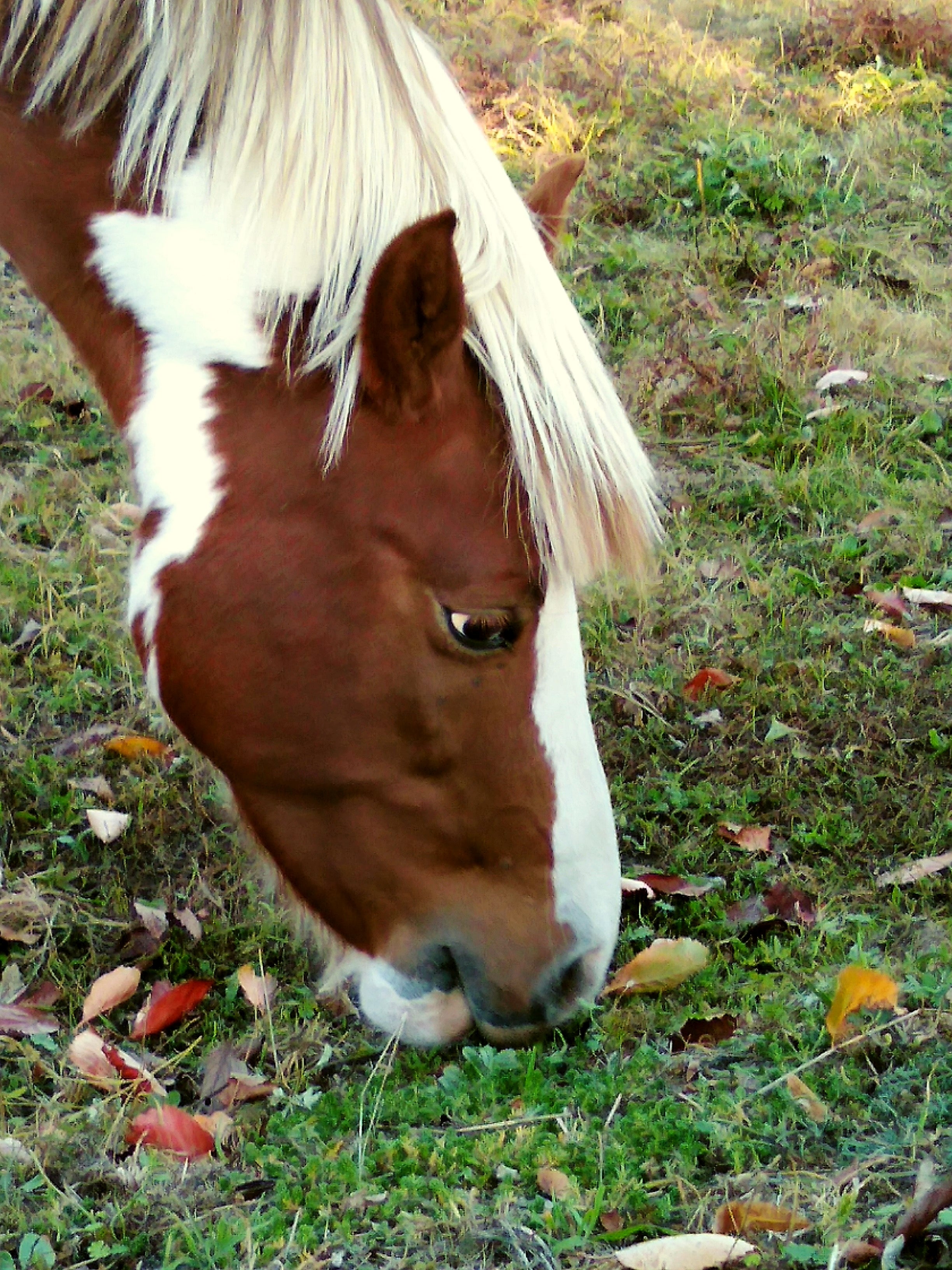
How to Spot Early-Stage Scratches (Pastern Dermatitis)
Scratches (Pastern Dermatitis) is a painful skin condition that primarily affects the pastern area in horses. If you notice initial symptoms like redness or scabby crusts, you should act quickly to prevent it from worsening. Timely detection of scratches in its early stages allows you to take appropriate measures to protect your horse's skin and prevent the formation of purulent blisters or further damage. Learn about effective prevention and treatment options to support your horse's health.

Understanding Scratches
Definition of Scratches
Scratches is an inflammatory skin condition in horses, usually occurring in the pastern area. This condition can be promoted by a disturbed skin barrier, which allows undesirable bacteria to penetrate the skin and cause inflammation there.
Common Locations and Symptoms
Scratches primarily occurs in the pastern area, but can also affect the cannon bone. Symptoms include redness, scabby crusts, hair loss, and significant skin thickening. If your horse shows lameness or restlessness, this can also be an indication of advanced scratches.
The symptoms of scratches can vary from mild to severe. Initially, redness and crusts are often visible, accompanied by swelling and an unpleasant odor as the condition worsens. In the advanced stage, dangerous blisters and skin growths can occur, severely affecting your horse's well-being.
Types of Scratches
There are three main types of scratches, which can be classified according to symptoms and skin condition:
- Dry scratches with crust and scab formation.
- Wet scratches with oozing, foul-smelling skin rashes.
- Warty scratches with wart-like skin changes.
Each of these types requires a specific approach to treatment to ensure your horse's well-being.
| Type | Characteristics |
| Dry Scratches | Crust formation, painful skin irritations |
| Wet Scratches | Oozing areas, unpleasant odor |
| Warty Scratches | Wart-like changes, severe skin thickening |
| Care | Regular cleaning for better healing process |
| Prevention | Preventive hygiene measures required |
Differentiating between these types is important, as each requires different treatment approaches. In addition, specific care and preventive measures may be necessary to minimize the risk of scratches.
- Skin protection is essential for prevention.
- Early detection of symptoms is crucial for successful treatment.
- Hygiene and care are fundamental measures to promote your horse's health.
Any information on the types of scratches is important to ensure the best possible care and prevention.
Causes of Scratches
Scratches is a complex condition favored by various factors. To better understand the causes, it is important to consider the effects of environmental factors, biological factors, psychological factors, and genetic predispositions, all of which can contribute to the development of scratches.
Environmental Factors
The environment plays a crucial role in the development of scratches. Factors such as constant moisture, lack of hygiene, and unsuitable stable conditions increase the risk of skin diseases.
- Permanent moisture
- Poor hygiene
- Insufficient bedding
This can create the physiological conditions that promote infection.
Biological Factors
Your horse's skin health is strongly influenced by the microflora. A disruption of the natural balance of bacteria can lead to an overgrowth of pathogenic microbes, which promotes the development of scratches.
- Disrupted bacterial flora
- Factors like stress
- Weak immune system
After a disturbance, considering the microflora is important to protect the skin.
The biological factors also include your horse's immune system and nutrition. Insufficient intake of nutrients, especially zinc, can weaken the skin barrier and thus increase the risk of scratches.
- Insufficient nutrient intake
- Weak immune protection
- Susceptibility to disease
Psychological Factors
Psychological stressors, such as stress or exhaustion, can also affect your horse's skin health. Often, such factors lead to an impaired immune system and increase susceptibility to infections.
- Stress and exhaustion
- Housing conditions
- Lack of social contact
After sufficient regeneration, your horse can become more stable again.
When a horse suffers from psychological factors, it often leads to signs of anxiety and stress, which can negatively impact the skin. A good living environment and social interaction are crucial to minimize such problems.
- Anxiety and restlessness
- Lack of trust
- Social isolation
By restoring a stable environment, the risk can be reduced.
Genetic Predispositions
Some horse breeds are more susceptible to scratches due to their genetic predisposition. Horses with a lot of feathering are often more prone to skin problems.
The genetic predisposition plays a significant role in susceptibility to scratches. Breeds such as Tinker and Friesians are often more affected. Their feathering can create a warm, moist environment in the pastern area, which promotes the development of scratches. It is important to care for these breeds appropriately to avoid skin irritations.
The Role of Skin Integrity
Importance of a Healthy Skin Barrier
A healthy skin barrier is crucial for protecting your horse from external environmental influences. It prevents harmful bacteria from entering and ensures the skin remains intact. If this barrier is disturbed, conditions such as scratches can occur, which is particularly common in the pastern area.
Factors Affecting Skin Health
Various factors can negatively affect your horse's skin health. These include permanent moisture, mechanical irritation, and a weakened immune system. Poor hygiene and stress can also lead to the development of skin conditions. Recognizing these factors is of great importance.
- Permanent moisture
- Weakened immune system
- Mechanical irritation
- Poor hygiene
- Psychological factors
To support your horse's skin health, you should ensure proper care and hygiene. Make sure the stable and pasture are dry and clean. Regular checks and a balanced diet also help strengthen the skin barrier. Recognize the signs that might indicate a weak skin barrier to be able to act in time.
Microflora and its Importance
The microflora of your horse's skin plays a crucial role in defending against pathogens. A stable colonization with beneficial bacteria supports the skin, while an imbalance increases the risk of scratches.
The importance of microflora cannot be overemphasized, as it forms the skin's natural protective shield. An intact and diverse microflora ensures that harmful bacteria are kept in check. If you tend to use disinfectants, this can remove all bacteria, including the protective ones. Therefore, it is important to use probiotic bacteria to restore the beneficial microflora. Recognize the need for targeted care to promote this microflora to prevent skin diseases.
Early-Stage Scratches
First Signs of Scratches
The early signs of scratches are often subtle, yet crucial for timely intervention. Look for initial redness of the skin in the pastern area, followed by scabby crusts or a slightly greasy film. Hair loss and a noticeable thickening of the skin may also occur. If you notice these symptoms, please act immediately.
Differentiation from Other Skin Conditions
It is important to distinguish scratches from other skin conditions. Similar symptoms can also occur with skin fungi or mite infestation. Look for additional signs such as itching or the consistency and color of the skin changes, which will help you better assess the situation.
To differentiate scratches from other skin diseases, careful observation is crucial. While scratches usually begin with redness and crusts, skin fungi might manifest with increased moisture and a smooth surface. Mites, on the other hand, often cause intense itching, and the skin can be swollen or inflamed. A veterinarian can provide clarity through further examinations.
Observation and Documentation
The monitoring and documentation of skin changes are crucial for understanding the course of scratches. Note down the exact symptoms and their changes over several days or weeks. This provides valuable information for the veterinarian and helps you adjust the treatment accordingly.
Precise documentation of all symptoms, such as redness, scab formation, or the progression of the disease, allows you to recognize patterns and specifically guide the treatment. Record the date, time, and observed changes to be well-informed when visiting the veterinarian. This also helps you better evaluate the success of the therapy.

Prevention Strategies
Hygiene Care
To prevent early-stage scratches, thorough hygiene is essential. Regular mucking out and the use of dry bedding are indispensable to minimize the risk of moisture and harmful bacteria. Ensure your horse lives in a clean and hygienic environment.
Optimal Living Conditions
Your horse's living conditions play a crucial role in preventing scratches. Provide a well-ventilated stable and a dry paddock that can reduce moisture. Access to an open area that can also be used in the rain is a great advantage.
Please remember that rain and wetness are particularly risky, and try to keep the paddocks dry with appropriate drainage or ground coverings. Open stable housing should be adapted to the natural needs of horses to promote skin health and prevent a warm, moist climate in the pastern area.
Nutritional Considerations
A balanced diet is essential for your horse's skin health. Pay particular attention to ensuring your horse receives all the necessary vital substances and minerals, especially zinc, to strengthen the immune system. Avoid overfeeding with protein, sugar, and starch, which can increase skin susceptibility.
Ensure the feed ration is rich in crude fiber and check the starch and protein content in compound feeds. Targeted feeding can not only reduce the risk of scratches but also improve the horse's overall well-being.
Care Practices
Regular care is crucial for early detection and prevention of scratches. Brushing removes dirt and dead skin particles that can disrupt the skin barrier. Be sure to treat sensitive areas particularly gently.
Good grooming practices also include checking the pasterns for dirt and injuries. Avoid excessive washing, as this can further irritate the skin. With careful and regular care, you can significantly reduce the risk of skin diseases and keep your horse healthy.
Treatment Options
Topical Treatments
When treating scratches in the early stages, topical preparations are used to disinfect the skin and support healing. These products help to alleviate symptoms and promote skin regeneration. Ensure that the product selection is tailored to the specific needs of the horse's skin. You are also welcome to use home remedies for scratches for supportive therapy.
Systemic Medications
If topical treatments are not sufficient, the vet may prescribe systemic medications. These medications work from within and help to reduce inflammation and support the immune system.
Systemic medications are often necessary to treat more severe symptoms of scratches. They may include anti-inflammatory drugs or antibiotics that specifically target bacterial infection. Talk to your vet about the dosage and duration of treatment to ensure maximum effectiveness and safety for your horse.
Care and Management
Care and management of your horses play a crucial role in treating scratches. Keep the affected areas clean and dry to reduce the risk of further infections.
To minimize the risk of scratches, you should regularly inspect and care for the pasterns. Ensure that your horses' bedding is always dry and clean and that living conditions are as hygienic as possible. This not only creates a healthy environment but also acts preventatively.
Probiotics and Restoration of Skin Flora
The use of probiotics to support the skin flora is an effective method to promote your horses' health and reduce the risk of scratches.
Probiotic products help to restore the balance of microflora on the skin. They promote the growth of positive bacteria and reduce the risk of reinfection. Especially when treating scratches, the application of probiotics can be a sustainable solution, as they also strengthen the skin's natural defense system without harming beneficial bacterial flora.
Conclusion
In the early stages of scratches, it is crucial to recognize the symptoms early to avoid worsening. Pay attention to whether the skin in the pastern area is reddened and whether scabby crusts or a greasy coating develop. The skin may feel warmer and thicker than usual. By taking timely measures such as improved hygiene, adapting feeding, and targeted care, you can significantly reduce the risk of the disease spreading. Careful monitoring of the affected areas is essential for a quick recovery.
These questions about scratches in the early stages are often asked:
1. How do scratches start?
Scratches usually begin with small, inconspicuous skin cracks or redness in the pastern, which often develop unnoticed. These changes lead to weeping or scaly areas that can spread quickly if not treated. In early stages, horse owners often notice slight swelling or sensitivity in the affected region.
2. What to do for mild scratches?
For mild scratches, the affected areas should be thoroughly cleaned and carefully dried. Afterwards, it is recommended to apply an antiseptic or antibacterial ointment to promote healing and prevent spreading. It is important to keep the horse in a clean, dry environment to avoid further irritation.
3. How long does it take for scratches to go away?
The healing time for scratches varies depending on the severity and treatment. Mild cases can heal within a few days to a few weeks, while more severe cases can take several weeks or even months. Consistent and appropriate treatment is crucial to shorten the healing time.
4. What causes scratches in horses?
Scratches are caused by a combination of moisture, dirt, poor stable hygiene, and mechanical irritation, which promote the growth of bacteria and fungi. A weakened immune system and skin problems can also contribute to the development of scratches. These factors lead to inflammation and skin damage in the horse's pasterns.
5. What happens if scratches are not treated?
If scratches are not treated, the infection can worsen and affect deeper skin layers, leading to severe inflammation and pain. Secondary infections can also occur, further aggravating the problem and, in the worst case, leading to lameness. Untreated scratches can become chronic and significantly impair the horse's quality of life.
6. Which cream for scratches?
For scratches, antiseptic or antibacterial creams, such as zinc ointment or creams with iodine, are suitable for treatment. Special scratch ointments that reduce moisture while protecting the skin can also be helpful. In more severe cases, the vet may also recommend an antibiotic or corticosteroid cream.
7. Which deficiency in scratches?
A deficiency in zinc, biotin, and essential fatty acids can make the skin more susceptible to scratches, as these nutrients are important for skin health and the horse's immune system. Insufficient nutrition can therefore indirectly contribute to the development of scratches by reducing the skin's resistance.
8. What does the vet do for scratches?
The vet will assess the severity of the scratches and recommend an appropriate treatment, which may include antiseptic baths, special ointments, or even antibiotics, depending on the case. In severe cases, they may also perform a blood test to rule out possible deficiencies or underlying diseases. In addition, the vet will provide advice on optimal care and feeding to support healing and prevent recurrence.
Sources:
- Informative video: Treating Scratches
- Wikipedia article: Scratches in horses
- Expert article on the topic: Scratches in horses
- Helpful video with tips from the vet: Scratches in horses
- News on the topic: Scratches in early stages
- Handbuch Pferdepraxis, Enke Verlag, ISBN9783830410287, 383041028X
Image sources:
Editorial Guidelines of Horse Vitality Company
At Horse Vitality Company, we create every post according to strict quality standards and rely on reputable sources and scientific research. Our editors are proven experts in the field of equine health and offer you well-founded, trustworthy information.
Expertise and Quality Assurance
- Qualified Authors: Our editors have extensive expertise in equine health and animal care.
- Double Check: Every article is additionally reviewed by a second expert to ensure accuracy and relevance.
Sources and Transparency
- Reputable Sources: We only use trustworthy sources and scientific studies to substantiate the content.
- Disclosure: We disclose potential conflicts of interest and ensure transparency.
Reader-friendliness and topicality
- Reader-friendly preparation: Our content is continuously optimized to make it as understandable and accessible as possible.
- Topicality: We regularly review our articles and update them if necessary to ensure that they are always up to date.
Interaction and Feedback
- Reader-oriented: Our goal is to offer you initial guidance. For individual health or care questions, we recommend consulting a veterinarian or animal naturopath.
- Feedback option: We invite our readers to provide feedback and ask questions. Your suggestions help us to continuously improve our content and adapt it to your needs.
These guidelines ensure that the content of Horse Vitality Company always meets the highest standards of expertise, authority, and trustworthiness.


