

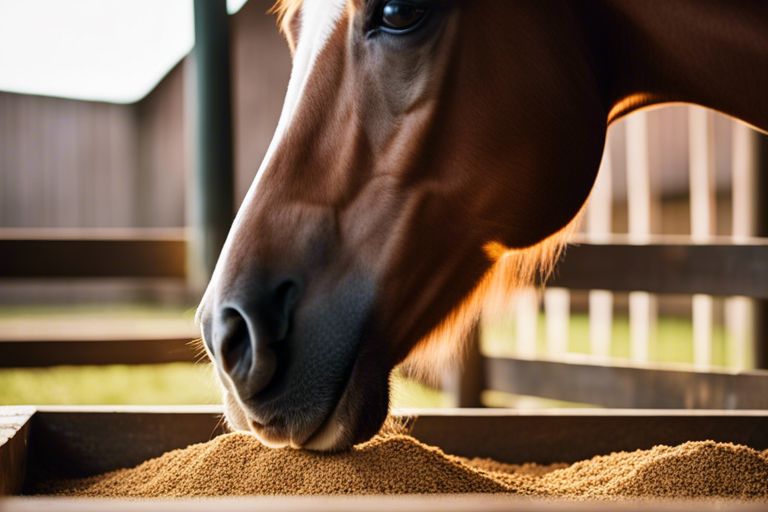
Fenugreek as a Horse Feed Supplement
Fenugreek is a versatile herb that offers numerous health benefits as a horse feed supplement. From its anti-inflammatory properties to strengthening the immune system, fenugreek seeds are a true panacea for horses' health.
History of Fenugreek
Fenugreek has a long history as a medicinal herb. Its positive effects on inflammation, weakness, and blood purification have been praised in literature. In human medicine, fenugreek was even used for diseases such as Parkinson's and diabetes mellitus.
Overview of Applications
The applications of fenugreek are diverse, ranging from treating eczema and skin injuries to strengthening the immune system and preventing liver damage. Fenugreek seeds contain important nutrients such as saponin, iron, vitamins, and fatty oils, which support holistic health.
Key Findings:
- Anti-inflammatory effect: Fenugreek seeds have anti-inflammatory properties that can help with skin injuries or glandular swellings.
- Rich in nutrients: The seeds contain a variety of important nutrients such as saponin, iron, vitamins A and D, phosphorus, and fatty oils.
- Versatile application: Fenugreek is used not only as a horse feed supplement but also in human medicine for various diseases such as Parkinson's, gout, and diabetes mellitus.

Nutritional Values and Ingredients
Important Vitamins and Minerals
Fenugreek is rich in important nutrients that are crucial for horse health. The seeds contain vitamins A and D, which contribute to strengthening the immune system, as well as organically bound iron, which is essential for blood formation and oxygen transport in the body.
The Role of Saponin and Organically Bound Iron
Saponin and organically bound iron are two crucial ingredients in fenugreek that offer a variety of health benefits for horses. Saponin has anti-inflammatory and mucolytic effects, while organically bound iron helps prevent deficiencies and supports the animal's vitality. This combination makes fenugreek a valuable addition to horse feed.
Health Benefits for Horses
Immune System Support
Fenugreek offers a variety of health benefits for horses, particularly for strengthening their immune system. The anti-inflammatory and blood-purifying properties of the seeds can help boost immunity and prevent liver damage. Furthermore, digestion is supported, and deficiencies such as weakness and emaciation can be improved.
Fenugreek for Skin Problems
For skin problems such as eczema, ulcers, or purulent injuries, ground fenugreek seeds can be helpful as a poultice. The anti-inflammatory and mucolytic properties of fenugreek can promote wound healing and relieve skin irritations. It is also reported that these seeds are successfully used for eczema, boils, and glandular swellings.
The valuable ingredients of fenugreek such as organically bound iron, vitamins A and D, and fatty oils make it an optimal addition to horse feed for combating skin problems and supporting general health.
Feeding Recommendations
Dosage and Preparation
The dosage of fenugreek as a horse feed supplement should be carefully determined to achieve optimal effect. It is recommended to mix 20-50g of the ground seeds into the main feed daily. Preparation can be simplified by soaking the seeds before feeding to aid digestion and make nutrients more available.
Notes on Regular Feeding
It is important to integrate regular feeding of fenugreek into the horse's diet plan to achieve a long-term effect. Continuous supplementation with fenugreek can help strengthen the immune system and counteract liver damage. Regularity is crucial to optimally utilize the anti-inflammatory and blood-purifying properties of fenugreek.
Warnings and Side Effects
Possible Risks of Overdosing
In case of an overdose of fenugreek as a horse feed supplement, possible risks such as gastrointestinal discomfort, allergic reactions, or increased bleeding tendencies may occur. It is important to observe the dosage recommendations and consult a veterinarian in case of doubt to avoid undesirable consequences.
Intolerances and Interactions to Consider
Horses may develop intolerances to fenugreek, especially if they have an existing allergy to legumes. In addition, interactions with certain medications may occur, so it is advisable to discuss fenugreek feeding with a veterinarian to avoid potential interactions.
Interactions can particularly occur with medications for blood clotting disorders, as fenugreek can affect blood clotting. It should also be noted that certain ingredients of fenugreek can impair the effect of medications such as antibiotics or blood pressure reducers. Therefore, careful coordination of feeding with other medications is essential to avoid endangering the horse's health.
Conclusion
With all the positive properties of fenugreek as a horse feed supplement, it becomes clear that this small seed can be a great help for the health and well-being of horses. Anti-inflammatory, mucolytic, eliminating weakness and emaciation, blood-purifying - the list of benefits is long and impressive. It is important to consider valuable ingredients such as saponin, organically bound iron, vitamins A and D, phosphorus, choline, fatty oils, and much more when it comes to the health of our beloved four-legged friends.
Whether for eczema, ulcers, skin injuries, or glandular swellings, fenugreek has already proven its effectiveness many times over. In both veterinary and human medicine, this seed is valued for its healing properties. It is reassuring to know that we can support the health of our horses with a natural supplement like fenugreek, both preventively and therapeutically.
Fenugreek, also known as Greek hay, cow horn clover, or horsecourt, is a natural source of health for our four-legged friends. It is up to us to recognize and utilize this potential to ensure that our horses can lead a happy and healthy life. The well-being of our animals is close to our hearts, and fenugreek can be a valuable support in this regard.


