

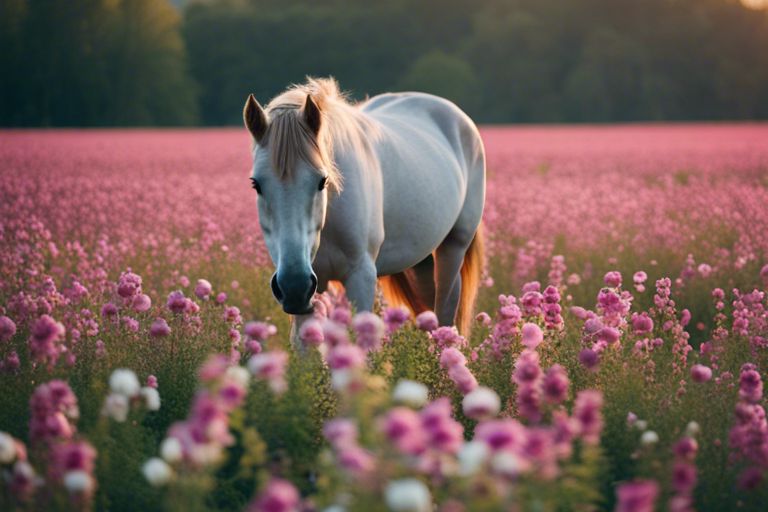
Overview of Mallow Herb
Mallow herb is a true all-rounder among equine herbs. With pretty flowers and helpful ingredients such as mucilages, flavonoids, and anthocyanins, it forms a protective film over mucous membranes and has a soothing effect. It is used for various inflammations in the horse's body, including the mouth and throat, the gastrointestinal tract, skin inflammations, eczema, and respiratory diseases.
Historical Use in Horses
Mallow herb, Latin Malva vulgaris, was historically already used for horses. It was known for its ability to relieve inflammation and help with various diseases in the horse's body. This natural healing herb has long played an important role in equine health.

Key Takeaways:
- Versatile Application: Mallow herb for horses is an all-rounder among equine herbs that can be used for various inflammations in the body.
- Soothing Effect: The contained mucilages form a protective film over the mucous membranes and have a soothing effect, especially for diseases in the mouth and throat and in the gastrointestinal tract.
- Ingredients: Mallow herb mainly contains mucilages, flavonoids, and anthocyanins, which have anti-inflammatory and healing-promoting properties.
Ingredients and Their Effects
Mucilages
Mallow is rich in mucilages that form a protective film over the mucous membranes and have a soothing effect. This is particularly helpful for inflammations in the mouth and throat as well as in the gastrointestinal tract. Both horses and humans benefit from this healing property of mallow herb.
Flavonoids and Anthocyanins
In addition to mucilages, mallow also contains flavonoids and anthocyanins, which are known for their anti-inflammatory and antioxidant effects. These secondary plant compounds contribute to supporting the health of horses and strengthening their immune system.
Furthermore, flavonoids and anthocyanins have positive effects on skin inflammations, eczema, and respiratory diseases in horses and can even reduce fever. The versatile ingredients of mallow make it an indispensable component in natural equine medicine.
Application and Benefits
Support for Mucous Membranes
Mallow herb is a true all-rounder for horse health. The contained mucilages form a protective film over the mucous membranes and have a soothing effect. This property makes the herb particularly helpful for inflammations in the mouth and throat as well as in the gastrointestinal tract. Both horses and humans benefit from this natural support.
Treatment of Inflammations
Thanks to its anti-inflammatory properties, mallow herb is also ideal for treating various inflammations, including skin inflammations, eczema, and respiratory diseases in horses. The cold extract of the herb is particularly effective and can be used in many ways. It is important to note that mallow herb is a gentle but effective treatment option that does not burden the organism.
Further information on the treatment of inflammations with mallow herb shows that the contained flavonoids and anthocyanins can also have an anti-inflammatory effect. These natural ingredients offer holistic support for various diseases and promote healing in a gentle way. It is advisable to use mallow herb under the guidance of an experienced veterinarian to achieve optimal results.
Preparation and Dosage
Preparing a Cold Extract
To prepare an effective tea from mallow herb for horses, it is important to perform a cold extraction. For this, the collected roots, leaves, flowers, and seeds are covered with cold water and left to steep for several hours. This process allows the protective mucilages to be optimally released.
Correct Application in Horses
The correct application of mallow herb in horses requires precise dosing according to the individual weight of the animal. It is important to utilize the soothing effect of the herb for inflammatory diseases of the mouth and throat, the gastrointestinal tract, skin, or respiratory organs. However, too high a dosage can have negative effects, which is why a precise dosage recommendation is essential.
Safety and Side Effects
Contraindications and Precautions
When using mallow herb for horses, it is important to observe certain contraindications and precautions. People who suffer from allergies to mallow or other plants from the mallow family should avoid using mallow herb. Caution is also advised for pregnant or lactating mares and for horses with known intolerance to certain herbs. It is advisable to consult a veterinarian before administering mallow herb to avoid possible negative effects.
Recommendations for Responsible Use
For responsible use of mallow herb in horses, it is advisable to strictly adhere to the dosage and to ensure monitoring of the effect. Especially in cases of acute illnesses or severe symptoms, a veterinarian should be consulted immediately. Furthermore, it is important to obtain mallow herb only from reputable sources to ensure the quality and purity of the herb. Through conscientious application, mallow herb can support the health and well-being of the horse.
Conclusion
Mallow herb is a true all-rounder for horse health. With its contained mucilages, flavonoids, and anthocyanins, it has a soothing effect on mucous membranes, relieves inflammations in the mouth and throat, in the gastrointestinal tract, and on the skin. It can even be used for respiratory problems and fever. When collecting mallow herb, it is important to note that a tea made as a cold extract is effective.
Final Thoughts on the Use of Mallow Herb in Horses
In conclusion, mallow herb is a valuable herbal option for horse owners. Its versatile applications, especially in relation to inflammations and skin diseases, make it a must-have in natural horse care. However, it is important to observe the correct dosage and application to ensure maximum health benefits.
Further information shows that mallow herb is particularly effective in horses due to its soothing effect on mucous membranes and its anti-inflammatory properties. It strengthens the immune system, promotes healing, and can be used as a natural alternative to chemical medications.


