

Horse Breeds
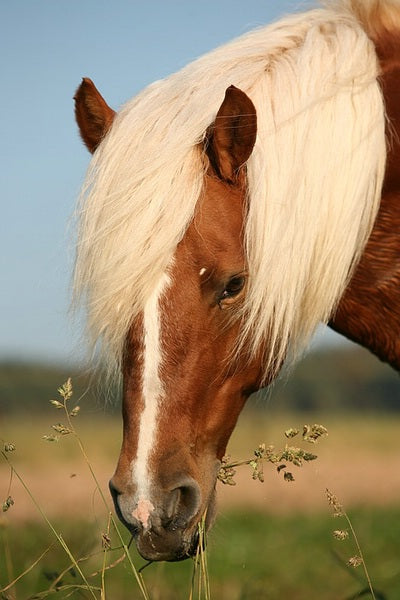

Oldenburg Horse Breed: Character, Appearance, and Origin
Everything you need to know about the Oldenburg horse breed The Oldenburg horse breed is one of the most successful and impressive in the world, thanks to its special physical and temperamental characteristics. Originally from northern Germany, the Oldenburg has evolved over the centuries from a strong draft and carriage horse into an elegant and athletic sport horse. With a balanced temperament, high intelligence, and remarkable willingness to perform, these horses are excellently suited for various disciplines such as dressage, show jumping, and eventing. Oldenburgs are characterized by a strong build, expansive movements, and their good-natured disposition. Despite their wide range of uses, potential health risks in competitive sports, particularly ligament and tendon injuries, should be kept in mind. Profile: Oldenburg Origin Germany Main breeding area Oldenburg Distribution Throughout Europe Bred since 17th century Life expectancy 25 - 30 years Size 165 to 180 cm Weight 500 - 800 kg Color All coat colors Type Warmblood Character Intelligent, willing to perform, good-natured, balanced Build Large-framed, powerful and muscular build; Broad chest, well-developed hindquarters; Suitable for Dressage, show jumping, eventing, driving, leisure Keeping and care Plenty of turnout space and regular exercise; No special care needed History of the Oldenburg Origin in 17th Century Germany The history of the Oldenburg begins in the 17th century in Northern Germany, specifically in Oldenburg. The Oldenburg horse of that time was a popular draft, work, and carriage horse with a powerful build, which enabled its versatile use. Count Anton Günther of Oldenburg and Delmenhorst laid the foundation for the breed by breeding lighter and more elegant horses without losing their strength. Development of the breed The breeding of the Oldenburg has continuously evolved over the centuries. In the 19th century, important developments took place, such as the introduction of stallion licensing in 1820 and the stud book in 1861. To increase elegance and athleticism, crosses with Hanoverians, Holsteiners, and Thoroughbreds were made in the 20th century. This led to the modern appearance of the breed, which is now considered one of the most successful sport horses in the world. Through targeted crosses with other well-known breeds, the Oldenburg was further developed into an athletic and elegant sport horse. In the 1950s, as the demand for work and carriage horses decreased, the focus of breeding shifted to creating versatile and high-performing horses for sport. The introduction of modern breeding methods and strict standards has contributed to the Oldenburg's success in various disciplines today. Important milestones in the history of the breed A significant milestone in the history of the Oldenburg was the introduction of the stallion register in 1820 and the stud book in 1861. The Oldenburg Horse Breeders' Association was founded in 1923, which contributed to the systematization of breeding. In the 1950s, breeding was further refined to reorient the Oldenburg for the emerging demand in sports. In addition, the "Springpferdezuchtverband Oldenburger International e.V." (Show Jumping Horse Breeding Association Oldenburg International) was founded in 2001 to specialize in breeding successful show jumpers. The introduction of the stallion licensing system in 1820 and the creation of the stud book in 1861 were crucial for the organized breeding of the Oldenburg. These steps enabled breeders to work more targeted and efficiently. With the founding of the "Verband der Züchter des Oldenburger Pferdes e.V." (Association of Breeders of the Oldenburg Horse) in 1923 and the merger of the two former horse breeding associations, breeding was further professionalized. The numerous breeding successes of the 1950s, as well as the secession and later integration of the show jumping breeding association, mark further important events in the history of this impressive breed. Physical characteristics of an Oldenburg Build and size The Oldenburg has a large-framed and powerful build with a height at the withers of 165 – 180 cm. Typical features include a short to medium-long, muscular back, a long, powerful neck, a broad chest, sloping shoulders, and well-developed hindquarters. Thanks to the strong infusion of Thoroughbred blood, a rather high tail set is often found. Coat colors and patterns All coat colors exist in the Oldenburg breed. They most commonly appear as browns, blacks, chestnuts, or greys. Pintos are rather rare. White markings, however, unlike some other breeds, are permitted in breeding and are not uncommon. The variety of coat colors in Oldenburg horses shows that the breed is not limited to a specific color. This makes them particularly attractive to breeders who value color diversity. White markings often give these horses a particularly noble appearance and are another reason why this breed is so popular. Head and facial features The Oldenburg's head is elegant and characterized by expressive eyes, medium-long ears, and a broad forehead. Previously, a Roman nose was more common, but today the nasal line is usually straight. The expressive eyes and broad forehead give the Oldenburg an intelligent and friendly appearance. These features are complemented by the medium-long ears, which give the horse a harmonious and noble overall impression. Today's Oldenburgs have a straight nasal line, which distinguishes them from their Roman-nosed ancestors and gives them a modern, athletic appearance. Oldenburg Horses: Temperament and Character Intelligence and Trainability The Oldenburg is known for its high intelligence and excellent trainability. This horse breed has a quick grasp and learns very quickly. As a result, Oldenburgs are able to understand and implement complex exercises and commands rapidly. Friendly and people-oriented nature A significant characteristic of the Oldenburg is its friendly and people-oriented nature. These horses strive for a close bond with their owner and are eager to please. Due to these qualities, Oldenburgs are well-suited as riding horses for many equestrian disciplines. An Oldenburg displays great good nature and is generally very sociable. These horses enjoy human company and quickly develop a deep bond with their owners. This makes them particularly interesting for riders who want to build a close partnership with their horse. Beginners and children, in particular, benefit from the calm and good-natured temperament of this breed. Balanced temperament Despite their high willingness to perform, Oldenburgs possess a balanced temperament. They are typically calm and composed, making them reliable partners in equestrian sports. This characteristic also makes Oldenburgs attractive to less experienced riders. The calm and relaxed nature of an Oldenburg contributes significantly to its reputation as safe and reliable. Even in stressful or new situations, they usually remain composed and show remarkable composure. This balance helps not only in training and competition but also in daily interactions, as it offers a high degree of security for riders and owners. Suitability of the Oldenburg horse breed for riders Suitable for beginners and children Thanks to its good-natured and balanced temperament, the Oldenburg can be suitable for beginners and children. Its intelligence and composure contribute to it being a reliable partner. Nevertheless, the individual character of the horse should always be considered to ensure its suitability for inexperienced riders. Importance of individual temperament The individual character and disposition of a horse can vary greatly and play a crucial role in its suitability for different riders. While the Oldenburg is generally known for its good nature and composure, it is essential to consider the individual temperament of a horse. Not every Oldenburg horse will automatically be suitable for beginners or children. A close bond between rider and horse and a careful selection process are crucial to ensure that both partners harmonize and the rider's training is successful. Considerations for rider's height and experience The rider's height and experience must also be considered before choosing an Oldenburg. A suitable ratio between the two is important for a successful partnership. Due to the often large-framed build of the Oldenburg, which can reach a height at the withers of 165 – 180 cm, it may not always be the ideal choice for small children. It is important that the rider has sufficient experience to handle the size and strength of such a horse. A harmonious size relationship between rider and horse ensures that communication and aids can be given effectively and safely. Health and Longevity of Oldenburg Horses Average life expectancy An Oldenburg can live between 25 and 30 years. This impressive life expectancy is due to its robust constitution and careful breeding, which aims to produce healthy horses. With proper care and keeping, Oldenburgs can enjoy a long and fulfilling life. Common health problems Although Oldenburgs are generally considered a robust breed, due to their frequent use in competitive sports, they may be prone to problems with their musculoskeletal system. These include conditions such as ligament and tendon injuries, osteoarthritis, and kissing spines, which can be caused by overexertion, unsuitable ground, or poor training. Ligament and tendon injuries frequently occur when the horse is overused or works on unsuitable ground. Osteoarthritis is a degenerative joint disease that can cause severe pain and lameness. Kissing spines refers to the approximation or rubbing of the spinous processes of the vertebrae, which can also lead to significant discomfort. Importance of regular veterinary care Regular veterinary care is essential for Oldenburgs to maintain their health and performance. Routine examinations help to identify potential problems early and treat them promptly before they can develop into serious health issues. Through regular veterinary examinations, conditions such as osteoarthritis or tendon damage can be detected and treated at an early stage. The correct adjustment of training and the care of the musculoskeletal system also play a decisive role. An experienced veterinarian can also provide valuable advice on optimal feeding and keeping, which also contributes to a long and healthy life. Care and Keeping of Oldenburgs Environment and housing An Oldenburg horse requires species-appropriate keeping that meets its needs. Due to its size and high willingness to perform, it needs a lot of free space. An open stable with a large and dry shelter is ideal. If this type of keeping is not possible, a stall with daily several hours of turnout in a large paddock or pasture can also be an option. Important is that the horse is never kept alone, as it is very social and needs the company of other horses. Nutritional needs and feeding habits The basis of an Oldenburg's diet should consist of high-quality roughage such as hay or haylage. Excessive energy intake should be avoided. Concentrates should only be supplemented if necessary. In most cases, it is sufficient to provide the horse with enough roughage combined with a good mineral feed to meet its energy requirements and supply it with all necessary vitamins and minerals. Oldenburg horses do not have special demands regarding their feeding. The main focus should be on not providing them with too much energy, as this can lead to health problems. Concentrates are usually only necessary for particularly high exertion. A sufficient supply of high-quality roughage and regular monitoring of feed quality are crucial to maintain the horse's health and performance in the long term. Mineral feed supplements the nutrient profile and ensures a balanced supply. Socialization and exercise needs An Oldenburg is a very social horse that needs the company of other horses. Isolated keeping is absolutely unsuitable. Regular exercise and activity are also essential to ensure the horse's physical and mental health. Daily pasture access combined with athletic activity is ideal to meet its high performance demands. Both socialization and exercise needs are crucial for the health and well-being of the Oldenburg. Horses of this breed should be regularly kept in a herd or at least in the company of other horses to prevent stress and loneliness. Exercise should be ensured not only through outdoor access but also through targeted training and games. This helps to prevent obesity and associated health problems and keeps the horse physically and mentally fit. Oldenburg Horses: Uses and Disciplines Dressage and show jumping Due to their elegant, athletic appearance and their expressive and expansive movements, Oldenburgers are often very successful in dressage. A famous Oldenburger was the stallion Donnerhall, who achieved over 300 victories in various dressage competitions, including two team world championship titles. Oldenburgers also excel in show jumping thanks to their powerful hindquarters and great jumping ability. They are versatile and very popular in competitions. Versatility and Cross-Country With their athletic build and high willingness to perform, Oldenburgers are ideally suited for eventing and cross-country riding. They are versatile and can excel in many equestrian disciplines, especially in challenges that require technical skill and endurance. In eventing, horses must pass various tests, including dressage, show jumping, and cross-country riding. Thanks to their intelligence and balanced temperament, Oldenburgers repeatedly demonstrate their adaptability and performance strength here. These disciplines demand a high degree of trust and cooperation between rider and horse, qualities that the Oldenburger excels at due to its people-oriented and good-natured character. Other Disciplines and Activities Oldenburg horses are also very popular outside of classic competition disciplines. They are frequently used in leisure and trail riding and also excel in driving sports. In leisure riding, riders benefit from the calm and good-natured temperament of Oldenburgers, which are suitable for both beginners and experienced riders. In driving sports, the Oldenburger demonstrates its versatility and strength as a reliable carriage and working horse. Due to their friendly and people-oriented nature, Oldenburgers are also ideal companions for therapeutic riding and other equine-assisted activities. Conclusion The Oldenburger is an impressive horse breed from northern Germany, known for its elegant appearance, great intelligence, and remarkable willingness to perform. This versatile warmblood has been bred since the 17th century, originally as a draft, work, and carriage horse, and has evolved over time into a popular sport horse. With its powerful build, balanced temperament, and outstanding movement characteristics, the Oldenburger is excellently suited for disciplines such as dressage, show jumping, and eventing. Questions about the Oldenburger Horse 1. Are Oldenburgers suitable for beginners? Oldenburger horses are often suitable for beginners because they have a balanced character and a good willingness to learn. Their friendly and patient nature makes them reliable partners for inexperienced riders. However, even a beginner should always seek the support of an experienced trainer to ensure safe and effective training. 2. How much does an Oldenburger horse cost? The cost of an Oldenburger horse varies depending on age, training, and pedigree. Prices typically range between 10,000 and 50,000 Euros. Horses with special successes in competitive sports or exceptional bloodlines can be even more expensive. 3. How tall can an Oldenburger get? An Oldenburger horse usually reaches a wither height of 160 to 172 cm. This stately size gives them an imposing and elegant appearance. Their size and strong musculature make them excellent sport horses in various disciplines. 4. Are Oldenburgers robust? Yes, Oldenburger horses are known for their robustness and resilience. They have a strong constitution and are generally healthy and long-lived, provided they are well cared for. This robustness makes them reliable horses for sport and leisure. 5. How much does an Oldenburger horse weigh? An Oldenburger horse typically weighs between 500 and 700 kg, depending on its size and build. This weight reflects their powerful build and musculature, which makes them well-suited for athletic activities. A balanced diet and good care are important to maintain their optimal weight. 6. When is a horse a Westphalian? A horse is called a Westphalian if it was bred in the Westphalian breeding area and meets the local breeding standards. Westphalians are versatile horses characterized by their performance and good character. Breeding places particular emphasis on conformation, movement, and temperament. 7. How much does the cheapest horse cost? The cheapest horse can be purchased for about 1,000 to 3,000 Euros, especially if it is an older horse, a leisure horse, or a horse without special athletic qualifications. However, prices can vary greatly depending on the horse's health, training, and bloodline. It is also important to consider the ongoing costs for care and maintenance. 8. How much does the most expensive horse in Germany cost? The most expensive horse in Germany can cost several million Euros, especially if it is a top horse in dressage or show jumping. Horses with outstanding genetic lines and impressive show successes fetch the highest prices. Such horses are often in international demand and are considered valuable investments in equestrian sport. 9. Is a Westphalian a warmblood? Yes, the Westphalian is a warmblood breed. These horses are known for their versatility and are often used in various disciplines of equestrian sport. Their blend of elegance, performance, and good temperament makes them particularly popular. 10. What is the largest horse breed in the world? The largest horse breed in the world is the Shire Horse. Shire Horses can reach a wither height of over 200 cm and are known for their immense strength and size. They were originally bred for heavy draft work and are impressive animals. 11. What does an Oldenburger look like? An Oldenburger horse is characterized by an athletic, muscular build and a noble head. They often have a straight or slightly concave nose line and large, expressive eyes. Their coat can come in various colors, with bay, black, and gray being the most common. 12. How old does a heavy warmblood get? Heavy warmbloods have an average life expectancy of about 20 to 30 years, depending on care and health status. With good care, a balanced diet, and regular veterinary attention, they can lead a long and healthy life. Their robust nature also contributes to their longevity. 13. How much does an Oldenburger cost on average? An Oldenburger horse costs on average between 10,000 and 50,000 Euros. The exact price depends on factors such as age, training, bloodline, and athletic success. High-class competition horses can be significantly more expensive, while leisure horses are often in the lower price range. 14. Are Oldenburgers good show jumpers? Yes, Oldenburger horses are excellent show jumpers and are often bred and trained in this discipline. Their power, technique, and athleticism make them outstanding participants in jumping competitions. Many Oldenburgers have successfully competed in international competitions and achieved impressive results. 15. How many German horse breeds are there? In Germany, there are several recognized horse breeds, including well-known breeds such as the Hanoverian, Holsteiner, Oldenburger, Trakehner, and Westphalian. In total, there are about 25 to 30 breeds bred in various regions of Germany. Each of these breeds has its own characteristics and strengths that make them suitable for different applications. Sources: Commons: Oldenburger Wikipedia: Oldenburger News on the topic: Oldenburger Verband der Züchter des Oldenburger Pferdes Oldenburg Registry North America (engl.) Elwyn Hartley Edwards: Pferderassen BLV Verlagsgesellschaft, Munich 1995, ISBN 3-405-14741-7 Video: The Oldenburger in a Breed Portrait Other Horse Breeds: Arabian Horses Icelandic Horse Palomino Horse Overview of Horse Breeds Editorial Guidelines of Horse Vitality Company At Horse Vitality Company, we create every article according to strict quality standards and rely on reputable sources and scientific research. Our editors are proven experts in the field of equine health and offer you well-founded, trustworthy information. Expertise and Quality Assurance Qualified Authors: Our editors have extensive expertise in equine health and animal care. Double-Check: Every article is additionally reviewed by a second expert to ensure accuracy and relevance. Sources and Transparency Reputable Sources: We only use trusted sources and scientific studies to substantiate the content. Disclosure: We disclose potential conflicts of interest and ensure transparency. Reader-Friendliness and Timeliness Reader-Friendly Presentation: Our content is continuously optimized to make it as understandable and accessible as possible. Timeliness: We regularly review and update our articles as needed to ensure they are always up-to-date. Interaction and Feedback Reader-Oriented: Our goal is to provide you with initial guidance. For individual health or care questions, we recommend consulting a veterinarian or animal naturopath. Feedback Option: We invite our readers to provide feedback and ask questions. Your suggestions help us continuously improve our content and tailor it to your needs. These guidelines ensure that the content of Horse Vitality Company always meets the highest standards of expertise, authority, and trustworthiness.
Learn more
German Riding Pony: Appearance, Character, and Origin
The Popular German Riding Pony in a Breed Portrait The German Riding Pony is considered a true all-rounder, impressing with its athletic and elegant appearance, as well as its friendly, steady-nerved, and balanced character. This versatile horse breed, which originated in Germany, was specifically bred as a sport partner for children and teenagers and enjoys great popularity in equestrian sports. In the following article, you will learn everything important about the German Riding Pony, from its appearance and character to its history and origin. Profile: German Riding Pony Origin Germany Main Breeding Area Germany Distribution Throughout Europe Bred since 1965 Life Expectancy 20 - 25 years Height 138 to 148 cm Weight 300 - 450 kg Colour All coat colours Type Warmblood Character Intelligent, willing to perform, friendly, balanced, steady-nerved Body Compact, athletic build; Small head, well-formed neck; Suitable for Leisure, jumping, sport, dressage, competition Keeping and Care Uncomplicated keeping; Sufficient exercise and movement History and Origin of the German Riding Pony Origin of the German Riding Pony The roots of the German Riding Pony lie in Germany and date back to 1965. It is a relatively young horse breed, developed from the crossbreeding of various horse and pony breeds, including Welsh Ponies, Arabians, and English Thoroughbreds. The aim of the breeding was to create an ideal sport pony partner for children and teenagers. Development of the Breed The development of the German Riding Pony is characterized by a selective breeding program that emphasizes high intelligence, willingness to perform, and a friendly character as essential traits. It was particularly important to breed animals that could excel in both leisure riding and various competitive disciplines. Breeding experts deliberately combined the best characteristics of different breeds to develop an athletic and versatile pony. This careful approach has resulted in the German Riding Pony being known today for its balance, courage, and steady nerves, making it a reliable partner in various equestrian disciplines. The Appearance of the German Riding Pony Physical Characteristics The German Riding Pony is characterized by its elegant and athletic appearance. It has a medium-long, well-muscled back, a medium-long neck, and a sloping shoulder. The head is small and noble, with lively and expressive eyes, relatively small ears, and large, wide nostrils. A deep chest and a well-muscled croup complete the picture. Coat Colours The German Riding Pony comes in all coat colours, which contributes to its great versatility. Most commonly seen are bays, chestnuts, blacks, and greys. This variety in coat colours makes the German Riding Pony particularly interesting and unique. Each colour has its own charm and allows the pony to shine in different nuances and shades. Greys, in particular, are popular among many enthusiasts, as they often appear more noble and striking. German Riding Pony: Personality and Character Intelligence and Trainability The German Riding Pony impresses with its high intelligence and remarkable trainability. It quickly understands what is asked of it and shows great joy in learning. These qualities make it an ideal partner for beginners and advanced riders alike. Willingness to Perform and Ambition A German Riding Pony is known for its willingness to perform and its ambition. It always has plenty of energy, is motivated, and wants to be challenged both mentally and physically. This makes it an excellent sport partner. Due to its natural ambitions, the German Riding Pony is excellently suited for various disciplines such as dressage, jumping, and eventing. Its commitment and endurance ensure that it excels in competitions and training situations alike. Friendliness and Amenability The German Riding Pony shows unwavering friendliness and amenability. It is people-oriented and values the company of its human partners. These qualities make it particularly attractive for children and teenagers. Its amenable nature fosters a close relationship between rider and pony, making training and shared time even more enjoyable. This bond can significantly strengthen the trust and partnership between human and animal. Balance and Composure Despite its liveliness, the German Riding Pony maintains remarkable balance and composure. Even in stressful situations, it remains calm and shows great patience. Its composure makes it a reliable companion, especially in unfamiliar situations. This quality is particularly valuable when the pony is used as a leisure or sport partner and needs to remain calm at various events. Courage and Steady Nerves The German Riding Pony is characterized by its courage and steady nerves. It displays a confident demeanor and is not easily rattled, which makes it a reliable partner. These qualities are particularly important in eventing and show jumping, where unpredictable challenges can arise. Its courageous and steady-nerved nature allows the pony to master such situations with confidence and always maintain control. Suitability of the German Riding Pony for Children Why the German Riding Pony is suitable for children The German Riding Pony is particularly well-suited for children because it has a friendly, intelligent, and balanced nature. Thanks to its height of 138 to 148 centimetres, it is also ideally sized for young riders. The pony breed was specifically bred as a sport partner for children and teenagers. Benefits for Children Interacting with a German Riding Pony offers children numerous benefits. The pony is characterized by its high trainability and friendly, amenable nature. Such qualities promote trust and bonding between child and horse, which increases safety in equestrian sports. Another advantage for children is that the German Riding Pony, despite its lively and energetic nature, shows remarkable patience and composure. These qualities enable children to learn and improve riding skills in a safe and positive environment. The pony motivates young riders to remain mentally and physically active, thereby boosting their self-confidence and endurance. Life Expectancy and Health of a German Riding Pony Life Expectancy of a German Riding Pony A healthy German Riding Pony can reach a life expectancy of 20 to 25 years. This relatively long lifespan is supported by species-appropriate housing and needs-based feeding. Breed-Specific Diseases Since the German Riding Pony is a relatively young horse breed, there are hardly any hereditary diseases. However, these ponies tend to develop obesity and associated diseases such as laminitis or EMS if fed incorrectly. Breed-specific diseases in the German Riding Pony are closely linked to incorrect feeding. This pony breed is a good food converter and can thrive on little and sparse food. Overfeeding can quickly lead to diseases. Laminitis and EMS (Equine Metabolic Syndrome) are particularly common secondary diseases that can be caused by a diet too rich in energy. Therefore, feeding should always be adapted to the pony's activity level and performance. Health Tips To ensure the health of a German Riding Pony, it is important to observe a few points: Species-appropriate housing in an open stable or spacious box Regular exercise and pasture access Needs-based feeding with high-quality roughage Knowing these tips will help you maintain your pony’s health and happiness in the long run. The health of a German Riding Pony can be significantly promoted by certain measures. Species-appropriate housing is essential, meaning the pony gets enough space and movement, preferably in an open stable or a spacious box. Regular exercise and sufficient pasture access are also important to avoid obesity. Feeding should include high-quality roughage and be needs-based. Mineral feed can be supplemented as needed. Regular veterinary visits and vaccinations Hoof care and general hygiene Social interaction with other horses German Riding Pony: Keeping and Feeding Species-Appropriate Keeping Keeping a German Riding Pony in a species-appropriate manner is relatively straightforward. It prefers to be kept in an open stable, where it can move around a lot in the fresh air. Alternatively, the pony can also be kept in a spacious box, as long as it gets several hours of pasture or paddock time daily. The company of other horses is important, as horses should not be kept alone. Needs-Based Feeding A German Riding Pony tends to gain weight easily, so needs-based feeding is crucial. The basis of the diet is high-quality roughage such as hay or haylage. The pony should receive at least 1.5 to 2 kilograms of roughage per 100 kilograms of body weight. Additionally, mineral feed, which contains all necessary minerals and vitamins, can be important. Concentrated feed should be carefully weighed and usually serves only as a supplement to the roughage ration. Many German Riding Ponies do not require additional energy from concentrated feed, which is why one should always critically check whether the basic feed ration is already sufficient. Consultation with a veterinarian or a feed consultant is advisable to find the right balance. Importance of Nutrition Proper nutrition is essential for the health and willingness to perform of the German Riding Pony. Careful monitoring of food intake is necessary to avoid obesity and associated diseases. The basic feed ration should include sufficient high-quality roughage, supplemented with specific mineral feed as needed. Severe obesity can lead to serious health problems such as laminitis or EMS. Therefore, feeding should always be adapted to the pony's activity level and needs. A balanced and needs-based diet thus contributes significantly to the quality of life and longevity of the German Riding Pony. Gaits and Disciplines of a German Riding Pony Basic Gaits The German Riding Pony has three basic gaits: walk, trot, and canter. These are characterized by a great potential for movement. The walk is ground-covering and clear in rhythm, the trot is swinging and energetic, while the canter is uphill. All three gaits demonstrate the pony's elegance and dynamism, making it ideal for various riding disciplines. Suitable Disciplines The German Riding Pony is a true all-rounder and is particularly well-suited for children and teenagers as a sport pony. It excels in disciplines such as dressage, show jumping, and eventing. Due to its friendly, amenable, and steady-nerved nature, it is also a reliable partner in leisure riding. In dressage, the German Riding Pony impresses with its harmonious movements and its ability to quickly learn lessons. In show jumping, it often shows great courage and skill in overcoming obstacles. Eventing is also an ideal discipline, as the pony can score points with its balance and steady nerves. All these qualities make the German Riding Pony an excellent companion in many sporting activities. Costs and Price of the German Riding Pony Factors Influencing the Price The price of a German Riding Pony can vary greatly and depends on several factors, including: Age Training level Pedigree Health status Assumption that a well-trained, healthy pony with an excellent pedigree is more expensive than one without these attributes. Average Costs of a German Riding Pony The price for a German Riding Pony usually ranges between 5,000 and 40,000 Euros. This broad price range underlines the diversity and different qualities within the breed. It is a significant investment, and it is important to be clear about your exact needs and goals before buying a pony. Prices depend on the individual horse and the demands placed on the animal. A first-time purchase of a German Riding Pony should be well thought out, as ongoing maintenance costs must be considered in addition to the purchase price. German Riding Pony: All about appearance, character, and origin The German Riding Pony captivates with its elegant and athletic appearance, characterized by a well-muscled physique and a variety of coat colors. Its intelligent, friendly, and balanced character makes it particularly suitable for children and adolescents. The breed originated in Germany and was created from a targeted crossbreeding of various horse and pony breeds since 1965 to create a versatile sports partner. This combination of appearance, character, and origin makes the German Riding Pony an ideal all-rounder for sports and leisure. Questions about the German Riding Pony 1. How much weight can a German Riding Pony carry? A German Riding Pony can carry approximately 15 to 20 percent of its own body weight. As these ponies typically weigh between 300 and 400 kilograms, the maximum carrying capacity is between 45 and 80 kilograms. It is important to consider the rider's weight to ensure the pony's health and well-being. 2. Is the German Riding Pony suitable for beginners? Yes, the German Riding Pony is well-suited for beginners due to its balanced character and willingness to learn. These ponies are friendly, patient, and easy to handle, making them ideal partners for novice riders and children. Their reliability and good nature help inexperienced riders feel confident. 3. What makes the German Riding Pony so special? The German Riding Pony is characterized by its versatility, balanced character, and excellent suitability for equestrian sports. These ponies combine the elegance and temperament of thoroughbreds with the robustness and willingness to work of ponies. Their ability to excel in dressage, show jumping, and eventing makes them particularly attractive. 4. Which horses are called German Riding Ponies? German Riding Ponies are a specially bred pony breed developed in Germany. These ponies combine characteristics of thoroughbreds, Arabians, and native pony breeds to create an elegant and high-performing sport pony. They are primarily used for competitive sports and as leisure horses. 5. Are German Riding Ponies thoroughbreds? No, German Riding Ponies are not thoroughbreds, although they often have thoroughbred ancestry in their breeding lines. They are a mix of various pony breeds and thoroughbred lines to combine the best qualities of both worlds. The result is an elegant, athletic, and versatile pony. 6. When is one too heavy for a pony? One is too heavy for a pony if the rider's weight exceeds 20 percent of the pony's body weight. For a German Riding Pony weighing approximately 300 to 400 kilograms, the rider should therefore not weigh more than 60 to 80 kilograms. A rider who is too heavy can strain the pony and cause health problems. 7. Are German Riding Ponies susceptible to diseases? German Riding Ponies are generally robust and healthy animals. However, like all horses, they can be susceptible to certain diseases such as colic or hoof problems. Regular veterinary check-ups, a balanced diet, and good care help maintain their health. 8. How much space does a German Riding Pony need? A German Riding Pony needs sufficient space to move freely and graze. Large pastures that provide enough exercise and fresh grass are ideal. In addition, a stable or shelter should be available to provide protection from bad weather and sufficient space for rest periods. 9. What colors can German Riding Ponies have? German Riding Ponies can come in many different colors, including black, bay, gray, chestnut, and pinto. This variety of colors contributes to the attractiveness and popularity of this breed. Each color has its own beauty and makes each pony unique. 10. How old was the oldest German Riding Pony? The exact age of the oldest German Riding Pony is not documented, but ponies can often reach a considerable age. There are reports of ponies living over 30 years if they are well cared for. Careful care and healthy living conditions contribute significantly to their longevity. 11. How long does a pony live? Ponies can generally live between 25 and 35 years. With good care, a balanced diet, and regular veterinary attention, they can lead a healthy and long life. Their robust nature also contributes to their longevity. 12. Are ponies dangerous? Ponies are generally not dangerous if they are well-behaved and treated with respect. However, like all horses, they can react unexpectedly if startled or mistreated. It is important to approach ponies with calmness and patience and to understand their body language. 13. What colors can horses not recognize? Horses have dichromatic color vision, meaning they cannot distinguish colors like red and green as clearly as humans. They see the world more in shades of blue and yellow. Red appears more gray or brown to them, while green is perceived as a kind of yellow tone. 14. What does a German Riding Pony eat? A German Riding Pony mainly eats hay, grass, and special horse feed mixes that contain all the necessary nutrients. In addition, fruits and vegetables such as apples and carrots can be fed as treats. It is important to ensure a balanced diet to support the pony's health and performance. Sources: Commons: German Riding Pony Wikipedia: German Riding Pony News on the topic: German Riding Pony German Riding Pony Breeding Program Association of Pony and Small Horse Breeders Hanover Video German Riding Pony Other horse breeds: Arabian Horses Andalusian Horse Haflinger Horse Breed Overview of Horse Breeds Editorial Guidelines of Horse Vitality Company At Horse Vitality Company, we create every post according to strict quality standards, relying on reputable sources and scientific research. Our editors are proven experts in horse health and provide you with well-founded, trustworthy information. Expertise and Quality Assurance Qualified Authors: Our editors have extensive expertise in horse health and animal care. Double Check: Every article is additionally reviewed by a second expert to ensure accuracy and relevance. Sources and Transparency Reputable Sources: We only use trusted sources and scientific studies to substantiate the content. Disclosure: We disclose potential conflicts of interest and ensure transparency. Reader-Friendliness and Actuality Reader-Friendly Preparation: Our content is continuously optimized to make it as understandable and accessible as possible. Actuality: We regularly review and update our articles as needed to ensure they are always up-to-date. Interaction and Feedback Reader Orientation: Our goal is to provide you with initial guidance. For individual health or care questions, we recommend consulting a veterinarian or animal naturopath. Feedback Option: We invite our readers to provide feedback and ask questions. Your suggestions help us continuously improve our content and tailor it to your needs. These guidelines ensure that the content of Horse Vitality Company always meets the highest standards of expertise, authority, and trustworthiness.
Learn more
A Portrait of the Holsteiner Horse Breed
The Holsteiner: All About the Oldest German Horse Breed The Holsteiner horse breed, one of the oldest and most successful German horse breeds worldwide, impresses with its versatility and willingness to perform. From its historical significance as a carriage and working horse to its modern sporting successes in show jumping and dressage, this breed shows remarkable adaptability. With a life expectancy of up to 30 years and no breed-specific diseases, Holsteiners are an excellent choice for both sports and leisure riders. Profile: Holsteiner Origin Germany Main breeding area Schleswig-Holstein Distribution Throughout Europe Bred since 13th-14th century Life expectancy 25 - 30 years Height 160 to 175 cm Weight 650 - 800 kg Color Bay, Gray, Chestnut, Black Type Warmblood Character Intelligent, willing to perform, patient, sensitive, balanced Body Large, powerful build; Long, strong neck and pronounced hindquarters; Suitable for Show jumping, dressage, eventing, driving, leisure Keeping and care Large pastures and regular training; No special care necessary; History and Origin of the Holsteiner Early History As the name "Holsteiner" suggests, the origin of this horse breed lies in Schleswig-Holstein. Its history dates back to the Middle Ages, making it one of the oldest horse breeds in Germany. As early as the 14th century, the Holsteiner was bred in a monastery in Uetersen, and it was valued as an agricultural workhorse, carriage horse, and warhorse. Development of the Breed In 1874, the State Stud Traventhal was founded, and various small breeding associations for the Holsteiner were established. Already in 1883, these associations merged to form the "Zuchtverband in der Kremper Marsch". In 1935, the associations finally united to form the "Verband der Züchter des Holsteiner Pferdes" (Association of Breeders of the Holsteiner Horse). However, due to technical progress, the importance of the Holsteiner as a utility animal declined after World War II. In the 1960s, the Traventhal stud farm was dissolved due to a sharp decline in breeding. However, the Holsteiner Breeders' Association managed to restore the population through targeted breeding measures. Today, the Holsteiner is specifically used as an athletic and high-performing sport horse. This new breeding line was achieved by refining with Thoroughbreds to enhance the desired athletic qualities. Appearance of the Holsteiner Conformation The Holsteiner is characterized by a large and powerful build. With a height at the withers of 160 to 175 cm, it has a short to medium-long, muscular back, a long and strong neck, a broad chest and strong shoulders, and pronounced hindquarters. Its slender, powerful legs and elegant head with expressive eyes give it a majestic appearance. Coat and Coat Colors The Holsteiner's coat is relatively short, and the most common colors are bay, gray, and black. Chestnuts are rather rare, and pintos are not provided for in the breeding regulations. The most common coat colors of the Holsteiner are bay, gray, and black, which gives it a very noble appearance. It is striking that chestnuts are rare and the breeding of pintos is not provided for, meaning that solid-colored horses are the norm. These selected colors enhance the elegant appearance of the Holsteiner, which can often be admired at events and tournaments. The care of its short coat is uncomplicated, which also makes it a popular horse. Personality & Temperament of the Holsteiner Horse Breed Intelligence and Willingness to Learn A Holsteiner is characterized by its intelligence and quick comprehension. This horse breed learns quickly and shows a high willingness to perform. Holsteiners are attentive and ready to work, which makes them ideal sport and leisure partners. Suitability for Beginners and Children Due to its calm and patient nature and its balanced temperament, the Holsteiner is definitely suitable for beginners and children. However, it is important that young riders are accompanied by experienced adults to avoid undesirable situations. Holsteiners are known for their reliability and patience, which makes them a suitable choice for beginners and children. Despite their calm nature, it is still necessary for safety that the horses are kept and trained in a controlled environment. With the right guidance and care, Holsteiners can be ideal partners for riders of all ages. Health and Longevity of Holsteiners Average Life Expectancy The Holsteiner can reach an average age of about 25 to 30 years. This remarkable life expectancy reflects its robust health and good care, making it a long-lived companion. Common Health Problems No breed-specific diseases are known in the Holsteiner. However, due to its increased use in sports, diseases of the musculoskeletal system can occur. These are common problems among active sport horses. The most common health problems in Holsteiners include premature wear and tear of ligaments and tendons, arthritis, joint chips, and kissing spines. Premature wear and tear can result from acute overuse or inadequate training, while arthritis destroys joint cartilage and leads to pain. Joint chips are small bone fragments that move within the joint and can cause pain. Kissing spines occur when the spinous processes of the vertebrae touch each other, leading to severe pain or inflammation. Holsteiner Horses: Care and Keeping Species-Appropriate Keeping Species-appropriate keeping is crucial for the well-being and health of a Holsteiner. In addition to the basic needs of every horse, it needs plenty of space for free movement. Since the Holsteiner is quite large, care should be taken to ensure that its space is sufficient. In addition, fresh air and low dust exposure are important. If the Holsteiner is kept outdoors, good weather protection is essential. The company of other horses is also essential, as the Holsteiner is a social animal. Species-Appropriate Feeding A Holsteiner is rather undemanding and has no special requirements for feeding. However, it should always have high-quality roughage and water available. Since Holsteiners are considered somewhat easy keepers, the concentrated feed must always be adapted to the performance requirements. One of the most important aspects of feeding a Holsteiner is the quality of the roughage, as inferior hay or silage can lead to health problems. Water should always be available in sufficient quantities and clean. Concentrated feed should only be given in accordance with the physical exertion of the animal. Additionally, a balanced supply of minerals and vitamins contributes to maintaining health and performance. Abilities and Disciplines of Holsteiner Horses Gaits The Holsteiner has the gaits walk, trot, and canter. These are swinging, powerful, ground-covering, and graceful, which predisposes this horse breed to top-level sports. Suitable Disciplines (e.g., Show Jumping, Dressage, Vaulting) Due to its balanced temperament, beautiful, ground-covering movements, and high willingness to perform, a Holsteiner is suitable for a variety of disciplines. It is one of the most successful breeds in equestrian sports. Show jumping is undoubtedly the discipline for which the Holsteiner is best known. Thanks to its powerful hindquarters, it has excellent jumping ability and is very successful in both national and international show jumping competitions. A famous Holsteiner in show jumping, for example, was the gelding Meteor under his rider Fritz Thiedemann. He recorded around 150 victories and was even honored with a monument in Kiel. In addition, the Holsteiner, with its elegant and graceful appearance and ground-covering movements, has great talent for dressage and is also predestined as a vaulting horse with its powerful canter. The horse breed is also very popular in eventing. Due to its strength and endurance, it is also suitable for pulling carriages. And because of its excellent character traits and calm temperament, it is also very popular for leisure riding. Conclusion The Holsteiner is a horse breed of impressive versatility and elegance, distinguished by its outstanding willingness to perform and its balanced temperament. With origins in medieval Schleswig-Holstein, this warmblood breed has developed into a globally esteemed and successful sport horse. Holsteiners are characterized by their athletic build, intelligent and patient character traits, and their suitability for a variety of disciplines - be it in show jumping, dressage, or as a reliable leisure horse. This horse breed is truly a reliable partner and favorite of many horse lovers around the globe. Questions about the Holsteiner horse 1. Are Holsteiner horses suitable for beginners? Holsteiner horses can be suitable for beginners if they are well-trained and of a calm disposition. Their willingness to learn and reliability make them good partners, especially for riders interested in dressage and jumping. However, their temperament can sometimes be demanding, so it is important for beginners to be supported by an experienced trainer. 2. Is the Holsteiner a thoroughbred? The Holsteiner is not a thoroughbred, but a warmblood. This breed is known for its versatility and is mainly used in show jumping and dressage. Warmbloods are characterized by a combination of strength and endurance, which distinguishes them from purebred thoroughbreds. 3. What colors do Holsteiner horses have? Holsteiner horses come in various colors, with bay, black, and gray being the most common. Chestnuts are rarer among Holsteiners. The variety of colors contributes to the attractiveness of this breed. 4. Are Holsteiners good show jumpers? Yes, Holsteiners are excellent show jumpers and are among the best show jumping breeds in the world. Their powerful build, coupled with excellent technique and pronounced jumping talent, make them particularly successful in the show jumping arena. Many international show jumpers prefer Holsteiners due to their performance and reliability. 5. How much does a Holsteiner cost on average? The price of a Holsteiner can vary greatly, depending on age, training, and lineage, but on average it is between 10,000 and 30,000 Euros. Horses with special successes in sports or from renowned breeding lines can be significantly more expensive. A top horse can even cost several hundred thousand Euros. 6. Which horse breed is very people-oriented? Horse breeds such as the American Quarter Horse or the Haflinger are known to be very people-oriented. These horses often develop a close bond with their owners and are known for their friendly and good-natured disposition. Icelandic horses are also considered particularly people-friendly. 7. How long do Holsteiner horses live? Holsteiner horses have a life expectancy of about 20 to 30 years. With good care, a balanced diet, and regular veterinary attention, they can lead a healthy and long life. Their robust constitution also contributes to their longevity. 8. How much does a Holsteiner foal cost? The price for a Holsteiner foal can vary greatly, but usually ranges between 5,000 and 15,000 Euros. Factors such as lineage, potential, and breeding success of the parents influence the price. Foals from particularly renowned lines or with promising potential for sports can be significantly more expensive. 9. Are Holsteiner horses robust? Holsteiner horses are known for their robustness and resilience. Their strong build and good health make them long-lived and resilient horses. These characteristics contribute to their appreciation in sports and leisure alike. 10. What is the most expensive horse breed in the world? The most expensive horse breed in the world is often the English Thoroughbred, especially those used as racehorses. Top horses of this breed can cost several million Euros. Certain warmblood breeds, such as the Hanoverian or Holsteiner, can also fetch very high prices, especially if they have an outstanding lineage and sporting successes. 11. What characterizes the Holsteiner? The Holsteiner is characterized by its athletic build, outstanding jumping abilities, and versatility in sports. In addition, Holsteiners are known for their good character, willingness to perform, and strong nerves. These qualities make them sought-after horses in international equestrian sports. 12. How much do Holsteiner horses weigh? Holsteiner horses typically weigh between 500 and 700 kg, depending on their size and build. Their powerful musculature and robust build contribute to their weight, making them strong and powerful. 13. What is the largest horse breed in the world? The largest horse breed in the world is the Shire Horse. These horses can reach a shoulder height of up to 200 cm and are known for their immense strength and impressive size. Shire Horses are traditionally used for heavy draft work. 14. What is the oldest horse breed in the world? The oldest known horse breed in the world is the Arabian thoroughbred. This breed has a history spanning thousands of years and has influenced many modern horse breeds. Arabians are known for their endurance, beauty, and intelligence. 15. Is Holsteiner a horse breed? Yes, Holsteiner is a specific horse breed that originated in the Holstein region of Germany. This breed has made a name for itself worldwide due to its excellent qualities in show jumping and eventing. Holsteiners are selectively bred to combine the best athletic and character traits. Sources: Commons: Holsteiner Wikipedia: Holsteiner News on the topic: Holsteiner Breeding association in Germany Holsteiner Horse The Friesian Horse Society, a North American registry for Friesians, crosses, and Arabo-Friesians Thomas Nissen: Das Kloster Uetersen und die Holsteiner Pferdezucht In: Bauernblatt Schleswig-Holstein und Hamburg: Mitteilungsblatt der Bauernverbände Schleswig-Holstein und Hamburg, Organ der Landwirtschaftskammer Schleswig-Holstein (Rendsburg: Verlag Bauernblatt für Schleswig-Holstein 57/153 (2003)) Video: Holsteiner in breed portrait Other horse breeds: Andalusian Horse The Norwegian Fjord Horse Dülmen Wild Horse Overview page Horse Breeds Editorial Guidelines of the Horse Vitality Company At Horse Vitality Company, we create every post according to strict quality standards, relying on reputable sources and scientific research. Our editors are proven experts in equine health and provide you with well-founded, trustworthy information. Expertise and Quality Assurance Qualified Authors: Our editors possess extensive expertise in equine health and animal care. Double-Check: Every article is additionally reviewed by a second expert to ensure accuracy and relevance. Sources and Transparency Reputable Sources: We only use trustworthy sources and scientific studies to substantiate the content. Disclosure: We disclose potential conflicts of interest and ensure transparency. Reader-Friendliness and Actuality Reader-Friendly Preparation: Our content is continuously optimized to make it as understandable and accessible as possible. Actuality: We regularly review our articles and update them as needed to ensure they are always up-to-date. Interaction and Feedback Reader-Oriented: Our goal is to provide you with initial guidance. For individual health or care questions, we recommend consulting a veterinarian or animal naturopath. Feedback Option: We invite our readers to provide feedback and ask questions. Your suggestions help us continuously improve our content and tailor it to your needs. These guidelines ensure that the content of Horse Vitality Company consistently meets the highest standards of expertise, authority, and trustworthiness.
Learn more
Pura Raza Española Horse - Profile, Origin, and More
Introduction The Pura Raza Española (PRE), deeply rooted in Spanish culture and history, offers an impressive combination of strength and elegance. This article explores the charismatic appeal and versatile abilities of this noble horse breed. With their grace and remarkable talents in various equestrian disciplines, Pura Raza Española horses have captured the hearts of horse lovers worldwide. Immerse yourself in the world of the PRE and discover its rich heritage and unique characteristics. Profile: Pura Raza Española Origin Spain, deeply rooted in Spanish culture and history Main Breeding Area Originally primarily in Andalusia, now also widespread in other regions of Spain and internationally Distribution Popular worldwide, especially in the dressage and equestrian sports community Life Expectancy 25 to 30 years Size Average 150 to 165 cm Weight Approximately 400 to 500 kg Color Their color variety ranges from grey to black, brown, and dun. Type Warmblood Character Intelligent, energetic, obedient, with a balanced temperament Body Elegant, muscular build, distinctive head with large, expressive eyes, magnificent mane, arched neck Suitable for Various equestrian disciplines such as dressage, working equitation, show riding, and recreational riding Care and Management Regular exercise, adapted nutrition, and loving care Characteristics of Pura Raza Española Horses Physical Attributes The Pura Raza Española is characterized by an elegant, muscular build and distinctive head shapes with large, expressive eyes. The breed is known for its magnificent mane and arched neck, which gives it a majestic appearance. With an average height of 150-165 cm, these horses present an impressive sight that emphasizes their strength and elegance. Temperament and Intelligence The Pura Raza Española is known for its balanced temperament and high intelligence. These horses are eager to learn and sensitive, responding finely to the emotions of their human companions and forming strong bonds with them. Their emotional intelligence makes interactions with them particularly rewarding. The Pura Raza Española's ability to quickly adapt to new situations and learn from their riders makes them excellent partners in almost all equestrian disciplines. Their strong temperament, coupled with the ability to undergo intense training processes without losing their composure, strengthens their position as one of the preferred horse breeds for demanding equestrian sports. Athletic Abilities and Versatility The athletic abilities of the Pura Raza Española are exceptional and predispose them to disciplines such as dressage and high school. Their movements are powerful and harmonious, making them stand out not only in classical dressage but also in demanding forms of riding such as working equitation. Particularly impressive is their versatility, which allows them to be successful in both traditional and modern equestrian disciplines. Their ability to execute complicated maneuvers with elegance and precision makes the Pura Raza Española a favorite for show riding and demanding equestrian arts that challenge both rider and horse. Origin and History of Pura Raza Española Horses Ancient Roots The Pura Raza Española (PRE), known for its impressive elegance and strength, has its origins deep in Spanish culture. The history of this noble breed dates back to antiquity, where it was already highly valued by various civilizations on the Iberian Peninsula. Its importance and appreciation still permeate Spanish culture today. Medieval Development In the Middle Ages, the systematic breeding of the Pura Raza Española began, particularly promoted by the Spanish nobility. The breed became known for its strength and beauty and played an important role as both a riding and working horse. During this time, the foundation for the modern PRE breed was laid. Medieval breeders placed great importance on the purity and performance of these horses. They were often used in battles and festivities, highlighting their significance in society at the time. Selection and breeding were primarily based on characteristics such as temperament, endurance, and a special aptitude for "High School" horsemanship. These historical aspects still contribute to the legend of the PRE today. Modern Breeding and Recognition Since 1912, the breeding of the Pura Raza Española has been strictly regulated to preserve the purity and characteristic qualities of the breed. Official registration and recognition by Spanish breeding associations have established the PRE as one of the noblest horse breeds worldwide. Its distribution and popularity now reach global dimensions. Modern breeding focuses on maintaining the historical and genetic characteristics of the Pura Raza Española. International breeding programs and strict guidelines ensure high quality and standardization of the breed. Today, the PRE is valued not only in Spain but worldwide for its versatility and beauty, which promotes its adoption in various equestrian disciplines. Talents and Abilities of Pura Raza Española Horses Dressage and High School Pura Raza Española horses are distinguished by their natural inclination for collection and their impressive gaits, which makes them ideal for dressage and High School. Their ability to learn complex movements and execute them with graceful elegance sets them apart in this discipline and makes them favorites in both national and international competitions. Working Equitation The agility and speed of the Pura Raza Española predispose them to the exciting discipline of working equitation. This discipline tests a horse's strength and flexibility in a combination of dressage and obstacle riding, which ideally highlights the exceptional abilities of the PRE. In working equitation, Pura Raza Española horses must not only impress with precise dressage movements but also demonstrate their abilities in overcoming obstacles. They show not only speed but also remarkable obedience and a deep understanding of their riders' instructions. These challenges require high mental and physical condition from the horses, which is supported in the PRE by their pronounced intelligence and robustness. Show Riding and Other Disciplines Pura Raza Española horses also excel in show riding due to their striking presence and charisma. Their ability to present themselves and to captivate audiences with their beauty and elegance makes them stars in performances and parades. Furthermore, they are also talented and adaptable in other equestrian disciplines such as show jumping and eventing. Due to their versatility and high trainability, Pura Raza Española horses are also successful in disciplines outside of show riding. In show jumping, for example, they demonstrate their ability to show both power and precision as well as the necessary courage and determination. These qualities make them a valuable choice for riders who want to achieve success in various areas of equestrian sport. Their ability to quickly adapt to new challenges is further proof of their exceptional intelligence and balanced temperament. Applications and Uses of Pura Raza Española Horses Agriculture and Traditional Events Pura Raza Española horses are particularly well-suited for use in agriculture and traditional festivities due to their robustness and adaptability. Their strength and endurance enable them to work excellently even under difficult conditions, making them valuable partners for agricultural tasks. At the same time, their elegance and obedience are cherished attributes in cultural and historical performances, where they often represent the main attraction. Therapy and Companionship Pura Raza Española horses are also excellent therapy horses due to their gentle nature and balanced temperament. Their intuitive ability to respond to human emotions makes them ideal companions in therapeutic programs aimed at supporting people with physical or emotional challenges. Their presence can have a calming effect and significantly improve the well-being of patients. In therapy, Pura Raza Española horses are used in a variety of programs, ranging from supporting mental illnesses to promoting motor skills in physical impairments. Their empathy and patience are particularly valuable when it comes to building trust with patients and supporting their development. These horses offer not only physical therapy through riding but also emotional support, making them an integral part of many healing processes. Sport and Competition In sporting disciplines, Pura Raza Española horses distinguish themselves through their exceptional abilities and elegance. They are particularly predisposed to dressage and high school, where their naturally harmonious movements and ability for collection come into play. Their agility and speed also make them ideal candidates for disciplines such as working equitation. In the world of equestrian sports, they are highly valued at both national and international levels and frequently found on the winner's podium. The sporting successes of Pura Raza Española horses are not only due to their physical qualities but also to their mental abilities. They are known for their high intelligence and trainability, which makes them very responsive in training. The combination of strength, agility, and mental fortitude makes them outstanding participants in demanding sporting disciplines. Their presence and charisma in competitions fascinate both judges and audiences and underscore the prestigious image of this noble breed. Health and Longevity of Pura Raza Española Horses Average Lifespan Pura Raza Española horses are characterized by an impressive longevity. Their average life expectancy is between 25 and 30 years. This long life expectancy is partly due to their robust constitution and careful breeding, with individual lifespan heavily dependent on the quality of their keeping, care, and nutrition. Health Risks and Preventive Measures Pura Raza Española horses are considered robust, but like all breeds, there are specific health risks. A common ailment is laminitis, a painful inflammation of the sensitive laminae of the hoof. In addition, musculoskeletal disorders are not uncommon. Regular veterinary checks and breed-specific care are crucial to minimize these risks. The Pura Raza Española is particularly susceptible to laminitis, a condition that places high demands on the prevention and management of this disease. Early diagnosis and appropriate treatment are essential for the health of these horses. Furthermore, inappropriate stress often leads to problems with joints and tendons, emphasizing the importance of a correct and coordinated training routine. Importance of Proper Care and Nutrition The health and well-being of Pura Raza Española horses largely depend on adequate care and nutrition. A balanced, nutrient-rich diet is crucial for the development of strong hooves and a healthy musculoskeletal system. Equally important is regular and proper care to prevent diseases and ensure the quality of life of these noble animals. To keep Pura Raza Española horses healthy, a carefully balanced diet is required that meets their specific needs, especially to minimize the risk of laminitis. In addition to nutrition, comprehensive and regular hoof care is essential to maintain the structure and function of the hooves. Proper housing, sufficient exercise, and a stress-free environment also contribute to promoting the well-being of these horses and extending their life expectancy. Interesting Facts about Pura Raza Española Horses Medieval Support A remarkable characteristic of Pura Raza Española horses in the Middle Ages was their ability to pick up objects with their mouths to assist knights in armor. This intelligent and trainable nature of the horses played a crucial role by helping knights handle their equipment without having to dismount. Such a special ability underlines the close bond between the horses and their human companions. Official Recognition and Pedigree To be recognized as a true Pura Raza Española, stallions and mares must provide official proof of ancestry confirming their belonging to the recognized Spanish breeding lines. Without this proof, they are often referred to as Andalusians, which is a more general category of Spanish horses. This strict regulation ensures the preservation of the purity and unique characteristics of the breed. Official registration and recognition as a PRE is not only a sign of its quality, but also a key to maintaining the high standard that these noble animals embody. The distinction between PRE and Andalusian is crucial to secure and protect the true characteristics and quality of the Pura Raza Española. Traditional Riding and Doma Vaquera Pura Raza Española horses are particularly well-suited for Doma Vaquera, a traditional Spanish riding style originally developed by cattle herders. Their agility and coordination make them ideal for this demanding equestrian art, which requires quick turns and complex maneuvers. Doma Vaquera demands a high degree of skill and understanding between rider and horse, where the Pura Raza Española can fully demonstrate its abilities. This riding style not only reflects the practical needs of the herders but has also developed into a sport that honors the deep cultural connection and heritage of the Iberian Peninsula. Pura Raza Española horses showcase their elegance and intelligence in this demanding style, excelling in both functional working environments and competitions. Conclusion The Pura Raza Española, or PRE for short, is a horse breed that captivates with its elegance, intelligence, and powerful movement. Rooted in Spanish culture, the breed is characterized by its versatile abilities in dressage, working equitation, and show riding. Its long and careful breeding history has resulted in a robust and spirited horse that is valued in both the working world and therapeutic settings. Questions about the Pura Raza Española: 1. How expensive is a Pura Raza Española? Prices for Pura Raza Española (PRE) horses vary depending on age, training, lineage, and the individual's quality. They generally fall into one of the price categories mentioned above, with PREs possessing outstanding qualities and pedigrees tending to command higher prices. It is advisable to carefully plan the purchase of a PRE and seek advice from an experienced professional to ensure that the selected horse meets personal requirements and budget. Price Categories: I < $3,300 II $3,300 - $6,500 III $6,500 - $10,800 IV $10,800 - $16,200 V $16,200 - $32,300 2. Are Spanish horses ridden differently? Yes, Spanish horses, including the Pura Raza Española (PRE), offer a unique riding experience due to their characteristic features and training potential. Although they can be ridden in dressage just like other horses, the riding feel differs due to their expansive basic gaits and high potential for collection. These qualities make them particularly suitable for demanding dressage lessons where precision and harmony between rider and horse are required. 3. How tall do Pura Raza Española horses get? The average height at the withers for a Pura Raza Española is 150-165 cm, though individual variations may occur. This size gives the horses an impressive appearance and highlights their powerful elegance, making them a popular choice for various equestrian disciplines. 4. Can you jump with Spanish horses? While Pura Raza Españolas certainly possess the ability to jump and can clear smaller obstacles, they are less well-suited for show jumping compared to other breeds. Nevertheless, with appropriate training and care, they can develop some skill in jumping, but their strengths lie more in other riding disciplines such as dressage and working equitation. 5. How old do Pura Raza Española horses get? The life expectancy of a Pura Raza Española is between 25 and 30 years, provided they receive appropriate care, nutrition, and veterinary attention. This robust breed is known for its longevity and can bring joy to its owners for many years. 6. How long does a Spanish horse grow? Spanish horses, including Pura Raza Española, are late developers and only reach full maturity at 6-7 years of age. During this time, they go through various developmental stages and eventually reach their full size and physical maturity. Appropriate training and a balanced diet are crucial for the horse's health and well-being during this growth phase. 7. What feed for Spanish horses? For Pura Raza Española horses, a balanced diet tailored to their specific needs is recommended. Special feeds like marstall Condición, developed for Baroque and Iberian horse breeds as well as dressage horses, offer an ideal nutrient composition to support their health and performance. In addition to special feed, regular monitoring of feed intake and adequate water supply are crucial for the well-being of these noble animals. 8. What is the difference between an Andalusian and a PRE? The main difference between an Andalusian and a Pura Raza Española (PRE) lies in their lineage and recognition. A PRE is a purebred Spanish horse with complete papers, recognized by the breeding association, and meeting specific breeding standards. An Andalusian, on the other hand, can be a horse without complete papers, and the term is often used as a generic term for various Spanish horse breeds without specific breeding certificates. 9. Is a PRE a warmblood? Yes, Pura Raza Española horses belong to the warmblood category. This classification is based on their physical characteristics, temperament, and their use in various equestrian disciplines, where they are considered versatile and high-performing horses. 10. What diseases can PRE horses have? Like all horse breeds, PRE horses can suffer from various diseases, including laminitis, joint problems, and musculoskeletal disorders. Regular veterinary examinations and appropriate care are important to detect and treat diseases early. 11. How much do PRE horses weigh approximately? The weight range of Pura Raza Española (PRE) horses typically falls between 400 and 550 kilograms. This range varies depending on various factors such as the individual size of the horse, its build, and its current training condition. 12. What should PRE horses eat? PRE horses require a balanced diet that takes their specific needs into account. This includes high-quality hay or grass, supplemented with special horse feeds containing vitamins, minerals, and proteins. It is important to tailor feeding individually to each horse and to carry out regular veterinary examinations. 13. Can PRE horses carry heavy riders? Yes, PRE horses can generally carry heavier riders due to their robust constitution. However, it is important to consider the rider's weight in relation to the size and strength of the individual horse and to ensure that the horse is not overloaded. 14. What are the character traits of PRE horses? PRE horses are known for their balance, intelligence, and sensitivity. They form strong bonds with their human companions and are often willing to learn and adapt to new situations. 15. Are PRE horses good for beginners? PRE horses have a balanced temperament and are often good-natured, but they require a sensitive and experienced rider to reach their full potential. An experienced riding instructor can help beginners handle and ride PRE horses. 16. What is different about Spanish horses? Spanish horses are distinguished by their unique combination of intelligence, energy, and obedience. Their spirited southern nature meets remarkable mental balance, making them popular companions for riders. Their remarkable ability to remember allows them to receive solid training that is highly valued by riders. Sources: Commons: Pura Raza Espanola Wikipedia: Pura Raza Espanola News on the topic: Pura Raza Espanola Horses Association of Friends and Breeders of Purebred Spanish Horses e.V. National Association of Purebred Spanish Horse Breeders of Spain Llamas, Juan (1997). This is the Spanish Horse. Translated by Rabagliati, Jane. London: J.A. Allen. ISBN 978-0-85131-668-0. Raber, Karen (2005). "A Horse of a Different Color: Nation and Race in Early Modern Horsemanship Treatises". In Raber, Karen; Tucker, Treva J. (eds.). The Culture of the Horse: Status, Discipline, and Identity in the Early Modern World. New York: Palgrave MacMillan. ISBN 978-1-4039-6621-6. Video: Top 10 PRE (Pura Raza Espanola) Other horse breeds: Arabian Horses Icelandic Horse Friesian Horse Palomino Horse Andalusian Horse The Norwegian Fjord Horse Dülmen Wild Horse Horse Vitality Company Editorial Guidelines At Horse Vitality Company, we create every post according to strict quality standards, relying on reputable sources and scientific research. Our editors are proven experts in the field of equine health and offer you well-founded, trustworthy information. Expertise and Quality Assurance Qualified Authors: Our editors have extensive expertise in equine health and animal care. Double-Check: Every article is additionally reviewed by a second expert to ensure accuracy and relevance. Sources and Transparency Reputable Sources: We only use trustworthy sources and scientific studies to substantiate the content. Disclosure: We disclose potential conflicts of interest and ensure transparency. Reader-Friendliness and Actuality Reader-Friendly Presentation: Our content is continuously optimized to make it as understandable and accessible as possible. Actuality: We regularly review and update our articles as needed to ensure they are always up-to-date. Interaction and Feedback Reader Orientation: Our goal is to provide you with initial guidance. For individual health or care questions, we recommend consulting a veterinarian or animal naturopath. Feedback Option: We invite our readers to provide feedback and ask questions. Your suggestions help us to continuously improve our content and adapt it to your needs. These guidelines ensure that the content of the Horse Vitality Company always meets the highest standards of expertise, authority, and trustworthiness.
Learn more
The Dülmen Wild Horses: History, Behavior, and Protection
Introduction The Dülmen horse, also known as the Dülmen wild horse, represents a significant cultural heritage of Westphalia. Residing for centuries in the Wildpferdebahn (wild horse enclosure) in Merfelder Bruch, these horses are among the oldest German horse breeds. The breed is characterized by its robustness and frugal way of life. This article explores both the historical significance and the characteristic features of the Dülmen horse, which, due to its rarity, has been classified as critically endangered since 1994. Profile: Dülmen Wild Horse Origin North Rhine-Westphalia, Germany Main breeding area Merfelder Bruch in the Dülmen region Distribution Locally confined to the Merfelder Bruch, but known worldwide Lifespan 25 to 30 years Size Average 125 to 135 cm (pony breed) Weight Approximately 300 to 400 kg Color Mainly grey or brown dun with a characteristic dorsal stripe, more rarely grey or chestnut Type Pony Temperament Gentle, attentive, and quick to learn Body Compact with strong musculature, sloping shoulder, moderately long neck, and strong limbs Suitable for Family horse, children's riding, recreational riding Keeping and care Living in the wild in Merfelder Bruch, regular health checks and monitoring, adapted hoof care and nutrition Origin and History of the Dülmen Horse Breed Early Records and Development The Dülmen horses were first mentioned in historical records in 1316, when Herrman de Merfeld and Johannes de Lette secured hunting, fishing, and wild horse rights. Over the centuries, the breed has undergone natural selection, strengthening its robustness in the wild environment of Merfelder Bruch. Its breeding history is closely linked to the geographical and social changes in Westphalia. Efforts for the Preservation and Conservation of the Breed Extensive conservation measures were taken after it was recognized in 1847 how vital a protected habitat was for these horses. Duke Alfred von Croÿ then captured twenty wild horses and established a reserve of 132 acres in Merfelder Bruch to save the breed from extinction. This commitment is considered a turning point for the Dülmen horses, which are listed as critically endangered on the Red List of endangered farm animal breeds. In the 19th century, Dülmen horses experienced a drastic reduction in their habitat due to agricultural intensification. Duke Alfred von Croÿ's efforts were crucial for the breed's salvation; in 1847, he enclosed the remaining wild herd in Merfelder Bruch and offered them protection. He later integrated another 200 Emscherbrücher horses into the herd, which contributed to strengthening the population. Controlled breeding and the annual selection and auctioning of young stallions serve not only genetic diversity but also the maintenance of the typical appearance and behavior of Dülmen horses. Historical Significance and Cultural Importance The Dülmen wild horses are not only a striking symbol of Germany's natural history but also an important part of the cultural heritage of the Dülmen region. Their existence since the 14th century underscores their deep historical roots and significance. The cultural significance of the Dülmen wild horses is reflected in local and national appreciation. The annual wild horse catch, a traditional event that attracts many visitors, is a vivid expression of regional traditions and strengthens regional identity. This event not only contributes to the region's economy but also promotes awareness and appreciation for nature conservation. The horses are thus a symbol of pride and the connection of people to their natural environment. Physical Characteristics of the Dülmen Horse Coat Color and Pattern The typical appearance of the Dülmen horse predominantly features grey or brown dun tones, adorned with a characteristic dorsal stripe that runs from the mane to the tail. Other colors occur less frequently; however, greys are extremely rare, and chestnuts are very uncommon. Additionally, dark stripes, similar to zebra stripes, may appear on the legs, emphasizing a wild pattern. White markings are undesirable in this breed. Conformation and Body Structure The Dülmen horse exhibits a rectangular body structure with a weakly defined wither. The horse's shoulder is sloping, which positively affects its agility. The neck is moderately long and slightly arched. The head and ears are medium-sized, with a straight or slightly concave nasal bridge being particularly noticeable. The hindquarters of the Dülmen horse are strongly muscled and well-developed, highlighting their robustness and performance capability. Further specifications of the body structure include a broad forehead and small, hard, and almost round hooves. These characteristics are essential for survival in their semi-wild habitat. The somewhat existing underneck and the strong build of the Dülmen horse are the result of natural selection and adapted breeding efforts aimed at preserving and strengthening the breed's original characteristics. Size and Proportions The average height of Dülmen horses at the withers is between 125 and 135 cm, clearly classifying them as a pony breed. Despite their small stature, they display impressive compactness and resilience. These proportions are ideal for their way of life in a nature reserve and underscore their efficiency as feed converters. The proportionality and compactness of the Dülmen horse support its ability to easily withstand harsh weather conditions and natural challenges. Their size also makes them a preferred choice for children's riding horses and for riders looking for a robust yet manageable horse. Their physical dimensions are a key element contributing to the popularity of Dülmen horses in various equestrian disciplines and as family horses. Temperament and Behavior of the Dülmen Horse Dülmen horses are known for their good-natured and friendly disposition. They exhibit natural calmness while being lively and attentive to their surroundings. These qualities make them particularly suitable as family horses and for interaction with children. Their peaceful and uncomplicated nature facilitates handling and care by humans. Intelligence and Trainability Dülmen horses are considered particularly quick to learn and adaptable. They can quickly learn new commands and tasks, which underlines their trainability. This intelligence makes them versatile work and leisure horses that can be successfully used in various disciplines. Thanks to their high intelligence and ability to adapt well to new situations, Dülmen horses are particularly suitable for training purposes. They are not only easy to train but also show great enthusiasm when learning new skills. These characteristics are evident in the traditional use of the breed in agriculture and even in mining in earlier times, where quick and effective learning was vital for survival. Robustness and Adaptability The robust constitution of Dülmen horses allows them to thrive under various climatic and ecological conditions. Their pronounced resistance to diseases and their ability to get by with minimal resources make them particularly suitable for harsh working conditions or difficult environments. Their physical robustness and genetic adaptability have been shaped over centuries by living in the semi-wild environment of Merfelder Bruch. This has endowed Dülmen horses with strong health and the ability to adapt to a wide range of circumstances. The horses are known for their ability to survive well even under less ideal conditions, making them a symbol of survivability and endurance. Breeding History and Development of the Dülmen Horse The Dülmen horses, one of the oldest German horse breeds, were first mentioned in historical documents in 1316. Their preservation was particularly promoted in the 19th century through the initiative of Alfred von Croÿ, who settled twenty wild horses in the Merfelder Bruch area in 1847. This area became the main breeding ground due to its expansion to around 350 hectares. Throughout the 20th century, the breed was purposefully improved by crossbreeding with pony breeds such as Welsh ponies, Mongolian ponies, Exmoor ponies, Huculs, and Polish Koniks to diversify the population and minimize the effects of inbreeding. Early Breeding Programs During the founding period of Dülmen horse breeding in Merfelder Bruch, wild horses were captured by Alfred von Croÿ, and a protected habitat was created. This critical measure was crucial for the survival and further development of the breed. Conservation Efforts and Management The Annual Wild Horse Catch and Its Significance The annual wild horse catch is a central traditional event that significantly contributes to the preservation and management of the Dülmen wild horses. Young stallions are caught from the herd and later auctioned off to ensure they go to responsible hands. This event helps to maintain the genetic diversity of the herd and minimize the risk of serious injuries from dominance fights. Health Checks and Monitoring Regular health checks and monitoring are invaluable for maintaining the vitality of the Dülmen wild horses. Experts conduct thorough inspections to detect early signs of illness or injury. This proactive management is crucial for the long-term health and well-being of the horses. Further examinations and measures include monitoring the horses' nutrition and general health status. Such checks are particularly important during coat changes, as the horses are more susceptible to nutrient deficiencies and related diseases at this time. Regular observation helps to identify potential problems early and initiate appropriate treatments to ensure the health and performance of the wild horses. Genetic Diversity and Prevention of Inbreeding To preserve the genetic diversity of the Dülmen wild horses and minimize the risk of inbreeding, targeted measures such as the wild horse catch are carried out. By removing and rehoming individual young stallions, it is ensured that the herd remains healthy and vital. This is fundamental to maintaining the biological diversity and robustness of the horses. The preservation of genetic diversity is essential for maintaining the health of the horse population. By preventing inbreeding, genetic defects and a narrowing of the gene pool are avoided. Research and careful documentation of each animal's genealogy are crucial to prevent breeding overlaps and ensure diversity within the population. This also guarantees the herd's adaptability to changing environmental conditions. Care, Health, and Diseases of Dülmen Wild Horses Hoof Care and Regular Checks Hoof care plays a crucial role in the health and mobility of Dülmen wild horses. Despite their semi-wild state, their hooves are regularly checked for injuries and wear. This preventative measure helps to prevent serious mobility problems and ensures the well-being of the animals in their natural environment. Robust Constitution and Natural Immunity Dülmen wild horses are characterized by an extraordinary robustness and natural immunity, which they have developed over centuries. Their adaptability to the harsh environment in Dülmen contributes to generally strong health and makes them resistant to many common horse diseases. The robust constitution of Dülmen wild horses is not only a sign of their evolutionary adaptation but also a decisive factor for their survival in the wild. Their ability to feed on natural fodder, which includes a variety of grasses and herbs, not only supports their physical health but also promotes holistic vitality. This natural diet spectrum is fundamental to their immunity and their ability to deal with locally prevalent diseases. Common Health Problems and Treatment Despite their general resilience, Dülmen wild horses are not immune to diseases such as 'kotwasser' (loose droppings), laminitis, or mud fever. When such diseases occur, early detection and professional treatment are crucial to minimize the animals' suffering and restore their health as quickly as possible. Treating these health problems requires specialized knowledge and experience to ensure that interventions are effective and do not worsen the animals' condition. In particular, the treatment of laminitis, an inflammatory disease of the hooves, can be complex and requires immediate and expert intervention. The use of adapted care products and cooperation with veterinary professionals play a decisive role in maintaining the health of this unique horse breed. The Importance of Nature Conservation and Protective Measures Preservation of Genetic Diversity and Natural Behavior The preservation of the genetic diversity and natural behaviors of Dülmen wild horses is crucial for the continued existence of this unique horse breed. Through targeted measures such as the annual wild horse catch, it is ensured that the herd structure is maintained and inbreeding is avoided. This contributes to the preservation of a robust and healthy population. Raising Awareness and Promoting Education Raising public awareness and educating the public about Dülmen wild horses are essential steps to ensure the long-term protection and appreciation of these animals. Events such as the wild horse catch and excursions to the Wildpferdebahn in Merfelder Bruch introduce visitors to the importance of these horses and conservation measures. One of the most important measures for raising awareness is the involvement of schools and educational programs specifically designed to raise awareness of the Dülmen wild horses' need for protection and their ecological role. For example, the core curriculum could include visits to the reserve, where children and young people learn directly from biologists and understand the importance of biodiversity conservation. Securing the Future of Dülmen Wild Horses To secure the future of the Dülmen wild horses, continuous efforts in care, genetic monitoring, and sustainable herd management must be undertaken. Supported by the Duke of Croÿ and conservation initiatives, a balance between preservation and a natural way of life is sought, which is essential for the survival of these wild jewels. Long-term protection efforts also include securing the financing of these measures. This can be achieved through partnerships with environmental organizations, European Union funding programs, and private sponsors. Additionally, effective monitoring strategies to oversee the health and welfare of the animals are essential to be able to react in a timely manner to potential threats. Conclusion The Dülmen wild horses are characterized by a unique way of life in the wild and their robust health, which they have developed over centuries in the rugged landscape of North Rhine-Westphalia. Their preservation, supported by the annual wild horse catch and continuous protection measures, underlines the importance of these animals for biodiversity and Germany's cultural heritage. Awareness and appreciation of their wild beauty and ecological role are crucial for the continued protection of this fascinating horse breed. Questions regarding the topic: The Dülmen Wild Horses 1. Can one see the wild horses in Dülmen? Yes, visitor groups of 10 or more people have the opportunity to experience the wild horses in their natural environment. A guided tour by an expert allows visitors to observe the animals and learn more about them. These tours take place Monday through Friday by prior appointment and last approximately one hour. It is important to note that dogs are not permitted. 2. When are the wild horses in Dülmen caught? The wild horse catch is an annual tradition that has taken place in the Merfelder Bruch since 1907. This event is held on the last Saturday of May. In 2024, the wild horse catch falls on Saturday, May 25th. During this event, some of the wild horses are caught and used for various purposes. 3. Are the Dülmen wild horses fenced in? Yes, the Dülmen wild horses live in a fenced area called Merfelder Bruch, which covers approximately 400 hectares. Within this area, the horses can live relatively freely and are largely left to themselves. The natural environment of the Merfelder Bruch offers the wild horses a varied landscape, consisting of meadows, heathlands, coniferous forests, and oak stands. 4. How many wild horses are there in Dülmen? There are approximately 300 to 400 Dülmen wild horses living in Dülmen. This population is largely uninfluenced by humans and has settled in the Merfelder Bruch, a nature reserve near Dülmen. 5. Where are the wild horses in Dülmen? The wild horses live in the Merfelder Bruch, a nature reserve west of Dülmen in Münsterland. This area serves as a natural habitat for the Dülmen wild horses and offers them sufficient space and resources to live and thrive. 6. How much do Dülmen wild horses cost? Prices for Dülmen wild horses vary, but they can cost between 2,500 and 3,000 Euros. Due to their rarity and the threat of extinction, only a few animals are available for sale. 7. Are Dülmen wild horses real wild horses? Biologically speaking, Dülmen wild horses are no longer true wild horses. Since the population is isolated and does not receive genetic diversity from other populations, human intervention is necessary to manage the population and maintain genetic diversity. An example of this is the annual wild horse catch, where some of the animals are caught and sold. 8. How big is a Dülmen wild horse? The size of a Dülmen wild horse typically ranges between 125 and 135 centimeters at the withers. This size clearly classifies them as a pony breed. Despite their comparatively small body size, they exude remarkable compactness and resilience. These characteristics are ideal for their life in the wild, especially in the Merfelder Bruch, where they move. 9. What breed are the Dülmen wild horses? The Dülmen wild horses are a fascinating pony breed whose origins date back to the earliest times. Native to the Merfelder Bruch in Westphalia, an area with a rich history and diverse wildlife, these horses have adapted and evolved over centuries. This adaptability to their natural environment has contributed to them being one of Germany's oldest and most original horse breeds. 10. Why are there no wild horses left? The original wild horses are largely extinct, primarily due to habitat loss, interbreeding with domestic horses, and hunting by humans. However, there are now efforts to protect and reintroduce wild horses in various parts of the world. 11. How far do wild horses walk in a day? Wild horses must travel long distances in their natural habitats to find sufficient food and water. They typically move for about 12-16 hours a day, covering about 30 kilometers at a walk. 12. What enemies do wild horses have? The natural enemies of wild horses vary depending on their habitat. In some areas, these include wolves, tigers, and larger predators. The life expectancy of wild horses is usually between 25 and 30 years. The gestation period is almost one year, and wild horses usually have one or sometimes two foals. 13. Why are there no wild horses in Germany? While there are no wild horses in Germany in the strict sense, efforts are being made to reintroduce wild horses in protected areas. Przewalski's horses are a steppe species and prefer very barren and uninhabited habitats. Therefore, there are no natural conditions for wild horses in Germany. 14. How much do wild horses weigh? Przewalski's wild horses differ externally from domestic horses and typically weigh about 200-300 kilograms, about half the weight of a domestic horse. They are smaller and more compact, which helps them adapt to barren habitats. 15. Where do the last wild horses live? The last wild horses, known as Przewalski's horses, live in the steppes of Mongolia. These horses are considered the last surviving wild horses and are the subject of intensive conservation efforts to ensure their survival. 16. How many kilometers does a wild horse walk? The daily mileage of a wild horse depends on various factors such as ground conditions and the animals' movement patterns. On average, wild horses cover about 10-15 kilometers per day, unless there are special circumstances that cause them to make longer journeys. 17. What are the wild horses in the USA called? The wild horses in North America are called Mustangs. Their ancestors were domestic horses introduced to the New World by Spanish conquistadors from the 16th century onwards. Biologically speaking, Mustangs are not considered true wild horses as they are descended from domesticated horses. 18. What else are wild horses called? Wild horses are also known by various other names that reflect their wild nature and origins in nature. In addition to the well-known Mustangs that roam the vastness of North America, Exmoor ponies are also often referred to as "wild horses." These ponies originate from Exmoor in Great Britain, one of the country's roughest and most untouched landscapes. They have many characteristics commonly associated with wild horses, although they are actually domesticated ponies. 19. Can Dülmen wild horses be ridden? Yes, Dülmen wild horses can be ridden. They are attentive, eager to learn, and enjoy work, which makes them ideal riding partners. However, it is important to ensure proper training and treatment to guarantee the horses' well-being. 20. Who owns the wild horses in Dülmen? The wild horses in the Merfelder Bruch near Dülmen belong to the Duke of Croy. This area serves as a natural habitat for the horses, where they can move largely freely. Sources: Commons: Dülmen Horse Wikipedia: Dülmen Horse News on the topic: Dülmen Wild Horse Duke of Croÿ's Administration: Wild Horses in the Merfelder Bruch City of Dülmen: Wild Horses in the Merfelder Bruch Philipp Scholz: Westfalen regional: Wild Horses in the Merfelder Bruch (Westfalen regional, Landschaftsverband Westfalen-Lippe) Valerie Porter, Lawrence Alderson, Stephen J.G. Hall, D. Phillip Sponenberg (2016). Mason's World Encyclopedia of Livestock Breeds and Breeding (sixth edition). Wallingford: CABI. ISBN 9781780647944. The Endangered Livestock Breed of the Year 2014 (in German). Society for the Conservation of Old and Endangered Domestic Animal Breeds. Archived 20 March 2019. Margret Bunzel-Drüke, Carsten Böhm, Peter Finck, Gerd Kämmer, Rainer Luick, Edgar Reisinger, Uwe Riecken, Johannes Riedl, Matthias Scharf, Olaf Zimball: „Wilde Weiden“. Praxisleitfaden für Ganzjahresbeweidung in Naturschutz und Landschaftsentwicklung. 2nd edition. Working Group for Biological Environmental Protection in the District of Soest, Bad Sassendorf-Lohne 2009, ISBN 978-3-00-024385-1. Video: Wild Horses in Germany Other horse breeds: Arabian Horses Icelandic Horse Friesian Horse Palomino Horse Andalusian Horse The Norwegian Fjord Horse Editorial Guidelines of Horse Vitality Company At Horse Vitality Company, we create every article according to strict quality standards, relying on reputable sources and scientific research. Our editors are proven experts in equine health and provide you with well-founded, trustworthy information. Expertise and Quality Assurance Qualified Authors: Our editors possess extensive specialized knowledge in equine health and animal care. Double Check: Each article is additionally reviewed by a second expert to ensure accuracy and relevance. Sources and Transparency Reputable Sources: We only use trustworthy sources and scientific studies to substantiate the content. Disclosure: We disclose potential conflicts of interest and ensure transparency. Reader-Friendliness and Actuality Reader-Friendly Preparation: Our content is continuously optimized to make it as understandable and accessible as possible. Actuality: We regularly review our articles and update them as needed to ensure they are always up-to-date. Interaction and Feedback Reader Orientation: Our goal is to provide you with initial guidance. For individual health or care questions, we recommend consulting a veterinarian or animal naturopath. Feedback Opportunity: We invite our readers to provide feedback and ask questions. Your suggestions help us continuously improve our content and tailor it to your needs. These guidelines ensure that the content of Horse Vitality Company always meets the highest standards of expertise, authority, and trustworthiness.
Learn more
The Norwegian Fjord Horse in Focus: A Complete Overview of the Breed
The Norwegian: The Robust Fjord Horse in Breed Portrait The Norwegian Fjord Horse, often simply referred to as "Fjord Horse", impresses with its unique appearance and robust nature. This horse breed, which is one of the oldest in Europe, is not only known for its striking coloration and characteristic, two-toned upright mane, but also for its hardiness and versatility. In our comprehensive article, we illuminate all facets of the Fjord Horse – from its history and typical characteristics to specific challenges in keeping and feeding. An ideal companion through thick and thin that should not be missing in any stable. Profile: Fjord Horse Origin Norway Main Breeding Area Norway Distribution Worldwide, but mainly in Europe and North America Life Expectancy 25 to 30 years Size 135 to 150 cm Weight 400 - 500 kg Color Dun with black or black and white mane Type Small horse or pony, baroque build Character Calm, friendly, intelligent, willing to learn, stubborn Body A compact and sturdy build with muscular proportions. Suitable for Beginners and experienced riders, therapy horse, pleasure horse, working animal Keeping and Care Open stable keeping preferred, requires sufficient exercise and an adapted, fiber-rich diet. Physical Characteristics of the Norwegian Fjord Horse Build and Size The Norwegian Fjord Horse is characterized by a compact and sturdy build, often described as baroque. With a height at the withers between 135 and 150 centimeters, the Fjord Horse is considered a small horse or pony, which also makes it attractive for younger or smaller riders. Coat Color and Pattern A prominent feature of Fjord horses is their coat color, which occurs exclusively as dun, with a mane that usually appears in black or black and white. This striking appearance makes them unmistakable. This uniform coloration in all Fjord horses results from strict breeding selection that prioritizes the preservation of these typical characteristics. The coloration not only serves beauty but was historically also advantageous for camouflage in Norway's natural, rocky landscape. Especially the mane with its dark central stripe, flanked by lighter hair, is a striking and beloved characteristic of the breed. Head Shape and Features The Fjord horse has a large, well-proportioned head with a straight to slightly convex nasal line and large nostrils, which favor it for breathing in colder climates. Small, finely set ears complete the harmonious appearance. The specific head shape with generous nostrils not only facilitates breathing in cooler and wetter conditions but also gives the Fjord horse its characteristic, expressive face, which is particularly appreciated by horse lovers. These features are particularly advantageous when working in harsh environments, making the breed a robust and resilient partner. Body Proportions and Musculature The significantly muscular body proportions of the Norwegian Fjord horse, including an elastic back and strong shoulders, support its versatility in riding and driving disciplines. The muscular back and broad croup give the Fjord horse exceptional strength and endurance. The pronounced musculature is not only aesthetically pleasing but also serves functional purposes that have helped Fjord horses over time to overcome difficult terrain and pull heavy loads. These strong physical characteristics are one reason why Fjord horses are so popular as working horses in agriculture and forestry, as well as in pleasure riding. Their compactness and powerful build make them reliable partners for a variety of tasks. Temperament and Behavior General Nature and Personality The Norwegian Fjord Horse is known for its calm and friendly nature. This breed is often described as the "Buddha" among horses, as it is exceptionally tranquil and balanced. These qualities make them ideal companions for beginners and experienced riders alike. Intelligence and Trainability Norwegian Fjord horses are characterized by high intelligence and good trainability. They learn quickly and enjoy being involved, which facilitates training. Their abilities in various equestrian disciplines are highly valued by riders. The intelligence of Fjord horses not only allows for versatile use in areas such as dressage and show jumping but also increases their performance in demanding tasks. Breeders and trainers appreciate their quick grasp and willingness to learn new tasks. This makes them ideal candidates for show sports, as well as for challenging leisure activities. Energy Level and Activity Requirements The energy level of Norwegian Fjord horses is moderate. They require an adequate amount of daily exercise to remain healthy and content. Their compactness and agility help them master even more demanding physical activities well. Fjord horses are known for their stamina and can excel in extended trail rides or other long-lasting physical activities. Their moderate activity requirements make them a good choice for riders looking for an active but not overly demanding horse. Socialization and Interaction with Humans The Norwegian Fjord horse is excellent with people, making it an outstanding family horse. Its friendly and open nature helps it quickly form bonds with its owners and caregivers. The ability of Fjord horses to socialize well also makes them ideal therapy horses. Their calm and balanced nature not only provides safety during riding lessons but also promotes the emotional well-being of the people they interact with. This is particularly valuable in therapeutic settings where horses are used to promote mental health. Suitability and Use Riding Style and Disciplines The Norwegian Fjord horse stands out for its versatility in various riding disciplines. It is not only an excellent pleasure and trail riding horse but is also increasingly represented in dressage and show jumping. Thanks to its robust build and balanced temperament, it is suitable for demanding rides as well as for use in driving sports. Rider's Age and Experience Level The Norwegian Fjord horse is particularly suitable for beginners due to its calm and balanced character. It provides security and, thanks to its intuitive and careful nature, is also an excellent choice for young-at-heart seniors. The Fjord horse is patient and forgiving, making it an optimal teacher for novice riders. The Fjord horse's characteristic calm and composure make it an ideal partner for riders of all ages. Even if it is considered an easy-to-handle beginner's horse, it should never be forgotten that its "pony qualities" can also bring a certain stubbornness and willfulness. Experienced riders, however, can achieve excellent results in handling these horses with clear instructions and consistency, successfully integrating them into discipline-oriented training. Therapeutic Riding and Equine-Assisted Activities In recent years, the Norwegian Fjord horse has been increasingly used in therapy. Its calm nature and sensitivity predispose it for use in therapeutic facilities, where it serves as emotional support for people with various disabilities. The therapeutic qualities of the Norwegian Fjord horse are not only evident in emotional support. The horses are often used in programs for children and adults with physical, emotional, or social challenges, where they help to build trust and self-confidence. Their gentle yet assertive nature creates an ideal therapeutic environment in which patients can make progress in their personal development. Trail Riding and Outdoor Activities The Norwegian Fjord horse is a loyal companion for trail rides and other outdoor activities. Thanks to its hardiness and endurance, it can cover long distances with minimal provisions and enables unique experiences in nature. Its strong physical constitution and natural sure-footedness make the Norwegian Fjord horse an ideal partner for extended rides in varied terrain. It is perfectly suited for long distances over diverse and sometimes difficult surfaces. Riders can rely on the intuition and abilities of the Fjord horse, which easily wades through rivers and climbs steep slopes, making it an excellent mount for adventure riders. Care and Management Housing and Living Conditions The Norwegian Fjord horse prefers open stable keeping, which allows it to move freely and enjoy the weather. Adequate weather protection is important, although the breed is robust enough to withstand harsh weather conditions well. Avoid overcrowded conditions, as these can affect the horses' health and well-being. Nutrition and Diet Norwegian Fjord horses require a low-calorie diet that should consist mainly of hay and straw. Avoid excessive concentrate feed and sweet feed, as the horses are prone to metabolic diseases. A high-quality mineral feed can be added to meet nutritional requirements. Due to their sensitivity to overfeeding and their predisposition to laminitis, it is essential to strictly control feed intake. A too high energy content, as often found in Central European pastures, can lead to serious health problems. Regular feed analyses and adapted feeding plans are therefore indispensable to prevent the development of metabolic disorders. Exercise and Fitness Regular exercise is essential for the Norwegian Fjord horse to ensure its physical health and mental stability. Training should consist of both riding and ground work to strengthen the muscles evenly and promote flexibility. Make sure to gradually increase the load, especially since the horses are considered late bloomers. It should be noted that too early or too intensive loading can cause irreparable damage to the musculoskeletal system, as Norwegian Fjord horses are not fully load-bearing until about five years of age. A carefully coordinated training plan is crucial for maintaining the health of these enduring and robust horses. Health Problems and Veterinary Care While Norwegian Fjord horses generally have good health, they are susceptible to metabolic disorders such as laminitis. Regular veterinary check-ups and attentive monitoring of feed intake are necessary to prevent such problems. Also, pay attention to skin problems such as summer eczema, which can be attributed to allergic reactions. In addition to regular health checks, it is advisable to place the horses on a low-calorie diet and equip them accordingly for protection against skin irritations. Close contact with the veterinarian is essential to be able to react early to signs of illness and to initiate the correct preventive measures. This can effectively prevent many of the typical health problems. Health and Well-being of the Norwegian Fjord Horse Common Health Problems The Norwegian Fjord horse is generally known as robust, but due to its breed-specific characteristics, it tends to have specific health problems. Metabolic diseases such as laminitis are not uncommon and can be exacerbated by improper feeding. The breed also frequently suffers from skin problems, including summer eczema, which can be attributed to allergic reactions to insect bites. Preventive Care and Maintenance An adapted diet and regular exercise are crucial to maintain the health of the Norwegian Fjord horse. Regular hoof care and avoiding excessive body weight can help prevent laminitis. The use of eczema blankets and insect repellent can also help minimize skin problems. Good preventive care for the Norwegian Fjord horse includes not only a balanced diet and regular physical activity but also observing behavioral changes that could indicate health problems. Regular veterinary check-ups help to detect and treat possible diseases early. Thus, prevention is not only a matter of care but also of attention and knowledge of the specific needs and susceptibilities of this horse breed. Nutrition and Supplements The diet of the Norwegian Fjord horse should be low in calories but rich in fiber to prevent metabolic disorders. Main components of the diet should be hay and straw, while concentrate feed should only be used in small amounts during high exertion. High-quality mineral feed can provide important nutrients that may be lacking in the basic diet. Proper nutrition plays a central role in maintaining the health of the Norwegian Fjord Horse. Feeding too much energy can quickly lead to obesity and related diseases. It is crucial to consider the individual needs of each horse and adjust feeding accordingly, especially for less active horses. Supplements should be given after consulting a veterinarian to avoid over or under-supply. Veterinary Care and Treatment Options Regular veterinary examinations are crucial for the Norwegian Fjord Horse to ensure its general health and to detect problems early. Treatments for specific diseases such as laminitis may include dietary adjustments, medication, and special hoof care. Professional veterinary care makes it possible to create customized treatment plans tailored specifically to the needs of each horse. Early diagnoses through regular check-ups can often significantly reduce the duration and intensity of treatment, thereby sustainably improving the horse's well-being. Adhering to vaccination and deworming schedules is also an important aspect of preventive veterinary medicine for this horse breed. History and Origins of the Norwegian Fjord Horse Ancient Roots and Development The origins of the Norwegian Fjord Horse can be traced back to Celtic breeds and Viking horses. These horses were already adapted to the harsh climate of the British Isles, which helped them adapt ideally to the even harsher conditions in Norway. Norwegian Heritage and Cultural Significance The Norwegian Fjord Horse is deeply rooted in Scandinavian culture. Originally, these robust horses lived mainly on the windy west coast of Norway and became popular as working and riding horses throughout the country as the Vikings settled down. In their role as working animals and loyal companions during the Viking Age, Fjord horses were indispensable for transport and fieldwork. Their endurance and adaptability to difficult environments made them valued horses not only in Norway but later also internationally. This heritage is an integral part of regional history and culture and contributes to Norway's national pride to this day. Modern Breeding and Conservation Efforts Modern breeding efforts aim to both preserve and develop the breed. A balance is sought between maintaining robust health and adapting to more athletic performance. Breeders pay close attention to the health and well-being of the animals. The breeding of the Norwegian Fjord Horse is highly regulated to ensure genetic diversity and protect the breed from hereditary diseases. Modern challenges include avoiding inbreeding while promoting typical characteristics such as gentle temperament and physical robustness. Such efforts are crucial to the continued existence of this historically valuable horse breed. Similar Breeds and Crossbreeding Similarities exist between the Norwegian Fjord Horse and the Przewalski's horse from Mongolia, although no direct genetic relationship exists. Nevertheless, the morphology shows certain parallels that are of interest in research. Crossbreeding is not at the center of efforts for the Norwegian Fjord Horse, as the focus is on the pure preservation and strengthening of the genetic characteristics of this ancient horse breed. Crossbreeding programs with other breeds are rare and often subject to strict control, as it is important to preserve the integrity of this culturally significant horse breed. Purchase and Costs Buying a Fjord Horse The purchase of a Norwegian Fjord Horse requires careful consideration of one's own needs and the capacity of the horse. In addition, potential buyers should ensure that the horse is well-socialized and has received appropriate basic training to enable a positive start to their shared future. Costs and Budget Considerations Depending on their training level and pedigree, Norwegian Fjord Horses can cost between 3,000 and 10,000 Euros. Highly trained horses or those with proven success in equestrian sports tend to be in the higher price range. The cost of a Norwegian Fjord Horse varies greatly depending on the animal's age, training, and health condition. In addition to the purchase price, potential buyers should also factor in the ongoing costs for upkeep, feed, veterinary care, and any training fees. A good piece of advice is to set aside a budget for emergency treatments, as unexpected hoof and metabolic diseases can arise. Breeder Selection and Research When choosing a breeder, interested parties should prefer demonstrably reputable breeding establishments that prioritize responsible breeding and the well-being of the horses. It is also advisable to review references and studbooks to ensure that the animals are healthy and well-cared for. A careful selection process for breeders is essential to ensure that the horses grow up in optimal conditions. Good breeders are transparent about the living conditions and genetic health of their animals. It is recommended to visit several breeding farms and exchange experiences with other Fjord horse owners. A critical evaluation of breeding practices can protect against unpleasant surprises. Registration and Pedigree Registering a Norwegian Fjord Horse in a studbook is an important aspect that not only confirms the purity of the breed but also provides valuable information about its lineage and potential hereditary health risks. The pedigree of a Norwegian Fjord Horse provides information about its genetic line and is essential for breeders who want to maintain or improve the breed's quality. Registered horses often have a higher value because their ancestry is verified and they often come from tested and recognized breeding lines. These documents are often required for equestrian sports and breeding. Conclusion The Norwegian Fjord Horse impresses with its robustness, versatility, and balanced temperament, making it an excellent leisure and therapy horse. With its characteristic coat color and striking mane, it is not only an optical highlight but also a reliable partner in various equestrian sports. This small horse combines historical roots with modern breeding and proves to be ideal for beginners and experienced riders alike. A truly lovable Nordic light with enormous potential. The Norwegian Fjord Horse impresses with its robustness, versatility, and balanced temperament, making it an excellent leisure and therapy horse. With its characteristic coat color and striking mane, it is not only an optical highlight but also a reliable partner in various equestrian sports. This small horse combines historical roots with modern breeding and proves to be ideal for beginners and experienced riders alike. A truly lovable Nordic light with enormous potential. Questions about Fjord Horses 1. Is a Fjord horse suitable for beginners? Yes, the Norwegian Fjord horse is an excellent choice for beginners and children who want to enjoy riding. These friendly and good-natured animals are patient companions and are well-suited for recreational activities in the saddle. 2. What is the difference between a Norwegian and a Fjord horse? The term "Norwegian" is an informal name for the Norwegian Fjord horse. The official breed name is "Norwegian Fjord horse." These horses originate from the western districts of Norway and are characterized by their robustness and friendly nature. 3. Are Fjord horses ponies or horses? Fjord horses are more ponies than large horses. They have a compact build and a shoulder height between 135 and 150 centimeters. Despite their size, they are strong and can safely carry adults. 4. How many Fjord horses are there in the world? Unfortunately, the population of the Norwegian Fjord horse is declining, and there are currently only about 5,500 specimens left in Norway. Breeding this unique breed therefore requires special attention and efforts for its survival. 5. What do Fjord horses eat? The main diet of Fjord horses consists of hay and grass. In addition, they are often fed whole oats, as this strengthens their chewing muscles and promotes digestion. A balanced diet is important to maintain their health and vitality. 6. How big can a Fjord horse get? A fully grown Fjord horse can reach a shoulder height of up to 150 centimeters and weigh between 400 and 500 kilograms. Despite their compact size, they are strongly and robustly built. 7. What is undesirable in Fjord horses? White markings are undesirable in Fjord horses, but a small star on the forehead is tolerated in mares and geldings. The breeding associations attach importance to the animals conforming to the breed-typical characteristics and having a uniform appearance. 8. Is a Fjord horse a warmblood? Yes, the Norwegian Fjord horse belongs to the warmblood group. It is characterized by its powerful build and balanced temperament. These characteristics make it a versatile partner for various riding and driving tasks. 9. Where does the Fjord horse come from? The Norwegian Fjord horse originates from the western districts of Norway, also known as "Vestland." There, they have adapted to the rough and demanding environment over centuries and have become an integral part of Norwegian culture. 10. How much does a Fjord horse weigh? A Fjord horse has an average weight between 400 and 500 kilograms, depending on the size, age, and condition of the individual animal. Despite their compact appearance, they are surprisingly strong and can carry larger loads. 11. Where do Fjord horses live? Fjord horses are found not only in Norway but also in other countries such as Denmark, the Netherlands, and Germany. The breeding associations in these countries are also committed to preserving this unique breed and promoting the exchange of breeding animals and genetic material. 12. Are Norwegians and Fjord horses the same? Yes, "Norwegian" is an informal term for the Norwegian Fjord horse. However, the official breed name is "Norwegian Fjord horse." These animals are closely linked to Norwegian culture and have a long tradition as working and leisure horses. 13. Is a Fjord horse suitable for beginners? Yes, the Norwegian Fjord horse is an excellent choice for beginners and children who want to ride for pleasure. These friendly and good-natured animals are patient companions and are well-suited for recreational activities in the saddle. 14. When should a Fjord horse be broken in? Fjord horses should not be broken in before the age of four or five to avoid hindering their physical and mental development. Solid basic training and education are important so that they can later serve as reliable leisure horses. 15. How long does a Fjord horse live? Fjord horses have an above-average life expectancy and can often live between 30 and 35 years. They are robust animals and often remain active and healthy even in old age. 16. Can Fjord horses jump? Yes, Fjord horses can certainly jump. Due to their natural abilities and agility, they are well-suited for jumping exercises up to a height of about 125 centimeters. With appropriate training, they can also achieve remarkable performances in this discipline. 17. Are Fjord horses wild horses? Although Fjord horses are domesticated animals, they most resemble the original Asian wild horse, the Przewalski's horse, in their appearance and behavior. Their robust constitution and adaptability make them viable animals in various environments. 18. What colors are Fjord horses? Yes, typical for the Norwegian Fjord horse is its dun color, which occurs in various shades. Most Fjord horses are brown dun with different light and dark color tones. Grey dun is a less common but also popular color variant. 19. Are Fjord horses stubborn? Fjord horses are known for their reliability and balanced temperament, but they can also be headstrong. Like many ponies, they sometimes have a mind of their own and can appear stubborn. However, with consistent and empathetic training, good results can be achieved. 20. How much does a Fjord Pony cost? A Fjord horse with a pedigree and appropriate training can cost between 5,000 and 10,000 Euros, depending on the animal's age, training level, and lineage. When buying a Fjord horse, it is important to choose reputable breeders and ensure a comprehensive health check to guarantee the animal's quality. Sources: Commons: Norwegian Fjord Horse Wikipedia: Norwegian Fjord Horse News on the topic: Norwegian Fjord Horse Fjord Horse Interest Group e.V. - Appearance Fjord Horse Interest Group (IGF) e.V Canadian Fjord Horse Association Bunzel-Drüke, Finck, Kämmer, Luick, Reisinger, Riecken, Riedl, Scharf & Zimball: "Wild pastures: Practical guide for year-round grazing in nature conservation and landscape development. Arbeitsgemeinschaft Biologischer Umweltschutz im Kreis Soest e. V. (ABU), Bad Sassendorf-Lohne, 2nd edition, 2009. ISBN 978-3-00-024385-1 Video: The Norwegian Fjord Horse in breed portrait Other horse breeds: Arabian Horses Icelandic Horse Friesian Horse Palomino Horse Andalusian Horse Dülmen Pony Editorial Guidelines of Horse Vitality Company At Horse Vitality Company, we create every contribution according to strict quality standards, relying on reputable sources and scientific research. Our editors are proven experts in the field of equine health and provide you with well-founded, trustworthy information. Expertise and Quality Assurance Qualified Authors: Our editors possess extensive expertise in equine health and animal care. Double-Check: Every article is additionally reviewed by a second expert to ensure accuracy and relevance. Sources and Transparency Reputable Sources: We only use trusted sources and scientific studies to substantiate our content. Disclosure: We disclose potential conflicts of interest and ensure transparency. Readability and Timeliness Reader-Friendly Preparation: Our content is continuously optimized to be as understandable and accessible as possible. Timeliness: We regularly review our articles and update them as needed to ensure they are always up-to-date. Interaction and Feedback Reader-Oriented: Our goal is to provide you with initial guidance. For individual health or care questions, we recommend consulting a veterinarian or animal naturopath. Feedback Option: We invite our readers to provide feedback and ask questions. Your suggestions help us continuously improve our content and tailor it to your needs. These guidelines ensure that the content of Horse Vitality Company always meets the highest standards of expertise, authority, and trustworthiness.
Learn more
Andalusian Horse: Everything you need to know about its character, origin, and care
Graceful and Powerful: The Andalusian When it comes to Andalusian horses, horse enthusiasts immediately think of elegance, strength, and a fascinating history. These majestic animals are often referred to as the "perfect horse," exuding a unique aura that sets them apart from other breeds. With their flowing manes and graceful gait, they embody the beauty and power so valued in the equestrian world. The Andalusian is characterized by a gentle nature, impressive physical traits, and fascinating talents. From their versatility in dressage to their loyalty to their humans, these horses have much to offer. With careful care and attention, Andalusians can become lifelong companions, providing unforgettable moments and a deep bond. Andalusian Profile Origin Andalusia, Spain Main Breeding Area In the regions of Andalusia and Extremadura in southeastern Spain Distribution Worldwide Life Expectancy 25 to 30 years Height 150 to 169 cm Weight 450 - 550 kg Color From traditional grey to black, bay, and chestnut. Their coat patterns can be solid or speckled. Type Warmblood Temperament Gentle, reliable, and docile Body Compact and well-proportioned build with a powerful neck, broad chest, and slender, powerful limbs. Suitable for Recreational riding, dressage, show jumping, eventing, and traditional Spanish riding displays Care and Maintenance Regular care of hooves, coat, and mane The Noble Character of Andalusian Horses Temperament and Personality The Andalusian impresses not only with its external beauty but also with its unique temperament and gentle personality. Despite its fiery character, the Andalusian is naturally gentle, reliable, and incredibly docile. This combination makes it particularly suitable not only for experienced riders but also for beginners. Intelligence and Trainability Andalusians are not only beautiful but also extremely talented and intelligent. In the high school of equestrian art, they demonstrate impressive elegance and skill. From complex dressage movements to challenging maneuvers, they master every task with ease. Their intelligence and trainability make them popular partners for equestrian events and ceremonies worldwide. Further insights into their intelligence and trainability show that Andalusians are also ideally suited for complex dressage exercises and demanding maneuvers. Their quick comprehension and ability to learn new commands make them versatile and successful riding partners. The Unique Bond between Andalusians and Humans Andalusians are not only partners in equestrian sports but also loyal companions who build a deep emotional bond with their humans. Often referred to as "one-man horses," they show unparalleled loyalty and devotion. This unique connection makes them reliable and loving companions who remain faithful for life. Further information on the unique bond between Andalusian horses and their owners shows that these noble animals are not only talented and beautiful but also emotionally connected. This deep relationship makes them ideal partners who are reliable not only in everyday life but also in equestrian sports. The Majestic Appearance of Andalusian Horses Physical Characteristics and Build Andalusians are known not only for their majestic appearance but also for their compact and well-proportioned build. Their head, whether with a straight or convex profile, sits on a powerful neck that flows into a broad chest. The slender, powerful limbs of these horses give them not only good jumping ability but also a graceful, flowing gait. Color Variations and Coat Patterns Andalusians offer a variety of color variations and coat patterns that make them even more unique and attractive. Depending on genetics, Andalusians can appear in various colors, including grey, black, bay, and chestnut. Patterns range from solid to speckled or striped. This diversity makes every Andalusian a unique beauty. Further information on color variations and coat patterns can help breeders and enthusiasts better understand the genetics and aesthetic qualities of this fascinating horse breed. The Iconic Mane and Tail A characteristic feature of Andalusian horses is their iconic mane and tail. With their flowing curls and thick strands, they give the horses a majestic aura that sets them apart from other breeds. Therefore, grooming the mane and tail is of great importance for the presentation and aesthetic aspect of Andalusians. Further information on grooming and styling tips for the legendary mane and tail of Andalusians can help preserve and enhance their natural beauty. Historical Significance and Origin Roots in Andalusia, Spain The Andalusian has its origins in the region of Andalusia, Spain, and is closely linked to the history and culture of this area. For centuries, these majestic horses have been a symbol of grace and strength in the equestrian world. The landscapes and flamenco music of this region are reflected in the elegance and temperament of the Andalusians. The Influence of Different Cultures on the Breed The history of the Andalusian is marked by influences from various cultures, including the Romans and Moors, who significantly shaped the breeding of these horses. Through careful selection and breeding over centuries, the unique breed we know today emerged. The fusion of traditional skills and traits with modern riding techniques makes the Andalusian a fascinating and versatile horse. Andalusians in Historical Wars and Arts Andalusians played a crucial role in warfare and the arts of past times. Their agility and intelligence made them valuable working and warhorses, cherished by many cultures. Furthermore, they were pioneers in the art of dressage, impressing with their elegance and skills in various equestrian disciplines. Their legacy as the royal horse of Europe and their versatility make them an important part of history and culture. The Andalusian Horse in Equestrian Disciplines Dressage: Movements and Training Andalusians are known for their impressive elegance and abilities in dressage. These horses master demanding movements such as piaffe and canter pirouette with ease and grace. Their docile nature and reliability make them ideal partners for dressage competitions and for novice riders. Show Jumping and Eventing Andalusians also demonstrate their talent and versatility in show jumping and eventing. With their powerful limbs and good jumping ability, they master obstacles and courses with ease. This horse breed is suitable both for demanding show jumping courses and for the versatile tasks in eventing. Further training in these disciplines can increase the price of an Andalusian, as their versatile abilities are valued and sought after. Traditional Spanish Riding Displays Andalusians play a special role in traditional Spanish riding displays. These elegant horses showcase their skill and agility in performances such as Doma Vaquera. The deep bond between human and horse becomes clearly visible in these impressive displays, and spectators will be captivated by the beauty and grace of the Andalusians. Iberian horsemanship, as demonstrated in such performances, is an important part of Spanish culture and history. Proper Care for Andalusian Horses Nutrition Management Proper nutrition plays a crucial role in the health and performance of Andalusian horses. It is important to offer a balanced mixture of hay, grass, and high-quality feed that meets the specific needs of these noble animals. Sufficient supply of vitamins, minerals, and proteins should be ensured to prevent deficiencies. Exercise and Training Considerations Regular exercise and targeted training are of great importance for Andalusian horses to promote their fitness and mental health. Through varied exercises such as dressage, rides, and groundwork, they can develop their natural abilities and strengthen their bond with the rider. It is important to adapt training progressively and individually to avoid overexertion and injuries. Further considerations for exercise and training include, for example, choosing the right saddle and accessories to ensure the horse's comfort during training. Observing rest and recovery phases is also crucial to support optimal performance and health. Health Monitoring and Preventive Care Regular health monitoring and preventive care are fundamental measures to detect and treat potential health problems early. This includes regular veterinary examinations, vaccinations, deworming, and dental checks. It is important to regularly care for the hooves and to pay attention to changes in the horse's behavior or body condition to identify possible illnesses or ailments in good time. Avoiding overexertion, stress, and a balanced diet are also crucial for the long-term health and well-being of the Andalusian. With careful health monitoring and preventive measures, owners can help ensure their Andalusian horse lives a healthy and happy life. Understanding and Managing Health Concerns Genetic Disorders and Breed-Specific Ailments Although Andalusians are robust horses, they can sometimes exhibit genetic disorders and breed-specific ailments. Some stallions are prone to inguinal hernias, while grey Andalusians can sometimes develop melanomas. It is important to watch out for signs like laminitis and Cushing's disease. However, with proper care and nutrition, you can best help your Andalusian manage these health problems. Weight Management and Nutritional Needs Andalusians are true foodies and can tend to put on a few extra pounds. Therefore, it is important to keep a watchful eye on their diet. Metabolic problems can also occur. Regular exercise and a balanced diet are crucial to maintain your Andalusian's ideal weight and prevent potential health problems. Keeping Andalusian Horses Mentally Stimulated It is important to consider not only the physical but also the mental needs of your Andalusian. Through varied training, such as learning new dressage movements or incorporating mental challenges into the daily routine, you can ensure that your horse remains mentally stimulated and happy. Active involvement in caring for and working with your Andalusian fosters the bond and creates a positive environment for its well-being. Purchasing an Andalusian Horse Recognizing the Quality of an Andalusian To recognize the quality of an Andalusian, one should pay attention to various characteristics. A high-quality Andalusian will have a majestic appearance and a balanced physique. Make sure the Andalusian is gentle, reliable, and docile in character, as these traits can reflect the quality of the horse. In addition, the physical characteristics such as head, neck, chest, and limbs should correspond to the breed standard to ensure that it is a high-quality Andalusian. Influence of Bloodlines on Price The bloodlines of an Andalusian can have a significant impact on the price of the horse. Particularly noble bloodlines, such as the rare Carthusian breeding, can drive up the price. If an Andalusian comes from a renowned breeding line and has received specialized dressage training, this will also affect the price. It is important to carefully check the horse's origin and lineage to accurately assess the value and quality of the Andalusian. International Purchase and Import Regulations When purchasing and importing an Andalusian internationally, certain regulations must be observed. Depending on the country of origin and the respective laws, different regulations and provisions may apply. It is advisable to inform yourself about the applicable regulations before purchasing an Andalusian from abroad to ensure a smooth purchase and transport of the horse. Professionalism and experience in handling international horse transactions are crucial to avoid potential problems and comply with legal requirements. Conclusion The Andalusian is undoubtedly a horse with an impressive history, a unique personality, and unparalleled elegance. From their majestic appearance to their historical significance and versatile talents, these horses have captured the hearts of people worldwide. Proper care of these robust animals is essential to maintain their health and vitality. With careful attention, expert care, and a dose of love, Andalusians can inspire and delight owners and riders alike. Questions about: Andalusian Horses 1. What activities are Andalusians suitable for? Andalusians are suitable for a wide range of activities. Due to their docility, discipline, and adaptability, they are particularly well-suited for dressage. In addition, they also enjoy circus tricks. Thanks to their size of 150 to 169 cm, they are well-suited for both teenagers and adults. 2. How old can an Andalusian horse get? Under good care conditions, Andalusian horses can generally lead a long and fulfilling life. Their average life expectancy typically ranges between 25 and 30 years. This means they can often be loyal companions to their owners for many years. However, an Andalusian's lifespan can be influenced by various factors, including the quality of care, nutrition, exercise, veterinary attention, and genetic predispositions. By taking care of an Andalusian's well-being and looking after it lovingly, one can contribute to it leading a healthy and fulfilling life. 3. Are Andalusians prone to diseases? Andalusians, especially PRE (Pura Raza Española) horses, are considered robust and resilient. Nevertheless, like all horse breeds, they can have certain health risks. A common condition that can occur is laminitis, an inflammation of the hoof laminae. 4. What coat colors do Andalusians have? Traditionally, Andalusians are often grey, but can also have black or brown coat colors. Since 2013, the palomino coat color has also been permitted for Andalusians. 5. How much weight can an Andalusian carry? The carrying capacity of an Andalusian can vary depending on its individual condition and build. An example of this is Diego, an Andalusian that can carry up to 95 kilograms. However, it is important to note that the maximum carrying capacity of a horse depends on various factors such as age, health, fitness, and training. It is advisable to keep a rider's weight in appropriate proportion to the horse's weight to avoid overloading and potential injury. 6. Are Andalusians robust horses? Yes, Andalusians are considered robust horses, characterized by their resilience and versatility. They are capable of handling a variety of tasks and are known for their balanced and friendly nature. Nevertheless, it is important to emphasize that even robust horses like Andalusians require species-appropriate husbandry, including adequate exercise, feeding, and veterinary care, to maintain their well-being and health. 7. Do Andalusians belong to the Warmblood category? Yes, the Andalusian, also known as the Spanish horse, belongs to the warmblood category. This horse breed originates from southeastern Spain and is characterized by its versatility, grace, and elegance. Warmbloods like the Andalusian are known for their balanced combination of temperament, willingness to perform, and adaptability, which makes them popular riding and sport horses. 8. Are Andalusians suitable for children? Andalusians, due to their size and stature, are generally not suitable for children under 3 years of age. Small parts like bridles or saddle accessories could pose a potential choking hazard. However, for older children with appropriate riding skills and experience, Andalusians can be excellent riding partners. They are characterized by their gentleness and friendliness, which makes them reliable and safe horses for riding lessons or recreational riding. 9. What is the origin of Andalusians?? Andalusians originate in Spain, particularly in the regions of Andalusia and Extremadura. These majestic horses are closely linked to the history and culture of Spain and have been bred over centuries for various purposes, including as war and riding horses, for ceremonies and shows, and for agricultural work. Their unique appearance and graceful movements have made them one of the most famous and valued horse breeds in the world. 10. How long does it take for an Andalusian to reach full maturity? The development of an Andalusian from foal to adult horse typically takes about six to seven years. During this time, the foal goes through various growth phases and develops physically and mentally. At around six to seven years of age, an Andalusian usually reaches its full physical maturity and size. It is important to provide the horse with appropriate care, nutrition, and training during this developmental phase to promote healthy development. 11. Is an Andalusian a grey horse? Andalusian horses are traditionally often grey, meaning their coat is white and their skin is dark. This characteristic coat color is typical for the breed, but Andalusians can also have other colors, including black or brown. Since 2013, the palomino coat color has even been permitted for Andalusians, which allows for greater variety in the color palette of these noble horses. Despite their different coat colors, Andalusians retain their characteristic elegance and grace, making them one of the most sought-after horse breeds. 12. What is typical for Andalusians? Andalusians are known for their high trainability and sensitivity. They tend to form very strong bonds with one person and can be considered "one-person horses." This breed often shows a strong personal relationship with its owner and can be reserved towards strangers. Andalusians are considered courageous, loyal, and mentally clear, as reputable breeders place great emphasis on character and temperament stability. These qualities make them popular companions for experienced riders and people seeking a close bond with their horse. 13. How big are Andalusians and how long do they live? Andalusians typically range in height from 155 to 165 centimeters. These majestic horses have an average life expectancy of about 20 to 25 years. However, it is important to note that an Andalusian's size and lifespan can depend on various factors such as health, care, and genetic predisposition. Proper care and a balanced diet can help an Andalusian lead a healthy and fulfilling life. 14. How much does an Andalusian horse cost? The prices for Andalusians can vary greatly depending on the horse, usually between approximately €3,000 and €60,000. However, this price range is only a rough guideline, as the price always depends on the individual horse. Particularly valuable bloodlines, such as the rare Carthusian breeding, or special dressage training can increase the price. Sources: Commons: Andalusian horse Wikipedia: Andalusian (horse) News on the topic: Andalusian horse Official representation of the Spanish studbook in Germany International Andalusian & Lusitano Horse Association The Foundation for the Pure Spanish Horse Royo, L.J., I. Álvarez, A. Beja-Pereira, A. Molina, I. Fernández, J. Jordana, E. Gómez, J. P. Gutiérrez, F. Goyache: The Origins of Iberian Horses Assessed via Mitochondrial DNA. In: Journal of Heredity. 96. Jahrgang, Nr. 6, 2005, S. 663–669, doi:10.1093/jhered/esi116, PMID 16251517 Video: Andalusian Horse Other Horse Breeds: Arabian Horses Icelandic Horse Friesian Horse Palomino Horse The Norwegian Fjord Horse Dülmen Pony Horse Vitality Company Editorial Guidelines At Horse Vitality Company, we create every post according to strict quality standards, relying on reputable sources and scientific research. Our editors are proven experts in equine health and provide you with well-founded, trustworthy information. Expertise and Quality Assurance Qualified Authors: Our editors have extensive expertise in equine health and animal care. Double Check: Each article is additionally reviewed by a second expert to ensure accuracy and relevance. Sources and Transparency Reputable Sources: We only use trustworthy sources and scientific studies to substantiate the content. Disclosure: We disclose potential conflicts of interest and ensure transparency. Reader-Friendliness and Actuality Reader-Friendly Preparation: Our content is continuously optimized to make it as understandable and accessible as possible. Actuality: We regularly review our articles and update them as needed to ensure they are always up-to-date. Interaction and Feedback Reader-Orientation: Our goal is to provide you with initial guidance. For individual health or care questions, we recommend consulting a veterinarian or animal naturopath. Feedback Opportunity: We invite our readers to provide feedback and ask questions. Your suggestions help us continuously improve our content and tailor it to your needs. These guidelines ensure that the content of Horse Vitality Company always meets the highest standards of expertise, authority, and trustworthiness.
Learn more
Palomino Horse: Everything About Its Origin, Character, and Care
Palomino – The Golden Horse Palominos are particularly striking with their special golden coat color. These majestic animals are not only known as a distinct horse breed in the USA but are also appreciated worldwide for their beauty and elegance. Their shiny golden coat and friendly nature make them a popular riding horse for beginners and children. Palominos descend from various breeds and show significant differences in size. These noble horses have existed for centuries in Europe, America, and Asia and have a fascinating history. The name "Palomino" describes not only their golden coloring but also their unique appearance. Although Palominos do not exhibit specific hereditary diseases, it is still important to ensure their health with regular checks by a veterinarian and farrier. With a life expectancy of approximately 30 years, Palominos are robust and reliable companions, also suitable for demanding riding tasks. Profile: Palomino Horse Origin Spain, USA Main breeding area USA Distribution Worldwide, especially in North America, Europe, and Australia. Life Expectancy 25 to 30 years Size 140 cm to over 170 cm Weight 400 - 600 kg Color A shiny gold with a silver mane and a silver tail. Type Warmblood, Thoroughbred cross, Half-blood – depending on the cross Character Very patient and balanced Body Harmonious build with well-proportioned limbs and an elegant appearance Suitable for Leisure riding, Western riding, Dressage, Jumping, and Shows Care and Maintenance They should also be regularly brushed and groomed to keep their shiny coat in the best condition. The History and Origin of the Palomino Historical Significance and Royal Origins Palomino horses have existed for centuries in Europe, America, and Asia and were highly valued by the Spanish. Queen Isabella of Bourbon owned several of these majestic animals. These royal connections led to Palominos also being referred to as Isabellas. The breeding of Palominos traces back to these royal origins, and their unique golden color has made them coveted and exclusive animals. Worldwide Distribution of the Palomino Palominos are recognized as a distinct horse breed in the USA, while in other countries they are mainly considered a color breed. These animals originated in various regions worldwide, including Europe, America, and Asia. Although the United States recognizes Palomino horses as a separate breed, they are also popular in other parts of the world and are considered a symbol of beauty and elegance. The Definition of Palomino as a Horse Breed and Color Type The term Palomino describes horses with golden coats and silver manes and tails. Due to their unique color gene and royal heritage, Palominos are of great importance both as a breed and as a color type. The careful breeding and selection of Palominos are based on their special coloring and friendly character, which makes them ideal riding horses for beginners and children. The definition of Palomino as a breed and color type shows the complexity and beauty of these animals, which are valued and revered for both their appearance and their behavior. Appearance of the Palomino Definition of Color Characteristics and Genetics The Palomino is characterized by its golden coat, which is lightened by the Cream gene, giving the mane and tail a white or silver tone. This extraordinary coloring is fascinating and makes the horse stand out. The USA recognizes the Palomino as a distinct breed, while in other countries it is considered a color breed. Distinction from Other Color Types Palominos are not to be confused with other golden horses, such as Isabellas, although they are often referred to as such. The special coloring and genetic properties of the Palomino clearly distinguish it from other color types. In the USA, they are recognized as an independent breed, while internationally they are considered a color breed. Breeding and Bloodlines Breeding Standards and Selection of Parent Animals Palomino horses are carefully bred to meet specific standards. When selecting parent animals, it is important to pay attention to the correct bloodlines. For example, Quarter Horses and horses with a Stock or Western horse type should primarily be used for breeding, while cold-bloods or Shetland Ponies should be avoided. A balanced temperament and strong nerves are also crucial criteria in the selection of parent animals. Diversity in Size and Types of Palominos Palominos exhibit a diversity in size and types, attributable to their various ancestries. In the USA, four different types of Palominos appear, including the noble Pleasure type, the warmblood-like Riding type, the Stock type or "the Western horse", and the Saddlebred type. This diversity makes the breed suitable for both riding and driving purposes, as Palominos can be used in various disciplines. The different types and sizes of Palominos offer a wide range of uses for riders. From elegant, Arabian-like Pleasure types to robust, stocky Western horses, the versatility of Palominos makes them popular horses in various riding disciplines. Known Bloodlines and Their Characteristics Some well-known Palomino bloodlines have evolved over centuries and produced specific characteristics. The crossing of Palomino mares and stallions can lead to different results, so knowledge of known bloodlines is of great importance in breeding practice. Some of these lines are characterized by particular size, temperament, or quality of movement. The selection of parental bloodlines is crucial for breeding high-quality Palominos. By targeted pairing of animals with specific characteristics, breeders can strengthen desired traits in offspring and ensure the continuation of their lines. Importance of the Cream Gene in Breeding Practice The Cream gene, responsible for the characteristic golden coat color of Palominos, plays a crucial role in breeding practice. The inheritance of this gene influences the coloring of the offspring and is therefore an important aspect in the selection of parent animals. Breeders must consider the Cream gene to ensure that the desired coat color is preserved in Palomino offspring. The genetic predisposition of Palominos is largely determined by the Cream gene, which produces the breed's unique coat color. Through the targeted selection of animals with this gene, breeders can preserve and further develop the characteristic appearance of Palominos. Character of Palomino Horses Behavioral Tendencies of Different Bloodlines Palominos show different behavioral tendencies due to their diverse bloodlines. Quarter Horses, for example, are known for their balance and strong nerves, which means Palominos of this type are often considered very relaxed and obedient. When choosing a Palomino as a riding partner, it is therefore important to consider the specific character traits of the respective bloodline. Suitability for Novice Riders and Children Thanks to its friendly and calm character, the Palomino is ideally suited for beginners and children who want to learn to ride. Endowed with patience and intelligence, they offer a safe and pleasant riding experience. Their obedient nature makes them reliable partners for novice riders of all ages. Most Palominos exhibit a friendly and good-natured character, which is particularly important for children. Their ability to learn easily and their patience make them perfect companions for learning to ride. Due to their calm nature, even inexperienced riders can quickly gain confidence and feel safe interacting with these majestic animals. Uses and Suitability of Palominos Use in Western Riding and Shows Palominos are particularly popular in the USA for Western riding and shows. They are used in various Western riding disciplines and also prove to be impressive show horses. With their majestic appearance and friendly character, they captivate audiences and impress riders alike. Their calm and obedient nature makes them ideal partners for both beginners and experienced riders. Palominos in Sport and Leisure Palominos are found in a variety of sports and leisure activities. They are not only excellent for Western riding and shows, but also for jumping, dressage, and driving. Their versatile applicability and balanced temperament make them great leisure horses for novice riders and experienced riders alike. Whether in the arena or on the trail, Palominos prove to be reliable partners who enjoy movement and working with people. Their diligent and rhythmic gait, paired with patience and intelligence, makes them versatile all-rounders in sport and leisure. Dressage, Jumping, and Driving Suitability With their harmonious build and rhythmic movements, Palominos are also suitable for dressage, jumping, and driving. Their abilities and potential in these disciplines make them coveted partners for riders seeking versatile challenges. Thanks to their friendly nature and adaptability, they prove to be eager to learn and high-performing in various sports. Palominos can be successfully used in various sports and lead their riders to impressive achievements and successes. Their versatility and talent make them popular candidates for dressage, jumping, and driving, where they impress with their charm and quality. Note: Palominos are characterized by their versatility and suitability for various sports and leisure activities, making them coveted partners in the equestrian world. Care and Keeping Care and Health of Palomino Horses Housing Palominos requires ample opportunities for movement, whether through pasture grazing or the use of open stables. Consistent and loving care is essential to ensure the horses' well-being. Regular check-ups by the veterinarian and farrier are indispensable to detect and treat health problems early. Nutrition and Feeding Principles Palominos require a balanced diet tailored to factors such as age, training status, and housing conditions. Roughage and concentrated feed for support are essential, especially if the horses are physically active. Individual needs should be considered to ensure optimal provision. Further information on nutrition and feeding principles can help you better understand your Palomino's needs. Health Prevention and Life Expectancy The health of Palominos is of great importance for their quality of life and longevity. Regular health checks, vaccinations, and deworming are important to detect and treat potential diseases early. The life expectancy of Palominos is approximately 30 years, with individual factors such as breed affiliation and care having an influence. Palomino Horses in the Spotlight of Entertainment Famous Palomino Horses in Film and Television Palomino horses have a long history of fame and popularity in film and television. One particularly famous Palomino was Bamboo Harvester, who appeared as Ed, the talking horse, in the US comedy series "Mister Ed". The stallion entertained audiences for six seasons and received two Patsy Awards, equivalent to the Oscars for animal performers, for his performance. Another well-known Palomino film horse was Trigger, who was seen alongside Roy Rogers in numerous Western films. These examples demonstrate the versatility and talent of Palomino horses in the entertainment industry. The Palomino in the Horse Breed Society The Palomino holds a special position in the horse breed society as a color breed or even a breed of its own. While the USA recognizes Palominos as a distinct horse breed, other countries mainly view them as a color breed. Breed associations like the Palomino Horse Association (PHA) and the Palomino Horse Breeders of America (PHBA) play an important role in the recognition and dissemination of these unique horses. Thanks to their unique color, friendly character, and versatility, Palominos are highly valued not only in the entertainment industry but also in the equestrian world. Conclusion After extensively examining the Palomino horse, we can conclude that this breed is truly a fascinating and versatile animal. With its golden coat and friendly character, the Palomino captivates not only horse lovers but also beginners and children. Thanks to its balanced temperament, strong nerves, patience, and intelligence, it is suitable for riding and driving as well as for leisure. It is important to emphasize that the health of the Palomino horse should be the focus. Although no breed-specific hereditary diseases are known, and the animals are generally considered robust, it is essential to perform regular check-ups with the veterinarian and farrier. Only then can the life expectancy of approximately 30 years, which in some cases is even exceeded, be ensured. The history of the Palomino horse is characterized by prominent representatives such as Bamboo Harvester or Trigger, who gained worldwide recognition through their film and television appearances and reflect the intelligence and balanced temperament of this breed. Overall, we can say that the Palomino is a wonderful and fascinating creature with a unique appearance, convincing both as a riding and show horse and as a loyal companion in the leisure sector. Owning a Palomino horse means cultivating a special bond with an exceptional and versatile animal. Questions about the Palomino Horse 1. Is a Palomino a separate horse breed? Yes, Palominos are often referred to as "Isabellen" (Cremello or Perlino). In the USA, they are recognized as a separate breed, but in other countries, they are considered more of a color breed. 2. What is the difference between a Palomino and a Dun? The main difference lies in the coat color. Palominos have a golden coat and a light mane and tail, while Duns have a light coat but dark manes and tails. 3. How does a Palomino come about? Palominos occur when a chestnut horse carries a cream gene, which lightens its coat and makes it golden. If a chestnut has two cream genes, it becomes a cremello. 4. Is a Haflinger a Palomino? No, Haflingers are not Palominos, although they share similar characteristics like a light coat and mane. Haflingers are a distinct horse breed known for their characteristic appearance and robust nature. Unlike Palominos, which are a specific color breed due to their golden coat and white long hair, Haflingers typically have a light brown coat with a characteristic light mane and tail. 5. How tall is a Palomino horse? Palominos vary in size, but typically they range between 140 cm and 170 cm. These majestic horses can reach a variety of heights, with their stature and proportions often influenced by various factors such as bloodlines, individual growth, and environment. 6. What does a Palomino horse look like? Palominos are known for their shiny, golden coat and white long hair, which gives them a distinctive and elegant appearance. Their radiant look makes them striking and sought-after horses. Although they are not recognized as a separate breed in many countries, but rather considered a color type, Palominos are popular and valued for their beauty and charm. 7. Are Palominos suitable for beginners? Yes, generally Palominos are suitable for beginners due to their calm and balanced temperament. These horses are often patient and reliable, making them ideal companions for novice riders seeking safety and trust in their riding partner. 8. Where do Palominos come from? Palominos have a long history and have been bred in various parts of the world for centuries. They were known and desired in Europe, America, and Asia. The origins of these fascinating horses date back a long time and reflect the diversity and beauty of horse breeding history. 9. What is the difference between a Palomino and a Haflinger? Haflingers are usually chestnuts with light manes and tails, while Palomino is a specific color breed known for its golden coat. While Haflingers are valued for their robustness and reliability, Palominos are known for their unique appearance and gentle nature. Both breeds have their own characteristics that make them unique and valued horses. Source: Commons: Palomino Horse Wikipedia: Palomino Horse News on the topic: Palomino Horse The Palomino Horse The Palomino Horse Association, founded 1936 Palomino Horse Breeders of America, founded 1941 Sidney David Markman: Horse in Greek Art (= Johns Hopkins University studies in Archaeology. 35). The Johns Hopkins Press, Baltimore MD 1943 (Reprint: Biblo & Tannen Booksellers & Publishers Incorporated, New York NY 1969, ISBN 0-8196-0247-7). Video: Palomino Horse - A real golden treasure! Other horse breeds: Arabian Horses Icelandic Horse Friesian Horse Andalusian Horse The Norwegian Fjord Horse Dülmen Wild Horse Editorial Guidelines of Horse Vitality Company At Horse Vitality Company, we create every post according to strict quality standards and rely on reputable sources and scientific research. Our editors are proven experts in horse health and offer you well-founded, trustworthy information. Expertise and Quality Assurance Qualified Authors: Our editors have extensive expertise in horse health and animal care. Double Review: Each article is additionally reviewed by a second expert to ensure accuracy and relevance. Sources and Transparency Reputable Sources: We only use trustworthy sources and scientific studies to substantiate the content. Disclosure: We disclose potential conflicts of interest and ensure transparency. Reader-friendliness and topicality Reader-friendly presentation: Our content is continuously optimized to make it as understandable and accessible as possible. Up-to-date: We regularly review our articles and update them as needed to ensure they are always current. Interaction and Feedback Reader-oriented: Our goal is to provide you with initial guidance. For individual health or care questions, we recommend consulting a veterinarian or animal naturopath. Feedback Option: We invite our readers to provide feedback and ask questions. Your suggestions help us continuously improve our content and tailor it to your needs. These guidelines ensure that the content of the Horse Vitality Company consistently meets the highest standards of expertise, authority, and trustworthiness.
Learn more
Icelandic Horse: Everything About Appearance, Character, and Keeping
The Horse Breed with the Tölt: Icelandic Horse The Icelandic horses, also known as Icelanders or "Icelandic ponies," are a fascinating and ancient horse breed with a rich history. Originally from the north, these robust animals are characterized by their friendly nature and versatility. In this blog post, we will cover everything worth knowing about Icelandic horses, from their origin as "Viking horses" to their special gait, the tölt. We will also provide insights into the keeping and care of these charming animals, starting from their optimal pasture management to their natural feeding. Furthermore, we will address their particular carrying capacity and potential health risks. With their calm demeanor and impressive robustness, Icelandic horses are ideal partners for riders of all ages and experience levels. Join us in the world of Icelandic horses and discover why they are considered one of the purest and most versatile horse breeds. Profile: Icelandic Horse Origin Iceland Main Breeding Area Iceland, Germany, Austria, Sweden, Denmark Distribution Globally distributed, mainly in Europe and North America Bred since 12th century Life Expectancy Icelandic horses generally live between 30 and 40 years. Size 130 -145 cm Weight 350 - 450 kg Color In various colors, except tiger spotted. Type Warmblood Character Gentle, calm and loyal, ideal for beginners and experienced riders Body Strong, small and compact Suitable for Icelandic horses are versatile for leisure and trail riding, competitive sport, and as working and pack horses. Keeping and Care They require species-appropriate keeping in open stables or pastures, regular care and veterinary attention. Special attention should be paid to their diet and fitness. The History of the Icelandic Horse Origins and Viking Heritage The first Icelandic horses set foot on the North Atlantic island in the mid-9th century, when Vikings from Norway brought their mounts with them. The original animals were a mixture of Celtic and Germanic pony breeds and formed the robust "starting population" of the breed. The Vikings ensured that only the best horses embarked on the dangerous journey to Iceland. Due to the ban on importing other horse breeds from 1909 and the isolated island location, Icelandic horses are one of the purest breeds that exist. Development of the Breed in Iceland Icelandic horses are an important part of Icelandic culture, as they were the only means of transport on the island until the 1920s. The robust and reliable four-legged friends were essential for the inhabitants of Iceland. From the mid-19th century, the horses began to spread beyond their homeland, especially to Great Britain. They were used as working horses in mining tunnels and gained popularity until they eventually found favor in Germany as well. The first Icelandic Horse Breeders' Association was founded in Germany in 1969 and today has over 80,000 members and approximately 65,000 Icelandic horses in Germany. Character and Temperament of Icelandic Horses Gentle and Calm Nature Icelandic horses are characterized by their good-natured and calm disposition. They remain composed and are not easily rattled. These qualities make them ideal partners, especially for beginners and children. Their nature as natural horses is reflected in their willingness to work and reliability, which fosters a trusting relationship between horse and rider. Adaptability and Versatility Icelandic horses are popular not only for their calmness and sure-footedness but also for their versatility. They are excellently suited for trekking and pleasure riding, for both beginners and professionals. Their amiable nature and even temper make them ideal family horses for riders of all ages. The fact that Icelanders are less susceptible to diseases due to their breed-typical robustness also contributes to their popularity. Interaction with Humans and Other Horses The interaction of Icelandic horses with humans and other horses is characterized by empathy and social behavior. They adapt to different riders and abilities and react accordingly. Icelanders enjoy interacting with their humans, are social with their peers, and prove to be extremely undemanding. These qualities make them popular and valued animals in the equine world. Breed Characteristics of Icelandic Horses Physical Characteristics and Appearance The Icelandic horse is characterized by its comparatively small stature, abundant shaggy mane, and robust nerves. The original mix of Celtic and Germanic pony breeds can be recognized in their appearance, with their strength and health being particularly outstanding. The compact and sturdy Icelandic horses have over time developed an almost square proportion, which allows them to effortlessly carry even large riders. Special Gaits: Tölt and Flying Pace The ability to perform the tölt, a particularly comfortable gait that is almost shock-free for the rider, is a genetic peculiarity of the Icelandic horse. This four-beat gait ensures a pleasant riding experience and makes the animals popular companions for trekking and pleasure riding. The flying pace, a fast gait with a suspension phase between steps, is another characteristic feature that distinguishes the Icelandic horse. Furthermore, it can be said that due to the closed gene pool resulting from Iceland's island location, the ability to tölt has been preserved over centuries, while the carrying capacity of the small horse represents a developing adaptation to the necessity of carrying riders and loads. Care and Management Nutritional Needs of Icelandic Horses Icelandic horses have specific nutritional needs that must be considered to ensure their health. It is important that they have sufficient access to pasture grass, basic forage, and hay to ensure a balanced diet. Concentrate feed should be avoided, but vitamin supply must be guaranteed. Some owners resort to fish as a food source in emergencies, but grass is the main food source for Icelandic horses. Care and Maintenance The care and maintenance of the Icelandic horse is crucial for its health and well-being. The abundant mane and tail should be regularly trimmed so as not to hinder the horse. It is also important to regularly check the hooves and teeth and to deworm the animal to prevent diseases. With proper care, Icelandic horses can reach a high age and maintain their robust health. Appropriate management of the horses, adapted to their needs and lifestyle, is crucial for their well-being. Health and Well-being of Icelanders Robust Health and Longevity Icelandic horses are characterized by their breed-specific robustness and are not prone to diseases. Due to their historical development, they are particularly adapted to various environmental conditions and can reach a high age. Some Icelandic horses even live to be over 40 years old, which underlines their longevity. Regular care and a balanced diet play an important role in the health of this horse breed. Common Health Problems and Prevention Measures Due to their robust health, Icelandic horses are rarely affected by diseases. Nevertheless, owners should pay attention to certain health risks, such as laminitis and summer eczema on protein-rich pastures. Regular veterinary check-ups and an adapted diet are crucial to avoid these health problems. Through preventive measures, owners can ensure that their Icelandic horses lead a happy and healthy life. Further information on common health problems and the best prevention measures for Icelandic horses can help owners meet the needs of their animals optimally. Regular attention and care are crucial for the long-term health and well-being of this unique horse breed. Dental and Hoof Care Regular dental and hoof care is of crucial importance for the health of an Icelandic horse. Through regular checks and, if necessary, professional treatments, dental problems can be detected and treated early. Hoof care should also not be neglected to ensure the well-being of the horse. By paying attention to these aspects of care, owners can help their Icelandic horse remain healthy and happy. Training and Exercise of Icelandic Horses Early Training of Young Icelandic Horses The training of Icelandic foals should begin gently and in an age-appropriate manner so as not to overstrain their muscles and joints. A gentle introduction to riding and the right equipment are crucial for the long-term health and performance of the young horses. A good foundation lays the groundwork for a successful riding career in the future. Regular Exercise and Mental Stimulation Regular exercise is crucial for the physical fitness and well-being of the Icelandic horse. In addition to riding, groundwork, trail rides, and variety in training are also suitable. Mental stimulation is also important to avoid boredom and promote the horse's mental health. Intelligent games and tasks help to challenge the horse mentally and build a close bond between human and animal. Further information on mental stimulation and exercise can be found below in the section "The Icelandic Horse in Competitive Sport." The Icelandic Horse in Competitive Sport The Icelandic horse has remarkable versatility and is therefore also excellently suited for competitive sport. From dressage to show jumping to endurance riding, Icelandic horses can be successful in various disciplines. Their endurance, agility, and ambition make them valuable competitors in the sports world. Regular training, good preparation, and proper care are crucial for success in competition. Considerations for Potential Owners Assessing the Right Fit for Your Needs Before considering owning an Icelandic horse, it is crucial to evaluate the horse's suitability for your needs. Given the robust nature and pleasant character of Icelandic horses, they are ideal for families and riders of all ages. Their versatile nature allows them to adapt to different riders, making them equally suitable for beginners and experienced riders. Carefully consider whether an Icelandic horse fits your lifestyle and riding activities. Financial Commitment and Responsibilities The decision to own an Icelandic horse comes with financial obligations and responsibilities. In addition to the purchase costs, you must also consider the ongoing costs for feed, vet visits, and equipment. It is important to set a budget for the horse's upkeep and to be aware that caring for a horse requires time and commitment. Carefully consider whether you are financially and timely able to care for an Icelandic horse. The average costs for keeping an Icelandic horse vary depending on the location and the individual needs of the horse. It is advisable to plan for a financial reserve for unforeseen expenses to ensure the well-being of the horse is always guaranteed. Understanding the Breed's Legal Restrictions Icelandic horses are subject to special legal restrictions due to their purity and cultural significance. In Iceland itself, imports of other horse breeds have been legally prohibited since 1909 to protect the health and purity of the breed. Furthermore, there are guidelines for the return of exported horses to prevent potential disease transmission. As a potential owner, you should familiarize yourself with these restrictions to understand the legal requirements for keeping an Icelandic horse. The restrictions on Icelandic horses serve to protect the purebred nature of the breed and its health integrity. By adhering to these regulations, the unique genetic diversity and tradition of Icelandic horses are preserved. Conclusion In summary, Icelandic horses are ideal partners for riders of all ages and skill levels due to their robust nature, friendly character, and versatility. Their special gaits, such as the tölt, offer riders an incomparable riding experience, while their originality and origin from the far north make them fascinating and highly sought-after horses. Species-appropriate keeping in pasture with an open stable and avoiding concentrate feed are crucial for the health and well-being of this extraordinary horse breed. The relationship between humans and Icelandic horses is a traditional one, preserved and nurtured to this day, finding increasing numbers of enthusiasts in Germany and internationally. Through centuries of isolation on the island, the characteristic traits and peculiarities of the Icelandic horse have developed, making it a unique and cherished companion in the equestrian world. With their resistance to diseases, their adaptability to various riders, and their remarkable abilities, Icelandic horses are loyal companions that riders can trust. With proper care and management, Icelandic horses become loyal, good-natured, and reliable partners, loved and valued not only in the saddle but also as part of the family. Their rich history, culture, and tradition make them a unique treasure in the world of horses and equestrian sport. Questions about Icelandic Horses 1. What makes Icelandic horses special? Icelandic horses are particularly distinguished by their unique gaits, which set them apart from other horse breeds. The tölt and the flying pace are characteristic of them and make riding an Icelandic horse a special experience. 2. What should one know about Icelandic horses? Breed: Icelandic horseGroup: PoniesSize: 130 – 145 cmLife expectancy: up to 40 yearsCoat color: all possible color variations except leopard appaloosaCharacter: friendly, good-natured, self-confident, livelyGait: sure-footed, energetic, rhythmic, elasticOrigin: IcelandDistribution: Europe, North AmericaSuitable for: show riding, recreational and trail riding, competitive sports, as well as work and pack horses 3. How much weight can an Icelandic horse carry? Due to their robust build and special breeding, Icelandic horses can easily carry up to 100 kg. Even larger riders are no problem for them. This ability makes them reliable riding horses that can also carry heavier loads. 4. Why do Icelandic horses have 5 gaits? Icelandic horses have developed five different gaits due to the harsh conditions in Iceland and the necessity to cover long distances. These additional gaits, which differ from those of other horse breeds, allow them to move safely over difficult terrain and cover long distances at various speeds. 5. How much does an Icelandic horse cost in Iceland? Prices for Icelandic horses can vary greatly. Young horses usually start at around €5000, while ridden horses can cost around €12000. More precise prices are available upon request and depend on various factors such as the horse's age, training, and lineage. 6. Can an Icelandic horse carry 100 kg? Yes, Icelandic horses are specifically bred as pack animals and can easily carry riders up to 100 kg. These robust horses are known for their ability to move heavy loads without losing strength or endurance. 7. How old can the oldest Icelandic horse in the world get? The oldest known Icelandic horse reached the proud age of 57 years. This demonstrates the remarkable life expectancy of these animals and their ability to live a long and fulfilling life. 8. Why are Icelandic horses not allowed to be brought back to Iceland? The import of horses to Iceland is prohibited for disease prevention reasons, so horses that have left the island cannot be brought back. 9. How old do Icelandic horses usually get? Icelandic horses, especially ponies like Fjord horses and Icelandic horses, often have a longer lifespan than larger horse breeds. They frequently reach an age of 30 to 35 years and can therefore be loyal companions to their owners for many years. 10. Are Icelandic horses susceptible to diseases? Although Icelandic horses are known for their robustness, like any other horse breed, they can be susceptible to certain diseases. However, good care, regular veterinary check-ups, and appropriate nutrition help maintain their health and minimize the risk of illness. Sources: Commons: Icelandic horse Wikipedia: Icelandic horse News on the topic: Icelandic horses Horses of Iceland – The official homepage of the Icelandic horse German Icelandic Horse Riders' and Breeders' Association FEIF – International Federation of Icelandic Horse Associations United States Icelandic Horse Congress Mareike Timm: Islands Röda Guld, in Sveriges Natur, Nr. 5.20, Jahrgang 111, Journal of the Svenska Naturskyddsföreningen, S. 42–48. Video: Icelandic horses in portrait: What makes them so popular Other horse breeds: Friesian horse Arabian horses Palomino horse Andalusian horse The Norwegian Fjord Horse Dülmen Pony Editorial Guidelines of the Horse Vitality Company At Horse Vitality Company, we create every post according to strict quality standards, relying on reputable sources and scientific research. Our editors are proven experts in equine health and provide you with well-founded, trustworthy information. Expertise and Quality Assurance Qualified Authors: Our editors have extensive expertise in equine health and animal care. Double-Check: Every article is additionally reviewed by a second expert to ensure accuracy and relevance. Sources and Transparency Reputable Sources: We only use trustworthy sources and scientific studies to substantiate the content. Disclosure: We disclose potential conflicts of interest and ensure transparency. Reader-friendliness and topicality Reader-friendly preparation: Our content is continuously optimized to make it as understandable and accessible as possible. Topicality: We regularly review our articles and update them as needed to ensure they are always up-to-date. Interaction and Feedback Reader-oriented: Our goal is to provide you with initial guidance. For individual health or care questions, we recommend consulting a veterinarian or animal naturopath. Feedback Option: We invite our readers to provide feedback and ask questions. Your suggestions help us continuously improve our content and tailor it to your needs. These guidelines ensure that the content of the Horse Vitality Company always meets the highest standards of expertise, authority, and trustworthiness.
Learn more