


As a horse owner, it is essential to recognize the signs and causes of colic, as it can quickly become life-threatening. In this article, you will learn which symptoms indicate colic and what causes commonly occur. You will also receive valuable tips for quick help, so you can act correctly in an emergency. Your quick action can save your horse's life.
Key Takeaways:
- Diverse Causes: Colic in horses can be caused by feeding errors, housing conditions, sudden weather changes, and diseases such as parasitic infections.
- Alarming Symptoms: Signs such as severe restlessness, rolling, and refusal to eat are characteristic and require prompt action.
- Quick Help is Crucial: If colic is suspected, it is important to immediately inform the veterinarian; until arrival, certain measures should be taken to stabilize the horse.
Colic in Horses: Causes, Symptoms, and First Aid
Definition of Colic
Colic is a collective term for all pain in your horse's abdominal cavity. It encompasses various symptoms and causes that indicate a disturbance in the digestive tract. From bloating to intestinal torsion, there are numerous forms that can quickly become life-threatening.
Importance of Prompt Action
If you suspect your horse is suffering from colic, prompt action is essential. Colic can worsen without warning and lead to a critical condition.
Every minute counts in the treatment of colic. Do not underestimate the symptoms, even if they initially seem mild. The speed with which you seek help can be crucial for your horse's survival. It is important that you immediately inform your veterinarian so that they can make a professional diagnosis and take appropriate measures. Proper care and treatment can significantly increase your horse's chances of recovery.
Types of Colic in Horses
There are several types of colic that can occur in horses. Each type of colic has its own causes and symptoms. Below is an overview of the most common types of colic and their characteristics:
| Type of Colic | Description |
|---|---|
| Gas Colic | Caused by severe gas accumulation in the digestive tract. |
| Impaction Colic | Food blockage in the intestine, leading to delayed defecation. |
| Spasmodic Colic | Severe spasms due to irregular intestinal activity. |
| Sand Colic | Accumulation of sand in the intestine, which can lead to blockages. |
| Intestinal Torsion | Life-threatening twisting or entrapment of the intestine. |
Gas Colic
Gas colic is the most common form of colic in horses. It results from an excessive accumulation of gas in the digestive tract, causing severe pain. Triggers are often gassy feeds such as fresh grass or beets. Veterinary help is quickly needed to alleviate the pain.
Impaction Colic
An impaction colic leads to a blockage of food in the intestine, which hinders normal excretion. Common causes include insufficient water intake and too little exercise. If left untreated, it can lead to serious complications and potentially surgery.
A blockage in the intestine can arise from reduced water intake, lack of exercise, or feeding errors. Weather changes or parasites can also lead to impaction colic. It is important to recognize the symptoms early, as colic can develop over several days.
To support your horse's digestion and prevent impaction colic, special feed supplements like Magenfein can be helpful. This product promotes healthy gastrointestinal function and can positively influence your horse's metabolism.
Spasmodic Colic
Spasmodic colic manifests as severe, intermittent spasms in the gastrointestinal area. Stress and feeding errors are often triggers for these painful spasms. Prompt veterinary care can usually bring relief.
Spasmodic colic can be caused by a sudden change in feed, skipped meal breaks, or eating difficult-to-digest feed. If your horse shows abnormal movements and pain, you should act quickly.
Sand Colic
Sand colic occurs due to the accumulation of sand in the intestine, usually when horses graze on overgrazed pastures and ingest soil. This reduces intestinal volume and disrupts digestion. Early intervention is crucial.
On sandy ground, you should ensure that your horse does not ingest excessive sand. If the problem is not recognized early, further complications such as intestinal blockages or twists could occur.
Intestinal Torsion, Volvulus, and Entrapment
These colics are very serious and require immediate veterinary attention. They result from a twisting or entrapment of the intestine, which can quickly become life-threatening. Causes include uneven fillings or overloaded intestinal loops.
Prompt action is essential, as the intestine can become stagnant at these points, leading to a complete obstruction. Delay could have fatal consequences.
Intestinal Obstruction
Intestinal obstruction is one of the most severe forms of colic and can quickly become life-threatening. It is caused by blockages or twists and leads to a complete standstill in the gastrointestinal tract.
Rapid veterinary intervention is crucial, as an obstruction not only causes pain but can also lead to severe organ failure if not treated immediately.
Gastric Overload
Gastric overload can occur from eating highly swelling feed. It leads to severe pain and, if left untreated, can result in a ruptured stomach.
In such cases, emergency veterinary care is urgently required. Do not wait, as this condition can quickly be fatal if pressure in the stomach becomes too high.
This overview provides insights into the types of colic affecting horses, emphasizing the importance of early detection and timely intervention.
Symptoms of Colic
General Signs of Discomfort
If your horse is suffering from colic, you can often observe severe restlessness and pain. It frequently shows behavioral changes that indicate discomfort. You should act immediately if you notice these symptoms.
Specific Behavioral Changes
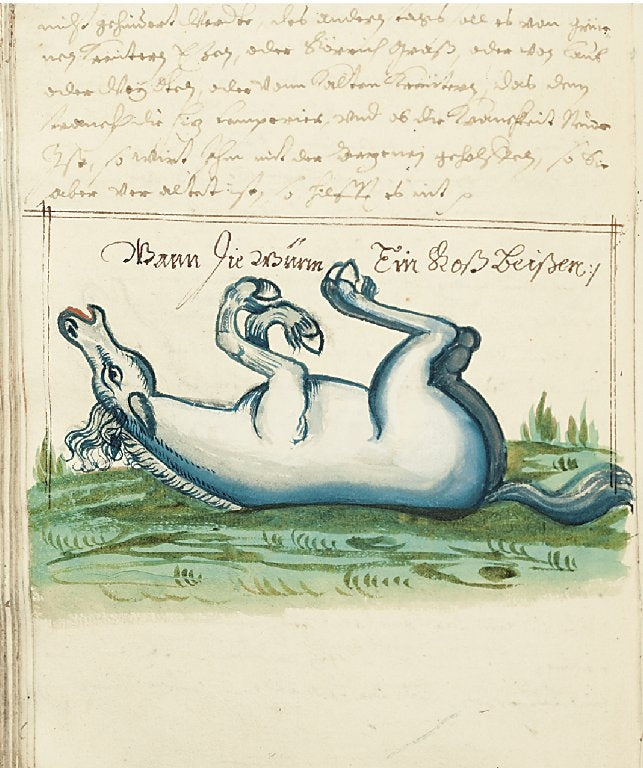
Horses with colic often behave differently than usual. They may exhibit frequent pawing, rolling, or kicking at their belly. These behavioral changes are important for recognizing possible colic and reacting early.
A sudden, noticeable change in your horse's behavior is often a signal for colic. This also includes repeated lying down and getting up, as well as heavy sweating. Be especially attentive if your horse shows no defecation or food intake; these are critical symptom indicators that require immediate veterinary help.
Vital Signs to Monitor
While you wait for the veterinarian, it is important to monitor your horse's pulse, respiration, and temperature. These values provide valuable information about your horse's condition and are crucial for initial assessment.
Normal values for healthy, adult horses are a pulse of 28-40 beats per minute, 8-16 breaths per minute, and a body temperature of 37-38.2°C. Deviations from these values can indicate a worsening of the condition and should be immediately reported to the veterinarian.
Causes of Colic in Horses
Colic in horses can be caused by various factors. The causes are as diverse as their symptoms and can often be traced back to feeding and management errors. Weather changes, a weakened immune system, and individual factors also play a role.
Feeding Errors
Feeding errors are common triggers of colic. These include insufficient amounts of hay, too much straw, or feeding fresh bread. A too rapid change in feed rations is also particularly dangerous. Recognize your horse's needs to effectively prevent colic.
- Roughage: Insufficient amounts of hay/haylage.
- Green fodder: Too large amounts of young grass or clover.
- Water: Insufficient water intake.
- Feed: Spoiled feed or sudden feed change.
- Management: Too large amounts of concentrated feed per meal.
Thoughtful feed management can significantly improve your horse's health. Ensure that your horse always has access to fresh water and that feed is given in small portions. This can significantly reduce the risk of colic.
- Feed management: Frequent and small feed portions.
- Water quality: Offer fresh, clean water.
- Exercise management: Regular exercise to promote digestion.
- Stress reduction: Avoid stressful situations.
- Environmental factors: Clean, safe stable and pasture.
Health Factors
Health problems such as parasitic infection or chronic infections can also lead to colic. A weakened immune system makes your horse more susceptible to digestive disorders and other health problems. The attention you pay to your horse's health can significantly impact its overall well-being.
- Parasites: Regular deworming is recommended.
- Infections: Strengthen the horse's immune system.
- Individual susceptibilities: Address special needs.
- Feeding noises: Regular checks for unusual behavior.
- Diseases: Take preventive measures.
Your horse's health plays a crucial role in preventing colic. Regular veterinary examinations and monitoring of its general health are essential. The earlier you recognize potential health issues, the better the outcome for your horse's well-being.
Immediate Measures for Colic
Initial Assessment of the Situation
If you suspect your horse has colic, you should immediately assess the situation. Look for changes in your horse's behavior and observe various symptoms such as severe restlessness, sweating, or frequent rolling. These initial indicators give you important clues about the severity of the situation and help you provide targeted assistance.
Notifying the Veterinarian
As soon as you notice signs of colic, it is imperative to immediately contact your veterinarian. Even if the symptoms seem mild, colic can quickly become life-threatening.
When contacting the veterinarian, provide as much information as possible about your horse's behavior and symptoms. Information about PAT values (pulse, respiration, temperature) can be helpful. These values indicate whether your horse is stable or whether immediate treatment is required.
Immediate Care Measures
Until the veterinarian arrives, you can take some immediate care measures to support your horse's well-being. Prevent your horse from eating or drinking to avoid further deterioration of the situation.
Gently walk your horse at a slow pace, as this can promote circulation and have antispasmodic effects. Ensure that your horse does not roll violently to avoid injuries. If it wants to roll, allow it to do so in a safe environment. If it is sweating heavily, a cooler rug should also be used to prevent it from getting chilled.
Treatment Options
Veterinary Medical Interventions
If colic is suspected, it is crucial to act quickly and contact your veterinarian. The veterinarian will conduct a thorough examination of your horse to diagnose the type and severity of the colic. Based on this diagnosis, appropriate measures will be taken to address the problem and prevent possible complications.
Medication and Pain Management
Pain-relieving medications play a central role in the treatment of colic. They can help your horse alleviate acute pain and support bowel movements.
Medications such as anti-inflammatories and spasmolytics are often used to relieve pain and relax the muscles in the gastrointestinal tract. This medication is particularly important because the symptoms of colic can vary depending on the type, and the veterinarian can therefore target treatment specifically. Early and appropriate pain management can often reduce the risk of serious complications.
Surgical Considerations
In severe cases of colic, such as intestinal torsion or intestinal obstruction, surgery may become necessary. In these situations, quick action is essential.
Surgical intervention is considered when conservative treatments are not effective enough or your horse's life is acutely threatened. The veterinarian will determine during the examination whether surgery is required to relieve or repair the intestine. This necessity emphasizes the importance of prompt veterinary assistance to maximize the chances of a full recovery.
Prevention Strategies
Proper Feeding Regimen
A balanced and appropriate feeding regimen is crucial to prevent colic in your horse. Ensure that your horse receives sufficient roughage and that the amount of concentrated feed is given in small portions. Avoid abrupt changes in feed and also ensure that the feed is safe to eat to minimize the risk of impaction and other digestive problems.
Regular Health Checks
Regular health checks are essential to detect potential health problems early. Have your horse examined by a veterinarian at least once a year to ensure it is healthy and has no hidden diseases that could lead to colic.
These health checks should not only include a general examination but also vaccinations, deworming, and regular dental care. A veterinarian can also provide recommendations to optimize feeding and housing conditions, which can positively affect your horse's digestion.
Stress Management Techniques
To prevent colic, you should also pay attention to the design of your horse's environment. Stress can be a significant cause of spasmodic colic, so it is important to provide your horse with a calm and relaxed environment.
You can reduce stress through regular exercise, social interaction with other horses, and a structured feeding schedule. Ensure that your horse spends enough time in the herd or near other horses to meet its social needs. Additionally, a calm approach and gentle handling during training can help minimize stress and promote your horse's well-being.
Colic in Horses: Causes, Symptoms, and First Aid
Colic in horses is a serious health problem that requires prompt action. The causes range from feeding errors to weather changes and diseases. Watch for symptoms such as restlessness, pawing, or rolling, and do not hesitate to contact your veterinarian immediately. Until they arrive, prevent food intake, ensure gentle movement, and monitor your horse's vital signs. Early intervention can be crucial for your horse's health.
Here are some frequently asked questions about colic in horses:
-
What is colic in horses?
Colic is a general term for various types of abdominal pain in horses and describes an extremely painful and serious problem in the digestive tract. It ranges from less threatening forms, such as flatulence, to very dangerous conditions like a twisted gut, which can be fatal in a very short time. Colic is one of the most common causes of acute emergencies in horses and requires swift action. In many cases, the condition can rapidly worsen, making treatment very time-sensitive. It is important to recognize the first signs and immediately take appropriate measures to help the horse. -
How do I recognize if my horse has colic?
The symptoms of colic can be varied, but the first signs are often clear. Horses with colic frequently show signs of restlessness, such as lying down and getting up again or rolling on the ground. Frequent pawing with the hooves or kicking at the abdomen are also typical behaviors. Horses suffering from severe pain may turn away from other animals and people or even become aggressive. Another warning sign is profuse sweating, especially in combination with an altered respiratory rate. If the horse suddenly stops passing feces or refuses to eat, you should act immediately and contact the veterinarian. The veterinarian will then diagnose the cause and, if necessary, initiate treatment. -
What types of colic are there?
There are different forms of colic, which vary in their causes and symptoms. The most common type is gas colic, caused by excessive gas buildup in the intestine. This can be triggered by eating gassy feed or sudden changes in feed. Another common form is impaction colic, where feed accumulates in the intestine. Causes can include lack of exercise or insufficient water intake. Spasmodic colic results from painful intestinal spasms, often exacerbated by stress or incorrect feeding. Sand colic occurs when horses ingest too much sand while grazing, which can lead to a blockage in the intestine. Particularly dangerous are intestinal displacements or torsions, which quickly lead to a life-threatening condition as they cut off the blood supply to the intestine. -
What can trigger colic in horses?
Colic in horses can be triggered by a variety of factors. Feeding errors play a central role. A too rapid change of feed or eating incompatible or gassy feed such as fresh grass can promote colic. Feeding too large quantities in a short time can also overload the intestine. Lack of exercise and insufficient water intake are also common triggers, as they significantly slow down intestinal activity and hinder the digestive process. Stress, for example due to changes in the stable or the horse's environment, can lead to painful spasms. In addition, parasite infestation or ingesting sand while grazing on overgrazed pastures are possible causes of colic. All these factors can interact and significantly increase the risk of colic. -
What should I do if my horse shows signs of colic?
At the first signs of colic, you should immediately remain calm and observe the horse without panicking. Try to carefully observe the horse's behavior and document possible symptoms such as rapid breathing, high pulse rate, or unusual body temperature. This will help the veterinarian make a quick diagnosis. If the horse wants to move, gentle walking can be useful to promote intestinal activity. However, do not force the horse to move too much if it doesn't feel like it. Wait for the veterinarian and give them as much information as possible about the horse's symptoms and behavior. This will help them quickly make the correct diagnosis and initiate the necessary measures. -
How can I prevent colic in my horse?
Preventing colic in horses requires careful feeding and care. Make sure your horse is fed regularly and in consistent portions to promote digestion. Avoid sudden changes in feed and ensure the horse doesn't eat too much at once. Fresh, clean water should always be available in sufficient quantities, as insufficient water intake increases the risk of constipation and intestinal problems. Sufficient exercise for the horse is also crucial to promote intestinal activity and prevent stagnation. Stress should be avoided if possible, as it can encourage the development of spasms. There are also supplementary products like Magenfein or Metabolism Boosters that can help support the horse's digestive system and reduce the risk of colic. -
How dangerous is colic for horses?
Colic is one of the most dangerous health problems for horses. Depending on the type of colic, it can become life-threatening in a few hours or even minutes. A mild gas colic can usually be controlled with appropriate treatment. However, more severe forms such as intestinal displacements or torsions are extremely dangerous as they cut off the blood supply to the affected intestinal areas. In these cases, tissue loss and organ failure can occur. The animals can quickly go into shock, which can be fatal without prompt treatment. For this reason, it is crucial to contact a veterinarian immediately at the first signs of colic and not waste any time. -
What role does the veterinarian play in treating colic?
The veterinarian is the crucial partner in the treatment of colic. After examining the horse, the veterinarian will determine the exact cause of the colic. Depending on the severity of the colic, various treatment approaches will be chosen. For milder colics, the veterinarian may administer pain relievers or antispasmodics and observe the horse. In more severe cases, it may be necessary to provide the horse with intravenous fluids to stabilize its fluid balance. In particularly critical cases, such as an intestinal displacement or intestinal obstruction, surgery may be required to save the horse's life. The veterinarian decides which treatment is best suited to successfully treat the colic and help the horse.
Sources:
- Lothar Ariess: Die Kolik des Pferdes und ihre Behandlung; für Tierärzte und Studierende der Veterinärmedizin, sowie für die interessierten Militär,̲ Sport- und Wirtschaftskreise bearbeitet. 1928 (limited preview in Google Books).
- News on the topic: Colic in horses
- Olof Dietz: Handbuch Pferdepraxis. 3rd completely revised edition, Enke Verlag, Stuttgart 2005, ISBN 3-8304-1028-X.
Horse Vitality Company Editorial Guidelines
At Horse Vitality Company, we create every post according to strict quality standards and rely on reputable sources as well as scientific research. Our editors are proven experts in the field of equine health and offer you well-founded, trustworthy information.
Expertise and Quality Assurance
- Qualified Authors: Our editors possess extensive expertise in equine health and animal care.
- Double-Check: Each article is additionally reviewed by a second expert to ensure accuracy and relevance.
Sources and Transparency
- Reputable Sources: We only use trustworthy sources and scientific studies to substantiate the content.
- Disclosure: We disclose potential conflicts of interest and ensure transparency.
Reader-Friendliness and Actuality
- Reader-Friendly Preparation: Our content is continuously optimized to make it as understandable and accessible as possible.
- Actuality: We regularly review our articles and update them as needed to ensure they are always up-to-date.
Interaction and Feedback
- Reader Orientation: Our goal is to provide you with initial guidance. For individual health or care questions, we recommend consulting a veterinarian or equine naturopath.
- Feedback Option: We invite our readers to provide feedback and ask questions. Your suggestions help us continuously improve our content and tailor it to your needs.
These guidelines ensure that the content of Horse Vitality Company always meets the highest standards of expertise, authority, and trustworthiness.


