

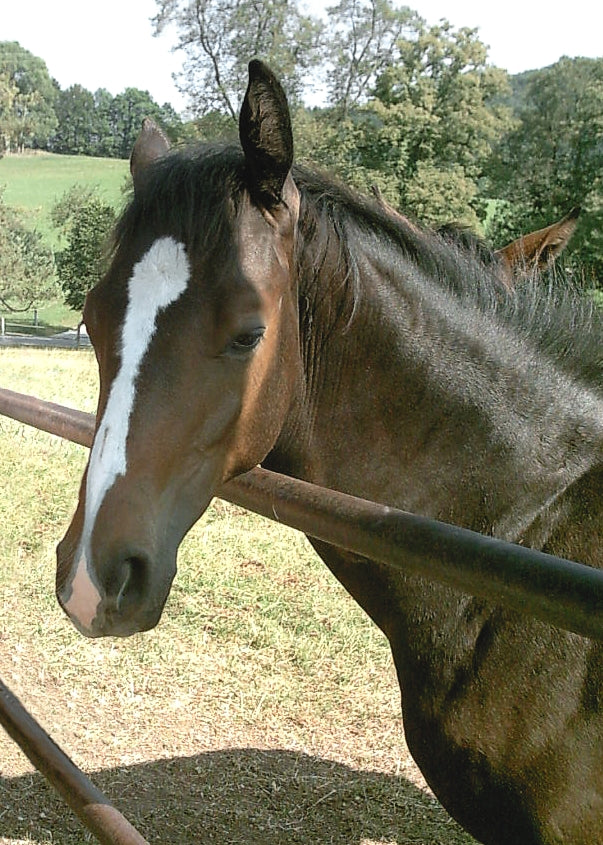
Recognizing & Treating Painful Mud Fever
If you are a horse owner, it is important to recognize and properly treat the condition known as mud fever. This eczematous skin inflammation often occurs during transitional seasons and, if left untreated, can lead to serious health problems. In this article, you will receive all the necessary information about the causes, symptoms, and treatment options for mud fever to protect your horse's health and improve its quality of life.

What is Mud Fever in Horses?
Definition and Clarification of Terms
Mud fever, also known as "pastern eczema," is an eczematous skin inflammation that typically occurs in your horse's pasterns. It is often a mixed infection where bacteria and fungi penetrate damaged skin, leading to inflammation.
Frequency and Affected Horse Breeds
Mud fever is particularly common in horses with dense feathering on their pasterns, such as draft horses, Shire Horses, or Friesians. In the colder months, when horses are kept in warm, damp stables, the likelihood of developing the condition increases. However, muddy ground conditions in pastures or paddocks also contribute, as these keep the legs wet for longer periods.
It is important to know that mud fever is a widespread condition among horses. The most common sufferers are those with a weakened immune system or young horses. The condition is particularly evident in the winter months when the pastern feathering is irritated by contact with damp bedding or soil. Through preventative care and proper management, you can significantly reduce the risk of mud fever.
Causes of Mud Fever
Mud fever is a complex condition that can be influenced by several factors. A common problem is skin defects, which allow bacteria to enter and lead to infectious inflammation. Prolonged wet conditions in combination with the specific skin structure of some horses also promote the development of the disease.
Skin Defects and Bacterial Infections
The most common cause of mud fever is skin defects that weaken the skin's natural barrier. Such defects allow bacteria to penetrate the skin and spread there. This leads to inflammation, redness, and itching in the pastern area, where mud fever typically occurs.
Risk Factors
Certain risk factors increase the likelihood of your horse developing mud fever. These include poor stable management, damp ground, and inadequate treatment of skin injuries. Horses with dense feathering on their pasterns are particularly susceptible to this condition.
Another risk factor is the management of your horse. Horses that are frequently in a wet environment or kept in muddy pastures have a higher risk of developing mud fever. Additionally, poor hygiene in the stall can lead to rapid proliferation of harmful germs. To prevent mud fever, a dry and clean stable environment should always be maintained.
Connection to Allergies and Feeding
Another aspect contributing to the development of mud fever is allergies as well as unsuitable feeding. Horses with allergies to bedding or feed often have more sensitive skin, which is more prone to inflammation.
When it comes to feeding, care should be taken to reduce the amount of protein and other pro-inflammatory substances in the feed. Too much wheat or protein can strain your horse's body and promote inflammation. Balanced feeding and avoiding potential allergens are crucial for your horse's skin health.
Symptoms of Mud Fever
The symptoms of mud fever appear in several stages and can intensify as the disease progresses. It is important to recognize the various symptoms early to take appropriate measures and support healing.
Stages of the Disease
In the initial stage, the skin is only slightly reddened. As the disease progresses, the skin becomes red, warm, and slightly thickened. Subsequently, wound exudate can form, and the skin swells, while greasy deposits and scabs develop. In severe cases, growths, known as proud flesh, can also be observed.
Differentiation Between Mud Fever and Rasp
Mud fever and rasp are two skin conditions that are often confused. While mud fever occurs in the pastern area, rasp causes severe scaling on the back of the carpal joint. The symptoms and their treatment are similar, but rasp is generally more difficult to combat and often has a chronic course.
The most important difference between mud fever and rasp lies in the location and severity of the symptoms. With mud fever, slight redness occurs in the pastern, whereas rasp typically involves thick, plate-like scabs that can cause painful, open sores. It is crucial to make this differentiation to ensure the correct treatment expertise and safeguard your horse's well-being.
Diagnosis of Mud Fever
Clinical Examination
During the clinical examination of your horse, the veterinarian will carefully examine the affected skin areas. Important signs include redness, swelling, and wound exudate in the pastern area. You should observe whether your horse shows signs of pain when the area is touched. This helps the veterinarian determine the severity of the mud fever.
Laboratory Diagnostic Procedures
In addition to the clinical examination, laboratory diagnostic procedures may be useful to determine the exact cause of the mud fever. These include skin swabs or the collection of wound exudate for bacteriological analysis.
The laboratory diagnostic procedures make it possible to identify specific pathogens involved in the development of mud fever. In particular, testing for the bacterium *Streptococcus* can indicate a severe case that may be responsible for a swollen leg. This precise diagnosis allows for targeted and effective treatment tailored to your horse's individual needs.
Treatment of Mud Fever
Principles of Therapy
Successful treatment of mud fever requires a careful combination of hygiene, management, and targeted skin care. Make sure to keep the hair on the pastern area dry and short to avoid skin irritation. Wash the affected areas regularly with mild grooming products and then apply greasy creams, ideally with antibiotic additives. The feeding should be low in protein to minimize inflammation.
Alternative Healing Methods
Many horse owners are interested in alternative healing methods to treat mud fever. Herbal concoctions made from sage, thyme, and chamomile can help wash the affected areas. Oils like jojoba and almond oil support skin suppleness and can reduce pain. Additionally, Schüssler salts, in consultation with a holistic veterinarian, can be a useful supplement.
When it comes to alternative healing methods, there are a variety of approaches you can try. An herbal decoction of sage, thyme, and chamomile has anti-inflammatory effects and can soothe the skin. Massaging in jojoba and almond oil not only promotes skin suppleness but can also support healing. Consult an experienced holistic veterinarian to determine the appropriate Schüssler salt combination, as the correct dosage is crucial. These gentle methods can be a valuable addition to conventional therapy, but they should always be coordinated with a veterinarian.

Prevention of Mud Fever
Stable and Pasture Design
To effectively prevent mud fever, you should optimize stable and pasture design. Ensure that the stable is well-ventilated and dry, while regularly rotating the pasture to avoid muddy ground. Keep the bedding clean and dry to prevent a warm, moist environment that encourages the development of mud fever.
Feed Adjustment
A feed adjustment is crucial to reduce the risk of mud fever. Make sure the feed is not too high in protein and avoid large amounts of wheat, which can promote the inflammatory process in the body.
When adjusting feed, it is important to keep your horse's health in mind. Reduce protein-rich feedstuffs and rely on natural, balanced feeding. In addition, you can offer high-quality hay and grasses that strengthen your horse's immune system. Consider any potential allergies to certain feedstuffs and adjust the ration accordingly to avoid irritation.
Regular Health Checks
Perform regular health checks on your horse to quickly recognize initial signs of mud fever and, if necessary, act promptly. Close monitoring of skin condition and general well-being is essential.
At regular intervals, you should involve your veterinarian to monitor your horse's health status. Have your veterinarian also investigate any specific skin problems to ensure that no other conditions are present that could weaken your horse's immune system. This way, you will be able to react in time and give your horse the best chance to stay healthy.
Conclusion
In dealing with the equine disease mud fever, it is crucial that you understand the symptoms, causes, and correct treatment methods. This eczematous skin inflammation is not only uncomfortable for your horse but can also have serious consequences if not recognized and treated promptly. Therefore, early diagnosis is essential.
Especially during transitional seasons, the risk of mud fever can increase, as your horse is in a warm, moist environment that promotes bacteria and other harmful microorganisms. If your horse belongs to the affected breeds, such as draft horses or Friesians, it is important to be particularly vigilant.
Symptoms can range from simple redness to severe pain and growths. Note that a swollen leg in severe cases of mud fever indicates a serious infection. Therefore, you should always pay attention to changes in your horse's skin and consult a veterinarian immediately if necessary.
The treatment of mud fever includes both caring for the affected skin areas and improving general hygiene measures in your horse's keeping.
Contact your veterinarian if you are unsure or if symptoms persist. Prevention is key! Keep your horse's environment clean and dry, and make sure your horse doesn't stand in mud for too long. Only then can you effectively prevent mud fever and keep your horse healthy.
Proper care and attention can help significantly improve your horse's quality of life. Educate yourself and act proactively to avoid mud fever and its consequences.
These questions about mud fever in horses are frequently asked:
1. What can you do for mud fever in horses?
For mud fever in horses, it helps to regularly clean and keep the affected areas dry. Antiseptic ointments or special mud fever creams should be applied to combat inflammation and promote healing. Improving living conditions, especially dry and clean ground, is also important to support healing and prevent relapses.
2. How long does mud fever last in horses?
The duration of mud fever depends on the severity of the infection and the intensity of treatment. In mild cases, mud fever can heal within one to two weeks, while more severe or chronic cases can take several weeks to months. Consistent care and treatment are crucial for rapid healing.
3. Which deficiency causes mud fever?
Mud fever can be promoted by a deficiency in important nutrients such as biotin, zinc, or vitamin A, as these nutrients are essential for skin health. An imbalance in diet or poor feed quality can also increase the risk. A balanced diet and, if necessary, targeted nutritional supplements can help prevent mud fever.
4. Is mud fever contagious to humans?
Mud fever is generally not contagious to humans, as it is caused by bacteria or fungi specific to horses. However, hygiene should be observed when caring for the affected areas to prevent the spread of the infection to other animals and to avoid possible skin irritation in humans.
5. What causes mud fever in horses?
Mud fever is often triggered by a combination of damp and unhygienic conditions, as well as injuries or cracks in the skin that allow bacteria or fungi to enter. A weakened immune system, certain feed allergies, or nutritional deficiencies can also promote the development of mud fever. Muddy pasture conditions or damp stable bedding are typical triggers.
6. What happens if mud fever is not treated?
If mud fever is not treated, the infection can worsen and penetrate deeper into the skin, leading to severe inflammation and possibly chronic skin problems. Untreated mud fever can cause pain and lameness and significantly impair the horse's general well-being. In severe cases, untreated mud fever can also lead to permanent skin damage.
7. Do horses experience pain with mud fever?
Yes, horses can experience pain with mud fever, especially when the inflammation progresses and affects deeper skin layers. The affected areas are often sensitive, swollen, and can be painful to the touch. This can restrict the horse's movement and affect its general well-being.
8. How do I remove thick mud fever scabs?
Thick scabs from mud fever should be carefully softened, for example, by soaking in warm water or with moist compresses. After soaking, the scabs can be gently removed with a soft cloth or brush. It is important to proceed very carefully to avoid further injuring the underlying skin.
Sources:
- Informative video: Treating Mud Fever
- Wikipedia article: Mud Fever in Horses
- Expert article on the topic: Mud Fever in Horses
- Helpful video with tips from the veterinarian: Mud Fever in Horses
- News on the topic: Mud Fever in Horses
- Handbuch Pferdepraxis, Enke Verlag, ISBN9783830410287, 383041028X
Image sources:
Editorial Guidelines of the Horse Vitality Company
At Horse Vitality Company, we create every post according to strict quality standards, relying on reputable sources and scientific research. Our editors are proven experts in the field of equine health and provide you with well-founded, trustworthy information.
Expertise and Quality Assurance
- Qualified Authors: Our editors possess extensive expertise in equine health and animal care.
- Double Review: Each article is additionally reviewed by a second expert to ensure accuracy and relevance.
Sources and Transparency
- Reputable Sources: We only use trustworthy sources and scientific studies to substantiate our content.
- Disclosure: We disclose potential conflicts of interest and ensure transparency.
Reader-Friendliness and Currency
- Reader-Friendly Presentation: Our content is continuously optimized to be as understandable and accessible as possible.
- Currency: We regularly review and update our articles as needed to ensure they are always up-to-date.
Interaction and Feedback
- Reader Orientation: Our goal is to provide you with initial guidance. For individual health or care questions, we recommend consulting a veterinarian or animal naturopath.
- Feedback Option: We invite our readers to provide feedback and ask questions. Your suggestions help us continuously improve our content and tailor it to your needs.
These guidelines ensure that the content of the Horse Vitality Company consistently meets the highest standards of expertise, authority, and trustworthiness.


