

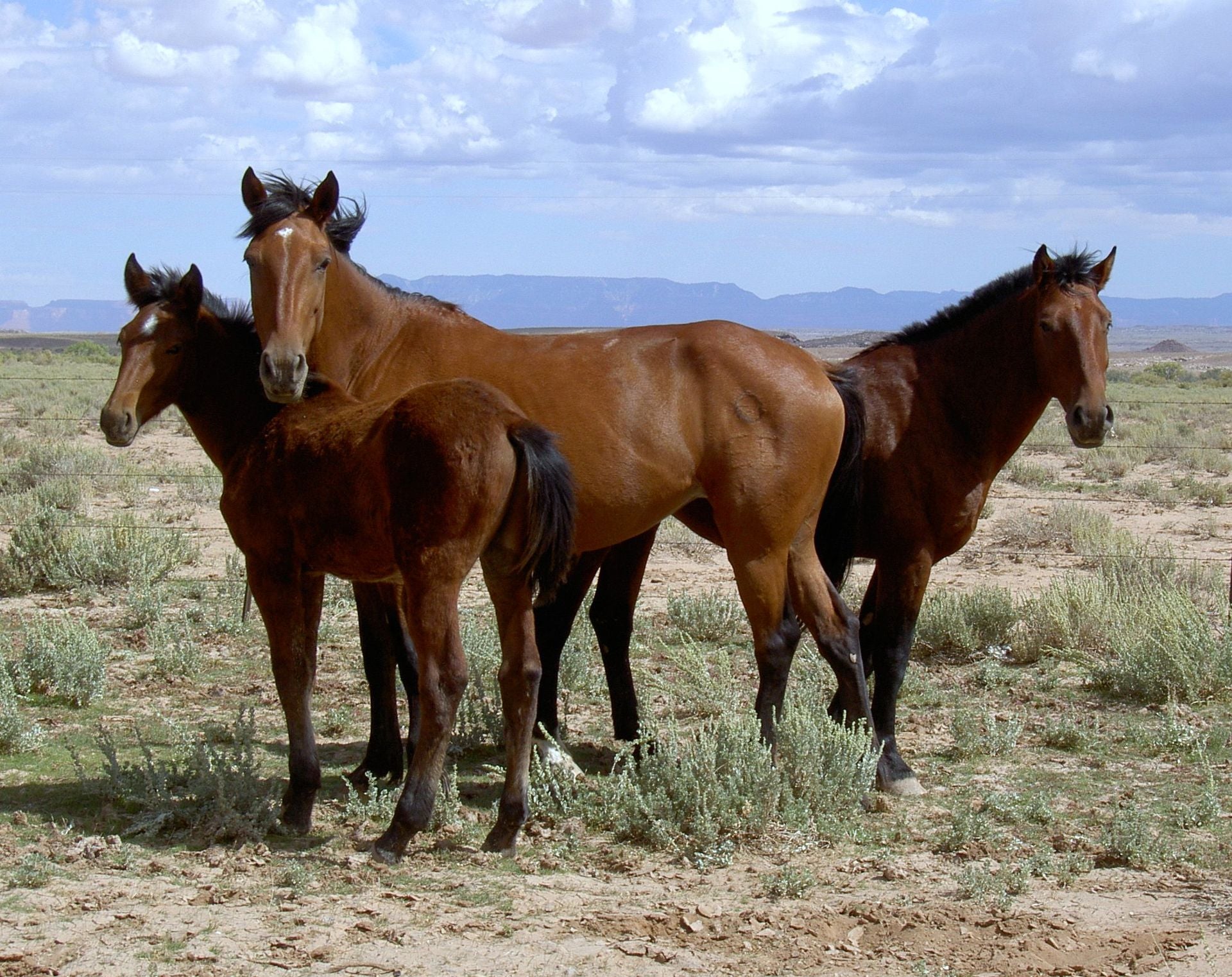

In this blog post, you'll learn how weather changes can affect your horse's health, particularly in the form of colic. Sudden temperature extremes pose a challenge to the sensitive digestive system. You'll learn which symptoms indicate colic and receive valuable tips for prevention to enable your four-legged friend to live a healthy and happy life. Find out now about the best measures to prevent and detect colic in your horse early.
Understanding Colic in Horses
Definition of Colic
Colic refers to a pain syndrome in the abdominal area of horses that can be triggered by various causes such as digestive disorders or unexpected changes in feed. These conditions can range from mild discomfort to acute emergencies and often require prompt veterinary intervention.
Importance of Recognizing Colic
Early recognition of colic is crucial to ensure your horse's well-being. Colic is the most common cause of death in horses, and prompt action can often make the difference between life and death.
By recognizing the symptoms of colic, you can contact a veterinarian in good time and initiate appropriate treatment. Look for signs such as rolling, yawning, or restlessness. These symptoms can indicate serious problems in the digestive tract. The horse's digestion is sensitive, especially during abrupt weather changes that place a heavy strain on the circulatory system and digestion. Your attention and quick response are therefore of the utmost importance to minimize the risk of long-term damage.
Seasonal Weather Changes
Influence of Seasonal Transitions on Horses
The change of seasons can be a considerable strain on your horses. When the weather fluctuates abruptly between warm and cold temperatures, it is often stressful for your horse's sensitive digestive system. Such weather changes can impair digestive performance and increase the risk of colic.
Common Weather Conditions Leading to Colic
Unstable weather during transitional periods, especially sudden temperature fluctuations, can become problematic for your horse. During these phases, the risk of colic increases significantly, especially if the thermometer quickly changes between warm and cold. You should be particularly vigilant during transitional periods such as from winter to spring or from summer to autumn.
Due to weather changes, your horse's circulatory system can be heavily strained, leading to inefficient digestion. For example, if temperatures fluctuate very quickly or there are several weather changes within a short period, your horse will be under greater strain. In such situations, it is important to observe your horse regularly and look for possible symptoms of colic.
Causes of Colic in Connection with Weather Changes
The relationship between weather changes and colic in horses is an important topic for every horse owner. Rapid weather changes strain the horses' digestive system and can lead to serious health problems. In this section, we will investigate the specific causes of these colics and provide you with valuable information on prevention.
Stress on the Digestive System
Sudden temperature changes are a major challenge for the sensitive digestion of our horses. These weather changes lead to stress, which overloads the digestive system and increases the likelihood of colic.
Temperature Fluctuations and Their Effects
Temperature fluctuations can cause great stress for your horse's organism. When temperatures abruptly change between warm and cold, the circulatory system is heavily strained, which can impair digestion. Irregular temperatures often lead to discomfort and can cause colic in sensitive horses.
| Temperature change | Effects on digestion |
| Warm to cold | Slowed digestion and increased risk of colic |
| Warm to cold | Weakening of the immune system |
Temperature fluctuations can also affect your horse's digestive flora. A sudden change can lead to digestive disorders because the microbes in the gut need time to adapt. A slow transition in feeding can play an important role here.
Other Contributing Factors
In addition to weather changes, other factors can increase the risk of colic. Stress, feed changes, and shedding are further risks to consider. Every owner should always be attentive and keep an eye on their horse's needs.
- Shedding can weaken the immune system.
- Stress from social interactions or transport can be harmful.
- Feed changes require time for digestion to adapt.
Furthermore, pre-existing health conditions, such as past parasite infections, can additionally strain digestion. It is crucial to keep your horses in stress-free environments and to conduct regular health checks. These measures help to minimize the risk of colic.
- Impairments due to pre-existing health conditions can increase the risk.
- Inappropriate feed intake can cause digestive problems.
- Slow acclimatization during feed changes is crucial.
Recognizing Symptoms of Colic
Recognizing the symptoms of colic is crucial to helping your horse in time. Colic can occur in various forms, with some signs indicating general discomfort, while others indicate specific symptoms that point to a serious illness. It is important to be attentive and act quickly at the first signs of discomfort.
General Signs of Discomfort
The most common signs that may indicate discomfort in your horse include restlessness, frequent rolling, and increased yawning. Your horse might also show signs of apathy, if it is less active or withdraws from the group. Pay attention to how your horse behaves, especially during sudden weather changes, which can further stress it.
Specific Symptoms Indicating Colic
Specific symptoms of colic include frequently pawing at the belly, looking or biting at the belly, and sweating. These behaviors indicate that your horse is suffering from abdominal pain. Additionally, there are signs such as restless pawing or the urge to lie down in unusual positions, which can indicate significant discomfort.
If you observe these specific symptoms in your horse, it is important to remain attentive and act promptly. Careful observation of fecal and urinary output is essential, as these are important indicators of your horse's condition. Early recognition can significantly help to improve the situation.
Emergency Symptoms Requiring Immediate Attention
Certain symptoms require immediate medical attention, including profuse sweating, persistent rolling, and extreme discomfort. If your horse no longer gets up or appears lethargic, you should contact a veterinarian immediately. In such situations, every minute counts for your animal's well-being.
If your horse shows emergency symptoms, do not hesitate and consult a veterinarian immediately. In more severe cases of colic, especially if digestion is impaired, quick action can be crucial for saving the horse. Keep your animal calm until help arrives and avoid leaving it alone. Your attention and quick action can make a big difference in critical moments.
Preventative Measures Against Colic
Dietary Adjustments During Weather Transitions
During transitional periods, it is important to adjust your horse's diet. Avoid sudden feed changes and allow your horse a gradual transition to new types of feed to avoid unnecessary strain on the intestinal flora. Make sure your horse continues to receive sufficient nutrients to meet the increased demands during this stressful time.
Our Winter Power Package is specially developed for the cold season and supports your horse's health and vitality. It contains a combination of nutrients that help strengthen the immune system and maintain your horse's performance even in icy temperatures.
The Importance of Regular Exercise
Regular exercise is crucial to prevent colic. It promotes digestion and helps keep your horse's circulatory system stable. Especially during changeable weather conditions, you should ensure that your horse goes out to pasture or the paddock daily to ensure physical activity.
A walk or light lunging can help stimulate digestion and relieve stress. In addition, exercise supports the natural function of the digestive tract, which is particularly important during periods of weather changes. Let your horse also walk at a slow pace to strengthen the circulatory system and prevent bloating.
Creating a Stress-Free Environment
A calm and stress-free environment is essential for your horse's well-being. Pay attention to harmonious group dynamics and avoid conflicts that can lead to additional stress. Stress is a known trigger for colic, so it is important to create a pleasant atmosphere.
Consider whether potential stressors, such as an unpleasant stable neighbor or transport stress, influence your horse's daily life. Make your horse's place of residence as pleasant as possible, for example by adjusting the pasture or box allocation if necessary. This not only promotes your horse's health but also contributes to its satisfaction.
Monitoring and Adjusting Feeding
Feeding plays a central role in preventing colic. Monitor feed intake regularly and gradually adapt feeding to new conditions to avoid digestive problems. Especially during transitional periods, ensure that your horse receives the right amount of roughage.
With regard to feed changes, it is important to consider your horse's intestinal flora, as it takes some time to adapt. Make sure that changes are made carefully and look for signs of discomfort. If in doubt, you should consult a veterinarian to get optimal feeding recommendations.
How to Respond Immediately to Colic Symptoms
First Aid Measures
If your horse shows signs of colic, quick action is required. First, you should ensure that your horse does not receive any feed to further relieve the digestive system. Observe your horse closely and create a calm environment. Gentle exercise, such as leading or lunging at a walk, can stimulate digestion. Also, pay attention to fecal and urinary output, as these can provide important clues about your horse's condition.
When to Call the Vet
A veterinarian should be contacted immediately if the symptoms of colic worsen or your horse is in a very poor condition. Signs such as intense rolling, profuse sweating, or apathy are urgent alarm signals that require immediate veterinary help. The faster you act, the better the chances of successful treatment.
Especially if you suspect severe forms of colic, such as a twisted large or small intestine, it is important not to wait. Rather, you should inform the veterinarian as soon as possible, as such conditions can be life-threatening. The veterinarian can take the right measures and professionally assess the situation, which is often crucial for your horse's health.
What to Expect During the Veterinary Examination
During your horse's veterinary examination, you can expect a thorough examination of the abdominal cavity. The veterinarian will also check vital signs such as pulse and temperature to better assess your horse's condition. Often, tests such as ultrasound or X-rays are also performed to determine the exact cause of the colic.
During the examination, the veterinarian will carefully analyze your horse and observe its movements. They might also order a blood test. These diagnoses are crucial for the veterinarian to implement the appropriate treatment, be it conservative therapy or possibly surgery. It is important that you provide all information related to your horse's symptoms to enable a precise diagnosis.
Conclusion on Horse Colic During Weather Changes: Causes, Symptoms, and Prevention
Colic in horses, especially in connection with weather changes, can pose serious health problems. You should carefully observe symptoms such as rolling, restlessness, or yawning and contact a veterinarian immediately if such signs appear. To minimize the risk, ensure sufficient exercise, a stress-free environment, and a slow feed transition. Your preventive measures, such as proper nutrition and nutrient supply, are crucial for your horse's well-being, especially during the critical transitional periods of the seasons.
These questions about horse colic are frequently asked:
1. What is colic in horses?
Colic refers to a painful syndrome in a horse's abdominal area, caused by various factors such as digestive disorders or changes in feed. It can range from mild discomfort to an acute emergency.
2. How do I know if my horse has colic?
Symptoms such as rolling, yawning, restlessness, frequent pawing at the belly, and pawing are signs of colic. If there are intense symptoms such as profuse sweating or lethargic behavior, you should call a veterinarian immediately.
3. Why does the risk of colic increase with weather changes?
Sudden temperature changes can strain the horse's digestive system and destabilize the circulatory system, which increases the likelihood of colic. These weather changes represent an additional source of stress.
4. Which weather conditions are particularly risky for colic?
Particularly critical phases are the transition between seasons, such as from winter to spring or summer to autumn, as rapid temperature changes place a heavy strain on the horse's circulatory system and digestive system.
5. How can I help my horse during a weather change?
Ensure regular exercise, a stress-free environment, and adjusted feeding. Avoid sudden feed changes and make sure your horse gets enough roughage to stabilize digestion.
6. What should I do if my horse shows colic symptoms?
If your horse shows colic symptoms, avoid feeding and provide a calm environment. Gentle exercise and observation of fecal and urinary output are important. Contact a veterinarian immediately if symptoms worsen.
7. How can I prevent colic in my horse long-term?
Long-term prevention includes regular exercise, a balanced and slowly adapted diet, stress reduction, and a calm and stable environment. Pay particular attention to feed changes and the correct nutrient content.
8. When do I need to call a veterinarian if my horse has colic?
For severe symptoms such as incessant rolling, profuse sweating, apathy, or if the horse can no longer get up, a veterinarian should be called immediately. A quick response is crucial, especially in severe cases of colic.
Sources:
- Martin Kirschner: Allgemeine und Spezielle Chirurgische Operationslehre. Springer-Verlag, 2013, ISBN 978-3-642-47558-0, S. 209 (restricted preview in Google Books).
- News on the topic: Horse Colic during Weather Changes
- Frank G. R. Taylor, Mark H. Hillyer: Klinische Diagnostik in der Pferdepraxis. 2nd edition, Schlütersche Verlagsgesellschaft, Hannover 2004, ISBN 3-87706-574-0.
Editorial Guidelines of Horse Vitality Company
At Horse Vitality Company, we create every post according to strict quality standards, relying on reputable sources and scientific research. Our editors are proven experts in the field of equine health and provide you with well-founded, trustworthy information.
Expertise and Quality Assurance
- Qualified Authors: Our editors have extensive expertise in equine health and animal care.
- Double Check: Every article is additionally reviewed by a second expert to ensure accuracy and relevance.
Sources and Transparency
- Reputable Sources: We only use trustworthy sources and scientific studies to support our content.
- Disclosure: We disclose potential conflicts of interest and ensure transparency.
Reader-Friendliness and Actuality
- Reader-Friendly Preparation: Our content is continuously optimized to make it as understandable and accessible as possible.
- Actuality: We regularly review our articles and update them as needed to ensure they are always up-to-date.
Interaction and Feedback
- Reader Orientation: Our goal is to provide you with an initial orientation. For individual health or care questions, we recommend consulting a veterinarian or animal naturopath.
- Feedback Option: We invite our readers to provide feedback and ask questions. Your suggestions help us continuously improve our content and tailor it to your needs.
These guidelines ensure that the content of Horse Vitality Company always meets the highest standards of expertise, authority, and trustworthiness.


