

Care
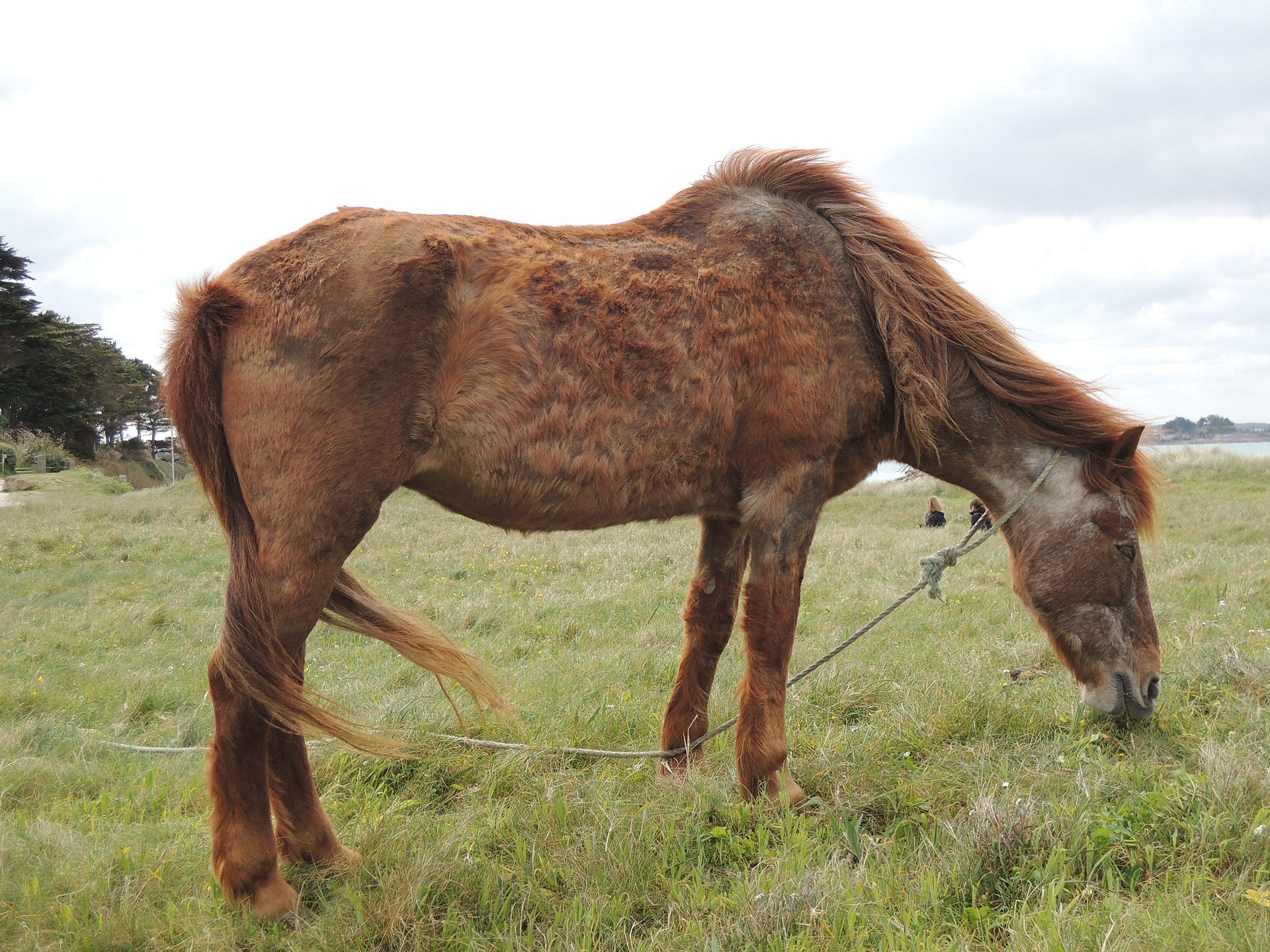

Horse Colic During Weather Changes: Causes, Symptoms, and Prevention
In this blog post, you'll learn how weather changes can affect your horse's health, particularly in the form of colic. Sudden temperature extremes pose a challenge to the sensitive digestive system. You'll learn which symptoms indicate colic and receive valuable tips for prevention to enable your four-legged friend to live a healthy and happy life. Find out now about the best measures to prevent and detect colic in your horse early. Understanding Colic in Horses Definition of Colic Colic refers to a pain syndrome in the abdominal area of horses that can be triggered by various causes such as digestive disorders or unexpected changes in feed. These conditions can range from mild discomfort to acute emergencies and often require prompt veterinary intervention. Importance of Recognizing Colic Early recognition of colic is crucial to ensure your horse's well-being. Colic is the most common cause of death in horses, and prompt action can often make the difference between life and death. By recognizing the symptoms of colic, you can contact a veterinarian in good time and initiate appropriate treatment. Look for signs such as rolling, yawning, or restlessness. These symptoms can indicate serious problems in the digestive tract. The horse's digestion is sensitive, especially during abrupt weather changes that place a heavy strain on the circulatory system and digestion. Your attention and quick response are therefore of the utmost importance to minimize the risk of long-term damage. Seasonal Weather Changes Influence of Seasonal Transitions on Horses The change of seasons can be a considerable strain on your horses. When the weather fluctuates abruptly between warm and cold temperatures, it is often stressful for your horse's sensitive digestive system. Such weather changes can impair digestive performance and increase the risk of colic. Common Weather Conditions Leading to Colic Unstable weather during transitional periods, especially sudden temperature fluctuations, can become problematic for your horse. During these phases, the risk of colic increases significantly, especially if the thermometer quickly changes between warm and cold. You should be particularly vigilant during transitional periods such as from winter to spring or from summer to autumn. Due to weather changes, your horse's circulatory system can be heavily strained, leading to inefficient digestion. For example, if temperatures fluctuate very quickly or there are several weather changes within a short period, your horse will be under greater strain. In such situations, it is important to observe your horse regularly and look for possible symptoms of colic. Causes of Colic in Connection with Weather Changes The relationship between weather changes and colic in horses is an important topic for every horse owner. Rapid weather changes strain the horses' digestive system and can lead to serious health problems. In this section, we will investigate the specific causes of these colics and provide you with valuable information on prevention. Stress on the Digestive System Sudden temperature changes are a major challenge for the sensitive digestion of our horses. These weather changes lead to stress, which overloads the digestive system and increases the likelihood of colic. Temperature Fluctuations and Their Effects Temperature fluctuations can cause great stress for your horse's organism. When temperatures abruptly change between warm and cold, the circulatory system is heavily strained, which can impair digestion. Irregular temperatures often lead to discomfort and can cause colic in sensitive horses. Temperature change Effects on digestion Warm to cold Slowed digestion and increased risk of colic Warm to cold Weakening of the immune system Temperature fluctuations can also affect your horse's digestive flora. A sudden change can lead to digestive disorders because the microbes in the gut need time to adapt. A slow transition in feeding can play an important role here. Other Contributing Factors In addition to weather changes, other factors can increase the risk of colic. Stress, feed changes, and shedding are further risks to consider. Every owner should always be attentive and keep an eye on their horse's needs. Shedding can weaken the immune system. Stress from social interactions or transport can be harmful. Feed changes require time for digestion to adapt. Furthermore, pre-existing health conditions, such as past parasite infections, can additionally strain digestion. It is crucial to keep your horses in stress-free environments and to conduct regular health checks. These measures help to minimize the risk of colic. Impairments due to pre-existing health conditions can increase the risk. Inappropriate feed intake can cause digestive problems. Slow acclimatization during feed changes is crucial. Recognizing Symptoms of Colic Recognizing the symptoms of colic is crucial to helping your horse in time. Colic can occur in various forms, with some signs indicating general discomfort, while others indicate specific symptoms that point to a serious illness. It is important to be attentive and act quickly at the first signs of discomfort. General Signs of Discomfort The most common signs that may indicate discomfort in your horse include restlessness, frequent rolling, and increased yawning. Your horse might also show signs of apathy, if it is less active or withdraws from the group. Pay attention to how your horse behaves, especially during sudden weather changes, which can further stress it. Specific Symptoms Indicating Colic Specific symptoms of colic include frequently pawing at the belly, looking or biting at the belly, and sweating. These behaviors indicate that your horse is suffering from abdominal pain. Additionally, there are signs such as restless pawing or the urge to lie down in unusual positions, which can indicate significant discomfort. If you observe these specific symptoms in your horse, it is important to remain attentive and act promptly. Careful observation of fecal and urinary output is essential, as these are important indicators of your horse's condition. Early recognition can significantly help to improve the situation. Emergency Symptoms Requiring Immediate Attention Certain symptoms require immediate medical attention, including profuse sweating, persistent rolling, and extreme discomfort. If your horse no longer gets up or appears lethargic, you should contact a veterinarian immediately. In such situations, every minute counts for your animal's well-being. If your horse shows emergency symptoms, do not hesitate and consult a veterinarian immediately. In more severe cases of colic, especially if digestion is impaired, quick action can be crucial for saving the horse. Keep your animal calm until help arrives and avoid leaving it alone. Your attention and quick action can make a big difference in critical moments. Preventative Measures Against Colic Dietary Adjustments During Weather Transitions During transitional periods, it is important to adjust your horse's diet. Avoid sudden feed changes and allow your horse a gradual transition to new types of feed to avoid unnecessary strain on the intestinal flora. Make sure your horse continues to receive sufficient nutrients to meet the increased demands during this stressful time. Our Winter Power Package is specially developed for the cold season and supports your horse's health and vitality. It contains a combination of nutrients that help strengthen the immune system and maintain your horse's performance even in icy temperatures. The Importance of Regular Exercise Regular exercise is crucial to prevent colic. It promotes digestion and helps keep your horse's circulatory system stable. Especially during changeable weather conditions, you should ensure that your horse goes out to pasture or the paddock daily to ensure physical activity. A walk or light lunging can help stimulate digestion and relieve stress. In addition, exercise supports the natural function of the digestive tract, which is particularly important during periods of weather changes. Let your horse also walk at a slow pace to strengthen the circulatory system and prevent bloating. Creating a Stress-Free Environment A calm and stress-free environment is essential for your horse's well-being. Pay attention to harmonious group dynamics and avoid conflicts that can lead to additional stress. Stress is a known trigger for colic, so it is important to create a pleasant atmosphere. Consider whether potential stressors, such as an unpleasant stable neighbor or transport stress, influence your horse's daily life. Make your horse's place of residence as pleasant as possible, for example by adjusting the pasture or box allocation if necessary. This not only promotes your horse's health but also contributes to its satisfaction. Monitoring and Adjusting Feeding Feeding plays a central role in preventing colic. Monitor feed intake regularly and gradually adapt feeding to new conditions to avoid digestive problems. Especially during transitional periods, ensure that your horse receives the right amount of roughage. With regard to feed changes, it is important to consider your horse's intestinal flora, as it takes some time to adapt. Make sure that changes are made carefully and look for signs of discomfort. If in doubt, you should consult a veterinarian to get optimal feeding recommendations. How to Respond Immediately to Colic Symptoms First Aid Measures If your horse shows signs of colic, quick action is required. First, you should ensure that your horse does not receive any feed to further relieve the digestive system. Observe your horse closely and create a calm environment. Gentle exercise, such as leading or lunging at a walk, can stimulate digestion. Also, pay attention to fecal and urinary output, as these can provide important clues about your horse's condition. When to Call the Vet A veterinarian should be contacted immediately if the symptoms of colic worsen or your horse is in a very poor condition. Signs such as intense rolling, profuse sweating, or apathy are urgent alarm signals that require immediate veterinary help. The faster you act, the better the chances of successful treatment. Especially if you suspect severe forms of colic, such as a twisted large or small intestine, it is important not to wait. Rather, you should inform the veterinarian as soon as possible, as such conditions can be life-threatening. The veterinarian can take the right measures and professionally assess the situation, which is often crucial for your horse's health. What to Expect During the Veterinary Examination During your horse's veterinary examination, you can expect a thorough examination of the abdominal cavity. The veterinarian will also check vital signs such as pulse and temperature to better assess your horse's condition. Often, tests such as ultrasound or X-rays are also performed to determine the exact cause of the colic. During the examination, the veterinarian will carefully analyze your horse and observe its movements. They might also order a blood test. These diagnoses are crucial for the veterinarian to implement the appropriate treatment, be it conservative therapy or possibly surgery. It is important that you provide all information related to your horse's symptoms to enable a precise diagnosis. Conclusion on Horse Colic During Weather Changes: Causes, Symptoms, and Prevention Colic in horses, especially in connection with weather changes, can pose serious health problems. You should carefully observe symptoms such as rolling, restlessness, or yawning and contact a veterinarian immediately if such signs appear. To minimize the risk, ensure sufficient exercise, a stress-free environment, and a slow feed transition. Your preventive measures, such as proper nutrition and nutrient supply, are crucial for your horse's well-being, especially during the critical transitional periods of the seasons. These questions about horse colic are frequently asked: 1. What is colic in horses? Colic refers to a painful syndrome in a horse's abdominal area, caused by various factors such as digestive disorders or changes in feed. It can range from mild discomfort to an acute emergency. 2. How do I know if my horse has colic? Symptoms such as rolling, yawning, restlessness, frequent pawing at the belly, and pawing are signs of colic. If there are intense symptoms such as profuse sweating or lethargic behavior, you should call a veterinarian immediately. 3. Why does the risk of colic increase with weather changes? Sudden temperature changes can strain the horse's digestive system and destabilize the circulatory system, which increases the likelihood of colic. These weather changes represent an additional source of stress. 4. Which weather conditions are particularly risky for colic? Particularly critical phases are the transition between seasons, such as from winter to spring or summer to autumn, as rapid temperature changes place a heavy strain on the horse's circulatory system and digestive system. 5. How can I help my horse during a weather change? Ensure regular exercise, a stress-free environment, and adjusted feeding. Avoid sudden feed changes and make sure your horse gets enough roughage to stabilize digestion. 6. What should I do if my horse shows colic symptoms? If your horse shows colic symptoms, avoid feeding and provide a calm environment. Gentle exercise and observation of fecal and urinary output are important. Contact a veterinarian immediately if symptoms worsen. 7. How can I prevent colic in my horse long-term? Long-term prevention includes regular exercise, a balanced and slowly adapted diet, stress reduction, and a calm and stable environment. Pay particular attention to feed changes and the correct nutrient content. 8. When do I need to call a veterinarian if my horse has colic? For severe symptoms such as incessant rolling, profuse sweating, apathy, or if the horse can no longer get up, a veterinarian should be called immediately. A quick response is crucial, especially in severe cases of colic. Sources: Martin Kirschner: Allgemeine und Spezielle Chirurgische Operationslehre. Springer-Verlag, 2013, ISBN 978-3-642-47558-0, S. 209 (restricted preview in Google Books). News on the topic: Horse Colic during Weather Changes Frank G. R. Taylor, Mark H. Hillyer: Klinische Diagnostik in der Pferdepraxis. 2nd edition, Schlütersche Verlagsgesellschaft, Hannover 2004, ISBN 3-87706-574-0. Editorial Guidelines of Horse Vitality Company At Horse Vitality Company, we create every post according to strict quality standards, relying on reputable sources and scientific research. Our editors are proven experts in the field of equine health and provide you with well-founded, trustworthy information. Expertise and Quality Assurance Qualified Authors: Our editors have extensive expertise in equine health and animal care. Double Check: Every article is additionally reviewed by a second expert to ensure accuracy and relevance. Sources and Transparency Reputable Sources: We only use trustworthy sources and scientific studies to support our content. Disclosure: We disclose potential conflicts of interest and ensure transparency. Reader-Friendliness and Actuality Reader-Friendly Preparation: Our content is continuously optimized to make it as understandable and accessible as possible. Actuality: We regularly review our articles and update them as needed to ensure they are always up-to-date. Interaction and Feedback Reader Orientation: Our goal is to provide you with an initial orientation. For individual health or care questions, we recommend consulting a veterinarian or animal naturopath. Feedback Option: We invite our readers to provide feedback and ask questions. Your suggestions help us continuously improve our content and tailor it to your needs. These guidelines ensure that the content of Horse Vitality Company always meets the highest standards of expertise, authority, and trustworthiness.
Learn more
Preventing Colic in Horses: Effective Measures for Your Horse's Health
The health of your horse is of utmost importance, especially when it comes to colic. Colic can be very painful and dangerous for your animal. In this blog post, you will learn how to prevent stress factors through targeted measures such as a balanced diet, sufficient exercise, and regular check-ups. Learn how to best protect your horse and increase the chances of recovery in an emergency. Understanding Colic in Horses Definition of Colic Colic is not a standalone disease but describes symptoms of abdominal pain, predominantly related to the digestive tract. In about 90% of cases, these pains are due to problems in the intestines, but they can also be caused by discomfort in the reproductive organs. Anatomy of the Horse's Digestive System The horse's digestive system has special anatomical features that make it susceptible to colic. Horses have a small stomach, a long and mobile small intestine, and a folded large intestine that contains narrow sections. Customers should note that horses cannot vomit. These anatomical peculiarities mean that horses depend on consistent feed intake. Their small stomach can only hold small amounts, necessitating continuous feed intake throughout the day. The small intestine, which is fixed at only a few points, can easily move, while the large intestine, due to its folding and narrow areas, is prone to impaction. These factors increase the risk of various forms of colic. Types of Colic There are various types of colic that can occur in horses, including impaction (constipation colic), spasms (spasmodic colic), abnormal fermentation (gas colic), ulcers, and displacements. Each of these colics has specific causes and symptoms. The most common types of colic are interconnected and often the result of feeding errors or insufficient exercise. For example, impaction can arise from inadequate feed quality or too little water, while spasms are often associated with stress or sudden changes in feed. Understanding these types is crucial to taking timely preventative measures. Causes of Colic The causes of colic in horses are varied and often interconnected. A good understanding of these factors will help you protect your horse as best as possible. The most common causes include feeding errors, environmental factors, and health factors. Targeted management of these aspects can significantly reduce the likelihood of colic. Feeding Errors Feeding errors represent one of the main causes of colic. Inadequate feed quality, too few feeding times, or an unbalanced diet can severely strain your horse's digestion. Ensure a varied, high-fiber diet and avoid sudden feed changes. A nutritious supplement such as the Metabolism Booster for Horses can help support your horse's digestive system. With a special price starting from €53.95, you can offer your horse valuable support to prevent digestive problems and colic. Environmental Factors Environmental factors also play a significant role in the development of colic. Stress due to changes in the environment, such as new stable mates or transport, can put a strain on your horse and lead to digestive problems. Make sure to create a calm and familiar environment. Additionally, other environmental conditions such as weather changes and water quality are important. Contaminated or overly cold water can also contribute to colic. Ensure that your horse always has access to fresh, clean water and that the stable climate is comfortable to reduce stress and discomfort. Health Factors Health factors such as severe parasitic infestation or dental problems can significantly impair your horse's digestion and thus increase the risk of colic. Regular veterinary visits and good dental checks are essential to detect and address health problems early. A weakened immune system or infirmity due to old age can also lead to digestive disorders. Make sure your horse is regularly dewormed and respond to any signs of discomfort. A healthy horse has a better chance of avoiding colic, which is why preventive measures in horse keeping are crucial. Symptoms of Colic Signs and Behavioral Changes When your horse has colic, it often shows clear behavioral changes. Look for restlessness, flehmen (curling of the upper lip), pawing with the front hooves, or looking at its flank. It may also try to roll or appear uncomfortable. These signs are often the first indicators of serious abdominal pain. Physiological Symptoms Physiological symptoms such as sweating, frequent lying down or standing up, and altered breathing are also common. You may also notice that your horse is not eating and may even kick or bite its abdomen. Your horse's body language can give you valuable clues about the severity of the colic. In addition to the symptoms mentioned above, physiological signs such as an elevated heart rate and altered mucous membrane color can indicate serious problems. Slight dehydration is often indicated by the slow return of the skin during the skin fold test. Keep an eye on these signs to react quickly. Differences between mild and severe colic It is important to recognize the differences between mild and severe colic to take appropriate action. Mild colic can often be alleviated by simple methods such as exercise and relaxation, while severe colic requires immediate veterinary treatment. Mild colic often shows subtle symptoms, such as occasional restlessness or temporary resistance. Severe colic, on the other hand, is characterized by intense pain, persistent restlessness, and other physiological abnormalities. In such cases, it is crucial to act quickly and consult a veterinarian to prevent a deterioration of the horse's health. Immediate Measures in Case of Suspected Colic What to do at the first suspicion? If you notice the first symptoms of colic in your horse, you should act immediately. Keep the horse calm and ensure it does not lie down. It is important that you do not feed the horse, but provide fresh water. Inform your vet immediately to initiate further steps. Necessity of a Veterinary Visit A veterinary visit is essential if colic is suspected. Even if many colics are harmless, only professionals can determine whether serious treatment is necessary. In about 5-10% of cases, surgical intervention is required, so any colic should be professionally clarified as quickly as possible. The veterinarian will conduct a comprehensive examination to determine the causes of the colic and assess your horse's condition. Timely intervention can be crucial for your horse's chances of recovery and well-being. Tips for Calming the Horse To calm your horse, you should create a quiet environment and speak softly to it. Slow, gentle movements help the horse to relax. A short walk can also be helpful to stimulate bowel movement and distract the horse. Calming measures are important to reduce your horse's stress and anxiety. By ensuring a relaxed atmosphere, you not only support your animal's mental stability but also promote its recovery. During a colic emergency, remember to radiate calm and patience. Your horse will thank you for it. Diagnosis by the Veterinarian Initial examination and anamnesis If you suspect colic in your horse, the veterinarian will first conduct a detailed anamnesis. They will ask about symptoms, feed intake, and changes in the horse's behavior. A general examination follows to check vital signs and digestive sounds, which can provide important clues about the severity of the colic. Rectal examination and nasogastric tube In the next step, the veterinarian performs a rectal examination to determine the position of the intestine and its contents. The nasogastric tube is inserted to check for any accumulations of gas or fluid in the stomach. The rectal examination allows the veterinarian to precisely assess the condition of the intestine. This helps not only with diagnosis but also with treatment by stimulating and relieving the intestine. The nasogastric tube plays a crucial role as it helps reduce pressure in the stomach and minimize the risks of colic. In many cases, this allows the horse to quickly stabilize again. Possible Treatment Methods The treatment of colic depends on its severity and type. The most common measures include administering antispasmodics, giving laxatives, and, in severe cases, surgical intervention. In cases of mild colic, antispasmodics can be administered by the veterinarian to relieve pain. Laxatives, such as Glauber's salt or paraffin oil, can help to relieve the bowels. If these measures are insufficient and your horse continues to show symptoms, hospitalization may be necessary. In this case, the horse is often rehydrated and intensively monitored to ensure the best possible chances of recovery. Prevention Strategies Feeding: Designing an optimized plan To prevent colic, proper feeding is crucial. Ensure a high-quality, balanced diet that provides the necessary nutrients. Schedule regular feeding times to allow your horse to eat smaller portions throughout the day. Avoid sudden feed changes and pay special attention to nutrient-rich grass in spring and autumn. Water and Exercise Management Ensure your horse has constant access to fresh, clean water. Sufficient exercise also plays a crucial role in preventing colic, as it promotes digestion and keeps the intestines moving. Allow your horse regular pasture time and integrate opportunities for movement into its daily routine. The importance of water and exercise management cannot be overstated. A horse that receives adequate water is less susceptible to dehydration and digestive problems. Schedule daily exercise periods or rides to promote circulation and reduce stress. This not only supports gut health but also improves your horse's overall well-being. Regular Health Checks Regular health checks are essential to ensure your horse's general health and prevent colic. Conduct regular deworming and dental checks, and consult a veterinarian immediately if you suspect any problems. By integrating regular health checks into your routine, you can detect and treat potential problems early. Regularly observe your horse's behavior and fecal consistency, as changes in these can indicate the onset of colic. Proactive veterinary monitoring not only helps prevent acute health problems but also ensures your horse's long-term health. Conclusions and Further Resources Importance of Prevention Colic prevention is crucial for your horse's health. By focusing on a balanced diet, regular exercise, and stress management, you can significantly reduce the risk of colic. Remember that every timely measure helps avoid serious health problems that may require veterinary intervention or even surgery. Recommended Literature and Links To deepen your knowledge of colic prevention and treatment, we recommend various specialized books and online resources. Sources such as professional journals and websites on horse breeding and veterinary medicine offer valuable information. It is important to pay attention to current publications to consider the latest findings on health care and feeding for your horse. Works by recognized experts in the field of equine medicine, which offer specific information on digestion and common diseases, are particularly recommended. Online platforms such as VETMED or the Horse Health Newsletter contain regularly updated articles and case studies that help you stay up-to-date. Use these resources to develop preventive strategies and provide the best possible care for your horse. Contact Information for Professionals In cases of serious suspicion of colic, a veterinarian should always be consulted. Keep the contact details of your trusted veterinarian handy and seek advice immediately if any complaints arise. Trust in the expertise of veterinarians to act quickly and effectively. Also utilize local veterinarians specializing in horses, and seek additional opinions, especially regarding chronic colic. Specialized schools and veterinary clinics often offer consultations and additional resources to sustainably improve your horse's health. Contact these institutions for targeted support and to optimize preventive measures. Preventing Colic in Horses: Effective Measures for Your Horse's Health To prevent colic in your horse, ensure high-quality feeding with appropriate quality and quantity, as well as regular feeding times. Provide plenty of fresh water and avoid sudden changes in feed. Make sure your horse gets enough exercise and is regularly dewormed and has dental checks. Reduce stress factors to promote your horse's well-being. With these measures, you can support your horse's health and significantly reduce the risk of colic. These questions about colic in horses are frequently asked: 1. What are the most common symptoms of colic in horses? The most common symptoms of colic in horses include restlessness, pawing with the front hooves, flehmen (curling of the upper lip), rolling, or looking at the flank. Frequent lying down and standing up, as well as altered breathing (faster or shallower breath), can also be signs of colic. Horses with colic often try to find relief by rolling or lying down in an unusual posture. If such symptoms occur, action should be taken quickly. 2. What should I do if I suspect my horse has colic? If you suspect your horse has colic, it is important to act calmly and thoughtfully. Prevent the horse from lying down, as this can exacerbate the pain. Offer fresh water, but avoid feeding the horse to prevent further strain on the digestive process. Keep the horse calm by leaving it in a safe environment and observe its symptoms closely. Call a veterinarian immediately for an accurate diagnosis and treatment, as colic can have serious consequences. 3. Can colic in horses be caused by an improper diet? Yes, an improper diet can be one of the main causes of colic in horses. Too rapid changes in feed, too much sugar or starch-rich feed, or an unbalanced diet can overload the digestive system and lead to colic. To minimize the risk, the horse should receive a balanced diet with sufficient roughage such as hay and fresh water. Sudden changes in feeding or feeding difficult-to-digest feed should be avoided. 4. How can I prevent colic in my horse? Preventing colic in horses begins with a balanced diet that includes sufficient roughage and fresh water. Make sure to feed the horse regularly and in small portions to avoid overloading the digestive system. Provide the horse with plenty of exercise, as this promotes digestion and keeps the intestines moving. In addition, stress situations should be minimized, and regular health checks should be carried out to detect parasites or other health problems early. 5. What types of colic are there in horses? There are various types of colic, each with different causes and symptoms. These include: Impaction (constipation colic): An obstruction of the intestine, often due to insufficient fluid intake or inadequate roughage feeding. Spasmodic Colic: Cramps in the gastrointestinal tract, often due to stress or sudden feed changes. Gas Colic: Excessive gas formation in the intestine, usually due to improper diet or sudden feed changes. Twisting: A serious twisting of the intestine that can quickly lead to severe complications. Ulcers: Inflammation in the stomach area, which can be caused by poor diet or stress. 6. What is the difference between mild and severe colic? Mild colic manifests in subtle symptoms such as occasional restlessness, mild abdominal pain, and quick recovery after a short rest period. This type of colic can often be managed with rest, exercise, and controlled feeding. Severe colic, on the other hand, causes intense, persistent pain, uncontrolled rolling, and can lead to circulatory problems. These require immediate veterinary attention and may necessitate surgical treatment in some cases. 7. What preventive measures can I take to avoid colic in my horse? To prevent colic, you should ensure a balanced and fiber-rich diet that contains sufficient roughage and a low proportion of highly processed feed. Provide regular access to fresh water and avoid sudden changes in feed. It is also important to ensure regular exercise, as this promotes the digestive process and keeps the intestines moving. Pay attention to regular health checks and worming treatments to detect and treat health problems early. 8. When should I take my horse to the vet if colic is suspected? If colic is suspected in your horse, you should consult a veterinarian immediately, especially if the symptoms do not subside or worsen. Even if the colic initially appears mild, the condition can quickly deteriorate. Particularly in cases of severe pain, such as that caused by rolling or severe abdominal cramps, immediate veterinary help is necessary. A veterinarian can determine the exact cause and initiate the appropriate treatment steps. Sources: Olof Dietz: Handbuch Pferdepraxis. 3rd completely revised edition, Enke Verlag, Stuttgart 2005, ISBN 3-8304-1028-X. News on the topic: Preventing colic in horses Martin Kirschner: General and Special Surgical Operative Teaching. Springer-Verlag, 2013, ISBN 978-3-642-47558-0, p. 209 (limited preview in Google Books). Editorial Guidelines of Horse Vitality Company At Horse Vitality Company, we create every post according to strict quality standards, relying on reputable sources and scientific research. Our editors are proven experts in equine health and provide you with well-founded, trustworthy information. Expertise and Quality Assurance Qualified Authors: Our editors have extensive expertise in equine health and animal care. Double Review: Every article is additionally reviewed by a second expert to ensure accuracy and relevance. Sources and Transparency Reputable Sources: We only use trustworthy sources and scientific studies to substantiate our content. Disclosure: We disclose potential conflicts of interest and ensure transparency. Reader-Friendliness and Actuality Reader-Friendly Presentation: Our content is continuously optimized to make it as understandable and accessible as possible. Actuality: We regularly review our articles and update them as needed to ensure they are always up-to-date. Interaction and Feedback Reader Orientation: Our goal is to offer you initial guidance. For individual health or care questions, we recommend consulting a veterinarian or animal naturopath. Feedback Option: We invite our readers to provide feedback and ask questions. Your suggestions help us continuously improve our content and tailor it to your needs. These guidelines ensure that the content of Horse Vitality Company always meets the highest standards of expertise, authority, and trustworthiness.
Learn more