


As a horse owner, it is crucial to recognize laminitis early to spare your horse unnecessary pain and long-term damage. This complex condition affects the sensitive laminae of the hoof and can quickly lead to acute pain. In this guide, you will learn how to recognize laminitis, understand its causes, and apply effective treatment strategies. Learn about the symptoms, risk factors, and best practices to ensure your horse's health.
Key Takeaways:
- Early detection is crucial: Pay attention to subtle signs of laminitis, such as irregular gait and changes in hoof temperature, to act in time.
- Acute and chronic phases: Differentiate between acute and chronic symptoms to assess the severity and initiate the correct treatment.
- Veterinary support is essential: An accurate diagnosis through X-rays and appropriate therapy, including pain medication and special hoof care, are crucial for recovery.
Understanding Laminitis
Definition and Significance of Laminitis
Laminitis refers to a painful inflammation of the sensitive laminae of the hoof, which significantly impacts your horse's health. This disease is not only extremely painful but can also lead to serious secondary damage if not recognized and treated in time. As a horse owner, you should keep a close eye on the signs and symptoms, as laminitis often ends in acute emergencies.
Anatomy of the Horse's Hoof
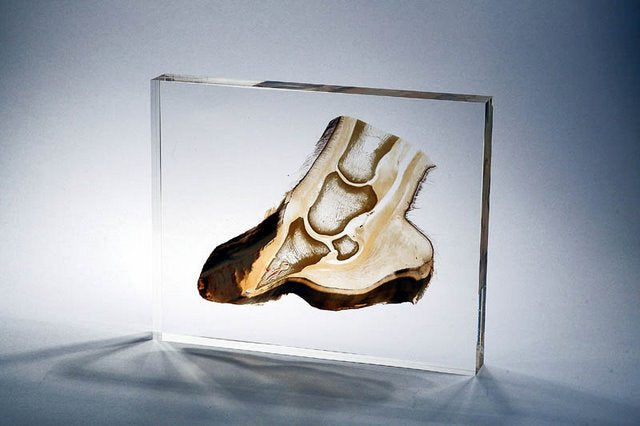
The horse's hoof consists of various structures that together form a complex unit. These include the hoof capsule, the sensitive laminae (lamina), and the coffin bone. These components work together to distribute the horse's weight evenly and support mobility.
To gain a better understanding of the anatomy of the horse's hoof, it is important to familiarize yourself with its individual parts. The hoof capsule protects the internal structures and provides stability. The sensitive laminae play a crucial role in supplying the coffin bone with blood and nutrients. They also serve as a connection between the hoof capsule and the coffin bone, which is important for suspending the horse's weight within the horn capsule. The coffin bone itself bears the entire weight and greatly influences the dynamics during locomotion.
Causes of Laminitis
The causes of laminitis are multifaceted and can range from obesity to improper nutrition to injuries. Insufficient blood circulation and inflammatory reactions in the sensitive laminae tissue are crucial for the development of the disease.
In particular, unrestricted feeding, excessive stress, and altered movement patterns are frequent triggers of laminitis. Diseases such as Cushing's syndrome can also increase the likelihood of your horse developing laminitis. It is important to understand the exact causes to be able to act preventively and protect your horse's health. Become aware of your horse's needs and create an individualized care plan to minimize the risk.
Recognizing Laminitis
Early Symptoms and First Signs
The early symptoms of laminitis are often subtle and difficult to recognize. Look for changes in behavior such as shifting weight between hooves, restlessness when picking up hooves, and reluctance towards the farrier. Your horse might also show increased temperature in the hooves and be sensitive to pressure on the hoof wall.
Acute and Chronic Laminitis
Distinguishing between acute and chronic laminitis is crucial for treatment. Acute laminitis develops quickly and manifests with severe pain, while chronic laminitis lasts longer, often without acute symptoms, and the coffin bone may already be damaged.
Acute laminitis typically manifests within 24 to 72 hours after the onset of inflammation. During this phase, your horse will be extremely sensitive to pain and often adopt a typical "sawhorse stance," by extending the front hooves forward to shift weight to the hindquarters. With chronic laminitis, the problem often persists for weeks or even years, during which the coffin bone shows changes, even if acute symptoms are not always obvious in this phase.
Diagnostic Steps
To reliably diagnose laminitis, you need a comprehensive examination by a veterinarian. First, clinical symptoms are recorded, followed by X-rays to assess changes in the coffin bone.
The diagnostic steps are essential to determine the severity of the disease. In addition to the clinical examination, X-rays are indispensable for detecting changes in the alignment of the coffin bone relative to the hoof capsule. This helps document the progression of the disease and plan appropriate therapy. A specialist can thus help you to recognize early on what stage your horse's laminitis is in.
Risk Factors for Laminitis
Laminitis is a complex disease that can be influenced by various risk factors. As a responsible horse owner, you should be aware of the most common factors to act preventively and provide your horse with the best possible care.
Breed and Genetic Factors
Some horse breeds are more susceptible to laminitis than others. Ponies and certain heavy horse breeds, in particular, frequently show cases of laminitis, which may indicate genetic predispositions. Be sure to consider your horse's genetic history when assessing the risk.
Feeding and Nutritional Aspects
Your horse's diet plays a crucial role in the development of laminitis. Obesity and a high sugar and starch content in the feed can significantly increase the risk. A balanced diet is therefore essential to minimize the risk of this painful disease.
Especially variable feeding or sudden feed changes can cause stress and imbalances in your horse's body, which can lead to laminitis. Ensure a consistent feed supply and avoid excessive amounts of concentrate feed. Your horse's weight should be regularly monitored to ensure it remains in a healthy range.
Lifestyle and Management
Your horse's lifestyle and management are also crucial factors. Unfavorable keeping conditions, such as overly hard ground or insufficient opportunities for movement, can increase the risk of laminitis.
Ensure your horse has sufficient freedom of movement and can stand on soft ground to relieve pressure on joints and hooves. A lack of exercise can negatively affect blood circulation in the hooves, thus increasing the likelihood of your horse developing laminitis. Also, ensure regular hoof care by a qualified farrier during the keeping period to promote hoof health.
Treatment Options
Immediate Measures and First Aid
In the event of laminitis, it is crucial to take immediate action. Keep your horse calm and avoid unnecessary stress or movement. Call your veterinarian immediately for a professional assessment and treatment. In the meantime, you can apply cool compresses to the affected hooves to relieve inflammation and reduce pain.
Veterinary Treatments
The veterinary treatment of laminitis requires a comprehensive diagnosis and targeted treatment. Your veterinarian will conduct a thorough clinical examination and take X-rays to assess the condition of the hoof bones and determine the further course of action.
Veterinary treatments may include pain relievers and anti-inflammatory drugs, which are administered as quickly as possible to alleviate pain and combat inflammation. In severe cases, special hoof trimming may be required to relieve pressure from problematic areas. Additionally, the veterinarian should recommend appropriate hoof boots or bandages to promote a return to normal movement and support healing. Early intervention is crucial here to prevent laminitis from becoming chronic.
Long-term Treatment Strategies
Long-term treatment strategies aim to prevent recurrence and improve your horse's quality of life. These strategies include regular veterinary check-ups and adjustments to hoof care, as well as changes in feeding and exercise.
Consistent coordination with your veterinarian and possibly an equine farrier is essential to ensure that your treatment plan meets your horse's specific needs. Make sure to keep your horse in a pain-free movement environment that avoids excessive pressure on the hooves. Addressing the causes of laminitis, such as improper feeding or insufficient exercise, is also of central importance. This way, you can not only support your horse but also prevent the disease from recurring.
Prevention of Laminitis
The prevention of laminitis is crucial to ensure your horse's well-being and avoid painful conditions. Through targeted measures in hoof care, feeding, and exercise management, you can significantly reduce the risk of laminitis.
Proper Hoof Care
Regular and professional hoof care is essential to ensure the health of the hooves. Have your horse regularly checked and corrected by a skilled farrier to detect and treat structural problems in time.
Optimal Feeding
Your horse's diet plays a vital role in preventing laminitis. Make sure to choose high-quality feed and limit sugar and starch intake, as these can promote inflammation.
Pure Magnesium Citrate for Horses: Magnesium can help support muscle function and reduce stress, contributing to laminitis prevention.
A balanced diet also includes the supply of minerals and vitamins, especially magnesium and zinc, which are important for hoof growth and hoof quality. Consider your horse's individual feed intake and adjust the ration to its lifestyle and health status. If in doubt, consult your veterinarian or an equine nutritionist.
Exercise Management
Thoughtful exercise management is equally important. Ensure your horse gets enough exercise to promote blood circulation in the hooves and avoid obesity, which increases the risk of laminitis.
Plan daily movements that include both walking and groundwork to strengthen muscles and joints. Vary the training to challenge the horse not only physically but also mentally. Make sure the horse is not overexerted, especially if it is naturally prone to obesity or already has health problems.
Case Studies and Testimonials
Successful Treatments
In our specialist clinic, we have successfully treated numerous cases of laminitis. One example is the treatment of a pony that suffered from painful inflammation. Through a combination of targeted painkillers, individually adapted hoof care, and physiotherapeutic measures, the animal was quickly able to walk pain-free again.
Long-term Management of Laminitis
For maintaining your horse's health, long-term management is of crucial importance. This includes choosing an adapted feed ration and adhering to regular veterinary check-ups to prevent relapses.
Long-term strategies to manage laminitis include regular hoof checks by an experienced farrier as well as careful monitoring of your horse's body weight. Ensure your horse gets enough exercise to promote blood circulation, and adjust turnout conditions to prevent injuries. Watch for changes in your horse's behavior or movement and seek veterinary advice immediately if you notice symptoms.
Lessons from Relapses
Relapses of laminitis can be extremely frustrating and point to errors in management. It is important to learn what went wrong in the past to prevent a *recurrence*.
With each relapse, it is of great importance to analyze the causes precisely. Insufficient adjustments to the feed ration, a lack of regular hoof care, or inadequate exercise are common triggers. Document your horse's progress and problems thoroughly to identify patterns and take targeted preventive measures in the future. This way, you can reduce the risk of laminitis and significantly improve your horse's quality of life.
Conclusion
The treatment and prevention of laminitis is a central challenge for every horse owner. By early recognition of the symptoms, you can take crucial steps to avoid acute and chronic discomfort for your horse. Be vigilant for the first signs, such as warm hooves and a stiff gait. You should take these signs seriously and consult a veterinarian immediately.
Timely diagnosis can make the difference between your horse returning to a pain-free life and a lifelong impairment. Remember that laminitis is not only a painful condition but also has the potential to worsen quickly. Understanding the various stages of the disease – from acute to chronic – is essential for appropriate response.
These questions about stress-induced laminitis in horses are frequently asked:
1. What is laminitis due to overload in horses?
Laminitis due to overload is a specific form of laminitis that occurs due to excessive mechanical stress on the hooves. This overload can be caused by various factors, such as intense training, sudden changes in movement patterns, or wearing unsuitable horseshoeing. In laminitis due to overload, the laminae and coffin bone are often inflamed, leading to pain and lameness. Early diagnosis and appropriate treatment are crucial to prevent long-term damage.
2. What does laminitis look like in horses?
Laminitis manifests through a series of symptoms indicating pain and inflammation in the hoof. These include warm hooves, lameness, a changed gait, and reluctance when cleaning out hooves. The horse may also frequently lift its hooves and show signs of restlessness or nervousness. A distinct pulse at the fetlock is also an important sign. The hooves may also be swollen or sensitive to touch.
3. Is laminitis curable?
The curability of laminitis depends on various factors, including the stage of the disease and the individual health of the horse. While symptoms can often be alleviated, a complete return to the original hoof condition is usually not possible. Treatment can significantly improve the horse's quality of life, and appropriate measures can prevent relapses. Intensive veterinary care and adjustments in housing and feeding are crucial for the healing process.
4. What to feed a horse with sensitive hooves?
For horses with sensitive hooves, it is important to adjust their feeding accordingly. Feed with high sugar and starch content should be avoided, as these components can worsen symptoms. Instead, the horse should be fed with high-quality, fiber-rich hay and special feed that is low in sugar. Supplements that reduce inflammation and support hoof health can also be helpful. Individual consultation with a veterinarian or feed expert is advisable to determine the appropriate feeding.
5. What to do if the horse is moving sensitively?
If a horse is moving sensitively, a thorough examination by a veterinarian should first be carried out to determine the cause of the sensitivity. In the meantime, the horse can be kept in a soft stall or on a soft surface to minimize pressure on the hooves. Cooling the hooves can also help relieve pain. In acute cases, pain medication prescribed by the veterinarian is often necessary. It is important to observe the horse's reaction and adjust treatment if necessary.
6. What can be done for sensitive hooves?
To treat sensitive hooves, comprehensive care is necessary. First, the horse should be provided with a calm and pain-free environment, ideally on a soft surface. The farrier can apply special horseshoeing that relieves pressure from the painful areas. In addition, anti-inflammatory medications and proper feeding can help alleviate symptoms. Regular check-ups by the veterinarian are important to monitor healing progress and make adjustments if necessary.
7. How to recognize supporting limb laminitis?
Supporting limb laminitis, also known as "carp-hoof," occurs when the horse is no longer able to distribute weight evenly on its hooves. Signs include an uncoordinated gait, avoidance of movement or lifting hooves, as well as general restlessness or lameness. If the horse sways on its hind legs while standing or shifts weight from one hoof to another, this can also be a sign of supporting limb laminitis. Early recognition is crucial to take appropriate measures.
8. How long can a horse wear a grazing muzzle?
The duration of wearing a grazing muzzle should be adjusted individually, depending on the horse's health condition and the reason for wearing the muzzle. In general, grazing muzzles should not be worn for extended periods to avoid stress and discomfort. It is recommended to remove the muzzle regularly so that the horse can drink water and move normally. Close consultation with the veterinarian is important to determine the optimal wearing duration and ensure that the horse does not develop any health problems.
Sources:
- www.olympus.net - laminitis (English)
- News on the topic: Laminitis in horses due to overload
- Fritz Rödder: Healthy hoof - healthy horse. Instructions, practice, case studies; Rüschlikon-Zürich, Stuttgart, Vienna: Müller, 1982; ISBN 3-275-00754-8
Editorial Guidelines of the Horse Vitality Company
At Horse Vitality Company, we create every contribution according to strict quality standards and rely on reputable sources and scientific research. Our editors are proven experts in the field of equine health and offer you well-founded, trustworthy information.
Expertise and Quality Assurance
- Qualified Authors: Our editors have extensive expertise in equine health and animal care.
- Double Check: Every article is additionally reviewed by a second expert to ensure accuracy and relevance.
Sources and Transparency
- Reputable Sources: We only use trustworthy sources and scientific studies to substantiate the content.
- Disclosure: We disclose potential conflicts of interest and ensure transparency.
Reader-friendliness and Up-to-dateness
- Reader-friendly Preparation: Our content is continuously optimized to make it as understandable and accessible as possible.
- Up-to-dateness: We regularly review our articles and update them as needed to ensure they are always current.
Interaction and Feedback
- Reader-oriented: Our goal is to offer you initial guidance. For individual health or care questions, we recommend consulting a veterinarian or animal naturopath.
- Feedback Option: We invite our readers to provide feedback and ask questions. Your suggestions help us continuously improve our content and tailor it to your needs.
These guidelines ensure that the content of the Horse Vitality Company always meets the highest standards of expertise, authority, and trustworthiness.


